Yoga guide

Yoga after spinal fusion: when to start, what to avoid, bending and twisting, the levels above and below, and a class

Most people can do yoga after a spinal fusion, but not straight away and not every pose. While the bone grows across the fused levels, over about 3 months and more, NHS leaflets restrict bending, twisting and lifting, and your surgeon's and physiotherapist's limits always come first. No trial has tested yoga after a fusion, so this guide follows the NHS leaflets and the rehabilitation trials, and says where it is our own reading.

Early on, yoga means breathing, walking and moving your hips, legs and arms with your back still: standing poses at a chair, bridges, bird dogs and side planks. Small spinal movements come back from about 12 weeks if your team agrees. Long term, the fused levels don't move, so we suggest keeping folds, twists and backbends moderate and leaving out headstand, shoulder stand and plough. This guide covers when to start, the poses to keep and change, neck fusions and scoliosis surgery, the levels above and below, what the evidence shows, a free 25-minute spine-still class and the warning signs. Our back surgery guide covers walking, lifting, sitting, driving and work.

The short version

Your team's limits come first, and they differ

NHS leaflets range from avoiding any lifting or prolonged bending for the first 6 weeks to no extremes of movement or twisting for at least 12 weeks after a low back fusion. A study of 32 NHS leaflets found "considerable variation", and no study has tested restrictions after a fusion. Follow your own team's list.

Sources 1, 2, 3, 4

No trial has tested yoga after a fusion

The only yoga trial after lumbar spine surgery was a feasibility study of 41 people given breathing, relaxation and gentle core tightening in hospital, which can't show whether yoga helps. A 2025 review suggests treating a return to yoga like a return to sport: step by step, with your team.

Sources 5, 6, 7

The bone takes months to fuse

Healing shows on X-ray from about 6 weeks, it is substantial by about 3 months, and the bone keeps remodelling for up to a year. That is why bending and twisting wait.

Sources 8, 9, 10

Early on: breathe, walk, and move your hips and legs with your back still

The NHS fusion plans we read start with frequent short walks and gently drawing in your lower tummy, and one asks you to keep your back as straight as possible and use the movement in your hips, knees, shoulders and arms. That is spine-still yoga: breathing, standing poses at a chair, bridges, bird dogs and side planks.

Sources 1, 11

You won't lose all your bending

Most fusions join only a short part of the spine. After a fusion of 1 or 2 low back levels, people reported no serious limits in most daily activities, and in another study 91% found any extra stiffness an acceptable trade-off. You bend more from your hips.

Sources 12, 13, 14

Long term: moderate, not maximal, as a precaution

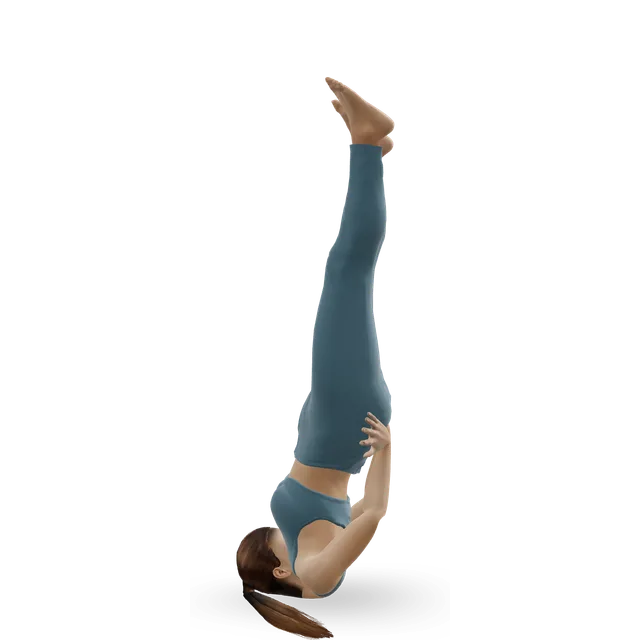
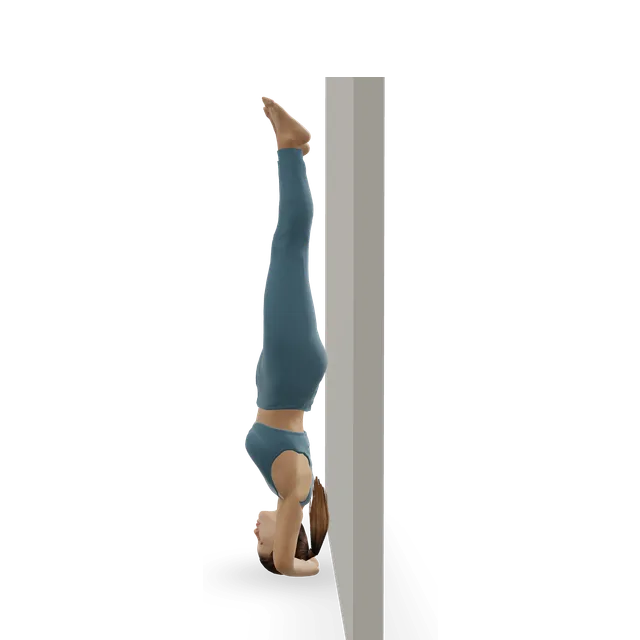
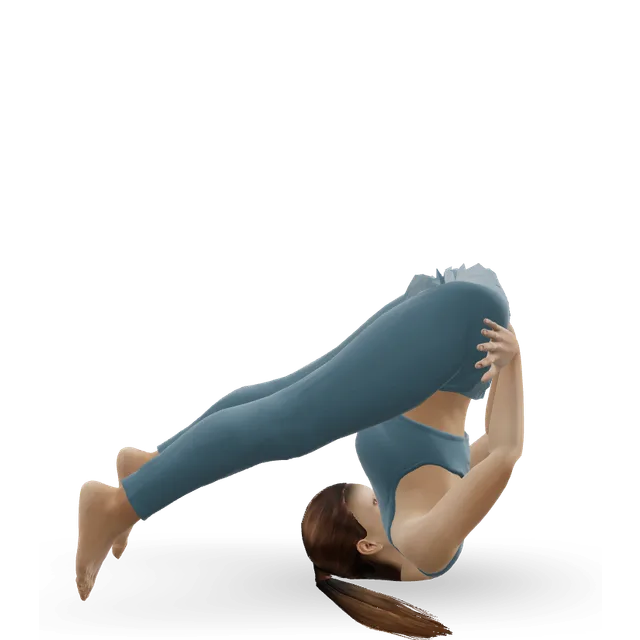
The levels above and below a fusion wear faster over the years, and in one clinic's series, extreme forward and backward bending featured most in yoga injuries. No study links yoga poses to wear next to a fusion, so this is a precaution: keep folds, twists and backbends moderate, and leave out headstand, shoulder stand and plough.

Sources 15, 16, 17

A spinal fusion, and where yoga fits

The operation

A spinal fusion joins two or more bones of the spine. Screws, rods, cages and bone graft hold the level still while bone grows across it, which the British Association of Spine Surgeons says takes 6 to 12 months. NICE (the National Institute for Health and Care Excellence) says not to offer a fusion for low back pain except in a clinical trial; fusions are done for a slipped vertebra, instability, scoliosis and other curves, some fractures and some trapped nerves.

Sources 1, 18, 19

Who this guide is for

Adults after a low back (lumbar) or neck (cervical) fusion, or a longer fusion for scoliosis, who did yoga before or want to start, and teenagers after scoliosis surgery and their parents. After a discectomy or decompression without a fusion, the limits are usually lighter: our yoga for herniated disc and yoga for spinal stenosis guides cover yoga after those operations, and our back surgery guide covers recovery after all three.

Restrictions differ, and haven't been testedStrong evidence

In 32 NHS lumbar surgery leaflets, 11 of them about fusion, there was "considerable variation in the recommendations and definitions provided". A 2025 systematic review found only 4 studies of activity restrictions after spine surgery, all after a discectomy, and none after a fusion. Surgeons' own advice varies just as widely in surveys. So the timings on this page are examples, and your team's list comes first.

Sources 3, 4, 20, 21

How yoga fits (our reading)

In the first months, yoga that keeps the fused part of your back still while your hips, legs, shoulders and breath move. A 2025 review suggests stretching the hips and other joints early "in neutral-spine positions" and bringing back bending and twisting of the low back from about 12 weeks after a fusion. Later, the fused levels stay still, so folds, backbends and twists come from your hips and the levels that still move.

Sources 11, 7

When to start, stage by stage

These stages are our reading of NHS fusion leaflets and the rehabilitation trials, not a tested plan. Each one starts when your surgeon or physiotherapist says so, and hospitals differ.

From the first days: walk, breathe and do the hospital's exercises

Walk little and often: one NHS fusion leaflet says "frequent shorter walks are better than fewer longer ones". Add slow breathing, ankle circles while you rest, and the exercises the hospital gave you, such as gently drawing in your lower tummy. Get in and out of bed with the log roll (below).

Source 1

From about 6 weeks: spine-still yoga

Most exercise programmes in the trials after a fusion started between 6 and 12 weeks, and one NHS trust says gentle non-contact sport and fitness exercise can start between 6 and 12 weeks. When your team starts your rehabilitation, our 25-minute spine-still class 2 or 3 times a week fits alongside walking (our editorial starting point).

Sources 22, 23, 8

From about 12 weeks: small spinal movements, if your team agrees

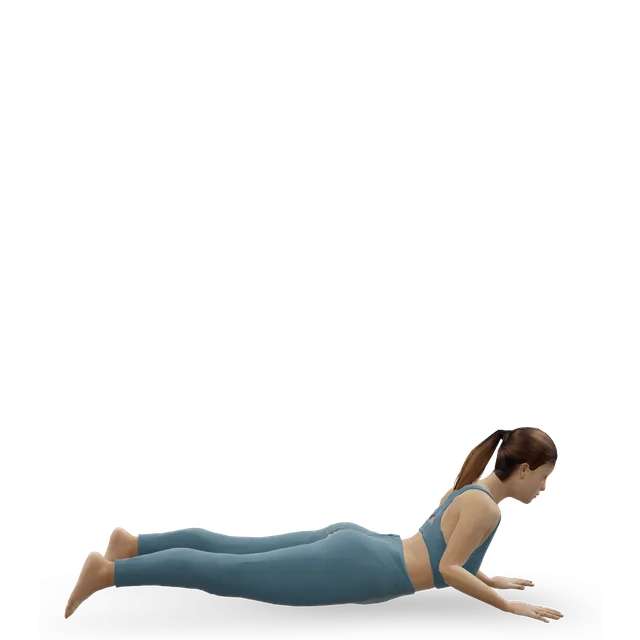
A 2025 review suggests bringing back bending and twisting of the low back from about 12 weeks after a fusion, and one NHS fusion leaflet holds other specific exercises until 12 weeks unless your physiotherapist advises otherwise. Bring back cat-cow in a small range, a gentle seated turn and a low cobra, one at a time, then beginners' classes with the swaps below.

Sources 7, 11

From about 6 to 12 months: general classes, with lasting changes

Bone healing and remodelling can continue for up to a year. By then many people can join general classes if their team agrees, keeping folds, twists and backbends moderate and leaving out plough, shoulder stand and headstand. Ask your surgeon before anything more demanding (our editorial starting point).

Sources 8, 24

Getting in and out of bed: the log roll (written steps)

From our back surgery guide. Many NHS leaflets teach this for the first weeks. The 3D figure doesn't show it.

  • 1. Lying on your back, bend your knees and roll onto your side as one piece, shoulders and hips together.
  • 2. Bring your legs off the edge of the bed.
  • 3. Push up with your top hand in front of you and your lower elbow, so you come up to sitting sideways.
  • 4. Don't try to sit straight up from lying on your back.
  • 5. To lie down, reverse it: sit on the edge, lower onto your elbow and side, then lift your legs onto the bed together.

Source 1

What the evidence says

No trial has tested yoga after a fusionStrong evidence

Our searches found one yoga trial after lumbar spine surgery: a single-centre feasibility study that gave adults having a laminectomy or a fusion daily breathing, relaxation and core tightening in hospital, not poses that bend or twist. Of 41 people enrolled, 30 completed, and the abstract doesn't say how many had a fusion. It shows the practice can be done in hospital, not that it helps. We found no report of yoga damaging a fusion.

Sources 5, 6, 25

Experts call the research sparseEmerging evidence

A 2025 review says "There is sparse research available about using these exercise modalities following lumbar surgery", meaning yoga and Pilates. It suggests practising what the activity demands under a clinician's eye before going back to it, as you would with a sport. It is a narrative review, not a guideline. Our Pilates after spinal fusion guide covers the Pilates side.

Source 7

Exercise after a fusion helps a little, for a whileEmerging evidence

In 18 trials (1,402 people), exercise eased disability and pain more than usual care in the first months (a small to moderate effect: standardised mean difference -0.41 for disability), and adding a cognitive-behavioural approach, which works on fear of movement, helped more. The effects "disappeared beyond one year", and the evidence is low quality. About 40% of people still have significant back-related disability a year after a lumbar fusion. Yoga hasn't been tested for either.

Sources 26, 27

When to start rehabilitationMixed evidence

In 82 people after a lumbar fusion, the same group programme started at 12 weeks gave a better disability result at a year than starting at 6 weeks, with no difference in walking or fitness. In 52 people, starting functional training within 12 weeks was no better than later, and in 107 people, rehabilitation in the first 3 months was safe. Follow your team's timing.

Sources 22, 28, 29, 23

After a neck fusionEmerging evidence

In a multicentre trial of 202 people after surgery for a trapped nerve in the neck, mostly a fusion from the front, structured neck exercise from 6 weeks caused no adverse effects but gave no extra benefit over standard care at 2 years. Gentle neck movement within your physiotherapist's limits is fine; there's no need to push your range.

Sources 30, 31

A brace doesn't change recoveryStrong evidence

In 5 trials (362 people), a brace after lumbar fusion made no difference to pain, function, complications or whether the bone fused. Wear one only if your surgeon prescribes it, as they advise.

Sources 32, 33

Pain that lasts after surgeryMixed evidence

For pain that persists after spine surgery, the evidence for treatments without surgery, exercise included, is low quality, and yoga hasn't been tested. Talk to your team or GP about a pain service; our back surgery guide covers what to ask.

Source 34

Bending, twisting and arching: early and later

The first 12 weeks or soStrong evidence

NHS fusion leaflets ask you to avoid any lifting or prolonged bending for the first 6 weeks; or to avoid extremes of movement, repetitive bending and reaching, and "more importantly twisting", for at least 12 weeks; or to "minimise movement of the part of your spine that has been fused, particularly bending and twisting". In yoga, that rules out forward folds that round your back, twists, side bends, backbends, cat-cow, child's pose and knees-to-chest. Everything else keeps your spine still and neutral (our reading).

Sources 1, 2, 11

One leaflet says bending and twisting are safe: it isn't about fusions

A London NHS hospital's leaflet on exercises after low back surgery says it is safe to lift, bend and twist. It doesn't say which operations it covers and never mentions a fusion, and the fusion leaflets above are stricter. After a fusion, follow your own team's leaflet (our reading).

Sources 35, 1

From about 12 weeks, if your team agreesEmerging evidence

A 2025 review suggests "A conservative resumption of motion would be at 6 weeks following discectomy and disc arthroplasty, and at twelve weeks following fusion". Bring back small, slow movements one at a time: cat-cow in a small range, a gentle seated turn from the upper back, a low cobra (our reading).

Source 7

Hinge from the hipsStrong evidence

One adult fusion leaflet: "When reaching down low and up high; keep your back as straight as possible; use the movement in your hips, knees and shoulders and arms". That is the hip hinge, and it's how to come into and out of every standing pose, early and later.

Source 11

Long term: moderate, not maximal (a precaution)Emerging evidence

Experts' advice on long-term limits varies, and for teenagers after scoliosis surgery an international panel agreed on no restrictions from 12 months. We suggest keeping folds, twists and backbends moderate, hinging from the hips, and leaving out plough, shoulder stand, headstand and forced end-range positions for good.

The reasons: in one clinic's series of 89 people hurt in yoga, poses with extreme forward and backward bending of the spine featured most, and the levels next to a fusion wear faster over the years. No study links yoga poses to that wear, so this is a precaution, not a tested rule.

Sources 20, 24, 17, 15, 16

What a fusion changes, and the levels above and below

Most fusions are shortEmerging evidence

The American Academy of Orthopaedic Surgeons says "most spinal fusions involve only small segments of the spine and do not significantly limit motion". After a 1- or 2-level low back fusion, people (average age 69) reported no serious limits in most daily activities, while 3- or 4-level fusions limited more; 91% of 62 people found any extra stiffness an acceptable trade-off. A single-level fusion at the front of the neck doesn't significantly reduce overall neck movement.

Sources 12, 13, 14, 36

Where the lost bend showsEmerging evidence

Picking something up from the floor uses the most low back movement of everyday activities, and each lower lumbar level contributes its share (about 11 to 17 degrees between the fourth and fifth lumbar vertebrae in healthy volunteers). After long low back fusions in people averaging 71, the hips made up only part of the lost movement, and activities down at floor level got harder. Hinge from the hips, use a block or a chair, and give floor poses more time.

Sources 37, 38, 39, 40

The levels above and below wear fasterStrong evidence

After a lumbar fusion, about 2.5% a year needed surgery at a neighbouring level (22% at 10 years), more after longer fusions: 1.7% a year after one level, 5.0% after three or four. After a fusion at the front of the neck, 2.9% a year developed symptoms at a neighbouring level, which the authors put down to ongoing wear.

Sources 15, 16

No exercise has been shown to change thatStrong evidence

We found no study testing whether exercise, stretching, yoga or Pilates changes wear next to a fusion, in either direction (106 records screened). The risk factors found were surgical, alignment and body factors and earlier disc wear. So don't try to win back the lost range by pushing the levels above and below to their end range: build strength, move through your hips, and get new pain at a neighbouring level checked (our reading).

Sources 41, 42

FlatbackEmerging evidence

A fusion that loses the low back's normal inward curve can leave people leaning forward and working hard to stand upright: flatback syndrome. When it's marked, it's a surgical problem that exercise often doesn't fix. If standing up straight takes effort after a fusion, tell your team (see the warning signs).

Sources 43, 44

After a neck fusion, a scoliosis fusion or a long fusion

After a neck fusionStrong evidence

One NHS health board says: "Don't twist, push, pull, or lift anything heavier than a couple of kilograms (a kettle full of water). Gradually increase your load after six weeks." It starts exercise and sport at 8 to 12 weeks. A collar, if you're given one, is usually worn at all times for the first 4 to 6 weeks, and the spine surgeons' booklet asks you to avoid reaching up above your head for the first few weeks. One NHS trust holds back sports that twist or change direction for at least 12 months.

In yoga (our suggestion): no headstand, shoulder stand or plough, ever, no overhead reaching in the first weeks, and neck turns that never force the end of your range. Turn your head with your body in seated twists.

Sources 45, 46, 18, 47

Teenagers after scoliosis surgeryEmerging evidence

One NHS trust keeps PE and contact sport out for at least 3 months, with swimming from 3 to 6 months and diving and butterfly at a year; another allows low-impact sport from 3 months and contact sport from 6 to 12 months. Most teenagers go back to sport between 8 and 12 months, and an international expert panel agreed to avoid extreme bending and twisting early, with "no restrictions from 12 months onwards".

Follow the scoliosis team's timetable first and start with spine-still poses. Our yoga for scoliosis and yoga for teens guides cover more.

Sources 48, 49, 50, 24

After a long fusion to the pelvisEmerging evidence

Getting down to the floor and up again is harder after long fusions, and in a survey of 95 adults after fusions to the pelvis, going back to yoga at the same level was uncommon (the paper's yoga figures don't add up, so treat them as rough). Do lying poses on a firm bed and standing poses at a counter, or try our chair yoga guide (our suggestion).

Sources 40, 51

From the first days (as your team allows)

Short walks several times a day, adding a little each day (our back surgery guide's first stage). Slow breathing, 2 minutes, on your back with your knees bent or on your side with a pillow between your knees, in for about 4 and out for about 6 (our yoga for spondylolisthesis class). Breath reach: "5 breaths, exhale longer than inhale" (the move page's dose), arms only to shoulder height in the first weeks. Tummy draw-in: gently draw in the lower tummy and hold up to 10 seconds, breathing normally, 10 times, twice a day, back still (one NHS hospital's dose after a fusion, in our back surgery guide). Ankle circles: 10 slow circles each way with each foot (our yoga after knee replacement class), every hour or so while you're resting. Nerve slider: 10 slow repetitions, twice a day, only if your pain went down the back of a leg and your team taught it (our back surgery guide).

Spine-still strength and balance (from about 6 weeks, or when your rehabilitation starts)

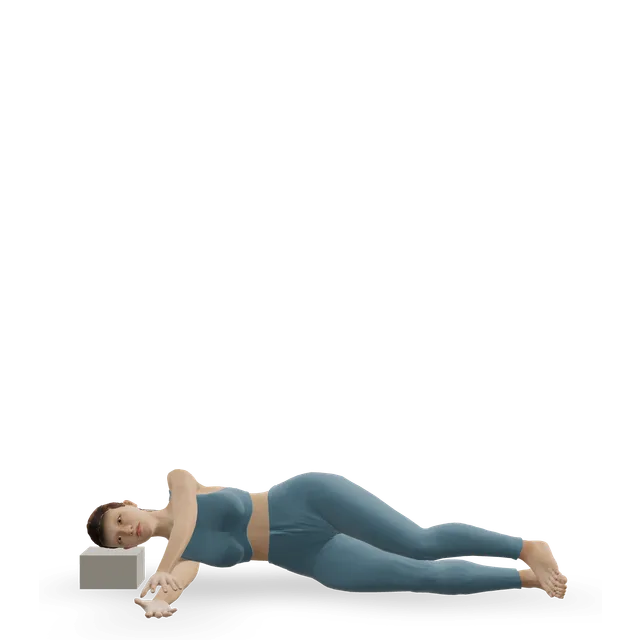
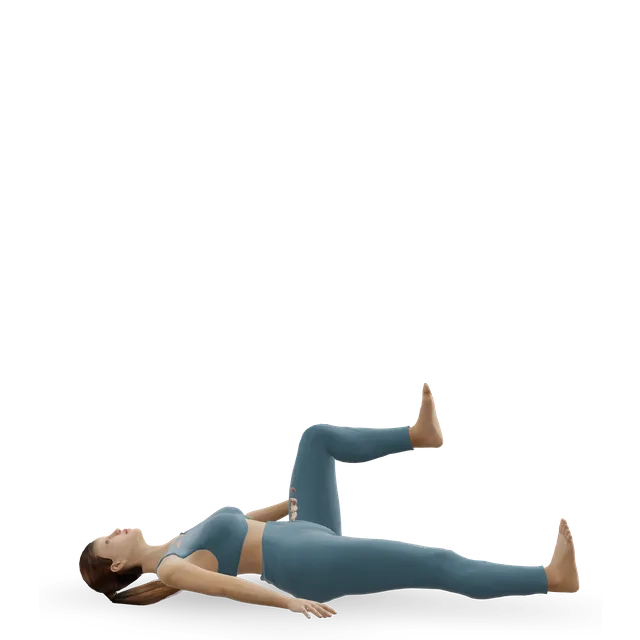
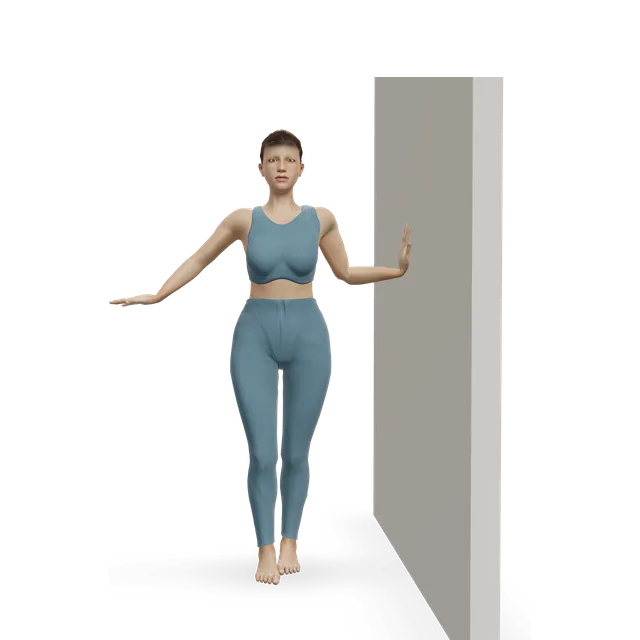
The leg moves, the back doesn't. Heel slide, 10 slow repetitions each side, and sit to stand, 2 sets of 8 from a firm chair against a wall (both our yoga after knee replacement class). Dead bug heel taps, 2 sets of 8 each side; glute bridge, 2 sets of 10, only to a straight line from shoulders to knees; one-limb bird dog, 2 sets of 6 each side with 3 to 5 second holds; side plank on your knees, 2 holds of 15 to 20 seconds each side, once your team allows trunk loading; mountain pose, 5 slow breaths; chair pose, 3 holds of 15 seconds holding a chair back; warrior II, 3 breaths each side with a short stance and hands on your hips; hip hinge, 2 sets of 8; tree pose, 3 breaths each side with fingertips on a wall; corpse pose, 3 minutes, then the log roll to get up (all our yoga for spondylolisthesis class). Semi-tandem stance, 15 to 30 seconds, 4 times, at least once a day near a counter, and wall push-up, about 1 minute, building to 2 (both from a London NHS hospital's leaflet for low back surgery, in our back surgery guide).

How to bend after a fusion: the hip hinge

Our wording of an NHS adult fusion leaflet's advice to keep your back straight and use the movement in your hips, knees, shoulders and arms (Lancashire Teaching Hospitals). The dose in our yoga for spondylolisthesis class is 2 sets of 8.

  1. Stand with your feet hip-width apart and your knees soft, hands resting on the fronts of your thighs.
  2. Lengthen your back, as if your head is being drawn up and away from your tailbone.
  3. Breathing out, push your hips back and let your hands slide down your thighs, keeping your back long and still. Your knees bend a little.
  4. Go only as far as your back stays long, then breathe in and push your hips forward to stand.
  5. Use the same hinge to come into and out of every standing pose, and to reach anything below knee height.

See the movement on the 3D figure: Hip-hinge practice

Small spinal movements (from about 12 weeks, if your team agrees)

Bring these back one at a time, small and slow. Cat-cow: "8 waves, slower than feels natural" (the move page's dose), in a small range at first, or sitting with your hands on your knees. Thoracic rotation, 5 each side, sitting with your arms crossed and your hips facing forward, turning from the upper back well short of the end (our yoga after knee replacement class); after a neck fusion, turn your head with your body. Low cobra, 5 lifts held 3 to 5 seconds, forehead on your hands between lifts, skipped if it brings on leg symptoms (our yoga for osteoporosis class). Seated upper-back lift: "3 to 5 repetitions, each held 3 to 5 seconds" (the move page's dose). Strap hamstring stretch, 2 holds of 20 to 30 seconds each side, and reclined figure four, 30 seconds each side, with your pelvis still (both our yoga for spondylolisthesis class). High lunge, 5 breaths each side, short stance and no arch (our yoga for balance class).

Poses to change or leave out

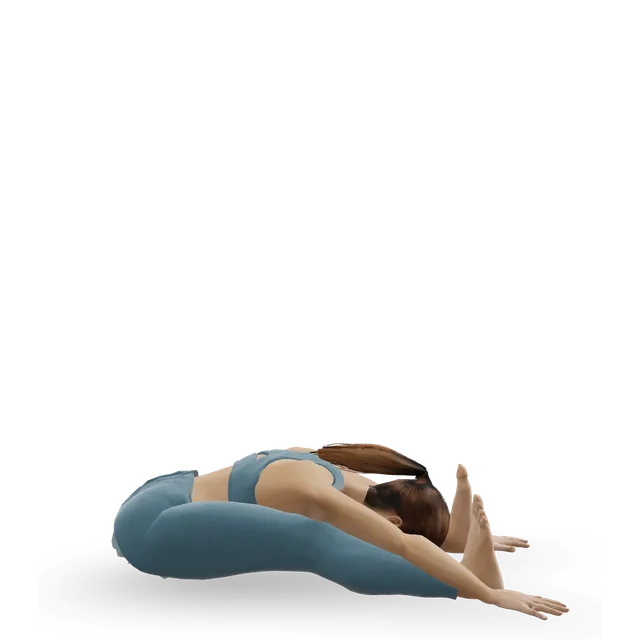
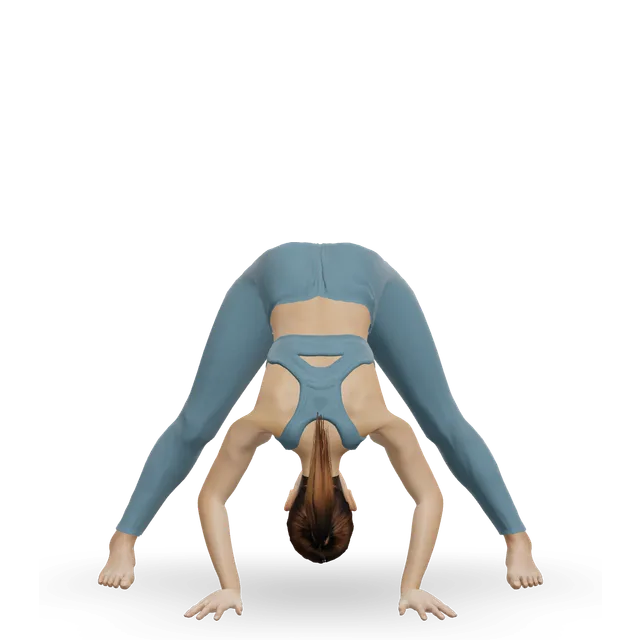
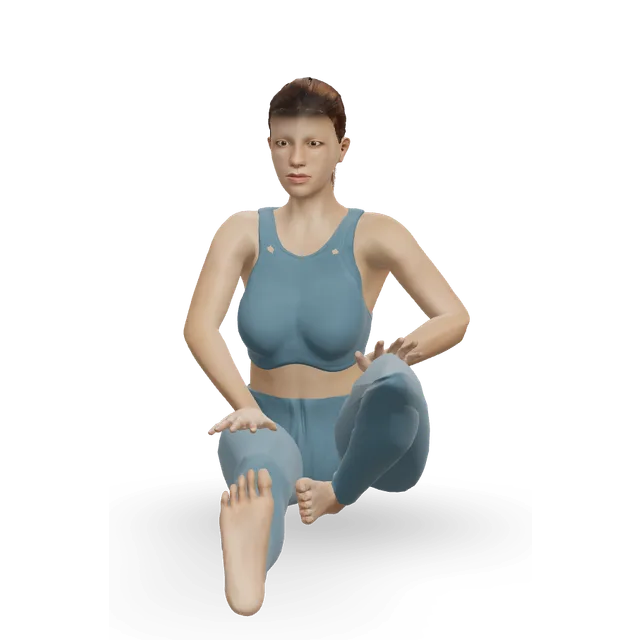
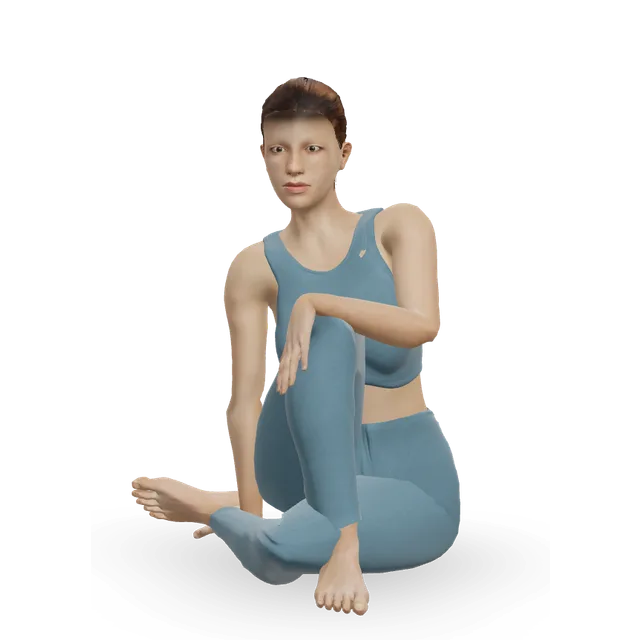
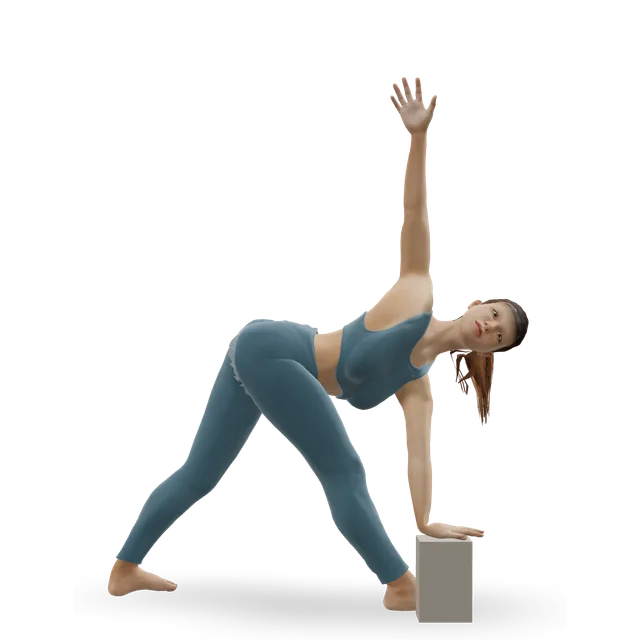
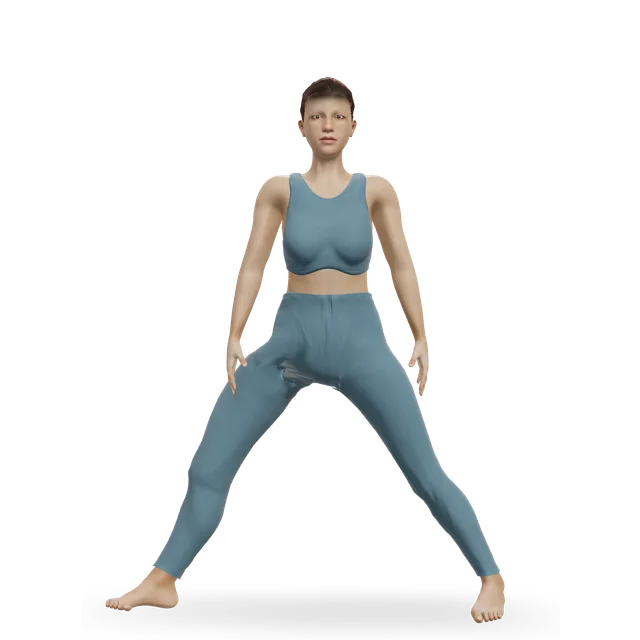
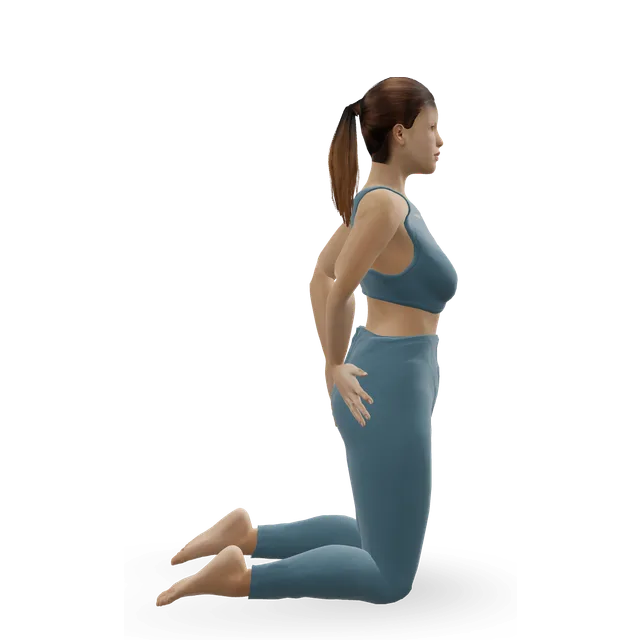
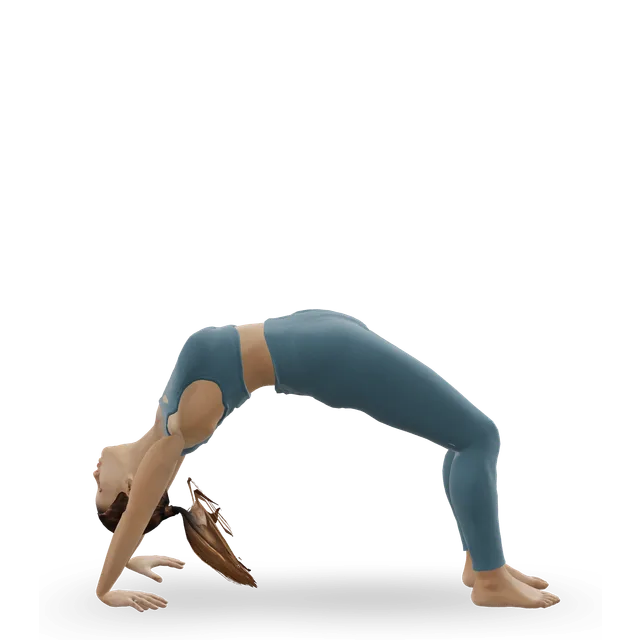
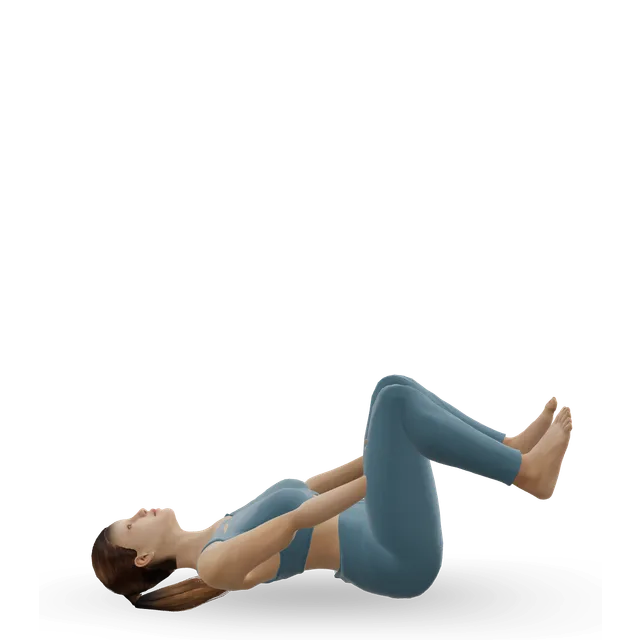
For at least the first 12 weeks: swap seated, standing and wide-legged forward folds, head-to-knee pose, child's pose and knees-to-chest for the hip hinge; leave out twists (or later, turn only the upper back while sitting), side bends such as triangle, and backbends such as cobra, camel and wheel; do half sun salutations with your hands on your thighs. After that, keep them moderate. Leave out plough, shoulder stand and headstand for good after any fusion, and above all after a neck fusion; legs up the wall with your hips on the floor is the swap. Skip hot classes until the wound has healed and you're past the early stage: NCCIH (the US National Center for Complementary and Integrative Health) warns of overheating and dehydration. Our reading of the NHS leaflets, the yoga injury series and the moves' own cautions. If a pose leaves your back or neck sore, our back pain after yoga and neck pain after yoga guides cover what to change.

A 25-minute spine-still class and other workouts

Our 25-minute class first, from about 6 weeks when your team agrees: nothing in it bends, twists or arches your back. It's our own selection, untested in a trial, with doses from our spondylolisthesis and knee replacement classes and our back surgery guide. The breathing and hip replacement classes also keep your back still and suit the first weeks. The spondylolisthesis, chair yoga and osteoporosis classes include cat-cow, side bends or a twist, so leave those moves out until about 12 weeks; the beginners and back pain classes fit from about 3 to 6 months with the swaps above.

Spine-still yoga after spinal fusion: a 25-minute class for the first months, with no bending, twisting or arching of your back

A 25-minute spine-still yoga class for the months after a spinal fusion: breathing, legs moving around a still back, standing strength at a chair and balance.

25 minBeginner15 movesBench or box, wall

Breathing exercises to relax

A 6-minute breathing routine: slow breathing, crocodile breathing, alternate nostril breathing, box breathing and 4-7-8 breathing.

6 minBeginner5 movesNo equipment

Yoga after a hip replacement: a 25-minute chair, counter and bed class with no deep bends, crossing or twisting

A 25-minute yoga class for after a hip replacement: seated on a high chair, standing at a counter and strength lying down, with no deep bends, crossing or twisting.

25 minBeginner17 movesBench or box, something with weight

10-minute walk and move after meals

A 10-minute routine for straight after a meal: an easy walk, a few simple standing moves from blood sugar trials, then a short walk to finish.

10 minBeginner6 movesCardio machine, bench or box

Yoga for spondylolisthesis: a 25-minute class with the spine still, bending forward to rest and no backbends

A 25-minute yoga class for spondylolisthesis: trunk strength with the spine still, bending-forward rests, hips, hamstrings and standing poses, with no backbends.

25 minBeginner19 movesNo equipment

Seated chair yoga: 15 minutes, no standing

A 15-minute chair yoga routine done entirely sitting: slow breathing, neck, shoulder and wrist stretches, seated twists and side bends, and a calm finish.

15 minBeginner16 movesBench or box

Chair yoga for seniors

A free 20-minute chair yoga class for older adults: slow breathing, gentle seated stretches and twists, standing poses holding the chair, and a calm finish.

20 minBeginner18 movesBench or box, something with weight

Yoga for osteoporosis: a 30-minute class with the safe swaps built in

A 30-minute yoga class for osteoporosis: standing strength, balance at a wall, back-strengthening holds and hip hinges in place of deep forward folds.

30 minBeginner19 movesBench or box, wall

Gentle yoga for beginners

A 25-minute gentle yoga class for complete beginners and over-50s: slow breathing, a warm-up, supported standing poses, floor poses and a closing rest.

25 minBeginner14 movesNo equipment

Yoga for back pain (gentle beginner sequence)

A gentle 20-minute yoga sequence for back pain, based on the first weeks of a 12-week trial programme: lying, all-fours and standing poses, then rest.

20 minBeginner12 movesFirm cushion

Warning signs

These are the warning signs from our back surgery guide and our yoga guides, word for word, with three lines of our own, labelled. This is general information, not a diagnosis. A&E means accident and emergency; in the US, call 911 for 999.

Call 999 or go to A&E

  • Call 999 or go to A&E: loss of feeling or numbness around the genitals or bottom, new trouble peeing or controlling your bladder or bowels, changes in genital sensation during sex or problems with erections or orgasm, or pain, tingling, weakness or numbness in both legs. These are signs of cauda equina syndrome, which needs treating in hospital urgently. Don't drive yourself, and tell them you've had back surgery.
  • Call 999 or go to A&E if breathing suddenly becomes difficult, if pain in your chest or upper back comes on suddenly with breathlessness or a very fast heartbeat, or if someone passes out. Do not drive yourself. It can be a blood clot that has reached the lungs.
  • Call 999 or go to A&E: back pain with chest pain, or back pain that started after a serious accident, such as a car crash.

Sources 52, 53, 54

The same day

  • Same day (the hospital or NHS 111): new pain, weakness or numbness in your legs, numbness or weakness that is getting worse, or constant pain that keeps getting worse.
  • Same day (the ward, your GP or NHS 111): the skin around your stitches is hot, itchy, red, swollen or oozing, or you have a high temperature or feel hot, cold, shivery or generally unwell. These can be signs of an infection. If you feel unwell and the wound looks infected, go to A&E.
  • Same day (your surgical team or NHS 111): clear fluid leaking from the wound, or a severe headache that's worse when you sit or stand and eases when you lie down. After spinal surgery this can mean a leak of the fluid around the nerves, which sometimes needs more treatment.
  • Same day (urgent GP appointment or NHS 111): throbbing pain in one leg (rarely both), usually the calf or thigh; swelling in one leg (rarely both); red, blue or darkened skin around the painful area, which may be harder to see on brown or black skin; or swollen veins. It could be a blood clot (deep vein thrombosis, DVT), which is more likely while you're moving about much less than usual or after a hospital stay.

Sources 55, 56, 57, 53

Tell your team soon

After a fusion, needing to 'contract the back muscles, and possibly flex at the hips and knees' to stand upright: tell your surgical team or GP. It can be flatback syndrome, which may develop after 'a lumbar spinal fusion that does not maintain the normal curve of lordosis'.

Our suggestion: leg pain, numbness or weakness that comes back after a spell of being better, or new pain above or below the fusion, means telling your surgical team or GP.

Sources 44, 43, 55, 15, 16

Chest pain or fainting while exercising: call 999

Call 999 if:

  • You get sudden pain or discomfort in your chest that doesn't go away; it can feel like squeezing or pressure, burning or indigestion.
  • The pain spreads to your left or right arm, or your neck, jaw, stomach or back.
  • You have chest pain and feel sweaty, sick, light-headed or short of breath.
  • Someone faints while exercising, can't be woken within 1 minute, or has chest pain or a pounding, fluttering or irregular heartbeat.

Sources 58, 59

During yoga

In the first weeks, your back will be sensitive, and at times your pain may increase without anything being wrong, one NHS hospital says; if new or increased pain is stopping you doing things, go back a stage until you feel more comfortable. Another says that if you do too much one day and your back is very sore, keep up the gentle exercises until it settles before doing more, as making your back painful early on is unlikely to do harm but adds inflammation and delays healing. Good and bad days are normal.

From about 6 weeks, this site's back pain rule applies: discomfort up to about 5 out of 10 that settles within an hour or so and is no worse the next morning. That figure is for back pain in general and hasn't been tested after surgery.

Our suggestion: stop any pose that brings on numbness, pins and needles or pain in a leg, and tell your team if it doesn't settle.

A joint pain that is sharp, gets worse during a session, lingers into the next day or changes how you move is a reason to use an easier version, and to see a GP or physiotherapist if it keeps happening (the rule in our plans). Muscle soreness for a day or two after something new is normal. In a hot class, stop if you feel dizzy, sick or unwell; our hot yoga guide lists the signs of heat illness.

You can say no to any hands-on adjustment, and a teacher registered with Yoga Alliance must get your explicit consent each time.

Our suggestion: tell your teacher which levels are fused, and say no to any hands-on push into a fold, twist or backbend.

Sources 35, 1, 55, 60, 61

Head-down poses, bones and pregnancy

With glaucoma, or high blood pressure that isn't under control, skip headstands, shoulder stands and long head-down holds. With osteoporosis, swap deep forward folds for a flat-back hinge from the hips, and twist smoothly. In pregnancy, our yoga in pregnancy guide covers the changes. NCCIH advises beginners to avoid headstands, shoulder stands, the lotus position and forceful breathing.

Sources 62, 60

Before you start

The NHS advises getting advice from a healthcare professional first if you have a health problem, an injury or symptoms, or have recently had a heart attack or an operation.

Myths

"You can never bend your back again after a fusion"Strong evidence

The fused levels stop moving, but most fusions are short and don't greatly limit movement. After 1- or 2-level low back fusions, people reported no serious limits in most daily activities, and 91% in another study found extra stiffness an acceptable trade-off. You bend more from your hips, as the hip hinge teaches.

Sources 12, 13, 14, 11

"Yoga is out for good after a fusion"Emerging evidence

No guideline we found bans it. The restrictions cover the months while the bone heals, and a 2025 review treats going back to yoga like going back to a sport, step by step. Long fusions limit more, especially on the floor.

Sources 8, 7, 40

"Stretching will loosen the fused levels, or protect the levels above and below"Strong evidence

The fused levels are joined by bone and don't loosen, and no study has tested whether stretching, exercise or yoga changes wear at the neighbouring levels, in either direction. Forcing extra range from the levels above and below isn't a sensible goal (our reading).

Sources 12, 41, 42

"A brace makes yoga safe early"Strong evidence

In 5 trials, a brace after lumbar fusion made no difference to pain, function, complications or whether the bone fused. The time limits come from bone healing, not the brace.

Sources 32, 33

"Once the bone has fused, anything goes"Emerging evidence

In one clinic's series, yoga injuries came most often from poses with extreme forward and backward bending of the spine, headstand features most in case reports of harm, and the levels next to a fusion wear faster over the years. No study links these poses to that wear, so keeping folds, twists and backbends moderate and leaving out headstand, shoulder stand and plough is a precaution.

Sources 17, 63, 15, 16

"Core work means sit-ups and crunches"Emerging evidence

The NHS fusion plans start with gently drawing in your lower tummy with your back still, and spine-still moves (dead bug, bird dog, side plank, bridge) train the trunk without bending it. Sit-ups round the back, which the leaflets restrict early.

Sources 1, 11

Questions people ask

Can you do yoga after spinal fusion?

Yes, for most people, once your team agrees, starting with breathing and spine-still poses and building up over months. No trial has tested yoga after a fusion, so the poses here follow the NHS leaflets' restrictions and the rehabilitation trials. Your surgeon's and physiotherapist's limits come first.

How soon after spinal fusion can I do yoga?

Breathing, walking and the simple exercises your hospital gives you start in the first days. Spine-still yoga, such as standing poses at a chair, bridges and bird dogs, usually fits from about 6 weeks, when rehabilitation starts, and bending and twisting from about 12 weeks if your team agrees. The bone keeps strengthening for up to a year.

Which yoga poses should I avoid after spinal fusion?

For at least the first 3 months: forward folds that round your back, twists, side bends, backbends, child's pose, knees-to-chest and full sun salutations. For good, we suggest leaving out plough, shoulder stand, headstand and forced end-range folds or backbends. Hinge from your hips instead of folding.

Can I twist after a spinal fusion?

Not in the first months: one NHS trust restricts twisting for at least 12 weeks after a low back fusion, and another asks you to keep bending and twisting of the fused part to a minimum. After that, if your team agrees, bring back gentle seated turns from the upper back, well short of the end of your range.

Is chair yoga good after spinal fusion?

Yes. Early on it's a good way to breathe, move your arms and legs and practise standing up well, as long as you skip seated twists, side bends and cat-cow for the first months. Our chair yoga classes include those moves, so leave them out until your team allows.

Will yoga help my back after a fusion?

It hasn't been tested. Exercise after a fusion eased disability and pain a little for the first months in trials, with no difference after a year, and adding help with fear of movement did better than exercise alone. Yoga can be one way to keep exercising, alongside your physiotherapy.

Will yoga protect the levels above and below my fusion?

We don't know: no study has tested it either way. The levels next to a fusion do wear faster over the years, so build strength and avoid forcing them to the end of their range. Get new pain above or below the fusion checked.

Can I do yoga after a neck (cervical) fusion?

Yes, with changes: no headstand, shoulder stand or plough, no reaching overhead in the first weeks, and gentle neck turns that never force the end of your range. One NHS health board starts exercise and sport at 8 to 12 weeks after neck surgery.

Can I do yoga after scoliosis surgery?

Yes, following the scoliosis team's timetable: most teenagers go back to sport between 8 and 12 months, and experts agree on no restrictions from 12 months. Start with spine-still poses and avoid extreme bending and twisting early. Our yoga for scoliosis and yoga for teens guides cover more.

Do I need to wear my brace for yoga?

Only if your surgeon has prescribed one and asked you to wear it for exercise. In trials, a brace after lumbar fusion made no difference to recovery or to whether the bone fused.

Can I do yoga after back surgery that wasn't a fusion?

Usually, and sooner: after a discectomy or decompression the limits are lighter and shorter. Our yoga for herniated disc and yoga for spinal stenosis guides cover yoga after those operations, and our back surgery guide covers recovery. Follow your own team's advice.

When should I get help after a spinal fusion?

Call 999 for numbness around your genitals or bottom, new bladder or bowel problems, or weakness or numbness in both legs. Get help the same day for new leg weakness or numbness, a hot, red or oozing wound, a high temperature, a severe headache that eases when you lie down, or a swollen, painful calf.


Sources

  1. Royal Berkshire NHS · Lumbar spinal fusion: information and exercises (physiotherapy leaflet, January 2024, past its review date: review due January 2026)
  2. Lancashire Teaching Hospitals NHS · Recovering from lumbar spinal surgery (patient leaflet, November 2023)
  3. Low 2019 · Exercise and return-to-activity advice in 32 NHS leaflets after lumbar spine surgery (content analysis, Medicina)
  4. Mathew 2025 · Activity restrictions after spine surgery: 4 studies, all after discectomy (systematic review, J Spine Surg; read in full)
  5. PubMed · Search for yoga after spinal fusion or other spine surgery: 10 records, one feasibility trial; Pilates 26, mind-body 32, Europe PMC and ClinicalTrials.gov also searched, no yoga efficacy trial and no report of yoga damaging a fusion (helper's searches, 1 November 2026)
  6. Sharma 2024 · In-hospital yoga after lumbar spine surgery: 41 people (feasibility randomised trial, J Integr Complement Med)
  7. Haddas 2025 · Therapeutic exercise after lumbar spine surgery (narrative review, N Am Spine Soc J; read in full)
  8. West Hertfordshire Teaching Hospitals NHS · Physiotherapy following your spinal fusion (patient leaflet, 2025)
  9. North American Spine Society · Spinal fusion (KnowYourBack patient information)
  10. van Haaster 2026 · Bone fusion after posterior lumbar interbody fusion: 17 studies, 1,390 people (systematic review and meta-analysis, Brain Spine)
  11. Lancashire Teaching Hospitals NHS · Physiotherapy following adult spinal fusion surgery (patient leaflet, October 2020, past its review date: review due October 2023)
  12. AAOS OrthoInfo · Spinal fusion (American Academy of Orthopaedic Surgeons)
  13. Kimura 2016 · Stiffness and daily activities after lumbar fusion: 93 people (cohort study, Spine)
  14. Hart 2014 · Stiffness after instrumented lumbar fusion: 62 people over 2 years (cohort study, Spine)
  15. Sears 2011 · Surgery at the levels next to a lumbar fusion: 912 people (cohort study, Spine J)
  16. Hilibrand 1999 · Symptoms at the levels next to a fusion at the front of the neck: 374 people (case series, J Bone Joint Surg Am)
  17. Lee 2019 · Soft tissue and bone injuries from yoga: 89 people at one spine clinic (case series, Mayo Clin Proc)
  18. British Association of Spine Surgeons · Transforaminal lumbar interbody fusion, and cervical disc protrusion (patient booklets, October 2021, past their review date: review due September 2024)
  19. NICE NG59 · Low back pain and sciatica in over 16s: assessment and management (updated 2026)
  20. Theologis 2023 · Activity and sport after long fusions to the pelvis: a survey of 124 spine surgeons (survey, Spine Deform)
  21. Camino-Willhuber 2024 · Advice on returning to activities after neck surgery: a survey of 91 surgeons (survey, N Am Spine Soc J; read in full)
  22. Oestergaard 2012 · Starting rehabilitation at 6 or 12 weeks after lumbar fusion: 82 people (randomised trial, Spine)
  23. Abbott 2010 · Early rehabilitation after lumbar fusion: 107 people (randomised trial, Spine)
  24. Tucker 2026 · Sport and exercise after surgery for adolescent scoliosis: an international expert consensus (Delphi study, PLoS One; read in full)
  25. Sharma 2021 · Protocol for testing yoga after lumbar spine surgery (trial protocol, Int J Yoga Therap)
  26. Bogaert 2022 · Rehabilitation after lumbar fusion: 18 randomised trials, 1,402 people (systematic review and meta-analysis, Eur Spine J)
  27. Greenwood 2016 · Rehabilitation after lumbar fusion (systematic review and meta-analysis, Spine)
  28. Oestergaard 2013 · Timing of rehabilitation and physical performance after lumbar fusion (same randomised trial, Eur Spine J)
  29. Lu 2025 · Early functional training after lumbar fusion: 52 people (randomised trial, Eur Spine J)
  30. Peolsson 2019 · Structured rehabilitation after neck surgery for a trapped nerve: 2-year results in 202 people (randomised trial, J Neurosurg Spine)
  31. Peolsson 2014 · Physiotherapy after surgery for cervical disc disease: design of a multicentre trial (trial protocol, BMC Musculoskelet Disord; read in full)
  32. Feng 2024 · A brace after lumbar fusion: 5 randomised trials, 362 people (meta-analysis, Int J Spine Surg)
  33. Yee 2008 · A lumbar corset after lumbar fusion: 90 people (randomised trial, J Bone Joint Surg Am)
  34. van de Minkelis 2024 · Persistent spinal pain syndrome type 2: pain that lasts after spine surgery (evidence-based practice review, Pain Pract)
  35. King's College Hospital NHS · Exercises after low back surgery (patient leaflet, 2024; it doesn't name the operations it covers)
  36. Saad Berreta 2026 · Neck movement after a fusion at the front of the neck: 10 studies, 832 people (systematic review, JBJS Rev)
  37. Bible 2010 · Low back movement during 15 everyday activities (lab study, J Spinal Disord Tech)
  38. Yamada 2025 · Movement at each low back level in 639 volunteers without symptoms (imaging study, Spine Surg Relat Res)
  39. Tokuyasu 2026 · Hip movement before and after lumbar fusion: 258 people averaging 71 (radiograph study, Spine)
  40. Hosogane 2025 · Daily activities after long lumbar fusions: 74 people (retrospective study, J Clin Med)
  41. PubMed · Search for exercise, stretching, yoga or Pilates and the levels next to a fusion: 106 records, none testing whether they change adjacent segment wear (helper's search, 1 November 2026)
  42. Lau 2021 · Risk factors for problems at the levels next to a lumbar fusion: 16 studies (systematic review and meta-analysis, J Bone Joint Surg Am)
  43. Boody 2017 · Flatback after spinal surgery: evaluation, management and prevention (narrative review, Clin Spine Surg)
  44. Columbia University Department of Neurological Surgery · Flatback syndrome
  45. NHS Lothian · Cervical spine surgery physiotherapy advice (March 2021, past its review date: review due March 2024)
  46. Royal Berkshire NHS · Cervical fusion: information and exercises (physiotherapy leaflet, January 2024, past its review date: review due January 2026)
  47. Lancashire Teaching Hospitals NHS · Recovering from cervical spine surgery (patient leaflet, November 2023)
  48. St George's University Hospitals NHS · Therapy support following paediatric spinal fusion surgery (leaflet, August 2024, past its review date: review due August 2026)
  49. Nottingham University Hospitals NHS · Recovery at home after surgery for adolescent idiopathic scoliosis
  50. Nassar 2026 · Return to sport after spinal fusion for adolescent scoliosis: 11 studies, 722 people (systematic review, Am J Sports Med)
  51. Maayan 2024 · Return to sport after long fusions to the pelvis: 95 adults (survey, Spine J; read in full)
  52. NHS · Back pain
  53. NHS · DVT (deep vein thrombosis)
  54. NHS · Pulmonary embolism
  55. NHS · Lumbar decompression surgery
  56. NHS · Lumbar puncture
  57. Cambridge University Hospitals NHS · Headache after an epidural or spinal anaesthetic (patient information)
  58. NHS · Chest pain (past its review date: reviewed August 2023, review due August 2026)
  59. NHS · Fainting
  60. NCCIH 2023 · Yoga: effectiveness and safety (US National Center for Complementary and Integrative Health)
  61. Yoga Alliance · Code of conduct: consent before hands-on adjustments (updated February 2020)
  62. Jasien 2015 · Eye pressure in four common yoga positions: 10 people with glaucoma and 10 without (lab study, PLoS One)
  63. Sharma 2026 · Yoga and its risks: 84 adverse events in case reports and case series (systematic review, J Integr Med)

Exercise education, not a personal prescription, and clinical review of these guides is pending. If you are pregnant, have a health condition such as glaucoma, high blood pressure or osteoporosis, or have had recent surgery, check with a doctor, midwife or physiotherapist before starting, and stop for sharp or increasing pain. Health disclaimer.