Can I do Pilates after spinal fusion?
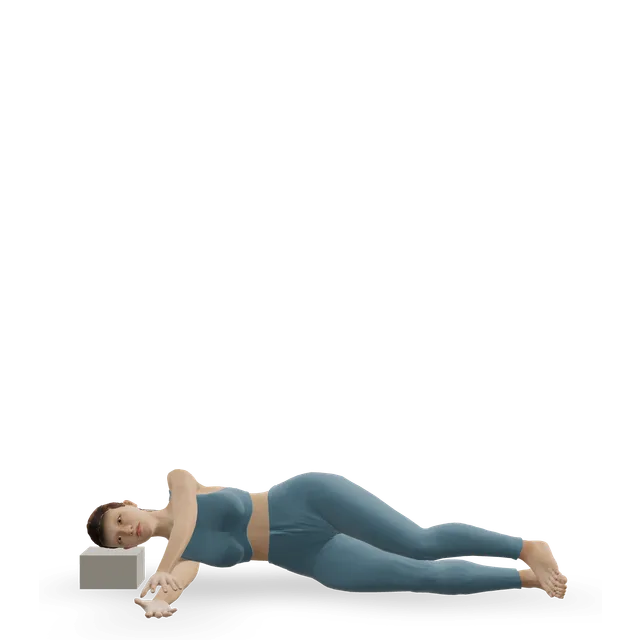
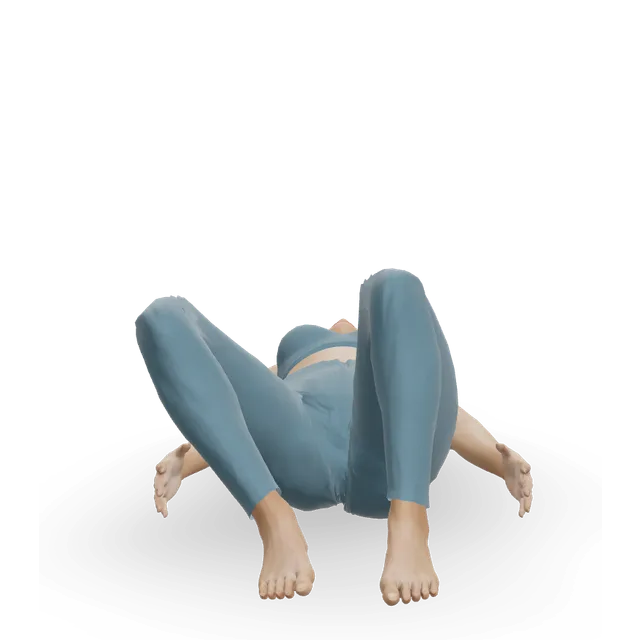
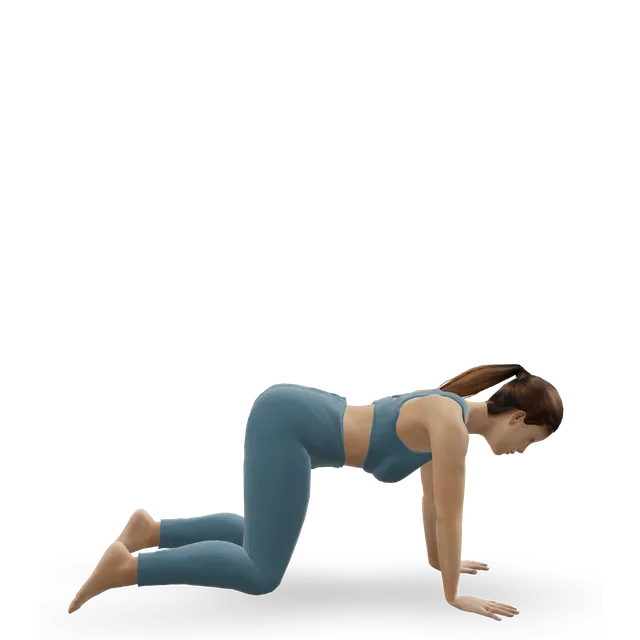
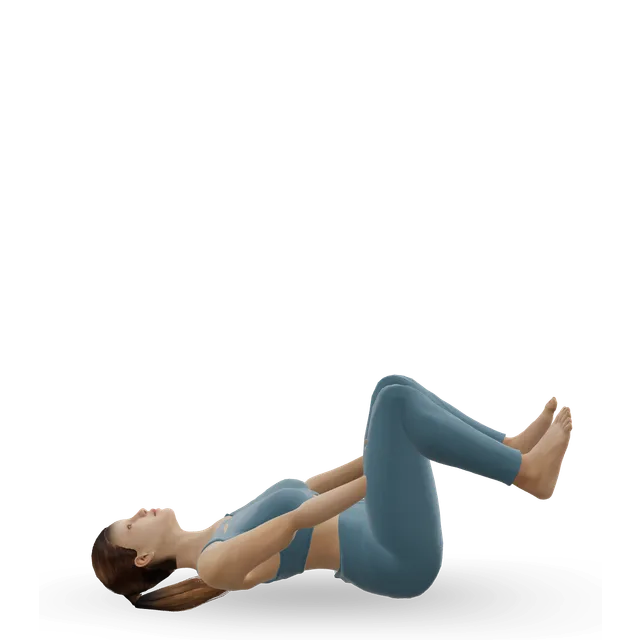
Yes, once your surgeon or physiotherapist agrees, starting with moves that keep your back still. No trial has tested Pilates after a fusion, but the exercises in rehabilitation trials, such as heel slides, bridges, side-lying leg lifts and all-fours arm and leg lifts, are basic Pilates moves. Your team's restrictions come first.
When can I start Pilates after spinal fusion?
Breathing, gentle tummy muscle work and heel slides often start in the first weeks at home, as NHS leaflets show. Trial programmes began anywhere from the first days to 3 months after surgery, most often between 6 weeks and 3 months, and one NHS trust allows gentle fitness exercise from about 6 to 12 weeks. That is our summary, and protocols vary, so start a class when your team says so.
Is reformer Pilates safe after spinal fusion?
Parts of it can suit the months after a fusion: lying footwork, feet in straps and the pelvic lift keep your back still, and the springs let you start light. Leave the rounding and kneeling series until your team says you can bend freely. This is our reading of the method, not tested evidence, so tell your teacher about your surgery.
Which Pilates exercises should I avoid after spinal fusion?
Early on, leave out roll-ups, rolling like a ball, the roll-over and jack knife, the teaser, the saw, the criss-cross, spine twists and deep back bends. Many plans limit bending and twisting for about 6 to 12 weeks and heavy lifting for 3 to 6 months. No trial has tested these limits, so follow your own team.
Can I bend and twist after a lumbar fusion?
The fused level won't move, but the rest of your spine and your hips will. Bend from your hips at first, and bring back smooth, comfortable bending and twisting as your team allows. For teenagers after scoliosis fusion, experts agree there are no restrictions from 12 months.
Will Pilates stop problems at the levels above and below my fusion?
No study has shown that. Wear next to a lumbar fusion shows on scans in about 1 in 4 people and causes symptoms in fewer than 1 in 10, and it often doesn't change how people feel. Staying strong and active is sensible, but not a guarantee.
Can I do Pilates after back surgery that wasn't a fusion?
Usually sooner and with fewer limits. After a discectomy, the few studies of restrictions found they made no difference, and exercise programmes starting 4 to 6 weeks after disc surgery helped recovery in the short term. Our back surgery guide has the stages.
Can Pilates help back pain that continues after a fusion?
It may, as part of a programme your physiotherapist guides. Programmes that combined exercise with help for fear of movement reduced disability after a fusion, and one case report describes Pilates-based exercise easing pain 17 months after one. New or worsening leg symptoms need checking first.
Can teenagers do Pilates after scoliosis surgery?
Usually yes, as the surgeon allows. In one trial, core exercises started the day after surgery without serious problems, surgeons usually allow running by about 3 months and non-contact sport by about 6, and experts agree there are no restrictions from 12 months.
Can I do Pilates after a neck (cervical) fusion?
Yes, as your surgeon allows, with your head supported at first and no curls that lift the head or moves that put weight on your neck. Structured neck exercises from 6 weeks were well tolerated in a Swedish trial.
Do I need to wear my brace for Pilates?
Only if your surgeon has prescribed one, and follow their advice on when to take it off for exercise. Our back surgery guide covers the brace trials.
When should I stop and get help after spinal fusion?
Numbness around your genitals or bottom, new bladder or bowel problems, or pain, weakness or numbness in both legs needs 999. New leg pain, weakness or numbness, a hot, red or oozing wound, or a high temperature needs a same-day call to the hospital, your GP or NHS 111.