Pilates
Back-still Pilates after spinal fusion: a 25-minute return class in three stages, with a stop point after each
A 25-minute Pilates class for after a spinal fusion, in three stages. Stage 1 suits the first weeks at home, stage 2 is for when your team allows more (often from about 6 weeks), and stage 3 adds the hip hinge and small back movements (often from about 3 months). Stop at the end of the stage you've reached. Your surgeon's and physiotherapist's restrictions come first, and this class doesn't replace your physiotherapy. Its structure is our own and untested.
Stage 1: back still (the first weeks at home, as your team allows; about 8 minutes)
- Beginner · Abs · 3D demoOn your back, knees bent, a pillow under your head; breathe into the sides of your ribsHarder: Roll-up (Pilates)
- Side-lying tummy draw-in5 holds of up to 10 sBeginner · Abs · 3D demoGently draw in your lower tummy and keep breathing; on your side or your backHarder: Bird dog, one limb at a time
- Supine heel slide8 each sideBeginner · Hip flexors, Hamstrings, Quads · 3D demoSlide one heel away and back, back and pelvis stillHarder: Hip windshield wipers
- Knee fold5 each sideBeginner · Abs, Hip flexors · 3D demoFloat one knee up to above the hip and lower it, pelvis levelEasier: Supine heel slideHarder: Dead bug heel taps
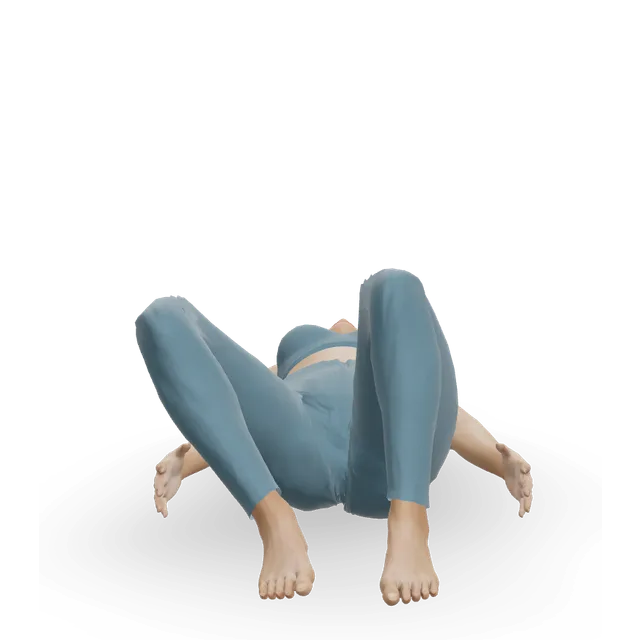
- Bent-knee fall-out5 each sideBeginner · Abs, Adductors, Hip abductors · 3D demoLet one knee open only as far as your pelvis stays stillEasier: Supine heel slideHarder: Dead bug heel taps
- Beginner · Quads, Glutes, Hamstrings · 3D demoBreathe out as you stand. Stop point 1: if this is enough today, roll onto your side and push up with your armsEasier: Sit to stand, pushing on the thighsHarder: Bodyweight squat




Stage 2: strength with the back still (from about 6 weeks, as your team allows; about 10 minutes)
- Beginner · Glutes, Hamstrings, Abs · 3D demoLift to a straight line from shoulders to knees, no arch at the top; hold 1 to 2 sEasier: Pelvic tilt into bridgeHarder: Single-leg glute bridge
- Clamshell8 each sideBeginner · Hip abductors, Glutes · 3D demoHead on a pillow, a pillow between the knees; small openings, pelvis stillEasier: Supine isometric hip abduction (belt press)Harder: Lateral band walk
- Side kick (Pilates side kick series)8 each sideBeginner · Hip flexors, Glutes, Hip abductors · 3D demoSmall swings at hip height; keep the backward swing shortHarder: Side-lying leg circles (Pilates side kick series)
- Bird dog, one limb at a time5 each arm and legBeginner · Abs, Back, Glutes · 3D demoOne arm or one leg at a time, back level; breathe out as you reachEasier: Side-lying tummy draw-inHarder: Bird dog
- Dead bug heel taps6 each sideBeginner · Abs, Hip flexors · 3D demoKnees up, head down; tap one heel down, lower back stillEasier: Bent-knee fall-outHarder: Forearm plank
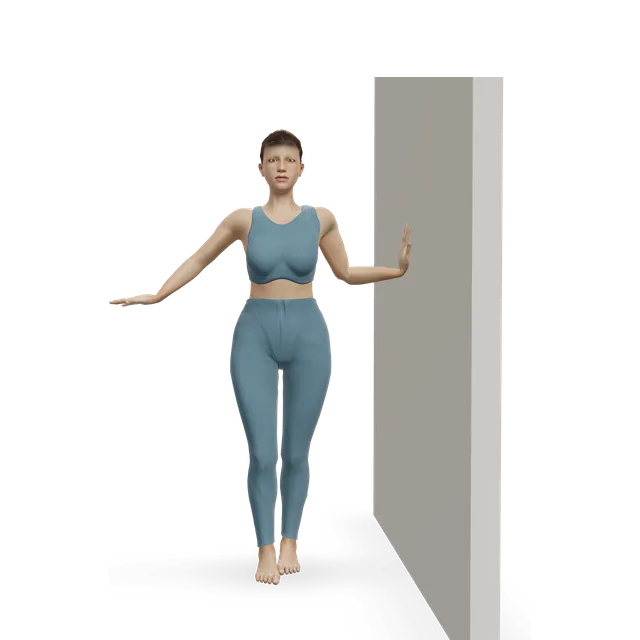
- Semi-tandem stance2 holds of 20 s each sideBeginner · Calves, Hip abductors · 3D demoBeside a counter. Stop point 2: if this is your level, finish with the breath reachHarder: Tandem stance and heel-to-toe walk





Stage 3: load and the hinge (from about 3 months, when your team allows bending; about 5 minutes)
- Hip-hinge practice8 slow repsBeginner · Glutes, Hamstrings, Back · 3D demoLong back, hips travel back, knees softHarder: Kettlebell deadlift
- Knee side plank2 holds of 15 s each sideBeginner · Abs, Hip abductors, Shoulders · 3D demoKnees bent, elbow under your shoulderHarder: Side plank
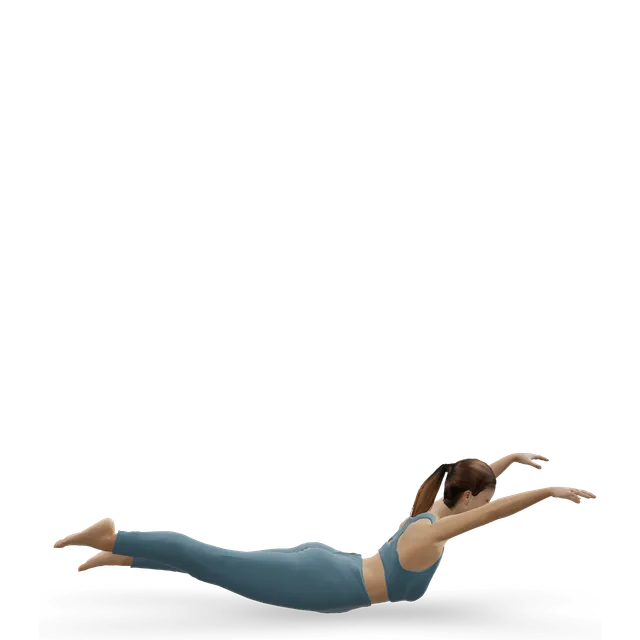
- Swimming (Pilates)2 rounds of 15 sIntermediate · Back, Glutes, Shoulders · 3D demoLift low, forehead near the mat; use the bird dog instead if arching hurtsEasier: Mermaid (Pilates seated side bend)Harder: Leg pull back (Pilates leg pull up)
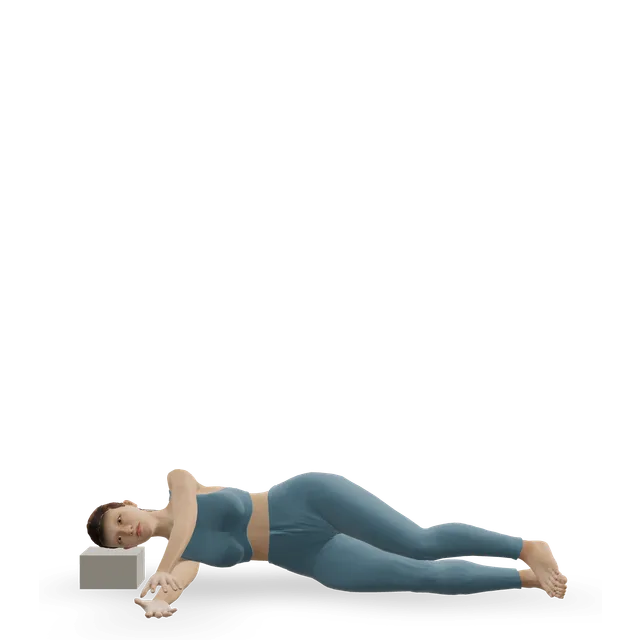
- Side-lying open book5 each sideBeginner · Back, Chest, Shoulders · 3D demoOnly once your team allows twisting; open the top arm only as far as is comfortableHarder: Thoracic rotation



Finish (about 2 minutes)
- Breath reach5 breaths, exhale longer than inhaleBeginner · 3D demoSitting or standing; arms only as high as is comfortable. Then roll onto your side to get up from the matHarder: Slow breathing (6 breaths a minute)

Tips
- Ask your surgical team before you start, and tell your teacher what operation you had and when (our suggestion).
- Do it 2 or 3 times a week on top of daily walking (our suggestion; one London NHS hospital's leaflet sets 2 to 3 strength sessions a week from about 2 weeks).
- Stop any move that sends pain, pins and needles or numbness into a leg, and go back a stage if new pain lingers into the next day.
- Breathe out on every effort and don't hold your breath.
- When stage 3 is easy and your team says you can bend and twist freely, move on to the beginner Pilates for over-50s class (our suggestion).
- Numbness around your genitals or bottom, new bladder or bowel problems, or weakness in both legs needs 999: see the warning signs on our Pilates after spinal fusion guide.
The doses are suggested starting points, not a prescription. Choose a range you can control and stop for sharp or increasing pain, numbness or tingling. Get individual advice after an injury or surgery, or if you are pregnant or managing a health condition.
Guides that recommend it
Find more moves like these
More pilates



Beginner Pilates workout
A 20-minute mat Pilates workout for complete beginners. It covers breathing, spine position and the foundation moves, each with an easier option.
20 minBeginner13 movesNo equipment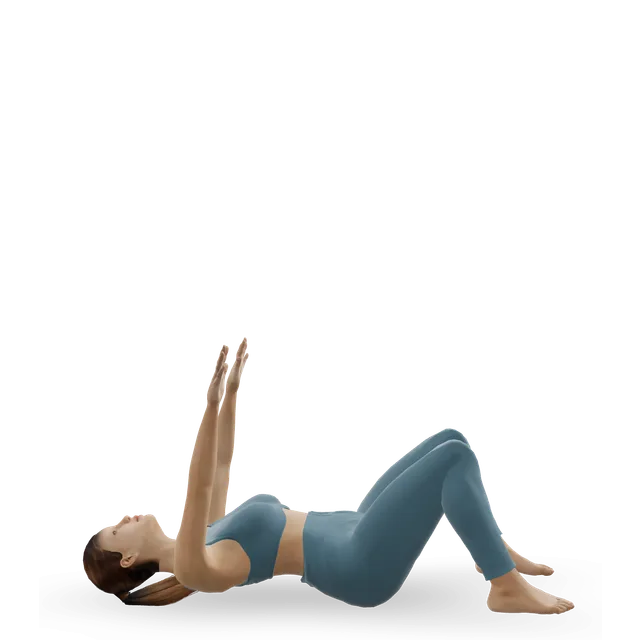

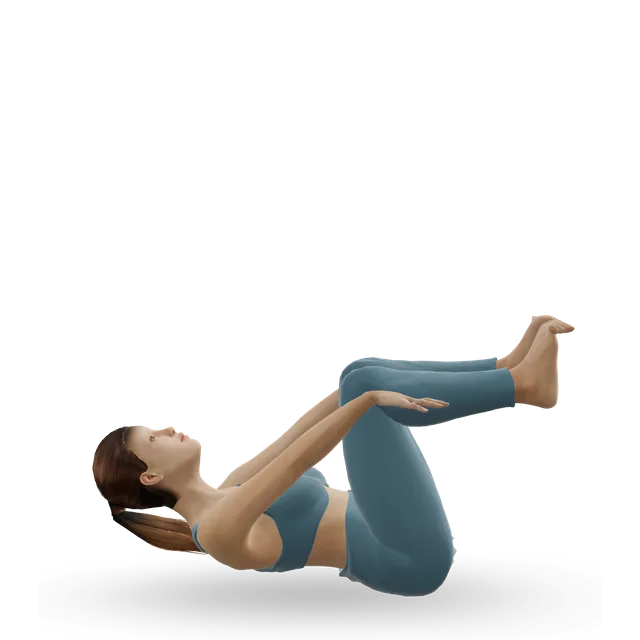
10-minute Pilates abs
Ten minutes of the classic Pilates abdominal series: the hundred, the roll-up and the series of five, with a plank to finish.
10 minIntermediate11 movesNo equipment
Full-body mat Pilates workout
A 30-minute intermediate mat Pilates class that follows the classical order, from the hundred to the push-up, with prep versions of the hardest moves.
30 minIntermediate22 movesNo equipmentQuestions people ask
How long does the back-still pilates after spinal fusion: a 25-minute return class in three stages, with a stop point after each take?
About 25 minutes, including any warm-up and cool-down listed. Shorten it by doing fewer rounds; lengthen it by adding one.
What equipment do I need?
You need: A bench or box, A wall. Each move links to its guide, where you can find an alternative if you are missing something.
Is it suitable for beginners?
It is written for beginners. 8 of its 17 moves have an easier option listed beside them if you need one.
How do I make it easier or harder?
Use the easier or harder option listed under each move, change the number of rounds, or adjust the rest. Progress one change at a time.