Yoga guide

Yoga for scoliosis: what it can and can't do, and how to practise evenly

Yoga is a good way for people with scoliosis to stay active and keep the back and trunk strong, and the NHS and the UK charity Scoliosis Support & Research encourage exercise like it. But it won't straighten a curve: the side plank studies behind that claim had no proper comparison group, and the one randomised trial found no change. In a growing child, a brace has the best evidence for slowing a curve.

This guide covers what the studies found, how yoga compares with scoliosis-specific exercise and bracing, how to practise evenly on both sides, yoga in a brace and after spinal fusion, scoliosis in adults, and when to see a doctor. To start, follow our 25-minute even, both-sides yoga sequence.

The short version

Exercise is fine, and encouraged

The NHS says most people with scoliosis can do most activities, including exercise and sport, and that general exercise "should not be avoided unless advised by your doctor". Scoliosis Support & Research (formerly Scoliosis Association UK) says yoga, Pilates and swimming are good for keeping the back muscles strong.

Sources 1, 2, 3

Yoga won't straighten a curve

Curves "can't be reversed without surgery", the Scoliosis Research Society says. The side plank studies had no proper comparison group, and the one randomised trial found no change.

Sources 4, 5, 6

Bracing is what slows a growing curve

In a large study, 72% of braced young people avoided their curve reaching the size where surgery is usually advised, against 48% who were watched. In a Swedish trial, a night brace did better than physical activity alone, and scoliosis-specific exercise didn't.

Sources 7, 8

Keep it even

Do each pose for the same time on both sides unless a specialist gives you a one-sided programme. A one-sided pose copied without knowing your curve could push it the wrong way: the side plank's originator says it can make upper-back curves worse.

Source 9

Strength and control, not extreme flexibility

Loose joints are more common in girls with scoliosis, and the international scoliosis guideline warns that techniques to increase flexibility may not suit children with loose joints. Don't force deep bends or twists.

Source 10

After a fusion, most yoga is open to you

Exercise "should not harm the fused segments", and most teenagers are back to sport within a year of surgery. Follow your surgeon's timeline, and don't force bending or twisting through the fused section.

Sources 11, 12

Scoliosis in brief

What it is

Scoliosis is a sideways curve of the spine with a twist, measured on an X-ray as the Cobb angle. The commonest type, adolescent idiopathic scoliosis, has no known cause, starts between the ages of 10 and 18, and is "found in as many as 4 in 100 adolescents", the Scoliosis Research Society says; about 30% have a family history. The NHS says it "is not thought to be linked to things such as bad posture, exercise or diet".

Sources 13, 14, 1

Growing and adult curves

Curves tend to grow during the rapid growth years, and scoliosis "tends to stay the same after you stop growing", the NHS says. In adults, curves under 30 degrees rarely get bigger, while curves of 50 degrees or more may grow by about 1 degree a year. Adult degenerative scoliosis develops later in life and can cause back pain and nerve symptoms in the legs.

Sources 14, 1, 15

How it's treated

Small curves are watched. A growing child whose curve may get worse may be offered a brace, which "will not correct the curve, but might help stop it getting worse". The International Scientific Society on Scoliosis Orthopaedic and Rehabilitation Treatment (SOSORT) recommends specialist scoliosis exercises, which the NHS says are "not recommended by all specialists". Severe or worsening curves may need surgery, in which the fused section becomes "one solid piece of bone". In adults, treatment is mainly for pain.

Sources 16, 10, 17, 18

Breathing

Only large curves in the upper back restrict the lungs: significant limits are unusual below a thoracic curve of about 70 degrees, and lower back curves are unlikely to affect breathing. See a GP if you're breathless.

Source 13

What the evidence says

No good trial of yoga for scoliosisMixed evidence

Our search for randomised trials of yoga in scoliosis found only one yoga-like pilot study, and a 2024 commentary on hatha yoga for scoliosis calls for large randomised trials. What exists is a handful of small studies built around the side plank, most of them without a proper comparison group.

Sources 19, 20

The side plank seriesMixed evidence

In 25 patients aged 14 to 85 at one private clinic, holding a side plank on one side for about 1.5 minutes a day, 6 days a week, for nearly 7 months went with curves about 32% smaller on average (37 to 25 degrees). There was no comparison group, so it can't show that the pose caused the change.

Source 5

The randomised trial found no changeEmerging evidence

In 64 patients aged 10 to 17 with curves of 10 to 45 degrees, randomised to a side plank or a front plank, only 22 (34%) did the pose at least 4 times a week. After 6 months the side plank group's curves averaged 32 degrees before and 31 after, and the front plank group's 30 and 30: no significant change.

Source 6

Later studies by the side plank's originatorMixed evidence

In a non-randomised study, only 56 of 131 young people returned X-rays, and the groups were formed afterwards by whether people said they had done the poses: lower back curves fell by about 9 degrees in those who did and grew by about 5 in those who didn't. A small pilot added botulinum toxin injections to side planks done three times a day. Neither design can show what the pose itself did.

Sources 21, 22

A ranking to treat with cautionMixed evidence

A 2023 network analysis of 12 studies (538 people) ranked yoga first for curve size, but no exercise type differed significantly from another, and its own table shows that the yoga ranking rests on two very small studies (8 people in each group) in university students.

Source 23

Bracing slows a growing curveStrong evidence

In a study of 242 young people, 72% of those braced avoided the surgical threshold against 48% who were watched (75% against 42% in the randomised group), and more hours of wear meant more success: under 6 hours a day did about as well as no brace, and over 13 hours, 90% or more succeeded. In a Swedish trial of 135 children, a night brace succeeded in 76% against 53% with physical activity alone.

Sources 7, 24, 8

Scoliosis-specific exercise: a specialist add-onEmerging evidence

A 2024 Cochrane review of 13 trials (583 young people) found that specific exercise probably reduces trunk rotation a little more than general exercise (moderate certainty), but its effect on the curve itself is very uncertain. In the Swedish trial, specific exercise (58% success) did no better than physical activity alone. SOSORT still recommends it as the first step during growth.

Sources 25, 8, 10

Adults: a programme helped disabilityEmerging evidence

In 130 adults with curves under 35 degrees, 20 weeks of self-correction, everyday task practice and cognitive behavioural therapy (CBT) reduced disability more than general physiotherapy, and the gain lasted a year; the 4-degree difference in curves wasn't clinically meaningful. The NHS says physiotherapy exercises are "unlikely to improve the curvature" but may help pain.

Sources 26, 18

Sport while bracedEmerging evidence

In 785 teenagers braced full time, those who did sport twice a week or more were more likely to improve at 18 months, and the odds rose with how often they did it. It's an association, not proof.

Source 27

The side plank studies, and why one-sided poses can backfire

The idea

The idea is to strengthen the trunk muscles on the outside (convex side) of the curve more than the other side, with a side plank held convex side down: 10 to 20 seconds a day for a week, then once a day for as long as possible, on one side only.

Source 5

Only for some curves, by its originator's account

After the trial, the pose's originator wrote that it is "only intended to reverse lumbar and thoracolumbar curves, and actually exaggerates thoracic curves", and his later study used different poses for different curves.

Sources 9, 21

What to do with this

Don't hold a side plank on one side to correct your curve unless your scoliosis specialist prescribes it. A knee side plank done equally on both sides is general strength, as in our routine.

Sources 6, 9

Yoga, scoliosis-specific exercise and bracing

Scoliosis-specific exercise isn't yoga

SOSORT's programmes are based on "auto-correction in 3D, training in ADL, stabilizing the corrected posture, and patient education" (ADL means activities of daily living), designed by specialist physiotherapists for your curve.

Source 10

Schroth

Scoliosis Support & Research says there is "no reliable long-term evidence that the method can reduce the size or slow down the growth of a curve, as clinics sometimes claim", and advises staying under a scoliosis specialist's care. In 24 patients, Schroth changed the curve more than Pilates over 12 weeks.

Sources 2, 28

Where yoga fits

Yoga is general exercise. Do it alongside your team's plan, not instead of it: any brace wear, specialist exercises and check-ups come first. The Scoliosis Research Society says exercise has a role "along with more conventional treatments like bracing".

Sources 2, 4, 16

Yoga or Pilates

No trial compares them for scoliosis, and the charity names both, with swimming. Choose the one you'll keep doing, and do it evenly on both sides.

Source 2

How to practise: evenly, and without forcing

Same time, same range, both sides

Give each pose the same number of breaths and the same range on each side, as our scoliosis and Pilates scoliosis guides advise, unless a specialist prescribes one-sided work for your curve.

Source 9

Expect the two sides to differ

Your poses will look and feel different on each side; that's the shape of your spine, not a fault. Don't force your shoulders or hips level or chase a symmetrical shape.

Strength and control over flexibilityEmerging evidence

In the studies SOSORT summarises, loose joints were more common in girls with idiopathic scoliosis (23% against 13%, or 51% against 19%, depending on the cut-off), and scoliosis is reported 10 times more often in rhythmic gymnasts and in about a quarter of ballet dancers. It warns that techniques to increase joint mobility "may be contraindicated in children with joint laxity". That doesn't show flexibility work causes scoliosis, but it's a reason to favour strength and control.

Source 10

Stop for pain or tingling

Scoliosis Support & Research's advice for classes applies: "if something hurts then stop". The NHS suggests checking a new exercise programme with a GP, scoliosis specialist or physiotherapist.

Sources 2, 18

Tell the teacher

Tell the teacher about your curve, any brace or surgery, and which side your specialist says is which, so they don't try to straighten poses that are shaped by your spine. NCCIH (the US National Center for Complementary and Integrative Health) advises people with health conditions to talk with their health care provider and the teacher about changing poses.

Source 29

In a brace, and after spinal fusion

In a brace, keep movingStrong evidence

The Scoliosis Research Society says to keep doing the activities and sports you love "even if you wear a brace", and SOSORT recommends continuing sport and school PE (physical education) during bracing, with care for contact or very dynamic sport. The NHS says a brace normally only needs to come off for baths, showers, swimming and contact sports, so ask your team whether to do yoga in or out of it.

Sources 4, 10, 16

After fusion: the timelineStrong evidence

The Scoliosis Research Society describes a gradual return to activities over the first 6 months, with full activity from 6 months. Scoliosis Support & Research says regular sport is usually possible 3 to 6 months after surgery, contact sport around 9 months to a year, and to avoid sports that jar or jolt the back for a year or more. In a 2026 review of 11 studies (722 patients), most people returned to sport within a year, usually at 8 to 12 months. Your surgeon's advice comes first.

Sources 17, 30, 31, 12, 32

After fusion: what to changeEmerging evidence

With a solid fusion, exercise "should not harm the fused segments", doctors writing for the US National Scoliosis Foundation say. With "only one or two mobile lumbar vertebrae below their fusion", excessive twisting or loading "has often been discouraged". Flexible hips can make up for lost spine movement. We found no study of yoga after spinal fusion, so keep twists small and let your hips do more of the bending.

Sources 11, 33

Adults and degenerative scoliosis

Exercise for painStrong evidence

The NHS says "It does not matter what type of exercise you choose, the important thing is to keep your back moving", and that activities that strengthen and stretch your back may help reduce pain. Scoliosis Support & Research says swimming, yoga and Pilates can help with pain.

Sources 18, 34, 15

Leg symptoms

Scoliosis can irritate or squash the nerves in and around the spine, causing pain, numbness and tingling from the lower back down to the feet. See a GP about new nerve symptoms; our yoga for sciatica guide covers which poses to change while your leg is sore.

Source 18

With osteoporosis

Of 89 people injured by yoga at one US clinic, most were hurt in poses that bent or arched the spine to its extremes, and the authors advise people with low bone density to avoid extreme forward bending. If you have osteoporosis too, our osteoporosis guide's advice applies: bend from the hips instead of rounding deeply, and twist smoothly.

Source 35

How it feels to practise

In interviews, 15 women with spinal conditions, including scoliosis, described relaxation, better stress management, posture and self-compassion from regular yoga. It's a small qualitative study, not evidence that yoga changes the spine.

Source 36

Poses to start with: strength, the same on both sides

Do each one for the same time on both sides: standing poses for 3 to 5 breaths each side, locust 3 holds of 3 to 5 breaths, and the knee side plank 2 holds of 15 to 20 seconds each side (our editorial starting points). Cat-cow and mountain pose use their pages' doses.

Hips and gentle range

Flexible hips make up for a stiff or fused spine. Hold the stretches gently for about 30 seconds, 2 or 3 times (the hip flexor dose in our hip flexor pain guide; editorial for the others), and keep the lying twist small and equal both ways, or leave it out after a fusion.

Poses to change or leave out

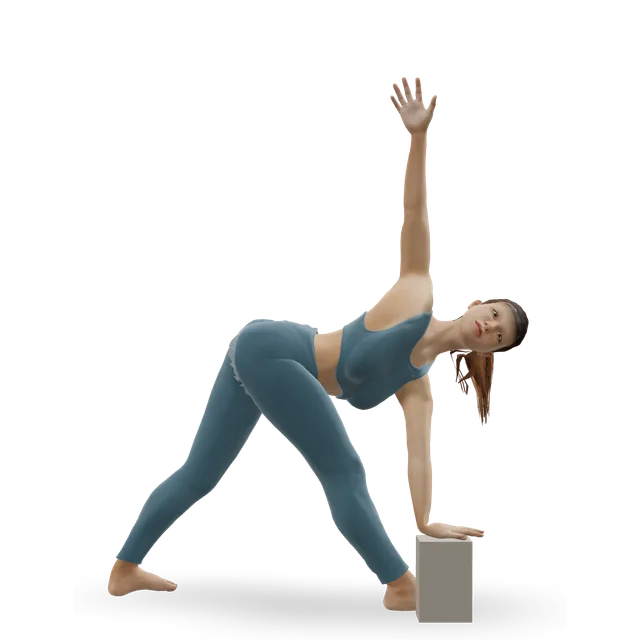
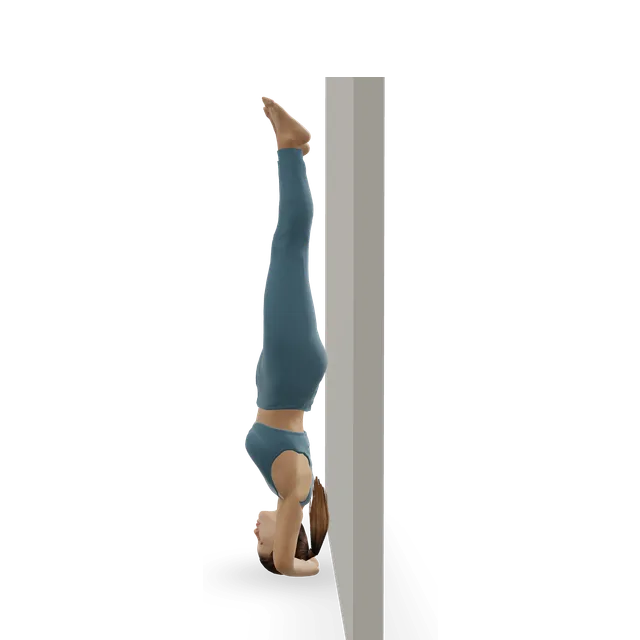
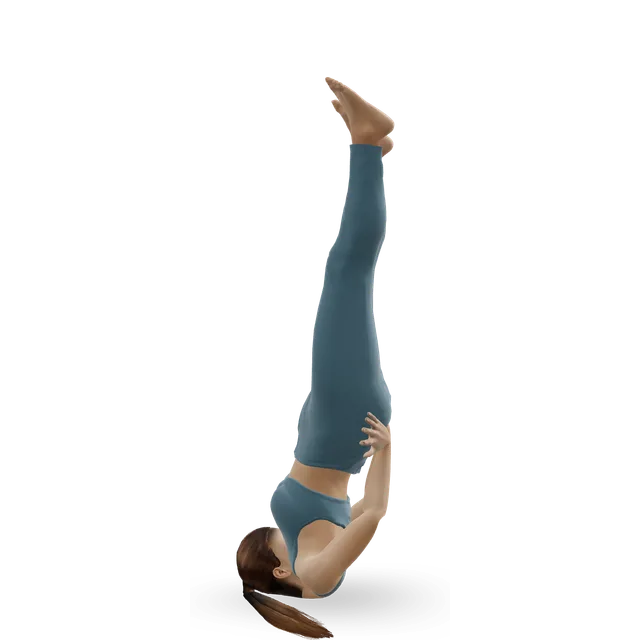
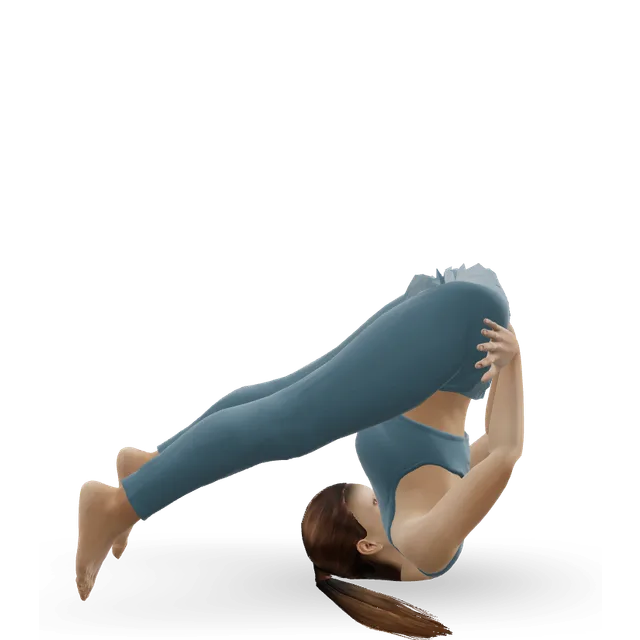
Don't hold a side plank on one side as a corrective pose unless a specialist prescribes it. No study shows these poses make a curve worse, but don't force deep backbends or twists to the end of their range, especially after a fusion, and swap headstands, shoulder stands and plough for legs up the wall.

Workouts to follow

Start with the 25-minute even, both-sides yoga sequence 2 or 3 times a week (our editorial starting point). The Pilates for scoliosis routine works the same way, and the spine mobility routine suits a stiff back; keep its twists and side bends small after a fusion.

When to see a doctor

See a GP

It's unlikely that anything is seriously wrong, but get it checked if:

  • You notice signs of scoliosis in yourself or your child: uneven shoulders, a shoulder blade or hip sticking out, leaning to one side, ribs sticking out on one side, or clothes not fitting well.
  • A known curve seems to be getting worse while a child is still growing: more uneven shoulders or waist, a bigger rib hump or more lean.
  • A curve changes after growth has stopped. Scoliosis tends to stay the same once you stop growing, so see a GP if it gets any worse.
  • A teenager's back pain goes on for months.

Source 1

Get a child seen promptly

Back pain in a child with scoliosis needs checking for other causes, especially with (from our scoliosis guide):

  • Back pain in a child under 10, or pain that doesn't ease with rest or is worse at night.
  • A painful curve, particularly a curve to the left in the upper back.
  • Numbness, tingling or weakness in the arms or legs, or pain shooting down a leg.
  • Problems with the bladder or bowels.
  • A fever, weight loss you can't explain, or a lump or swelling.

Source 14

Call 999 or go to accident and emergency (A&E)

At any age, for back pain with weakness or numbness in both legs, loss of feeling around the genitals or anus, or new problems controlling the bladder or bowels. In the US, call 911.

Source 37

Adults

See a GP if your curve or posture is changing, for pain that doesn't settle, for nerve pain down the legs, or for height loss, which can be a spinal fracture from osteoporosis.

Source 18

Breathing

Breathlessness is uncommon and linked to very large upper-back curves, and it needs checking: your GP can measure your breathing or refer you.

Source 13

In a brace or after surgery

Ask your team what you can do, and when. After surgery, your specialist's recommendations come first.

Sources 30, 16

Myths

"One pose straightens a scoliosis curve"Mixed evidence

The side plank reports are an uncontrolled series of 25 and a non-randomised study that lost most of its participants, the one randomised trial found no change, and the pose's originator says it can make upper-back curves worse.

Sources 5, 21, 6, 9

"Yoga can correct scoliosis"Mixed evidence

"Generally, the curves in a spine with scoliosis can't be reversed without surgery", the Scoliosis Research Society says, and Scoliosis Support & Research says of Pilates that it "will not reduce or slow the growth of a spinal curve"; the same goes for yoga. In a growing child, a brace has the best evidence for slowing a curve.

Sources 4, 2, 7

"Research shows yoga is the best exercise for scoliosis"Mixed evidence

The network analysis behind that headline found no significant differences between exercises, and its yoga ranking rests on two very small studies. The Cochrane review found the evidence for any exercise and the curve very uncertain.

Sources 23, 25

"Bad posture, heavy bags or sport cause scoliosis"Strong evidence

Idiopathic scoliosis "is not thought to be linked to things such as bad posture, exercise or diet", the NHS says, and it can't be prevented.

Source 1

"Backbends and twists are banned with scoliosis"Mixed evidence

No study shows that a yoga pose makes a curve worse, and popular lists of banned poses disagree with each other. Don't force them to the end of their range, especially with loose joints or after a fusion, and keep both sides even.

Sources 10, 11

Questions people ask

Is yoga good for scoliosis?

Yes, as exercise: the NHS says people with scoliosis can do most activities, and Scoliosis Support & Research names yoga, with Pilates and swimming, for keeping the back muscles strong. It won't straighten the curve, and no good trial has tested it for scoliosis.

Can yoga fix or correct scoliosis?

No. Curves can't be reversed without surgery, and no trial shows that yoga, or any single pose, reduces a curve. In growing children, a brace has the best evidence for stopping a curve getting worse.

Does the side plank help scoliosis?

An uncontrolled series of 25 people reported smaller curves, but a randomised trial in 64 young people found no change. Its originator says it suits curves in the lower back and can make upper-back curves worse, so don't do it on one side only without a specialist's advice.

What yoga poses should I avoid with scoliosis?

No pose has been shown to make a curve worse. Don't force deep backbends, twists or side bends to the end of their range, leave out headstands and shoulder stands, and don't do one-sided corrective poses unless a specialist prescribes them.

Is yoga or Pilates better for scoliosis?

Neither has been shown to change the curve, and no trial compares them. The charity names both, with swimming, so choose the one you'll keep doing, and do it evenly on both sides.

Can I do yoga with a back brace?

Usually, yes. The Scoliosis Research Society says to keep up sport even in a brace, and the NHS says the brace normally only comes off for baths, showers, swimming and contact sports, so ask your team whether to do yoga in or out of it.

Can I do yoga after spinal fusion surgery?

Yes, once your surgeon agrees: exercise shouldn't harm a solid fusion, and most people are back to sport within a year. Expect less bending and twisting through the fused section and don't force it; flexible hips help make up for it.

Should I do each pose on both sides?

Yes, for the same time and range on each side, unless a scoliosis specialist gives you a one-sided programme. Expect the two sides to feel different: that's your curve, not a mistake.

Can yoga help back pain from scoliosis in adults?

It may. The NHS says activities that strengthen and stretch your back may help reduce pain, and that the type matters less than keeping your back moving. No trial has tested yoga for scoliosis pain, so start gently and check with your GP or physiotherapist first.

Is yoga safe for children with scoliosis?

Yes, as general exercise: children with scoliosis can usually do most exercise and only need to avoid activities a specialist advises against. It isn't a treatment, so keep any brace wear and check-ups going.

Can yoga help my breathing with scoliosis?

Only very large upper-back curves affect breathing. Breathing practice can help you relax, but no study we read tested it for lung function in scoliosis. See a GP if you're breathless.

When should I see a doctor about scoliosis?

See a GP if you notice signs of scoliosis, or a curve seems to be getting worse while a child is still growing, and get a child's back pain checked promptly. Call 999 for back pain with weakness or numbness in both legs, numbness around the genitals or bottom, or bladder or bowel changes.


Sources

  1. NHS · Scoliosis (last reviewed April 2023, past its review date)

  2. Scoliosis Support & Research · Therapies for scoliosis (updated February 2025)
  3. Scoliosis Support & Research · Mission and history (formed in 2023 from Scoliosis Association UK and the British Scoliosis Research Foundation)
  4. Scoliosis Research Society · Living with scoliosis
  5. Fishman 2014 · Side plank for idiopathic and degenerative scoliosis: 25 patients (retrospective case series, Glob Adv Health Med)
  6. Sarkisova 2019 · Side plank or front plank for adolescent idiopathic scoliosis: 64 patients (randomised trial, Glob Adv Health Med)
  7. Weinstein 2013 · Bracing in adolescent idiopathic scoliosis: the BrAIST study, 242 teenagers (randomised and preference cohorts, N Engl J Med)
  8. Charalampidis 2024 · Night-time brace or scoliosis-specific exercise: the CONTRAIS trial, 135 children (randomised trial, JAMA Netw Open)
  9. Fishman 2021 · Concerns about the side plank trial (letter, Glob Adv Health Med)
  10. Negrini 2018 · 2016 SOSORT guidelines: orthopaedic and rehabilitation treatment of idiopathic scoliosis during growth (Scoliosis Spinal Disord)
  11. National Scoliosis Foundation (US) · Exercise and adults with scoliosis (Rainville and Wright)
  12. Nassar 2026 · Return to sport after spinal fusion for adolescent idiopathic scoliosis: 11 studies, 722 patients (systematic review, Am J Sports Med)
  13. Scoliosis Support & Research · Scoliosis and breathing (updated March 2025)
  14. Scoliosis Research Society · Adolescent idiopathic scoliosis
  15. Scoliosis Support & Research · Adult degenerative scoliosis
  16. NHS · Scoliosis: treatment in children (last reviewed April 2023, past its review date)
  17. Scoliosis Research Society · Surgery
  18. NHS · Scoliosis: treatment in adults (last reviewed April 2023, past its review date)
  19. Europe PMC · Search for randomised trials of yoga in scoliosis: 8 records, one a yoga-like pilot study (24 October 2026)
  20. Si 2024 · Hatha yoga for adolescent idiopathic scoliosis: clinical effect and research directions (commentary, Int J Yoga)
  21. Fishman 2021 · Yoga-like isometric poses for adolescent idiopathic scoliosis (non-randomised study, Glob Adv Health Med)
  22. Fishman 2024 · Botulinum toxin injections and side planks for lumbar scoliosis in adolescents (randomised pilot study, Muscles)
  23. Chen 2023 · Exercise for adolescent idiopathic scoliosis: 12 studies, 538 people (network meta-analysis, J Orthop Surg Res)
  24. Scoliosis Research Society · Bracing
  25. Romano 2024 · Exercises for idiopathic scoliosis in adolescents: 13 trials, 583 people (Cochrane review)
  26. Monticone 2016 · Motor and cognitive rehabilitation for adults with idiopathic scoliosis: 130 adults (randomised trial, Eur Spine J)
  27. Negrini 2022 · Sport and results in 785 teenagers braced full time (prospective cohort, Eur Spine J)
  28. Kim 2016 · Schroth or Pilates exercises: 24 patients with scoliosis (comparative study, J Phys Ther Sci)
  29. NCCIH 2023 · Yoga: effectiveness and safety (US National Center for Complementary and Integrative Health)
  30. Scoliosis Support & Research · Surgery: before and after
  31. Scoliosis Support & Research · Frequently asked questions
  32. Lehman 2015 · Return to sport after scoliosis surgery: a survey of 23 spinal deformity surgeons (Spine J)
  33. Europe PMC · Search for studies of yoga after spinal fusion: 1 record, not a yoga study (24 October 2026)
  34. Scoliosis Support & Research · Pain management
  35. Lee 2019 · Soft tissue and bone injuries caused by yoga: 89 patients at a US clinic (case series, Mayo Clin Proc)
  36. Akyol 2025 · Yoga for women with spinal disorders: interviews with 15 women (qualitative study, Front Public Health)
  37. NHS · Back pain (last reviewed March 2026)

Exercise education, not a personal prescription, and clinical review of these guides is pending. If you are pregnant, have a health condition such as glaucoma, high blood pressure or osteoporosis, or have had recent surgery, check with a doctor, midwife or physiotherapist before starting, and stop for sharp or increasing pain. Health disclaimer.