Yoga for myasthenia gravis: fatigue that builds with use, rest between poses, breathing and swallowing, heat, the evidence, and a class
UK neurologists suggest balance work and stretch training such as yoga for older people with moderate myasthenia gravis (MG), and gentle yoga suits many people whose MG is stable. No study has tested yoga in MG yet, so this guide builds on the exercise trials, the UK guideline and the advice of myaware, the UK myasthenia charity, on pacing and heat.
The skill is working with muscles that tire with use: short holds, a rest after every pose, slow breathing with no holds, a cool room and your strongest time of day. Yoga doesn't treat MG, and your MG team's advice comes first. This guide covers poses, breathing, heat, timing around your tablets and the crisis signs, with a free 20-minute class.
Medicines, and for some people an operation, control MG. The NHS: treatment "can help keep the symptoms of myasthenia gravis under control so that you're able to live a largely normal life". Yoga is one gentle way to stay active alongside it.
UK neurologists name yoga, but no study has tested it
The Association of British Neurologists (ABN): "Patients with moderate MG who are older should be advised on low-impact exercise including balance exercises and stretch training such as yoga." A UK neuromuscular service suggests "Tai chi, slow flow yoga or pilates" when MG is very active. That is expert advice: our searches found no yoga study in MG.
Exercise is safe for most people whose MG is stable
Reviews found exercise "well tolerated, with no evidence of sustained symptoms exacerbation". The trials were small and short, and how much it helps is still uncertain.
MG weakness "tends to be worse when you're tired and gets better after resting". myaware: "the more you rest the more you can do". Hold briefly, rest after each pose, and stop if your eyelids droop, your vision doubles or your speech slurs.
No study has tested yoga breathing in MG. Our suggestion: slow breathing with no holds, and no kapalabhati or bhastrika (fast, forceful breathing), which the US National Center for Complementary and Integrative Health (NCCIH) tells beginners to avoid. myaware says extremes of temperature can make symptoms worse, so leave out hot yoga.
"Call 999 for an ambulance immediately if you have worsening severe breathing or swallowing difficulties, as you may need emergency treatment in hospital." Never swim alone, so no paddleboard yoga without someone with you either (our suggestion).
Myasthenia gravis, and what a yoga class asks of it
Muscles that tire with use
In MG, messages from nerves don't get through to muscles properly; our exercise guide explains how. The NHS: "The symptoms tend to get worse when you're tired. Many people find they're worse towards the end of the day, and better the next morning after getting some sleep." The US MG foundation: "The muscle weakness of MG increases with continued or repetitive activity and improves after periods of rest."
The eyelids, eyes, face, chewing, swallowing, speech, neck, arms, legs and breathing. The NHS lists "difficulty holding your head up" and "shortness of breath, particularly when lying down or after exercise", and says "The weakness tends to be worse in the arms than in the legs and feet."
Triggers include tiredness, "stress, infections and certain medicines". Weakness can get worse 5 to 10 days after starting steroids. myaware keeps the list of medicines to check, and says "The tables give warnings, not a list of banned drugs."
Classes often have long holds such as plank and chair pose, arms overhead for many breaths, repeated flows such as sun salutations, lying flat for a long rest, breath holds or fast breathing, and sometimes a hot room (our reading). With MG, each of these can bring on weakness or breathlessness. Short holds, a rest after each pose, arms mostly at or below shoulder height, a propped-up rest and slow breathing in a cool room fit better.
Our PubMed search for yoga, pranayama or asana with myasthenia found no records, and a 2026 review whose search included yoga, tai chi and qigong found no yoga study to include. A registered yogic breathing trial allowed people with MG, but its 13 published participants all had motor neurone disease (ALS). A 2026 review says "there is a gap in research on MBIs for MG" (mindfulness-based interventions).
What the guideline and experts sayEmerging evidence
The ABN: "Various studies support the importance of exercise, including low-impact exercise such as walking, swimming, balance strategies and protocols that include aerobic training as well as resistance/stretch training." Its yoga sentence is expert advice, not a trial result. A UK expert review: "Aerobic or high intensity training is not possible when MG patients are very symptomatic. In this situation, stretching exercises such as Tai chi, slow flow yoga or pilates are probably most appropriate with emphasis also on balance maintenance."
Exercise trials: well tolerated, benefits uncertainEmerging evidence
A 2026 review of 20 studies (1,366 people with mild to moderate MG) found symptom scores fell by about 1.6 points after training; only 7 studies were randomised, and its pooled quality of life and breathing results mix units and look unreliable. Another review found exercise "well tolerated, with no evidence of sustained symptoms exacerbation", and a third rates certainty about safety as very low.
In France, 45 people rowed at home 3 times a week for 3 months: it was well tolerated, quality of life didn't change, and "Two patients hospitalized for MG exacerbation were from the usual care group." In India, a daily 30-minute walk improved quality of life and walking distance in 40 people. In Denmark, aerobic or strength training in 15 people brought "adverse events, including bulbar symptoms (n = 2) and increased fatigue (n = 3)". In Sweden, 10 people trained twice a week and their MG didn't change. In the newest trial (72 people), digital activity advice didn't improve daily activities or fatigue.
Many people with MG fear exerciseEmerging evidence
In a survey of 455 adults, "Fear of exercising was reported by one-third of participants", and the help non-exercisers most wanted was "specialised supervision/coaching (59%)". A slow, supervised class with rests may suit people who feel this way (our reading).
MG is controlled by medicines and sometimes a thymectomy, an operation to remove the thymus gland. Exercise adds fitness, strength and quality of life; it doesn't treat MG itself.
myaware: "When your myasthenia is not well controlled, exertion weakens muscles. Therefore, people should exercise within limits that don't exceed their present capability." While MG isn't controlled, keep to seated poses and slow breathing (our suggestion).
"Micro-breaks are also important, these are frequent short breaks of varying length." Our editorial rule for a class: after each pose, rest sitting for at least as long as you held it.
If symptoms settle with rest, do less next time. If they don't settle, keep coming back, or get worse and stay worse, contact your MG team. Severe difficulty breathing or swallowing means 999.
"Focus activities at your strongest time of the day." For pyridostigmine, our exercise guide says:
It starts working 30 to 60 minutes after a dose and each dose lasts about 4 hours. myaware suggests doing the most demanding things at your strongest time, straight after your medication kicks in; in exercise studies, people were tested about an hour after a dose. Ask your team how to fit exercise around your doses.
Don't take more than your prescribed dose to get through a workout: too much can cause muscle weakness. Its side effects include muscle cramps and twitching, sweating, more saliva and tummy cramps: tell your team rather than changing the dose yourself.
No study has tested yoga breathing in MGMixed evidence
No guideline, charity page or study addresses yoga breathing in MG. Our suggestion: slow, easy breathing with no holds, close to the diaphragmatic and pursed-lips breathing used in a 27-person trial. Leave out breath retention (including the holds in box and 4-7-8 breathing) and fast, forceful breathing such as kapalabhati and bhastrika.
Leave out breath of fire (kapalabhati) and bellows breath (bhastrika): the US National Center for Complementary and Integrative Health (NCCIH) tells beginners to avoid forceful breathing, and side effects were more common with fast than slow techniques in a review. Use breath holds such as box breathing only if they feel easy; otherwise keep to slow breathing.
Breathing muscle training is a separate treatmentEmerging evidence
"Respiratory muscle training has a role in MG and is beneficial also in patients undergoing thymectomy when implemented preoperatively. A discussion with the local respiratory team and physiotherapist is recommended." It uses a device and a set plan. In the evidence, results for breathing strength and lung function are mixed: "Respiratory muscle strength and pulmonary function results were inconsistent."
A third of 136 people with stable MG had abnormal lung capacity tests. And "Isolated breathlessness does not always indicate respiratory muscle weakness": weight gain or being out of condition can cause it. New or worse breathlessness needs checking.
Rest propped up if lying flat makes you breathless. If talking tires your voice or swallowing, leave out chanting and long humming breaths (our suggestion): myaware says "Pushing yourself to do things like walk and talk, may make this even worse."
"Don't get too hot or too cold. Changes in temperature can have a noticeable effect on muscle function and extremes of temperature can exacerbate symptoms." The US MG foundation: "Sometimes, heat may exacerbate your MG symptoms."
In 17 people with a drooping eyelid, "The heat test improved ptosis by 1.1 mm less than rest (p = 0.0013)." (ptosis means a drooping eyelid). Warming the hand or arm made the nerve-to-muscle signal less reliable in 7 and 10 people, and people with MG name "heat sensitivity" among their most important symptoms.
No study or charity page addresses hot yoga in MG; our exercise guide already says: Leave out hot classes, saunas, hot tubs and very hot baths around exercise (our suggestion).
myaware's hot weather tips include: "Be in as cool an environment as possible" and "Run cold water on wrists and have a bowl of cold water to cool feet", doing so "safely and accompanied".
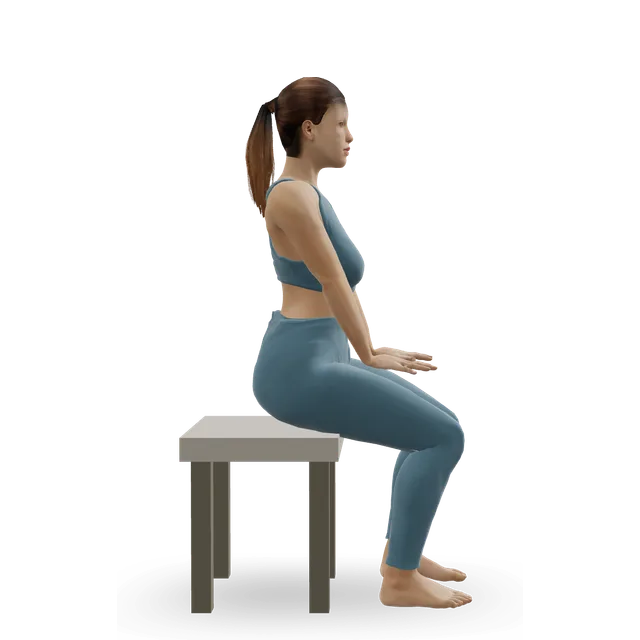
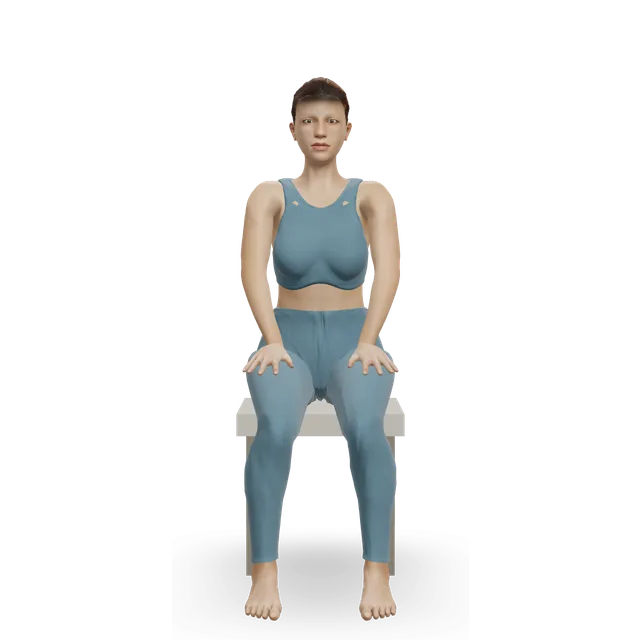
Shoulder rolls: 5 each way (our muscular dystrophy home routine). Cat-cow, sitting: 5 slow rounds; thoracic rotation, sitting: 3 each side with 5-second holds (our editorial starting points, fewer than our chair classes use). Seated march: 30 seconds (adapted from the move page's dose). Rest 20 to 30 seconds after each.
Sit to stand, pushing on your thighs: 5 (editorial, the low end of our chair yoga class's 5 to 8). Mountain pose: 5 breaths, one hand on the chair; tree pose: 3 breaths each side, fingertips on the chair, eyes open (our chair yoga class for older adults). Warrior II: 3 breaths each side with your hands on your hips or the chair, not held out; chair pose: 2 holds of 10 seconds (adapted from our chair yoga class). Sit and rest after each.
Reclining bound angle: 2 minutes with a cushion under each thigh and cushions under your head and chest; corpse pose: 3 minutes, propped up or sitting back in a chair (both adapted from the move page's dose). The corpse pose page says: if lying flat makes you breathless, prop your head and shoulders up on cushions or lie on your side.
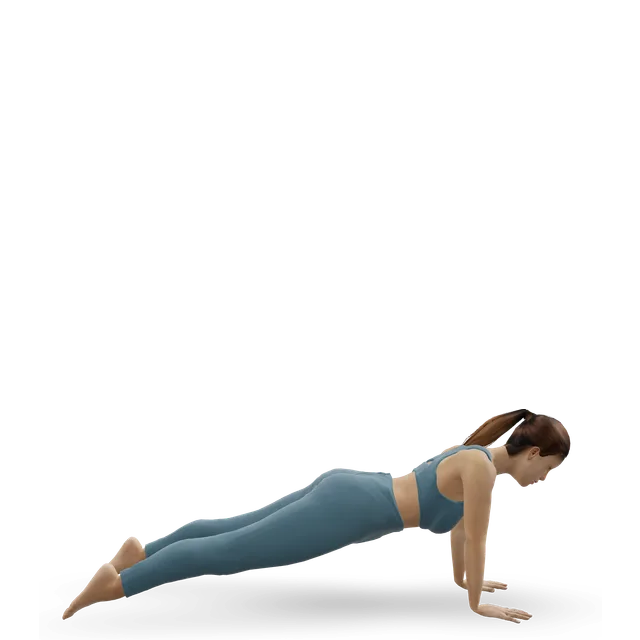
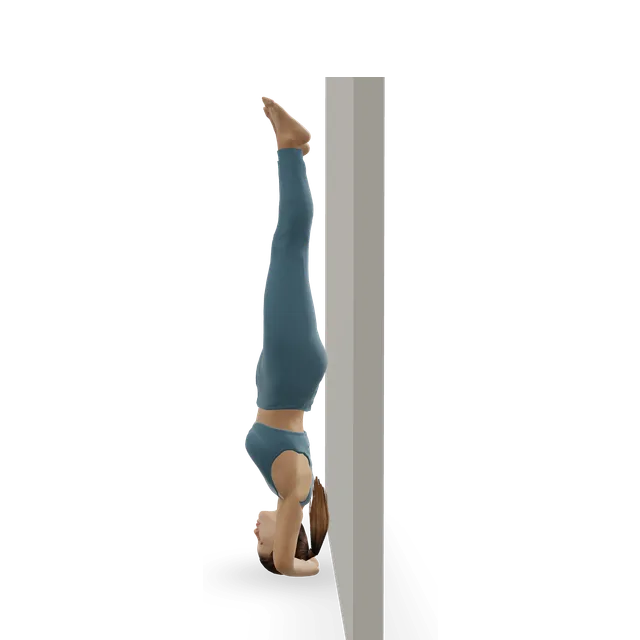
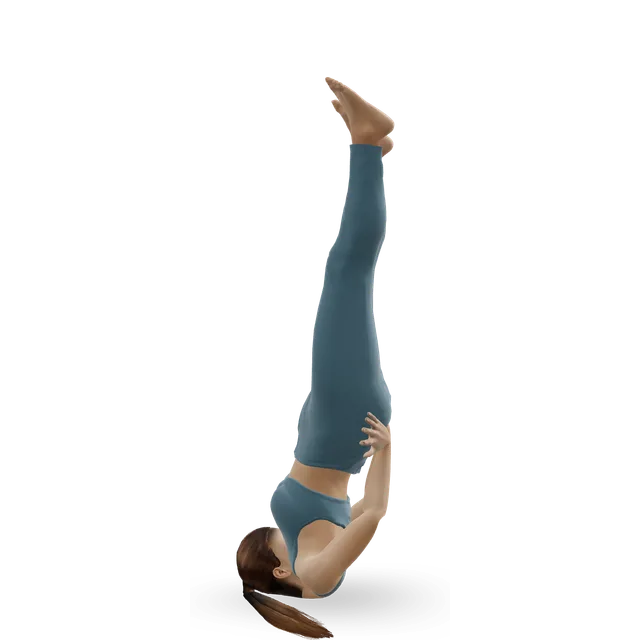
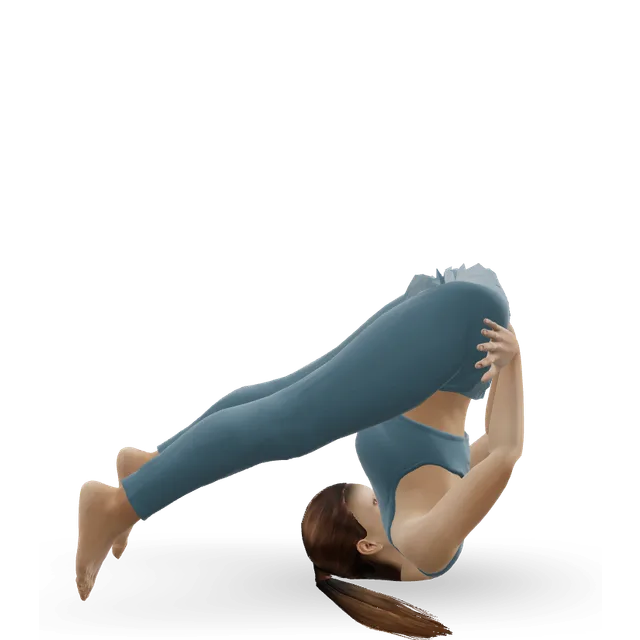
Breath holds (box and 4-7-8 breathing as written), long holds and flows (sun salutations, four-limbed staff, long warrior I holds with arms overhead), and head-down or neck-loaded poses (headstand, shoulder stand, plough, long downward dog): weak arms and neck tire fast in MG.
Our MG class is 20 minutes in a cool room, sitting then at a chair, with a rest after every pose and no breath holds; its structure is our editorial choice and hasn't been tested. The seated chair yoga and chair yoga classes suit weaker or stronger days if you rest between blocks; the gentle beginners' class suits stable MG on a strong day.
Warning signs: myasthenic crisis and when to get help
This is general information, not a diagnosis: your MG team knows your condition, so use the contact numbers they gave you. A&E means accident and emergency. In the US, call 911 where this page says 999.
Call 999
The NHS says call 999 for an ambulance immediately if you have worsening severe breathing or swallowing difficulties, as you may need emergency treatment in hospital: this can be a myasthenic crisis. Call 999 too for:
Being unable to finish a sentence in one breath, or using your neck and shoulder muscles to breathe.
Struggling to clear saliva or phlegm, or a racing heart, with breathing difficulty.
Chest pain that feels tight or like squeezing, or spreads to your arms, neck or jaw.
Someone who has passed out and isn't responding normally.
NHS inform: "Some people can experience severe breathing and swallowing difficulties, which need immediate hospital treatment. This is called a myasthenic crisis." myaware: "If left untreated then this can evolve into difficulty swallowing and breathing, if this happens you should seek immediate medical attention."
A joint pain that is sharp, gets worse during a session, lingers into the next day or changes how you move is a reason to use an easier version, and to see a GP or physiotherapist if it keeps happening (the rule in our plans). Muscle soreness for a day or two after something new is normal. In a hot class, stop if you feel dizzy, sick or unwell; our hot yoga guide lists the signs of heat illness.
You can say no to any hands-on adjustment, and a teacher registered with Yoga Alliance must get your explicit consent each time.
With glaucoma, or high blood pressure that isn't under control, skip headstands, shoulder stands and long head-down holds. With osteoporosis, swap deep forward folds for a flat-back hinge from the hips, and twist smoothly. In pregnancy, our yoga in pregnancy guide covers the changes. NCCIH advises beginners to avoid headstands, shoulder stands, the lotus position and forceful breathing.
Myths
"Yoga can treat or cure MG"Strong evidence
No yoga study exists in MG; medicines and sometimes a thymectomy control it.
"Push through the weakness to build strength"Strong evidence
MG weakness grows with repeated use and recovers with rest. myaware: "Learning to recognise tiredness is vital because this is when symptoms are likely to be triggered."
It can be, done gently and with rests. UK neurologists suggest balance and stretch training such as yoga for older people with moderate MG, though no study has tested yoga in MG.
Can yoga treat myasthenia gravis?
No. Medicines, and for some people an operation to remove the thymus gland, control MG. Yoga can help you stay active and relaxed alongside treatment.
What type of yoga is best for myasthenia gravis?
Slow, gentle or chair yoga with short holds and rests, in a cool room. A UK neuromuscular service suggests slow flow yoga when symptoms are active; leave out hot, power and fast flowing classes.
Which yoga poses are good for MG?
Seated stretches, sit to stand, and mountain, warrior II and tree pose holding a chair, then a propped-up rest. Rest after each pose for at least as long as you held it.
Are breathing exercises safe with myasthenia gravis?
Slow, easy breathing without holds is gentle. No study has tested yoga breathing in MG, so we suggest leaving out breath holds and fast, forceful breathing such as kapalabhati. Breathing muscle training should be set up by your respiratory team.
Is hot yoga safe with myasthenia gravis?
We'd leave it out. myaware says extremes of temperature can make symptoms worse, and small studies found warmth weakens the nerve-to-muscle signal in MG.
When should I do yoga with MG?
At your strongest time of day, often the morning, when your tablets are working. Never take extra tablets to get through a class.
What if my eyelids droop or my vision doubles during yoga?
Stop and rest. If it settles, do less next time; if it doesn't settle or keeps coming back, contact your MG team.
Can I do yoga with ocular myasthenia?
Usually, yes. With double vision, do balance poses next to a wall with your eyes open, and tell your team about any symptoms outside the eyes.
Is it safe to lie down in yoga with MG?
If lying flat makes you short of breath, rest propped up on cushions or sitting back in a chair instead.
How long should a yoga session be with myasthenia gravis?
Start with 10 to 20 minutes with rests, and build up slowly as your MG allows. myaware says to exercise within what you can manage now.
What are the signs of a myasthenic crisis?
Worsening severe breathing or swallowing difficulty: call 999 for an ambulance immediately. Being unable to finish a sentence in one breath or struggling to clear saliva are danger signs too, and a normal finger oxygen reading doesn't rule a crisis out.
Exercise education, not a personal prescription, and clinical review of these guides is pending. If you are pregnant, have a health condition such as glaucoma, high blood pressure or osteoporosis, or have had recent surgery, check with a doctor, midwife or physiotherapist before starting, and stop for sharp or increasing pain. Health disclaimer.