Exercise guide

Exercise with myasthenia gravis: fatigue, pacing, heat and crisis signs

Exercise is safe and helpful for most people whose myasthenia gravis (MG) is stable. UK neurologists' guidelines support walking, swimming, balance work, and aerobic, strength and stretching exercise, including gym work for mild and moderate MG, and studies link exercise with fewer symptoms and better quality of life. The skill is working with muscles that tire with use: weakness that builds with repeated effort, and recovers with rest.

This guide covers how much to do, pacing, timing exercise around your tablets, heat, steroids and bone health, breathing exercises, and the signs of a myasthenic crisis that need 999. If your MG isn't well controlled yet, stay within what you can manage now and build up as it settles. Your MG team's advice comes first.

The short version

Safe and helpful for most people with stable MG

UK neurologists' 2025 guidelines support walking, swimming, balance work, and aerobic, strength and stretching exercise, including gym work in mild and moderate MG. Across 20 studies, training was linked with fewer symptoms and better quality of life, though most studies were small.

Sources 1, 2

Muscles tire with use and recover with rest

Weakness is worse when you're tired, often late in the day, and better after rest. When MG isn't well controlled, exertion weakens muscles, so stay within what you can manage now; once it's controlled, myaware (the UK myasthenia charity) encourages you to exercise as much as anyone else.

Sources 3, 4, 5

Start small and build up

In trials, people took a regular 30-minute walk, rowed at home for 40 minutes 3 times a week, or did up to 2 sets of 10 of each strength exercise twice a week. Once your MG is stable, a long-term aim is the 150 minutes a week suggested for everyone.

Sources 6, 7, 8, 9

Time it around your tablets

Pyridostigmine starts working in 30 to 60 minutes and each dose lasts about 4 hours, so plan exercise for when it's working best. Never take extra to get through a workout: too much can itself cause weakness.

Sources 10, 5

Keep cool

Many people with MG find heat makes weakness worse: myaware advises avoiding extremes of temperature, and small studies back this up. Exercise somewhere cool, at cooler times of day.

Sources 5, 11, 12

Severe breathing or swallowing difficulty means 999

Worsening severe breathing or swallowing difficulty can be a myasthenic crisis and needs an ambulance. A normal reading on a finger oxygen monitor doesn't rule it out.

Sources 4, 1

Myasthenia gravis and how it affects exercise

What MG is

MG is a long-term condition in which the immune system damages the connection between nerves and muscles, so muscles are weak and tire easily: your brain tells a muscle to work, but the message doesn't get through properly. It affects the muscles you move on purpose, not your heart. Pyridostigmine works by boosting the chemical messenger (acetylcholine) that carries the signal from nerve to muscle.

Sources 3, 13, 14

Where it shows

Most often in the eyes and eyelids, facial expressions, chewing, swallowing and speaking, but it can affect the arms, legs, neck and breathing. Drooping eyelids, double vision, slurred speech, difficulty swallowing, weak limbs and shortness of breath, particularly when lying down or after exercise, are common symptoms.

Sources 3, 4

Muscles that tire with use

Weakness typically comes and goes: worse when you're tired and better after resting, often worse towards the end of the day. myaware puts it this way: the harder people with myasthenia try, the weaker they get, and pushing on to walk or talk can make it worse.

Sources 4, 13, 15

How common it is

Across 94 studies, MG affected an average of about 173 in every million people, and it has become more common. It can start at any age, typically in women under 40 and men over 60. About 1 in 10 people with MG have a growth of the thymus gland (a thymoma).

Sources 16, 3

Eyes-only (ocular) MG

If symptoms have affected only your eyes for 2 years or more, it's unusual for the rest of the body to be affected later. About half of people whose MG starts in the eyes develop more widespread MG within 2 years.

Sources 4, 1

Fatigue as well as weak muscles

Up to 80% of people with MG have general tiredness (fatigue), even when MG is under control. UK neurologists say fatigue on its own isn't a reason to increase MG treatment; planning, prioritising and pacing help.

Source 1

Treatment

Tablets that help nerve signals reach the muscles (pyridostigmine), steroids and other medicines that calm the immune system, newer targeted treatments, and sometimes an operation to remove the thymus gland (thymectomy). Your team decides your treatment and adjusts it over time.

Sources 17, 1

Triggers

Tiredness and exhaustion, stress, infections, some medicines and surgery can trigger symptoms, and so can reducing or stopping steroids.

Sources 17, 1

What the evidence says

UK guidelines support exerciseStrong evidence

The Association of British Neurologists' 2025 guidelines say studies support exercise, including low-impact exercise such as walking, swimming and balance work, and programmes with aerobic, resistance and stretch training. People with mild and moderate MG may be able to exercise in a gym; older people with moderate MG are advised low-impact exercise, balance work and stretching such as yoga, and a physiotherapist's programme suits people who are older, have moderate MG or are very out of condition.

Source 1

Fewer symptoms and better quality of lifeEmerging evidence

A 2026 review of 20 studies (1,366 people with mild to moderate MG) found training was linked with lower symptom scores (by about 1.6 points) and better quality of life; daily activities, walking distance and lung capacity weren't clearly different when results were pooled. Only 7 studies were randomised, many were small and short, and the results varied. Two other reviews found exercise well tolerated, with no lasting worsening of MG.

Sources 2, 18, 19

What the trials didEmerging evidence

In France, 45 people with stable MG rowed at home at a moderate effort for 40 minutes, 3 times a week for 3 months: it was well tolerated, quality of life didn't change, and the 2 hospital stays for worse MG were both in the group that didn't exercise. In India, 40 people who took a regular 30-minute walk for 3 months had better quality of life and walked further, with no harm. In Denmark, 15 people did 8 weeks of aerobic or strength training: strength training improved strength and function, but 2 people had speech or swallowing symptoms and 3 more fatigue. In Sweden, 10 people with mild MG did supervised cycling intervals and strength exercises twice a week for 12 weeks without their MG worsening.

Sources 7, 6, 20, 8, 9

Breathing muscle trainingEmerging evidence

A review of 7 studies (223 people) found breathing training improved breathing muscle endurance and everyday function, with mixed results for strength and lung capacity. After a hospital stay with MG, 6 weeks of breathing-in training plus aerobic exercise raised lung capacity by 0.21 litres, against a 0.06 litre fall without it (54 people). UK neurologists say it has a role, including before a thymectomy.

Sources 21, 22, 23, 1

HeatEmerging evidence

Many people with MG find heat makes weakness worse, and myaware advises avoiding extremes of temperature. Small studies back this up: warmth made nerve signals to the muscles less reliable in 7 people, a drooping eyelid improved about half as much with 2 minutes of warmth as with 2 minutes of rest, and people interviewed about daily life named heat sensitivity among their most important symptoms. No trials have tested cooling during exercise in MG.

Sources 5, 11, 12, 24, 25

Medicines carry the treatmentStrong evidence

MG is controlled by medicines and sometimes a thymectomy. Exercise adds fitness, strength and quality of life, and helps with some steroid side effects, but it doesn't treat MG itself.

Sources 17, 1

How much and how hard

Starting points for people whose MG is stable. Your MG team's advice comes first.

Walking

Build up to a regular 30-minute walk, as in the RESTOREX trial, split into shorter walks if you need to.

Source 6

Cardio machines

Rowing at a moderate effort, building over weeks to 40 minutes, 3 times a week, as in the French trial (how fast to build up is our suggestion), or cycling intervals, as in the Swedish programme.

Sources 7, 8

Strength

Twice a week, up to 2 sets of 10 of each exercise at a light to moderate effort, as in the Swedish programme. Gym machines are fine in mild and moderate MG.

Sources 8, 9, 1

Balance and stretching

Older people and those with moderate MG are advised low-impact exercise, balance work and stretching such as yoga; a physiotherapist can design a programme.

Source 1

The long-term aim

Once your MG is stable, aim for the 150 minutes a week of moderate activity suggested for everyone, with strength work on 2 days, building up gradually. Moderate means you can talk but not sing, and even a little movement is better than nothing.

Sources 9, 26

Pacing around muscles that tire

Stay within what you can do now

myaware says that when MG isn't well controlled, exertion weakens muscles, so exercise within what you can manage now. As it comes under control, build up: some athletes have gone back to their old level after diagnosis.

Source 5

Signs to stop and rest

Our list, built from the NHS symptoms. Stop and rest if, during or after exercise:

  • Your eyelids start to droop or your vision doubles.
  • Your speech becomes slurred or nasal.
  • Chewing or swallowing gets harder.
  • Your arms or legs start to give way.
  • You're more breathless than the effort explains.

Sources 4, 5

If they don't settle

If symptoms settle with rest, do less next time. If they don't settle, keep coming back, or get worse and stay worse, contact your MG team. Severe difficulty breathing or swallowing means 999.

Sources 4, 9

Pace the day

Plan and prioritise, spread activities through the day, and take regular rests and short breaks. In myaware's words, the more you rest the more you can do. Exercise in short bouts, with a rest between sets.

Sources 27, 5, 1

Not quite like chronic fatigue syndrome

The pacing tools in our guide to myalgic encephalomyelitis or chronic fatigue syndrome (ME/CFS) help here too, but the pattern differs: MG weakness builds within minutes of repeated use and eases with rest, while ME/CFS symptoms flare hours to days after activity.

Source 4

Timing exercise around your tablets

Pyridostigmine

It starts working 30 to 60 minutes after a dose and each dose lasts about 4 hours. myaware suggests doing the most demanding things at your strongest time, straight after your medication kicks in; in exercise studies, people were tested about an hour after a dose. Ask your team how to fit exercise around your doses.

Sources 10, 5, 9

Never take extra

Don't take more than your prescribed dose to get through a workout: too much can cause muscle weakness. Its side effects include muscle cramps and twitching, sweating, more saliva and tummy cramps: tell your team rather than changing the dose yourself.

Source 10

Starting steroids

Weakness can get worse for 5 to 10 days after starting steroids, so a new exercise programme can wait until your team says your dose has settled (our suggestion). Never stop steroids suddenly.

Sources 1, 14

Other medicines

Some medicines can trigger MG symptoms. Make sure your doctor and pharmacist know you have MG before you take anything new.

Source 17

Heat and cold

What myaware says

Don't get too hot or too cold: changes in temperature can affect how muscles work, and extremes can make symptoms worse. myaware quotes medical experts: extremes of weather are best avoided.

Sources 5, 11

Keeping cool: tips borrowed from multiple sclerosis

MG has no cooling trials of its own, so these tips are borrowed from the heat advice in our multiple sclerosis (MS) guide; myaware's hot weather tips say much the same:

  • Exercise at cooler times of day, in loose, breathable clothes, in an air-conditioned gym or in the shade.
  • Cool down beforehand with cold water on your wrists or face (myaware suggests doing this with someone else there), and drink plenty of water.
  • Use a fan, and take cold water to classes.
  • Cool packs can ease drooping eyelids for a while (myaware).
  • Leave out hot classes, saunas, hot tubs and very hot baths around exercise (our suggestion).

Source 11

Cold

Cold can affect muscles too, so warm up gradually in cold weather (our suggestion).

Source 5

Cardio

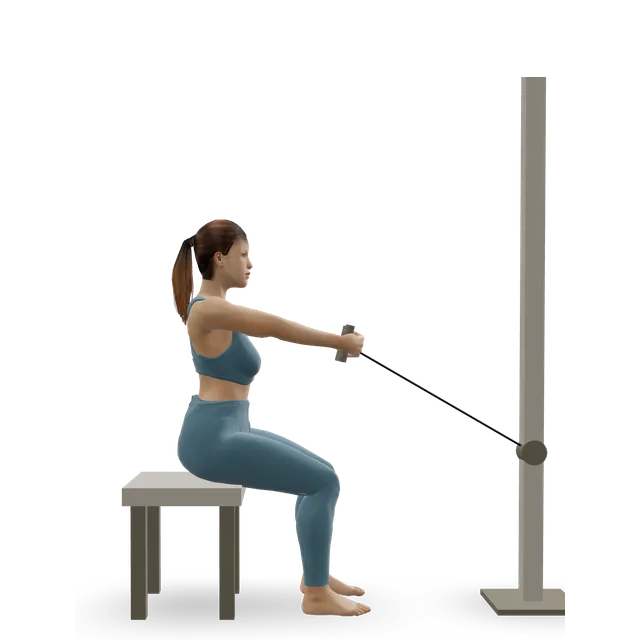
A moderate effort, where you can talk but not sing. The rowing move page starts with 3 rounds of 4 to 5 minutes; the French trial built up to 40 minutes, 3 times a week.

Strength, twice a week

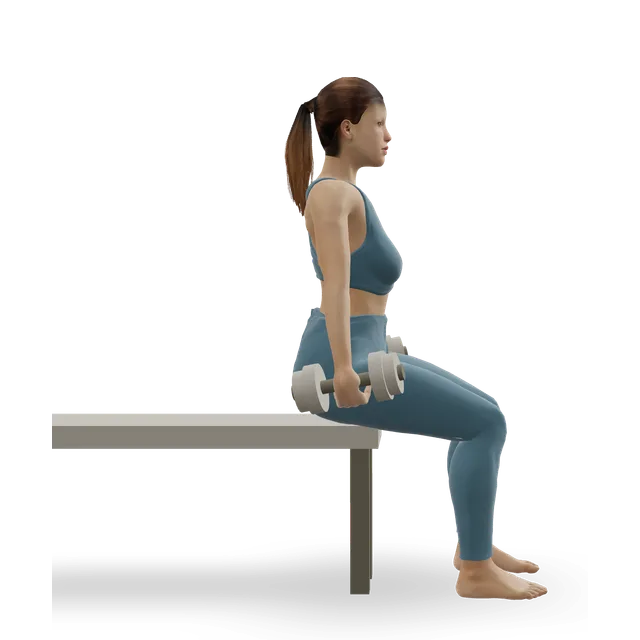
Up to 2 sets of 10 of each, at a light to moderate effort, resting as long as you need between sets (the Swedish trial programme).

Balance and breathing

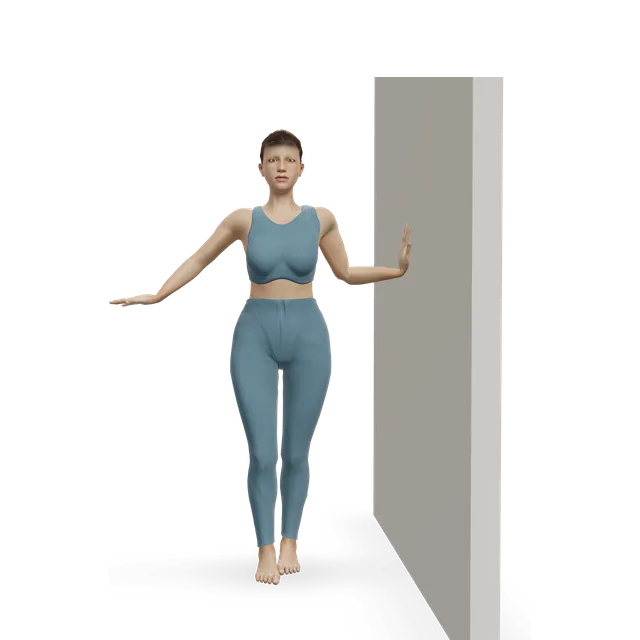
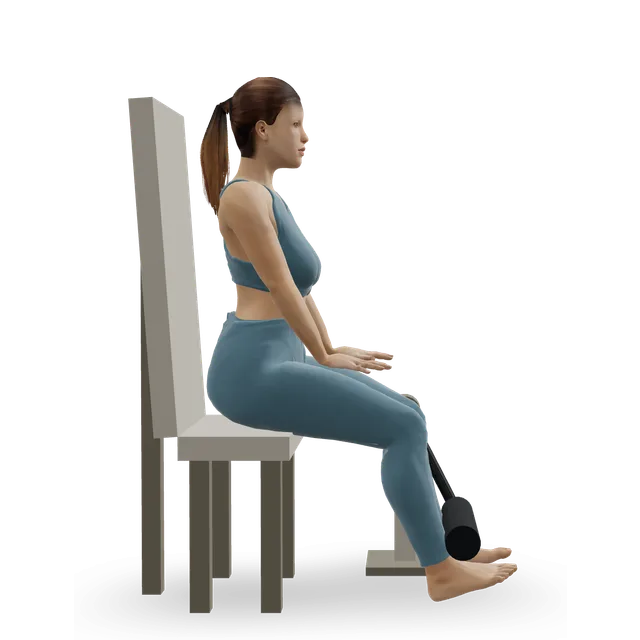
Balance moves next to a kitchen counter, and slow breathing to relax. Breathing muscle training uses a device your respiratory team sets up.

Steroids, weight and bones

Side effects

Long-term steroids can thin the bones and cause weight gain, raised blood sugar and blood pressure, cataracts and infections, and, rarely, damage to the hip joint (avascular necrosis).

Sources 1, 14

Protecting your bones

UK osteoporosis guidance says bone-protecting medicine should start at the same time as steroid tablets, without waiting for a bone scan, for anyone who has already broken a bone easily, women aged 70 or over, and women after the menopause and men aged 50 or over prescribed 7.5 mg or more of prednisolone a day over 3 months. It recommends regular weight-bearing and muscle-strengthening exercise. UK neurologists advise bone protection and bone density scans in line with local guidelines.

Sources 28, 1

Weight and breathlessness

Exercise helps with steroid weight gain. Breathlessness on its own isn't always MG: weight gain, being out of condition or the way you breathe can cause it, and exercise can help with those.

Source 1

Carry your card

Carry your steroid card, and never stop steroids suddenly. myaware's patient passport helps paramedics who don't know MG.

Sources 14, 5

Breathing

Breathing training

Breathing muscle training has a role in MG, including before a thymectomy: arrange it with your respiratory team and physiotherapist rather than buying a device on your own.

Sources 1, 21

When breathlessness is MG

Shortness of breath when lying down or after exercise can be an MG symptom, and new or worse breathlessness needs checking. A finger pulse oximeter can't rule out MG affecting your breathing, because oxygen levels drop late.

Sources 4, 1

Swimming and water

Never swim alone

Swimming is one of the low-impact options UK neurologists list, but the NHS advises avoiding activities that could be dangerous with sudden weakness, such as swimming alone. Our suggestion: swim where there's a lifeguard, with someone who knows about your MG, and avoid very hot pools and spas.

Sources 17, 1

Eyes-only MG and thymectomy

Eyes-only MG

Most people with eyes-only MG can exercise as usual. Double vision affects balance and road safety, so choose indoor or off-road options while you have it (our suggestion). Tell your team about any new symptoms outside the eyes.

Sources 1, 4

After a thymectomy

Follow your surgeon's advice on getting back to activity. Symptoms can keep improving for 1 to 2 years or more after the operation, and breathing training beforehand can help.

Sources 17, 1

Workouts

Start with the easy cardio walk or the 10-minute starter, and keep the strength workouts to up to 2 sets of 10. The seated workout written for MS suits weaker days, and its cooling tips apply.

Easy cardio workout

A steady 30 to 45 minute cardio session at talk-but-not-sing pace: walk, cycle, row or cross-train, counting toward weekly activity guidelines.

40 minBeginner3 movesCardio machine, A wall

10-minute starter workout

A 10-minute session for low-energy days: marching, sit-to-stands, wall push-ups, step-ups and bridges, then a short walk. Doing a little counts.

10 minBeginner7 movesA bench or box, A wall

Rowing machine workout for beginners: set-up, technique and steady rounds

A 25-minute beginner rowing machine workout: set the damper, learn the stroke one part at a time, row three easy rounds of 4 to 5 minutes, then stretch.

25 minBeginner4 movesCardio machine

Strength and balance exercises for seniors

A 40-minute strength and balance session for over-65s, built from the Otago home programme and NHS exercises, using a chair, a counter and a step.

40 minBeginner18 movesA bench or box, Something with weight

Gym workout for seniors: machine strength training for muscle loss

A 50-minute gym session for older adults and sarcopenia: 7 machines for the legs, chest and back from the UK prescription, then a short balance finish.

50 minBeginner12 movesCardio machine, A bench or box

Chair yoga for seniors

A free 20-minute chair yoga class for older adults: slow breathing, gentle seated stretches and twists, standing poses holding the chair, and a calm finish.

20 minBeginner18 movesA bench or box, Something with weight

Gentle yoga for beginners

A 25-minute gentle yoga class for complete beginners and over-50s: slow breathing, a warm-up, supported standing poses, floor poses and a closing rest.

25 minBeginner14 movesNo equipment

Seated workout for MS: cardio, strength and stretches from a chair or wheelchair

A 25-minute workout done sitting, in a chair or wheelchair: seated cardio intervals, light strength work, posture and stretches, with pacing and cooling built in.

25 minBeginner14 movesA bench or box, A dumbbell

Plans

Build up slowly, and drop back a week if your symptoms flare.

Warning signs: when to get help

This is general information, not a diagnosis: your MG team knows your condition, so use the contact numbers they gave you. A&E means accident and emergency. In the US, call 911 where this page says 999.

Call 999

The NHS says call 999 for an ambulance immediately if you have worsening severe breathing or swallowing difficulties, as you may need emergency treatment in hospital: this can be a myasthenic crisis. Call 999 too for:

  • Being unable to finish a sentence in one breath, or using your neck and shoulder muscles to breathe.
  • Struggling to clear saliva or phlegm, or a racing heart, with breathing difficulty.
  • Chest pain that feels tight or like squeezing, or spreads to your arms, neck or jaw.
  • Someone who has passed out and isn't responding normally.

Sources 4, 1, 29

A finger oxygen monitor can mislead

A normal pulse oximeter reading doesn't rule out a crisis: in MG, oxygen levels often fall late.

Source 1

Tell the paramedics

Show your myaware patient passport and your steroid card.

Sources 5, 14

Contact your MG team the same day, or NHS 111 out of hours

Our framing: the NHS says symptoms that suddenly get worse may need urgent treatment in hospital. Get help the same day for:

  • Weakness, swallowing, speech or eyelid symptoms that are worse than usual and don't settle with rest.
  • Breathlessness when lying down or after exercise that's new or worse.
  • An infection with worsening weakness.
  • Weakness after starting a new medicine.
  • Too much pyridostigmine taken: contact your GP (general practitioner) or go to A&E, taking the medicine box.

Sources 3, 4, 17, 10

Ask your team

  • If exercise leaves you weaker the next day.
  • When you start or change steroids.
  • About bone protection and a bone scan.
  • Before you start breathing training.

Sources 1, 14, 9

Your mood

Stress can make MG worse, and myaware offers emotional support. For urgent mental health help, call NHS 111 and choose the mental health option, or call Samaritans free on 116 123, any time. If your life is at risk, call 999 or go to A&E. In the US, call or text 988.

Sources 5, 30, 31, 32

Myths

"Exercise makes MG worse, so I should avoid it"Emerging evidence

In trials of walking, rowing, cycling and strength training, exercise was well tolerated and MG didn't worsen, and UK neurologists support exercise, including gym work in mild and moderate MG. While MG isn't controlled, stay within what you can manage.

Sources 7, 8, 6, 18, 1, 5

"Push through the weakness to build strength"Strong evidence

With MG, the harder you push a tiring muscle, the weaker it gets, and weakness recovers with rest. Stop and rest when symptoms appear, and build up gradually instead.

Sources 13, 4, 27

"Take an extra tablet before a workout"Strong evidence

Taking more pyridostigmine than prescribed can itself cause weakness. Time exercise for when your usual dose is working, and ask your team about timing.

Sources 10, 5

"My finger oxygen monitor says I'm fine, so my breathing must be fine"Strong evidence

In MG, oxygen levels fall late, so a pulse oximeter can't rule out breathing failure. Worsening severe breathing or swallowing difficulty needs 999.

Sources 1, 4

"MG affects the heart, so cardio is risky"Emerging evidence

MG affects the muscles you move on purpose, not the heart, and a review found no evidence that pyridostigmine makes exercise unsafe for people with heart disease. A heart condition you have for another reason follows the usual advice.

Sources 13, 9

"A hot bath or sauna is a good way to relax tired muscles"Emerging evidence

Warmth makes nerve signals to the muscles less reliable in MG, and myaware advises avoiding extremes of temperature. Cool down instead.

Sources 24, 12, 5, 11

Questions people ask

Is exercise good for myasthenia gravis?

Yes, for most people whose MG is stable. UK neurologists' guidelines support walking, swimming, balance work, and aerobic, strength and stretching exercise, including gym work for mild and moderate MG. Studies link exercise with fewer symptoms and better quality of life, though most were small.

Does exercise make myasthenia gravis worse?

When MG isn't well controlled, exertion weakens muscles, so stay within what you can manage now. Once it's controlled, you're encouraged to exercise like anyone else. In trials, MG didn't worsen with exercise, but contact your team if your symptoms get worse and stay worse.

What is the best exercise for myasthenia gravis?

Walking, cycling or rowing at a moderate effort, with light strength work twice a week, plus balance and stretching. In trials, people took regular 30-minute walks, rowed for 40 minutes 3 times a week, or did up to 2 sets of 10 of each strength exercise. Choose what you enjoy and can keep up.

Can I lift weights or go to the gym with myasthenia gravis?

People with mild and moderate MG may be able to exercise in a gym. Start light, keep to a couple of sets with good rests, and stop if symptoms appear. Older people or those with moderate MG may benefit from a physiotherapist's programme first.

When is the best time to exercise with MG?

Plan exercise for your strongest time of day, often the morning, when your tablets are working best. Pyridostigmine usually starts working in 30 to 60 minutes and lasts about 4 hours. Never take extra tablets to get through a workout, because too much can cause weakness.

Why does heat make myasthenia gravis worse?

Warmth makes the signal from nerve to muscle less reliable, while cold helps it: that's why ice can briefly lift a drooping eyelid. Many people with MG notice heat makes them weaker. Exercise somewhere cool or at cooler times, drink plenty, wear loose clothes and avoid hot classes, saunas and very hot baths.

How do I pace exercise with MG fatigue?

Spread activities through the day, take regular rests and short breaks, and rest before you're exhausted. Exercise in short bouts with breaks between sets, and stop if your eyelids droop, your vision doubles, your speech slurs or your muscles start to fail. In myaware's words, the more you rest the more you can do.

Can I go swimming with myasthenia gravis?

Yes, swimming is one of the low-impact options the UK guidelines list. Never swim alone, because sudden weakness could be dangerous: swim with someone who knows about your MG, ideally where there's a lifeguard.

Do breathing exercises help myasthenia gravis?

Breathing muscle training has a role in MG, including before a thymectomy, and studies show better breathing muscle endurance. Arrange it with your respiratory team or physiotherapist. Breathlessness isn't always MG: weight gain and being out of condition can cause it too.

What are the signs of a myasthenic crisis?

A sudden worsening with severe breathing or swallowing difficulty: call 999 for an ambulance immediately. Other danger signs are not being able to finish a sentence in one breath, using your neck and shoulders to breathe, a racing heart and trouble clearing saliva. A normal finger oxygen reading doesn't rule it out.

Can exercise help with steroid side effects?

Regular weight-bearing and muscle-strengthening exercise is recommended for bones, and exercise helps manage weight gain. Long-term steroids can thin the bones, so your team may offer bone-protecting medicine and scans. Never stop steroids suddenly.

I only have ocular myasthenia. Can I exercise normally?

Most people can. Double vision affects balance and road safety, so choose indoor or off-road options while you have it. Tell your team about any new symptoms outside the eyes, and know that none of the UK guidance recommends eye exercises for MG.


Sources

  1. Jacob 2025 · Association of British Neurologists guidelines for autoimmune myasthenia gravis, 2025 update (guideline, Practical Neurology)
  2. Gutierrez-Del-Val 2026 · Physical and breathing training in myasthenia gravis: 20 studies, 1,366 people (systematic review and meta-analysis, Scientific Reports)
  3. NHS · Myasthenia gravis (reviewed September 2023; review was due September 2026)
  4. NHS · Myasthenia gravis: symptoms (reviewed September 2023; review was due September 2026)
  5. myaware · Top tips for living with myasthenia
  6. Misra 2021 · A 30-minute walk or rest in myasthenia gravis: 40 people (the RESTOREX RCT, European Neurology; abstract read)
  7. Birnbaum 2021 · Home rowing in stable generalised myasthenia gravis: 45 people (RCT, Neuromuscular Disorders; abstract read)
  8. Westerberg 2017 · Supervised aerobic and resistance training in mild myasthenia gravis: 10 people (pilot study, Muscle and Nerve; abstract read)
  9. O'Connor 2020 · Myasthenia gravis and physical exercise (review, Frontiers in Neurology)
  10. myaware 2020 · Pyridostigmine information sheet (read as an archived copy)
  11. myaware · Coping in hot weather
  12. Marinos 2018 · Ice and heat on drooping eyelids in myasthenia gravis: 23 people (clinical study, Eye; abstract read)
  13. myaware · What is myasthenia?
  14. myaware 2020 · Steroid information sheet
  15. myaware · Myasthenia gravis
  16. Sciancalepore 2025 · How common myasthenia gravis is: 94 studies (systematic review, Neuroepidemiology; abstract read)
  17. NHS · Myasthenia gravis: treatment (reviewed September 2023; review was due September 2026)
  18. Vinciguerra 2026 · Physical exercise in myasthenia gravis: 8 controlled studies (systematic review, Healthcare; abstract read)
  19. Xiangxiang 2025 · Rehabilitation in myasthenia gravis: 6 studies (meta-analysis, eNeurologicalSci; abstract read)
  20. Rahbek 2017 · Aerobic or resistance training in myasthenia gravis: 15 people (feasibility RCT, Muscle and Nerve; abstract read)
  21. Bi 2025 · Respiratory muscle training in myasthenia gravis: 7 studies, 223 people (systematic review, Frontiers in Neurology; abstract read)
  22. Freitag 2018 · Long-term breathing muscle endurance training in myasthenia gravis (controlled study, Respiratory Medicine; abstract read)
  23. Chang 2025 · Breathing muscle training and aerobic exercise after a hospital stay with myasthenia gravis: 54 people (RCT, BMC Pulmonary Medicine; abstract read)
  24. Rutkove 1998 · Nerve testing in a heated hand in myasthenia gravis: 7 people (clinical study, Muscle and Nerve; abstract read)
  25. Hartford 2023 · Daily life with generalised myasthenia gravis: 24 people interviewed (qualitative study, Neurology and Therapy; abstract read)
  26. UK Chief Medical Officers 2019 · Physical activity for disabled adults (text of the infographic, updated July 2026)
  27. myaware · Pacing (by a specialist nurse)
  28. Gregson 2025 · The 2024 UK clinical guideline for the prevention and treatment of osteoporosis (NOGG, Archives of Osteoporosis)
  29. NHS · Heart attack
  30. NHS · Where to get urgent help for mental health (reviewed April 2023; review was due April 2026)
  31. Samaritans · Contact a Samaritan: 116 123, free, any time
  32. 988 Suicide and Crisis Lifeline (US): call, text or chat, any time

Exercise education, not a diagnosis or treatment plan, and clinical review of these guides is pending. Stop and get advice for chest pain, unusual breathlessness, dizziness or fainting, or new pain, and check with your doctor or midwife first if they have told you to limit activity. Health disclaimer.