Exercise guide

Exercise with motor neurone disease (MND, ALS): what helps at each stage

Exercise is part of living well with motor neurone disease (MND), called amyotrophic lateral sclerosis (ALS) in the US. It can't repair muscles MND has weakened, but it keeps joints moving and comfortable and keeps the muscles MND hasn't reached strong. In small trials it may also have helped people keep everyday function a little longer, though that benefit was uncertain once the weaker trials were left out. The National Institute for Health and Care Excellence (NICE) recommends that MND teams consider an exercise programme for everyone, matched to what you can do: on your own, with help, or with a carer moving your joints for you.

This guide covers how much to do and how hard, how to avoid overworking weakened muscles, and how exercise changes from the early stage to the later stages. It also covers fatigue, cramps, falls, equipment, breathing and cough exercises, and the warning signs that need help, with a daily range of movement routine to follow. Your MND team and physiotherapist come first: use this to understand and remember their advice.

The short version

Exercise is recommended, matched to you

NICE asks MND teams to consider an exercise programme for people with MND, to keep joints moving, prevent stiffness and tight joints, and help everyday life. It can be resistance exercise, exercise with help, or a carer moving your joints for you, depending on what you can do. European neurologists recommend the same.

Sources 1, 2

It can't repair muscles MND has weakened

Exercise keeps weakened muscles as strong as they can be and strengthens the muscles MND hasn't affected. In small trials it may have helped people keep everyday function a little longer, but it hasn't been shown to slow MND itself or help people live longer.

Sources 3, 4, 5, 6

Don't overwork weak muscles

A weakened muscle is already working near its limit. Exercise should be tailored to you and shouldn't leave you exhausted: stop and tell your physiotherapist if you're too tired or sore for daily tasks afterwards, if a muscle stays weaker for hours or days, or if you get more cramps or twitching.

Sources 7, 8

The plan changes as MND progresses

Early on, walking, cycling or swimming and light to moderate strength work suit many people. As weakness grows, sessions get shorter and more supported, with equipment. Later, a carer moves your joints gently each day to keep them comfortable.

Sources 8, 7, 3, 1

Breathing comes first when it weakens

Your team should check your breathing every 2 to 3 months. Tell them about breathlessness when lying flat, poor sleep, morning headaches or daytime sleepiness. For a weak cough, NICE recommends breath stacking or assisted coughing, taught by your team. Extra oxygen isn't usually recommended in MND.

Sources 1, 9, 10

Your team leads on equipment and help

Splints, walking aids, wheelchairs and other equipment should come without delay, and your occupational therapist should advise before you buy anything. Carers can be shown how to help with exercises safely.

Sources 1, 11

MND and how it affects exercise

What MND is

MND causes muscle weakness that gets worse over months or years. It affects the nerves in the brain and spinal cord that control your muscles (motor neurones): as they fail, the muscles they control weaken and waste. It's usually life-shortening and there's no cure, but treatment helps with the symptoms. Adults of any age can get it, but it usually starts after 50.

Sources 12, 3

The types

Amyotrophic lateral sclerosis (ALS) is the most common type, with weakness in the arms and legs that makes people trip and drop things. Progressive bulbar palsy starts in the face, throat and tongue, progressive muscular atrophy in the hands, and primary lateral sclerosis in the legs. In the US, ALS is the name used for all types.

Sources 12, 13

How common it is

More than 5,000 adults in the UK live with MND, and 6 people are diagnosed every day. The lifetime risk is about 1 in 300, and about 1 in 10 people have a family history of it.

Sources 13, 12

How fast it changes

It varies a lot. With ALS, life expectancy is typically 2 to 5 years from the first symptoms, though 5% to 10% of people live a decade or more. Progressive muscular atrophy often lasts longer than 5 years, and primary lateral sclerosis isn't usually life-shortening. That's why your plan is built around you.

Sources 13, 14

Symptoms that affect exercise

In a survey of people with ALS, 90% had fatigue, 84% stiffness, 74% cramps and 66% shortness of breath. Many people have pain, and weak neck muscles can make the head feel heavy. Swallowing problems affect up to 87%. About half notice changes in thinking or behaviour, usually mild, so a carer may need to prompt or simplify the exercises.

Sources 8, 14, 7, 13

Why too much and too little both matter

A muscle that has lost part of its nerve supply works near its limit in everyday tasks, so it's easier to overwork, and the safe range narrows as MND progresses. But not moving adds stiffness, pain and weakness from disuse. Physiotherapists aim for the middle: not too little, and not too much.

Sources 5, 8, 3

What the evidence says

NICE recommends an exercise programmeStrong evidence

NICE's guideline asks teams to consider a programme to keep joints moving, prevent contractures (joints that stiffen in one position), ease stiffness and discomfort, and help function and quality of life, chosen for each person's abilities, posture and fatigue. European neurologists adopt the same advice, and the MND Association recommends getting advice from your GP (general practitioner) or a physiotherapist before you start.

Sources 1, 2, 3

Moderate exercise appears safeEmerging evidence

In the trials, moderate exercise didn't bring more cramps, soreness or fatigue. Resistance, endurance and stretching programmes at home were all tolerated over 24 weeks, with no difference in how fast MND progressed, and a 16-week cycling trial reported no harm from the exercise. All were small, with a few dozen people each.

Sources 5, 15, 16

Everyday function: a small benefit that may not be realMixed evidence

Exercise may help people keep everyday function a little longer, but the benefit was uncertain once the weaker trials were left out. A Cochrane review pooled 2 trials (43 people) and found function scores 3 points better after 3 months, too few people to be sure. In a trial of 60 people, scores were about 4 points better at 6 and 12 months. A review of 7 trials (322 people) found function and breathing a little better, and one of 5 trials found less decline in breathing but not in arm and leg function; another, of 16 trials, found the benefits were no longer clear when the trials at high risk of bias were removed.

Sources 5, 17, 6, 18, 19, 20

Exercise doesn't slow MND itselfStrong evidence

A muscle MND has weakened can't be repaired by exercise or anything else. No trial has shown that exercise slows the disease or helps people live longer: in the 60-person trial, survival and the decline in breathing were the same with and without the exercise programme.

Sources 3, 6, 5

Breathing trainer devices: the small trials disagreeMixed evidence

In a 12-week trial of 45 people with early ALS, a breathing trainer made breathing out stronger than a dummy device did, with no harm; a slower decline in speech and swallowing was an exploratory finding. An 8-week trial of 48 people found stronger breathing out and a better swallowing score. Two small trials of breathing-in training found no clear difference, and two reviews (5 trials with 170 people, and 4 trials with 138) disagree on what helps. European neurologists don't recommend them. Use one only with your MND team's advice.

Sources 21, 22, 23, 24, 25, 26, 2

Why too much is a risk: caution, not trial resultsMixed evidence

The worry about overwork comes from how weakened muscles work and from older case reports, not from trials: the trials of moderate exercise found no harm. UK and international teams still advise against exhausting or very heavy exercise, because exercise that's excessive for you risks damaging weakened muscle fibres.

Sources 5, 8, 7

What carries the evidence for living longer and betterStrong evidence

Specialist team care, regular breathing tests, help with coughing, non-invasive ventilation (a machine that helps you breathe through a mask), nutrition and equipment are the core of MND care. A 2025 review describes moderate evidence that non-invasive ventilation helps people live longer, by weeks to months. Medicines for MND and its symptoms are your team's decision.

Sources 1, 2, 14

How much and how hard

These are starting points to discuss with your physiotherapist. Your MND team's advice comes first.

Range of movement, every day

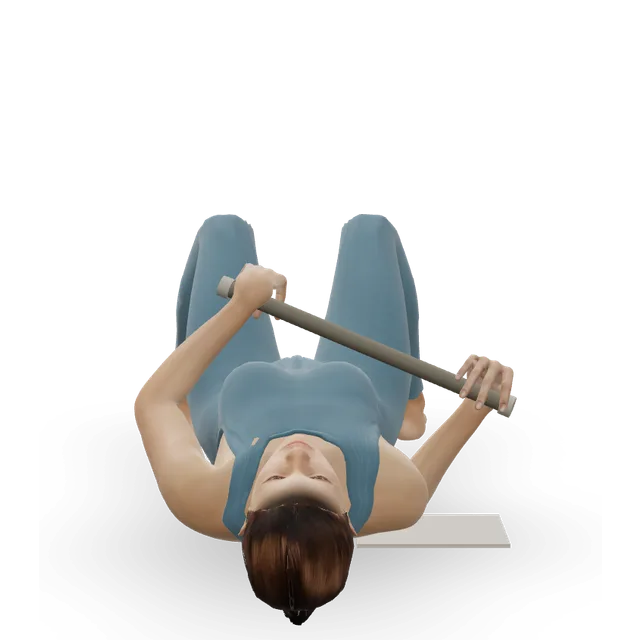
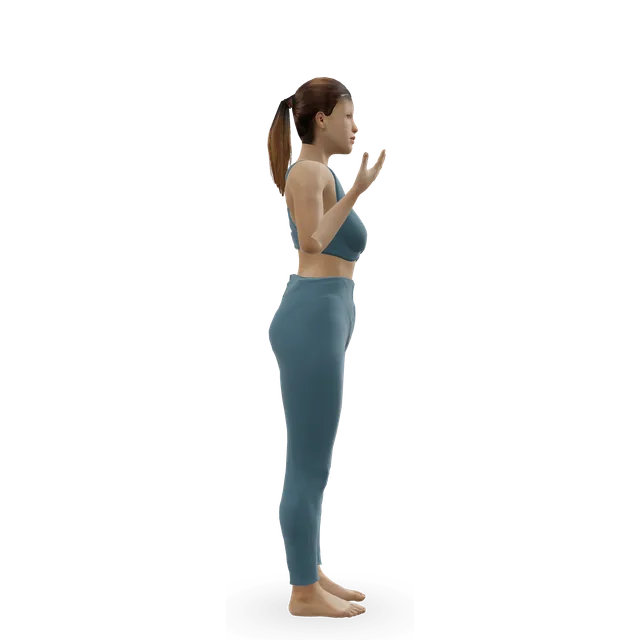
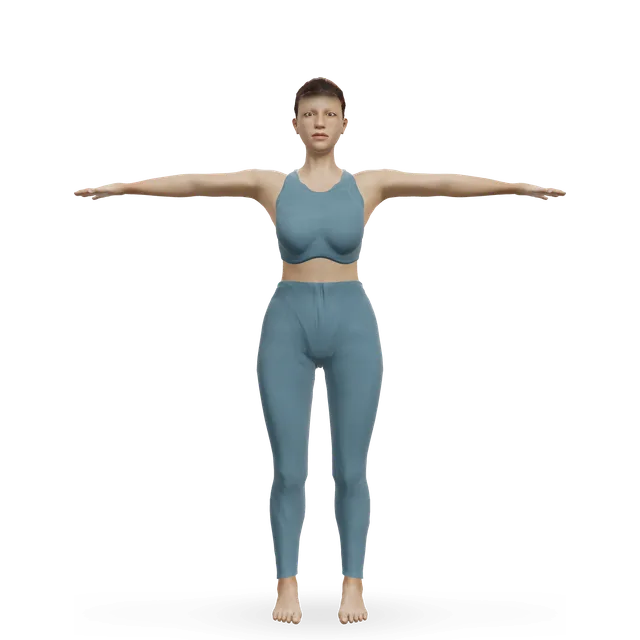
Take each joint you can't fully move yourself through its full, comfortable range, one limb at a time, as the MND Association describes. Our editorial starting point is 5 to 10 slow movements for each joint, once or twice a day. Do them yourself, with help, or with a carer moving the joint, and expect to need more help as time goes on.

Sources 1, 3

Stretches

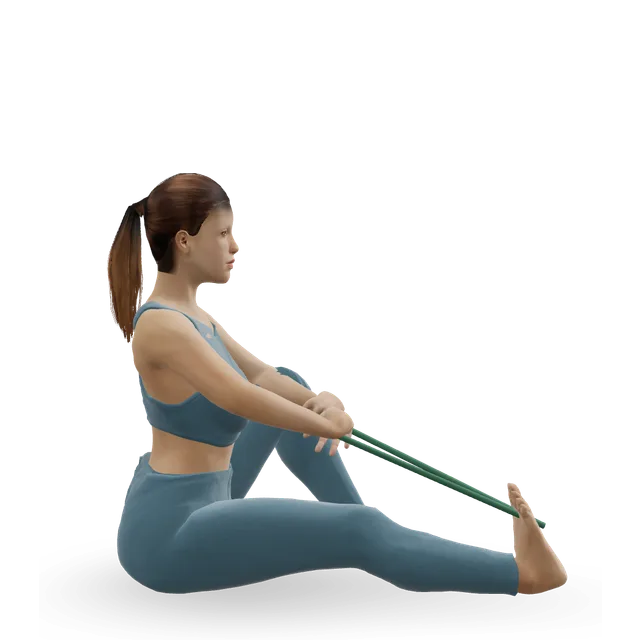
Stretch every day, holding each stretch for 30 to 60 seconds; a carer can support the weight of your arm or leg (Mass General Brigham, a US hospital).

Source 27

Strength, early on

Work the muscles MND hasn't weakened, and lightly any that can still lift against gravity, at a light to moderate effort on 2 to 3 days a week. Mass General Brigham's example is standing up from a chair 5 times. In the trial that tested it, people did moderate resistance exercise set for each person, 3 times a week. Our editorial starting point is 1 to 2 sets of 8 to 10, stopping with plenty left. Extreme resistance exercise isn't advised.

Sources 8, 27, 17, 3

Cardio, early on

Walking, swimming or a stationary bike at a moderate effort, 3 to 5 times a week. Mass General Brigham puts it this way: it's okay to feel slightly short of breath, but you shouldn't struggle to breathe. That's the talk test: you can talk, but not sing. Split it into short bouts with rests if you need to; MND Australia's example is 20 minutes with a 5-minute rest. Trials used 15 minutes twice a day, or recumbent cycling twice a week.

Sources 27, 8, 28, 29, 30

Little and often

Several short sessions through the day often suit better than one long one, with plenty of rest between them. Keep a simple log or diary of what you did and how you felt afterwards, for your physiotherapist.

Sources 8, 3, 4

When moving on your own gets hard

MND Australia says arm or leg pedalling with help (active-assisted cycling) may help when you can't move on your own; one trial's supervised programmes included a cycle machine and exercises done for people. A small pedal exerciser in front of a chair or wheelchair works like the recumbent bike below.

Sources 28, 6

Useful tiredness, and doing too much

Feeling a little tired is fine

The MND Association says there's some evidence that exercising until you feel a little tired can be positive. No exercise should cause you pain.

Source 3

Signs you've done too much

Stop that exercise and tell your physiotherapist if:

  • You're too exhausted or sore to do your usual daily activities afterwards.
  • A muscle is weaker afterwards and takes hours or days to recover.
  • You get more cramps, soreness, tiredness or muscle twitching than usual.
  • An exercise hurts, during or afterwards.
  • You tire more quickly than before, or how far you can walk drops quickly.

Sources 8, 14, 3

A rule of thumb

Our suggestion, from the advice above: finish each session feeling you could have done a little more, at a level you could repeat the next day. That matches the advice in our multiple sclerosis (MS) guide.

Sources 8, 7

MND fatigue is different

MND fatigue is a constant, overwhelming tiredness that sleep and rest don't fix, and it can make weakness worse. On bad days, do less, or only the range of movement exercises. Tell your team about new or worse fatigue: breathing problems, poor sleep, low mood, weight loss and some medicines can all cause it.

Sources 3, 4, 2

Pacing

Think of your energy as a rechargeable battery: if you do a lot one day, rest the next, and spread tasks through the day. These are the same pacing tools as in our guide to myalgic encephalomyelitis or chronic fatigue syndrome (ME/CFS), with one difference: for ME/CFS, NICE advises against exercise programmes, while for MND it recommends them.

Sources 4, 1

How exercise changes as MND progresses

Early stage

You're independent, with some weak muscle groups. Start soon after diagnosis: moderate walking, cycling or swimming, light to moderate strength work for the muscles MND hasn't reached, stretches and range of movement for weakening joints, and core and balance work. The Leeds MND centre says people with very early symptoms and no breathing problems may manage moderate effort, always watching for fatigue.

Sources 8, 7, 27

Middle stage

Weakness spreads and you use equipment and some help. Sessions get shorter, seated or supported; exercises are done with help from another person or your other arm; leg or arm pedalling can replace walking for cardio. Strength work stays light, and only for muscles that can still lift against gravity. Splints, walking aids and wheelchairs should come without delay.

Sources 8, 3, 28, 1

Later stage

When you rely on others to move, a carer moves your joints gently each day to keep them comfortable and prevent stiffness, tight joints and a frozen shoulder. The Leeds MND centre says this must be done with great care, and the MND Association warns that even passive exercise can be too much.

Sources 1, 7, 3, 2

Breathing changes the plan

Once your breathing is affected, your physiotherapist adjusts or reduces the cardio and strength work.

Sources 7, 8

Where the sources differMixed evidence

The MND Association says exercising until a little tired can be positive; the Leeds MND centre says exercise should be non-fatiguing. Some pages say exercise can slow decline (MND Australia) or possibly slow muscle loss (Mass General Brigham); the trials found small, uncertain differences in function and none in survival. This guide aims for the middle: tired but not exhausted, and honest about what exercise can do.

Sources 3, 7, 8, 28, 27, 6

Range of movement, every day

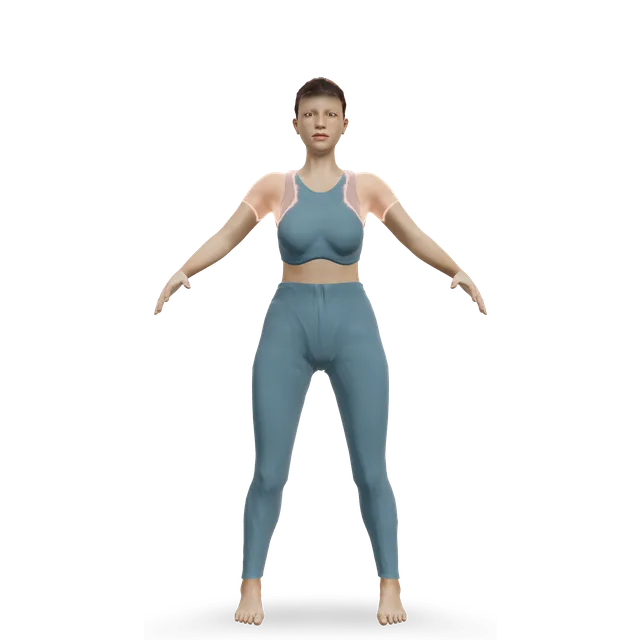
Do each one yourself, with help, or with a carer moving the joint (NICE and the MND Association): slowly, within a comfortable range, never forced.

Stretches

Hold each for 30 to 60 seconds, every day, without bouncing; a carer can support the limb (Mass General Brigham).

Strength, in the early stage

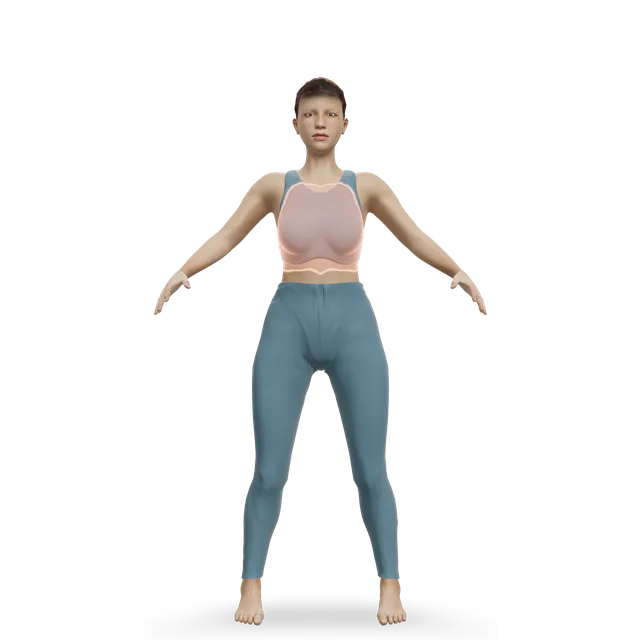
Light to moderate effort, 2 to 3 days a week, for muscles MND hasn't weakened: our editorial starting point is 1 to 2 sets of 8 to 10, stopping with plenty left. Where a move page gives a bigger dose for other people, use this one.

Cardio and balance, in the early stage

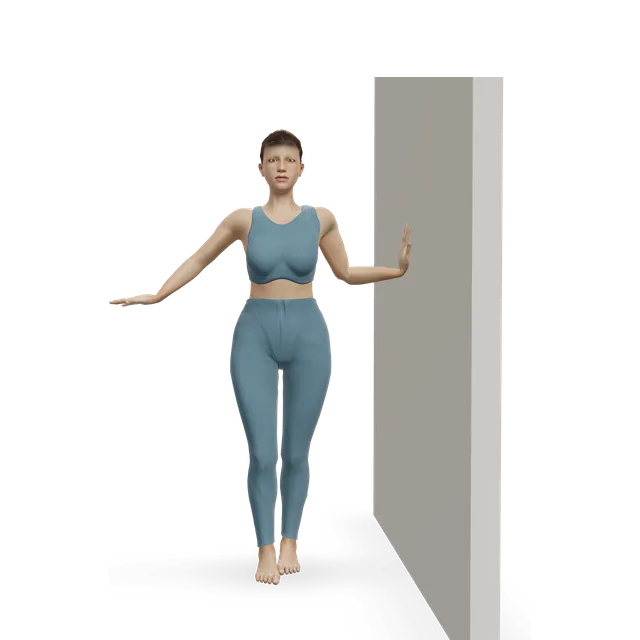
A moderate effort, where you can talk but not sing. A pedal exerciser in front of a chair or wheelchair works the legs like the recumbent bike, and the arm bike suits strong arms with weak legs; do the balance moves next to a kitchen counter.

Breathing, coughing and swallowing

Signs to tell your team about

Tell your MND team promptly if you notice:

  • Breathlessness, especially when lying flat.
  • Shallow breathing, or using your neck and shoulder muscles to breathe.
  • A weak cough or sniff, or more chest infections.
  • Disturbed sleep, nightmares, morning headaches or feeling sleepy in the day.
  • Poor concentration or memory, or confusion.
  • A weaker voice, or a poor appetite.

Sources 1, 9

Why sleep and headaches matter

If your breathing muscles are weak, carbon dioxide can build up in your blood overnight. The Leeds MND centre says tell a professional immediately about daytime sleepiness, morning headaches, confusion or disturbed sleep.

Source 7

Positions and pacing

Sitting upright or propped up rather than lying flat, a riser-recliner chair and a fan can all help. The MND Association says save your energy: try not to push yourself too hard, break tasks into smaller stages and pace activity through the day.

Source 9

Breath stacking for a weak cough

NICE recommends breath stacking, or assisted coughing where someone trained helps you cough, as the first thing to try when your cough is weak. Lancashire Teaching Hospitals' MND team suggests doing it every day, 1 to 4 times, at least 10 minutes apart, and not within an hour of food or drink. Learn it from your MND team or a respiratory physiotherapist first. If the muscles of your mouth and throat are weak, they may use a bag that helps you take a deeper breath (a lung volume recruitment bag) instead.

Sources 1, 31, 32

Oxygen

Extra oxygen isn't usually recommended for MND, because it can upset the balance of oxygen and carbon dioxide in your blood. The MND Association's alert card and wristband carry this warning for paramedics.

Sources 10, 9

Breathing support

If your breathing muscles weaken, NICE recommends offering non-invasive ventilation, a machine that helps you breathe through a mask, often at night. Exercise doesn't replace it.

Source 1

Swallowing

A speech and language therapist leads on swallowing. Ask for an urgent GP appointment or call 111 if you cough or choke when eating or drinking, have a wet, gurgly voice, get breathless after eating, or keep getting chest infections.

Sources 7, 33

How to breath stack

From the breath stacking steps in Leeds Teaching Hospitals' leaflet and Lancashire Teaching Hospitals' MND leaflet. Learn it from your MND team or a respiratory physiotherapist first.

  1. Sit upright and relaxed, in a supportive chair or propped up in bed.
  2. Breathe out fully.
  3. Take a big breath in and hold it for a few seconds.
  4. Take another breath in on top and hold again. Repeat until you can't fit in any more: usually 3 or 4 breaths in all.
  5. Hold for 2 to 3 seconds, then breathe out slowly, or use the air for a strong cough.
  6. Rest with normal breaths, and repeat up to 5 times. Feeling a little light-headed is normal: stop if you need to.

Breathing

Learn breath stacking from your MND team or a respiratory physiotherapist first. Slow breathing helps you stay calm when breathless: breathe at a pace that's comfortable, without holding your breath.

Cramps, stiffness, neck weakness and pain

Cramps

Cramps are very common, often in the calves, thighs, hands and feet, and often at night. Your team can offer medicines and other treatments, and some people find a TENS machine (a small device that sends mild electrical pulses through the skin) helps. Sitting still for long periods can make aches, cramps and stiffness worse, so keep moving gently.

Sources 14, 1, 7, 3

Stiffness

Physiotherapy is recommended for stiff, tight muscles (spasticity), and your team can offer medicines for it too.

Sources 2, 1

Neck weakness

Advice on posture, core stability work and simple neck exercises to keep the movement you have can all help. A riser-recliner chair gives the neck a rest, and a collar may help later. Leave out neck strengthening against resistance unless your physiotherapist suggests it (our suggestion).

Source 7

Pain and a frozen shoulder

Pain is common, and positioning, moving, physiotherapy and splints help prevent it. A weak arm can stiffen into a frozen shoulder, so keep the shoulder moving every day.

Sources 2, 14

Falls, equipment and walking

Falls

Falls are common: in one ALS clinic, 46% of people had fallen, and head injuries from falls were more common than in a comparison group. Your physiotherapist should ask about falls at each visit, and can offer walking aids, splints and balance training.

Source 8

Equipment

NICE says equipment, home adaptations, wheelchairs and splints should be provided without delay and reviewed as things change. The MND Association says always ask your occupational therapist before buying equipment. Ankle and foot supports, walking frames, riser-recliner chairs and head supports all help.

Sources 1, 11, 3

Balance practice

In the early stage, balance practice next to a kitchen counter, such as side steps and standing with one foot half in front of the other, is part of many programmes. Yoga and tai chi are options to discuss with your physiotherapist.

Sources 7, 27

For carers: helping with exercises

The team should show you how

NICE asks MND teams to check that carers are willing and able to help with exercises, and to advise on safe moving and handling. A physiotherapist can show you how to help with each exercise.

Sources 1, 3

Moving someone's joints safely

Move slowly and gently within a comfortable range, supporting the limb above and below the joint. Never force a joint or pull on a weak arm, and don't let a weak arm hang unsupported. These are our suggestions, in line with the Leeds MND centre's advice that passive movement needs great care. Stop if it hurts.

Sources 7, 2

Not too much

Even passive exercise can be overdone, especially later on. A little at a time through the day, with rests, works better.

Source 3

Workouts

Start with the range of movement routine. In the early stage, the seated workout written for MS and the easy cardio walk add cardio and light strength: keep the strength sets low and stop well before you tire.

Exercise and the cause of MND

What the research saysMixed evidence

The MND Association lists high levels of exercise among possible links, but says the evidence conflicts and no advice on lowering the risk can be given. Some studies link very strenuous activity, heavy physical work or professional sport with a higher chance of MND, possibly mainly in people with certain genes, while a German registry of 393 people with ALS found no link with their total activity over their lives. Nobody can say exercise caused any one person's MND.

Sources 34, 35, 36, 37, 38

Activity after a diagnosisEmerging evidence

In the same German registry, moderately active people lived longer after diagnosis (29.8 months) than the least active (15.4 months) and the most active (19.3 months). That was an observation, not a trial, so it can't show cause, but it fits the advice to keep active without overdoing it.

Source 38

Warning signs: when to get help

This is general information, not a diagnosis: your MND team knows your situation, so use the contact numbers they gave you. A&E means accident and emergency. In the US, call 911 where this page says 999.

Call 999

Call 999, and don't drive yourself to A&E, for:

  • Severe difficulty breathing: gasping, choking or not being able to get words out.
  • Lips or skin turning very pale, blue or grey (on brown or black skin, this may be easier to see on the palms of the hands).
  • Suddenly feeling confused.
  • Chest pain that feels tight or like squeezing, or spreads to your arms, neck or jaw.
  • Someone who has passed out and isn't responding normally.
  • A fall where you may have hurt your head, neck, back or hip, or can't get up.
  • Pain and swelling in one leg with breathlessness or chest pain.

Sources 39, 40, 41, 42

Tell the paramedics

Say you have MND and show your MND Alert card or wristband: it warns that extra oxygen may not be safe for you.

Sources 9, 10

Urgent GP appointment or NHS 111

Ask for an urgent GP appointment or get help from NHS 111 if:

  • You cough or choke when eating or drinking, have a wet, gurgly voice, or feel short of breath after eating or drinking.
  • You keep getting chest infections.
  • You're more short of breath than usual.
  • You have throbbing pain and swelling in one calf or thigh.
  • You've fallen and may be in pain, injured or unwell.

Sources 33, 39, 42, 41

Tell your MND team soon

Your team should be your single point of contact. Tell them about:

  • Signs of weakening breathing muscles: breathlessness lying flat, morning headaches, daytime sleepiness, poor sleep, confusion or a weak cough.
  • Falls or near misses, new tripping or a weaker grip.
  • Weight loss, or trouble getting enough to eat or drink.
  • Cramps, stiffness or pain that stop you sleeping or exercising.

Sources 1, 9, 7, 8

Stop the exercise and tell your physiotherapist

  • You're exhausted or too sore for daily tasks afterwards.
  • A muscle stays weaker for hours or days.
  • You get more cramps, twitching, soreness or tiredness than usual.
  • An exercise hurts, during or afterwards.

Sources 8, 3, 14

Your mood

Low mood and anxiety are common with MND, so tell your team. For urgent mental health help, call NHS 111 and choose the mental health option, or call Samaritans free on 116 123, any time. If your life is at risk, call 999 or go to A&E. In the US, call or text 988.

Sources 8, 43, 44, 45

Myths

"Exercise will use up my muscles faster, so I should rest"Emerging evidence

NICE recommends considering an exercise programme for people with MND. In trials, moderate exercise didn't bring more cramps, soreness or fatigue, and not moving adds stiffness, pain and weakness from disuse. What carries a risk is exercise that's too hard for weakened muscles, so aim for moderate, never exhausting.

Sources 1, 5, 6, 3, 7

"The right exercise can rebuild muscles MND has weakened"Strong evidence

A muscle MND has weakened can't be repaired by exercise. Exercise keeps it as strong as possible and builds the muscles that aren't affected, but it hasn't been shown to slow MND or help people live longer.

Sources 3, 4, 5, 6

"Hard exercise or sport caused my MND"Mixed evidence

The MND Association says the evidence on exercise as a cause conflicts. Some studies link very strenuous activity with MND, mainly in people with certain genes, and a large registry found no link with total activity over a lifetime. Nobody can say exercise caused any one person's MND.

Sources 34, 35, 36, 37, 38

"A breathing trainer will stop my breathing getting weaker"Mixed evidence

The small trials disagree: some found stronger breathing muscles, but none changed how much air the lungs hold, and European neurologists don't recommend the devices. Regular breathing tests, breath stacking, assisted coughing and breathing support are the established parts of care. Use a trainer only with your MND team's advice.

Sources 21, 25, 26, 2, 1

"Oxygen will help when I'm breathless"Strong evidence

Extra oxygen isn't usually recommended in MND, because it can upset the balance of oxygen and carbon dioxide in your blood. Your MND Alert card warns paramedics.

Sources 10, 9

"Once you use a wheelchair, there's no point exercising"Strong evidence

NICE's programmes include exercise with help and passive exercise for exactly this stage, to keep joints comfortable and prevent stiffness. Carers can be shown how to help.

Sources 1, 3

Questions people ask

Is exercise good for MND?

Yes, the right amount is. NICE recommends that MND teams consider an exercise programme to keep joints moving, prevent stiffness and tight joints, and help everyday life. Small trials of moderate exercise found no harm, and your physiotherapist will match it to what you can do.

Can exercise slow down MND or ALS?

It can't repair muscles MND has weakened or slow the disease itself, and it hasn't been shown to help people live longer. In small trials it may have helped people keep everyday function a little longer, but that benefit was uncertain once the weaker trials were left out. It does keep the muscles MND hasn't reached strong and your joints comfortable.

Can exercise make MND worse? What should I avoid?

Exercise that's too hard for weakened muscles can damage them, which is why heavy resistance work and exercising to exhaustion aren't advised. Moderate exercise didn't cause extra cramps, soreness or tiredness in trials. Stop any exercise that hurts or leaves you weaker or exhausted afterwards, and tell your physiotherapist.

How much exercise should I do with MND?

Early on, many people manage moderate walking, cycling or swimming 3 to 5 times a week and light strength work on 2 to 3 days, with daily stretches. As MND progresses, sessions get shorter and more supported. Several short sessions with rests often work better than one long one.

How do I know if I've done too much?

Warning signs are being too exhausted or sore for your usual activities afterwards, a muscle that stays weaker for hours or days, or more cramps, twitching or tiredness than usual. Feeling a little tired is fine. Aim to finish feeling you could do a bit more, at a level you could repeat tomorrow.

Can I lift weights with ALS?

Light to moderate strength work is fine for muscles MND hasn't affected, and possibly for muscles that can still lift against gravity, with your physiotherapist's guidance. Extreme resistance exercise isn't advised, as it can increase weakness and strain your joints. Never train to exhaustion.

What helps when my hands get weak?

Range of movement exercises for the fingers and wrists, such as tendon glides and wrist circles, help stop them stiffening, and gentle stretches ease tightness. Your occupational therapist can suggest splints and adapted tools for daily tasks. Avoid forceful gripping exercises with weak hands.

What are passive range of movement exercises, and can a carer do them?

They're movements where someone else moves your joint through its range because you can't. NICE asks MND teams to check carers are willing and able to help, and to teach safe moving and handling. They should be slow and gentle, within a comfortable range, and never forced.

Do breathing exercises help with MND?

A respiratory physiotherapist can teach breathing and cough techniques. Breath stacking, taking in several breaths on top of each other, is NICE's first choice for a weak cough, along with assisted coughing. Breathing trainer devices have small trials that disagree, so use one only with your MND team's advice.

What helps with MND cramps?

Gentle stretching and moving regularly help, because sitting still for long periods can make cramps and stiffness worse. Your team can offer medicines and other treatments, and some people find a TENS machine useful. Tell your team if cramps disturb your sleep or exercise.

I'm always tired with MND. Should I still exercise?

MND fatigue is a constant, overwhelming tiredness that rest doesn't fix, and it can make weakness worse. Spread activity through the day, rest after busy days, and on bad days do only gentle range of movement exercises. Tell your team, because breathing problems, poor sleep, low mood or weight loss can all cause fatigue.

Can exercise cause motor neurone disease?

The evidence conflicts. Some studies link very strenuous exercise or heavy physical work with a higher chance of MND, mainly in people with certain genes, but nobody can say exercise caused any one person's MND. After a diagnosis, moderate exercise is recommended.


Sources

  1. NICE NG42 · Motor neurone disease: assessment and management (2016, last updated 2019)
  2. Van Damme 2024 · European Academy of Neurology guideline on the management of ALS (guideline, European Journal of Neurology)
  3. MND Association 2023 · Physiotherapy and exercise with MND (information sheet 6A; next review was due April 2026; read as an archived copy)
  4. MND Association 2025 · Personal care with MND (guide; read as an archived copy)
  5. Dal Bello-Haas 2013 · Exercise for people with ALS or MND: 2 trials, 52 people (Cochrane review)
  6. Lunetta 2016 · Strictly monitored exercise programmes in ALS: 60 people (RCT, Journal of Neurology; abstract read)
  7. Leeds Teaching Hospitals NHS Trust, Rob Burrow Centre for MND · How symptoms of MND are managed (reviewed 2025)
  8. Dal Bello-Haas 2018 · Physical therapy for people with ALS: current insights (review, Degenerative Neurological and Neuromuscular Disease)
  9. MND Association 2026 · Support for breathing problems with MND (information sheet 8A; read as an archived copy)
  10. MND Association 2026 · Breathing and ventilation (read as an archived copy)
  11. MND Association 2026 · Mobility and movement (read as an archived copy)
  12. NHS · Motor neurone disease (MND)
  13. MND Association 2026 · What is MND? (read as an archived copy)
  14. Gratzer 2025 · Rehabilitation in ALS: recommendations for clinical practice (review, Journal of Clinical Medicine)
  15. Clawson 2018 · Resistance and endurance exercise at home in ALS over 24 weeks (RCT, Amyotrophic Lateral Sclerosis and Frontotemporal Degeneration; abstract read)
  16. van Groenestijn 2019 · Aerobic exercise in people with ALS who can walk: 57 people (RCT, Neurorehabilitation and Neural Repair; abstract read)
  17. Bello-Haas 2007 · Resistance exercise in ALS: 27 people (RCT, Neurology; abstract read)
  18. Meng 2020 · Exercise in ALS: 7 trials, 322 people (meta-analysis, American Journal of Physical Medicine and Rehabilitation; abstract read)
  19. Park 2020 · Can exercise slow the loss of function in ALS? 5 trials (meta-analysis, Frontiers in Neurology; abstract read)
  20. Rahmati 2021 · Aerobic, resistance and combined training in ALS: 16 trials, 532 people (meta-analysis, Physiotherapy; abstract read)
  21. Plowman 2023 · Respiratory strength training in early ALS: 45 people (sham-controlled RCT, Neurology; abstract read)
  22. Plowman 2019 · Expiratory muscle strength training in ALS: 48 people (sham-controlled RCT, Muscle and Nerve; abstract read)
  23. Cheah 2009 · Inspiratory muscle training in ALS: 19 people (RCT, Amyotrophic Lateral Sclerosis; abstract read)
  24. Pinto 2012 · Respiratory exercise in ALS (RCT, Amyotrophic Lateral Sclerosis; abstract read)
  25. Benzo-Iglesias 2025 · Respiratory muscle training in ALS: 5 trials, 170 people (meta-analysis, Therapeutic Advances in Respiratory Disease; abstract read)
  26. Mendes Araújo 2026 · Respiratory strength training in ALS: 4 trials, 138 people (meta-analysis, Respiratory Medicine; abstract read)
  27. Mass General Brigham · Exercises for people living with ALS (US hospital page, by a neurological physical therapist)
  28. MND Australia 2025 · Exercise and MND
  29. Drory 2001 · Muscle exercise in ALS: 25 people (RCT, Journal of the Neurological Sciences; abstract read)
  30. Kalron 2021 · 12 weeks of combined aerobic and strength training in ALS: 32 people (RCT, Journal of Neurology; abstract read)
  31. Lancashire Teaching Hospitals NHS Foundation Trust 2025 · Breath stacking and lung volume recruitment bag (MND team patient leaflet)
  32. Leeds Teaching Hospitals NHS Trust 2024 · Using your cough peak flow meter: a guide for people with MS (patient leaflet with breath stacking steps)
  33. NHS · Swallowing problems (dysphagia) (reviewed May 2023; review was due May 2026)
  34. MND Association 2025 · What causes MND? (read as an archived copy)
  35. Chapman 2023 · Physical activity as a risk factor for ALS (review of 93 studies, Brain; abstract read)
  36. Zheng 2023 · Physical activity and the risk of ALS (meta-analysis, Journal of Neurology; abstract read)
  37. Julian 2021 · Strenuous exercise, risk genes and ALS (Mendelian randomisation study, EBioMedicine; abstract read)
  38. Rosenbohm 2021 · Physical activity across life and the risk and course of ALS: 393 people and 791 controls (German registry study, Neurology; abstract read)
  39. NHS · Shortness of breath
  40. NHS · Heart attack
  41. NHS · Falls
  42. NHS · DVT (deep vein thrombosis)
  43. NHS · Where to get urgent help for mental health (reviewed April 2023; review was due April 2026)
  44. Samaritans · Contact a Samaritan: 116 123, free, any time
  45. 988 Suicide and Crisis Lifeline (US): call, text or chat, any time

Exercise education, not a diagnosis or treatment plan, and clinical review of these guides is pending. Stop and get advice for chest pain, unusual breathlessness, dizziness or fainting, or new pain, and check with your doctor or midwife first if they have told you to limit activity. Health disclaimer.