Breathing & recovery
Range of movement exercises for MND: a daily routine on your own or with a helper
Based on the National Institute for Health and Care Excellence (NICE) advice on exercise for motor neurone disease (MND) and the MND Association's joint-by-joint range of movement routine. Movement keeps joints from stiffening and can ease aches and discomfort, even when muscles are weak: it can't repair muscles MND has weakened. Do each move on your own if you can, with help if you can't finish it, or have a carer move the joint for you. Your physiotherapist will choose the moves and show you and your carer how. Go slowly, stay within a comfortable range and never force a joint: no move should hurt. If you're tired, do a few moves at a time through the day. The counts are our editorial starting points unless a move page gives its own.
Settle, sitting upright
- Beginner · 3D demoSit upright with your shoulders soft. Breathe in through your nose and out slowly, at whatever pace is comfortable. Don't force long breaths or hold your breathEasier: Breath reachHarder: Crocodile breathing (prone diaphragmatic breathing)

Neck and trunk, sitting
- Chin tuck5 slowBeginner · Neck · 3D demoWith your head supported if your neck is weak. Glide your chin straight back, then relaxEasier: Lying chin tuckHarder: Isometric neck holds (four-way)
- Side neck stretch2 each side, 5 to 10 sBeginner · Neck, Shoulders · 3D demoEar towards your shoulder only as far as is comfortable. A helper can support your headHarder: Rabbit pose (Sasangasana)
- Thoracic rotation6 each sideBeginner · 3D demoArms crossed, turn gently to look over each shoulder, moving with your breathEasier: Side-lying open bookHarder: World's greatest stretch



Shoulders, sitting, one arm then the other
- Shoulder rolls5 each wayBeginner · Shoulders, Back, Neck · 3D demoLift, roll back and lower your shouldersHarder: Shoulder CARs (controlled articular rotations)
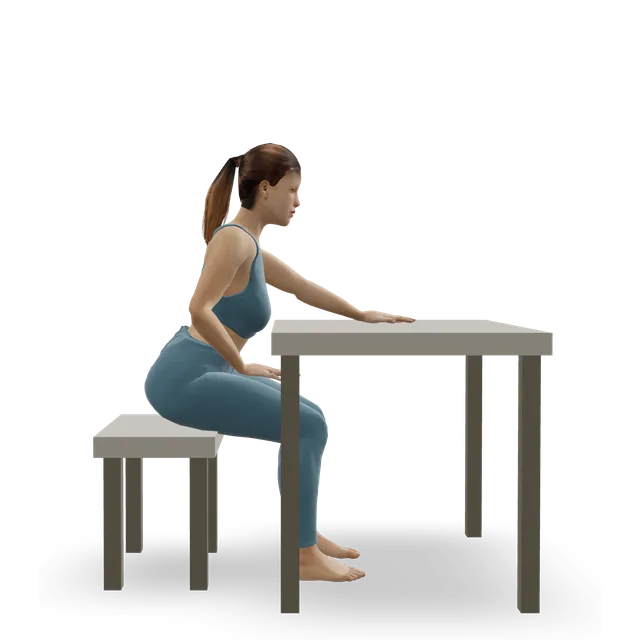
- Beginner · Shoulders, Back · 3D demoRest your hand on a towel on a table and slide it forward and back. A helper can guide the arm, supporting under the elbowEasier: Pendulum exercise (Codman's pendulum)Harder: Overhead lat stretch at a bench (elbows on the bench)

Elbows, wrists and hands
- Beginner · Biceps, Triceps, Forearms · 3D demoUpper arm resting on a pillow or the table. A helper holds just above and below the elbowHarder: Dumbbell biceps curl
- Wrist circles5 each wayBeginner · Forearms · 3D demoForearm supported on the tableHarder: Wrist flexor stretch
- Tendon glides (hand tendon gliding exercises)4 to 6 of each position, 5 s holdsBeginner · Forearms · 3D demoA helper can move the fingers together, gentlyHarder: Ball squeeze

Lying on a bed: shoulder turn, hips, knees and ankles
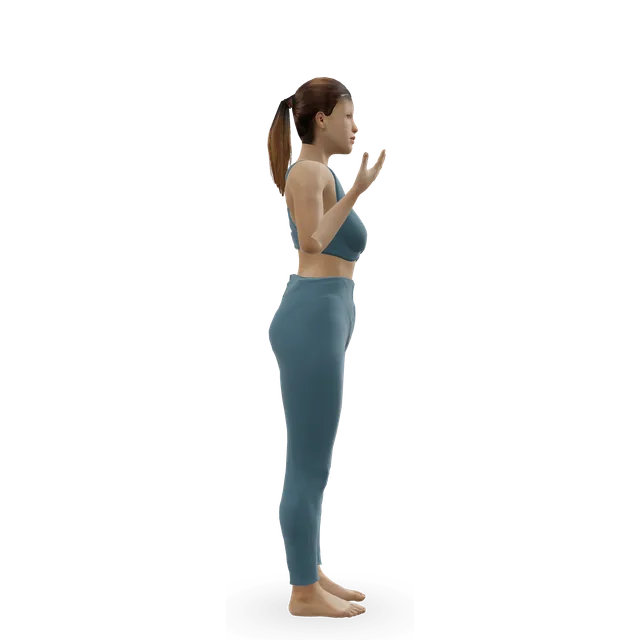
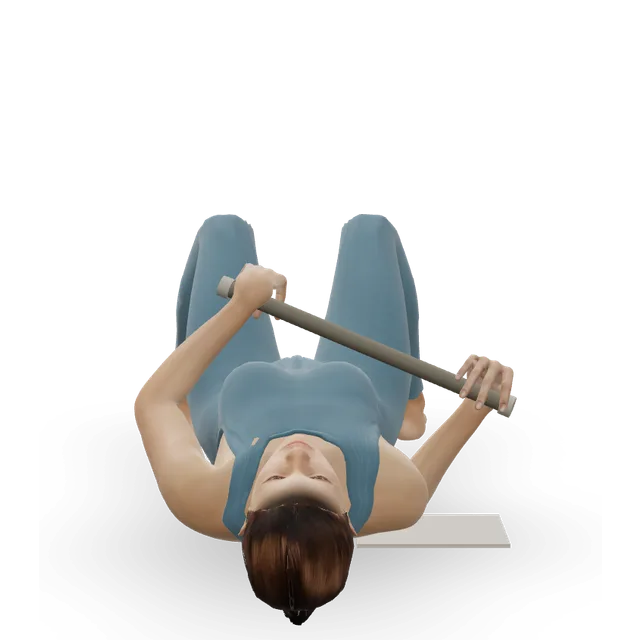
- Stick-assisted external rotation (lying)10 slow each sideBeginner · Shoulders, Chest · 3D demoElbow bent and tucked into your side; the stronger arm pushes the stick so the weaker arm turns outwards. A helper can turn the forearm out instead, holding at the wrist and elbowHarder: Standing band external rotation
- Supine heel slide10 each sideBeginner · Hip flexors, Hamstrings, Quads · 3D demoSlide your heel towards your bottom and back. A helper can support under the knee and heelHarder: Hip windshield wipers
- Hip windshield wipers10 slow passes, 2 roundsBeginner · Glutes, Adductors · 3D demoKnees bent, feet apart: let both knees fall gently side to side within comfortEasier: Supine heel slideHarder: 90/90 switch
- Ankle circles10 each way, each footBeginner · Calves, Shins · 3D demoA helper can hold the heel and circle the footHarder: Ankle CARs (controlled articular rotations)



Stretches, lying then sitting
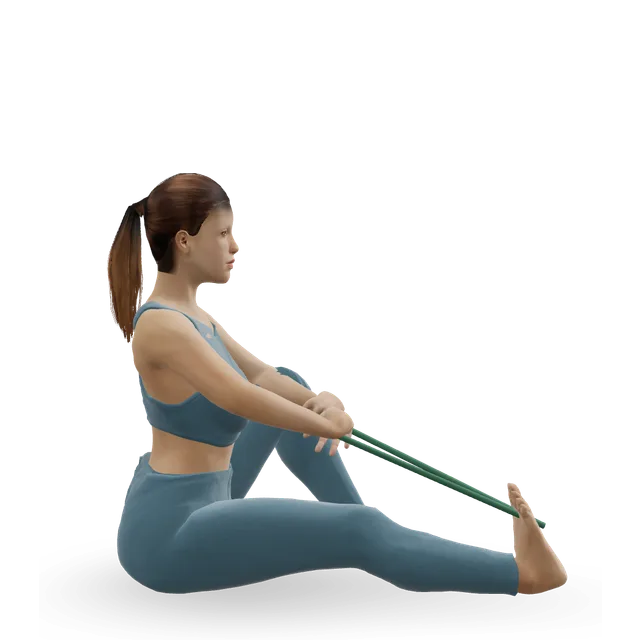
- Supine hamstring stretch with a strap30 to 60 s each legBeginner · Hamstrings, Calves · 3D demoStill lying down: a strap or a helper lifts the straight leg until you feel a stretch. No bouncingEasier: Leg-up hamstring stretchHarder: Contract-relax hamstring stretch (PNF)
- Seated calf stretch with a towel30 to 60 s each legBeginner · Calves · 3D demoSitting up, towel round the ball of your foot: ease your toes towards youHarder: Wall calf stretch (gastrocnemius)
- Cross-body shoulder stretch30 to 60 s each sideBeginner · Shoulders, Back · 3D demoSupport the elbow; don't pull on the armHarder: Sleeper stretch
- Wrist flexor stretch30 to 60 s each sideBeginner · Forearms · 3D demoPalm up, ease the fingers back gentlyEasier: Wrist circlesHarder: Quadruped wrist rocks



Finish
- Breath stacking (unassisted)3 to 5 stacks, resting betweenBeginnerOnly if your MND team or a respiratory physiotherapist has taught you. Not within an hour of eating or drinking
- Beginner · 3D demoEasier: Breath reachHarder: Crocodile breathing (prone diaphragmatic breathing)
Tips
- Do the routine once or twice a day, or split it: neck and arms in the morning, legs in the evening (our suggestion). The MND Association suggests doing exercises a little at a time through the day.
- Do each move actively if you can, with help if you can't finish the movement, or have a carer do it for you. Your physiotherapist will show you both which, and how.
- Move slowly, within a comfortable range, and never force a joint. A gentle stretch is fine; pain isn't. Stop and tell your physiotherapist if a move hurts.
- Carers: support the limb above and below the joint, move it slowly, and don't pull on a weak arm or let it hang unsupported.
- On a tired day, do fewer repetitions, or only the moves for your stiffest joints. Even gentle, passive exercise can be overdone.
- Tell your MND team about new stiffness, pain or swelling, or a joint that won't move as far as it did.
- Breath stacking: every day, up to 4 sessions, at least 10 minutes apart. Stop and get medical help for chest pain or blood in your phlegm.
The doses are suggested starting points, not a prescription. Choose a range you can control and stop for sharp or increasing pain, numbness or tingling. Get individual advice after an injury or surgery, or if you are pregnant or managing a health condition.
Guides that recommend it
Find more moves like these
More breathing & recovery




Bedtime stretch routine
A slow, 10-minute floor routine to unwind before sleep: child's pose, twists, happy baby and slow breathing.
10 minBeginner7 movesFirm cushion, A wall


Breathing exercises to relax
A 6-minute breathing routine: slow breathing, crocodile breathing, alternate nostril breathing, box breathing and 4-7-8 breathing.
6 minBeginner5 movesNo equipment



Postnatal exercises
A gentle 25-minute routine for the first weeks after birth: pelvic floor, breathing, tummy and hip exercises on the floor, sit-to-stands and a walk.
25 minBeginner12 movesA bench or box, Cardio machineQuestions people ask
How long does the range of movement exercises for mnd: a daily routine on your own or with a helper take?
About 20 minutes, including any warm-up and cool-down listed. Shorten it by doing fewer rounds; lengthen it by adding one.
What equipment do I need?
You need: A bench or box, Other / check instructions, A wall. Each move links to its guide, where you can find an alternative if you are missing something.
Is it suitable for beginners?
It is written for beginners. 7 of its 18 moves have an easier option listed beside them if you need one.
How do I make it easier or harder?
Use the easier or harder option listed under each move, change the number of rounds, or adjust the rest. Progress one change at a time.