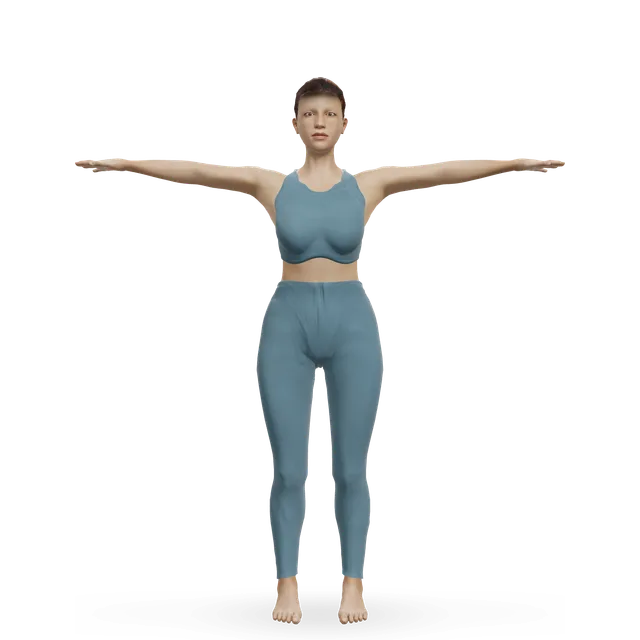
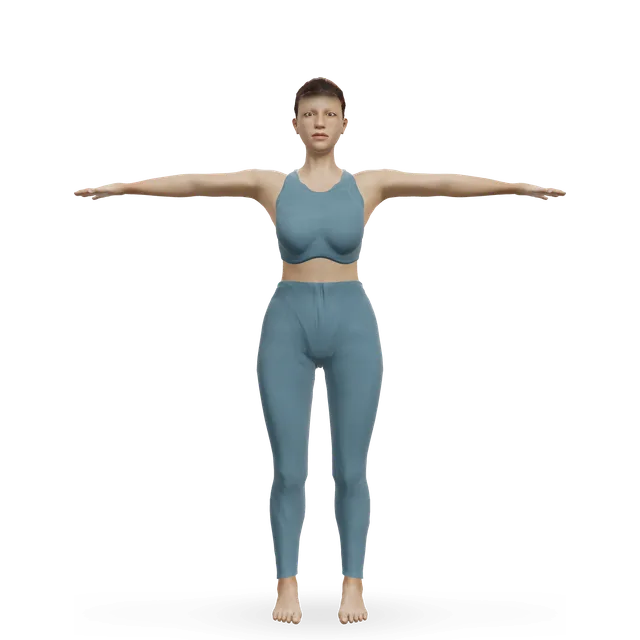
Exercise guide

Exercise with muscular dystrophy: what's safe, the heart, and staying active

Being active is good for you with muscular dystrophy, and being inactive is harmful. The best-supported choices are low-impact cardio such as swimming, cycling and walking on the flat, light strength work, and regular stretches. What to avoid is heavy lifting, exercises that repeatedly lower a load (such as squat sets) and exercising to exhaustion, which can strain muscles that are already weakened. Most of this advice comes from expert guidance and small trials.

This guide covers how much to do for adults and children, the warning signs of overwork weakness, the heart checks some types need, tight joints and stretching, steroids in Duchenne, and staying active as walking gets harder. It explains what differs between Duchenne, Becker, myotonic, facioscapulohumeral (FSHD) and limb-girdle muscular dystrophy. Your neuromuscular team's advice comes first.

The short version

Being active is good; being inactive is harmful

Researchers haven't found the best amount of exercise for muscle-wasting conditions, but it's widely agreed that being inactive is harmful and being active in whatever way you can is good. In trials, moderate aerobic and strength programmes appeared safe.

Sources 1, 2, 3

Low-impact cardio is the backbone

Swimming, cycling and walking on the flat are the safest and best-supported choices. With weak legs, a stationary bike is safer than a treadmill.

Sources 4, 2, 5

Light strength work, no heavy lifting or lowering sets

Use light weights or bands and add repetitions rather than weight. Avoid heavy weights and exercises that repeatedly lower a load, such as squat sets. With your neuromuscular team's agreement, holding a muscle still (an isometric hold) is the gentlest way to strengthen it.

Sources 1, 4, 6, 7

Know the signs of overwork

Feeling weaker rather than stronger within 30 minutes of exercise, soreness that lasts more than a day or two, severe cramps, heavy limbs or breathlessness that lasts mean you've done too much. Urine that looks like black tea or cola after exercise needs A&E (accident and emergency).

Sources 2, 1

Your team checks your heart

Duchenne, Becker, many limb-girdle types, Emery-Dreifuss and myotonic dystrophy can affect the heart, often without symptoms. Have the heart checks your team recommends, and get their clearance before starting a new exercise programme.

Sources 8, 2, 9, 7

Children: active every day, in their own way

Disabled children should aim for 20 minutes of activity a day, built up slowly, with strength and balance activities 3 times a week. Play, swimming and cycling are good; trampolining and heavy weights aren't. Schools must help children take part in physical education (PE) and sport.

Sources 10, 11, 12

Muscular dystrophy, and how the type changes the advice

What it is

Muscular dystrophy is a group of rare genetic conditions that cause muscle weakness that gets worse over time. Different altered genes cause different types: some start in early childhood and others in adult life, some are mild, and some affect the heart, lungs or spine. Many people use mobility equipment such as a wheelchair as weakness progresses.

Source 13

How common it is

In a study in Northern England, genetic muscle diseases affected 37 in every 100,000 people. The NHS says Duchenne is the most common type: it begins in early childhood, usually affects only boys, and progresses quickly.

Sources 14, 13

Duchenne

The muscles lack dystrophin, a protein that protects muscle fibres, so the fibres are fragile. Steroids help boys keep walking longer, the heart and breathing are affected over time, and many people with Duchenne now live into their 30s and beyond.

Signs often appear between 1 and 2, NHS inform says: falls, difficulty running, climbing stairs or getting up from the floor, and a waddling walk on the toes. Our toe walking guide says when a child who walks on tiptoe should be checked, and a blood test is the first check for Duchenne.

Sources 4, 15, 45

Becker

Like Duchenne but milder and later, because some dystrophin works. It's the most common dystrophy to start in adult life with hip and shoulder weakness. The heart was involved in 47% of people with Becker in one Danish study.

Sources 2, 16

Myotonic dystrophy

Type 1 affects 1 in 3,000 to 8,000 people. Muscles are slow to relax (myotonia), for example a grip that lingers, and it can cause daytime sleepiness and cataracts. Breathing problems are the leading cause of death and heart rhythm problems the second, often without symptoms. Falls are common.

Sources 9, 17

Facioscapulohumeral (FSHD)

FSHD affects the face, the muscles around the shoulder blades and the upper arms, and 1 in 15,000 to 20,000 people. Up to 79% have pain, most often in the lower back, legs, shoulders or neck. Heart checks are only needed if you have symptoms.

Source 5

Limb-girdle and Emery-Dreifuss

Limb-girdle muscular dystrophy weakens the hip and shoulder muscles and comes from many different genes, each rare. Many limb-girdle types and Emery-Dreifuss muscular dystrophy affect the heart, so heart checks are advised even without symptoms, and some limb-girdle types affect breathing.

Sources 2, 16

Why some exercise strains dystrophic muscle

In Duchenne and Becker, fragile fibres can be damaged by exercise, especially when a muscle works while it lengthens (an eccentric contraction), such as lowering into a squat or landing from a jump. Holding a muscle still is the least damaging way to work it. Children with Duchenne also recover from exercise more slowly than other children.

Sources 4, 1, 6, 7

What the evidence says

The guidelines agree on the kind of exerciseStrong evidence

The international Duchenne care standards, the American Academy of Neurology's limb-girdle and FSHD guidelines, the myotonic dystrophy consensus and Muscular Dystrophy UK all advise regular moderate, low-impact aerobic exercise and light strength work, and say avoid heavy, high-resistance or exhausting exercise. The Duchenne standards also say avoid eccentric exercise.

Sources 4, 2, 5, 9, 1

Aerobic exercise is the best supportedEmerging evidence

A Cochrane review of 14 trials (428 people with muscle diseases) found aerobic training may improve fitness in FSHD, with low certainty. In FSHD trials, cycling 3 times a week for 16 weeks eased severe fatigue (57 people), and 12 weeks improved fitness by 10% and walking speed by 7% without signs of muscle damage (41 people). In 11 men with Becker, 12 weeks of cycling raised fitness by 47% with no sign of muscle damage, but there was no comparison group.

Sources 3, 18, 19, 20, 21

Strength training: safe, with small gainsMixed evidence

In the Cochrane review, strength training made little or no difference to strength in FSHD and myotonic dystrophy, with low to very low certainty, and caused no harm beyond soreness. Small studies in limb-girdle, Becker and myotonic dystrophy found some strength gains with light to moderate training; one person stopped heavier training because of soreness.

Sources 3, 22, 23

Holds and moderate cardio in Duchenne and BeckerEmerging evidence

With your neuromuscular team's agreement, and once your team has checked your heart, these look safe in small studies. In 30 boys with Duchenne, assisted arm and leg cycling for 15 minutes, 5 days a week for 24 weeks, kept their motor function steady while it declined without training; in 8 boys, a home programme of leg holds caused no muscle damage. A review of 12 studies (282 people) found training improved strength and endurance, with very low certainty, and a small trial of added aerobic training improved motor function and walking distance. A 2026 expert meeting agreed that moderate isometric holds and low-intensity or assisted cycling are reasonable, and a US booklet gives the same advice for Becker. The studies are tiny, so this rests on expert agreement more than proof.

Sources 7, 8, 24, 3, 25, 26, 27, 6

Swimming and water exerciseEmerging evidence

The Duchenne care standards highly recommend swimming from the early walking years into adulthood. In a UK pilot trial of 12 boys with Duchenne, adding 30 minutes of water therapy twice a week for 6 months was well received and motor scores fell less (by 2.8 points, against 5.5 without it), but the comparison group was tiny and a full trial wasn't feasible.

Sources 4, 28

Myotonic dystrophyEmerging evidence

In 11 men, 12 weeks of leg strength training improved strength and function, with benefits still there 9 months later. In a trial of 255 adults with severe fatigue, cognitive behavioural therapy (CBT), with optional graded exercise, improved activity a little. The consensus encourages moderate aerobic and strength exercise.

Sources 23, 17, 9

Overwork weakness: possible, but rarely testedMixed evidence

The worry comes from older reports of weakness getting worse after exercise and from mouse experiments with lowering exercises. In supervised trials of moderate cycling in Becker and FSHD, blood markers of muscle damage (creatine kinase) and muscle samples didn't worsen. In Charcot-Marie-Tooth disease, a related inherited nerve condition, one study of 271 people found no sign of overwork weakness and another of 60 found some in the hands.

Sources 3, 7, 21, 29, 20, 30, 31

Stretching on its own does littleMixed evidence

Across 49 studies (2,135 people), stretching for up to 7 months made no worthwhile difference to how far joints move in people with neurological conditions. In neuromuscular disease, night splints and early surgery didn't keep ankle movement either. The care standards still use stretching, with splints, standing and positioning, to slow tight joints.

Sources 32, 33, 4

Medicines and other care carry the evidenceStrong evidence

In Duchenne, steroids and other medicines slow the disease, and heart medicines, breathing support and spine surgery protect health. Exercise is for fitness, function, mood and fatigue alongside them, not instead.

Sources 13, 4, 8
How much and how hard

Starting points to discuss with your neuromuscular team or physiotherapist, for people without warning signs.

Cardio for adults

Muscular Dystrophy UK suggests moderate activity, comfortably out of breath but able to talk in full sentences (3 to 5 on a 10-point effort scale), daily or at least 5 times a week, building to 30 minutes a day in bouts of at least 10 minutes. Warm up for 3 to 5 minutes and cool down for 5 to 10 for longer sessions. Never exercise to exhaustion.

Source 1

Strength for adults

At least twice a week, not on consecutive days, alternating arm and leg exercises: 1 set of 8 to 12 for each muscle group, building to 3 sets, with low to moderate weights. Add repetitions rather than weight, and stop before you tire.

Source 1

Holds: a US programme for Becker

With your team's agreement: hold each contraction for 5 to 10 seconds, 6 times, building to 4 sets on each side, 2 to 3 days a week. Stay at or below 4 to 6 on a 10-point effort scale, and you should recover within 1 to 2 hours.

Source 6

Stretches

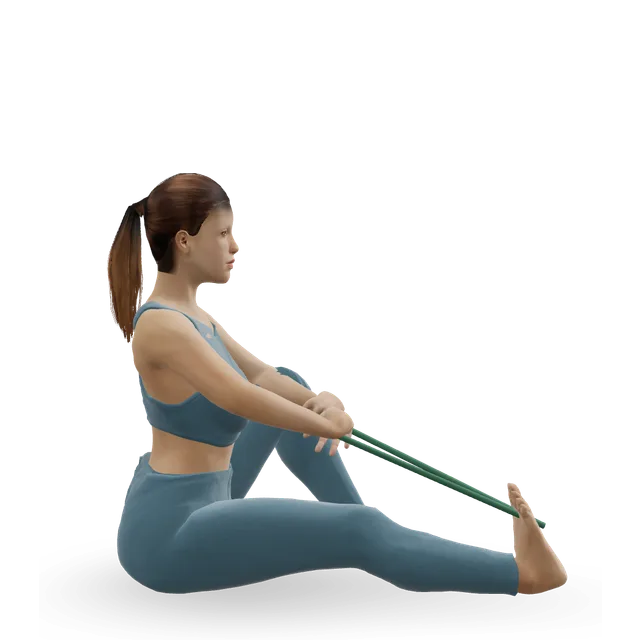
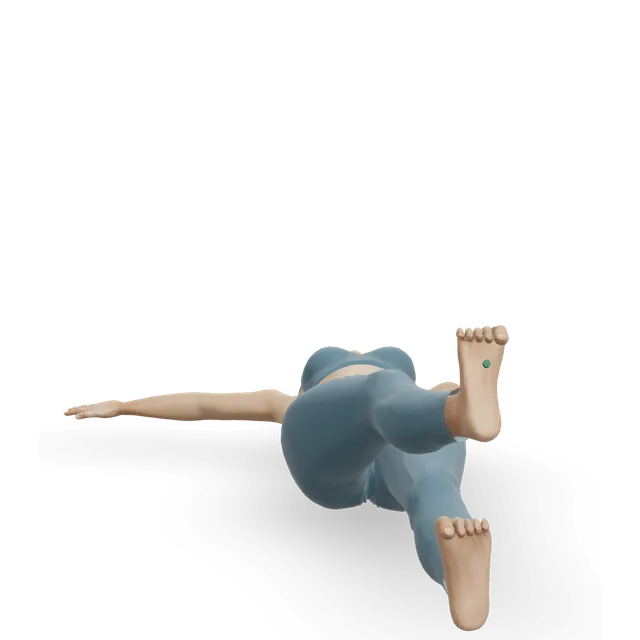
Hold each stretch for 30 to 40 seconds, 2 to 4 times, slowly and without bouncing, daily or at least 2 to 3 times a week, ideally when you're warm. In Duchenne, the care standards advise stretching the ankles, knees and hips 4 to 6 times a week.

Sources 1, 4

Little and often

An expert meeting on Duchenne and Becker noted that even short bouts adding up to 20 minutes across the day help. Keeping what you can do is a good result: you don't need big changes to know it's working.

Sources 7, 1

Overwork weakness: when you've done too much

Tiredness or weakness?

Muscle tiredness can be mistaken for weakness, but tiredness should improve after you rest. When you're tired, your balance isn't as good, so take care not to fall.

Source 1

Signs to stop, rest and tell your team

The sources give slightly different times, so each sign names its source:

  • Feeling weaker rather than stronger within 30 minutes after exercise (American Academy of Neurology).
  • Muscle soreness that lasts too long: beyond 24 to 48 hours in the American guideline, more than 24 hours in the Duchenne and Becker experts' list, and not gone after 48 hours in Muscular Dystrophy UK's advice.
  • Not recovering within 1 to 2 hours, or not having enough energy left for daily life (a US Becker booklet).
  • Severe cramps, heavy arms or legs, or breathlessness that lasts (American Academy of Neurology), or a racing heart that hasn't settled a few minutes after stopping (Duchenne and Becker experts).
  • Muscles shaking a lot or movements turning jerky during an exercise, or tiredness that limits what you can do the next day (Muscular Dystrophy UK).
  • More pain, poor sleep, restlessness or overwhelming fatigue (Duchenne and Becker experts).

Sources 2, 1, 7, 34, 6

Dark urine: go to A&E

Urine the colour of black tea or cola after exercise can mean muscle breakdown (myoglobinuria): go to A&E. In Duchenne and Becker, this can happen after only modest exertion. Our rhabdomyolysis guide explains more.

Sources 1, 7

After a warning sign

Duchenne and Becker experts advise: for dark urine or severe pain in one area, stop and get urgent care, and only restart when the medical team agrees, at a lower intensity or for less time; for heart warning signs, see your cardiologist before carrying on; for poor sleep or overwhelming fatigue, do less, in shorter bouts, with rests at least as long as the exercise.

Sources 34, 7

Heavy loads and lowering exercises

What to avoid

Heavy weights, which can damage weakened muscles; exercises that repeatedly lower a load, such as squat sets; high-resistance training in Duchenne; repeated jumping in young boys with Duchenne; trampolining and other high-impact activities in children; very high-intensity exercise; and exercising to exhaustion.

Sources 1, 4, 7, 11, 2

What to do instead

With your team's agreement: holds, light bands or weights with more repetitions, and low-impact cardio such as cycling and swimming.

Sources 6, 7, 1, 4

Everyday movements are different

Standing up, sitting down and going downstairs are lowering movements that daily life needs. The advice is about not repeating them as exercise sets, not avoiding them: that's our reading of Muscular Dystrophy UK's advice on repetitive lowering.

Source 1

Low-impact cardio

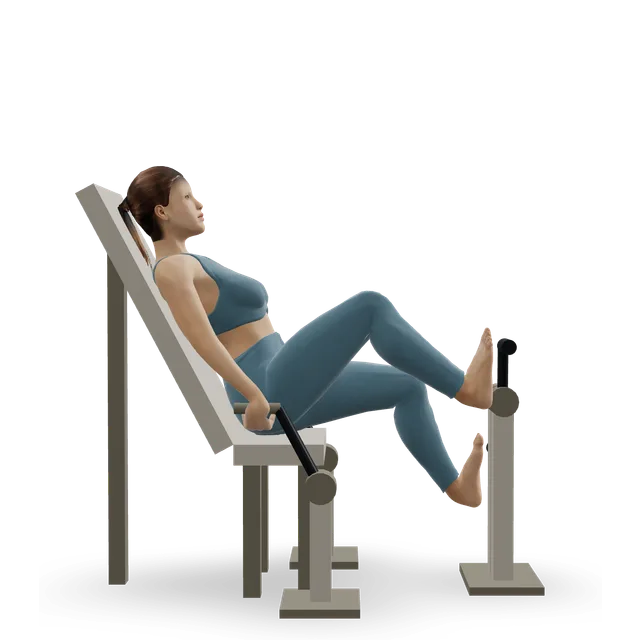
Bouts of at least 10 minutes, comfortably out of breath but able to talk (Muscular Dystrophy UK). A pedal exerciser in front of a chair or wheelchair works the legs like the recumbent bike, the arm bike suits stronger arms, and swimming, which has no demo here, is the most recommended of all.

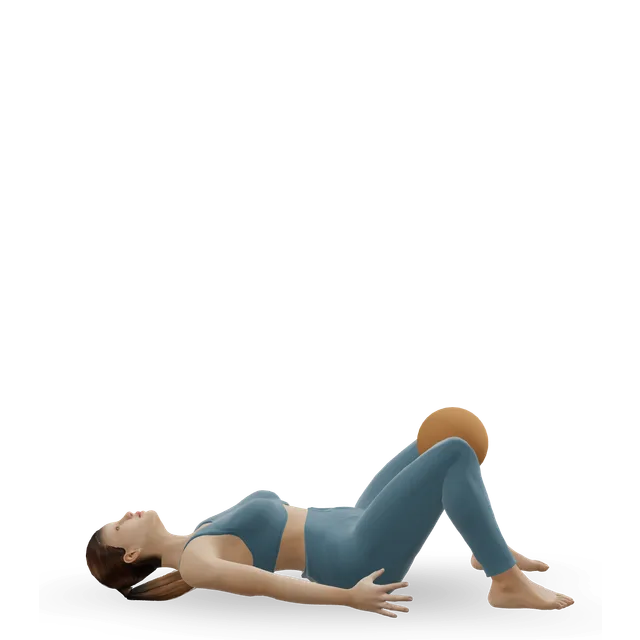
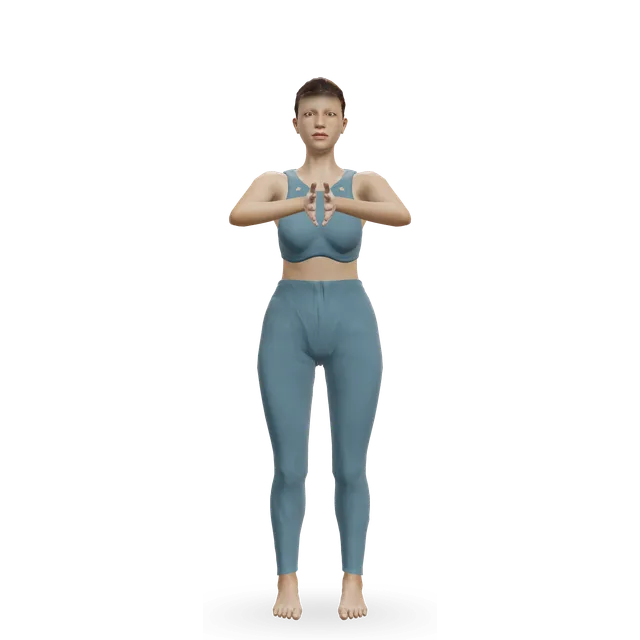
Strength holds and light bands

With your neuromuscular team's agreement: holds of 5 to 10 seconds, 6 times, building to 4 sets, 2 to 3 days a week (a US Becker booklet), and band work of 1 set of 8 to 12 building to 3, adding repetitions rather than resistance (Muscular Dystrophy UK).

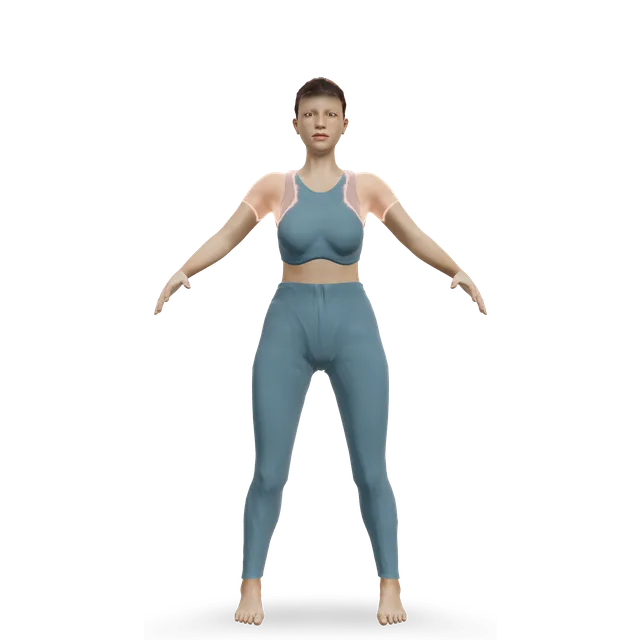
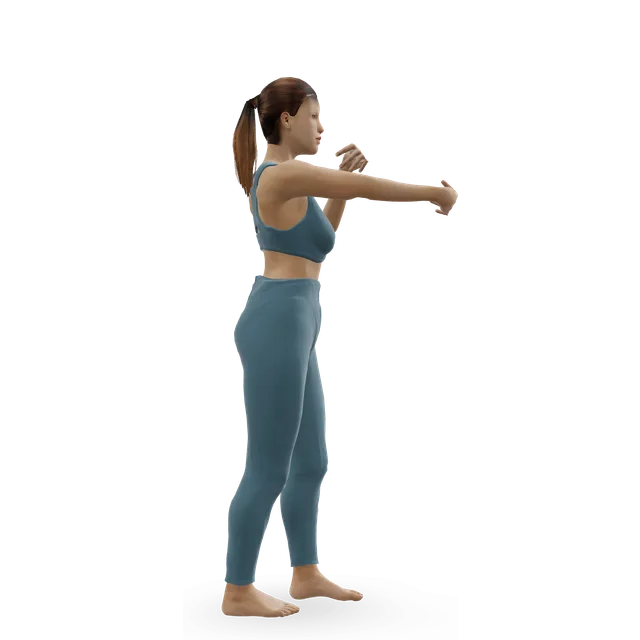
Daily stretches

Hold 30 to 40 seconds, 2 to 4 times, without bouncing (Muscular Dystrophy UK); for a child, only the stretches the physiotherapy team gives.

Balance and breathing

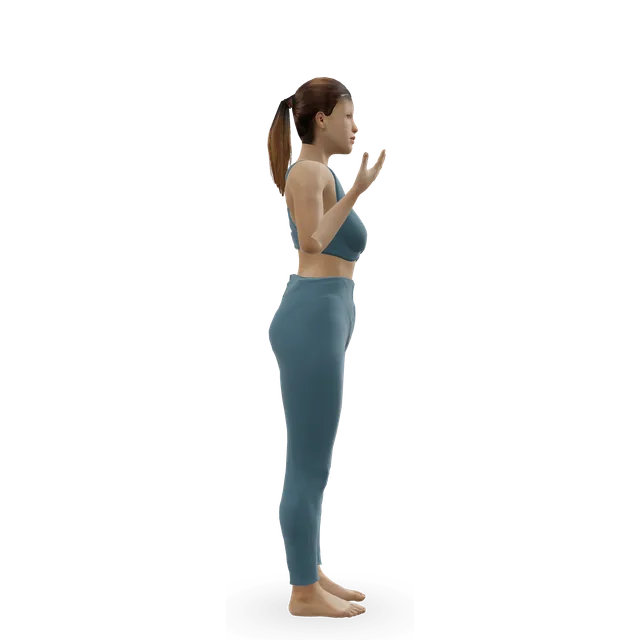
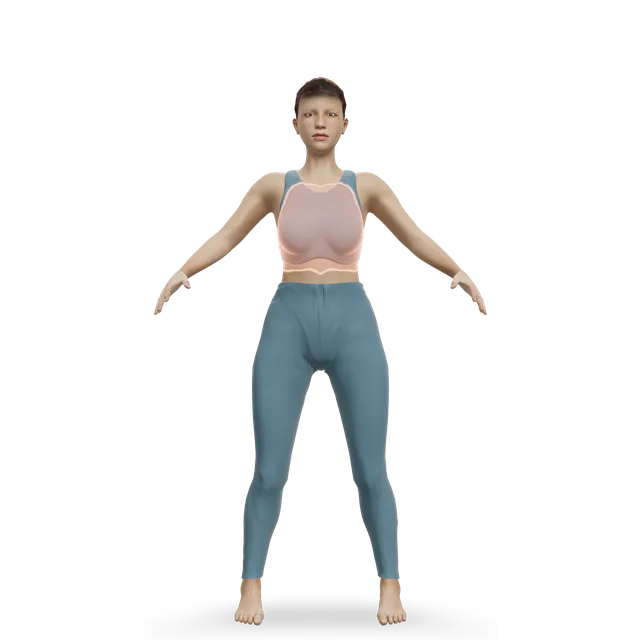
Balance practice next to a kitchen counter if you walk. Breath stacking only once your team has taught it; slow breathing for cool-downs.

The heart

Get cleared first

Duchenne and Becker experts advise a doctor's clearance, including a heart check, before a new exercise programme. Muscular Dystrophy UK says talk to your doctor or physiotherapist first, especially during heart investigations, and children whose condition affects the heart may need to see a heart specialist (cardiologist) first.

Sources 7, 34, 1, 11

Checks matter because symptoms are often absent

Duchenne: a heart check with an ECG (a heart tracing) and a scan every year from diagnosis. Women who carry the Duchenne or Becker gene: a check in early adulthood, then every 3 to 5 years. Many limb-girdle types, Becker and Emery-Dreifuss: a cardiologist at diagnosis, even without symptoms. Myotonic dystrophy type 1: an ECG every year or two. FSHD: only if you have symptoms.

Sources 8, 2, 9, 5

Symptoms to report

Tell your cardiologist or neuromuscular team about:

  • Palpitations: a racing, pounding or fluttering heartbeat.
  • Chest pain.
  • Breathlessness, including when lying flat.
  • Light-headedness or fainting.
  • Swollen ankles or unusual tiredness.
  • In Duchenne, weight loss, vomiting, tummy pain, poor sleep or not coping with daily activities, which can be the only signs of heart failure.

Sources 9, 5, 8, 35

Exercising with a heart problem

Treatments include medicines such as ACE inhibitors and beta blockers, and pacemakers. Your cardiologist can tell you what level of exercise is right for you. Our heart failure and pacemaker guides cover exercising with those.

Sources 13, 7

Tight joints and stretching

What the care standards do

For Duchenne: a home stretching programme from early on, before movement is lost, 4 to 6 times a week for the ankles, knees and hips, with wrists, hands and neck later if needed; splints for the ankles at night; standing frames when standing gets difficult; and more arm stretching once walking stops.

Source 4

What stretching can doMixed evidence

On its own, stretching makes little difference to joints that have already tightened, and splints and early surgery haven't kept ankle movement in trials. Stretching, splints, standing and positioning together aim to slow tightening, as in our cerebral palsy guide.

Sources 32, 33

Keep the movement you have

Where joints are already tight, the aim is to keep the flexibility you have rather than gain more. Don't overstretch weak muscles or joints that are already very loose.

Source 1

Children and young people

How much

UK guidance for disabled children is 20 minutes of activity a day, in bitesize chunks, built up slowly, with challenging but manageable strength and balance activities 3 times a week. Muscular Dystrophy UK says aim for some activity every day and avoid long periods of inactivity, which can worsen weakness and heart problems.

Sources 10, 11

Exercising safely

Muscular Dystrophy UK's advice for children, with one addition from Duchenne experts:

  • Start with short sessions and build up slowly, resting when needed.
  • Stop for pain, shortness of breath or too much tiredness.
  • Avoid long, lopsided sessions, such as on a scooter.
  • Avoid high-impact activities such as trampolining, and heavy weights or high resistance.
  • Have supervision if needed, and check with the physiotherapy team before any new activity.
  • Discourage repeated jumping, and teach children to notice and say when they're tired (Duchenne experts).

Sources 11, 7

Ideas

Cycling on a bike or trike, swimming, horse riding, gentle walks, dancing, yoga and soft play; for less mobile children, swimming, wheelchair sports, boccia, bands, seated yoga or Pilates, seated games and pushing their own wheelchair. Encourage everyday movements such as getting from lying to sitting and dressing.

Source 11

PE and school

Schools in England must make arrangements so pupils with medical conditions can take part in sport, not stop them. PE can be adapted with school staff.

Sources 12, 11

Steroids in Duchenne, and bones

Why they're used

Daily steroids help boys keep walking longer: on average to 13.9 years with deflazacort and 11.2 with prednisone, against 10.0 with less than a year of steroids. They also help arm and breathing function.

Source 4

Side effects that matter for exercise

Weight gain, slower growth and weaker bones: 20% to 60% of boys break an arm or leg after a minor fall, and up to 30% have a spinal fracture that causes symptoms. Back pain on steroids should be checked for a spinal fracture.

Sources 4, 8

Never stop them suddenly

Stopping steroids suddenly can cause a dangerous drop in the body's own steroid hormone (adrenal crisis). Families carry an emergency card and follow the plan for illness, vomiting or injury.

Sources 4, 15

After a fall or broken bone

Breathing difficulty, confusion or a racing heart after a fall or a broken bone can be fat embolism, which needs 999.

Sources 8, 15

Breathing

Duchenne

Breathing tests start at age 5 to 6. Lung capacity can fall without you feeling breathless. Breathing exercises with a bag (lung volume recruitment) and assisted coughing start when tests show they're needed, and oxygen isn't used on its own.

Source 8

Other types

In myotonic dystrophy type 1, breathing problems are the leading cause of death, so lung tests are regular. Some limb-girdle types and severe FSHD need lung tests too.

Sources 9, 2, 5

Breath stacking

If your team prescribes it, breath stacking helps you take a deeper breath and cough more strongly. Learn it from them first.

Sources 8, 36

As walking gets harder

Keep moving

Assisted cycling and swimming can continue into adulthood: in the cycling trial, boys who used a wheelchair took part as well as boys who walked. Standing frames, and powered wheelchairs that can raise you to standing, keep you upright. Stretch the arms and wrists more once walking stops.

Sources 4, 24

Seated exercise counts

Wheelchair sports, boccia, bands, seated yoga and pushing your own chair all count, and even a little movement is better than nothing. Our wheelchair users guide covers seated cardio and protecting the shoulders.

Sources 11, 37

Workouts

Start with the home routine, which uses holds instead of squats. In the seated workout written for multiple sclerosis (MS), keep the bands and weights light with more repetitions; the wheelchair workout suits people who push their own chair.

Warning signs: when to get help

This is general information, not a diagnosis: your neuromuscular team knows your condition, so use the contact numbers they gave you. In the US, call 911 where this page says 999.

Call 999

Call 999, and don't drive yourself to A&E, for:

  • Chest pain that feels tight or like squeezing, or spreads to your arms, neck or jaw.
  • Severe difficulty breathing: gasping, choking or not being able to get words out.
  • Pale, blue or grey lips or skin.
  • Someone who has passed out and isn't responding normally, or who fainted while exercising.
  • Chest pain or a pounding, fluttering or irregular heartbeat with fainting.
  • A fall where someone may have hurt their head, neck, back or hip, or can't get up.
  • In Duchenne, breathing difficulty, confusion or a racing heart after a fall or broken bone.

Sources 38, 39, 40, 41, 8

Go to A&E

If your urine looks like black tea or cola after exercise. Duchenne and Becker experts also list red or reddish-brown urine, or severe pain in one area, as a reason to stop and get urgent care.

Sources 1, 34

Steroids in Duchenne

If a child on steroids is unwell, vomiting or injured, follow the emergency plan on their steroid card. Never stop steroids suddenly.

Sources 4, 15

Tell your cardiologist or neuromuscular team

  • Palpitations, chest pain, breathlessness lying flat, light-headedness or fainting.
  • Swollen ankles or unusual tiredness.
  • A racing heart or breathlessness that hasn't settled a few minutes after exercise.
  • Morning headaches, waking often at night or sleepiness in the day.
  • New back pain on steroids.

Sources 9, 5, 8, 35, 34

Stop, rest and tell your physiotherapist

  • Feeling weaker within 30 minutes of exercise.
  • Soreness that lasts more than a day or two.
  • Severe cramps, heavy limbs, or shaking or jerky movements.
  • Being too tired for the next day.

Sources 2, 1, 34

Your mood

For urgent mental health help, call NHS 111 and choose the mental health option, or call Samaritans free on 116 123, any time. If your life is at risk, call 999 or go to A&E. In the US, call or text 988.

Sources 42, 43, 44

Myths

"Exercise is dangerous with muscular dystrophy, so it's safest to rest"Strong evidence

Being inactive is harmful, and being active in whatever way you can is good. Moderate aerobic and supervised light strength programmes appear safe, and in children, long periods of inactivity can increase weakness and heart problems. The care is in the type and amount, not in avoiding exercise.

Sources 1, 2, 3, 11

"Heavier weights will build back the muscle I've lost"Mixed evidence

Heavy weights may damage vulnerable muscles: build endurance with light weights and more repetitions instead. In trials, strength training made little or no difference to strength in FSHD and myotonic dystrophy.

Sources 1, 3

"Squats and lunges are safe basics for everyone"Strong evidence

Repeated lowering exercises such as squats put much greater force through the muscle and can cause soreness and damage. Muscular Dystrophy UK advises avoiding them as repeated sets, and the Duchenne care standards say avoid eccentric and high-resistance exercise.

Sources 1, 4

"Stretching will straighten out tight joints"Mixed evidence

Stretching alone made no worthwhile difference to joint movement across 49 studies, and splints and early surgery didn't keep ankle movement in neuromuscular disease. Stretching, splints, standing and positioning together aim to slow tightening: keep the movement you have.

Sources 32, 33, 4

"No pain, no gain: push through soreness"Strong evidence

Feeling weaker within 30 minutes, soreness that lasts beyond a day or two, severe cramps and lasting breathlessness are warning signs of overwork, and dark urine after exercise needs A&E. Never exercise to exhaustion.

Sources 2, 1

"If I feel fine, my heart is fine"Strong evidence

Heart problems in many types of muscular dystrophy cause no symptoms at first, so they're found by regular checks. Becker, many limb-girdle types, Emery-Dreifuss and myotonic dystrophy need heart checks even without symptoms.

Sources 2, 9, 8

"Children with Duchenne should sit out PE"Strong evidence

Schools in England must support pupils with medical conditions to take part in sport. PE can be adapted with school staff, leaving out high-impact and heavy activities.

Sources 12, 11

Questions people ask

Is exercise good or bad for muscular dystrophy?

Being inactive is harmful, and being active in whatever way you can is good. Moderate aerobic exercise and light strength work appear safe in trials and guidelines. The type matters: avoid heavy weights, repeated lowering exercises and exercising to exhaustion.

What is the best exercise for muscular dystrophy?

Low-impact aerobic exercise such as swimming, cycling or walking on the flat is the best supported. Add strength holds or light bands twice a week, and regular stretches. Your neuromuscular physiotherapist can tailor it to your type and stage.

Can you build muscle with muscular dystrophy?

It may not be possible to strengthen very weak muscles, but exercise keeps muscles working as well as they can and can improve endurance and fitness. In trials, cycling improved fitness in FSHD and Becker, while strength training made little difference to strength. Keeping what you can do is a good result.

Can I lift weights or go to the gym with muscular dystrophy?

Light to moderate resistance is safe for most people: add repetitions rather than weight, and stop before you tire. Avoid heavy weights, which can damage weakened muscles, and in Duchenne avoid high-resistance training altogether. A gym bike or a pool is often the most useful part of a gym.

Why should I avoid squats and eccentric exercise?

Eccentric exercises work a muscle while it lengthens, like lowering into a squat or landing from a jump, and put much greater force through it. That can cause soreness and possibly damage in dystrophic muscle. Holding a position (an isometric hold) is the gentlest way to strengthen.

What is overwork weakness, and how do I spot it?

It's weakness or damage from exercise that's too hard for the muscle. Sources list feeling weaker rather than stronger within 30 minutes, soreness lasting beyond 24 to 48 hours, not recovering within an hour or two, severe cramps, heavy limbs or lasting breathlessness. Go to A&E if your urine turns dark, like tea or cola, after exercise.

Is swimming good for muscular dystrophy?

Yes. The Duchenne care standards highly recommend swimming from the early walking years into adulthood, and it's one of the gentle, low-impact options suggested for other types. Hydrotherapy (exercise in warm water) can also help: ask your physiotherapist or GP if it's suitable and available.

Does muscular dystrophy affect the heart, and is exercise safe?

Duchenne, Becker, many limb-girdle types, Emery-Dreifuss and myotonic dystrophy can affect the heart, often without symptoms. Have the heart checks your team recommends and get their clearance before starting a new exercise programme. If your heart is affected, your cardiologist can tell you what level of exercise is right for you.

Do stretches help tight joints?

Regular stretching is part of standard care, especially in Duchenne, along with night splints, standing and positioning. On its own, stretching makes only a small difference to how far joints move, so the aim is to keep the movement you have. Hold stretches for 30 to 40 seconds without bouncing, and don't overstretch very loose joints.

How much exercise should a child with Duchenne do, and can they do PE?

UK guidance for disabled children is 20 minutes of activity a day, built up slowly, with strength and balance activities 3 times a week. Play, swimming and cycling are good; trampolining, repeated jumping and heavy weights aren't. Schools must support children with medical conditions to take part in PE and sport, with adjustments.

Does exercise help myotonic dystrophy?

Guidelines encourage moderate aerobic and strength exercise in myotonic dystrophy type 1. In a small study, leg strength training improved strength and function, and in a large trial, therapy with optional graded exercise improved activity a little. Falls are a risk, so choose stable options such as a static bike.

What exercise helps with FSHD?

Low-intensity aerobic exercise appears safe and helpful: in trials, cycling eased severe fatigue and improved fitness. Use a static bike rather than a treadmill if your legs are weak. Pain is common with FSHD, so ask about physiotherapy, and heart checks are only needed if you have symptoms.

Sources

  1. Muscular Dystrophy UK · Exercise advice for adults with a muscle-wasting condition (guide written with NHS neuromuscular physiotherapists; read as an archived copy)
  2. Narayanaswami 2014 · Diagnosis and treatment of limb-girdle and distal dystrophies (American Academy of Neurology guideline, Neurology; since retired)
  3. Voet 2019 · Strength training and aerobic exercise for muscle disease: 14 trials, 428 people (Cochrane review)
  4. Birnkrant 2018 · Duchenne muscular dystrophy care considerations, part 1: neuromuscular, rehabilitation and endocrine care (international consensus, Lancet Neurology)
  5. Tawil 2015 · Evaluation, diagnosis and management of facioscapulohumeral muscular dystrophy (American Academy of Neurology guideline, Neurology)
  6. Muscular Dystrophy Association 2025 · At-home physical therapy exercises for Becker muscular dystrophy (US booklet)
  7. Lott 2026 · Translating exercise research in Duchenne and Becker muscular dystrophy to the clinic (expert meeting report, Journal of Neuromuscular Diseases)
  8. Birnkrant 2018 · Duchenne muscular dystrophy care considerations, part 2: breathing, heart, bones and orthopaedics (international consensus, Lancet Neurology)
  9. Ashizawa 2018 · Care recommendations for adults with myotonic dystrophy type 1 (expert consensus, Neurology: Clinical Practice)
  10. UK Chief Medical Officers 2022 · Physical activity for disabled children and disabled young people (text of the infographic)
  11. Muscular Dystrophy UK 2025 · Exercise and movement for children with muscle wasting conditions (read as an archived copy)
  12. Department for Education 2014 · Supporting pupils at school with medical conditions (statutory guidance for England, last updated 2017)
  13. NHS · Muscular dystrophy
  14. Norwood 2009 · How common genetic muscle diseases are in Northern England (population study, Brain; abstract read)
  15. Birnkrant 2018 · Duchenne muscular dystrophy care considerations, part 3: primary care, emergencies and adult life (international consensus, Lancet Neurology)
  16. Sveen 2008 · Heart involvement in limb-girdle type 2 and Becker muscular dystrophy (cohort study, Archives of Neurology; abstract read)
  17. Okkersen 2018 · CBT with optional graded exercise for severe fatigue in myotonic dystrophy type 1: 255 people (RCT, Lancet Neurology; abstract read)
  18. Voet 2014 · Aerobic exercise or CBT for severe fatigue in FSHD: 57 people (RCT, Neurology; abstract read)
  19. Andersen 2015 · Aerobic training in FSHD: 41 people (RCT, Neurology; abstract read)
  20. Bankolé 2016 · A 6-month home exercise programme in FSHD: 16 people (RCT, Medicine; abstract read)
  21. Sveen 2008 · Endurance training in Becker muscular dystrophy: 11 men (uncontrolled study, Brain; abstract read)
  22. Sveen 2013 · Resistance training in limb-girdle and Becker muscular dystrophies: 12 people (study, Muscle and Nerve; abstract read)
  23. Roussel 2020 · Strength training in myotonic dystrophy type 1: 11 men (study, Neuromuscular Disorders; abstract read)
  24. Jansen 2013 · Assisted arm and leg cycling in boys with Duchenne muscular dystrophy: 30 boys (RCT, Neurorehabilitation and Neural Repair; abstract read)
  25. Lott 2021 · Strengthening exercise in Duchenne muscular dystrophy: safety and feasibility (study, Muscle and Nerve; abstract read)
  26. Hammer 2022 · Exercise training in Duchenne muscular dystrophy: 12 studies, 282 people (meta-analysis, Journal of Rehabilitation Medicine; abstract read)
  27. Bulut 2022 · Aerobic training in children with Duchenne muscular dystrophy (RCT, Clinical Rehabilitation; abstract read)
  28. Hind 2017 · Aquatic therapy for boys with Duchenne muscular dystrophy: 12 boys (pilot RCT, Health Technology Assessment; abstract read)
  29. Andersen 2017 · High-intensity interval training in FSHD: 13 people (RCT, Journal of Neurology; abstract read)
  30. Piscosquito 2014 · Is overwork weakness relevant in Charcot-Marie-Tooth disease? 271 people (study, Journal of Neurology, Neurosurgery and Psychiatry; abstract read)
  31. Prada 2018 · Testing overwork weakness in Charcot-Marie-Tooth disease: 60 people (study, Journal of the Peripheral Nervous System; abstract read)
  32. Harvey 2017 · Stretch for the treatment and prevention of contractures: 49 studies, 2,135 people (Cochrane review; abstract read)
  33. Rose 2010 · Treatments to increase ankle movement in neuromuscular disease: 4 studies, 149 people (Cochrane review; abstract read)
  34. Parent Project Muscular Dystrophy 2026 · Exercise considerations in Duchenne and Becker muscular dystrophy (US patient sheet)
  35. NHS · Cardiomyopathy (reviewed May 2023; review was due May 2026)
  36. Lancashire Teaching Hospitals NHS Foundation Trust 2025 · Breath stacking and lung volume recruitment bag (MND team patient leaflet)
  37. UK Chief Medical Officers 2019 · Physical activity for disabled adults (text of the infographic, updated July 2026)
  38. NHS · Heart attack
  39. NHS · Fainting
  40. NHS · Shortness of breath
  41. NHS · Falls
  42. NHS · Where to get urgent help for mental health (reviewed April 2023; review was due April 2026)
  43. Samaritans · Contact a Samaritan: 116 123, free, any time
  44. 988 Suicide and Crisis Lifeline (US): call, text or chat, any time
  45. NHS inform · Duchenne muscular dystrophy (DMD)

Exercise education, not a diagnosis or treatment plan, and clinical review of these guides is pending. Stop and get advice for chest pain, unusual breathlessness, dizziness or fainting, or new pain, and check with your doctor or midwife first if they have told you to limit activity. Health disclaimer.