Strength at home
Muscular dystrophy exercises at home: low-impact cardio, holds instead of squats, and daily stretches
Built on Muscular Dystrophy UK's exercise advice for adults, written with NHS neuromuscular physiotherapists, and the hold-based strength programme in a US muscular dystrophy booklet. Start it with your neuromuscular team's agreement, and have the heart checks your team recommends: some types of muscular dystrophy affect the heart without causing symptoms. Work at a moderate effort: warm, breathing deeper, but able to talk in full sentences. There are no heavy weights, squats or jumps: holding a muscle still is the gentlest way to strengthen it. Stop if your muscles shake or feel weaker afterwards. Children should follow their physiotherapy team's programme instead.
Warm-up, sitting
- Seated march2 minBeginner · Hip flexors, Quads, Abs · 3D demoEasy pace, sitting tall in a stable chairHarder: Standing march
- Shoulder rolls5 each wayBeginner · Shoulders, Back, Neck · 3D demoHarder: Shoulder CARs (controlled articular rotations)
- Ankle circles10 each way, each footBeginner · Calves, Shins · 3D demoHarder: Ankle CARs (controlled articular rotations)



Low-impact cardio
- Recumbent exercise bike10 min, building to 20 over weeksBeginner · Quads, Glutes, Hamstrings · 3D demoOr a pedal exerciser in front of a chair or wheelchair, a static bike, swimming, or walking on the flat. Comfortably out of breath but able to talk in full sentences, about 3 to 5 out of 10. Stop before you're tiredHarder: Stationary cycling

Seated holds: 1 round to start, building to 4 over weeks
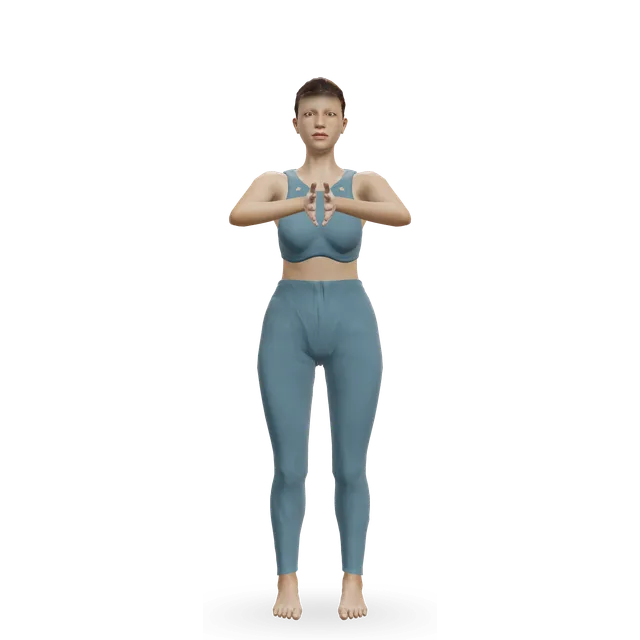
- Isometric chest squeeze (palm press)6 holds of 5 to 10 sBeginner · Chest, Shoulders, Triceps · 3D demoPress your palms together in front of your chest and hold. Rest as long as you held. Keep breathingHarder: Machine chest fly (pec deck)
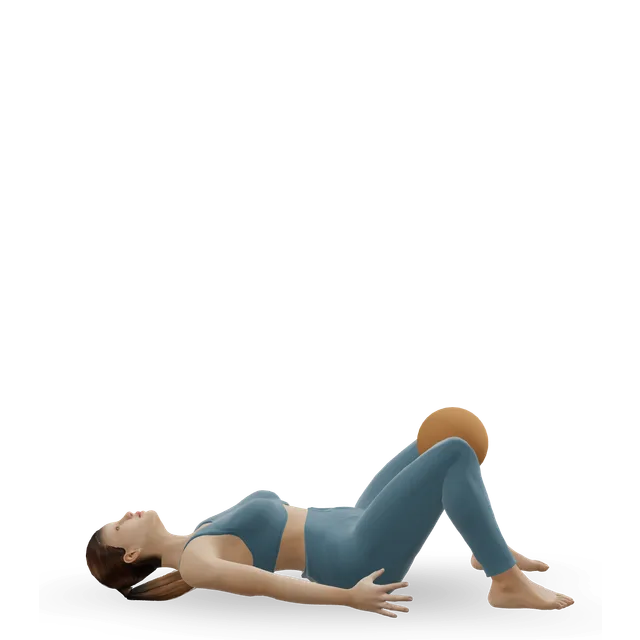
- Lying adductor ball squeeze6 holds of 5 to 10 sBeginner · Adductors, Abs · 3D demoSitting, with a soft ball between your knees: squeeze and holdHarder: Copenhagen plank
- Ball squeeze6 holds of 5 to 10 s, each handBeginner · Forearms · 3D demoA soft ball and a firm but comfortable squeezeEasier: Tendon glides (hand tendon gliding exercises)Harder: Band finger extension

Light band and posture: 1 set to start, building to 3
- Band row8 to 12Beginner · Back, Biceps, Shoulders · 3D demoA light band. Add repetitions, not resistance, and stop before you tireHarder: Supported single-arm dumbbell row
- Seated knee extension (chair)8 to 12 each legBeginner · Quads · 3D demoNo ankle weight to start. Lift and lower slowlyEasier: Quad set (static quads)Harder: Leg extension
- Seated upper-back lift (sit tall, shoulders back)3 to 5, holding 3 to 5 sBeginner · Back, Shoulders, Neck · 3D demoEasier: Elbows backHarder: Prone Y-T-W raises



Lying on a bed or mat: holds, then a stretch
- Quad set (static quads)6 holds of 5 to 10 s, each legBeginner · Quads · 3D demoRolled towel under the knee: tighten the thigh to straighten the knee, and holdHarder: Straight-leg raise
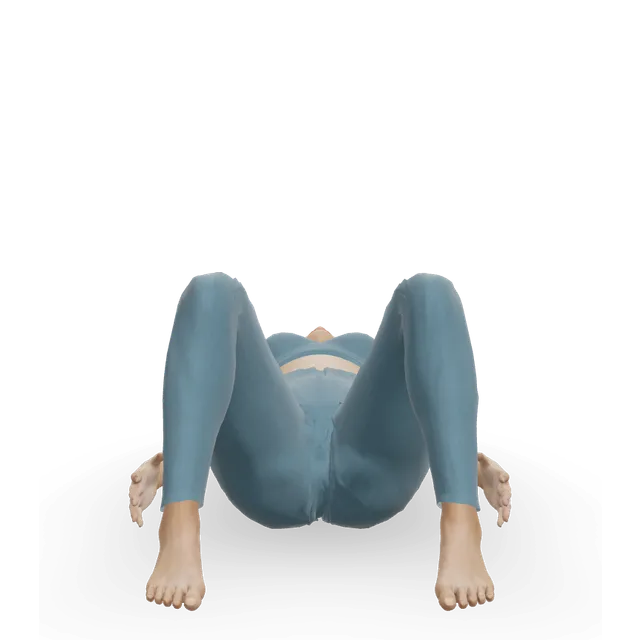
- Glute bridge6 holds of 5 to 10 sBeginner · Glutes, Hamstrings, Abs · 3D demoLift your hips a little and hold, or just squeeze your buttocks if you can't lift. A band round the thighs stops the knees falling outEasier: Pelvic tilt into bridgeHarder: Single-leg glute bridge
- Supine isometric hip abduction (belt press)3 to 5 holds of 5 to 10 sBeginner · Hip abductors, Glutes, Abs · 3D demoBelt round your thighs: press your knees out gentlyHarder: Lateral band walk
- Supine hamstring stretch with a strap30 to 40 s each legBeginner · Hamstrings, Calves · 3D demoStrap round your foot: lift the straight leg until you feel a stretch. No bouncingEasier: Leg-up hamstring stretchHarder: Contract-relax hamstring stretch (PNF)



Standing stretches at a wall
- Wall calf stretch (gastrocnemius)30 to 40 s each legBeginner · Calves · 3D demoBack knee straight, heel down. If standing is hard, use the seated towel stretch insteadEasier: Seated calf stretch with a towelHarder: Heel-on-step calf and hamstring stretch
- Soleus wall stretch30 to 40 s each legBeginner · Calves · 3D demoSame position, back knee bentEasier: Seated calf stretch with a towelHarder: Toes-tucked kneeling (toe squat)
- Half-kneeling hip flexor stretch30 to 40 s each sideBeginner · Quads, Glutes · 3D demoOnly if you can kneel and get up again safely. Otherwise lie near the edge of a bed, hug one knee and let the other leg hangHarder: Couch stretch
- Wrist flexor stretch30 to 40 s each sideBeginner · Forearms · 3D demoEasier: Wrist circlesHarder: Quadruped wrist rocks




Cool-down
- Slow breathing (6 breaths a minute)2 to 3 minBeginner · 3D demoSitting, at a comfortable paceEasier: Breath reachHarder: Crocodile breathing (prone diaphragmatic breathing)

Tips
- Start with your neuromuscular team's agreement, and have the heart checks they recommend before a new programme.
- Moderate effort only: warm, breathing deeper, able to talk in full sentences. Never exercise to exhaustion.
- Do the strength blocks 2 or 3 days a week, not on consecutive days, and add rounds over weeks rather than weight.
- No heavy weights, squat sets, lunges, step-downs or jumping: they put more strain through weakened muscles.
- Stop if your muscles shake or movements get jerky. Ease off and tell your team if you feel weaker rather than stronger within 30 minutes, if soreness lasts more than a day or two, or if you're still worn out an hour or two later or too tired the next day.
- Go to A&E (accident and emergency) if your urine turns dark, like black tea or cola, after exercise.
- Stretch every day if you can, after the warm-up or a bath. Don't bounce, and don't push very loose joints further.
- Split the session into two if it's too long: keeping what you can do is a good result.
The doses are suggested starting points, not a prescription. Choose a range you can control and stop for sharp or increasing pain, numbness or tingling. Get individual advice after an injury or surgery, or if you are pregnant or managing a health condition.
Guides that recommend it
Find more moves like these
More strength at home




Beginner bodyweight workout
A 20-minute full-body workout with no equipment: squats, knee push-ups, bridges, lunges and planks.
20 minBeginner10 movesNo equipment


Full-body bodyweight workout
An intermediate no-equipment workout: push-ups, split squats, single-leg bridges, pike push-ups and core work.
30 minIntermediate11 movesNo equipment


Full-body dumbbell workout
A 35-minute full-body strength workout with dumbbells: goblet squats, presses, rows, Romanian deadlifts and carries.
35 minIntermediate9 movesA band, A dumbbellQuestions people ask
How long does the muscular dystrophy exercises at home: low-impact cardio, holds instead of squats, and daily stretches take?
About 35 minutes, including any warm-up and cool-down listed. Shorten it by doing fewer rounds; lengthen it by adding one.
What equipment do I need?
You need: A bench or box, Cardio machine, Other / check instructions, A band, An anchor point, Something with weight, A wall. Each move links to its guide, where you can find an alternative if you are missing something.
Is it suitable for beginners?
It is written for beginners. 9 of its 19 moves have an easier option listed beside them if you need one.
How do I make it easier or harder?
Use the easier or harder option listed under each move, change the number of rounds, or adjust the rest. Progress one change at a time.