The UK consensus approachStrong evidence
In 2024, 222 to 227 members of BSCOS and the APCP agreed 31 statements. Toe walking without symptoms, and without a tight ankle (a foot that can't be brought up to a right angle with the leg), doesn't need treatment; the aim is to manage symptoms, not just the toe walking, and lower-leg pain or the effect on a child's daily life can be reasons to treat. Non-surgical treatment should always come first: advice, stretching, strengthening, casting, and day and night splints.
Serial casting can be tried for tight calves, and not reaching flat-footed standing after 6 weeks of casting is given as an example of failure. Surgery is for when that hasn't worked or isn't suitable, with follow-up for at least 12 months. Neurodiverse children should be offered treatment, with advice that toe walking may come back, and families should know how to come back if it returns.
Source 5
Time, heels-down play and shoesEmerging evidence
Giving children time to grow out of toe walking is usually the first option, an NHS leaflet says, and another says treatment is rarely needed under 3. In the Swedish study, 79% of toe walkers stopped by 10 without treatment.
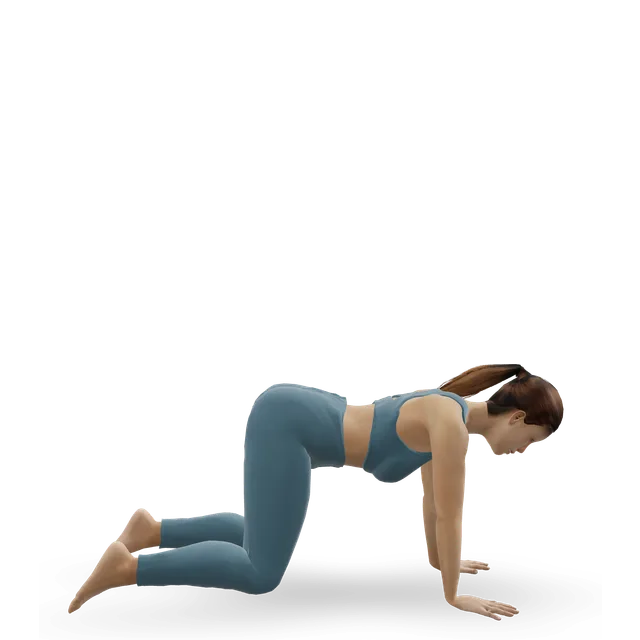
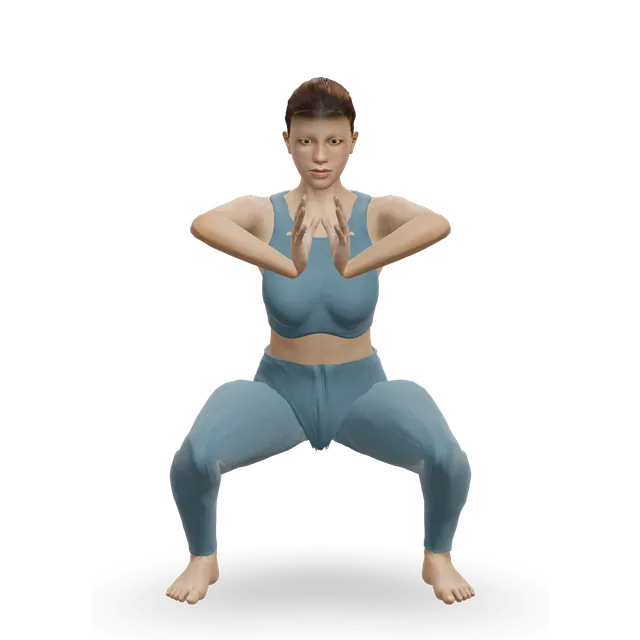
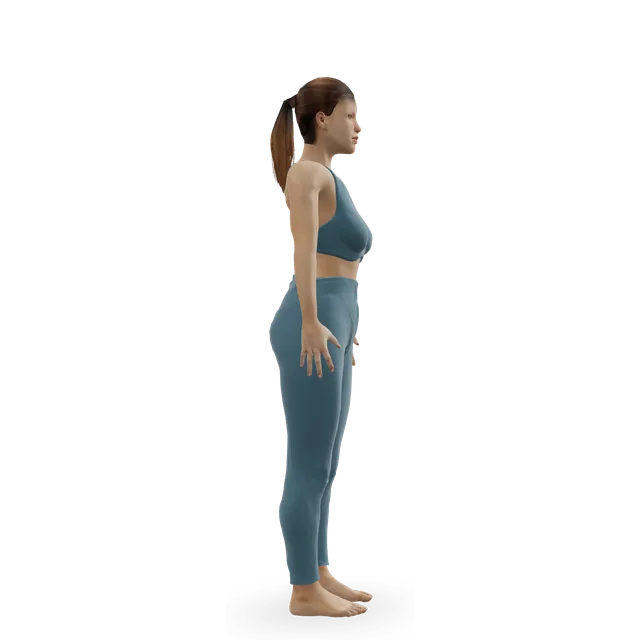
NHS leaflets suggest playing standing with the heels down, heel walking, tightrope walking along a line, marching, moon walking, giant stomping steps, backward walking, squatting, bear and crab walks and leap frog, with prompts to walk slowly with the heels down for older children. Supportive, well-fastened shoes or ankle boots help, and stiff walking boots or wellies make tiptoe walking hard. You can cut the games back as things improve. No trial has tested these on their own.
Ordinary active play counts too: the NHS asks children under 5 to be active for at least 3 hours a day, and 5 to 18 year olds for an average of at least 60 minutes a day, and an NHS leaflet suggests swimming, bikes, balance bikes, scooters, soft play and climbing for strength and balance.
Sources 11, 24, 12, 1, 3, 4, 8, 9, 6, 25, 26
Calf stretches and strengthEmerging evidence
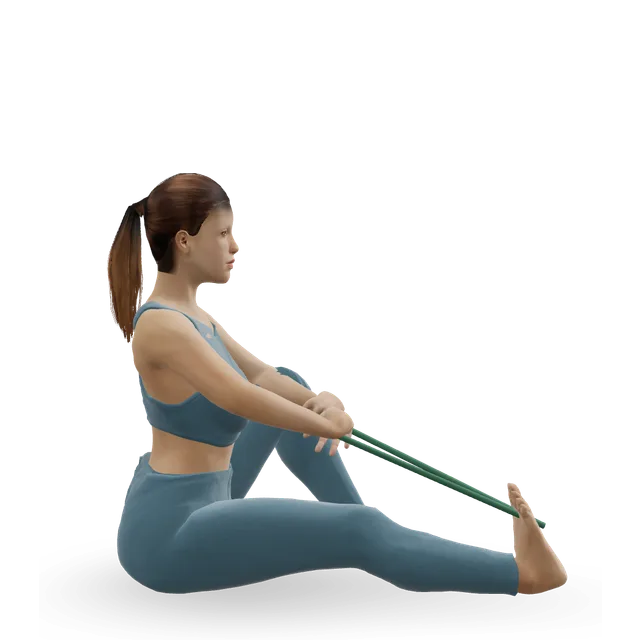
Daily stretches can help prevent tight calf muscles, NHS leaflets say. The doses differ: twice a day, holding 30 seconds each time (NHS Lothian); 30 seconds, 4 times on each leg (Plymouth); 15 to 30 seconds with gentle pressure for a parent's stretch (Gateshead); 3 times a day (Lincolnshire). A children's hospital fact sheet says daily calf stretches may help, holding each for 30 seconds. The UK consensus says stretching can be given even when the heels reach the floor.
Activities to strengthen the calf, hamstrings and trunk are part of NHS physiotherapy for toe walking. No trial has tested stretches or strength work on their own.
Sources 1, 24, 3, 12, 9, 5, 6, 8
Exercise or casts: one small trialEmerging evidence
In a trial of 29 children aged 3 to 10, 10 had serial casts, 9 an exercise programme and 10 waited. Both treatment groups improved more on a toe walking severity scale than the waiting group, which was only followed for a month after treatment, and casting and exercise didn't differ at any point up to 6 months, with similar side effects and how well children kept to them. It's one small trial.
Source 27
Serial castingEmerging evidence
Weekly below-knee walking casts, usually on both legs, for about 3 to 6 weeks (Whittington) or 4 to 6 weeks (East Sussex), stretch the calf gradually; only children with very tight calves need them. Children can walk in them with plaster shoes over them, they must be kept dry, and usual sport stops while they're on. The skin can get dry, itchy or rubbed.
In 86 children, changing casts every week gained more ankle movement in the first 2 weeks than changing them every 2 weeks (10.6° against 7.5°). In a Swedish trial, 4 weeks of casts improved ankle movement, strength and walking at 3 and 12 months, but many children still toe walked to some degree. Afterwards, children need help to re-learn walking and to strengthen, and toe walking can come back, often with growth spurts.
Sources 8, 13, 24, 3, 28, 29
Botulinum toxin: no added benefitEmerging evidence
In a trial of 47 children aged 5 to 15, injecting botulinum toxin into the calves 1 to 2 weeks before 4 weeks of casts made no difference to any result at 3 or 12 months, and a systematic review agrees. AAOS describes it mainly for children with a neurological condition and raised muscle tone, to make stretching easier.
Sources 29, 30, 2
Splints and insolesMixed evidence
In a trial of 18 children, an ankle-foot orthosis (a splint up the back of the lower leg) controlled toe walking while it was worn, but children went back to their old pattern when it came off; a foot insole with a stiff plate controlled it less well, but children and parents preferred it, and the effects out of the splint were similar.
Whittington Health's leaflet says splints and insoles have been found to be ineffective on their own and may be used only after serial casting, to hold the gain. Other NHS services use ankle-foot orthoses by day or night to keep the calf's length, and the UK consensus includes day and night splints. The evidence is thin and mixed.
Sources 31, 8, 13, 5
Surgery: the last optionEmerging evidence
Lengthening the Achilles tendon or the calf muscle is the last option, for tight calves that haven't responded to other treatment. Casts follow for about 4 to 6 weeks (AAOS) or 6 weeks (Lincolnshire's leaflet), then physiotherapy.
In 19 children over 10 (average age 12.6), 14 no longer toe walked without meaning to, 5 did occasionally, and all went back to full activity with a heel-toe walk. A systematic review found only surgery reported effects lasting more than a year, though walking didn't fully return to normal after any treatment, and AAOS says some children carry on toe walking even after casts or surgery.
Sources 13, 12, 8, 2, 32, 30
Autistic childrenEmerging evidence
The UK consensus says neurodiverse children should be offered treatment, with advice that toe walking may come back. NHS leaflets say autistic children may need to keep up home stretches and activities for longer, and that treatment is less likely to stop the toe walking for good. A 2026 systematic review of 8 studies (424 autistic children) found the evidence on casts, splints and surgery to be of very low certainty.
Sources 5, 1, 8, 33
How strong the evidence is overallMixed evidence
A 2019 Cochrane review found 4 trials with 104 children; only one, of 47 children, gave usable results, and its evidence was of very low certainty. There was too little evidence to judge botulinum toxin, footwear, exercises or splints. A 2014 systematic review (1 trial and 18 observational studies) found early evidence that casts and surgery improve ankle movement and walking, though walking doesn't fully return to normal, and no evidence yet on everyday activities and joining in.
Sources 34, 30