Yoga guide

Yoga for sprinters: hamstrings and hip flexors, the lower back, recovery between sessions, track starts, and a class

Yoga can give sprinters steadier hips and a stronger trunk, some extra range on easy days and a way to wind down after hard sessions. But almost no trials have tested yoga in sprinters, and nothing shows it prevents hamstring strains or makes you faster: stretching doesn't prevent injuries, and long holds just before an all-out effort sap a little power.

Used well, it's an extra alongside your sprinting, strength and hamstring work and your coach's warm-up. This guide covers the hamstrings and hip flexors, the lower back, what yoga does and doesn't do for recovery, starts, when to fit it into a training week, and a 25-minute class for rest days with every pose shown in 3D. Our sprinting and hurdles guide covers training and injury prevention in full.

The short version

The hamstring is the sprinter's injury

Hamstring injuries were the commonest diagnosis at international athletics championships, twice as common in men, and the sprints had the biggest share of injuries of any event group. A previous strain and older age are the strongest risk factors.

Sources 1, 2, 3, 4

Stretching doesn't prevent strains, and yoga hasn't been tested

Stretching programmes made no difference to sports injuries in 25 trials, hamstring flexibility predicted injury no better than chance in professional footballers, and an international expert panel doesn't recommend stretching for injury prevention in general. We found no trial of yoga to prevent injuries in sprinters or track athletes.

Sources 5, 6, 7, 8

Strength and regular fast running have better evidence

Programmes that included the Nordic curl went with about half as many hamstring injuries, though the properly randomised trials alone were inconclusive and almost all were in football. Sudden spikes in high-speed running raise the risk; regular exposure to near-top speed went with fewer injuries. Yoga never replaces coaching, strength and conditioning, or sprinting itself.

Sources 9, 10, 11

The yoga evidence in sprinters is almost nil

There are two small trials in school track athletes: an unreviewed preprint, and a trial in a journal outside MEDLINE whose gains look implausibly large. In rugby players, 8 weeks of yoga kept hamstring flexibility but didn't change sprint speed.

Sources 12, 13, 14

Flow before speed, hold after

Holding a stretch for 60 seconds or more per muscle cut strength and power by about 4.6% on average, while short holds inside a dynamic warm-up don't harm sprinting. So flow before speed sessions and races, and save long holds for rest days and after easy sessions (our reading of stretching studies, not tested in sprinters).

Sources 15, 7

Recovery: winding down, not repairing

Stretching after exercise doesn't meaningfully cut soreness or speed the return of strength. In one small trial, 15 minutes of yoga after intervals settled breathing and heart rate faster than static stretching. Sleep and sensible training load matter more.

Sources 16, 17, 18

What sprinting asks of your body

Our sprinting and hurdles guide covers sprint training, injuries, prevention programmes and hurdles in full; this page covers where yoga fits.

The hamstrings at top speedStrong evidence

At international championships, the hamstrings' share of leg muscle injuries rose with each event's running speed. Across 13 championships, short-distance events had a third of in-competition time-loss injuries, and thigh strain was the commonest diagnosis.

Sources 19, 1, 20

How oftenStrong evidence

Hamstring injuries made up 17.1% of injuries at 16 international championships, 22.4 per 1,000 registered men against 11.5 per 1,000 women; across 14 championships, the sprints had 24% of men's and 26% of women's injuries, more than any other event group. Hamstring strain was the commonest time-loss diagnosis among elite British athletes and the commonest injury in US college track and field. These studies use different measures and can't be compared directly.

Sources 1, 2, 21, 22

Strains come backEmerging evidence

Of 165 elite track and field athletes with a first hamstring strain, 13.9% had a second within 2 years. Strains that run into the tendon took longer to return from and came back more often.

Sources 23, 24

The hip flexorsEmerging evidence

Rectus femoris injuries, at the front of the hip and thigh, "are common in sports requiring maximal acceleration and sprinting", though far less common than hamstring injuries in elite British athletes. In one cross-sectional study of junior sprinters, a bigger psoas muscle relative to the thigh went with faster 100 m times: a hint that hip flexor strength matters, from a single study.

Sources 25, 26, 27

The lower backEmerging evidence

Back pain is common in sport: about half of athletes report it in a year across 86 studies, and a previous episode is the strongest risk factor. In 99 German elite track and field athletes, 83.8% had back pain in the past year. Pars stress fractures (spondylolysis) were about twice as common in track and field athletes as in adults generally, and block starts involve a lot of arching of the lower back.

Sources 28, 29, 30, 31

Young sprintersEmerging evidence

In growing athletes, a sudden forceful effort can pull a tendon away with a piece of bone at the pelvis, most often where the hamstrings attach: 203 such injuries were collected in adolescent athletes. The warning signs cover what to do.

Source 32

Where yoga fits (our reading)

Yoga for sprinters means four different things, each with its own timing:

  • Flowing moves as part of a warm-up, before speed work.
  • Held stretches for range, on rest days and after easy sessions.
  • Bodyweight strength and balance holds for the hips and trunk.
  • Slow breathing and rest for winding down.

Hamstrings: what raises the risk, and what prevents strains

The strongest risk factorsStrong evidence

In 78 studies of 71,324 athletes, mostly in football, "Older age and a history of HSI are the strongest risk factors for HSI" (HSI means hamstring strain injury). Any previous strain raised the risk 2.7 times, and a recent one 4.8 times.

Source 4

Flexibility is at most a weak risk factorStrong evidence

Footballers who were later injured had slightly less hamstring flexibility in one study, but in 450 amateurs sit-and-reach "was not related to hamstring injuries", and in 438 professionals injured and uninjured players differed by 1.8 degrees, findings with "little clinical value in predicting the risk of future hamstring injuries". None of these was in sprinters, and in sprinters "it is unclear whether improving flexibility reduces hamstring injury risk".

Sources 33, 34, 6, 3

Strength and muscle structureEmerging evidence

In 30 elite sprinters, every hamstring injury happened on the weaker side. In 44 sprinters, a low ratio of hamstring to thigh-front strength went with a higher risk, but only 8 were injured. In 152 elite footballers, short biceps femoris muscle fibres and low eccentric hamstring strength each raised the risk about 4 times.

Sources 35, 36, 37

Load spikes and the start of the seasonEmerging evidence

In 44 sprinters, 58.3% of hamstring injuries came in the first 100 hours of the season. In team sports, "large and rapid increases" in high-speed running raised the odds of a strain, and the International Olympic Committee's consensus says "poor load management is a major risk factor for injury". In Swedish elite athletics, training load and a severe injury the year before predicted injury. At one large relay meet, masters athletes strained hamstrings more often than younger athletes.

Sources 36, 11, 38, 39, 40

A warning before a strainEmerging evidence

In elite British track and field athletes, low back pain and hamstring cramping or tightness in the week before were each "present in 30% of injuries". A new tight or crampy hamstring is a reason to tell your coach, not to stretch harder (our reading).

Source 41

Stretching doesn't prevent strainsStrong evidence

Across 25 trials and 26,610 people, stretching showed "no beneficial effect" on sports injuries, while strength training cut them to about a third. A 2025 panel of 20 experts "does not recommend stretching for injury prevention in general", while noting early evidence of fewer muscle injuries with possible trade-offs. Slow, extreme stretching can itself strain a hamstring: dancers injured that way took a median of 50 weeks to return, against 16 for sprinters.

Sources 5, 15, 7, 42

The Nordic curl: promising, contested, mostly tested in footballMixed evidence

Programmes including the Nordic curl went with about half the hamstring injuries in 15 studies of 8,459 athletes. But only 5 of those trials randomised people to the Nordic itself, and their pooled result was inconclusive; a reappraisal concluded "At best, only conditional recommendation can be provided (for soccer)". A 2026 review of 11 football trials found "a modest non-significant reduction", while a review of 108 trials found eccentric training cut hamstring injuries a lot.

Sources 9, 10, 43, 44, 45

Athletics' own programme didn't work as deliveredStrong evidence

In 840 athletes, an unsupervised 15-minute programme twice a week (planks, balance, lunges, hamstring stretching and strengthening up to the Nordic, and calf work) made no difference: 64.7% against 65.0% had an injury complaint. Only 6 athletes did it twice a week as asked.

Source 46

Sprinting itselfEmerging evidence

Sprint training lengthened hamstring muscle fibres more than the Nordic in 32 footballers, and "maximum sprinting activities appear to be the only way to achieve high hamstring muscle activity". Regular, gradually built fast running is part of prevention.

Sources 47, 3

Yoga: untestedStrong evidence

Our searches found no trial of yoga to prevent or treat injuries in sprinters or track athletes. Keep your strength and hamstring work and build sprint volume gradually; use yoga for hip and trunk control, range on easy days and winding down (our reading).

Source 8

Flexibility and speed

More range doesn't make you fasterEmerging evidence

In a meta-analysis of long-term stretching, "No significant influence of static stretching on sprint performance was obtained". In a tiny study of 10 trained men, stretching "did not exert a significant effect" on 40 m sprints.

Sources 48, 49

Strength can raise range tooEmerging evidence

In 20 well-trained sprinters, 6 weeks of extra eccentric hamstring work raised hamstring strength by 10% to 22% and flexibility by 4 degrees.

Sources 50, 17

StartsEmerging evidence

Set-position angles vary widely and "do not appear to be directly associated with block phase performance"; "Greater average force production during the push against the blocks, especially from the rear leg and particularly the hip, appears to be important". That's active hip extension under force, which glute and lunge strength train, not passive range (our reading).

Sources 31, 51

How much range does a sprinter need?

No study gives a number. Enough hip extension and hamstring length to reach sprint and block positions without pain, with control, is the aim (our reading); even the international consensus on hamstring rehab couldn't agree flexibility benchmarks.

Source 52

Hip flexors and starts

"Tight hip flexors" is a shaky ideaEmerging evidence

The usual test, the modified Thomas test, isn't a valid measure of hip extension unless pelvic tilt is controlled. A 3-week hip flexor stretching programme raised passive hip extension, but running movement stayed unchanged, and one stretching session changed pelvic tilt by about a degree.

Sources 53, 54, 55

Posture and back painEmerging evidence

In 118 adults, less hip extension didn't independently predict back pain, and across 23 trials stretching didn't change posture. In elite Swedish track athletes, differences in hip flexor flexibility weren't practically relevant for overuse injuries.

Sources 56, 57, 58

What hip flexors needEmerging evidence

Strength for driving the knee through, and enough length for the block and toe-off positions. The strength point rests on one cross-sectional study in junior sprinters. The class lengthens the front of the hip with the back leg's buttock working, then strengthens the hip flexors; our yoga for hip flexors guide goes further.

Sources 27, 51

The lower back

Common in track athletesEmerging evidence

In 99 elite track and field athletes, 83.8% reported back pain in the past year, significantly more than active students. Across sports, a previous episode was the strongest risk factor.

Sources 28, 29

Arching and pars stress fracturesEmerging evidence

Pars defects were found in about 12% of track and field athletes in pooled studies, against about 6% of adults generally, and this pain is typically "exacerbated by extension or twisting of the spine". Block exit involves a lot of lower back arching.

Sources 30, 31

In yoga

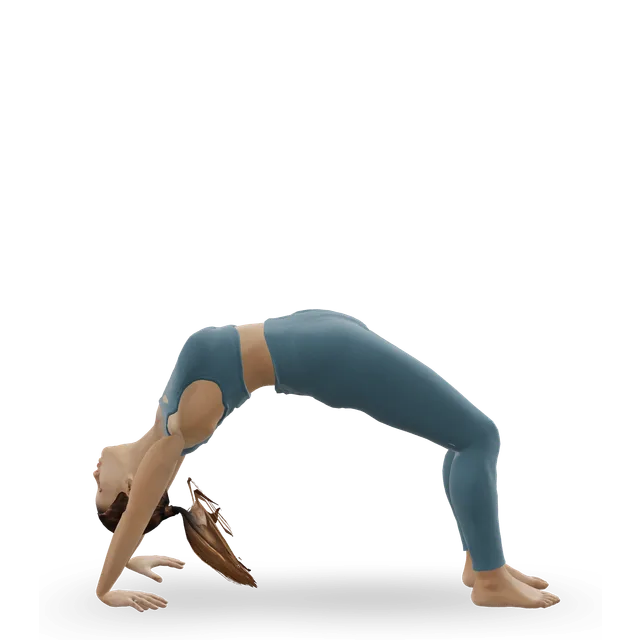
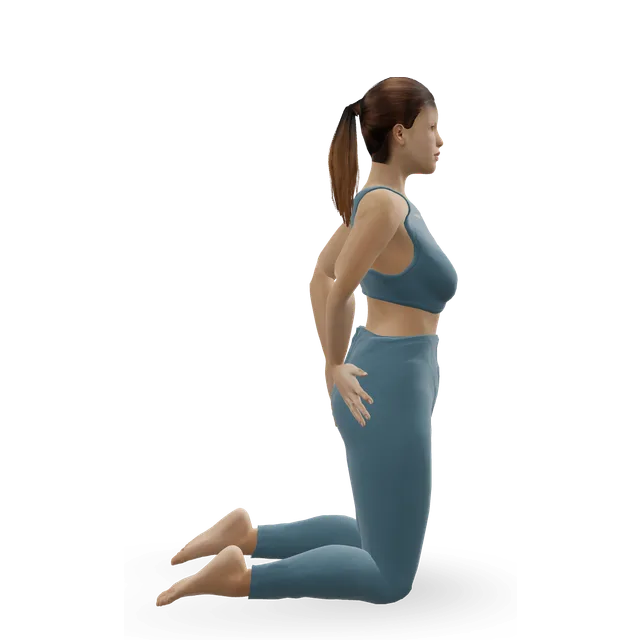
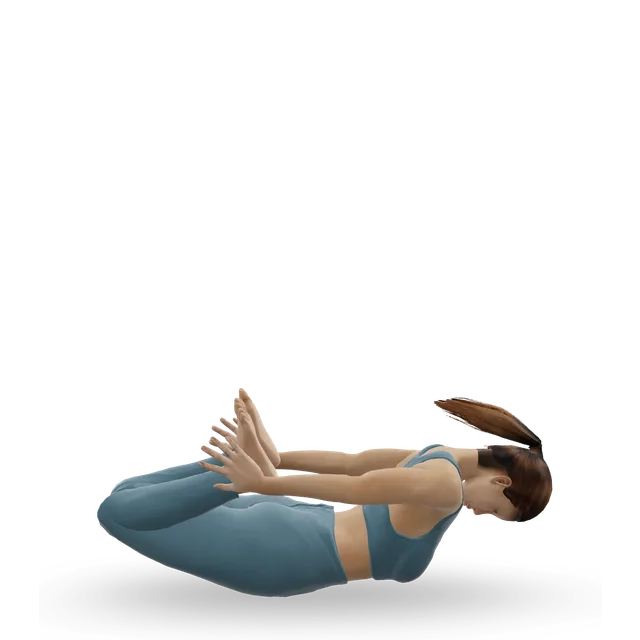
The NHS says "Activities like walking, swimming, yoga and pilates may also help ease back pain." If arching hurts, leave out deep backbends (wheel, full bow, camel) and keep locust and cobra low; a young sprinter with back pain that's worse arching needs checking (our suggestion, see the warning signs).

Sources 59, 30

What the yoga trials show

Tiny, single-site, mostly unblinded studies, some in journals outside MEDLINE or never peer reviewed, and none with injury outcomes.

Two small trials in track athletesStrong evidence

In 45 school sprinters in India, adding vinyasa yoga to sprint training for 12 weeks reportedly cut 30 m times by 0.3 seconds. The journal isn't in MEDLINE, no blinding is described, and the gains are implausibly large; the authors themselves say "the results should be interpreted with caution". A 20-athlete preprint, never peer reviewed, found a yoga warm-up no different from dynamic stretching for 100 m.

Sources 8, 12, 13

A review with no study countMixed evidence

A 2025 review of yoga in track and field athletes gives no number of studies or athletes in its summary, and notes that some studies "found little impact on stress or performance".

Source 60

Rugby playersMixed evidence

In 31 rugby players (19 finished), 8 weeks of twice-weekly yoga kept hamstring flexibility but "did little to improve sprint performance during the season".

Source 14

College athletes: a soccer team against a baseball teamMixed evidence

A study often cited for yoga in athletes compared a soccer team that did yoga with a baseball team that didn't. It wasn't randomised, so its flexibility and balance gains can't be separated from the sport.

Source 61

Mood in young athletesMixed evidence

A meta-analysis of yoga and mindfulness in young athletes found no significant effect on anxiety and has reporting errors.

Source 62

Recovery between sessions

Stretching doesn't speed recoveryStrong evidence

Stretching "does not produce clinically important reductions in delayed-onset muscle soreness", about 1 point on a 100-point scale, and didn't speed the return of strength. In 99 studies, active recovery, massage, compression and cold reduced soreness, but not stretching. The expert panel "does not recommend stretching as a post-exercise recovery routine".

Sources 16, 17, 63, 7

Where yoga may help: settling downEmerging evidence

In 20 male athletes, 15 minutes of yoga after interval training lowered breathing rate and raised heart rate variability more than static stretching over the next 10 to 15 minutes. That's a short-term settling effect, not faster recovery of speed.

Source 18

Sleep and loadStrong evidence

"Elite athletes are particularly susceptible to sleep inadequacies", and sleep needs are individual. A calm evening practice can sit alongside good sleep habits; no trial has tested yoga for sprinters' sleep (our reading).

Sources 64, 38

When to fit yoga in

Long holds before speed work cost a littleStrong evidence

Holds of 60 seconds or more per muscle cut performance by 4.6% on average, against 1.1% for shorter holds, and when dynamic activity followed, no clear effect remained. Holds under 60 seconds can be part of a warm-up without harming maximal performance, but in high-performance athletes short static stretching "has to be applied with caution" before competition.

Sources 15, 65, 66

What the expert panel saysStrong evidence

No prolonged static stretching (over 60 seconds per muscle) before maximal or explosive efforts; "short-duration static stretching incorporated into a dynamic warm-up and dynamic stretching do not cause such impairments". Dynamic stretching suits a warm-up meant to raise range and power.

Sources 7, 67

What athletics bodies sayMixed evidence

We found no UK or world athletics guidance on yoga for sprinters. World Athletics' medical manual, last updated in 2012, still recommends stretching to prevent injury, which newer trials and the 2025 expert panel don't support. England Athletics describes the RAMP warm-up (raise, activate, mobilise, potentiate), which our sprint warm-up follows in spirit.

Sources 68, 69, 5

Before speed sessions and races (our reading)

Use our sprint and hurdles warm-up and, if you like, 2 or 3 slow sun salutations and lunges moved with the breath, keeping any hold under 30 seconds. Save the held poses and the class for rest days, after easy sessions or the evening, and leave long holds and hot classes out of the 24 to 48 hours before a race. This comes from stretching studies, not from trials in sprinters.

Sources 15, 7

How much (our editorial starting point)

One 20 to 30-minute session a week in the competition season and up to two in general preparation, on rest days or after easy sessions, plus a 5-minute breathing wind-down after hard sessions if it helps you settle. Trials in athletes used 2 to 4 sessions a week, but your speed and strength sessions come first. No trial has tested a dose for sprinters.

Source 60

For general flexibilityStrong evidence

Away from speed work, the American College of Sports Medicine (ACSM) suggests "a total of 60 s per exercise" of stretching on at least 2 days a week for healthy adults.

Source 70

After a hamstring strain

Lengthening exercises got sprinters back soonerEmerging evidence

In 56 Swedish elite sprinters and jumpers, a lengthening programme returned athletes to full training in an average of 49 days, against 86 with conventional exercises; injuries involving the tendon near the sitting bone took longer. Rehab with mild to moderate discomfort recovered more strength than pain-free rehab, without speeding return.

Sources 71, 72

What the experts agreeStrong evidence

"Early-stage rehab should avoid high strain loads and rates", with progress based on capacity and symptoms and "pain-free criteria supported for sprinting".

Source 52

Where yoga fits

Follow our hamstring strain guide and a physiotherapist, not a yoga class. The NHS says "If your injury is taking longer to heal than expected, or you've had previous hamstring injuries, you may need to see a physiotherapist." Keep deep forward folds and long hamstring holds out until sprinting is pain-free, as our hamstring injury yoga guide does; its class works the muscle without deep folds.

Sources 73, 52

Return times on a national programmeEmerging evidence

Under the British Athletics approach, with scans and a full medical team, athletes returned to full training in an average of 18.6 days with a 2.9% reinjury rate; 13.9% of 165 Greek elite athletes had a second strain within 2 years.

Sources 26, 23

Before speed sessions: flow, don't hold

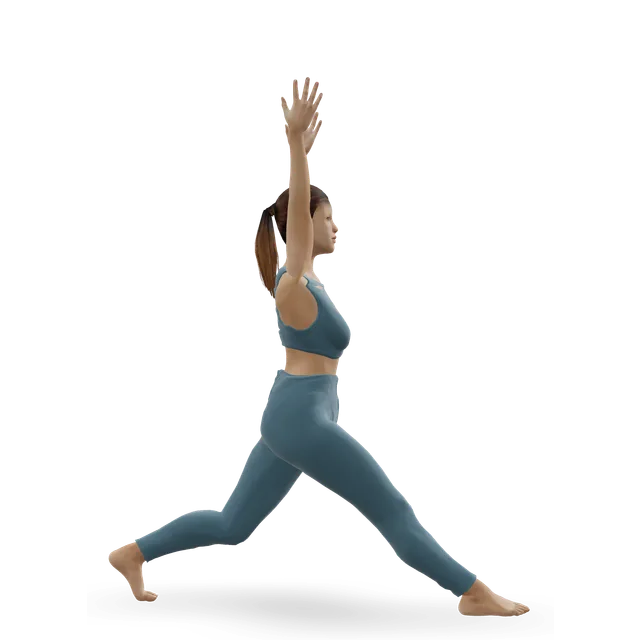
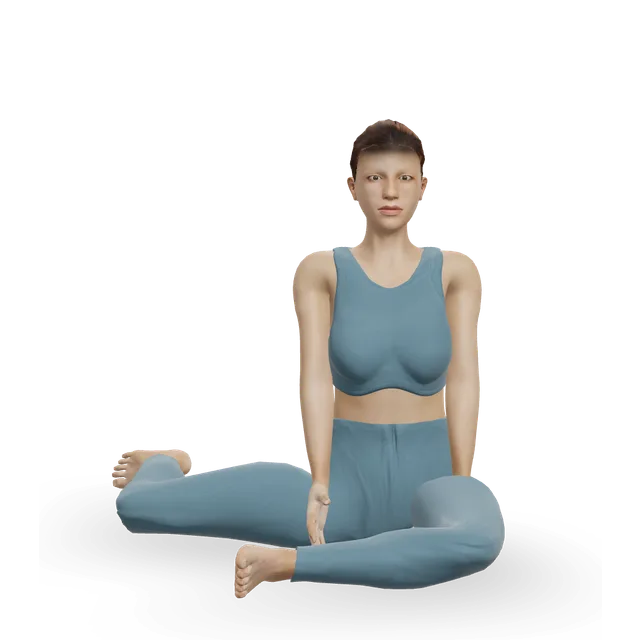
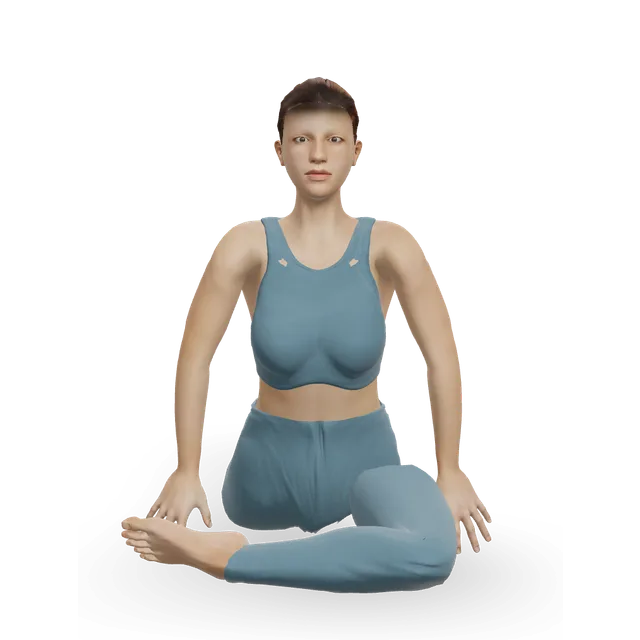
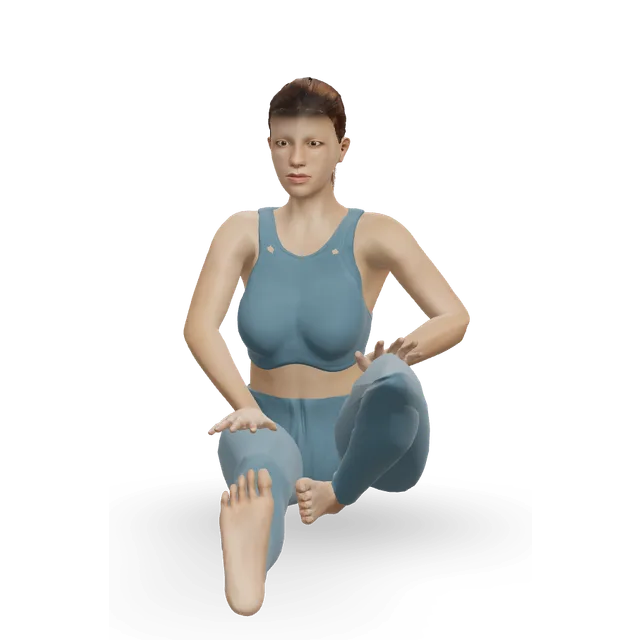
Sun salutations, 2 or 3 slow rounds, stepping back rather than jumping (our editorial starting point). World's greatest stretch: "4 slow reps each side, moving with the breath, 1 or 2 rounds, as part of a warm-up" (the move page's dose). 90/90 switch: "10 slow switches, pause at the ends" (the move page's dose); for hurdlers it rehearses the hip turn of the lead and trail legs. Keep any hold under 30 seconds, then do your sprint warm-up.

Hip flexors: lengthen with control, then strengthen

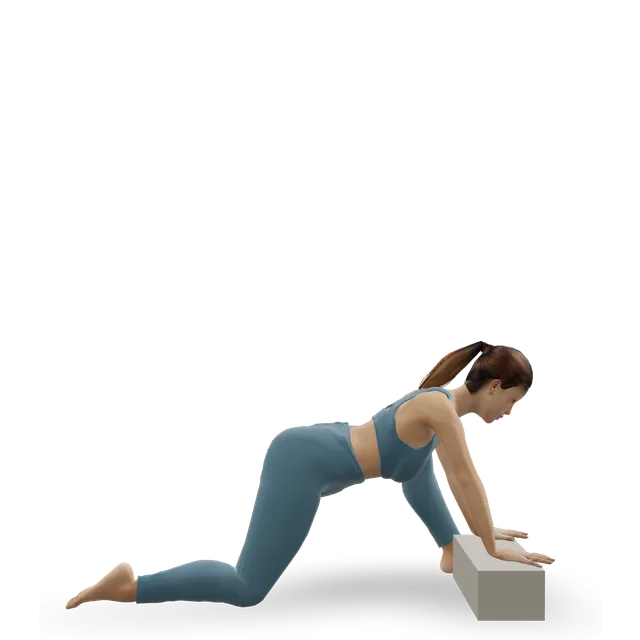
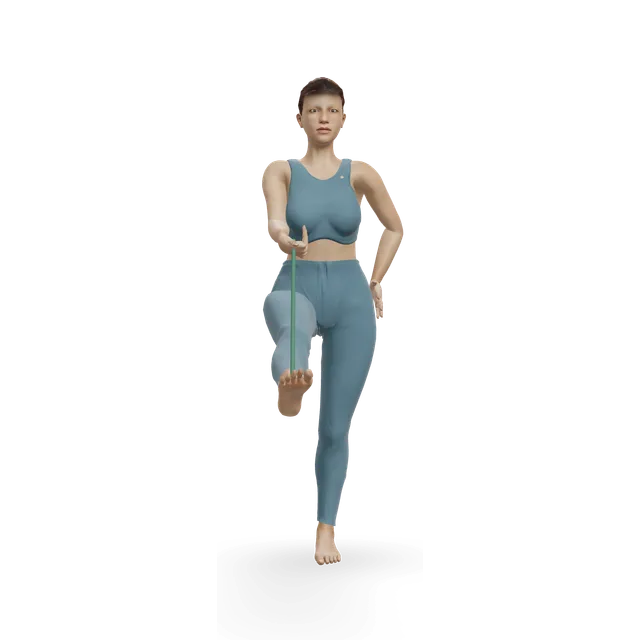
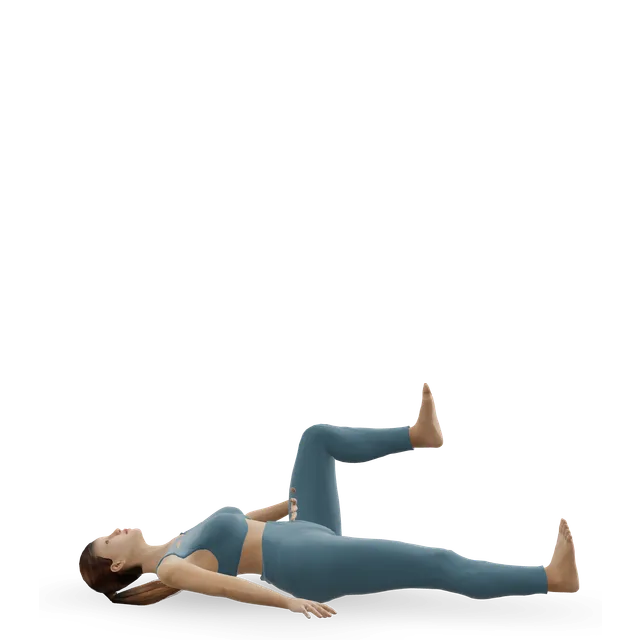
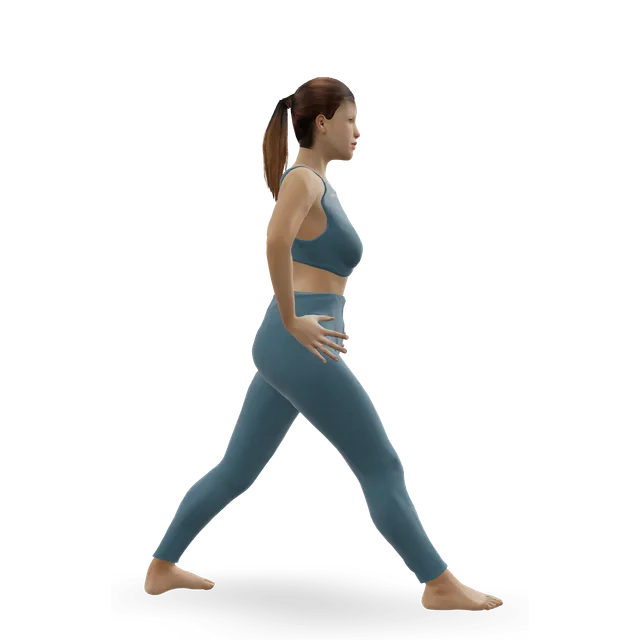
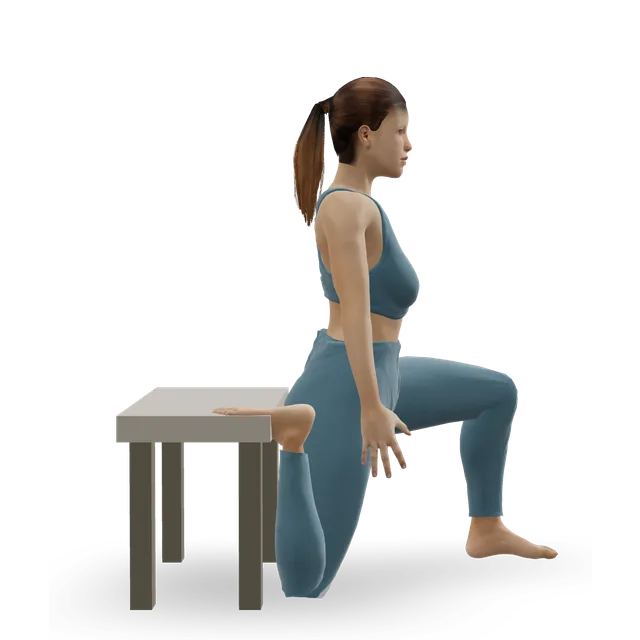
Low lunge, 45 seconds each side, tucking your pelvis and squeezing the back leg's buttock; high lunge, 5 breaths each side; standing hand-to-big-toe pose, 3 breaths each side, then let go and keep the thigh up for a breath; dead bug, 6 to 8 each side (all our yoga for hip flexors class). Standing quad stretch: "Hold 20 to 30 seconds, 2 to 4 times each side" (the move page's dose). Lizard pose: "Hold 30 to 60 seconds, about 5 to 10 slow breaths, each side, 2 rounds" (the move page's dose), on rest days only.

Hamstrings: working first, then a mild stretch

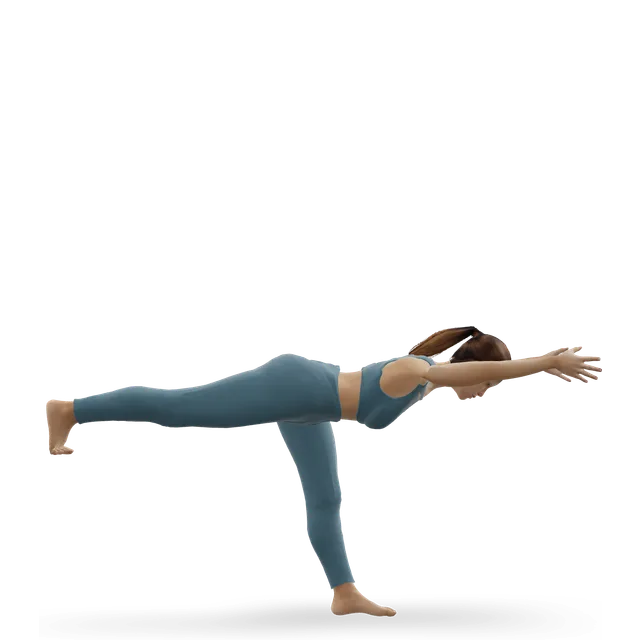
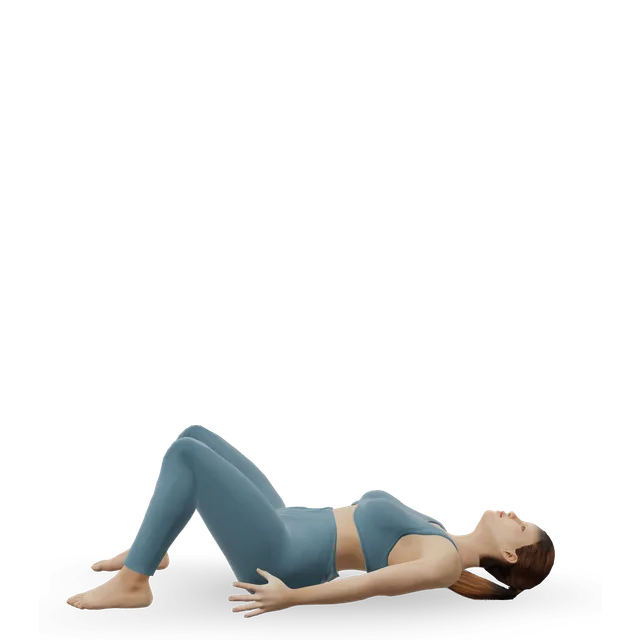
Glute bridge, 3 holds of 20 to 30 seconds, heels dug in (our yoga for hamstring injury class). 90/90 hamstring stretch: "3 sets of 12 slow straightenings each leg, stopping just before pain" (the move page's dose). Single-leg bridge, 8 each side; warrior III, 3 breaths each side, twice, hands on a chair; strap hamstring stretch, 45 seconds each side, to a mild pull of about 3 out of 10 (all our yoga for footballers class).

Hips, trunk and one-leg balance

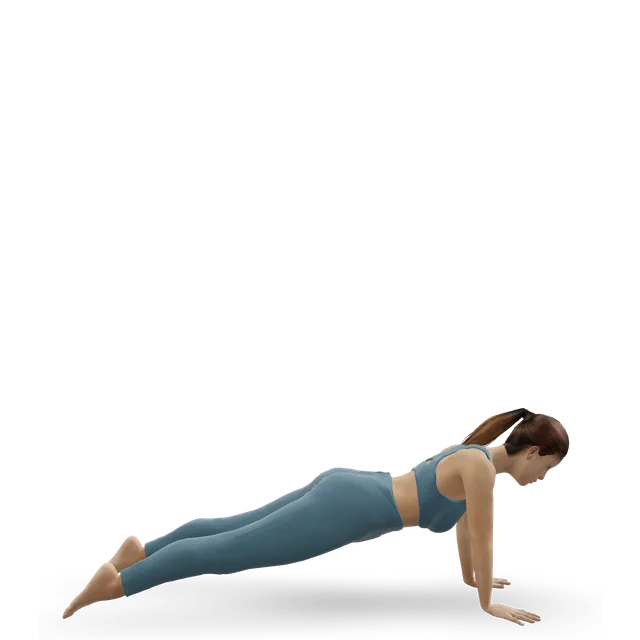
90/90 hip lift-off: "3 holds of 5 to 8 seconds each way, each side" (the move page's dose). Reclined figure four, 45 seconds each side; side plank, 2 holds of 20 to 30 seconds each side; one-leg stand, 2 holds of 30 seconds each leg, knee and hip slightly bent (all our yoga for footballers class). Pigeon preparation, 60 seconds each side (our yoga for hips class). Locust pose, 3 to 5 lifts held 3 to 5 seconds, low and long (our yoga strength workout).

Calves and wind-down

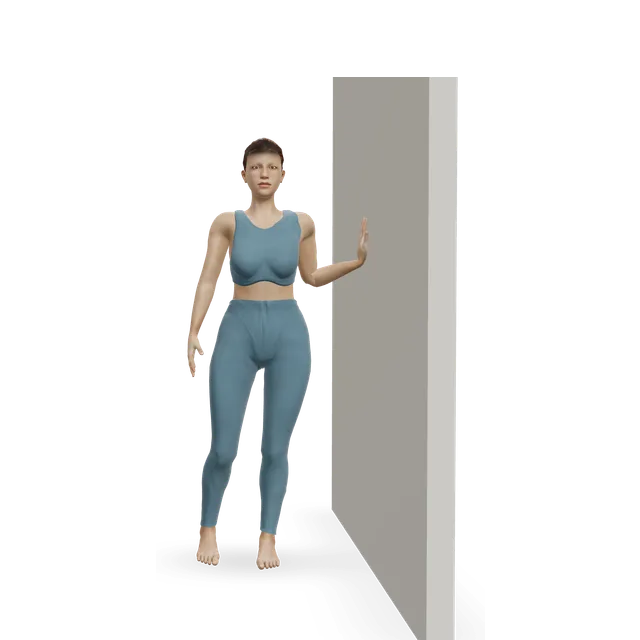
Downward dog, 2 holds of 50 seconds, pedalling your heels; legs up the wall, 2 minutes, optional, with your hips on the floor if you have glaucoma; corpse pose, 3 minutes (all our yoga for runners class). Slow breathing, 2 minutes, in for about 4 and out for about 6 (our yoga for footballers class).

Poses to change or leave out

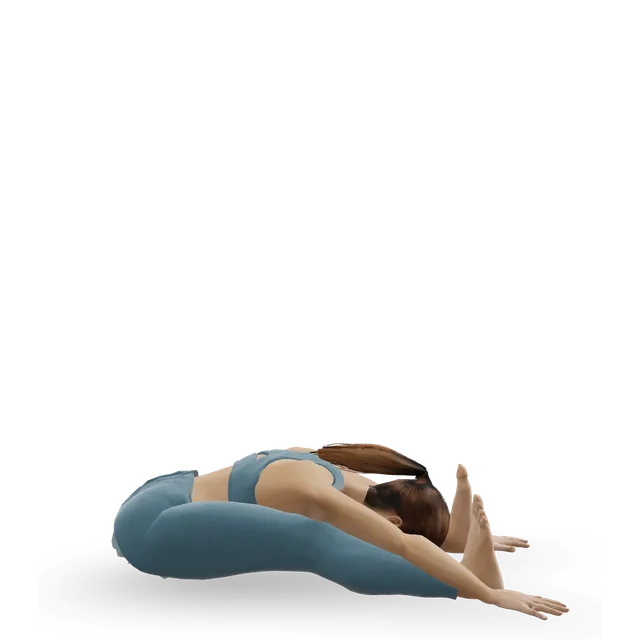
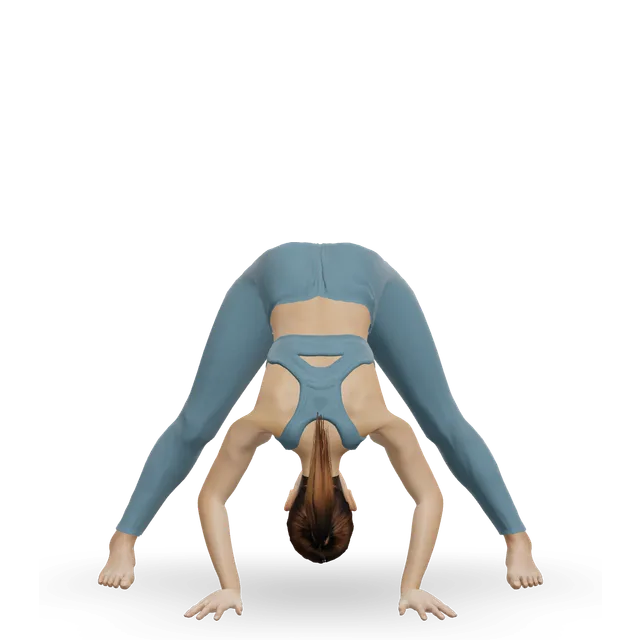
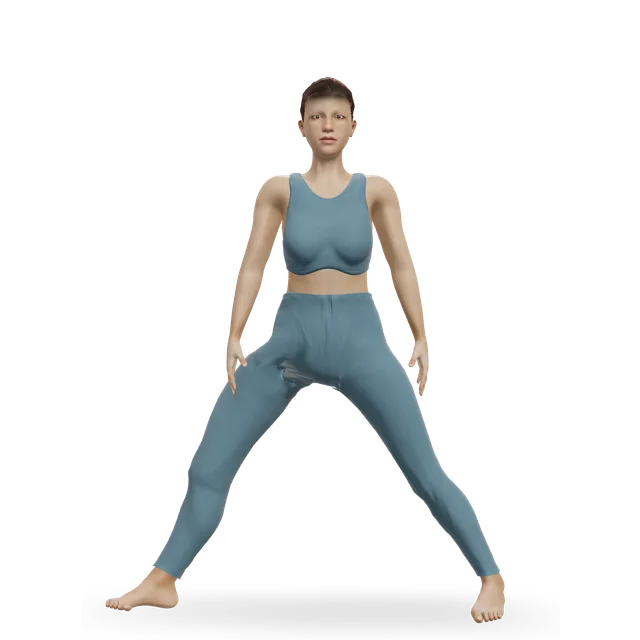
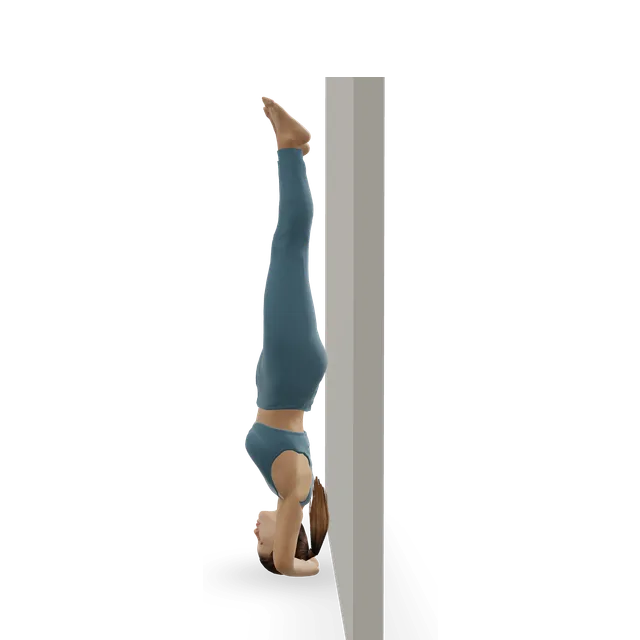
Before speed sessions and races, leave out any hold of 60 seconds or more per muscle, including long lizard, pigeon and forward-fold holds. After a hamstring strain, until sprinting is pain-free, leave out deep seated, standing and wide-legged forward folds, head-to-knee, pyramid, deep triangle and long strap holds. With a suspected hip flexor strain, skip the couch stretch and do the strength moves first. If arching hurts your lower back, leave out wheel, camel, bow and upward dog, and keep low cobra and locust low. Headstands and other advanced inversions add nothing for sprinting. If a pose leaves your hip sore, our hip pain after yoga guide covers what to change.

A 25-minute class and other workouts

Our 25-minute class first, for rest days and after easy sessions, never in the hours before speed work. It's our own selection, untested in a trial, with doses from our hip flexor, footballers and hamstring injury classes. Before every speed session and race, the sprint and hurdles warm-up; for the work with better injury evidence, the strength and hamstring workout for sprinters. After a strain, the hamstring injury class.

Yoga for sprinters: a 25-minute recovery-day class for hip flexors, hamstrings and the trunk

A 25-minute yoga class for sprinters and hurdlers on rest days: hip flexors lengthened and strengthened, hamstrings working, hips, trunk and a wind-down.

25 minBeginner16 movesNo equipment

Sprint and hurdles warm-up: drills, hips, build-ups and starts before training or a race

A 20-minute warm-up for sprinters and hurdlers: jogging, ankle circles, leg swings, hip mobility, skips, wall and arm drills, build-up runs and practice starts.

20 minBeginner12 movesCardio machine, wall

Strength and hamstring workout for sprinters and hurdlers: the athletics prevention programme, Nordic curls and heavy legs

A 50-minute sprint and hurdles session: athletics' injury prevention programme, from planks to Nordic curls, then squats, split squats and Romanian deadlifts.

50 minIntermediate18 movesCardio machine, wall

Sprint speed workout: drills, accelerations and flying sprints

A 45-minute speed session: running drills, five short accelerations and three flying sprints with full rest, then Nordic curls and calf raises.

45 minIntermediate11 movesCardio machine, wall

Yoga after a hamstring strain: a 25-minute class with the lengthening exercises built in, and no deep forward folds

A 25-minute yoga class for the weeks after a hamstring strain: hamstrings working, not stretching, trunk and balance, and two lengthening moves from the trials.

25 minBeginner16 movesWall, dumbbell

Yoga for hip flexors: a 25-minute stretch-and-strengthen class for the front of the hip

A 25-minute yoga class for tight or weak hip flexors: lunges and warriors to stretch the front of the hip, then poses and leg lifts to strengthen it.

25 minBeginner15 movesWall, firm cushion

Yoga for runners: 20 minutes after a run or on a rest day

A 20-minute yoga cool-down for runners: calves, hip flexors, hamstrings and glutes, one balance pose and a rest, after an easy run or on a rest day.

20 minBeginner11 movesWall

Yoga for footballers: a 25-minute recovery-day class for hips, groin, hamstrings and balance

Twenty-five minutes of yoga for footballers: hip and groin range you control, hamstring holds, single-leg balance and side planks, then gentle stretches and rest.

25 minBeginner17 movesWall
Show all 14 workoutsShow fewer workouts

Strength plans

Strength plans that fit around sprint training; add the yoga class on a rest day.

Warning signs: when to stop and get help

These are the warning signs from our sprinting, hamstring strain, hamstring injury yoga, back pain and yoga guides, word for word, with one line of our own. This is general information, not a diagnosis. A&E means accident and emergency; in the US, call 911 for 999.

A hamstring injury

The NHS says you may feel a sharp pain in the back of your leg, and with a severe injury a snapping sensation or a pop. Get help from NHS 111 if it's very painful or getting worse, there's a large amount of swelling or bruising, it hurts to walk or stand on the leg, or it isn't getting better after treating it yourself. A pop near the sitting bone with a big bruise high on the thigh needs checking the same day, as our hamstring strain guide explains.

Source 73

Same day

Same day: a pop near the sitting bone, a large bruise high on the back of the thigh, or you cannot put weight on the leg. The tendon may have pulled away from the bone, which needs assessing before you start these exercises.

Get help from NHS 111 if you think you've injured your hamstring and it's very painful, or the pain is getting worse; there's a large amount of swelling or bruising, or the swelling or bruising is getting worse; it hurts to walk or stand using the injured leg; your leg feels very stiff or is difficult to move; it's not feeling any better after treating it yourself; or you have a very high temperature or you feel very hot, but also cold and shivery, which could be signs of an infection.

Source 73

Teenagers

Same day, for an X-ray (our suggestion): a teenager with sudden pain at the sitting bone after a sprint, a kick or the splits, often with a pop, especially if walking or sitting hurts. While the bones are still growing, the tendon can pull off a piece of bone.

Source 32

See a GP or physiotherapist

Pain in the back of the thigh with tingling, numbness, or pain spreading below the knee: it may come from the back (sciatica).

Deep pain low in the buttock with sitting and running that is not settling: possible high hamstring tendinopathy, which has its own guide.

Source 73

Back pain: call 999 or go to A&E

Call 999 or go to A&E: loss of feeling or numbness around the genitals or bottom, new trouble peeing or controlling your bladder or bowels, changes in genital sensation during sex or problems with erections or orgasm, or pain, tingling, weakness or numbness in both legs. These are signs of cauda equina syndrome, which needs treating in hospital urgently. Don't drive yourself.

Call 999 or go to A&E: back pain with chest pain, or back pain that started after a serious accident, such as a car crash.

Source 59

Back pain: get help the same day

Same day (GP or NHS 111): back pain and you feel hot, cold, shivery or generally unwell, or severe pain that starts suddenly or is getting worse quickly.

Same day: leg weakness that is getting worse.

Source 59

Back pain: see a GP

Back pain that hasn't improved after a few weeks of looking after it at home, stops you doing day-to-day activities, worries you, or you're struggling to cope.

Pain that doesn't improve with rest or is worse at night, or pain that is worse when you sneeze, cough or poo.

Back pain and stiffness that persists in a teenager or young adult. Ankylosing spondylitis tends to start at that age and can affect the whole spine.

Back pain that started before 45 and has lasted more than 3 months, especially if it started before 35, wakes you in the second half of the night, comes with buttock pain, gets better with movement or within 48 hours of anti-inflammatory painkillers, or you have or have had arthritis, pain where a tendon attaches to bone (enthesitis) or psoriasis, or a parent, brother, sister or child with spondyloarthritis. These can point to inflammatory back pain (axial spondyloarthritis, such as ankylosing spondylitis). The National Institute for Health and Care Excellence (NICE) asks GPs to refer people with 4 or more of these 9 features to a rheumatologist, and to do a blood test for the HLA-B27 gene marker if exactly 3 are present, referring if it is positive.

Source 59

A young sprinter's back (our suggestion)

A teenage or young adult sprinter or hurdler with low back pain that's worse when arching backwards or twisting, or that keeps coming back, should see a GP or sports physiotherapist before more backbends or block starts, because a stress fracture of the spine (spondylolysis) is possible.

Sources 30, 28

A snap at the back of the ankle

A sudden snap or pop at the back of the ankle, or not being able to stand on tiptoe, can mean a ruptured Achilles tendon. The NHS says to get help from NHS 111 if you think you've ruptured a tendon, and our Achilles rupture guide explains why it's urgent.

Source 74

Pain in one spot on a bone

Pain on a bone that's worse when you run or jump and hurts when pressed can be a stress fracture. Stop and get it checked, as our stress fracture guide explains.

Source 75

Fainting or chest pain: call 999

Call 999 if someone faints while exercising, or has sudden chest pain or discomfort that doesn't go away.

Call 999 if:

  • You get sudden pain or discomfort in your chest that doesn't go away; it can feel like squeezing or pressure, burning or indigestion.
  • The pain spreads to your left or right arm, or your neck, jaw, stomach or back.
  • You have chest pain and feel sweaty, sick, light-headed or short of breath.
  • Someone faints while exercising, can't be woken within 1 minute, or has chest pain or a pounding, fluttering or irregular heartbeat.

Sources 76, 77

During yoga

A joint pain that is sharp, gets worse during a session, lingers into the next day or changes how you move is a reason to use an easier version, and to see a GP or physiotherapist if it keeps happening (the rule in our plans). Muscle soreness for a day or two after something new is normal. In a hot class, stop if you feel dizzy, sick or unwell; our hot yoga guide lists the signs of heat illness.

With glaucoma, or high blood pressure that isn't under control, skip headstands, shoulder stands and long head-down holds. With osteoporosis, swap deep forward folds for a flat-back hinge from the hips, and twist smoothly. In pregnancy, our yoga in pregnancy guide covers the changes. NCCIH advises beginners to avoid headstands, shoulder stands, the lotus position and forceful breathing.

Source 78

Before you start

The NHS advises getting advice from a healthcare professional first if you have a health problem, an injury or symptoms, or have recently had a heart attack or an operation.


Myths

"Stretching prevents hamstring strains"Strong evidence

Stretching programmes made no difference to sports injuries while strength training cut them to about a third, flexibility barely predicts who gets injured, and the 2025 expert panel doesn't recommend stretching for injury prevention in general. Hamstring strength and gradually built sprinting have the better leads.

Sources 5, 6, 7

"Sprinters need to be as flexible as possible"Strong evidence

Long-term stretching didn't make anyone faster, start performance depends on force from the hips rather than set-position angles, and slow, extreme stretching can itself strain a hamstring, with a long way back. Enough range, with control, is the goal.

Sources 48, 31, 42

"Yoga makes sprinters slower"Mixed evidence

No trial shows it: in rugby players, 8 weeks of yoga didn't change sprint times either way. What does cost a little power is holding stretches for 60 seconds or more just before an all-out effort, yoga or not.

Sources 14, 15

"Yoga will make you faster"Mixed evidence

The trial claiming 0.3 seconds over 30 m in 12 weeks is small, describes no blinding, is in a journal outside MEDLINE and reports implausibly large gains, and the rugby trial found no change. Speed comes from sprinting and strength work.

Sources 12, 14

"Tight hip flexors cause back pain and tilt your pelvis"Emerging evidence

The usual test isn't valid unless the pelvis is controlled, hip flexor stretching didn't change running movement, and stretching doesn't change posture.

Sources 53, 54, 57

"Too much stretching turns fast-twitch fibres into slow-twitch ones"Mixed evidence

We found no study showing this. The measurable cost of long holds is a short-lived loss of power just after them.

Source 15

"Yoga speeds recovery between sprint sessions"Strong evidence

Stretching after exercise doesn't meaningfully reduce soreness or speed strength recovery, and yoga's one recovery trial measured breathing and heart rate variability for 15 minutes, nothing more.

Sources 16, 17, 18

Questions people ask

Is yoga good for sprinters?

It can be a useful extra for hip and trunk control, range on easy days and winding down, but almost no trials have been done in sprinters, and none shows it prevents injuries or makes you faster. Keep it alongside sprinting, strength work and your coach's warm-up, never instead.

Does yoga prevent hamstring injuries?

No study has shown it, and stretching programmes didn't prevent sports injuries in 25 trials. The better leads are hamstring strength work such as Nordic curls, mostly tested in football, and building sprint volume gradually.

Will yoga make me faster?

Probably not directly. Long-term stretching didn't improve sprint times, and in rugby players 8 weeks of yoga didn't change sprint speed. One trial in school sprinters claimed big gains, but it's small and its results look implausible.

Should sprinters do yoga before or after training?

After easy sessions, on rest days or in the evening. Before speed work, flow through a few lunges and sun salutations and keep any hold short, because holds of a minute or more per muscle can sap power for a while.

Is stretching before sprinting bad?

Not if it's short. Holds under 60 seconds inside a dynamic warm-up made little or no difference to performance, while longer holds cost a few per cent of power. Before a race, many elite sprinters keep stretches very short.

What are the best yoga poses for sprinters and track athletes?

Low and high lunges with the back buttock squeezed for the hip flexors, bridges and warrior III to work the hamstrings, the 90/90 lift-off and figure four for the hips, side plank and locust for the trunk, and downward dog for the calves. Our 25-minute class puts them in order.

How often should sprinters do yoga?

Once or twice a week for 20 to 30 minutes is our suggestion, on rest days or after easy sessions. Trials in athletes used 2 to 4 sessions a week, but your strength and speed sessions come first.

Can yoga help sprinters recover?

It may help you settle: in one small trial, 15 minutes of yoga after intervals slowed breathing and raised heart rate variability faster than stretching. Stretching doesn't meaningfully reduce soreness, and sleep matters more.

Is yoga good for tight hip flexors from sprinting?

Lunges held with the back buttock working add some range, and the class strengthens the hip flexors too, which help drive the knee. But the usual tight hip flexor test is unreliable, and stretching doesn't change posture.

Can I do yoga with a hamstring strain?

Yes, but not the usual stretches. Follow your physiotherapist and our hamstring strain guide, and use the hamstring injury class, which works the muscle without deep folds. Keep stretches to a mild pull until sprinting is pain-free.

Is yoga or Pilates better for sprinters?

No trial has compared them. Pilates leans towards trunk and hip control and yoga towards range and winding down; both are extras to strength and speed work. Our Pilates for sprinters guide covers the other side.

Is yoga good for hurdlers?

The same advice applies, with more hip rotation work: the 90/90 switch rehearses the hip turn of the lead and trail legs. Hurdles need coached technique and strength, and no trial has tested yoga in hurdlers.

Sources

  1. Edouard 2016 · Muscle and hamstring injuries at international athletics championships, 2007 to 2015 (surveillance study, Br J Sports Med)
  2. Edouard 2020 · Injuries by event at 14 international athletics championships, 2007 to 2018 (surveillance study, Br J Sports Med)
  3. Edouard 2022 · Hamstring injuries and hamstring training in elite athletics athletes (questionnaire study, Int J Environ Res Public Health; read in full)
  4. Green 2020 · Risk factors for hamstring strain injury: 78 studies (systematic review and meta-analysis, Br J Sports Med)
  5. Lauersen 2014 · Exercise programmes to prevent sports injuries: 25 randomised trials (systematic review and meta-analysis, Br J Sports Med)
  6. van Dyk 2018 · Hamstring and ankle flexibility as risk factors in 438 professional footballers (cohort study, Am J Sports Med)
  7. Warneke 2025 · Practical recommendations on stretching: an international expert panel (Delphi consensus, J Sport Health Sci; read in full)
  8. PubMed and Europe PMC · Searches for yoga in sprinters and track and field athletes: 14 and 10 records, two small trials and no injury trial; yoga with hamstring injury: 6 and 3 records, no trial (helper's searches, 1 November 2026)
  9. van Dyk 2019 · Programmes including the Nordic hamstring exercise: 15 studies, 8,459 athletes (systematic review and meta-analysis, Br J Sports Med)
  10. Impellizzeri 2021 · A reappraisal of the Nordic hamstring exercise evidence: inconclusive (methods review, J Clin Epidemiol)
  11. Duhig 2016 · High-speed running and hamstring strain risk (cohort study, Br J Sports Med)
  12. Paulraj 2026 · Vinyasa yoga and animal flow in 45 school sprinters (trial in a journal outside MEDLINE, Physical Education Theory and Methodology; read in full)
  13. Wei 2022 · A yoga warm-up in 20 school track and field athletes (preprint, not peer reviewed, bioRxiv)
  14. Raj 2021 · Eight weeks of yoga, hamstring flexibility and sprint speed in 31 male rugby players (trial, Int J Yoga; read in full)
  15. Behm 2016 · Acute effects of stretching on performance, range of motion and injury (systematic review, Appl Physiol Nutr Metab)
  16. Herbert 2011 · Stretching to prevent or reduce muscle soreness after exercise (Cochrane review)
  17. Afonso 2021 · Stretching after exercise and recovery of strength, range and soreness (systematic review and meta-analysis, Front Physiol)
  18. Petviset 2025 · Yoga against static stretching for recovery after interval training in 20 male athletes (crossover trial, Int J Exerc Sci)
  19. Edouard 2021 · Leg muscle injuries shift to the hamstrings as running speed rises, at international athletics championships (surveillance study, J Sci Med Sport)
  20. Feddermann-Demont 2014 · Injuries at 13 international athletics championships, 2007 to 2012 (surveillance study, Br J Sports Med)
  21. Kelly 2022 · Injury and illness in elite British athletics over three seasons (cohort study, Int J Sports Phys Ther)
  22. Boltz 2021 · Injuries in US college men's track and field, 2014 to 2019 (surveillance study, J Athl Train)
  23. Malliaropoulos 2011 · Second injuries after hamstring strains in 165 elite track and field athletes (cohort study, Am J Sports Med; a 2011 erratum couldn't be found)
  24. Pollock 2016 · Return to training and recurrence after hamstring injuries into the tendon in elite track and field athletes (cohort study, Br J Sports Med)
  25. McAleer 2022 · Rectus femoris injuries in elite track and field athletes over 9 years (cohort study, Scand J Med Sci Sports)
  26. Pollock 2022 · Hamstring injury outcomes over 4 years in elite British track and field (cohort study, Br J Sports Med)
  27. Hoshikawa 2006 · Psoas and thigh muscle size and 100 m times in junior sprinters (cross-sectional study, Med Sci Sports Exerc)
  28. Wilson 2021 · Back pain in sport: 86 studies (systematic review and meta-analysis, Br J Sports Med)
  29. Fett 2017 · Back pain in 1,114 elite athletes, including 99 in track and field (cross-sectional study, PLoS One; read in full)
  30. Tawfik 2020 · Pars defects (spondylolysis) in athletes (systematic review and meta-analysis, Global Spine J; read in full)
  31. Bezodis 2019 · The biomechanics of the sprint start (narrative review, Sports Med; read in full)
  32. Rossi 2001 · Avulsion fractures of the pelvis in 203 adolescent athletes (case series, Skeletal Radiol)
  33. Witvrouw 2003 · Muscle flexibility and injuries in 146 professional footballers (cohort study, Am J Sports Med)
  34. van Doormaal 2017 · Hamstring flexibility and hamstring injuries in 450 amateur footballers (cohort study, Am J Sports Med)
  35. Sugiura 2008 · Strength deficits and hamstring injury in 30 elite sprinters (cohort study, J Orthop Sports Phys Ther)
  36. Yeung 2009 · Hamstring injuries over a season in 44 competitive sprinters (cohort study, Br J Sports Med)
  37. Timmins 2016 · Short biceps femoris fascicles, eccentric weakness and hamstring injury in 152 elite footballers (cohort study, Br J Sports Med)
  38. Soligard 2016 · How much is too much? International Olympic Committee consensus on load in sport and injury risk (consensus statement, Br J Sports Med)
  39. Jacobsson 2013 · Injuries in Swedish elite athletics: 292 athletes (cohort study, Br J Sports Med)
  40. Opar 2014 · Hamstring strains at the Penn Relays over 3 years (observational study at one relay meet, Scand J Med Sci Sports)
  41. Giakoumis 2025 · Signs before, and rehabilitation after, hamstring injuries in elite British track and field athletes (cohort study, Scand J Med Sci Sports)
  42. Askling 2006 · Sprinting and stretching types of hamstring strain and return times (cohort study, Br J Sports Med)
  43. Petersen 2011 · Eccentric training and hamstring injuries in men's football (cluster randomised trial, Am J Sports Med)
  44. Hong 2026 · Exercise to prevent hamstring injuries in footballers: 11 randomised trials (systematic review and network meta-analysis, Sports Med Open)
  45. Rudisill 2023 · Hamstring injury prevention: 108 randomised trials (systematic review and meta-analysis, Am J Sports Med)
  46. Edouard 2021 · An unsupervised injury prevention programme in 840 athletics athletes (cluster randomised trial, Int J Environ Res Public Health; read in full)
  47. Mendiguchia 2020 · Sprint training against eccentric training for hamstring muscle structure in 32 footballers (trial, PLoS One)
  48. Warneke 2024 · Long-term static stretching and jumping and sprinting performance (systematic review and meta-analysis, Front Physiol)
  49. Favero 2009 · Static stretching and 40 m sprints in 10 trained men (crossover study, Res Sports Med)
  50. Guex 2016 · An eccentric hamstring programme in 20 sprinters: strength and flexibility (trial, J Strength Cond Res)
  51. Bezodis 2015 · Leg angles and block performance in 16 sprinters (cross-sectional study, Eur J Sport Sci)
  52. Paton 2023 · London international consensus on hamstring injuries, part 3: rehabilitation and return to sport (Delphi consensus, Br J Sports Med)
  53. Vigotsky 2016 · The modified Thomas test and hip extension (measurement study, PeerJ)
  54. Mettler 2019 · Hip flexor stretching and running movement in people with limited hip extension (trial, J Strength Cond Res)
  55. Preece 2021 · Pelvic tilt before and after hip flexor stretching (lab study, J Manipulative Physiol Ther)
  56. Eimiller 2026 · Hip flexor tightness and low back pain in 118 adults (cross-sectional study, Clin Biomech)
  57. Warneke 2024 · Stretching or strengthening and posture: 23 trials (systematic review and meta-analysis, Sports Med Open)
  58. Lundberg Zachrisson 2021 · Risk factors for overuse injuries in elite Swedish track and field athletes (cohort study, BMC Sports Sci Med Rehabil; read in full)
  59. NHS · Back pain
  60. Singh 2025 · Yoga, performance and mental health in track and field athletes (systematic review, J Bodyw Mov Ther)
  61. Polsgrove 2016 · Ten weeks of yoga in college athletes: a soccer team against a baseball team (non-randomised comparison, Int J Yoga; read in full)
  62. Kanaujia 2023 · Yoga and mindfulness for psychological outcomes in young athletes (meta-analysis, J Ayurveda Integr Med)
  63. Dupuy 2018 · Recovery techniques after exercise: 99 studies (systematic review and meta-analysis, Front Physiol; read in full)
  64. Walsh 2021 · Sleep and the athlete (narrative review and expert consensus, Br J Sports Med)
  65. Kay 2012 · Acute static stretching and maximal muscle performance (systematic review, Med Sci Sports Exerc)
  66. Warneke 2024 · The stretch-induced force deficit revisited (systematic review and meta-analysis, J Sport Health Sci)
  67. Opplert 2018 · Acute effects of dynamic stretching on flexibility and performance (narrative review, Sports Med)
  68. IAAF 2012 · Medical manual, chapter 7: principles of injury prevention (World Athletics document, last modified 2012; read in full)
  69. England Athletics 2020 · Coaching webinars: focus on warm-ups
  70. Garber 2011 · American College of Sports Medicine position stand on the quantity and quality of exercise (position stand, Med Sci Sports Exerc)
  71. Askling 2014 · Two rehabilitation programmes after hamstring injury in 56 elite sprinters and jumpers (randomised trial, Br J Sports Med)
  72. Hickey 2020 · Pain-free against pain-threshold rehabilitation after hamstring strain (randomised trial, J Orthop Sports Phys Ther)
  73. NHS · Hamstring injury
  74. NHS · Tendonitis (past its review date: reviewed June 2023, review due June 2026)
  75. Health New Zealand Te Whatu Ora · Stress fractures of the foot and shin bone
  76. NHS · Fainting
  77. NHS · Chest pain (past its review date: reviewed August 2023, review due August 2026)
  78. NCCIH 2023 · Yoga: effectiveness and safety (US National Center for Complementary and Integrative Health)

Exercise education, not a personal prescription, and clinical review of these guides is pending. If you are pregnant, have a health condition such as glaucoma, high blood pressure or osteoporosis, or have had recent surgery, check with a doctor, midwife or physiotherapist before starting, and stop for sharp or increasing pain. Health disclaimer.