Yoga flows
Yoga after a hamstring strain: a 25-minute class with the lengthening exercises built in, and no deep forward folds
A 25-minute yoga class for the weeks after a hamstring strain, from about a week in, once walking is comfortable, 3 times a week alongside your rehab plan. It keeps the hamstrings working rather than stretching, adds trunk and balance work, and builds in the closest moves to two of the lengthening exercises from the rehab trials (Askling's Extender and Diver), done only to just before pain. It leaves out deep forward folds, pyramid, triangle and the splits until you can sprint without pain. No trial has tested yoga after a hamstring injury, so the structure and timing are our editorial choice. Our hamstring strain guide has the full plan, including the Nordic curl and running.
Settle (about 3 minutes)
- Beginner · 3D demoLie on your back, knees bent. In for about 4, out for about 6Easier: Breath reachHarder: Crocodile breathing (prone diaphragmatic breathing)
- Supine heel slide10 slow slides each legBeginner · Hip flexors, Hamstrings, Quads · 3D demoOnly as far as stays comfortable on the injured sideHarder: Hip windshield wipers


Hamstrings working, not stretching (about 6 minutes)
- Glute bridge3 holds of 20 to 30 sBeginner · Glutes, Hamstrings, Abs · 3D demoBoth feet down, hips level; lower if the back of your thigh crampsEasier: Pelvic tilt into bridgeHarder: Single-leg glute bridge
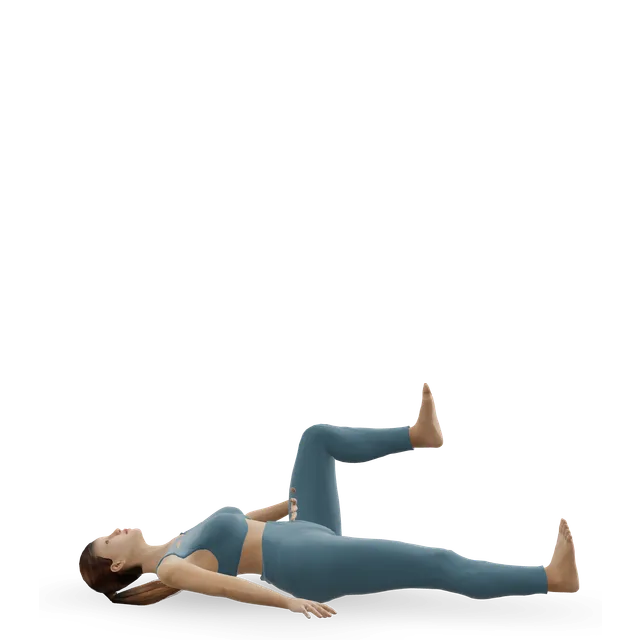
- 90/90 hamstring stretch (active knee extension)2 sets of 12 slow straightenings each legBeginner · Hamstrings, Calves · 3D demoHold the thigh still and straighten the knee slowly to just before pain, never into itEasier: Supine hamstring stretch with a strapHarder: Contract-relax hamstring stretch (PNF)
- Single-leg glute bridge6 to 8 each sideIntermediate · Glutes, Hamstrings, Abs · 3D demoFoot close to your bottom; stay on two legs if one side cramps or hurtsEasier: Glute bridgeHarder: Barbell hip thrust


Trunk and balance (about 6 minutes)
- Cat-cow8 wavesBeginner · Back, Abs · 3D demoSlower than feels naturalHarder: Half lord of the fishes (Ardha Matsyendrasana)
- Side plank2 holds of 20 to 30 s each sideIntermediate · Abs, Hip abductors, Shoulders · 3D demoOn your forearm with your lower knee bent to startEasier: Knee side plankHarder: Side plank with leg lift
- Forearm plank2 holds of 20 to 30 sIntermediate · Abs, Shoulders, Glutes · 3D demoBody in one line, elbows under shouldersEasier: Stomach vacuum (drawing-in)Harder: Plank walk-up
- Single-leg stand2 holds of 30 s each legBeginner · Hip abductors, Calves, Glutes · 3D demoKnee and hip slightly bent; fingertips on a wallEasier: Tandem stance and heel-to-toe walkHarder: Single-leg reach matrix




Standing, short holds (about 6 minutes)
- Mountain pose (Tadasana)5 slow breathsBeginner · Calves, Back, Abs · 3D demoWeight even across both feetHarder: Tree pose (Vrksasana)
- Chair pose (Utkatasana)2 holds of 30 sBeginner · Quads, Glutes, Shoulders · 3D demoThighs working, weight in your heelsHarder: Revolved chair pose (Parivrtta Utkatasana)
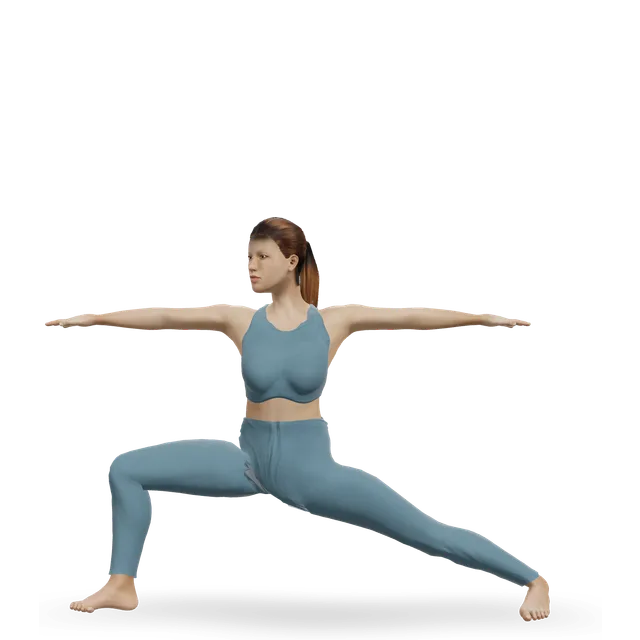
- Warrior II (Virabhadrasana II)3 to 5 breaths each sideIntermediate · Quads, Glutes, Adductors · 3D demoA short stanceEasier: Chair pose (Utkatasana)Harder: Extended side angle (Utthita Parsvakonasana)
- Single-leg Romanian deadlift2 sets of 6 each legAdvanced · Hamstrings, Glutes, Abs · 3D demoFingertips on a wall; reach your arms forward and stop just before pain, like Askling's DiverEasier: Dumbbell Romanian deadlift
- Tree pose (Vrksasana)3 to 5 breaths each sideBeginner · Glutes, Hip abductors, Calves · 3D demoFoot on your calf or ankle, a hand on the wallEasier: Mountain pose (Tadasana)Harder: Standing hand-to-big-toe pose (Utthita Hasta Padangusthasana)





Rest (about 4 minutes)
- Supine hamstring stretch with a strap30 s each side, to a mild pull onlyBeginner · Hamstrings, Calves · 3D demoOther knee bent; skip it in the first week, or if it pulls at the sitting boneEasier: Leg-up hamstring stretchHarder: Contract-relax hamstring stretch (PNF)


Tips
- Mild to moderate discomfort that you find tolerable is fine during exercise; in a trial, working that way did no harm and recovered more strength. In the lengthening exercises (the Extender and the Diver), stop just before pain. Sharp pain, or a limp afterwards, means back off for a session or two.
- Same day: a pop near the sitting bone, a large bruise high on the back of the thigh, or you cannot put weight on the leg. The tendon may have pulled away from the bone, which needs assessing before you start these exercises.
- No forward folds, splits or triangle in this class, and step rather than jump in any flow, until you can sprint without pain (our suggestion).
- The lengthening moves start here about a week in. In the original trials they started from about day 5, as a later trial describes them, and that later trial found starting them on day 1 added nothing, so this timing is our editorial choice.
- This class sits beside the rehab plan, not instead of it: the Nordic curl, running and sprinting steps are in our hamstring strain guide.
The doses are suggested starting points, not a prescription. Choose a range you can control and stop for sharp or increasing pain, numbness or tingling. Get individual advice after an injury or surgery, or if you are pregnant or managing a health condition.
Guides that recommend it
Find more moves like these
More yoga flows
Beginner yoga flow
A 20-minute beginner yoga sequence: mountain, chair, warrior II, triangle, tree, down dog, cobra and child's pose.
20 minBeginner11 movesA step


Sun salutation flow
A 20-minute flow built on sun salutations A and B, with warrior poses and a short cool-down.
20 minIntermediate8 movesNo equipment



Yoga for tight hips
A hip-opening yoga sequence: low lunge, lizard, goddess, pigeon, bound angle and happy baby.
25 minBeginner10 movesA wallQuestions people ask
How long does the yoga after a hamstring strain: a 25-minute class with the lengthening exercises built in, and no deep forward folds take?
About 25 minutes, including any warm-up and cool-down listed. Shorten it by doing fewer rounds; lengthen it by adding one.
What equipment do I need?
You need: A wall, A dumbbell. Each move links to its guide, where you can find an alternative if you are missing something.
Is it suitable for beginners?
It is written for beginners. 11 of its 16 moves have an easier option listed beside them if you need one.
How do I make it easier or harder?
Use the easier or harder option listed under each move, change the number of rounds, or adjust the rest. Progress one change at a time.