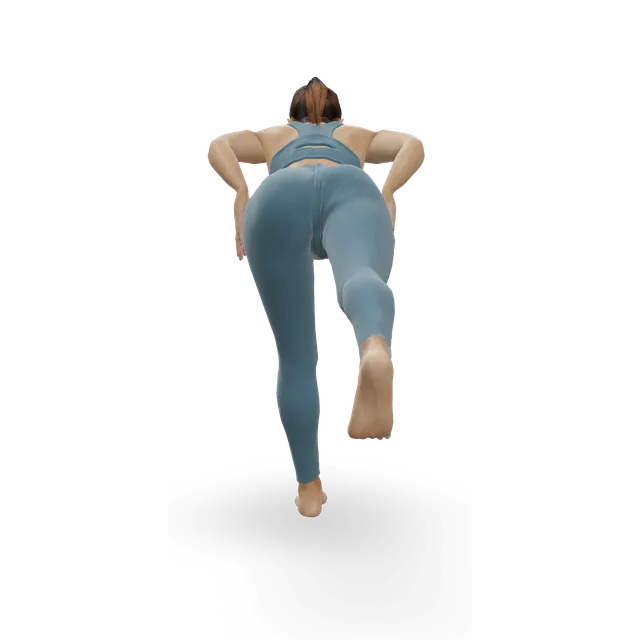
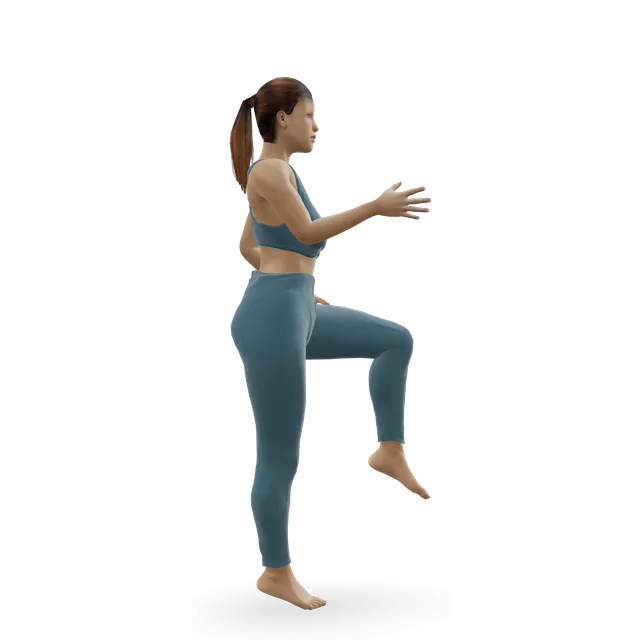
No Pilates study in sprinters
We found no Pilates trial in sprinters or track athletes, published or registered. Pilates is a sensible extra on easy days, not a proven way to run faster or stay injury-free.
Source 1
Pilates guide
Pilates can fit into a sprinter's week as trunk and hip control work on an easy day, but it isn't speed training and it hasn't been shown to prevent hamstring strains. Hamstring injuries are the commonest diagnosis among sprinters at international championships, and what protects hamstrings best in trials is strength work, including heavy lowering work such as the Nordic curl, not core work alone. Trunk control may matter for how the pelvis and hamstrings work at speed, but the evidence is early and comes mostly from footballers.
Pilates sits beside sprinting, strength and conditioning, your coach and, after an injury, your rehab, never in place of them.
This guide is for sprinters, hurdlers and other track athletes. It covers where sprinters get hurt, what the trunk, pelvis and hamstring research does and doesn't show, the hip flexors and the lower back, what core training does for sprint times, how to fit Pilates around track and gym sessions, a 25-minute off-track class, and the warning signs.
We found no Pilates trial in sprinters or track athletes, published or registered. Pilates is a sensible extra on easy days, not a proven way to run faster or stay injury-free.
Source 1
At 16 international championships, hamstring injuries were 17.1% of all injuries, about twice as common in men. At the 2018 European Championships, 71.7% of male sprinters and 45.6% of female sprinters who answered had had one in their career, and in Britain's elite squad hamstring strains cost more training days than any other injury.
In footballers, more trunk and buttock muscle activity while sprinting went with fewer later strains, and a forward-tilted pelvis with more; these are risk factors, and applying them to sprinters is our reading. Athletes doing more core training had fewer championship strains, but there were only 5. After a strain, trunk stabilisation cut re-injuries in one tiny trial but not in a larger one. No trial shows core training alone prevents hamstring strains.
Strength training cut sports injuries to under a third across trials, and stretching made no difference. Programmes with the Nordic curl halved hamstring injuries in pooled studies, though the effect is uncertain when only properly randomised trials are counted. Athletics' own prevention programme made no difference, but fewer than 1 in 10 athletes did it as asked.
In athletes from other sports, trunk training improved 20 to 40 m sprint tests by a moderate amount, with very mixed results and no study in sprinters; older reviews called the benefit marginal. Speed comes from sprinting and heavy strength work.
Once or twice a week on an easy day: trunk control while the legs move, the front and back of the hip, and one-leg balance, not in the hour before sprinting. No trial has tested it as recovery.
Each study counted injuries its own way, so each figure keeps its own group and measure.
Across 14 international championships, sprints had the largest share of injuries (24% in men, 26% in women), with thigh muscle injuries the main diagnosis. Across 16, muscle injuries were 40.9% of all injuries and hamstring injuries 17.1%, at 22.4 per 1,000 registered men against 11.5 per 1,000 women. Hamstrings made up 43% to 75% of leg muscle injuries in competition in the sprints, hurdles, jumps and combined events, more in the faster events, and rates were higher in 100 m finals than in earlier rounds.
At the 2018 European Championships, all 5 hamstring injuries during the championships were in sprinters. In Britain's elite squad (41% sprinters), hamstring strains were 12.5% of injuries and cost the most days, lower back problems were 43 injuries, and hip flexor strains only 7. In US college track and field, hamstring tears were the commonest injury (14.9% in men, 8.9% in women).
Most reviews place the injury late in the swing of the stride, as the hamstrings slow the lower leg while being stretched at speed, with the long head of biceps femoris strained most. Some argue the muscle fibres are mostly holding then while the tendon stretches, and direct proof of the timing is still lacking. First-time strains in 18 elite sprinters were all in the long head of biceps femoris, and those reaching the tendon near the sitting bone took longer to recover.
Across 78 studies, a previous hamstring strain (2.7 times the risk), a recent one (4.8 times), older age, a past ACL injury and a past calf strain were the clear risk factors; no core or flexibility measure was among them. In small sprinter groups, weaker lowering (eccentric) hamstring and hip extension strength, and weak hamstrings against the quadriceps, went with injury, and 58% of strains in one squad came in the first 100 hours of the season. Strains into the tendon came back more often.
No Pilates trial in sprinters, risk-factor studies mostly in footballers, and stronger evidence for strength training.
Our searches found no Pilates trial in sprinters or track athletes, published or registered. The nearest is a trial in 32 young male distance runners, where 12 weeks of twice-weekly mat Pilates improved 5 km times; our Pilates for runners guide covers it.
In 60 amateur footballers, those who stayed uninjured had more buttock muscle activity in the front swing and more trunk muscle activity in the back swing of a maximal sprint. In another group, more forward pelvic tilt and side bending in swing went with later injury; in 7 cadavers, every 5 degrees of forward pelvic tilt lengthened the upper hamstrings by more than 1 cm; and in 126 professional footballers, a higher score on a sprint mechanics checklist, which includes how much the pelvis rotates, went with more sprint strains. These are links in footballers, and a 2026 review says the cause isn't established. A 6-week programme mixing pelvic control, mobility, strength and sprint drills reduced forward pelvic tilt and quickened split times in amateur athletes, but it measured running posture, not injuries, and the core part can't be separated. Applying all this to sprinters is our reading.
At the 2018 European Championships, athletes who did more core stability training had lower odds of a hamstring injury during the championships, but there were only 5 injuries, the analysis wasn't adjusted, and core training wasn't defined. The authors call it preliminary.
Source 3
In 24 athletes, rehab with progressive agility and trunk stabilisation had far fewer re-injuries at a year than stretching and isolated strengthening (1 of 13 against 7 of 10). A follow-up trial in 29 found few differences from running and lowering strength work. Its trunk exercises were planks, side planks, bridges and one-leg balance. Askling's lengthening exercises got 56 elite sprinters and jumpers back to full training in 49 days against 86. All of this is rehab after an injury, not prevention.
A review found the trials of lumbo-pelvic training haven't measured stability at all. A 2023 analysis in football that credits programmes with core exercises with halving hamstring injuries counted FIFA 11+ and Nordic curl programmes, so it can't separate the core work.
Across 25 trials (26,610 people), strength training cut sports injuries to under a third, and stretching made no difference. Programmes with the Nordic curl halved hamstring injuries across 15 studies (8,459 athletes), but only 5 of them randomised to the Nordic itself, which leaves the effect uncertain. Athletics' own programme of 8 exercises twice a week (including planks on four sides) made no difference in 840 athletes, but only 8.8% did it as asked. We found no current World Athletics or UK Athletics hamstring guideline: the World Athletics medical manual online dates from 2006 and still recommends stretching.
Across 31 studies of 693 athletes, trunk training improved trunk endurance a lot, and 20 to 40 m sprint tests by a moderate amount (12 studies with very mixed results); more than 18 sessions did better. None was in sprinters, and no study measured race times. Trunk strength links only weakly with performance, an older review called core training's benefit marginal, and in 30 footballers, reformer or mat Pilates made no difference to sprint times against team training.
Pilates increased hamstring flexibility in a review of 21 studies, with contradictory results in athletes, and gains faded within 2 weeks of stopping. Stretching hasn't been shown to prevent injuries.
Brazilian Olympic sprint and jump coaches use core exercises but don't rank them among the most important; squats, Olympic lifts, ballistic exercises, hip thrusts and lunges are among their common choices.
Source 43
Nordic curls, Romanian deadlifts and heavy leg strength belong in your strength session, and sprinting at full speed with full rest on the track; our sprint and hamstring workout has them. Pilates doesn't give you that lowering load.
Trunk control while the legs move, bridges and single-leg bridges for the back of the thigh, the front of the hip, and one-leg balance: the kinds of exercise the rehab trials used. It's sensible support work, not proven prevention.
Follow our hamstring strain guide's stages before full-range kicks, saws or stretches. The 90/90 hamstring move is one of its lengthening exercises.
Front-of-thigh (rectus femoris) and hip flexor strains are typical of acceleration and top speed, but much rarer than hamstring strains: mainly from one British elite squad, 7 hip flexor strains against 62 hamstring strains. In British elite athletes over 9 years, 38 rectus femoris injuries took about 20 days to return from, and complete tendon tears during sprinting took much longer.
In teenagers, a sudden sprint can pull a piece of growth plate off the front of the pelvis (an avulsion fracture): in 719 cases, the front of the pelvis made up nearly two-thirds and running was the commonest cause, and in 242 young athletes, running or sprinting was the commonest cause. It needs an X-ray the same day (below).
Half of athletes report back pain in a year (86 studies). Stress defects in the spine (spondylolysis) were found in 12% of track and field athletes across 8 studies. In a block start, the lower back produced a bigger turning force (torque) than any leg joint in 12 sprinters. No study gives back pain rates for sprinters alone.
In adults with low back pain, Pilates eased pain and disability more than minimal treatment, at low to moderate certainty, but no more than other exercise. Back pain that's worse arching and lasts needs checking (below).
Source 51
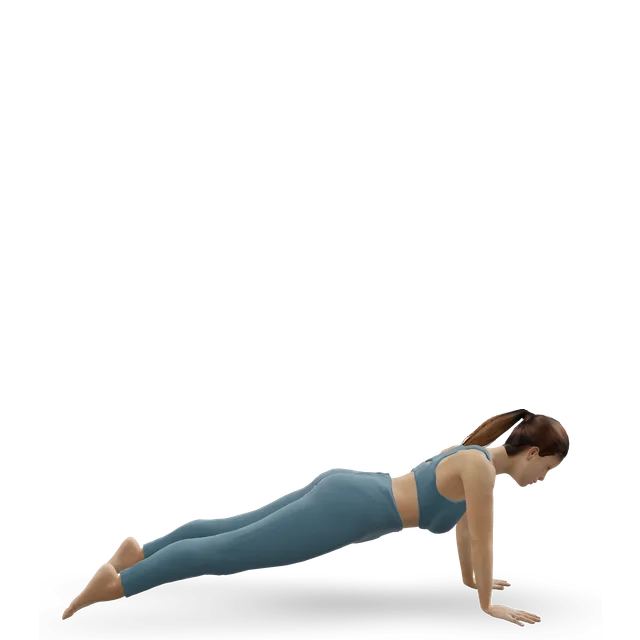
Dead bug, 2 × 8 each side (our Pilates for athletes class); single-leg stretch, 6 to 10 each side (the move page's dose); forearm plank, 2 holds of 20 to 30 s (our Pilates for basketball players class); leg pull front, 3 to 5 each side (the move page's dose); Pallof press, 2 × 8 each side (our Pilates for weightlifters class). Breathe all the way through.
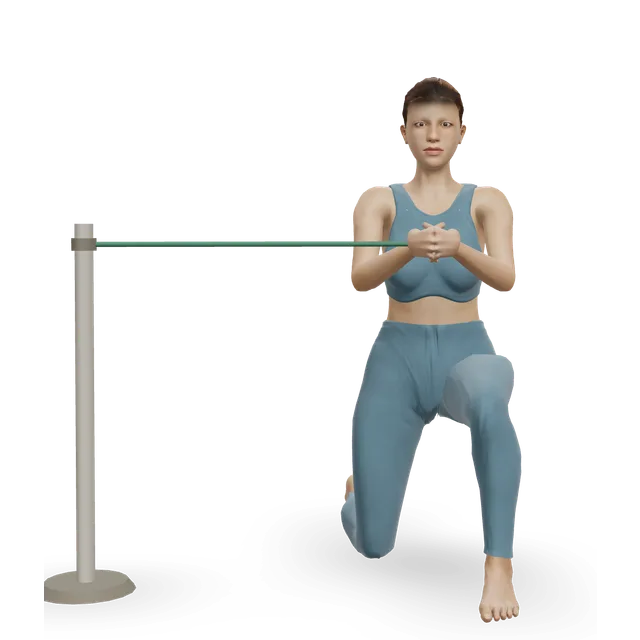
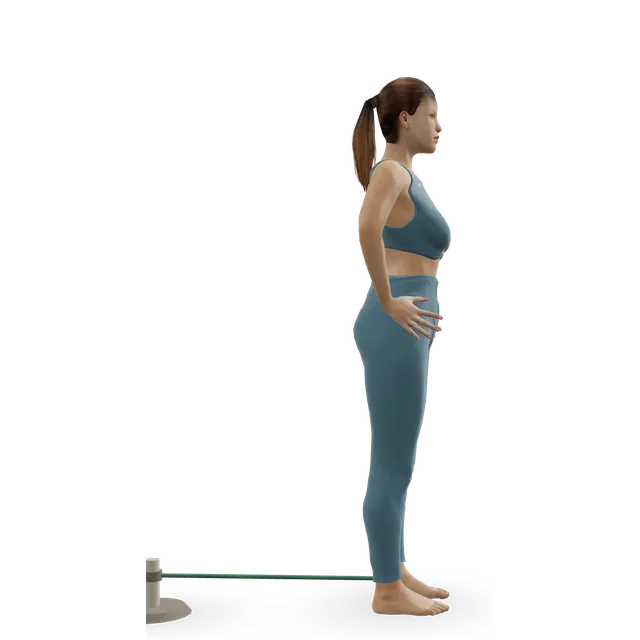
Standing band hip flexion, 2 sets of 10 each leg, and half-kneeling hip flexor stretch, 2 holds of 30 s each side (our Pilates for hip flexors class), a mild stretch and not just before sprinting; knee fold, 2 sets of 5 to 10 each side, every other day (the move page's dose).
Single-leg glute bridge, 6 to 8 each side (our Pilates glute workout); shoulder bridge, 3 to 5 kicks each leg (the move page's dose); 90/90 hamstring, 2 sets of 12 slow straightenings each leg (our yoga after a hamstring strain class), stopping just before pain; single-leg kick, 6 to 8 each leg (the move page's dose); swimming, 2 to 3 sets of 20 to 30 seconds (the move page's dose).
 3D demoSingle-leg glute bridgeIntermediate · No equipment
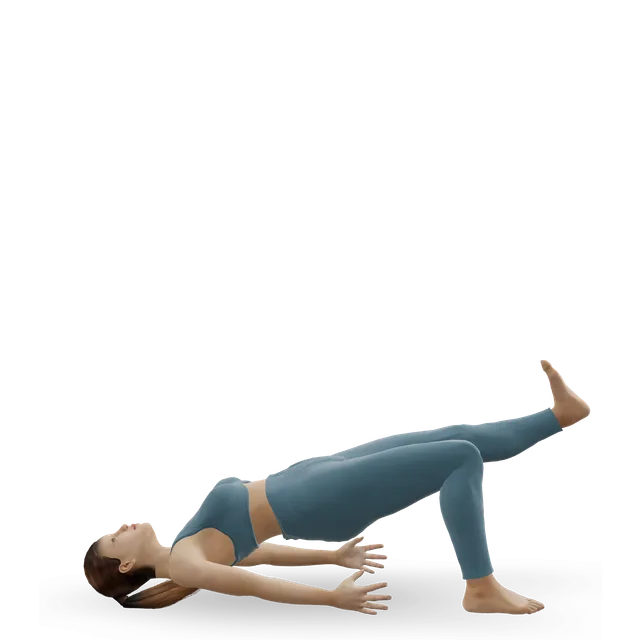 3D demoShoulder bridge (Pilates)Intermediate · No equipment
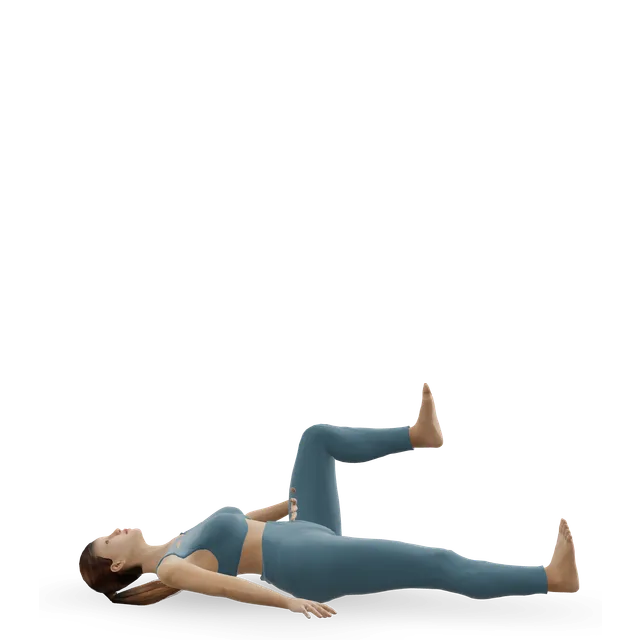 3D demo90/90 hamstring stretch (active knee extension)Beginner · No equipment
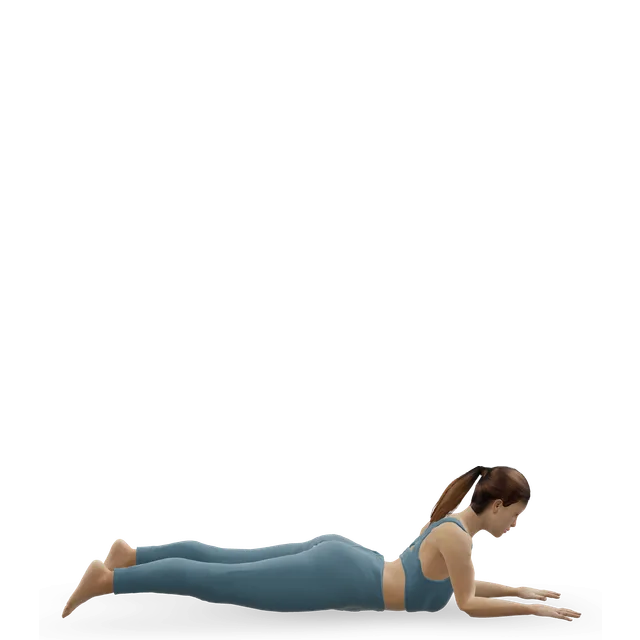 3D demoSingle-leg kick (Pilates one leg kick)Beginner · No equipment
 3D demoSwimming (Pilates)Intermediate · No equipment
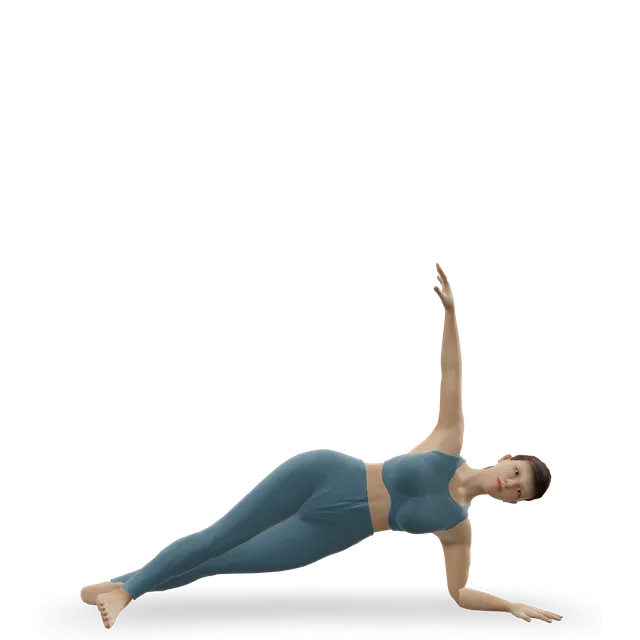
Side plank with leg lift, 2 sets of 10 each side (our Pilates for runners class); hip airplane, 2 sets of 5 slow turns each leg (the move page's dose), holding a counter; single-leg reach matrix, 1 round of 5 reaches each direction, each leg (our Pilates for hikers class).
Once or twice a week on an easy day or after an easy track session. Trunk training did better after more than 18 sessions, so give it 8 to 10 weeks (our reading).
Source 14
No long abdominal series or long static stretches in the hour before sprinting or racing (our suggestion); warm up for the track with our sprint and hurdles warm-up.
Source 52
Keep to the breathing, balance and a few trunk moves, and let the track work and rest lead (our suggestion).
No trial has tested Pilates as recovery. Active recovery and massage eased soreness across 99 studies, but an active cool-down is largely ineffective for next-day performance and doesn't seem to prevent injuries. A gentle Pilates session is a fine easy-day choice, not a recovery treatment.
Follow the hamstring strain guide's stages before the saw, spine stretch and other long reaches; the saw's own page says stop if you feel a sudden sharp pain or a pop at the back of your thigh. No stretching into pain in the first weeks (our suggestion).
Source 44
Keep the swimming and single-leg kick small, or use the bird dog instead, as their pages say, and get back pain on arching that lasts more than a couple of weeks checked.
Source 54
Bend the standing knee more and walk the foot closer, as the shoulder bridge's page says.
Keep hip flexor strengthening below any pinch, and see our hip flexor pain guide (our suggestion).
Our 25-minute off-track class trains the trunk while the legs move, the front and back of the hip and one-leg balance; its structure is our own and untested. The sprint and hamstring workout, the sprint warm-up and the speed workout are the sport's own sessions and come first; the athletes class suits any sport, the hip flexors class is for the front of the hip, and the yoga class is for after a strain. Our yoga for sprinters guide covers yoga.
A 25-minute off-track Pilates class for sprinters' easy days: trunk control while the legs move, hip flexors, the back of the thigh, side hips and one-leg balance.
25 minIntermediate17 movesBand, anchor pointA 50-minute sprint and hurdles session: athletics' injury prevention programme, from planks to Nordic curls, then squats, split squats and Romanian deadlifts.
50 minIntermediate18 movesCardio machine, wallA 20-minute warm-up for sprinters and hurdlers: jogging, ankle circles, leg swings, hip mobility, skips, wall and arm drills, build-up runs and practice starts.
20 minBeginner12 movesCardio machine, wallA 45-minute speed session: running drills, five short accelerations and three flying sprints with full rest, then Nordic curls and calf raises.
45 minIntermediate11 movesCardio machine, wallA 30-minute Pilates class for athletes in any sport: trunk endurance, hips, the back of the body, rotation and one-leg balance, done equally on both sides.
30 minIntermediate18 movesWallA 25-minute Pilates class for the hip flexors: pelvic control, hip flexor strength, the glutes and back of the hip, and a gentle pelvis-tucked stretch.
25 minBeginner16 movesBand, anchor pointA 25-minute yoga class for the weeks after a hamstring strain: hamstrings working, not stretching, trunk and balance, and two lengthening moves from the trials.
25 minBeginner16 movesWall, dumbbellThis is general information, not a diagnosis. A&E means accident and emergency; in the US, call 911 for 999, and use your doctor's urgent line or urgent care for NHS 111.
Stop if you feel a sudden sharp pain, a snap or a pop at the back of the thigh during a stretch: it may be a hamstring strain. Get help from NHS 111 if it's very painful or getting worse, there's a lot of swelling or bruising, it hurts to walk or stand on the leg, or the leg feels very stiff. Our hamstring strain guide has more.
Same day: a pop near the sitting bone, a large bruise high on the back of the thigh, or you cannot put weight on the leg. The tendon may have pulled away from the bone, which needs assessing before you start these exercises.
Get help from NHS 111 if you think you've injured your hamstring and it's very painful, or the pain is getting worse; there's a large amount of swelling or bruising, or the swelling or bruising is getting worse; it hurts to walk or stand using the injured leg; your leg feels very stiff or is difficult to move; it's not feeling any better after treating it yourself; or you have a very high temperature or you feel very hot, but also cold and shivery, which could be signs of an infection.
Source 44
Pain in the back of the thigh with tingling, numbness, or pain spreading below the knee: it may come from the back (sciatica).
Source 55
Same day: a teenager with sudden pain at the front or top of the hip bone after a sprint, kick or jump, often with a pop. A piece of growth plate can pull off the pelvis (an avulsion fracture), and it needs an X-ray the same day.
Source 54
Same day (GP or NHS 111): back pain and you feel hot, cold, shivery or generally unwell, or severe pain that starts suddenly or is getting worse quickly.
Source 54
Back pain that is worse arching back and has lasted more than a couple of weeks can be a stress fracture of the spine (spondylolysis): get it checked.
Source 54
Some discomfort during exercise is fine, and it does not mean you are doing damage: the WHO counts "hurt does not necessarily mean harm" among the messages people with back pain need. Aim for pain you would call mild to moderate, no more than about 5 out of 10. It should settle within an hour or so, and your back should be no worse the next morning. If it is worse, do less next time (fewer reps, a smaller range, a lighter load), not nothing.
Leg symptoms are the exception: stop or shrink any movement that sends pain, pins and needles or numbness further down your leg. If leg symptoms move back towards your spine, that is a good sign, even if your back aches a little more for a while.
Source 54
Call 999 if:
Call 999 or go to A&E (accident and emergency) straight away for severe difficulty breathing (gasping, choking or not able to get words out), a chest that feels tight or heavy, pain that spreads to your arms, back, neck and jaw, lips or skin turning very pale, blue or grey, or sudden confusion. If you're more short of breath than usual, or your heart is racing, fluttering or skipping beats, contact NHS 111.
Source 59
A joint pain that is sharp, gets worse during a session, lingers into the next day or changes how you move is a reason to use an easier version, and to see a GP or physiotherapist if it keeps happening (the rule in our plans).
Source 52
You feel any pain or become unwell, as the NHS advises for its Pilates videos, and especially for chest pain or pressure, unusual breathlessness, dizziness or fainting. If you have a health problem, an injury or any symptoms, get advice from a healthcare professional, such as a GP, before you start.
Source 60
No trial shows that core or Pilates training on its own prevents them. The athletics signal rests on 5 injuries and an unadjusted analysis, and the football analysis counted Nordic and FIFA 11+ programmes.
Strength training prevented sports injuries in trials; core-only programmes haven't been shown to, and athletics' own programme, which included planks, made no difference when few did it.
Trunk training improved short sprint tests a little in athletes from other sports, with no study in sprinters and no race times, and Pilates made no difference to footballers' sprints against team training. Speed comes from sprinting and strength.
Stretching made no difference to injuries across trials, and flexibility wasn't among the clear risk factors in the largest review.
A forward-tilted pelvis lengthens the hamstrings in cadavers and went with injury in footballers, but no trial shows that stretching the hip flexors prevents strains.
Programmes including them did in pooled studies, but the effect is uncertain in properly randomised trials. They're still the best-supported single exercise, and they belong in your strength session.
The runners' trial used mat Pilates only, and a trial in footballers found mat and reformer Pilates gave similar results.
It can be a useful easy-day session for trunk control, the hips and one-leg balance. No study has tested Pilates in sprinters, and it doesn't replace sprinting, strength training or your coach.
Not on its own. Trunk training improved short sprint tests a little in athletes from other sports, with none in sprinters, and a Pilates trial in footballers found no difference in sprint times against team training. Speed comes from sprinting and heavy strength work.
It hasn't been shown to. Strength training and programmes with the Nordic curl have the best evidence; the core training link in athletics rests on only 5 injuries.
The trunk works hard in starts and at top speed, and footballers with more trunk and buttock muscle activity while sprinting had fewer strains. That makes trunk training sensible, not proven to protect you.
It's another way to do the same trunk and hip work, and no trial has tested it in sprinters. In footballers, reformer and mat Pilates gave similar results, with no difference in sprint times against team training.
The same applies to 400 m runners, hurdlers and jumpers: no Pilates study in track and field exists. Distance runners can read our Pilates for runners guide, where a small trial improved 5 km times.
Once or twice a week on an easy day is our suggestion, and trunk training did better after more than 18 sessions. Not in the hour before sprinting or racing.
It can stretch and strengthen the front of the hip; front-of-thigh strains are much rarer than hamstring strains in sprinters. Our Pilates for hip flexors guide has a full class.
Follow our hamstring strain guide's stages first. Trunk stabilisation and lengthening exercises are part of the rehab that worked in trials. Stop at any sudden sharp pain or pop at the back of the thigh.
Gently, for mobility; stretching didn't prevent sports injuries in trials. The 90/90 hamstring move is a controlled, active option.
Pilates eased low back pain more than minimal treatment in adults generally, and back pain is common in athletes. Back pain that's worse arching and lasts more than a couple of weeks needs checking.
It can be a gentle easy-day session, but no trial has tested it as recovery, and active cool-downs don't improve next-day performance.
Exercise education, not a personal prescription, and clinical review of these guides is pending. If you are pregnant, have a health condition or have had recent surgery, check with a doctor, midwife or physiotherapist before starting, and stop for sharp or increasing pain. Health disclaimer.