Ordinary fat, normal at any size
Back fat is the fat you can pinch on your upper back and along your bra line. Where your body keeps fat is largely inherited, and women carry more fat under the skin than men at the same size.
Yoga guide
No yoga pose burns the fat on your back. Back fat, around your shoulder blades and along your bra line, is ordinary fat under the skin, normal at any size, and it changes with your total body fat, through moving more and eating a little less. Our searches found no study that has tested back exercises for back fat.
What yoga does well is build the back of your body: locust, cobra, plank and downward dog work the muscles under the fat, and a band row adds the pull yoga lacks. This guide covers what back fat is, what posture and bra fit do and don't change, what the evidence shows, the poses worth doing, the lumps and humps that need a GP rather than a workout, and a week built from our classes. Nothing here promises a particular shape.
Back fat is the fat you can pinch on your upper back and along your bra line. Where your body keeps fat is largely inherited, and women carry more fat under the skin than men at the same size.
Our searches found no study of back exercises or yoga and back fat. In the arm and leg studies, training one part of the body didn't take the fat off it: on MRI, training one arm took fat off both arms equally in 104 adults.
In women losing weight, fat under the skin of the trunk fell along with fat elsewhere. More aerobic activity took weight off in a dose-response way across 116 trials, while yoga on its own had no clear effect on body fat across 30 trials.
Locust, cobra, plank, downward dog and dolphin work the back, trunk and shoulder muscles, in small lab studies. A stronger back helps how you sit, carry and move; it doesn't burn the fat over it.
In 104 women, 85% wore a bra that didn't fit, and in 102 women referred for breast reduction, all did. Soft folds where a band presses are normal at many sizes.
See a GP about fat building up on your neck and upper back with thin arms and legs, a lump that grows, hurts or is hard, or an upper back that's newly rounded.
Back fat sits under the skin of the upper back, around the shoulder blades and along the bra line, and above the hips at the back, where it joins the love handles. Our guide to losing back fat has the full plan; this guide covers what yoga can and can't do.
In Danish twins, genes explained 82% to 85% of the differences in trunk fat. In an MRI study of 80 adults, women carried more fat under the skin than men at the same BMI (body mass index), and people with insulin resistance carried more in the shoulder and neck region: a pattern across a group, not a reason to worry about your own back.
In 57 women who lost about 8 kg on a diet, the fall in breast fat went with the fall in fat under the skin of the trunk, on MRI. Men and women lost fat from the same places in another scan study, and no diet, exercise, medicine or surgery took fat from one place in 89 studies.
We found no study of "back fat" in people by that name; in research, the term is mostly about farm animals. What follows comes from studies of the arms, legs, belly and whole trunk.
Source 3
In 104 Australian women, 85% wore an ill-fitting bra, and trying on several bras or using bra-size measurements didn't fix it. All 102 women referred for breast reduction in a UK study wore the wrong size, nearly all with a band size they had underestimated. In another UK study, the traditional tape method overestimated band size. The errors run both ways, so check the fit with a trained fitter rather than assume the band is too tight (our reading).
In 30 young women with upper back pain, 80% wore the wrong size, mostly too small. In 24 women with larger breasts, a professionally fitted bra changed support and posture straight away but not after 4 weeks, and most still didn't pass a fit check. None of these studies measured back fat.
Soft folds where a bra band, strap or waistband presses into the skin happen at many body sizes, and how they look depends on the fit of what you wear as well as on your weight (our reading; we found no study of them).
Source 3
We found no study linking posture to back fat. Standing taller changes how your back and clothes look. Back-strengthening yoga suits a rounded upper back for its own sake: our yoga for posture guide has the evidence.
Source 3
We found no trial of back exercises or yoga on upper-back or bra-line fat. The evidence comes from the limbs and the belly, and nothing suggests the back is different (our reading).
Source 3
Across 13 studies of 1,158 people, training one arm or leg didn't take more fat off it than off the other. On MRI in 104 adults who trained one arm, fat came off generally. Six weeks of ab exercises didn't shift belly fat in 24 adults. The 13-study review sits in a journal outside the main medical index (MEDLINE).
A circuit study in 14 adults reported thinner fat over the lower back and under the shoulder blade, but only within one group, in a paper that gives the programme as both 8 and 12 weeks. A trial in 16 men took about 700 g more fat off the trunk (chest, back and tummy together on the scan) with nearly an hour of extra crunches and rotations 4 days a week. Neither shows a slimmer back.
Across trials, yoga had no clear effect on weight, the waist or body fat. Our yoga for love handles guide has the waist trials in detail.
Across 30 trials with 2,173 people: "No effects on weight, body mass index, body fat percentage or waist circumference were found." In 15 trials of people with obesity, weight and body fat didn't clearly change, and the authors call the evidence inconclusive.
Across 37 trials, yoga and other exercise didn't differ for weight or BMI.
Source 25
High plank, low plank and downward dog worked the side tummy muscles most of 11 poses; boat pose worked the front trunk muscles above half their maximum and plank about a third, in 22 trained people; a dolphin plank drove every tummy and back muscle measured to very high levels in another small study, a figure to read with care. These show effort, not results.
Heat raises heart rate and sweat but not energy use, and the weight lost in a hot class is water and salt, replaced within about a day.
The same evidence as our guide to losing back fat. Small, steady changes add up.
In 116 trials of adults with overweight or obesity, each extra 30 minutes a week of aerobic exercise took off about half a kilo, with changes that matter from about 150 minutes a week. Build towards at least 150 minutes a week at a pace where you can talk but not sing, as the NHS advises.
"Diet is the important factor in weight management", say the UK Chief Medical Officers. NICE advises against restrictive diets that are nutritionally unbalanced, and the NHS suggests aiming for 0.5 to 1 kg a week if you want to lose weight.
Strength training trimmed body fat by about 1.5 percentage points in healthy adults and helps keep muscle while you lose fat. Yoga counts as strength work for the NHS; add a row, because yoga has no pulling move.
In a scan trial, diet with exercise took fat off the tummy and trunk in both men and women, and across 89 studies fat under the skin and fat around the organs fell together.
Walking: 20 minutes at a pace where you can talk but not sing; standing march: 2 minutes; sun salutation A: 3 rounds, stepping back and lowering with your knees down if you need to (all our walk and yoga workout). Step jack: "30 to 45 seconds within a circuit, 2 to 3 rounds" (from the move page's dose).
Locust: 3 to 5 lifts, held 3 to 5 seconds, arms by your sides at first; low cobra: 5 lifts, held 3 to 5 seconds, hands barely pressing; sphinx: 2 holds of 3 to 5 breaths; chair pose: 3 holds of 5 breaths, arms forward or up (all our yoga for posture class). Prone Y-T-W raises: 1 round of 8 of each letter (our yoga for shoulders class). Bird dog: 6 each side, holding 3 to 5 seconds; warrior III: 3 to 5 breaths each side, hands on a wall (our yoga for core class).
 3D demoLocust pose (Salabhasana)Beginner · No equipment
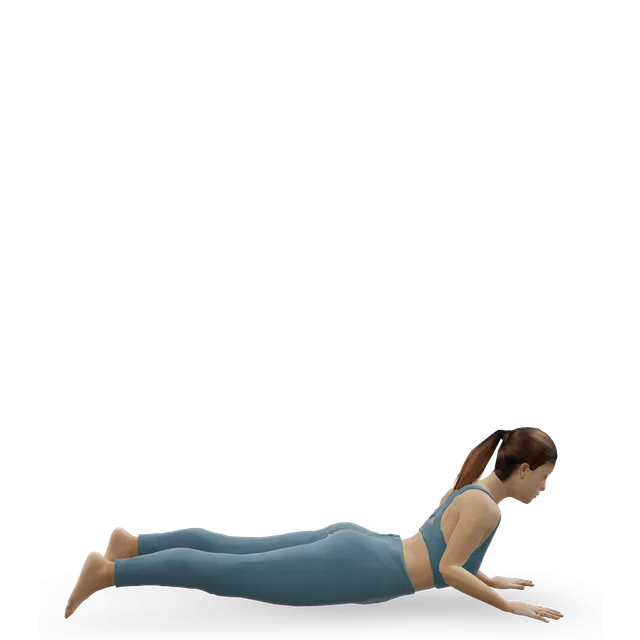 3D demoLow cobra (Bhujangasana)Beginner · No equipment
 3D demoSphinx pose (Salamba Bhujangasana)Beginner · No equipment
 3D demoProne Y-T-W raisesBeginner · No equipment
 3D demoBird dogBeginner · No equipment
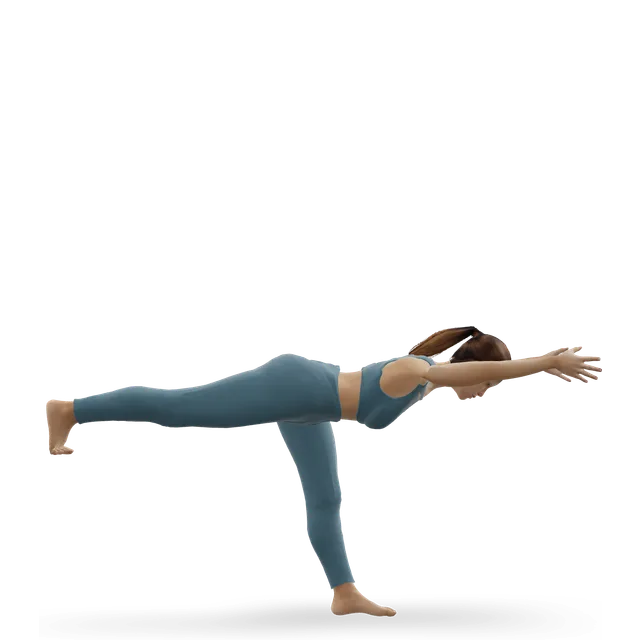 3D demoWarrior III (Virabhadrasana III)Advanced · No equipment
 3D demoChair pose (Utkatasana)Beginner · No equipment
Plank: 3 holds of 15 to 30 seconds; dolphin: 3 holds of 5 breaths; chaturanga: 3 to 5 slow lowers, knees down at first (all our yoga strength workout). Downward dog: 3 holds of 5 breaths, knees bent (our yoga for arms class). Upward plank: "Hold 5 to 10 slow breaths, the hold Yoga Journal gives, 2 or 3 times. Build up in reverse tabletop, knees bent, first." (the move page's dose). Band row: "3 sets of 10 to 15, stopping 2 to 3 reps short of failure, with 60 to 90 seconds' rest: an editorial starting point." (from the move page's dose).
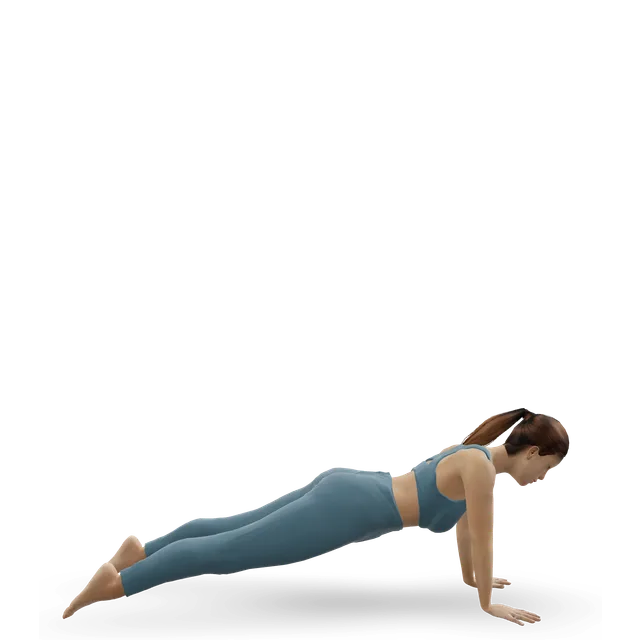 3D demoStraight-arm plank (high plank)Intermediate · No equipment
 3D demoDownward-facing dog (Adho Mukha Svanasana)Beginner · No equipment
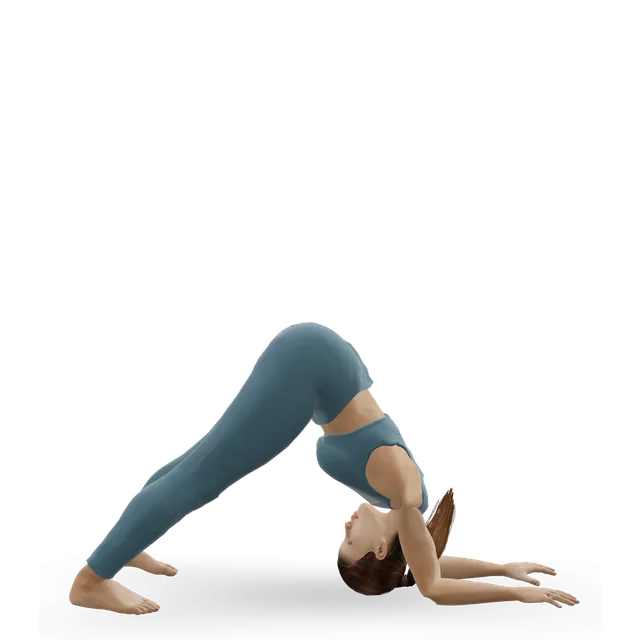 3D demoDolphin pose (Ardha Pincha Mayurasana)Intermediate · No equipment
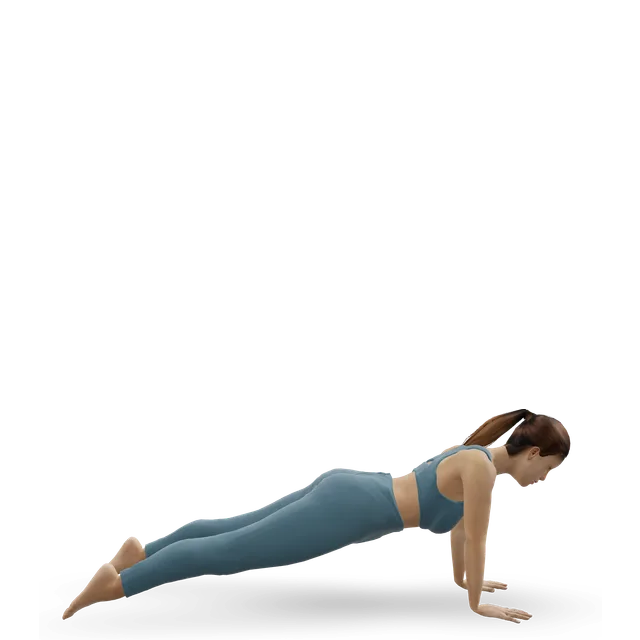 3D demoFour-limbed staff pose (Chaturanga Dandasana)Advanced · No equipment
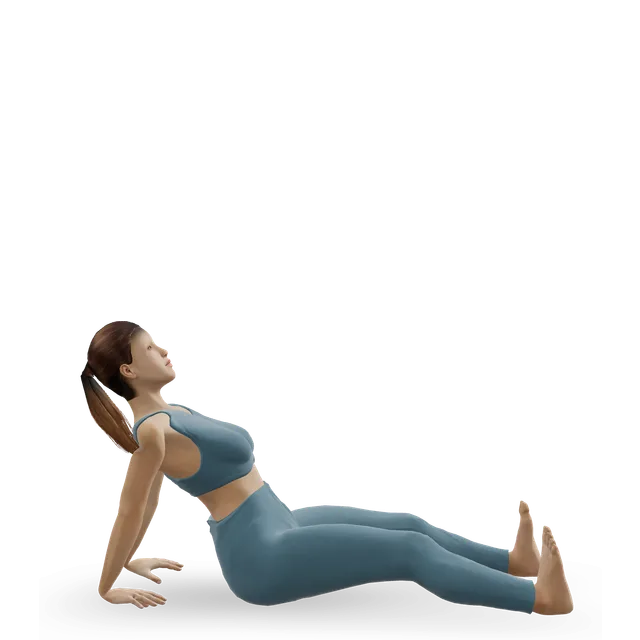 3D demoUpward plank pose (Purvottanasana)Intermediate · No equipment
 3D demoBand rowBeginner · A band + An anchor point
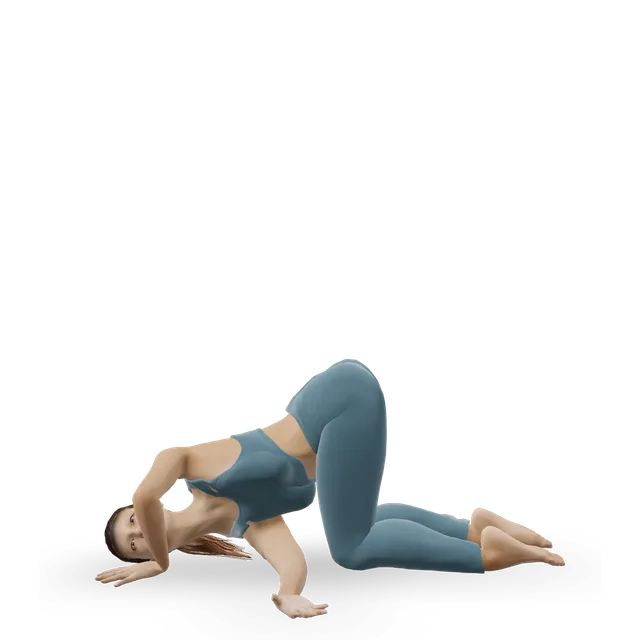
Cat-cow: "8 waves, slower than feels natural" (the move page's dose). Thread the needle: "Hold 30 to 60 seconds, about 5 to 10 slow breaths, each side, 2 rounds (our editorial starting point). The ACSM suggests about 60 seconds of stretching in all per exercise, on at least 2 days a week." (the move page's dose). Wall angel: 8 slow slides, ribs soft (our yoga for shoulders class). Child's pose: "Hold 1 to 3 minutes, breathing into the back ribs; return to it whenever you need a rest." (the move page's dose).
Our suggestions, unless a source is given.
It's a favourite on back fat lists, but it's a hard backbend. Its move page says it's "Not for anyone with a recent shoulder dislocation, and skip it in pregnancy. Stop if your low back pinches rather than works." Leave it out with osteoporosis too, as our osteoporosis guide advises.
Our searches found no trial of it for fat, and US health advice says newcomers should avoid forceful breathing. Leave it out (our suggestion).
Modify or avoid exercises that round your back deeply or repeatedly, especially with a weight: sit-ups, toe touches, Pilates roll-downs and curl-ups, and extreme yoga forward folds. Bend from the hips instead. You do not need to avoid bending, twisting or lifting altogether: move smoothly and keep your upper back straight.
Step back instead, as the walk and yoga workout does, if jumping is uncomfortable for your joints or your pelvic floor.
Our editorial plan, built from the activity trials above, the NHS activity guidelines and our guide to losing back fat. It's a starting point, not a prescription.
See the movement on the 3D figure: Locust pose (Salabhasana)
The walk and yoga workout does the activity half; the posture and strength yoga classes build the back, and the strength class has a band row; the shoulders and arms classes add prone raises, wall angels and upward plank. The back workout at home and the upper back routine are the training versions.
A 45-minute session for weight loss and health: a 20-minute brisk walk, which does more for the scales, then a standing yoga flow for strength and balance.
45 minBeginner12 movesCardio machineTwenty-five minutes of back-strengthening yoga for posture: arm and leg reaches, face-down back lifts and standing poses with the arms raised.
25 minBeginner15 movesNo equipmentThirty-five minutes of yoga built for strength: long standing holds, slow lowering from plank, single-leg balances and a band row, with harder options.
35 minIntermediate18 movesStep, bandA 25-minute yoga class for your shoulders: shoulder-blade lifts, band work for the rotator cuff, plank and downward dog built up in steps, and reach overhead.
25 minBeginner17 movesWall, bandTwenty minutes of yoga for your arms and shoulders: a wrist warm-up, a stepped build-up to plank and slow lowering, side plank, a band row and stretches.
20 minBeginner15 movesBench or box, bandA 40-minute power yoga workout: sun salutations, lunges, strength holds, balances, core work and backbends, moving with the breath, then a rest.
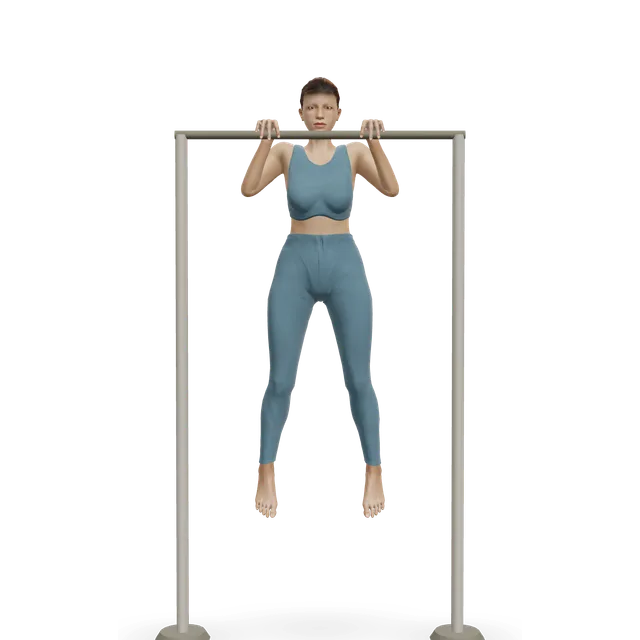
40 minIntermediate18 movesStepA back workout at home with dumbbells and a band: pull-ups or band-assisted pulls, two rows, face pulls, reverse flys, shrugs and Romanian deadlifts.
40 minIntermediate14 movesBand, pull-up barA 12-minute routine for a stiff upper back and rounded shoulders: chin tucks, wall angels, Y-T-W raises and open books.
12 minBeginner8 movesFoam roller, wallA 25-minute standing cardio circuit with no jumping: marching, step jacks, sit-to-stands, punches, step-ups and wall push-ups, with a seated option for most moves.
25 minBeginner9 movesBench or box, stepThe walking plan builds up your weekly walking; the weight loss and toning plans mix strength and cardio.
A free 8-week walking plan for beginners: build to 150 minutes of brisk walking a week, with intervals, hills and two short strength sessions.
6 training days40 minBeginner5 days a weekA 12-week workout plan for weight loss: three strength days, two cardio days and daily steps, building to 200 minutes a week, with honest results.
3 training days45 minBeginner3 days a weekAn 8-week toning workout plan: three full-body strength sessions and two cardio sessions a week, light and heavier weights, gym or home, without the myths.
3 training days40 minBeginnerStaying active is good for you: the NHS advises 150 minutes of moderate activity a week, including muscle strengthening. This isn't the time to diet for back fat (our view); ask your midwife before starting anything new.
Face-down poses get uncomfortable as your bump grows: swap them for all-fours moves such as bird dog, as the cobra pose page advises.
Source 37
Dolphin loads the shoulders overhead, and its page asks you to clear a shoulder impingement or recent rotator cuff problem with a clinician first. Keep your arms lower in chair pose and the raises small (our suggestion).
Ease off the backbends, as the low cobra page advises, and stop if pain travels into a leg. Our yoga for back pain guide has the rest.
Start where you're comfortable: chair, wall and standing versions all count. Our yoga for plus-size bodies guide and class cover getting up and down from the floor.
These are the warning signs from our back fat, love handles, weight loss and yoga guides, word for word, apart from the lines given as the NHS's words or marked as our suggestion. This is general information, not a diagnosis. A&E means accident and emergency; in the US, call 911 for 999, and use your doctor's urgent line or urgent care for NHS 111.
If you get chest pain or pressure, feel faint or dizzy, are unusually breathless, or your heart races or beats irregularly during exercise, as our plans advise.
For chest pain that comes on suddenly and doesn't go away, or spreads to your arms, neck, jaw, stomach or back; or back pain with chest pain, with numbness, tingling or weakness in both legs, with loss of feeling around your genitals or bottom, or with changes in your bladder or bowels. Don't drive yourself to A&E.
Call 999 if:
Call 999 or go to A&E (accident and emergency) straight away for severe difficulty breathing (gasping, choking or not able to get words out), a chest that feels tight or heavy, pain that spreads to your arms, back, neck and jaw, lips or skin turning very pale, blue or grey, or sudden confusion. If you're more short of breath than usual, or your heart is racing, fluttering or skipping beats, contact NHS 111.
Source 41
See a GP if:
A soft pad of fat over the base of the neck, a rounded upper back and a lipoma can look alike. Our neck hump guide explains how to tell them apart.
Source 32
If you feel bloated regularly, or have bloating with weight loss you can't explain or blood in your poo: the NHS says bloating that doesn't go away can sometimes be a sign of something more serious, such as ovarian cancer, whose symptoms include a swollen tummy or feeling bloated roughly 12 or more times a month. If you're losing weight without trying: it "can be a sign of stress or a serious illness. See a GP just in case." And if fat is building up on your tummy, neck and upper back while your arms and legs look thin, with a red, round face or stretch marks, especially on long-term steroid medicines: this can be Cushing's syndrome.
The NHS lists health conditions that cause weight gain, such as an underactive thyroid, Cushing's syndrome and PMOS (polyendocrine metabolic ovarian syndrome, the new name for polycystic ovary syndrome), and "certain medicines including some steroids, antidepressants and beta blockers". It says: "Speak to a GP for advice if you have a condition that makes it harder to stay a healthy weight." Don't stop a medicine without talking to your doctor (our suggestion).
Source 32
The NHS suggests seeing a GP if your BMI is in the overweight or obese range and your waist is more than half your height, and a GP can refer you for support.
Source 32
The NHS lists spending a lot of time worrying about your weight and body shape, eating very little food, exercising too much, and having very strict routines around food among the signs of an eating disorder, and says to see a GP as soon as you can. Worrying a lot about one area of your body can be body dysmorphic disorder. Beat's helpline in England is 0808 801 0677, and our eating disorders guide has the other numbers.
In a survey of 2,287 young adults, women who did yoga or Pilates had disordered eating as often as those who didn't, and men who did them reported more extreme weight-control behaviours (18.6% against 6.8%). Set goals for strength, control and how you feel, not calories burned.
Source 50
If you take insulin or a sulfonylurea, exercise can bring on a hypo: see our type 2 diabetes guide. If you're on weight loss injections, see the exercise advice in our exercise for weight loss guide.
If you haven't exercised for some time, or you have a medical condition or concerns, speak to your GP before starting. If you take insulin or another medicine that can cause low blood sugar, our type 2 diabetes guide covers exercising safely.
Source 29
If you have a heart condition, follow your cardiac team's advice on how hard to work, and stop for the warning signs above. People with long-term conditions may wish to ask their specialist before starting. With uncontrolled high blood pressure, avoid straining against a held breath; the high blood pressure guide has more.
A joint pain that is sharp, gets worse during a session, lingers into the next day or changes how you move is a reason to use an easier version, and to see a GP or physiotherapist if it keeps happening (the rule in our plans). Muscle soreness for a day or two after something new is normal. In a hot class, stop if you feel dizzy, sick or unwell; our hot yoga guide lists the signs of heat illness.
You can say no to any hands-on adjustment, and a teacher registered with Yoga Alliance must get your explicit consent each time.
With glaucoma, or high blood pressure that isn't under control, skip headstands, shoulder stands and long head-down holds. With osteoporosis, swap deep forward folds for a flat-back hinge from the hips, and twist smoothly. In pregnancy, our yoga in pregnancy guide covers the changes. NCCIH advises beginners to avoid headstands, shoulder stands, the lotus position and forceful breathing.
The NHS advises getting advice from a healthcare professional first if you have a health problem, an injury or symptoms, or have recently had a heart attack or an operation.
If you have a heart, lung or joint condition, are pregnant or have recently been unwell, start gently and read our guide for your condition. Muscle soreness for a day or two after a new exercise is common and fades as you repeat it.
We found no study linking posture to back fat. Posture changes how a back looks; the fat follows your total body fat.
Our searches found no trial of back exercises or yoga on back fat, and training one part of the body doesn't take fat off it.
Most women in the studies wore a bra that didn't fit, and folds where a band presses are normal at many sizes.
The heat doesn't add much energy use, and the weight lost is water and salt.
It's ordinary fat that most people have, at many sizes. Train your back because a strong back is useful, not to fix how it looks (our view).
Not directly: our searches found no study of back exercises or poses and back fat, and yoga on its own had no clear effect on body fat across 30 trials. Back fat changes with your total body fat, through moving more and eating a little less. Yoga builds the muscles underneath.
For the back muscles: locust, cobra, plank, downward dog and dolphin, plus a band row for the pull yoga lacks. For the fat: brisk activity, such as sun salutations or a walk. No pose targets the fat.
Upper back fat is the same fat under the skin, and it falls with the rest of you. Strengthening the upper back changes how it feels and how you hold yourself, not the fat over it.
Check the fit first: in one study 85% of women wore a bra that didn't fit. Folds where a band presses are normal at many sizes. Yoga builds the back muscles; the fat changes with your overall body fat.
We found no study that shows it. Rounding your upper back changes how your back and clothes look; our yoga for posture guide covers what yoga can change.
The same answer for both: no pose burns either, and both change with whole-body fat loss. Our yoga for love handles guide has the side-body poses.
Yoga counts as strength work, but most of it is light activity. Pair it with brisk activity on most days, building towards 150 minutes a week.
The fat above your hips at the back is part of the same store as love handles, and it changes the same way. Our yoga for love handles guide covers it.
If fat is building up on your neck, upper back, chest and tummy while your arms and legs look thin, if you find a lump, or if your upper back is newly rounded. The warning signs above list them in full.
No. Women tend to carry more fat under the skin, but the plan is the same: activity, a little less to eat if you want to lose weight, and strength work.
Exercise education, not a personal prescription, and clinical review of these guides is pending. If you are pregnant, have a health condition such as glaucoma, high blood pressure or osteoporosis, or have had recent surgery, check with a doctor, midwife or physiotherapist before starting, and stop for sharp or increasing pain. Health disclaimer.