Yoga guide

Yoga for arms: arm and shoulder strength, toned arms, arm balances, and looking after your wrists and shoulders

Yoga asks a lot of your arms: every plank, downward dog and slow lower from plank presses your body weight through your hands. In small trials, people new to exercise did better on push-up tests after 6 to 12 weeks of yoga. But no trial has measured arm muscle growing with yoga, yoga has almost no pulling, and no pose burns fat from your arms: in 13 studies, working one part of the body didn't take fat off that part.

This guide covers how to make yoga count as strength training (work until you need a short rest, then make the pose harder), the poses that work your arms and shoulders most, the band row that fills yoga's gap, how to look after your wrists and shoulders as you build up, arm balances, and a 20-minute class. Arms of every shape do the same jobs, and stronger ones make lifting, carrying and getting up off the floor easier.

The short version

Yoga can make your arms a little stronger

In small trials, push-up endurance improved after 6 weeks of yoga in young women, and push-up tests improved more than in a waiting-list group after 12 weeks in middle-aged adults. Elbow strength rose 19% to 31% in 10 beginners, though with no comparison group.

Sources 1, 2, 3

No trial has measured arm muscle growing

We found no trial of yoga and arm muscle size, and none comparing yoga with progressive weights for the arms. For the most strength and muscle, the American College of Sports Medicine recommends resistance training you keep making harder.

Sources 4, 5

It counts if it's hard enough

The NHS counts yoga as strength exercise when you work "to the point where you need a short rest before repeating the activity", on at least 2 days a week.

Source 6

No pose burns arm fat

Training one arm for 12 weeks didn't take more fat off it on scans, and 13 studies found no spot reduction. Most yoga is light activity. Fat comes off your whole body, not the part you work.

Sources 7, 8, 9

Build up your wrists and shoulders

A sun salutation bends your wrists back to about 85 degrees under load, and hand, shoulder and head stands are the practices most often linked with acute yoga injuries. Use fists, forearms or a wall, and progress in steps.

Sources 10, 11, 12

Add a pull

Pressing poses work your chest, shoulders and triceps; yoga has almost no pulling for your upper back and biceps. A band row fills the gap (our strength guide).

Sources 13, 14

What yoga asks of your arms

Pressing, not pulling

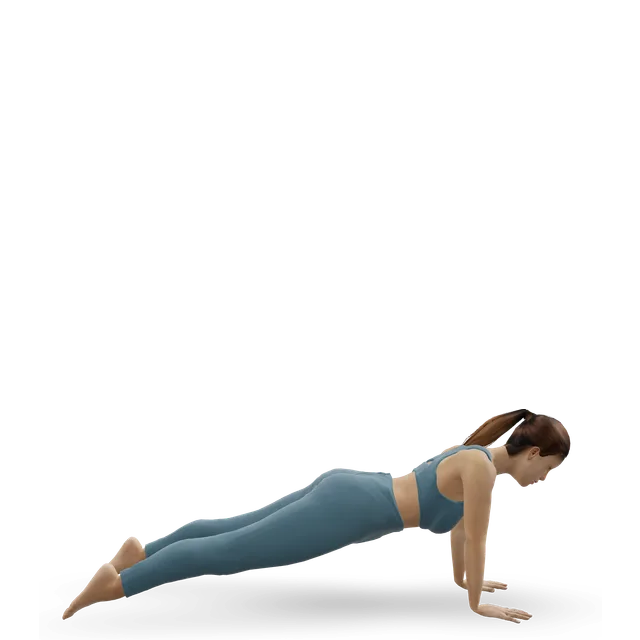
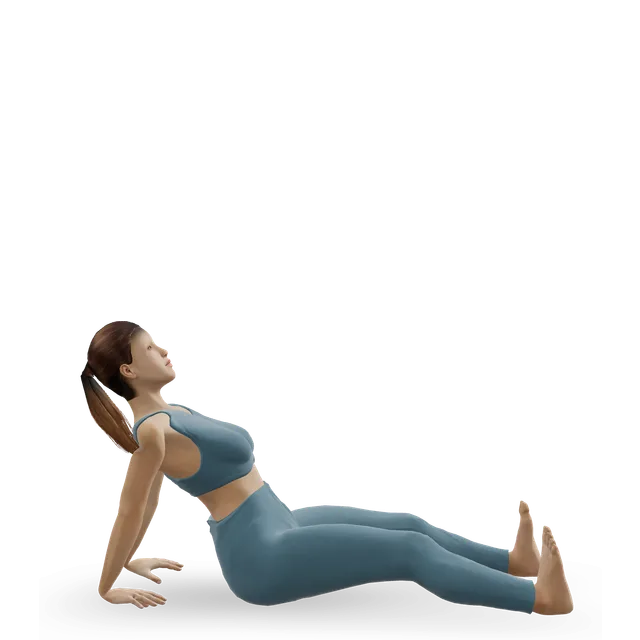
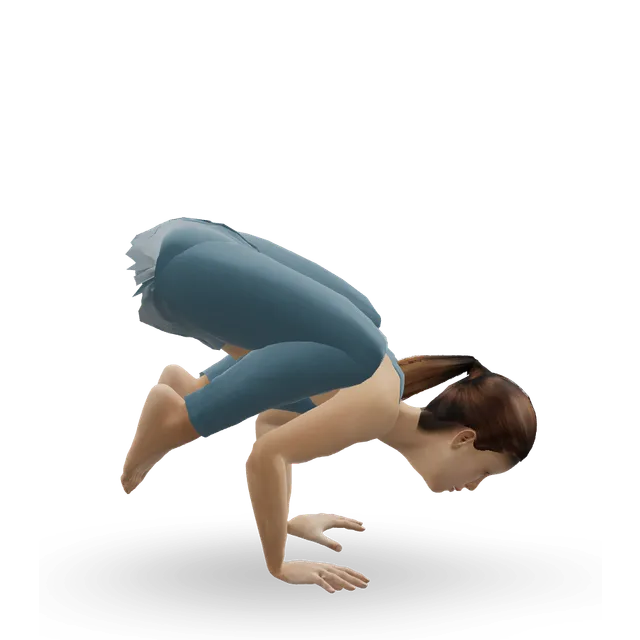
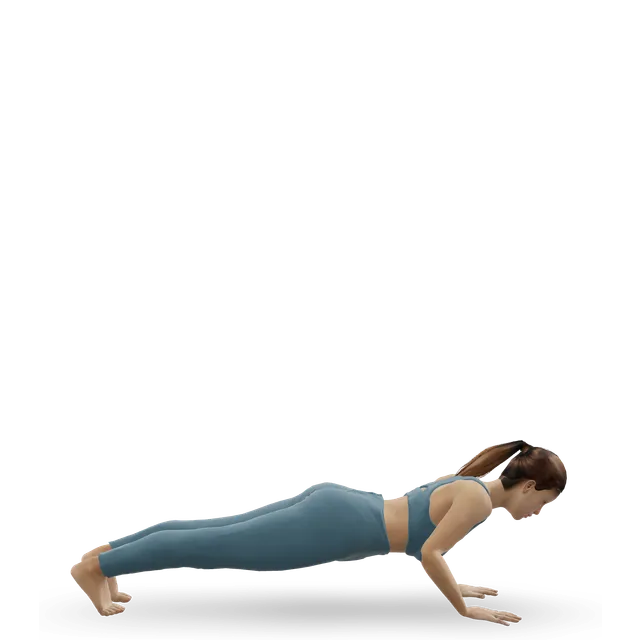
Plank, downward dog, chaturanga (lowering from plank), side plank, upward plank, crow and handstands press through your hands. In a sun salutation, the large back muscle under your arm works hardest in cobra, eight-point pose and downward dog, and muscles work harder moving between poses than holding them. Fewer points of support make a plank harder for the shoulders, and a high plank uses more triceps than a forearm plank. Locust with your arms forward worked the middle and lower trapezius hardest of 15 yoga postures, while warrior II and reverse tabletop barely used the shoulder-blade muscles.

Sources 13, 14, 15

The wrists

A sun salutation takes the wrist from about 85 degrees of bend back towards straight. The forces in common hatha poses are low compared with impact sports, but bending the wrist back raises pressure in the carpal tunnel steeply: in people with carpal tunnel syndrome, from 32 to 110 mmHg at 90 degrees. In an online survey, 56.7% of 321 people who practise handstands had chronic wrist pain.

Sources 10, 16, 11, 17

The shoulders

In a survey of 1,702 practitioners, hand, shoulder and head stands were linked with 29.4% of acute harms, and practising alone without supervision raised the risk. In US emergency departments, the arms and hands accounted for 8.8% of yoga injuries.

Sources 12, 18

What "toned" means

"Toning" means a bit more muscle with less fat over it (our weight loss guide). Muscle comes from hard enough work; fat loss comes from your whole body. A yoga session is mostly light activity, about 3 METs (metabolic equivalents), though sun salutations can reach moderate or vigorous intensity.

Source 9

What the evidence says

Small strength gains in people new to exerciseEmerging evidence

In 47 young women (26 doing yoga, 21 controls), 6 weeks of yoga, three 1-hour sessions a week, improved upper-body (push-up) and tummy endurance; the abstract gives no numbers. In 173 adults with an average age of 52, 12 weeks of hatha yoga improved push-up and curl-up tests more than a waiting list; the abstract doesn't say how many more, and the groups weren't described as randomised. In 10 untrained young adults with no comparison group, elbow extension strength rose 31% and flexion 19% after 8 weeks.

Sources 1, 2, 3

Not every measure movesEmerging evidence

Eight weeks of hot (Bikram) yoga raised deadlift strength but not grip strength in 21 young adults. In 44 breast cancer survivors, 24 weeks of yin yoga didn't raise upper-body strength, while impact training did. In sedentary women, once-weekly yoga didn't raise shoulder strength, while stabilisation training did.

Sources 19, 20, 21

Older adultsEmerging evidence

In older adults, yoga improved arm curls as much as stretching and strengthening classes. Reviews find moderate strength gains, mostly in the legs. In 21 older people with a rounded upper back, 6 months of yoga improved a timed upper-limb task by 26.4%, with no comparison group.

Sources 22, 23, 24, 25

No study of arm muscle sizeMixed evidence

We found no trial measuring arm muscle after yoga, or comparing yoga with progressive weights for the arms (as our strength guide says). A 3-month yoga programme in 75 adults raised core strength but didn't change muscle mass.

Source 4

Hard body-weight pressing builds muscleEmerging evidence

Band push-ups as hard as a 6-rep bench press gave the same strength gains over 5 weeks in 30 trained students, and push-ups grew the triceps and chest as much as a light bench press over 8 weeks. Light loads build as much muscle as heavy ones when each set is hard, while heavy loads build more maximal strength.

Sources 26, 27, 28, 29

What builds the mostStrong evidence

The American College of Sports Medicine's 2026 position stand: progressive resistance training, at least 2 sessions a week, at least 10 sets per muscle a week for muscle size, and heavier loads for maximal strength.

Source 5

Toned arms and arm fat

You can't burn fat from your armsStrong evidence

In 104 adults who trained one arm for 12 weeks, scans showed the same fat loss in both arms. A 2022 review of 13 studies (1,158 people aged 14 to 71) found no spot reduction: as many comparisons favoured the untrained limb as the trained one.

Sources 7, 8

Other body parts, same resultEmerging evidence

Six weeks of tummy exercises didn't reduce belly fat, and training one leg took fat off the arms and trunk rather than that leg. One trial of 16 men reported more trunk fat loss when tummy exercises were added to running; it is the exception, and not about arms.

Sources 30, 31, 32

Yoga burns little energyEmerging evidence

Across 17 studies, yoga sessions averaged about 3 METs and single poses about 2.2, mostly light activity. Fat loss comes from your overall food and activity (our weight loss guide).

Source 9

What yoga can do

Build some strength and endurance, especially if you're starting out, and count towards the NHS's strength guideline. How your arms look depends on your genes, body fat and age, and no exercise changes skin; stronger arms are worth having whatever they look like.

Sources 1, 2, 6

Make it count: how hard and how often

Work until you need a short rest

The NHS: do strengthening activities that work your chest, shoulders and arms, among other muscles, on at least 2 days a week, "to the point where you need a short rest before repeating the activity". Yoga and pilates are on its list.

Sources 6, 33

Progress the pose, not the hold

When a pose gets easy, make it harder: knees up in plank, slower lowering from plank, a leg lifted, then full push-ups and arm balances. Holding the same pose longer mostly builds endurance (our strength guide).

Sources 5, 28

Add a pull

Yoga hardly pulls. Add a band row twice a week, and keep locust with your arms forward for your upper back (our strength guide's suggestion).

Source 15

How often

Twice a week meets the strength guideline; the trials used 2 or 3 sessions a week for 6 to 12 weeks. Give your arms a day's rest between hard sessions (our editorial suggestion).

Sources 1, 2, 6

Looking after your wrists and shoulders

Wrists: spread the load

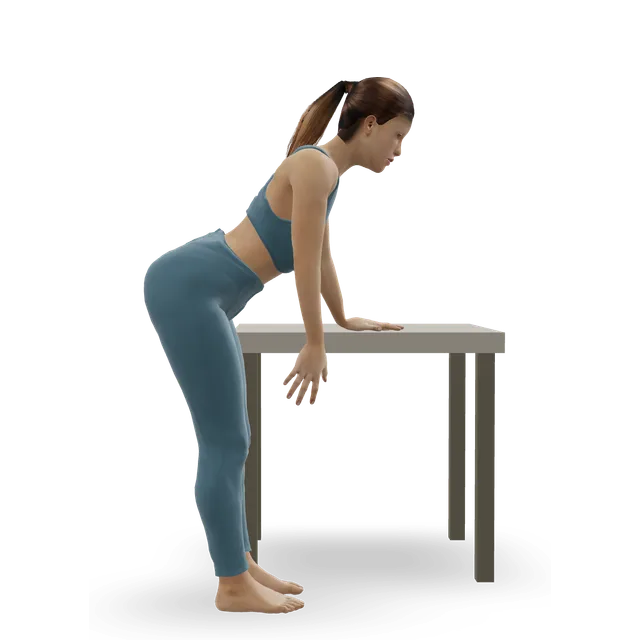
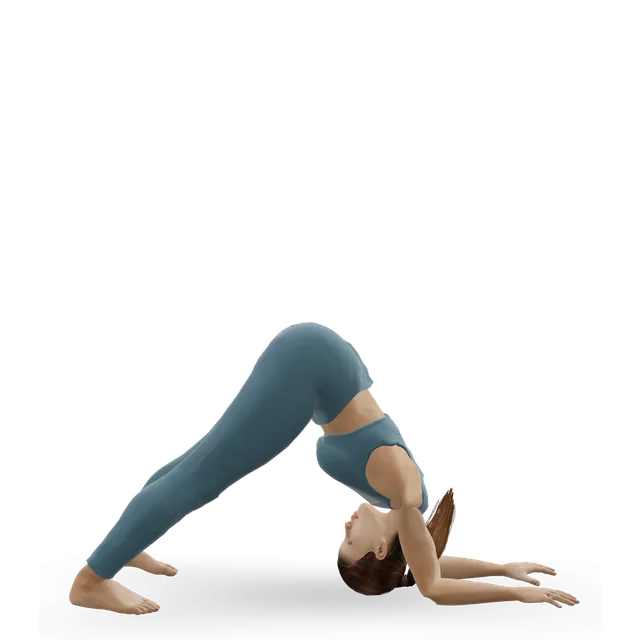
Spread your fingers and press through the base of your fingers. If your wrists hurt, make fists, come onto your forearms (dolphin for downward dog, a forearm plank), or put your hands on a wall or table: push-ups with the hands raised or knees down put less force through the hands. With carpal tunnel symptoms, keep your wrists out of deep bends under load (our wrists and carpal tunnel guides).

Sources 10, 11, 34

Shoulders: build up in steps

Wall push-ups, then hands on a table or chair seat, then knees down on the floor, then a full plank and downward dog (our shoulder pain guide's order). Lower from plank with your knees down, and only until your shoulders are level with your elbows.

Sources 34, 14

Arm balances and handstands last

Hand, shoulder and head stands were linked with more acute harms than other practices, and self-study without supervision raised the risk. Learn crow and handstands with a teacher once planks and push-ups are easy, over something soft.

Sources 12, 17

Yoga and your joints

In 9,151 older Australian women, practising yoga wasn't linked with more joint problems, and across 94 trials yoga caused no more side effects than usual care or other exercise. Build up gradually rather than avoiding weight on your hands altogether.

Sources 35, 36

Warm up your wrists and shoulders

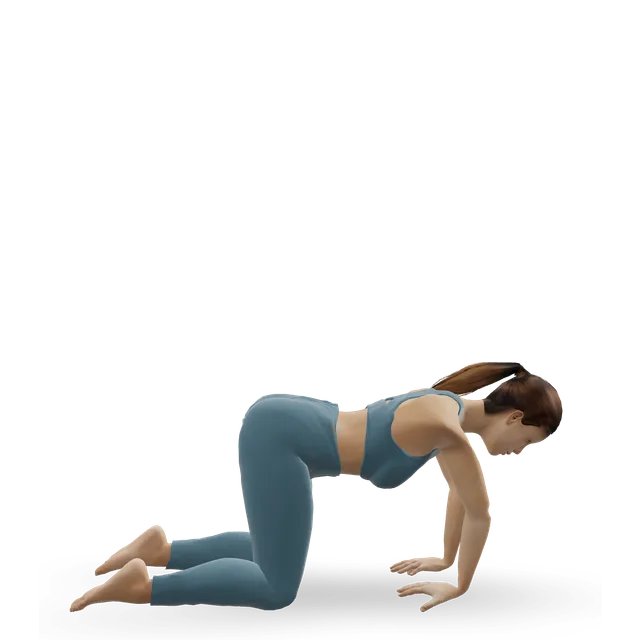
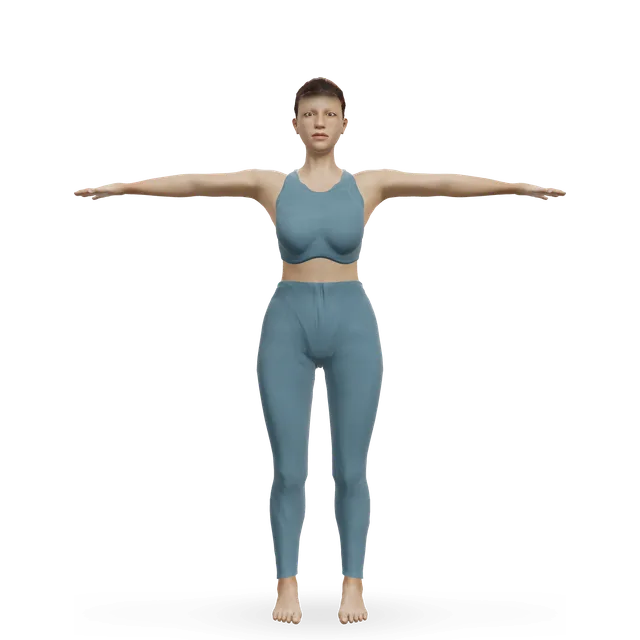
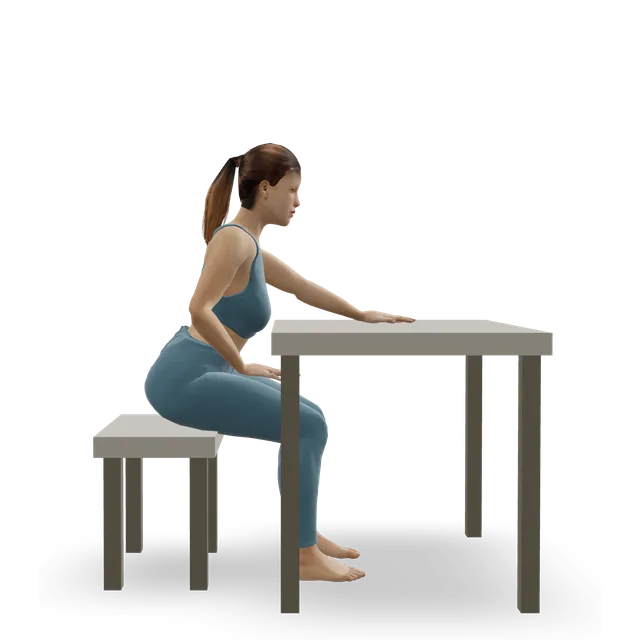
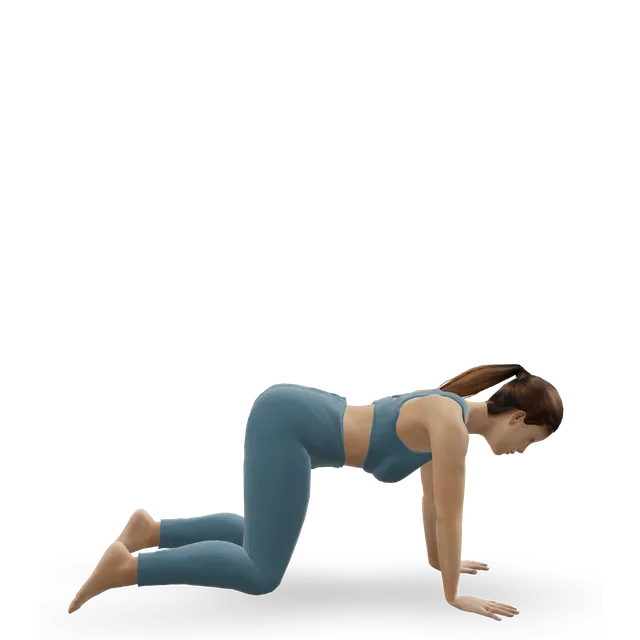
Wrist and forearm flow: 60 seconds (our wrists guide). Shoulder circles: 10 to 15 slow circles each way (the move's page). Cat-cow: 8 waves, slower than feels natural (the move's page).

Press and hold: build up in steps

Wall push-up: 2 to 3 sets of 10; incline push-up: 2 to 3 sets of 8 to 12; knee plank: 3 holds of 10 to 20 seconds; downward dog: 3 holds of 5 breaths (our wrists guide). Straight-arm plank: 3 holds of 15 to 30 seconds (the move's page). Chaturanga: 3 to 5 slow lowers, knees down at first; dolphin: 3 holds of 5 breaths; side plank: 2 or 3 holds of 15 to 30 seconds each side (our strength guide, editorial). Upward plank: 5 to 10 slow breaths, 2 or 3 times, starting in reverse tabletop with knees bent (the move's page).

Pull and the back of your shoulders

Band row: 3 sets of 10 to 15, stopping 2 to 3 reps short of failure (the move's page, an editorial starting point). Locust with arms forward: 3 to 5 lifts held 3 to 5 seconds (our strength yoga workout). Y, T and W raises lying face down: 2 sets of 8 of each shape (our editorial starting point; not in later pregnancy).

Arms held up and out

Warrior II with arms at shoulder height: 5 breaths each side, twice; chair pose with arms up: 3 holds of 30 to 45 seconds, lowering your arms if your shoulders or blood pressure complain (our strength yoga workout).

Harder, once full planks are easy

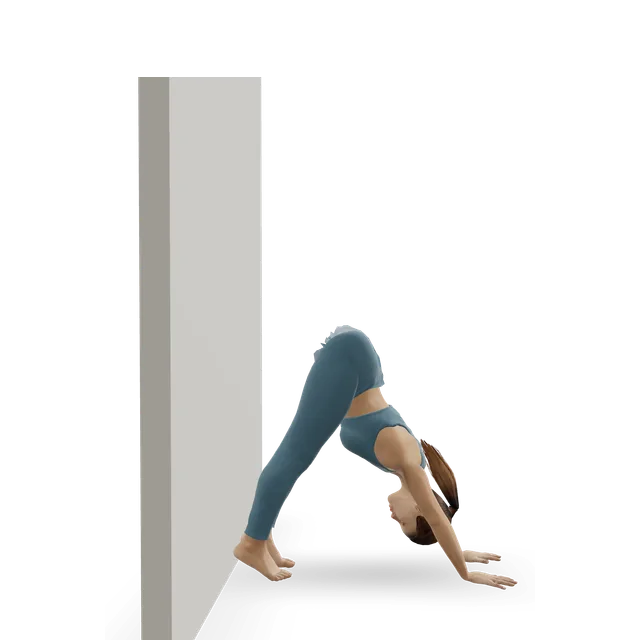
Push-up: 2 to 3 sets, stopping 2 to 3 reps short of failure; crow: 3 to 5 tries of a few seconds over a cushion; half handstand at the wall: 3 holds of 3 to 5 breaths, coming down before your arms shake (our editorial starting points). Skip the half handstand with glaucoma, uncontrolled high blood pressure, diabetic eye disease or in pregnancy (the move's page).

Stretch after

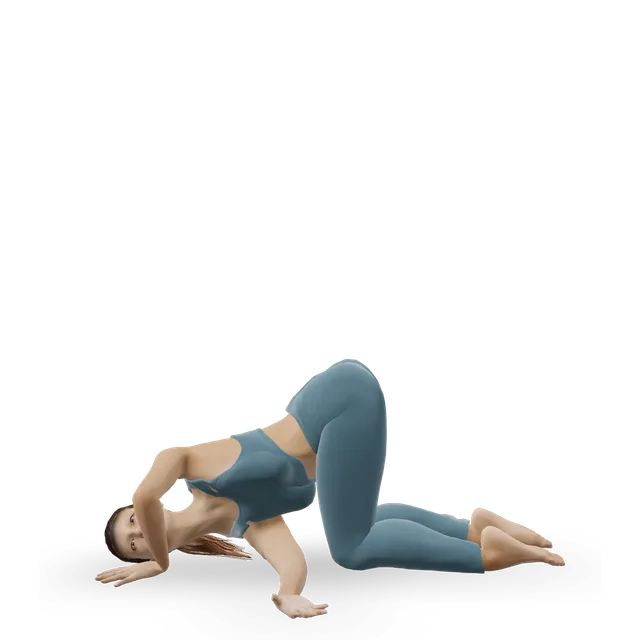
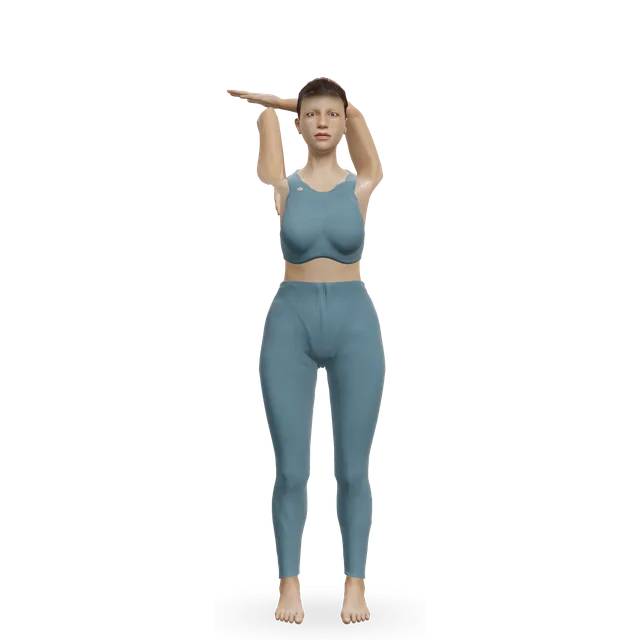
Thread the needle: 30 to 60 seconds each side, 2 rounds; overhead triceps stretch: 15 to 30 seconds, 2 to 4 times each side; kneeling forearm stretch: 15 to 30 seconds, 2 to 4 times, skipped with carpal tunnel symptoms (the moves' pages). Doorway chest opener: 2 holds of 30 seconds, elbow low after a dislocation (our editorial starting point).

Poses to change or leave out

These follow our wrists, carpal tunnel, shoulder pain and strength guides and the move pages' cautions.

Sore wrists or carpal tunnel symptoms

Dolphin for downward dog, a forearm plank for a high plank, sphinx for cobra and upward dog, and fists or forearms on all fours. Leave chaturanga, crow and handstands until last.

Source 11

A sore shoulder

Lower from plank with your knees down, go only halfway, or leave chaturanga out; swap upward dog for a low cobra; build up to downward dog from the wall; skip binds.

A shoulder that has dislocated or feels loose

Keep your arm in front of you, and stop if the shoulder feels about to slip. After a dislocation, the NHS says there's an increased risk it could happen again.

Source 37

Very flexible joints

Keep your elbows soft rather than locked in planks and downward dog: "do not overextend your joints just because you can" (our wrists guide).

Glaucoma, diabetic eye disease or high blood pressure that isn't controlled

Leave out handstands, forearm stands and headstands, and keep downward dog and dolphin brief.

Pregnancy, heart failure, or after heart or breast surgery

In pregnancy, leave out arm balances and handstands, and plank on your knees or against a wall as your bump grows. With heart failure, avoid planks and swap full push-ups for wall push-ups. After surgery through the breastbone or breast cancer surgery, follow your team's advice before pushing or lifting with your arms (the move pages).

Yoga or weights?

No head-to-head trial for the armsMixed evidence

No trial has compared yoga with progressive resistance training for arm strength or size. Yoga improved arm curls as much as stretching and strengthening classes in older adults, but resistance training you keep making harder builds the most strength and muscle.

Sources 4, 5, 22

Combining them: our suggestion

If you want bigger or much stronger arms, add 1 or 2 resistance sessions a week with weights or bands, as our strength guide suggests, and keep yoga for strength through range, balance and recovery.

Sources 5, 6

Free classes

Our 20-minute class builds the press in steps and adds a band row; do it twice a week (our editorial starting point). The strength yoga workout is the longer version, and the wrist and shoulder classes suit sore joints.

Yoga for arms: a 20-minute arm and shoulder class with a band row

Twenty minutes of yoga for your arms and shoulders: a wrist warm-up, a stepped build-up to plank and slow lowering, side plank, a band row and stretches.

20 minBeginner15 movesA bench or box, A band

Strength yoga: a 35-minute workout with a band

Thirty-five minutes of yoga built for strength: long standing holds, slow lowering from plank, single-leg balances and a band row, with harder options.

35 minIntermediate18 movesA step, A band

Yoga for wrists: a 20-minute class that warms, strengthens and slowly loads the wrists

A 20-minute yoga class for wrists: a gentle warm-up, poses with the hands free, then weight through the hands in stages, from a wall to all fours to the forearms.

20 minBeginner18 movesA wall, Other / check instructions

Yoga for shoulder pain: a 20-minute sequence that builds up weight on the arms

A 20-minute yoga sequence for shoulder pain: gentle movement, standing poses with the arms low, shoulder strength, and weight on the arms built up from the wall.

20 minBeginner16 movesA bench or box, A wall

Sun salutation for beginners (step by step)

A 20-minute way into sun salutation A: learn the standing half, then the floor half with your knees down and cobra, then link them into 3 slow rounds.

20 minBeginner11 movesNo equipment

Pilates arm workout: a 20-minute class with light weights or none

A 20-minute Pilates class for your arms: planks and push-ups, side and back support, face-down work and a standing series with light weights or a band.

20 minBeginner16 movesA bench or box, A dumbbell

Push-up progression workout

Work up to full push-ups: wall, incline and knee push-ups, then the floor push-up and harder variations.

15 minBeginner8 movesA wall, A bench or box

Plans

Thirty-day challenges for arms and push-ups, with or without weights.

Warning signs: when to get help

These follow our Pilates for arms, wrists, shoulder pain and hand pain guides word for word. This is general information, not a diagnosis. A&E means accident and emergency; in the US, call 911 for 999.

Call 999

Call 999: arm pain that comes on suddenly with pressure, heaviness or squeezing across your chest.

Call 999, even if it passes: sudden weakness or numbness in one arm, with a drooping face or slurred speech. These are signs of a stroke.

Source 38

Go to an urgent treatment centre or A&E

Go to an urgent treatment centre or A&E: severe arm pain that makes it difficult to move, a snapping noise or a change in shape after an injury, or an arm that tingles or feels numb.

After a fall or injury, your shoulder looks out of place or has changed shape, or you cannot move your arm. Do not drive yourself, and do not try to put it back in yourself.

Call 999 or go to A&E after an injury (don't drive yourself) if the arm, wrist or hand is numb, tingling or has pins and needles; a bone is sticking out or a bad cut is bleeding heavily; or the wrist, thumb or a finger has changed shape, is at an odd angle, or has turned blue, grey, white or cold.

Sources 38, 37

The same day

Same day: you have lost the feeling in part or all of your hand.

Same day: both hands numb or clumsy (dropping things, trouble with buttons or handwriting), especially with unsteady walking or falls. Pressure on the spinal cord in the neck can do this, and it is often first mistaken for carpal tunnel syndrome.

Ask for an urgent GP appointment or get help from NHS 111: sudden or very bad shoulder pain, an arm you can't move, a shoulder or arm that has changed shape or is badly swollen, pins and needles that don't go away, no feeling in your arm or shoulder, or an arm or shoulder that's hot or cold to touch.

Get help from NHS 111: an arm that hurts when you exercise but the pain goes away when you rest.

Sources 39, 38

See a GP or physiotherapist

Shoulder pain that is getting worse or hasn't improved after 2 weeks.

Pins and needles that you have all the time, or that keep coming back: see a GP.

Carpal tunnel symptoms that are getting worse, not going away, or not helped by treatment at home; sooner if the thumb is weak or the muscle at the base of the thumb looks thinner.

A shoulder that slips, clunks or gives way with your arm out to the side needs a GP or physiotherapist before you carry on (our suggestion); our shoulder dislocation guide has more.

Sources 39, 40

Chest pain or fainting while exercising: call 999

Call 999 if:

  • You get sudden pain or discomfort in your chest that doesn't go away; it can feel like squeezing or pressure, burning or indigestion.
  • The pain spreads to your left or right arm, or your neck, jaw, stomach or back.
  • You have chest pain and feel sweaty, sick, light-headed or short of breath.
  • Someone faints while exercising, can't be woken within 1 minute, or has chest pain or a pounding, fluttering or irregular heartbeat.

Sources 41, 42

During practice

Stop for sharp pain, a feeling that the shoulder is slipping, pins and needles or numbness down the arm, or pain that is still worse by your next session after strengthening.

Discomfort up to about 5 out of 10 that settles within half an hour and isn't worse the next morning is fine while you build back up. Stop a pose for sharp pain, pain that builds through a session, clicking with weakness on the little-finger side, or tingling or numbness that doesn't fade quickly, and come onto your forearms or a wall (our suggestion).

If worry about how your arms look is taking over

Talk to your GP. If you're worried about your eating, the eating disorder charity Beat is on 0808 801 0677 (our Pilates for arms guide).


Myths

"Yoga tones your arms and burns arm fat"Strong evidence

No exercise burns fat from the part you work, and most yoga is light activity. Yoga can add a little strength; fat loss comes from your whole body.

Sources 7, 8, 9

"Yoga gives long, lean muscles; weights make you bulky"Strong evidence

No exercise lengthens muscles into a different shape (our Pilates for arms guide). Light and heavy loads build similar muscle when the effort is hard; how big muscles get depends mostly on how much hard training you do, your genes and your food.
Sources 28, 29

"Yoga builds as much arm muscle as weights"Mixed evidence

No trial has measured it. Most yoga has no easy way to keep adding load, which is what builds the most muscle.

Sources 4, 5

"Holding plank longer is the way to stronger arms"Emerging evidence

Long holds build endurance. For strength, make the pose harder, the same principle as adding weight.

Source 5

"Yoga is bad for your wrists and shoulders"Emerging evidence

Hand, shoulder and head stands are the commonest source of acute yoga injuries, but yoga wasn't linked with more joint problems in older women, and across trials it was as safe as other exercise. Build up in steps.

Sources 12, 35, 36

"Yoga strengthens the bones in your arms"Mixed evidence

The forces in common poses are low, and no study has shown bone gains in the arms from yoga (our strength guide).

Source 16

Questions people ask

Can yoga build arm strength?

Yes, a little, especially if you're new to exercise: push-up endurance improved in small yoga trials, and elbow strength rose in beginners. It works when the poses are hard enough that you need a short rest, the NHS's test for strength exercise.

Does yoga tone your arms?

It can add a little muscle, but no pose burns the fat over it: training one arm doesn't take more fat off that arm. Toned arms come from some muscle plus less body fat overall.

Can yoga get rid of arm fat or bingo wings?

No exercise targets arm fat: across 13 studies, working one part of the body didn't take fat off that part, and most yoga is light activity. Fat comes off your whole body with your overall food and activity. Upper arms vary with genes and age, and stronger arms are worth having whatever they look like.

What yoga poses work the arms most?

Plank, slow lowering from plank (chaturanga), downward dog, dolphin, side plank and upward plank press through your arms. Locust with your arms forward works your upper back, and warrior II builds shoulder endurance.

Is yoga as good as lifting weights for your arms?

No trial has compared them for the arms. Resistance training you keep making harder builds the most strength and muscle, while yoga can meet the strength guideline for beginners. Adding a band row fills yoga's biggest gap, pulling.

How do I make yoga harder for my arms?

Make the pose harder rather than longer: knees up in plank, slower lowering from plank, a leg lifted, then full push-ups, then arm balances such as crow over a cushion. Holding the same pose longer mostly builds endurance.

Why do my wrists hurt in yoga?

A sun salutation bends your wrists back to about 85 degrees under load. Spread your fingers, use fists, forearms or a wall, and build up slowly; with carpal tunnel symptoms, keep weight off bent-back wrists. Our yoga for wrists guide has the swaps.

Is chaturanga bad for your shoulders?

No study has measured its load, but it's the hardest press in most classes. Lower with your knees down, and only until your shoulders are level with your elbows, and skip it with a current shoulder or wrist injury.

Are arm balances safe for beginners?

Build up to them: hand, shoulder and head stands are the practices most often linked with acute yoga injuries, and practising alone raised the risk. Learn them with a teacher once planks and push-ups are easy, and skip them in pregnancy and, for handstands, with glaucoma or uncontrolled high blood pressure.

How often should I do yoga for my arms?

Twice a week meets the strength guideline, and the trials used 2 or 3 sessions a week for 6 to 12 weeks. Give your arms a day's rest between hard sessions.

Will yoga make my arms bulky?

Unlikely. Bulk comes from a lot of hard training, enough food and your genes, and there's no such thing as a long, lean muscle versus a bulky one. Yoga builds modest strength.

When should I stop or see someone about arm or shoulder pain?

Call 999 for sudden arm pain with pressure across your chest. Go to A&E if a shoulder looks out of place after an injury, and don't try to put it back. Get same-day help if you lose feeling in your hand, and see a GP for shoulder pain that isn't better after 2 weeks or pins and needles that keep coming back.

Sources

  1. Shiraishi 2016 · Six weeks of yoga and muscular endurance in young women: 47 women (controlled trial, Complement Ther Clin Pract)
  2. Lau 2015 · Twelve weeks of hatha yoga and fitness: 173 adults (controlled clinical trial, Evid Based Complement Alternat Med)
  3. Tran 2001 · Eight weeks of hatha yoga and fitness: 10 untrained adults (study without a comparison group, Prev Cardiol)
  4. Koncz 2024 · A 3-month yoga programme and body composition: 75 adults (quasi-randomised trial, Biol Futur)
  5. Currier 2026 · Resistance training for muscle function, size and performance (American College of Sports Medicine position stand, Med Sci Sports Exerc)
  6. NHS · Physical activity guidelines for adults aged 19 to 64
  7. Kostek 2007 · Training one arm and the fat on it: 104 adults (MRI study, Med Sci Sports Exerc)
  8. Ramirez-Campillo 2022 · Spot reduction: 13 studies, 1,158 people (systematic review and meta-analysis, Hum Mov)
  9. Larson-Meyer 2016 · The energy cost and intensity of yoga: 17 studies (systematic review, Med Sci Sports Exerc)
  10. Mullerpatan 2019 · Joint movement during sun salutations (motion capture study, Int J Yoga)
  11. Gelberman 1981 · Pressure in the carpal tunnel with the wrist bent (lab study, J Bone Joint Surg Am)
  12. Cramer 2019 · Harms from yoga: 1,702 German practitioners (national survey, BMC Complement Altern Med)
  13. Mullerpatan 2020 · Muscle activity during sun salutations (lab study, Int J Yoga)
  14. Can 2024 · Shoulder muscle activity in plank variations: 21 men (lab study, J Strength Cond Res)
  15. Chopp-Hurley 2018 · Shoulder-blade muscle activity in 15 yoga postures: 20 women (lab study, J Orthop Sports Phys Ther)
  16. Wilcox 2012 · Ground forces in 28 hatha yoga postures: 20 adults (lab study, Int J Exerc Sci)
  17. Martonovich 2025 · Chronic wrist pain in 321 people who practise handstands (survey, J Funct Morphol Kinesiol)
  18. Swain 2016 · Yoga injuries in US emergency departments, 2001 to 2014 (surveillance study, Orthop J Sports Med)
  19. Tracy 2013 · Bikram yoga and physical fitness: 21 young adults (randomised trial, J Strength Cond Res)
  20. Artese 2021 · Impact training or yin yoga for bone and strength: 44 breast cancer survivors (randomised trial, Med Sci Sports Exerc)
  21. Özalp 2026 · Stabilisation training or yoga once a week in sedentary women (randomised trial, Eur J Appl Physiol)
  22. Gothe 2016 · Yoga against stretching and strengthening in older adults (randomised trial, J Gerontol A Biol Sci Med Sci)
  23. Shin 2021 · Yoga and physical fitness in older adults: 12 studies (meta-analysis, Int J Environ Res Public Health)
  24. Sivaramakrishnan 2019 · Yoga and physical function in older adults: 22 trials (systematic review and meta-analysis, Int J Behav Nutr Phys Act)
  25. Wang 2012 · Six months of yoga, arm function and shoulder-blade posture: 21 older adults (study without a comparison group, J Yoga Phys Ther)
  26. Calatayud 2015 · Bench press against push-ups at the same muscle activity: 30 adults (randomised trial, J Strength Cond Res)
  27. Kikuchi 2017 · Light bench press against push-ups for muscle and strength (controlled trial, J Exerc Sci Fit)
  28. Schoenfeld 2017 · Light against heavy loads for strength and muscle: 21 studies (systematic review and meta-analysis, J Strength Cond Res)
  29. Lopez 2021 · Training load, muscle size and strength: 28 studies, 747 adults (network meta-analysis, Med Sci Sports Exerc)
  30. Vispute 2011 · Abdominal exercise and abdominal fat: 24 adults (randomised trial, J Strength Cond Res)
  31. Ramírez-Campillo 2013 · Training one leg and where fat is lost: 11 adults (controlled trial, J Strength Cond Res)
  32. Brobakken 2023 · Abdominal exercise and trunk fat: 16 men (randomised trial, Physiol Rep)
  33. NHS · Strength exercises
  34. Ebben 2011 · The load of push-up variations: 23 adults (lab study, J Strength Cond Res)
  35. Lauche 2017 · Yoga and joint problems in 9,151 Australian women (survey, Rheumatol Int)
  36. Cramer 2015 · The safety of yoga: 94 trials, 8,430 people (systematic review and meta-analysis, Am J Epidemiol)
  37. NHS · Dislocated shoulder
  38. NHS · Elbow and arm pain
  39. NHS · Shoulder pain (past its review date: reviewed May 2023, review due May 2026)
  40. NHS · Pins and needles
  41. NHS · Chest pain (past its review date: reviewed August 2023, review due August 2026)
  42. NHS · Fainting

Exercise education, not a personal prescription, and clinical review of these guides is pending. If you are pregnant, have a health condition such as glaucoma, high blood pressure or osteoporosis, or have had recent surgery, check with a doctor, midwife or physiotherapist before starting, and stop for sharp or increasing pain. Health disclaimer.