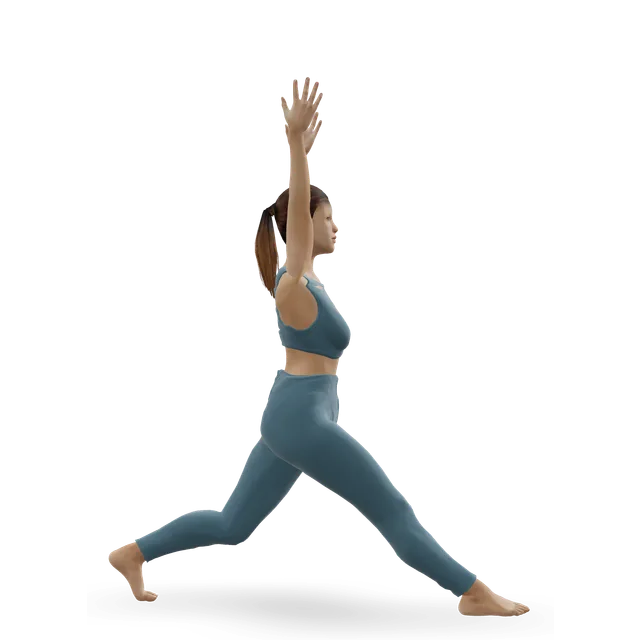
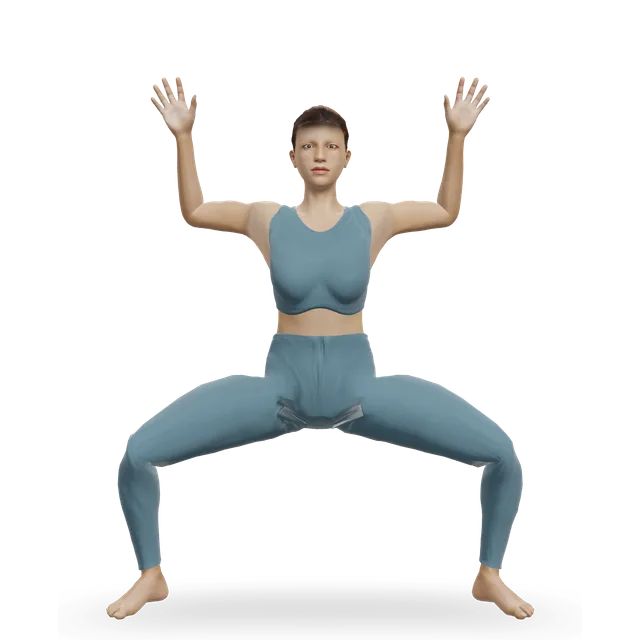
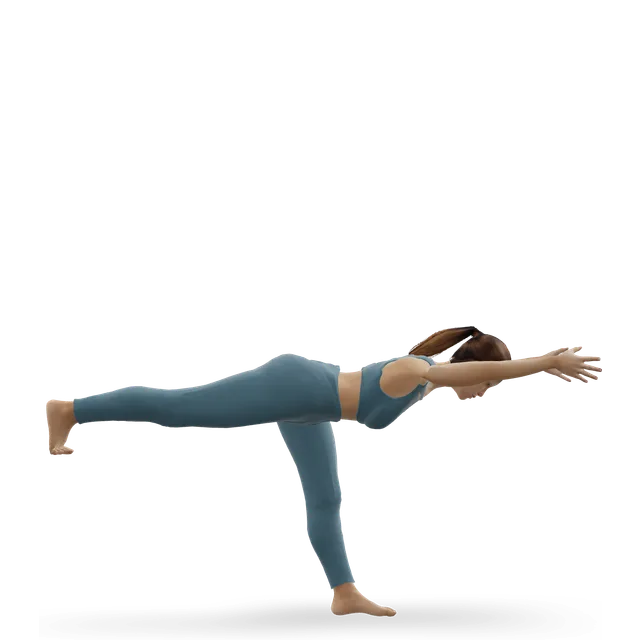
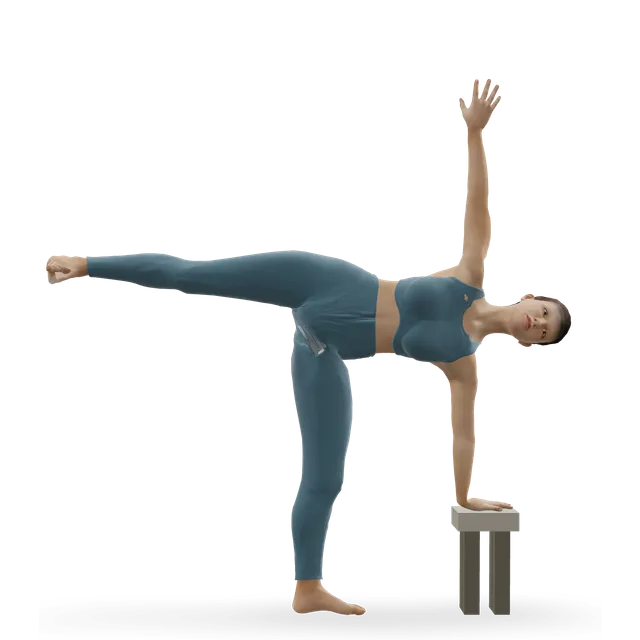
Older adults: leg strength improvesEmerging evidence
In 22 trials of people over 60, yoga improved leg strength against no exercise (effect size 0.45, a small to moderate effect; 7 trials, 485 people) and against walking, chair aerobics or stretching and strengthening classes (0.49; 3 trials, 225 people). A review of 33 trials (2,384 people over 65) rated the gain in leg strength and endurance as moderate certainty against inactive controls, but said yoga "may not offer benefit over active interventions". Reviews of 12 and 15 studies found moderate strength gains too. Most trials were small, and in most of them more than 70% of the people were women.
Sources 5, 6, 23, 24
Smaller than it lookedMixed evidence
A 2026 review of 21 studies (1,471 older adults) found the leg strength gain fell to borderline once it allowed for small studies that may be missing.
Source 7
Younger adults: a few small trialsEmerging evidence
Eight months of progressively harder Ashtanga, twice a week, raised the leg press 11.4% in 34 women aged 35 to 50 (against a 6.5% fall without yoga), but "Isotonic muscle strength was not altered by the Yoga intervention, with the exception of leg press." Twelve weekly hatha classes improved push-ups and curl-ups in 173 adults, but the groups weren't randomised. Eight weeks of hot yoga raised deadlift strength, not grip, in 21 young adults, and once-weekly sun salutations raised thigh strength as much as stabilisation training in 42 young women. In 297 adults with obesity, 9 months of yoga raised grip strength more than nutrition advice, in a trial not described as randomised. An uncontrolled study of 10 people reported gains of up to 31%, the kind of number to treat with caution.
Sources 8, 25, 26, 27, 28, 29
Against strengthening programmesEmerging evidence
Hatha yoga matched stretching and strengthening classes for chair stands and arm curls in 118 inactive adults around 62. In knee osteoarthritis, leg strength rose 17.8 kg with yoga and 21.2 kg with physiotherapist-led strengthening (no clear difference), with more programme-related side effects with yoga (15.5% against 6.8%, none serious). In 41 people with Parkinson's, fast-paced yoga and power training raised the leg press equally.
Sources 30, 31, 32
Muscle size: barely measuredEmerging evidence
Our PubMed searches found 11 yoga trials that measured muscle size or lean mass and 14 that compared yoga with resistance training, and none in healthy adults did both: no trial has compared yoga with progressive weight training for muscle size. A 3-month yoga programme (46 people against 29, not fully randomised) found no change in muscle mass, while body fat fell a little, and in older adults body composition didn't change against no exercise (4 trials, 314 people). Trials of yoga against strength training exist only in Parkinson's, back pain and knee arthritis, plus one against a stretching and strengthening class in older adults.
Sources 9, 10, 5, 32, 33, 31, 30
Body fat: no clear changeEmerging evidence
Across 30 trials (2,173 people), "No effects on weight, body mass index, body fat percentage or waist circumference were found." In people with obesity (15 studies, 1,161 people) the evidence was "inconclusive", and a 2026 review of reviews found no convincing benefit from yoga for heart and metabolic risk factors. NCCIH (the US National Center for Complementary and Integrative Health) cites a 2022 review of 22 studies for weight and fat reductions with yoga; that was a single-author review with no pooled analysis.
Sources 11, 34, 35, 36, 37
How hard yoga worksStrong evidence
Hatha yoga is 2.3 METs, vinyasa 2.7, hot yoga 3.0, sun salutations 3.5 and power yoga 4.0, against 3.0 for general bodyweight exercises, 3.5 for weight training with several exercises and 4.8 for brisk walking. In 38 adults, an hour of vinyasa came out at 3.6 METs against 4.4 for brisk walking.
Sources 12, 38