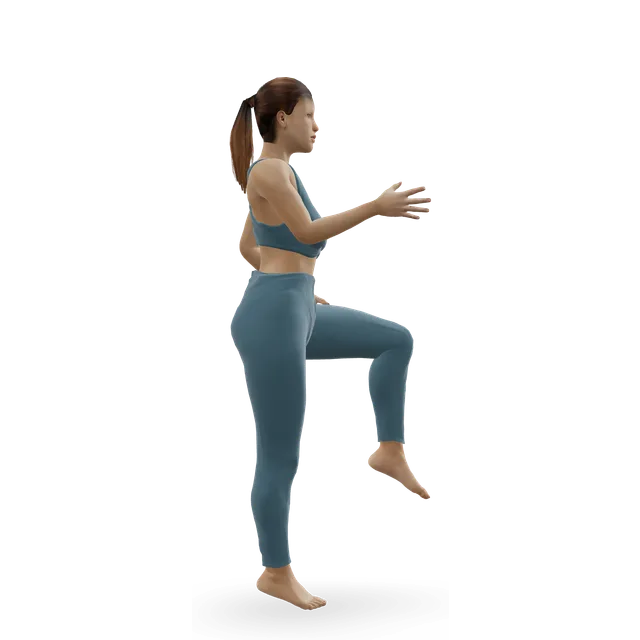
Training guide

How to get toned legs: what toned means, strength work and body fat, the exercises, how long it takes, at home or in the gym

Toned legs usually means enough leg muscle, with little enough fat over it, for the shape to show. So it's two jobs: build the muscle with squats, lunges, hinges and curls twice a week, and, if you want to, lose some body fat with regular activity and a small calorie cut. Leg exercises don't burn the fat on your legs, and there are no special toning reps.

This guide covers what toned means, the leg exercises with sets and reps, light or heavy weights, the fat-loss half, training at home or in the gym, and how long it takes. Our thigh fat guide covers cellulite and lipoedema; our bigger legs guide covers size.

The short version

Toned isn't a medical term

It usually means enough leg muscle, with little enough fat over it, for the shape to show. Body image research rates fat and muscle on separate scales, and in physiology "muscle tone" means a resting muscle's tension, not a look. So toned legs is two jobs: build some muscle, and, if you want to, lose some body fat.

Sources 1, 2

Strength work builds the muscle

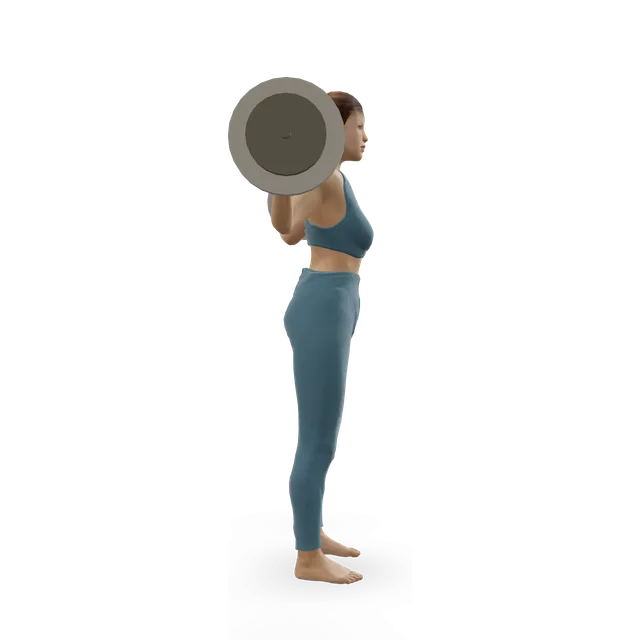
A squat or leg press, a single-leg move, a hinge or bridge and a hamstring curl, twice a week, building towards about 10 hard sets a week for the front of the thighs and the same for the back. Squats alone didn't grow the hamstrings in a trial.

Sources 3, 4

No special toning reps

Light and heavy weights built similar muscle when the sets were hard, and heavier weights built more strength. Most sets of 8 to 15, stopping 2 or 3 reps short of failure, is a sensible default.

Sources 5, 6

Leg exercises don't burn leg fat

When 11 adults trained one leg for 12 weeks, fat came off their arms and trunk, not that leg, and across 13 studies of 1,158 people, the trained limb lost no more fat than the other.

Sources 7, 8

The fat-loss half, if you want it

In 119 adults over 8 months, weights added lean mass but barely changed fat, while cardio took off 1.7 kg of fat and both together 2.4 kg. If you want to lose weight, the NHS suggests no more than 0.5 to 1 kg a week.

Sources 9, 10, 11

How long: no promises

Strength rises within weeks and scans pick up muscle growth from about weeks 2 to 4, partly swelling at first, but no study measures when change becomes visible, and people vary hugely. One swollen, painful leg or sore knees need a different plan first: see the warning signs.

Sources 12, 13, 14

What toned legs means

Muscle you can see

No study we found defines or measures "toned". Body image researchers describe the fit ideal as lean and toned, and model it with two scales, one for body fat and one for muscle; for about two-thirds of 152 UK women, a scale that added muscle to thinness best matched their ideal. In physiology, muscle tone is a resting muscle's low-level tension, a different thing from the look. So toned legs, as people use the words, means some muscle with little enough fat over it for the shape to show (our reading, as our tone-up guide's).

Sources 15, 1, 16, 2

The leg muscles

The quadriceps at the front of the thigh straighten the knee; the hamstrings at the back bend it and straighten the hip; the glutes straighten the hip and steady the pelvis; the adductors draw the leg in; and the calves push you up and forward. Our quadriceps, hamstrings, glutes and adductors pages have the anatomy.

A tape measures muscle and fat together

A thigh can measure smaller while you lose fat even as the muscle grows, as our bigger legs guide says, and the fat layer over a growing muscle can thin by stretching: in 10 women after 5 weeks of one-leg training, the layer over the trained thigh thinned but the fat cells didn't shrink.

Source 17

Where people differ

Women carry more fat on the hips and thighs than men at the same body fat, a pattern set by sex hormones and largely by genes, and it's normal, as our thigh fat guide explains. Muscle gains vary hugely between people on the same programme, and beginners gain fastest. Long legs or stiff ankles change how a squat looks, not whether it works.

Sources 14, 18

If you're heavier

Bodyweight moves already lift a real load, so sit-to-stands and step-ups are a fair start, as our strengthen your legs guide says. Build to goblet squats and lunges as they get easy.

What the evidence says

Most trials are small and short, many in young men; the spot reduction review is the largest.

Leg exercises don't take fat off the legsStrong evidence

Across 13 studies of 1,158 people aged 14 to 71, the trained limb lost no more fat than the untrained one. In 11 adults who did hundreds of light one-leg presses 3 times a week for 12 weeks, whole-body fat fell 5.1%, arm fat 10.2% and trunk fat 6.9%, but not the trained leg's. In 70 young women training one arm and one leg for 5 months, fat changed no more on the trained side.

Sources 8, 7, 19

Two small studies point the other wayMixed evidence

In 16 inactive women, leg weights followed by arm cranking took more fat off the legs (11.5%) than the arms, and upper-body weights followed by cycling the reverse; the trial is tiny and mixes weights and cardio on each limb. Fat next to a working thigh releases a little more fat during exercise, but no trial shows that this adds up to slimmer legs.

Sources 20, 21

Light or heavyStrong evidence

Light and heavy loads taken close to failure built similar muscle (21 studies; 28 studies of 747 adults, whose 2022 correction left the main findings unchanged), and heavier loads built more strength. The 2026 American College of Sports Medicine (ACSM) position stand found that load, from 30% to 100% of the most you can lift once, didn't change growth.

Sources 5, 6, 22, 4

An older high-rep trialMixed evidence

In 32 untrained men over 8 weeks, sets of 20 to 28 built less muscle than heavier sets, but that group did fewer sets. Later reviews and the 2026 position stand outweigh it.

Sources 23, 4

Sets, frequency and effortStrong evidence

Muscle grew more with 10 or more hard sets per muscle a week, with diminishing returns as sets rose. With weekly sets matched, training a muscle once, twice or three times a week grew it similarly, and stopping 2 or 3 reps short of failure did as well as going to failure.

Sources 4, 24, 25, 26, 27

Which moves grow which musclesEmerging evidence

In 17 men over 10 weeks, full squats grew the glutes (6.7% against 2.2%) and inner thighs (6.2% against 2.7%) more than half squats, but neither grew the hamstrings. In 34 untrained adults, 23 of them women, hip thrusts and back squats grew the glutes similarly over 9 weeks, while squats grew the thighs more; a 2026 correction added funding, conflicts and late trial registration, with the data unchanged. Leg extensions grew the front-thigh muscle that crosses the hip far more than the leg press, while the leg press grew the glutes.

Sources 3, 28, 29, 30

Bodyweight can be enoughEmerging evidence

In 13 inactive young women, progressive bodyweight squats grew the glutes and front thighs as much as barbell squats over 6 weeks.

Source 31

Women's legs grow like men's, relative to where they startStrong evidence

Women and men grew lower-body muscle by a similar percentage across 29 studies, and in 24 women, every training plan in a 2026 trial grew thigh lean mass and strength.

Sources 32, 33

Strength work trims a little fatStrong evidence

Across 58 studies, strength training alone trimmed body fat by about 1.5 percentage points (0.55 kg) against no exercise, in women and men alike.

Source 34

Cardio does most of the fat lossStrong evidence

In 119 adults over 8 months, 3 days a week of weights added 1.09 kg of lean mass but barely changed fat (down 0.26 kg, not a significant change), while cardio took off 1.66 kg and both together 2.44 kg. Across 116 trials, each extra 30 minutes a week of aerobic exercise took off about 0.5 kg, and clinically useful change needed more than 150 minutes a week.

Sources 9, 10

In women with overweight or obesityMixed evidence

In 43 trials of 2,315 women, weights alone didn't clearly change body fat percentage, while cardio plus weights and interval training did; certainty was moderate to low.

Source 35

Cardio doesn't cost muscleStrong evidence

Across 43 studies, adding cardio to strength training didn't reduce muscle growth.

Source 36

How to tone your legs: how much and how often

How often

Two leg sessions a week, or legs inside 2 or 3 full-body sessions, each with a squat or leg press, a single-leg move, a hinge or bridge and a hamstring curl; calves are optional. That's our bigger legs guide's layout, and it meets the guideline of strength work on 2 or more days a week.

Source 37

Sets, reps and effort

Two or 3 sets of 8 to 12 on squats, lunges and hinges, and 10 to 15 on bridges, curls and calf raises. First two weeks: 2 sets with 3 or 4 reps to spare; then stop 2 or 3 reps short of failure, which our guides call 2 or 3 RIR (reps in reserve: how many more reps you could have done), and take the last set of small moves to 0 to 2, as our plans' notes say.

How many sets a week

Build towards about 10 hard sets a week for the front of the thighs and the same for the back, as our bigger legs guide does. Squats don't count for the hamstrings, so the hinge and curl sets matter.

Source 3

Rest

90 seconds to 2 minutes between sets of squats and lunges, and 60 to 90 seconds for bridges, curls and calf raises, as our plans' notes say.

Progress

Add reps until every set reaches the top of its range, then the smallest weight step. At home: slower lowering, one leg at a time, then a backpack or dumbbells, as our plans' notes suggest.

Common slip-ups

Squatting only to a shallow depth you could take deeper (full squats grew more in a trial); letting the knees cave in rather than follow the toes; rounding the back in a hinge; doing the same easy session for months (our editorial list). Our goblet squat, lunge, split squat, Romanian deadlift and hip thrust guides teach the moves.

Source 3

A toned legs session at home, step by step

Our editorial order, built on our lower body workout at home and dumbbell leg workout, with our plans' rest and effort rules. Our split squat guide teaches the move shown.

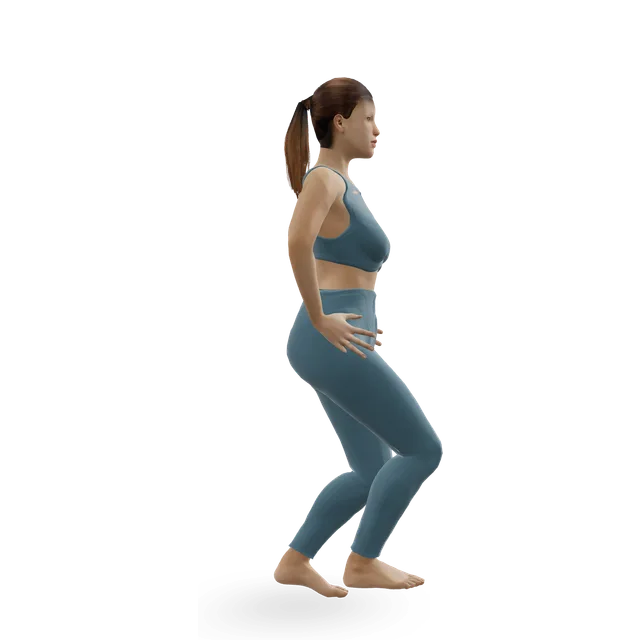
  1. Warm up for 3 to 5 minutes: march on the spot, then 10 bodyweight squats and 10 glute bridges.
  2. Squat: goblet squats with a dumbbell, or bodyweight squats, 3 sets of 8 to 12 (10 to 20 without weight), as deep as you can control, knees following your toes.
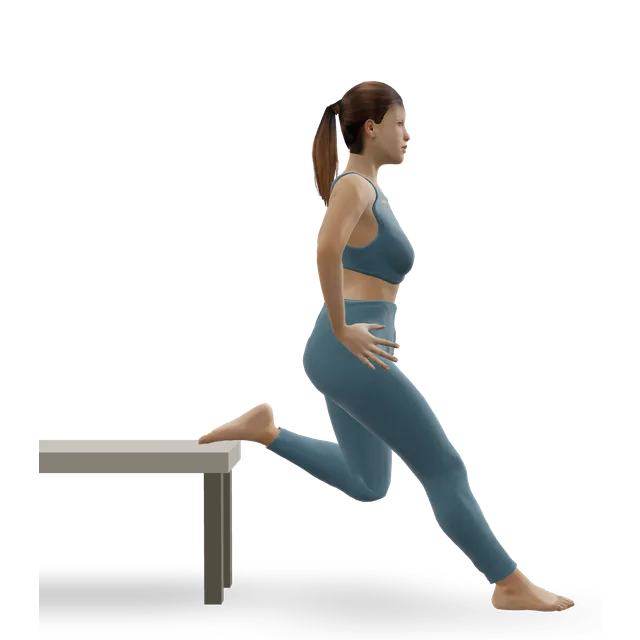
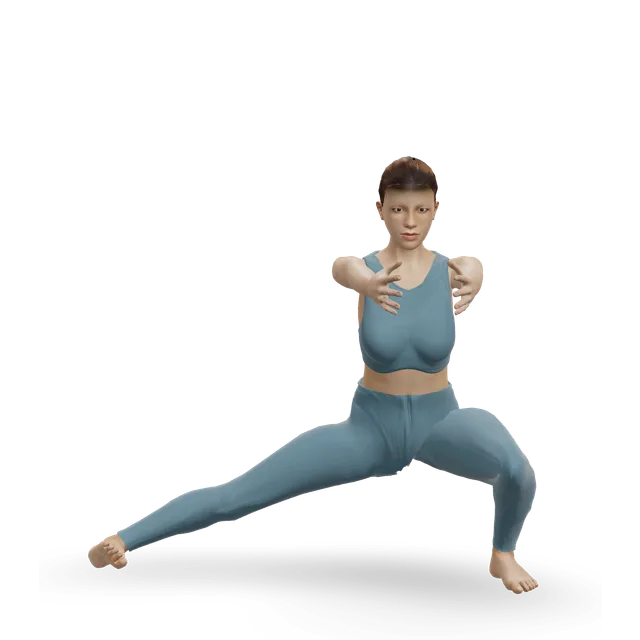
  3. Split squat: step one foot well forward, lower your back knee towards the floor with your front heel down, and press back up through your front foot; 3 sets of 8 to 12 each leg.
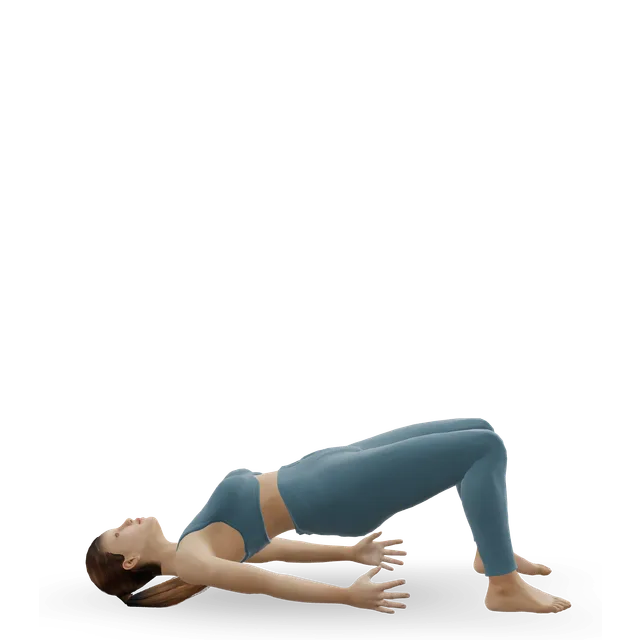
  4. Hinge: Romanian deadlifts with dumbbells, or single-leg glute bridges, 3 sets of 8 to 12.
  5. Back of the thigh: slider hamstring curls with your heels on a towel, 3 sets of 6 to 12.
  6. Calves: single-leg calf raises from a step, 2 or 3 sets of 10 to 15 each side.
  7. Write it down. When every set reaches the top of its range, add a rep, slow the lowering, then hold dumbbells or move to the harder version.

Loading the 3D figure…

Gets into position, then repeats the movement. Technical checks passed; qualified exercise review is pending.

The movement on the figure: Split squat

Squats and leg presses

Three sets of 8 to 12 with weights, or 10 to 20 without, as deep as you can control without pain, and back squats at 3 sets of 6 to 10 in a rack with safety pins (our full-body and glute workouts, bigger legs and strengthen your legs guides).

One leg at a time

Split squats, walking lunges and dumbbell step-ups at 3 sets of 8 to 12 each side, reverse lunges with dumbbells at 3 sets of 8 to 10 and Bulgarian split squats at 2 sets of 8 to 12 (our home, dumbbell and glute workouts and bigger legs guide).

Hinges, bridges and the back of the thigh

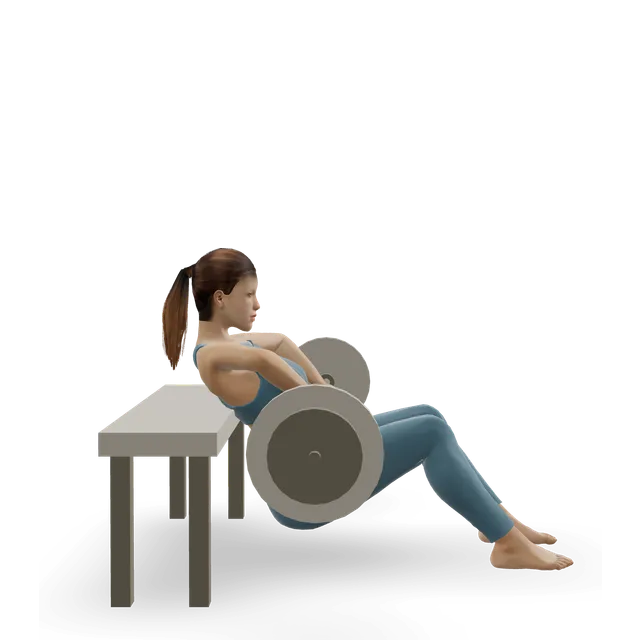
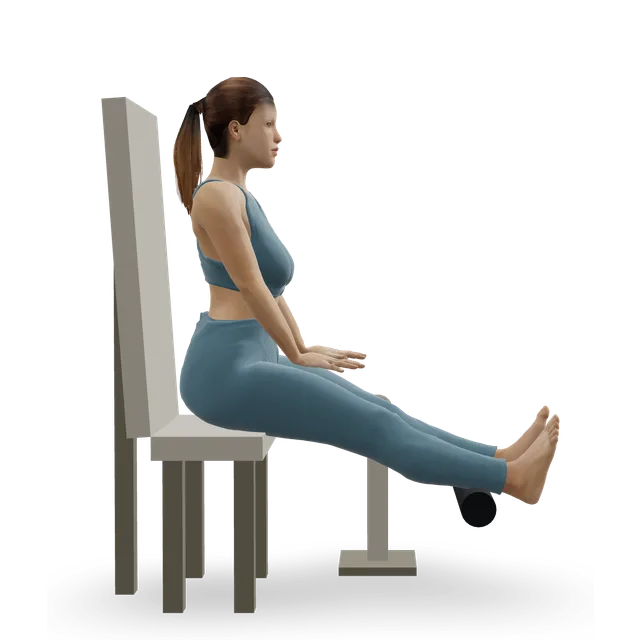
Squats barely train the hamstrings, so add a hinge and a curl: glute bridges at 2 or 3 sets of 10 to 15, single-leg bridges and calf raises at 3 sets of 10 to 15 each side, hip thrusts at 3 sets of 8 to 12, Romanian deadlifts at 3 sets of 8 to 10 and slider curls at 3 sets of 6 to 12 (our leg and lower body workouts). Seated leg curls: the move page's dose is 2 to 3 sets of 8 to 12, stopping with 2 or 3 reps in reserve (our editorial starting point).

Inner and outer thighs: optional, for strength

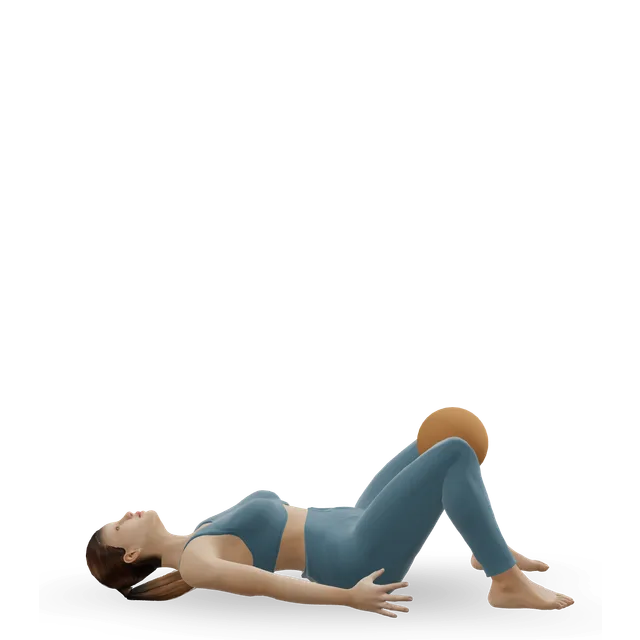
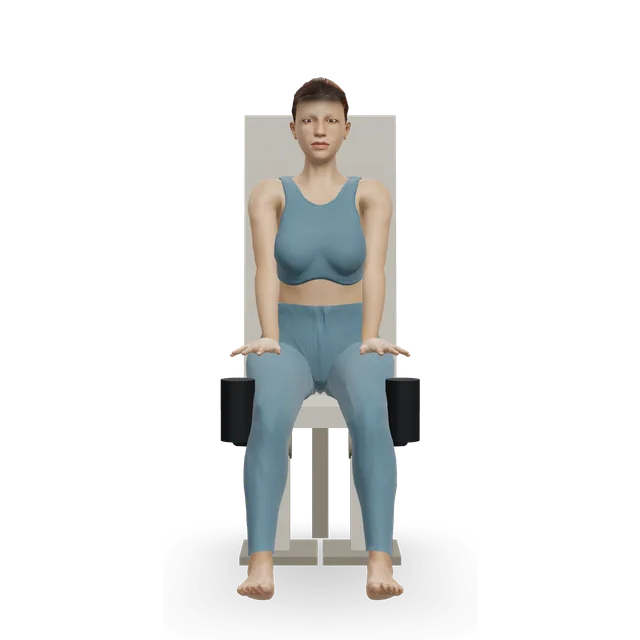
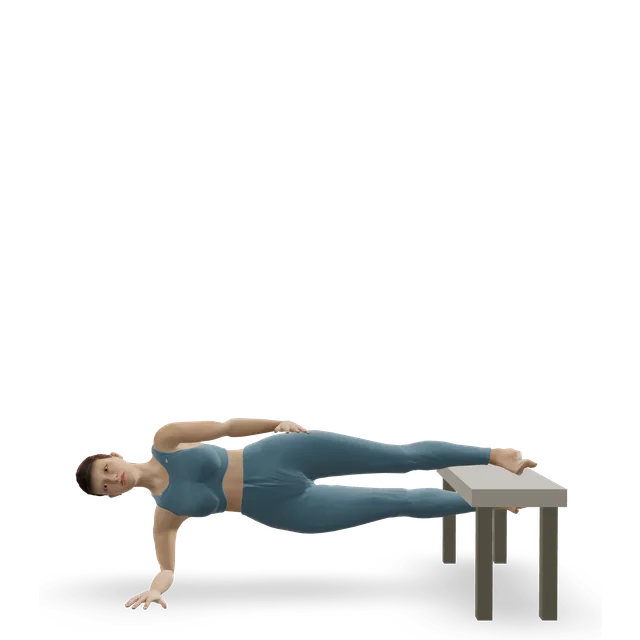
These strengthen the inner thigh and side-hip muscles but don't slim them, as our thigh fat guide explains: plié squats at 2 rounds of 8 to 12, ball squeezes at 6 holds of 5 to 10 seconds, band walks at 2 sets of 10 to 15 steps each way, clamshells at 2 sets of 12 to 15 each side and the hip abduction machine at 2 sets of 12 to 20 (our inner thigh and lower body workouts), with Copenhagen planks only once a 30-second side plank is steady, short lever first, as our thigh fat guide says.

Cardio for the fat-loss half

Each counts towards 150 minutes of moderate activity a week, built up gradually; the cross-trainer, recumbent bike and rowing machine have starting doses on their move pages.

The fat-loss half

Where leg fat comes fromStrong evidence

Thigh fat changes with your whole body's fat, in the pattern your genes and hormones set; training a leg doesn't take the fat off that leg. Our thigh fat guide covers fat, cellulite and lipoedema.

Source 8

CardioStrong evidence

Build towards 150 minutes a week of moderate activity, the NHS target. Each extra 30 minutes a week took off about 0.5 kg in 116 trials, and clinically useful change needed more than 150 minutes.

Sources 37, 10

A small calorie cutStrong evidence

If you want to lose weight, the NHS suggests aiming for 0.5 to 1 kg a week at most. A deficit of about 500 calories a day stopped lean-mass gains in pooled trials, though strength still rose, so a small cut suits building muscle better.

Sources 11, 38

Protein and sleep

About 1.2 to 1.6 g of protein per kg a day while losing weight, the range our protein calculator and thigh fat guide give, and 7 to 9 hours' sleep, as our build muscle guide says.

Strength work still helpsStrong evidence

Strength training alone trimmed body fat by about 1.5 percentage points against no exercise across 58 studies, and in 126 studies of 4,019 women, it lowered fat mass whatever their age.

Sources 34, 39

How long it takes

Weeks for strength and scansEmerging evidence

In 25 men, thigh muscle area rose 3.5% after 2 sessions, mostly swelling, the authors suggest, with real growth likely by weeks 3 to 4 and 9.6% by week 8. In 7 adults, quadriceps area rose 3.5 to 5.2% by day 20, and in young and older women, thigh thickness rose beyond measurement error by weeks 2 to 3. Early readings are partly swelling.

Sources 40, 41, 13, 12

Visible change: no study measures itMixed evidence

We found no study that measures when training changes become visible, so the popular timelines have no evidence behind them. In 44 young adults over 12 weeks of strength training, body image improved in women and men alike, and it tracked how people felt they had changed (and, in women, their strength gains) rather than measured changes in fat or muscle.

Source 42

How much to expectStrong evidence

Across 111 studies of men (there's no equivalent for women), programmes averaging about 10 weeks added about 1.5 kg of muscle to the whole body. On the same 12-week programme, 585 adults' muscle size changed from a 2% loss to a 59% gain.

Sources 43, 14

How to track it

Your training log shows progress first. If you want more, take photos in the same light every 4 weeks and measure mid-thigh with a tape at the same spot (our suggestion).

Toning your legs at home

Home works if the sets stay hardEmerging evidence

Progressive bodyweight squats grew the glutes and front thighs as much as barbell squats in 13 inactive young women, and the type of equipment made no consistent difference in the ACSM's overview.

Sources 31, 4

Keep it hard

Go one leg at a time (split squats, single-leg bridges, step-ups), lower more slowly, then add a backpack or dumbbells, as our plans' notes suggest. Our build muscle at home guide has more.

Workouts to follow

No workout burns leg fat. The leg workouts build the muscle; the low-impact leg workout suits sore knees, the inner thigh, Pilates and barre sessions are extras rather than substitutes, and the cardio sessions do the fat-loss half.

Lower body workout at home

A lower body workout at home: split squats, slider hamstring curls, single-leg bridges, step-ups, band walks and calf raises, with dumbbell options.

30 minIntermediate12 movesA wall, A step

Dumbbell leg workout

Legs and glutes with dumbbells: goblet squats, Romanian deadlifts, step-ups, split squats and calf raises.

35 minIntermediate10 movesA wall, A dumbbell

Dumbbell leg workout B: single-leg and hinge

Dumbbell leg workout B: Bulgarian split squats, single-leg Romanian deadlifts, slider curls, single-leg bridges, calf raises and suitcase carries.

45 minIntermediate12 movesA bench or box, A dumbbell

Beginner lower body workout

Learn to squat, hinge and lunge: a 25-minute beginner lower body workout with bridges, clamshells and calf raises.

25 minBeginner11 movesA wall, A bench or box

Leg day workout (gym)

A gym leg day: back squats, leg press, leg curls, Bulgarian split squats, leg extensions and calf raises.

55 minIntermediate9 movesA wall, A barbell

Lower body gym workout

A gym lower body workout for legs and glutes: trap bar deadlifts, hip thrusts, reverse lunges, leg curls, hip abduction, calf raises and core.

50 minIntermediate13 movesOther / check instructions, A barbell

Glute workout at home

A 25-minute glute workout with bodyweight and a mini band: bridges, clamshells, band walks, kickbacks and lunges.

25 minBeginner9 movesA wall, A band

Glute workout (gym)

A 50-minute gym glute workout: hip thrusts, deep squats, Bulgarian split squats, back extensions and hip abduction, with sets, reps and rest.

50 minIntermediate11 movesA band, A barbell

Low-impact leg workout (no jumping)

A gentle leg strength routine with no jumping: sit-to-stands, step-ups, wall sits, bridges and calf raises.

20 minBeginner7 movesA bench or box, A step

Inner thigh workout: sumo squats, Cossack squats, squeezes and Copenhagen planks

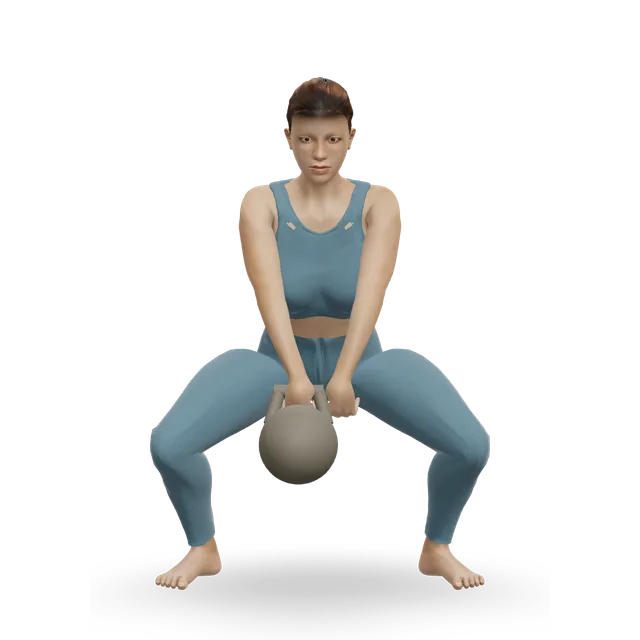
A 25-minute inner thigh workout at home: sumo squats with a dumbbell or kettlebell, Cossack squats, ball squeezes and Copenhagen planks, with bridges and hip mobility.

25 minIntermediate10 movesA dumbbell, A kettlebell

Pilates leg workout: a 25-minute mat and standing class for your thighs

A 25-minute Pilates class for your legs: reformer footwork without the machine, leg circles, the side kick series, inner-thigh squeezes and stretches.

25 minBeginner15 movesA wall, Other / check instructions

Barre strength workout: heavier lifts, pliés, pulses and holds, seat, arms and core

A 45-minute strength session for people who do barre: goblet squats, Romanian deadlifts, pulsing lunges and pliés, wall sits, bridges, arms and core work.

45 minIntermediate21 movesA wall, A dumbbell

Low-impact cardio workout (no jumping)

A 25-minute standing cardio circuit with no jumping: marching, step jacks, sit-to-stands, punches, step-ups and wall push-ups, with a seated option for most moves.

25 minBeginner9 movesA bench or box, A step

Incline walking workout: hills or a treadmill slope

A 50-minute walk with hills, outdoors or on a treadmill slope: brisk on the flat, slower on the climbs, building from gentle slopes to about 6%.

50 minBeginner5 movesCardio machine, A step

Plans

The toning plan adds the cardio and whole-body sessions that do the fat-loss half; the glute and squat plans focus on the legs, and the weight loss plan suits fat loss as the main aim.

Who should change the plan

Sore knees

Pain from 0 to 2 out of 10 is fine, and up to 5 is acceptable if your knee is back to its usual level by the next morning; for tendon pain just below or above the kneecap, keep it to 3 or less. Sharp, catching or giving-way pain, or new swelling, means stop. That's our knee guides' rule.

Use the leg press, step-ups and bridges to control the range; our knee strengthening guide has a plan.

Sore hips

During the exercise, pain up to about 5 out of 10 is acceptable. It should settle within an hour or so, and your hip should be no worse that night or the next morning. If it is, do less next time (fewer repetitions, a smaller range, a lighter load), not nothing.

Pregnancy

Swap moves done lying on your back, such as bridges, for standing or side-lying ones in later pregnancy (our suggestion, following the NHS advice our plans give), and follow our pregnancy guide before heavy squats or leg presses.

Pregnancy isn't the time to diet. Most women gain 10 to 12.5 kg, partly as fat stored for breastfeeding; our pregnancy guide covers exercise.

After big weight loss

Loose skin is common after big weight loss; our thigh fat guide covers what exercise can and can't do for it.

Lipoedema or cellulite

Our thigh fat guide covers both, and our lipoedema guide covers exercise with lipoedema. Legs that are painful, heavy and bruise easily need a GP: see the warning signs.

Warning signs: when to get help

Stop and get medical help

If you get chest pain or pressure, feel faint or dizzy, are unusually breathless, or your heart races or beats irregularly during exercise, as our plans advise.

Call 999 (911 in the US)

For chest pain that comes on suddenly and doesn't go away, feels tight or like squeezing, spreads to your arms, neck, jaw, stomach or back, or comes with sweating, feeling sick, light-headedness or breathlessness; severe difficulty breathing; someone who faints while exercising; palpitations that don't go away, or come with chest pain, shortness of breath or feeling faint; or a headache that starts suddenly and is extremely painful, especially while lifting or straining, or comes with numbness or weakness, difficulty speaking or loss of vision. The NHS says a bleed on the brain may be more likely when lifting something heavy. Don't drive yourself to A&E.

If you have pain and swelling in a leg with shortness of breath or chest pain, or leg swelling with a tight, heavy or painful chest, coughing up blood, or feeling faint, confused or clammy: it could be a blood clot in the lungs. Don't drive yourself to A&E.

Sources 44, 45, 46, 47, 48, 49

Ask for an urgent GP appointment or call NHS 111

Get help the same day if any of these apply. In the US, contact your doctor or urgent care.

  • throbbing pain or swelling in one leg (rarely both), usually in the calf or thigh, red, blue or darkened skin around the painful area (harder to see on brown or black skin), or swollen veins: it could be a blood clot, DVT (deep vein thrombosis)

Sources 49, 50

A headache brought on by exercise

Ask for an urgent GP appointment or get help from NHS 111 for a headache that's triggered or made worse by coughing, sneezing, bending down or exercising. In the US, contact your doctor or urgent care.

Knee and hip injuries

Go to A&E (accident and emergency) if you've injured your knee and it has changed shape, it becomes very swollen very quickly, you felt a pop or snap, you can see bone sticking out, or it's bleeding heavily. Don't drive yourself: ask someone to take you, or call 999 if the pain means you can't move your leg to get there.

Get advice from NHS 111 now: you cannot move the knee or put any weight on it, or it is very painful, badly swollen or has changed shape.

Call 999 or go to A&E for severe hip pain after a fall or injury, if you can't walk or put weight on your leg, or for tingling or loss of feeling in your hip or leg after an injury. Ask for an urgent GP appointment or get help from NHS 111 for severe hip pain that started suddenly without a fall, a hip that's swollen and feels hot, skin around it that has changed colour, or hip pain with feeling generally unwell and a high temperature.

A pop at the front of the knee

A pop or tearing feeling at the front of the knee after a fall, a jump, a landing or a heavy squat, then you can't straighten the knee or lift the straight leg, there's a dent above or below the kneecap, or the kneecap sits higher or lower than on the other side. Go to A&E or an urgent treatment centre, or get help from NHS 111, as our knee pain when squatting guide explains. In the US, go to urgent care or the emergency department.

A sudden sharp pain in the thigh

A sudden sharp pain at the back, inside or front of the thigh during a sprint, a heavy hinge or a lunge can be a strain. Stop, and see our hamstring, groin and thigh strain guides.

During any session

Stop straight away if you feel any pain or become unwell, the NHS says, and contact 111 if your symptoms worry you or don't go away.

A dull ache in your muscles for a day or two after something new is normal. Joint pain that's sharp, gets worse during a set or lingers into the next day means switching to the easier option, and seeing a GP or physiotherapist if it carries on (our plans' rule). Our muscle soreness guide has more.

Source 51

See a GP

See a GP if:

  • your legs (and sometimes arms) are out of proportion with the rest of your body, feel painful, tender or heavy, and bruise easily: it could be lipoedema

Source 52

A hernia

See a GP if you think you have a hernia, a bulge or lump that may get bigger when you strain and smaller when you lie down. Get help from NHS 111 if you have a hernia and pain in or around it, a bloated tummy, you feel or are sick, you're vomiting blood or your vomit looks like coffee grounds, you're constipated, you have a high temperature or feel hot, cold or shivery, or you've suddenly become confused. Call 999 or go to A&E for a femoral hernia (a small lump at the top of your thigh, in your groin) with very bad tummy pain, sickness, being unable to fart or poo, a high temperature or sudden confusion.

Sources 53, 54

Back pain with numbness or bladder changes

Call 999 or go to A&E: loss of feeling or numbness around the genitals or bottom, new trouble peeing or controlling your bladder or bowels, changes in genital sensation during sex or problems with erections or orgasm, or pain, tingling, weakness or numbness in both legs. These are signs of cauda equina syndrome, which needs treating in hospital urgently. Don't drive yourself.

See a GP if pain spreading down a leg hasn't improved after a few weeks of home treatment, is getting worse or stops your normal activities. Sciatica on both sides, or weakness or numbness in both legs that's severe or getting worse, is a 999 call or a trip to A&E.

Sources 55, 56

After unusually hard training

Call NHS 111 (in the US, your doctor or urgent care) for severe muscle pain and weakness with dark (cola-coloured) or reduced urine after unusually hard training. This can be rhabdomyolysis, which can harm the kidneys and needs prompt care.

When exercise becomes harmful

The NHS lists exercising too much and spending a lot of time worrying about your weight and body shape among the signs of an eating disorder, and says to see a GP as soon as you can. Beat adds rigid or punishing exercise, exercising to make up for eating, and feeling guilty or anxious when you can't exercise. Beat's helpline in England is 0808 801 0677.

Sources 57, 58

Check first

Speak to your GP first if you haven't exercised for some time or have medical conditions or concerns, as the NHS advises. Get advice before heavy lifting or hard straining work if your blood pressure is uncontrolled, or you have heart disease or chest pain when you're active, a pacemaker or defibrillator, diabetic eye disease, glaucoma, a hernia, recent eye or tummy surgery, or you're pregnant, as our breathing guide lists. After a recent shoulder dislocation or shoulder surgery, follow our shoulder dislocation guide or your surgical team first.

Speak to a GP first if you haven't exercised for some time, or if you have a medical condition or concerns. Get advice first, too, if you have a health problem, an injury or symptoms, have recently had a heart attack or an operation, or are pregnant or have recently given birth.

Source 37

Myths

"High reps tone, low reps bulk"Strong evidence

Light and heavy loads build similar muscle when the sets are hard. The older trial that found otherwise gave its high-rep group fewer sets.

Sources 5, 6, 23

"Inner thigh moves burn fat from your thighs"Strong evidence

Training one leg for 12 weeks took fat off the arms and trunk, not that leg, and 13 studies found no spot reduction. Inner thigh moves strengthen the muscle under the fat.

Sources 7, 8

"Squats will make your thighs bulky"Strong evidence

Full squats added about 6% to the glutes and inner thighs over 10 weeks in young men. Muscle grows slowly and follows the dose you choose, and if you're losing fat too, your thighs may measure the same or smaller.

Source 3

"You can get toned legs in 2 weeks"Mixed evidence

Strength rises within weeks and scans pick up growth from about weeks 2 to 4, partly swelling. No study measures when change becomes visible, and fat loss at 0.5 to 1 kg a week takes months.

Sources 12, 13, 11

"Barre or Pilates make long, lean muscles"

Exercise can't lengthen a muscle into a different shape, as our barre guide explains, and Pilates was no better than other exercise for body shape in trials, as our tone-up guide says. Both can be useful extras.

"Never let your knees go past your toes"Emerging evidence

The NHS's own mini squat asks you to aim your knees over your big toe. Let your knees travel forward as far as you can control, following your toes, as our squat and knee guides say.

Source 59

Questions people ask

How do I get toned legs?

Build some leg muscle with strength training twice a week (a squat, a single-leg move, a hinge or bridge and a hamstring curl) and, if you want to, lose some body fat with regular cardio and a small calorie cut. Leg exercises build the muscle but don't burn the fat over it.

What does toned legs actually mean?

There's no scientific definition: people mean enough muscle, with little enough fat over it, for the shape to show. In physiology, muscle tone means a resting muscle's tension, which isn't what makes legs look toned.

What are the best exercises for toned legs?

Squats or the leg press, lunges or split squats, Romanian deadlifts or bridges, and a hamstring curl. Squats alone didn't grow the hamstrings in a trial, so add a hinge and a curl. Inner thigh and side-hip moves are optional extras for strength.

How many reps should I do to tone my legs?

Most sets of 8 to 15, stopping 2 or 3 reps short of failure, building towards about 10 hard sets a week for the front of the thighs and the same for the back. High reps don't tone and low reps don't bulk: both build similar muscle when the sets are hard.

How long does it take to get toned legs?

Strength rises within weeks, and scans pick up muscle growth from about weeks 2 to 4. Visible change depends on how much fat is over the muscle and usually takes months. Nobody can promise a date, and people vary hugely.

Can I tone my legs at home without weights?

Yes, if the sets stay hard: progressive bodyweight squats built as much glute and thigh muscle as barbell squats in inactive young women. Move to one-leg versions, slower lowering or a loaded backpack as moves get easy.

Will squats make my thighs bigger?

A little muscle, slowly: full squats added about 6% to the inner thighs and glutes in 10 weeks in a trial. If you're also losing fat, your thighs may measure the same or smaller, and they'll be stronger.

Do inner thigh exercises tone inner thighs?

They strengthen the inner thigh muscles, as deep squats and leg presses also do, but they don't burn the fat there. Our thigh fat guide covers fat and cellulite.

Is walking or cycling enough to tone my legs?

They help the fat-loss half, but on their own they don't load the leg muscles enough to build much, so add strength work twice a week (our reading). Each extra 30 minutes a week of aerobic exercise took off about 0.5 kg in trials.

How do I tone my legs with bad knees?

Keep knee pain to 0 to 2 out of 10, or up to 5 if it has settled by the next morning, as our knee guides say, and use the leg press, step-ups and bridges to control the range. Our knee strengthening guide has a plan.

Can men get toned legs the same way?

Yes: the training is the same, and so is the fat-loss half. Men tend to store less fat on the thighs, so the shape may show sooner, but genes vary, as our thigh fat guide explains.

Sources

  1. Steinfeld 2020 · A body image matrix of 64 female figures varying in body fat and muscularity (validation study, J Eat Disord)
  2. Masi 2008 · Human resting muscle tone (narrative review, J Bodyw Mov Ther)
  3. Kubo 2019 · Full against half squats and lower-limb muscle volumes in 17 men (randomised trial, Eur J Appl Physiol)
  4. Currier 2026 · Resistance training for muscle function, size and performance in healthy adults: 137 reviews (ACSM position stand, MSSE)

  5. Schoenfeld 2017 · Light against heavy loads for strength and muscle growth: 21 studies (meta-analysis, J Strength Cond Res)

  6. Lopez 2021 · Light, moderate and heavy loads for muscle growth and strength: 28 studies, 747 adults (network meta-analysis, MSSE)
  7. Ramírez-Campillo 2013 · Training one leg for 12 weeks, and where the fat came off, in 11 adults (trial, JSCR)
  8. Ramírez-Campillo 2022 · Spot reduction of fat by training one body part: 13 studies, 1,158 people (systematic review and meta-analysis, Hum Mov)
  9. Willis 2012 · Aerobic, resistance or combined training and body and fat mass in 119 adults (STRRIDE AT/RT randomised trial, J Appl Physiol)
  10. Jayedi 2024 · Aerobic exercise and weight loss in adults: 116 trials (dose-response meta-analysis, JAMA Netw Open)
  11. NHS · Overweight and obesity in adults
  12. Damas 2016 · Early muscle growth and swelling in the first weeks of training in 10 men (training study, Eur J Appl Physiol)
  13. Loenneke 2017 · Week-by-week thigh muscle growth over 8 weeks in young and older women (training study, Geriatr Gerontol Int)
  14. Hubal 2005 · How much muscle and strength 585 adults gained from 12 weeks of arm training (trial, MSSE)
  15. Uhlmann 2020 · The fit ideal: a lean and toned body (questionnaire validation, Psychol Assess)
  16. Ralph-Nearman 2020 · Figure scales for thin and muscular body ideals in 152 UK women (validation study, BMC Public Health)
  17. Krotkiewski 1979 · Five weeks of one-leg strength training and the fat and muscle of the thigh in 10 women (trial, Eur J Appl Physiol)
  18. Ahtiainen 2003 · 21 weeks of training in 8 strength athletes and 8 untrained men (trial, European Journal of Applied Physiology)
  19. Nickols-Richardson 2007 · Five months of one-arm and one-leg strength training in 70 young women (randomised trial, Osteoporos Int)
  20. Scotto di Palumbo 2017 · Upper or lower body weights before cardio and regional fat in 16 women (randomised trial, J Sports Med Phys Fitness)
  21. Stallknecht 2007 · Fat release next to working and resting thigh muscles, in 10 men (lab study, Am J Physiol Endocrinol Metab)
  22. Lopez 2022 · Corrigendum: three studies' strength effect sizes corrected, main findings unchanged (MSSE)
  23. Campos 2002 · Low, intermediate and high repetitions over 8 weeks in 32 untrained men (training study, Eur J Appl Physiol)
  24. Schoenfeld 2017 · Dose-response relationship between weekly resistance training volume and muscle growth (meta-analysis, J Sports Sci)
  25. Pelland 2026 · Weekly sets and training frequency against muscle growth and strength: 67 studies, 2,058 people (meta-regression, Sports Med)
  26. Schoenfeld 2019 · How many times a week to train a muscle for growth: 25 studies (meta-analysis, J Sports Sci)
  27. Refalo 2023 · Training to failure against stopping short, for muscle growth: 15 studies (meta-analysis, Sports Med)
  28. Plotkin 2023 · Nine weeks of hip thrusts or back squats: glute growth on MRI and strength in 34 adults (randomised trial, Front Physiol)
  29. Plotkin 2026 · Correction: funding, conflicts and late trial registration; data unchanged (Front Physiol)
  30. Kinoshita 2026 · Leg extension against leg press for muscle growth in 17 untrained adults (within-person trial: one leg on each machine, Med Sci Sports Exerc)
  31. Wei 2023 · A 10-step bodyweight squat ladder or barbell squats for 6 weeks in 13 inactive young women (randomised trial, Scientific Reports)
  32. Refalo 2025 · Sex differences in absolute and relative muscle growth with training: 29 studies (Bayesian meta-analysis, PeerJ)
  33. D'Souza 2026 · Menstrual cycle phase does not influence muscle growth or strength from training (RCT, MSSE)
  34. Wewege 2022 · Resistance training and body fat, fat mass and visceral fat in healthy adults: 58 studies (meta-analysis, Sports Med)
  35. Song 2026 · Types of exercise and body composition in women with overweight or obesity: 43 trials (network meta-analysis, BMJ Open)
  36. Schumann 2022 · Concurrent aerobic and strength training: muscle size and function (meta-analysis, Sports Medicine)
  37. NHS · Physical activity guidelines for adults aged 19 to 64
  38. Murphy 2022 · An energy deficit, lean mass and strength gains from training (meta-analysis, Scand J Med Sci Sports)
  39. Isenmann 2026 · Resistance training, strength and body composition in women across the lifespan: 126 studies (meta-analysis, J Sci Med Sport)
  40. DeFreitas 2011 · The week-by-week time course of muscle growth over 8 weeks of training in 25 men (training study, European Journal of Applied Physiology)
  41. Seynnes 2007 · Early muscle growth in the first 5 weeks of hard training in 7 adults (training study, Journal of Applied Physiology)
  42. Martin Ginis 2005 · Body image and measured change after 12 weeks of strength training in 44 adults (study, Body Image)
  43. Benito 2020 · Resistance training and whole-body muscle growth in healthy men: 111 studies (meta-analysis, International Journal of Environmental Research and Public Health)
  44. NHS · Heart attack
  45. NHS · Chest pain (past its review date: reviewed August 2023, review due August 2026)
  46. NHS · Heart palpitations
  47. NHS · Fainting
  48. NHS · Subarachnoid haemorrhage
  49. NHS · DVT (deep vein thrombosis)
  50. NHS · Headaches
  51. NHS · How to warm up before exercising
  52. NHS · Lipoedema (past its review date: reviewed July 2023, review due July 2026)
  53. NHS · Hernia
  54. NHS · Femoral hernia
  55. NHS · Back pain
  56. NHS · Sciatica
  57. NHS · Eating disorders: overview
  58. NHS · Body dysmorphic disorder (BDD) (past its review date: reviewed October 2023, review due October 2026)
  59. NHS · Strength exercises

Exercise education, not a personal prescription, and clinical review of these guides is pending. Check with a GP before starting hard training if you have a heart condition, chest pain, dizziness or breathlessness when active, and stop for sharp or increasing pain. Health disclaimer.