What they do
The inner thigh muscles draw your legs together and steady your hips and knees. The biggest, the adductor magnus, works mostly to straighten the hip, which is why squats and deadlifts reach it.
Source 1
Training guide
Your adductors are the inner thigh muscles that draw your legs together and steady your hips and knees when you turn, kick, squat wide or climb out of a car. Strengthening them takes a squeeze or side-lying lift, the Copenhagen plank built up slowly, and a deep or wide squat, 2 or 3 times a week.
In young footballers, 8 weeks of the Copenhagen plank raised adductor strength by about a third, and a programme built on it cut groin problems in men's football. Outside men's football the evidence is thin, and squats help the adductors less than direct work does.
This guide covers the muscles, the inner thigh and groin strengthening exercises with doses, how little is enough, what the trials show for groin injuries, squats, knees and balance, and the groin signs, from a lump to testicle pain, that need help first. Our inner thigh and adductor workouts put it together at home or in the gym.
The inner thigh muscles draw your legs together and steady your hips and knees. The biggest, the adductor magnus, works mostly to straighten the hip, which is why squats and deadlifts reach it.
Source 1
In young male footballers it raised lowering (eccentric) adductor strength by 35.7% in 8 weeks, and it built strength in 52 women footballers too. Start with the short lever, your knee on the bench.
In women footballers, 220 reps a side over 8 weeks built as much strength as 394, and one session a week kept it. Build from 1 set of 3 to 5 slow reps a side to 12 to 15, 2 or 3 times a week, then keep one session a week.
In 652 semi-professional male footballers, a programme built on the Copenhagen cut the share with groin problems in an average week from 21.3% to 13.5%. In a trial where most players were women, groin injuries were no less common than with other injury prevention exercises, and older groin programmes, pooled, showed no clear effect.
Full squats grew the adductors 6.2% in 10 weeks against 2.7% for half squats, but the Copenhagen and band adduction load them far harder. Do both.
A lump in the groin, sudden testicle pain, a pop with bruising high on the inner thigh, or groin pain in a runner that builds with every step needs checking first: see the warning signs below.
The adductor longus, brevis and magnus, the gracilis and the pectineus run down the inside of your thigh. They draw your legs together and help steady your hips when you change direction, kick and land. Our adductors, gracilis and pectineus pages have the anatomy.
In 15 young adults, the adductor magnus's capacity to straighten the hip was more than twice its capacity to draw the leg in. That's why squats, deadlifts and step-ups load its back part, as our hip adduction machine guide explains.
Source 1
Our editorial grouping: squeezing strength (what the squeeze test measures); strength while the muscle lengthens under load, called eccentric strength, which the Copenhagen builds and the groin trials measured; and strength in wide and deep positions, as in sumo and Cossack squats.
Mostly the same group of muscles. "Groin" also covers the hip flexors, the lower tummy wall and the pubic bone, which our groin pain guide sorts out.
A steady side plank, ideally of about 30 seconds, as our Copenhagen plank guide suggests, and no groin pain right now.
Groin injuries are about 2.4 times more common in men's football than women's, and women gained adductor strength from the Copenhagen as men did. In one study of 131 athletes, which our Copenhagen guide reports, women were weaker in adduction for their body weight, so they may stay on the short lever longer (that guide's suggestion). How far your legs open comfortably varies, so the start width on the machine and the depth of wide squats are personal.
This guide is about strength for sport and everyday life. Training an area doesn't take fat off it, as our thigh fat and hip adduction machine guides explain.
Most of this evidence is in young male footballers; the trials are small and run for 8 to 16 weeks.
In 24 under-19 players, 8 weeks of the Copenhagen raised eccentric adductor strength by 35.7%, with median soreness of 0 to 2 out of 10. Added to the FIFA 11+ warm-up in 45 elite under-19 players, it gave 8.9% more than the warm-up alone. Professionals gained 24 to 25% without a comparison group, young players gained a lot in another trial, and all four studies that measured it in a review of 5 found gains, all in male football.
In 52 women footballers, 220 reps a side over 8 weeks built as much strength as 394, and one session a week of 16 reps a side kept it for 10 weeks. In 30 young rink hockey players, twice a week built more squeeze strength than once, and delayed soreness was reported once in 208 sessions.
In 34 footballers, 8 weeks of band adductor training raised eccentric strength by 30%, against 17% in the comparison group.
Source 16
In 40 elite footballers, adductor exercises ranged from 14% to 108% of maximal muscle activity, with the Copenhagen and band adduction among the hardest. In 24 students, side-lying adduction and ball squeezes drew more activity than side lunges and sumo squats, and a force model ranked the long-lever Copenhagen top for every adductor muscle. These are muscle activity and modelling studies, not training trials.
In 17 men, full squats grew the adductors 6.2% in 10 weeks against 2.7% for half squats, and in 34 untrained adults, back squats grew them more than hip thrusts. But in 11 women, one squat programme grew none of the hip-straightening muscles in 6 weeks.
In 18 athletes, squeezing with the hips bent to 45 degrees gave the highest pressure, and in elite footballers the long-lever squeeze was the most reliable test and produced the most force.
The World Health Organization (WHO) and the NHS ask adults for strength work for all the major muscle groups, the hips and legs included, on 2 or more days a week.
Two or 3 times a week while you build up, then once a week keeps the strength, as a trial in women footballers found and our Copenhagen plank guide suggests.
Source 4
Start on the short lever, with your knee on the bench: 2 or 3 holds of 10 to 20 seconds a side (our Copenhagen guide's editorial starting point), then 1 set of 3 to 5 slow reps a side, adding a few reps every week or two up to 12 to 15, as the trials did. Move to the long lever, ankle on the bench, only when 12 to 15 slow reps are steady, and start again at 3 to 5.
Ball or cushion squeezes, 5 to 10 holds of 5 to 10 seconds (our groin strain guide). Side-lying inner thigh lifts: the move page's dose is "10 to 12 each side. A suggested starting point. No trial has tested this move on its own."
The adduction machine, 2 or 3 sets of 10 to 15, starting at a comfortable width (our hip adduction machine guide's editorial starting point); standing band adduction, 3 sets of 10 to 12 each side (our groin strain guide).
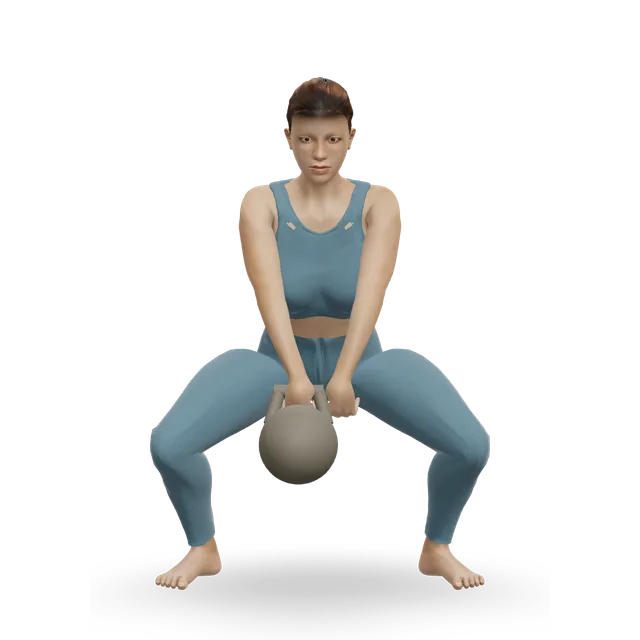
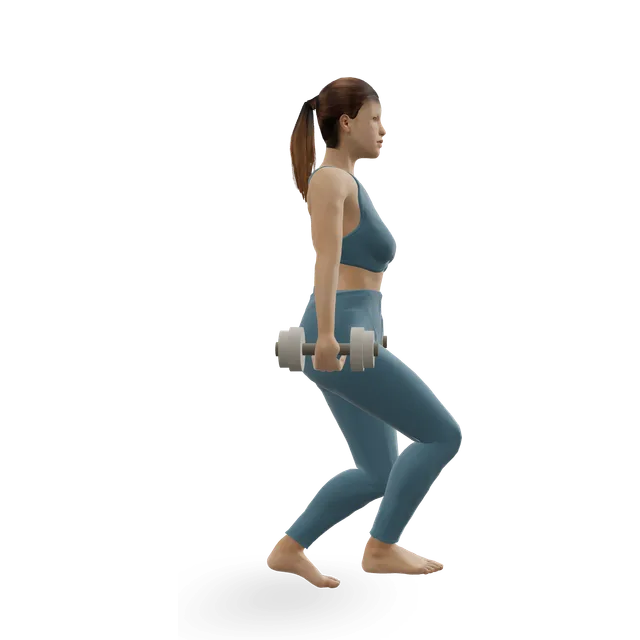
Sumo squats with a dumbbell, 2 or 3 sets of 8 to 12, as deep as you can control with your heels down (our adductor workout).
End each Copenhagen set while you can still lower slowly in a straight line, as our Copenhagen guide says. In your first two weeks, stop every set with 3 or 4 reps to spare, then 2 or 3, which our guides call 2 or 3 RIR (reps in reserve: how many more reps you could have done). Rest 60 to 90 seconds between sets of these smaller moves, as our plans' notes say.
Strength rose within 8 weeks in the trials. The Norwegian programme ran for 6 to 8 weeks before the season, then once a week through a 28-week season.
Built up from a few reps, median soreness was 0 to 2 out of 10 in one trial, and delayed soreness was reported once in 208 sessions in another. Starting on the long lever with lots of reps is the likely cause of the stories, as our Copenhagen guide says.
Our groin strain guide keeps pain at 3 out of 10 or less at first. After that, up to about 5 out of 10 that settles within an hour is acceptable; sharp pain mid-rep, or pain the next morning, is not. Leave the Copenhagen plank out during acute groin pain, as its move page says.
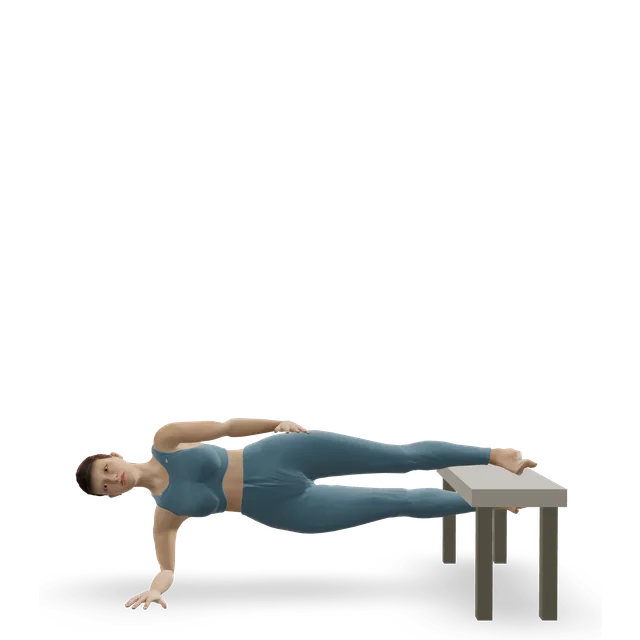
Our editorial order, the shape of our inner thigh workout, with doses from our Copenhagen plank and groin strain guides and the trials' build-up. The demo shows the long lever; for the short lever, the inside of your knee rests on the bench.
Loading the 3D figure…
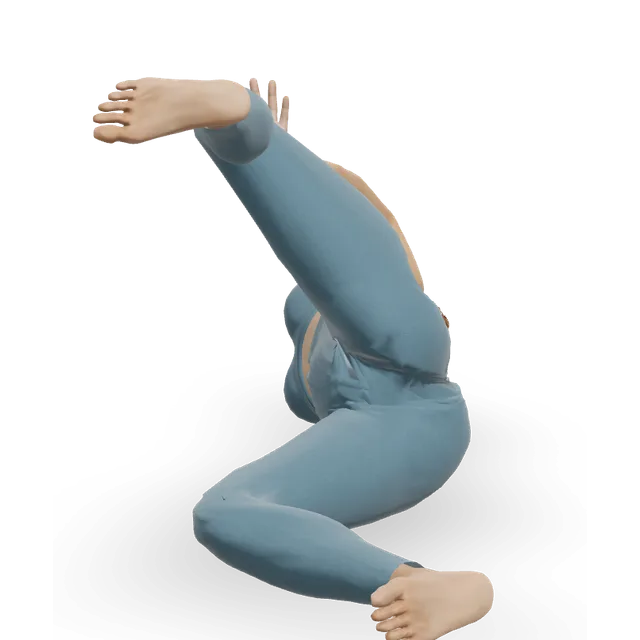
The movement on the figure: Copenhagen plank
Ball squeezes, 6 holds of 5 to 10 seconds (our inner thigh workout). Side-lying inner thigh lifts: the move page's dose is "10 to 12 each side. A suggested starting point. No trial has tested this move on its own." Standing band adduction, 3 sets of 10 to 12 each side (our groin strain guide); cable adduction, 2 sets of 10 to 12 each side, and the adduction machine, 3 sets of 10 to 15 (our adductor workout).
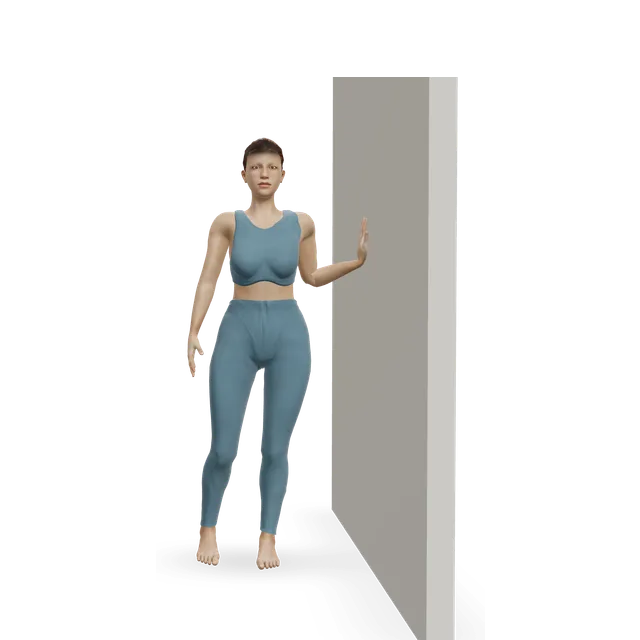
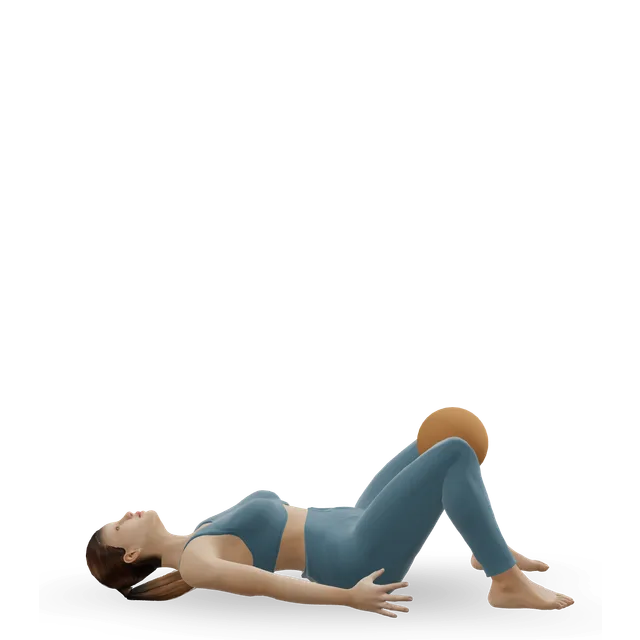 3D demoLying adductor ball squeezeBeginner · Other / check instructions
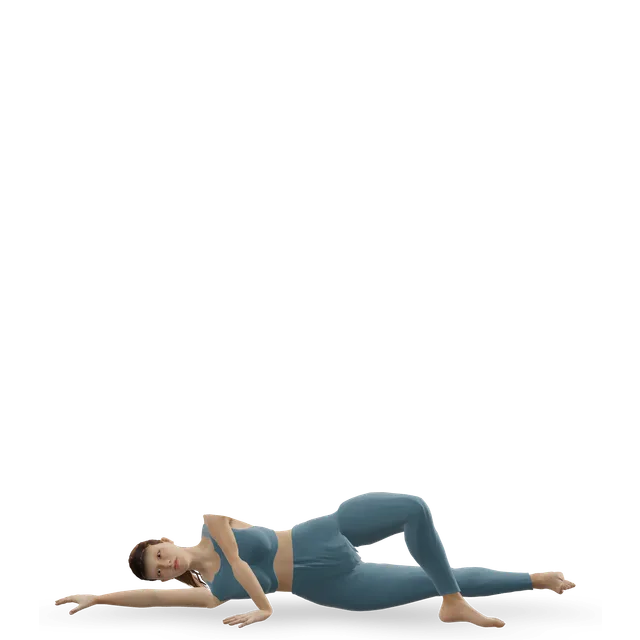 3D demoSide-lying inner thigh lift (Pilates side kick series)Beginner · No equipment
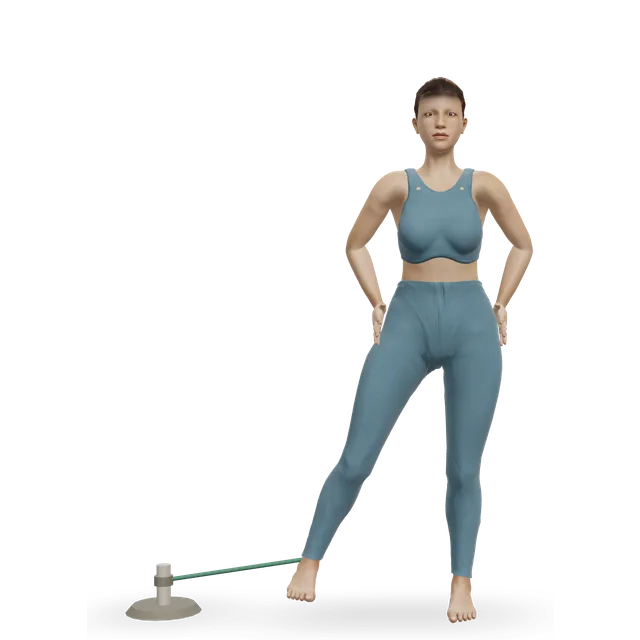 3D demoStanding band hip adductionBeginner · A band + An anchor point
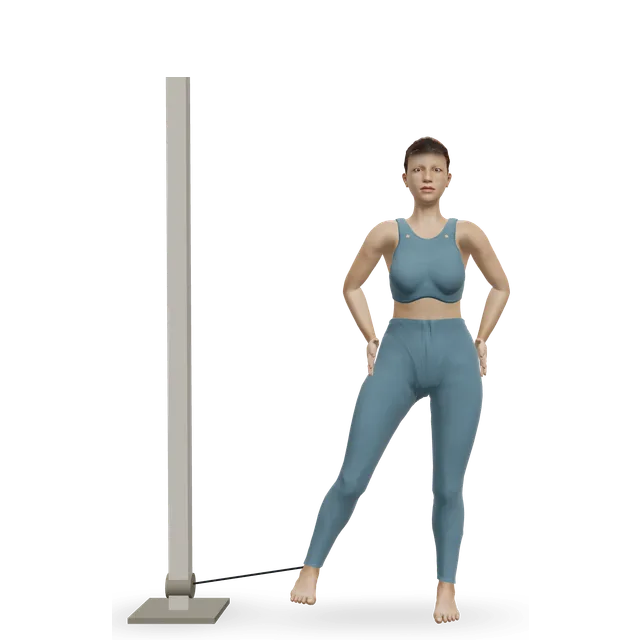 3D demoCable hip adductionBeginner · A cable machine
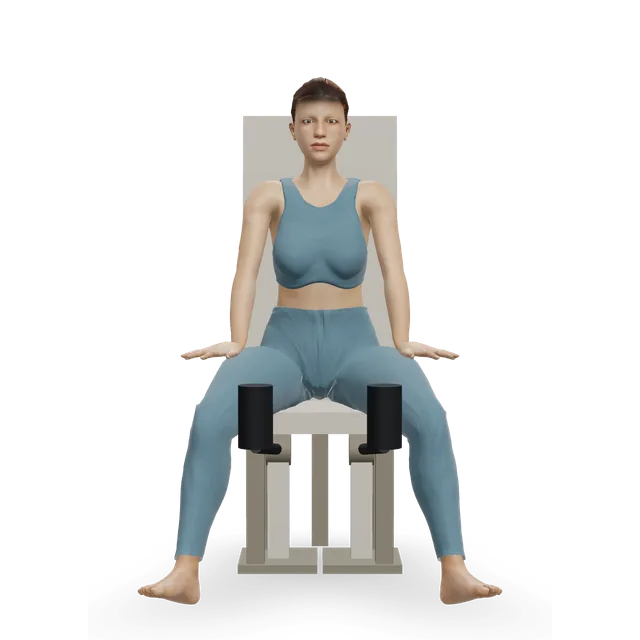 3D demoHip adduction machineBeginner · Strength machine
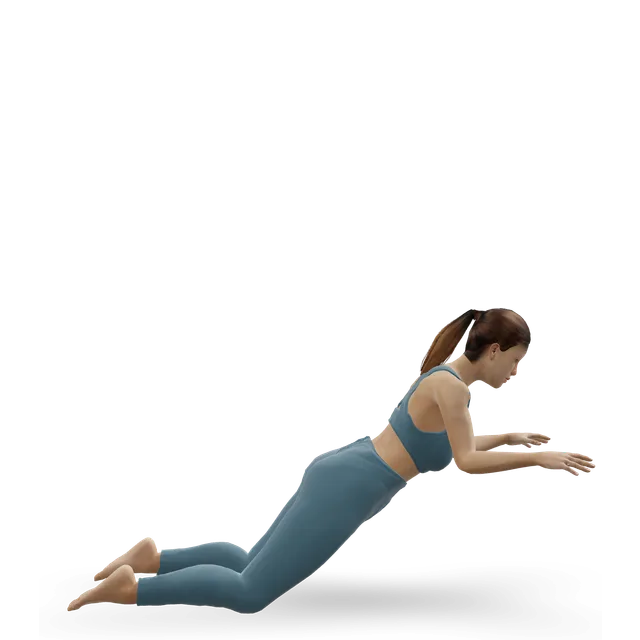
Knee side planks, 3 holds of 15 to 20 seconds each side (our groin strain guide); side planks, 2 or 3 holds of 15 to 40 seconds each side; then the Copenhagen plank, short lever first (knee on the bench), as 2 or 3 holds of 10 to 20 seconds a side or 1 set of 3 to 5 slow reps a side, building to 12 to 15 over several weeks, 2 or 3 times a week, then once a week to keep it (our Copenhagen plank guide). Our demo shows the long lever, ankle on the bench.
Sumo (plié) squats with a dumbbell, 3 sets of 8 to 12, stopping 2 or 3 reps short (our adductor workout); goblet squats, 3 or 4 sets of 8 to 12, and split squats, 2 or 3 sets of 8 to 12 each leg (our legs guide). Cossack squats: the move page's dose is 6 slow shifts per side, hold the last one. Full-depth squats grew the adductors more than half squats in a trial. There's no 3D demo of a side lunge: the Cossack squat shows the same wide, deep shift.
The 90/90 switch: the move page's dose is 10 slow switches, pause at the ends. Frog rocks: the move page's dose is 12 slow rocks, breathe into the floor. The side-lying groin stretch: the move page's dose is "Hold 20 to 30 seconds, 2 to 4 times each side (our editorial starting point). The ACSM suggests about 60 seconds of stretching in all per exercise, on at least 2 days a week." Skip the stretches after a recent groin strain and follow our groin strain guide (our suggestion).
Most of this evidence is in male footballers.
In 35 semi-professional teams (652 male players), one exercise, the Copenhagen at three levels, done 3 times a week before the season and once a week during it, cut the average weekly share of players with groin problems from 21.3% to 13.5% (41% lower odds). A Danish evidence statement rated it moderate quality, but noted that the result covers all groin problems, from soreness to more severe injuries.
In 202 male high-school players from 7 schools, 16 weeks of the Copenhagen cut groin pain (a relative risk of 0.42, and 0.19 with Nordic curls added). Players built from 3 to 5 reps a side to 12 to 15 and stopped a set if pain went above 3 out of 10.
Source 5
In amateur football, groin injuries were no less common with an adductor programme like the Norwegian one than with other injury prevention exercises. Of the 125 players given it, 103 were women, it was done about once a week on average, compliance in the build-up was low and COVID disrupted the season.
Source 7
Pooled across 7 trials and 4,191 players, groin injury programmes showed no clear effect (a relative risk of 0.81, anywhere from 0.60 to 1.09), and a six-exercise programme in 977 Danish players showed none.
Across 29 studies, a previous groin injury, a higher level of play, weaker adductors and less sport-specific training went with more groin injuries. In one ice hockey team, players whose adduction was under 80% of their abduction strength were 17 times more likely to strain an adductor. But in 438 professionals, no screening test picked out who would be injured, and athletes who already have groin pain are weaker and sorer on the squeeze test.
After a preseason programme for players at risk, one professional team had 3 adductor strains in the next 2 seasons against 11 in the 2 before, without a comparison group.
Source 31
Groin injuries were about 2.4 times more common in men's football than in women's (0.83 against 0.35 per 1,000 hours).
Source 11
Only 46% of players did the Norwegian programme as recommended, and 31% planned to keep it up. The benefit depends on doing it.
Source 32
In 68 athletes with adductor-related groin pain for a median of 40 weeks, 8 to 12 weeks of active strengthening returned 23 to sport without groin pain, against 4 with passive physiotherapy, and the Doha agreement on groin pain rates supervised active training above passive treatment. Our groin strain guide has the stages.
Do the Copenhagen for the adductor strength it builds, keep it going once a week through the season, and don't count on it as a guarantee outside men's football. Our Copenhagen plank guide has the full trial detail.
The Norwegian programme, built up before the season and kept once a week, is the best-tested plan; our hamstring and groin injury prevention workout has its three levels. In other sports, treat the Copenhagen as strength training (our reading).
Two short sessions a week with squeezes or the Copenhagen alongside single-leg work (our suggestion). No trial has tested adductor training for runners' injuries, and groin pain in a runner that builds with every step needs the same-day check in the warning signs.
Adding adductor work did no better than outer-hip work for knee arthritis (66 people) or kneecap pain (52 women), and squeezing the legs together during the leg press added nothing for kneecap pain (89 people). Inner- and outer-hip strengthening together did ease knee arthritis against no exercise (89 people). Train the adductors as part of hip strength, not as a special fix.
In 18 older adults, 8 weeks of power training for the inner and outer hip raised hip strength by 14 to 18% and improved how well they recovered their balance sideways, without a comparison group that didn't exercise.
Source 40
At home, a ball or cushion, a band and a bench, sofa or step are enough; in a gym, add the adduction machine or a cable, and sumo squats or sumo deadlifts. Our inner thigh workout and adductor workout have both.
The same exercises work: the Copenhagen built adductor strength in 52 women footballers. You may stay on the short lever longer, as our Copenhagen guide suggests.
Source 4
The inner thigh workout is the home session and the adductor workout the gym one. The injury prevention workout has the Norwegian programme's three levels; the hip, squash and field hockey sessions include the Copenhagen, short lever first.
A 25-minute inner thigh workout at home: sumo squats with a dumbbell or kettlebell, Cossack squats, ball squeezes and Copenhagen planks, with bridges and hip mobility.
25 minIntermediate10 movesA dumbbell, A kettlebellA 35-minute gym adductor workout: dumbbell sumo squats, the hip adduction machine, cable adduction and Copenhagen planks, with sets, reps and groin advice.
35 minBeginner10 movesCardio machine, A wallThe Nordic hamstring and Copenhagen adduction programmes from the football trials: a 10-week build, three adductor levels, then once a week in season.
15 minIntermediate6 movesA wall, An anchor pointA 30-minute session for hips that don't currently hurt: bridges, side-hip work, step-ups and single-leg control, an optional harder block, then balance.
30 minBeginner13 movesA wall, A bandA 35-minute routine for squash players: lunges, split squats, one-leg hinges and side lunges, calf raises, Copenhagen planks, trunk work and forearm lowering.
35 minBeginner14 movesA wall, A dumbbellA 45-minute strength session for field hockey: bounds and landings, goblet squats, split squats, single-leg hinges, Nordics, Copenhagen planks and trunk work.
45 minIntermediate14 movesA wall, A dumbbellThe runners' plan uses the Copenhagen as its harder side plank; the glute plan and the split's lower body gym day are where the machine fits.
A 12-week strength plan for runners: two sessions a week of heavy lifts, single-leg work, calf raises and hops, fitted around your runs.
2 training days45 minBeginner4 days a weekAn 8-week glute workout plan: two glute days and two upper-body days a week, with hip thrusts, squats, hinges and side-hip work, plus a home option.
4 training days50 minIntermediate4 days a weekA 4-day upper/lower split: two upper body and two lower body gym days, each muscle trained twice a week, with sets, reps and progression.
4 training days50 minIntermediateLeave the Copenhagen out while your groin is acutely painful, and follow our groin strain guide, which keeps pain at or below 3 out of 10 at first and brings the Copenhagen in last, short lever first. Its role in rehabilitation is less established than in prevention.
No study has tested the Copenhagen in pregnancy. The NHS advises against starting a new vigorous activity in pregnancy, and with pelvic pain it says to keep active but avoid things that make the pain worse. Our reading: don't start it in pregnancy, and leave it out with pelvic girdle pain; our pregnancy strength workout uses the half-kneeling Pallof press and clamshells instead.
If you already use the machine and it's comfortable, the NHS says strength training at a gym is fine if you're used to it; tell the instructor you're pregnant, and check with your midwife if you're new to weights. Pelvic girdle pain is often worse moving your legs apart, for example getting out of a car: keep active but avoid what makes it worse, and call your midwife or GP if it's hard to move around or it hurts to turn over in bed. No health-service source mentions the machine, so skip it if it hurts (editorial).
The NHS advises avoiding planks to start with. Our editorial suggestion: wait until side planks on your knees feel comfortable, as in stage 2 of our diastasis recti guide, then start with the side-lying lift.
Stay on the short lever, or use squeezes and band adduction instead of the Copenhagen (our suggestion).
Follow your surgical team's limits; our hip replacement guide covers the stages.
Get advice before hard or straining work, and see the warning signs below; our hernia guide covers exercise.
The NHS says not to do any heavy lifting or strenuous activity for at least 4 to 6 weeks after an inguinal hernia repair.
Source 41
Go to A&E or call 999 for sudden, severe pain in a testicle, testicle pain with feeling or being sick or tummy pain, or testicle pain that has lasted more than an hour or continues at rest. It can be a twisted testicle (testicular torsion), which needs treating straight away. Don't drive yourself. For aching or discomfort in your testicles that you're worried about, a lump, swelling or a change in a testicle's size, shape or feel, ask for an urgent GP appointment or get help from NHS 111.
See a GP if you think you have a hernia, a bulge or lump that may get bigger when you strain and smaller when you lie down. Get help from NHS 111 if you have a hernia and pain in or around it, a bloated tummy, you feel or are sick, you're vomiting blood or your vomit looks like coffee grounds, you're constipated, you have a high temperature or feel hot, cold or shivery, or you've suddenly become confused. Call 999 or go to A&E for a femoral hernia (a small lump at the top of your thigh, in your groin) with very bad tummy pain, sickness, being unable to fart or poo, a high temperature or sudden confusion.
A lump in the groin, upper thigh or tummy, especially one that appears when you cough or strain and goes when you lie down: see a GP, as it may be a true hernia. A femoral hernia (a small lump at the top of the thigh, mainly in women over 50, though it can happen to anyone) needs treating in hospital.
We found no study showing that strengthening the adductors or groin prevents a hernia. The NHS says you can't always prevent one, and its tips are general: be physically active, keep to a healthy weight, stop smoking, and see a GP about a cough that won't go away.
A pop high on the inner thigh, then a large bruise, a dent or a gap you can feel, or weakness squeezing your legs together: get it assessed within days, as our inner thigh pain guide says. A teenager with sudden pain at the front or top of the hip bone after a sprint, kick or jump, often with a pop, needs an X-ray the same day, as our groin pain guide says.
A sudden sharp pain in the groin or inner thigh during a set: stop. Get help from NHS 111 if it's very painful or getting worse, badly swollen or bruised, or you can't put weight on it or walk more than a few steps. A pop high on the inner thigh with a large bruise, a dent, or weakness squeezing your legs together needs assessing within days, as it can be a complete tendon tear (our inner thigh pain guide).
Same day, and stop running now: groin or front-of-hip pain in a runner, sometimes felt in the thigh or knee, that builds with running, hurts with every step or at night, or hurts when the hip is turned to the end of its range. Keep weight off the leg, using crutches if you have them, and get an urgent GP appointment or help from NHS 111 the same day: a stress fracture of the hip (femoral neck) needs urgent imaging.
Same day: a teenager with sudden pain at the front or top of the hip bone after a sprint, kick or jump, often with a pop. A piece of growth plate can pull off the pelvis (an avulsion fracture), and it needs an X-ray the same day.
Call 999 or go to A&E for severe hip pain after a fall or injury, if you can't walk or put weight on your leg, or for tingling or loss of feeling in your hip or leg after an injury. Ask for an urgent GP appointment or get help from NHS 111 for severe hip pain that started suddenly without a fall, a hip that's swollen and feels hot, skin around it that has changed colour, or hip pain with feeling generally unwell and a high temperature.
Same day (urgent GP appointment or NHS 111): severe pain that usually starts in the side of your tummy or your lower back, may spread to the area at the top of your inner thigh (groin), your testicles or the area around the opening of your vagina, and may come and go, or this pain with a high temperature or feeling hot, cold or shivery. It can be a kidney stone.
Groin or pubic pain with a high temperature, or feeling hot, cold, shivery or generally unwell; severe pain that started suddenly; or you can't move the leg or put weight on it: ask for an urgent GP appointment or get help from NHS 111. An infected pubic joint can look like osteitis pubis and needs treating quickly, usually in hospital. It's more likely after pelvic, bladder or incontinence surgery, with a weakened immune system, or if you inject drugs.
Pain in one spot on the pubic bone, or low back or buttock pain on one side, brought on by running in a distance runner, especially if your periods have stopped or become irregular, you've lost weight or you've had a stress fracture before: stop running and see a GP. It can be a stress fracture of the pelvis or the sacrum, and a magnetic resonance imaging (MRI) scan is the usual test.
Groin pain with no clear link to sport: see a GP, as it's unlikely to be a sports injury. With blood in your pee, ask for an urgent GP appointment or get help from NHS 111. With pain or burning when you pee, a pharmacist can help first if you're a woman aged 16 to 64 and not pregnant or breastfeeding; ask for an urgent GP appointment or get help from NHS 111 if you're a man, you're pregnant or 65 or over, or you have a very high or low temperature or feel hot, cold or shivery, pain low in your tummy or in your back just under the ribs, or symptoms that get worse quickly or don't improve within 48 hours.
Burning, tingling or numbness in the groin or inner thigh, especially after a hernia repair, or inner thigh pain that comes on with exercise and spreads down the inside of the thigh: see a GP or sports physician. A nerve may be irritated or trapped (our suggestion).
Pain or numbness in the groin that lasts more than 3 months after a hernia repair: see your GP or your surgical team. The NHS lists it as a possible complication.
Source 41
Call 999 or go to A&E: loss of feeling or numbness around the genitals or bottom, new trouble peeing or controlling your bladder or bowels, changes in genital sensation during sex or problems with erections or orgasm, or pain, tingling, weakness or numbness in both legs. These are signs of cauda equina syndrome, which needs treating in hospital urgently. Don't drive yourself.
See a GP if pain spreading down a leg hasn't improved after a few weeks of home treatment, is getting worse or stops your normal activities. Sciatica on both sides, or weakness or numbness in both legs that's severe or getting worse, is a 999 call or a trip to A&E.
Same day (urgent GP appointment or NHS 111): throbbing pain in one leg (rarely both), usually the calf or thigh; swelling in one leg (rarely both); red, blue or darkened skin around the painful area, which may be harder to see on brown or black skin; or swollen veins. It could be a blood clot (deep vein thrombosis, DVT), which is more likely while you're moving about much less than usual or after a hospital stay.
Also call 999 for pain and swelling in one leg with breathlessness or chest pain: it can be a blood clot that has reached the lungs.
Source 44
Call NHS 111 (in the US, your doctor or urgent care) for severe muscle pain and weakness with dark (cola-coloured) or reduced urine after unusually hard training. This can be rhabdomyolysis, which can harm the kidneys and needs prompt care.
If you get chest pain or pressure, feel faint or dizzy, are unusually breathless, or your heart races or beats irregularly during exercise, as our plans advise.
For chest pain that comes on suddenly and doesn't go away, feels tight or like squeezing, spreads to your arms, neck, jaw, stomach or back, or comes with sweating, feeling sick, light-headedness or breathlessness; severe difficulty breathing; someone who faints while exercising; palpitations that don't go away, or come with chest pain, shortness of breath or feeling faint; or a headache that starts suddenly and is extremely painful, especially while lifting or straining, or comes with numbness or weakness, difficulty speaking or loss of vision. The NHS says a bleed on the brain may be more likely when lifting something heavy. Don't drive yourself to A&E.
Ask for an urgent GP appointment or get help from NHS 111 for a headache that's triggered or made worse by coughing, sneezing, bending down or exercising. In the US, contact your doctor or urgent care.
Stop straight away if you feel any pain or become unwell, the NHS says, and contact 111 if your symptoms worry you or don't go away.
A dull ache in your muscles for a day or two after something new is normal. Joint pain that's sharp, gets worse during a set or lingers into the next day means switching to the easier option, and seeing a GP or physiotherapist if it carries on (our plans' rule). Our muscle soreness guide has more.
Speak to your GP first if you haven't exercised for some time or have medical conditions or concerns, as the NHS advises. Get advice before heavy lifting or hard straining work if your blood pressure is uncontrolled, or you have heart disease or chest pain when you're active, a pacemaker or defibrillator, diabetic eye disease, glaucoma, a hernia, recent eye or tummy surgery, or you're pregnant, as our breathing guide lists. After a recent shoulder dislocation or shoulder surgery, follow our shoulder dislocation guide or your surgical team first.
Speak to a GP first if you haven't exercised for some time, or if you have a medical condition or concerns. Get advice first, too, if you have a health problem, an injury or symptoms, have recently had a heart attack or an operation, or are pregnant or have recently given birth.
Source 24
Full squats do grow them (6.2% in 10 weeks, against 2.7% for half squats), and back squats grew them more than hip thrusts. But the squeezing and lowering strength the groin trials trained comes from direct work: the Copenhagen and band adduction drew far more adductor activity than squats, and the Copenhagen raised eccentric strength by up to 36% in 8 weeks. Squat for the adductor magnus, and add direct work for the rest.
It cut groin problems in men's football, but a programme like it showed no clear effect where most players were women, and older groin programmes, pooled, showed no clear effect.
Training one area doesn't take fat off it: in 104 adults training one arm, fat loss was spread across the body, and in 11 adults training one leg, fat came off the arms and trunk rather than the trained leg. Our thigh fat guide covers what does change it.
We found no evidence that they do, and the NHS's hernia prevention tips don't mention them. A new lump in the groin needs a GP, and a painful one the same-day help in the warning signs.
Source 42
Adding it did no better than outer-hip work for knee arthritis or kneecap pain, and adding a squeeze to the leg press added nothing. Hip strength as a whole helps.
Built up from a few reps, median soreness was 0 to 2 out of 10, and one case of delayed soreness was reported in 208 sessions. Starting on the long lever with lots of reps is the likely cause, as our Copenhagen guide says.
Combine a squeeze or side-lying lift, the Copenhagen plank (short lever first) and a deep or wide squat, 2 or 3 times a week. The Copenhagen raised lowering strength by about 36% in 8 weeks in young footballers.
Ball or cushion squeezes, side-lying inner thigh lifts, the Copenhagen plank with your knee on a sofa or step, and sumo or Cossack squats. Our inner thigh workout puts them together, with no machine.
A band, a cushion and a bench or sofa are enough. Band adduction raised eccentric strength by 30% in 8 weeks in a trial, and the Copenhagen even more.
Start with 1 set of 3 to 5 slow reps a side, knee on the bench, and add reps every week or two up to 12 to 15, 2 or 3 times a week. Once you've built up, one session a week of about 16 reps a side kept the strength in a trial.
In men's football, a programme built on the Copenhagen cut the share of players with groin problems in an average week from 21.3% to 13.5%. Elsewhere the evidence is thin: in a trial where most players were women, groin injuries were no less common than with other injury prevention exercises. Weak adductors and a past groin injury do go with more injuries.
Yes, deep ones: full squats grew them 6.2% in 10 weeks against 2.7% for half squats. Direct adductor work loads them much harder, so do both.
Follow our groin strain guide: squeezes first, keeping pain at 3 out of 10 or less, then band work, then the Copenhagen last. In a trial, active strengthening returned far more athletes to sport than passive treatment.
Two short sessions a week with squeezes or the Copenhagen and single-leg work. No trial has tested adductor training for runners' injuries, and groin pain that builds with every step needs a same-day check: see the warning signs.
As part of hip strengthening, it can: inner- and outer-hip strengthening eased knee arthritis in a trial. Adding adductor work on its own did no better than outer-hip work.
We found no evidence that it does. A lump in the groin needs a GP, and a painful one needs same-day help: see the warning signs.
Yes: it built adductor strength in 52 women footballers. You may stay on the short lever longer, and in pregnancy or with pelvic girdle pain, leave it out, as our Copenhagen plank guide says.
It works them, and it's an easy way to add load in a gym, but no trial has tested it for groin injuries. Our hip adduction machine guide covers the set-up.
Exercise education, not a personal prescription, and clinical review of these guides is pending. Check with a GP before starting hard training if you have a heart condition, chest pain, dizziness or breathlessness when active, and stop for sharp or increasing pain. Health disclaimer.