Training guide

How to use the hip adduction machine: the inner thighs, the set-up, groin strains, myths about thigh fat, and how many

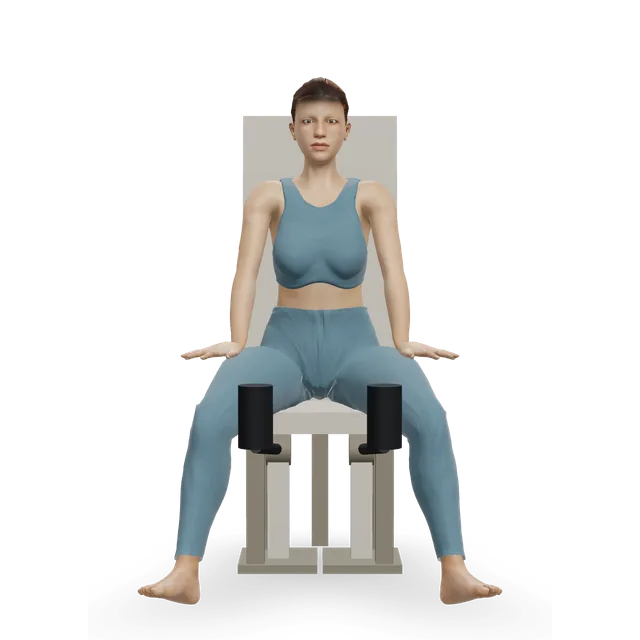
The hip adduction machine, also called the inner thigh machine, is the seated machine where you squeeze your knees together against pads on the insides of your legs. Its partner, the hip abduction machine, pushes them apart. Set the start width to a comfortable stretch, sit upright, squeeze in, and let your legs open slowly. Do 2 to 3 sets of 10 to 15, once or twice a week: our editorial starting point, as no study gives a dose.

It works the adductors, the inner-thigh muscles that steady your hips and legs in sport and wide stances, roughly as hard as a resistance band in one small study. What it can't do is slim your inner thighs or train your pelvic floor, and nobody has tested it for preventing groin strains: that evidence belongs to the Copenhagen plank.

This guide covers the set-up step by step on the 3D figure, what the machine works, groin injuries, the thigh fat and pelvic floor claims, pregnancy, and options without a machine.

The short version

Squeeze in, open slowly

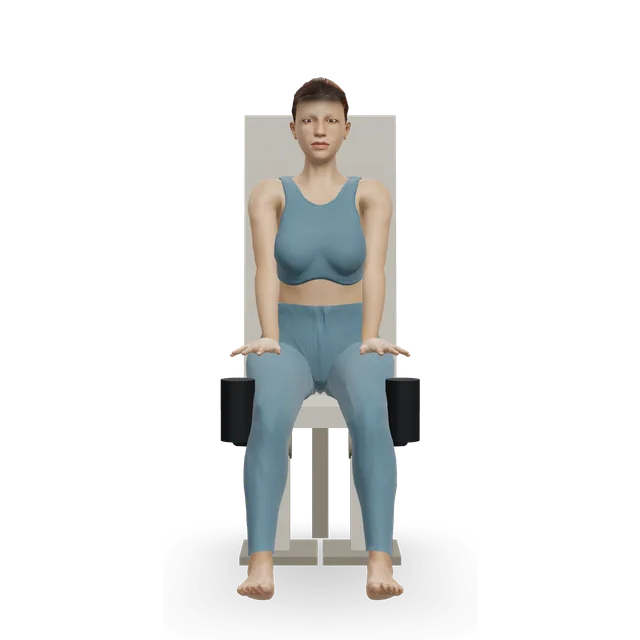
Sit upright with your back against the pad and the pads against the insides of your knees, squeeze your knees together, then let them open slowly. Adduction draws your legs in; the abduction machine pushes them out. The research set-up started with the legs about 45 degrees apart; set yours to a comfortable stretch, not your widest (editorial).

Source 1

What it works

In 16 untrained women, adductor longus activity on the machine rose with effort to 82% of maximum. Against an elastic band, the difference just missed statistical significance, so call them roughly similar. The biggest adductor, the adductor magnus, works more as a hip straightener than an adductor.

Sources 1, 2

Groin strains: the evidence is for the Copenhagen plank

Weaker adductors went with more groin strains in male athletes, and a Copenhagen adductor programme cut groin problems by 41% in 652 male footballers. No trial has tested the machine for groin injuries.

Sources 3, 4, 5

You don't need a machine

Ball squeezes and the Copenhagen plank reach high adductor activity, and full squats grew the inner thighs 6.2% against 2.7% for half squats. The machine's advantage is that it's easy to load in small steps.

Sources 6, 7, 8

What it won't do

It won't slim your inner thighs: across 13 studies of 1,158 people, training one area didn't take more fat off it. It isn't pelvic floor training. And it isn't a women's machine: most adductor research is in male athletes.

Sources 9, 10, 3

How many, and pregnancy

2 to 3 sets of 10 to 15, 60 to 90 seconds' rest, once or twice a week: our editorial starting point, as in our Copenhagen plank guide, because no study or professional body gives a dose. Pregnancy-related pelvic girdle pain is often worse moving your legs apart, so skip the machine if it hurts and tell your midwife.

Source 11

What the machine is, and what it works

Adduction and abduction

You sit with your back against a pad, hips and knees bent and feet on footrests, pads against the insides of your knees, and squeeze your knees together against the weight, then let them open under control. On many machines the same seat becomes the abduction (outer hip) machine by moving the pads to the outsides of your knees, as our abduction machine guide explains. A pin or lever sets the start width.

Its other names

People call it the inner thigh machine, the adductor machine, the groin machine or the thigh machine. They all mean this one.

The five adductors

The adductor longus, brevis and magnus, the gracilis and the pectineus, on the inside of your thigh. They draw your legs together and help steady your hips. Our adductors page covers each one.

Sources 12, 13

The adductor magnus's other job

The biggest adductor mainly straightens the hip: in 15 young adults, its capacity for hip extension was more than twice that for adduction, and its leverage for extension grows as the hip bends. That's why squats, deadlifts and the leg press grow it.

Sources 2, 14, 15

How people differ

How far your knees comfortably open varies, so the start width is personal. Men were stronger than women in adduction relative to body weight in a group of athletes, as our Copenhagen plank guide reports, but the muscles and the method are the same. Pregnancy-related pelvic girdle pain is often worse moving your legs apart.

Source 11

Activity isn't growth

The machine's numbers come from EMG (electromyography: electrodes measuring how hard a muscle works over a few reps), which isn't a validated predictor of what a muscle builds over months.

Source 16

Who was studied

On the machine: one muscle activity study we could read, in 16 untrained women, and a study of 40 male footballers whose machine values we couldn't read. The groin evidence: mostly male footballers and ice hockey players.

Sources 1, 7, 5, 3

How to use the hip adduction machine, step by step

From our move page and the research set-up (seated upright, hands on the handles). The weight guess follows our plans' method; the start width and the 2 to 3 seconds' return are editorial, as in our abduction machine guide.

  1. Set the pads to the insides of your knees, and set the start width with the pin or lever so your legs open only to a comfortable stretch, not your end range.
  2. Pick a weight you think you could squeeze about 15 times.
  3. Sit upright with your back against the pad, feet on the footrests and hands on the handles.
  4. Breathe out and squeeze your knees together until they nearly meet, moving only at your hips. Hold a moment.
  5. Breathe in and let them open slowly, over 2 to 3 seconds, back to the start width, without letting the stack slam or your legs get pulled wider than you set.
  6. After the last rep, bring your knees together before you take your legs off the pads.

Loading the 3D figure…

Gets into position, then repeats the movement. Technical checks passed; qualified exercise review is pending.

The movement on the figure: Hip adduction machine

Seat, start width and handles

Seat and back

Sit upright with your back on the pad and your hips bent, as in the research set-up (hips bent about 80 degrees), and hold the handles.

Source 1

Start width

At a comfortable stretch, not the widest your legs will go. The research set-up started with the legs about 45 degrees apart. Starting at your end range puts the groin under load where it's weakest, so our advice is editorial: start narrower.

Source 1

The return

Let your legs open over 2 to 3 seconds, without the stack slamming or pulling you wider than you set (editorial).

Leaning forward

Nothing has tested a lean on the adduction machine, so sit upright (editorial). Our abduction machine guide covers leaning on the other machine.

One leg at a time

Some gyms have a single-leg adduction machine or a cable version; the set-up rules are the same. There's no demo of the single-leg machine.

What the evidence says

Activity rises with the load: roughly like a bandMixed evidence

In 16 untrained women on a seated machine, adductor longus activity rose with effort: 46, 54, 63 and 82% of maximum. Compared with an elastic band, the difference just missed statistical significance (p = 0.0738, against the usual cut-off of 0.05), so the two look roughly similar, from one small study.

Source 1

High-intensity adductor exercisesEmerging evidence

Across adductor exercises in 40 male footballers, activity ranged from 14% to 108% of maximum, with the Copenhagen and band adduction among the high-intensity ones. A ball squeezed between the knees drew 118% of maximal adductor longus activity in 21 players.

Sources 7, 6

Side-lying work and squeezes beat wide squats for activityEmerging evidence

In 24 students, side-lying adduction and ball squeezes drew more adductor longus activity than side lunges, rotational squats and sumo squats. No machine was tested.

Source 17

Forces across the adductorsEmerging evidence

In a muscle-force model of 15 adults, the long-lever Copenhagen loaded every adductor most, and squats and step-ups loaded the hamstring-like part of the adductor magnus most. No machine was tested.

Source 13

Squeeze positionEmerging evidence

Squeezing with the hips bent to 45 degrees drew the most adductor activity, and long-lever squeezes gave more force.

Sources 18, 19

Strength gains: Copenhagen and bandEmerging evidence

The Copenhagen exercise raised eccentric (lowering) adduction strength 35.7% in 8 weeks in 24 young footballers, 8.9% more than the FIFA 11+ warm-up alone, and 24 to 25% in professionals; a band programme raised it 30%. We found no strength trial of the machine.

Sources 20, 21, 22, 23

Squats and the leg press grow the adductorsEmerging evidence

Full squats grew the adductors 6.2% against 2.7% for half squats, back squats grew them more than hip thrusts, and the leg press grew the adductor magnus 6.2%.

Sources 8, 24, 12

Not every squat programme didMixed evidence

In 11 women over 6 weeks, not every squat programme grew the hip extensors, a reminder that squats alone aren't guaranteed adductor work.

Source 25

Leave them out and they can shrinkEmerging evidence

In 21 novices, machine programmes that didn't load the adductors let the adductor magnus shrink a little while other muscles grew.

Source 26

Copenhagen training and muscle sizeMixed evidence

Copenhagen training thickened the adductor longus about 18% in 45 men, gone after 4 weeks off, but added nothing in 12 under-17 players.

Sources 27, 28

No training study of the machine

We found no training study of the seated machine for strength, size, groin injury, thigh fat or the pelvic floor. The American Council on Exercise (ACE) exercise library has only a standing cable adduction.

Source 29

Groin strains and the adductors

Weaker adductors, more groin strainsEmerging evidence

In one professional ice hockey team, players whose adduction strength was under 80% of their abduction strength were 17 times more likely to strain an adductor, and a review linked weaker adductors with groin injury. Mostly men.

Sources 3, 4

In women, the evidence is thinEmerging evidence

Pooled evidence in female athletes is very low certainty. In one group of 37 female footballers, those who went on to have groin problems had weaker adductors before the season.

Sources 30, 31

The Copenhagen programme cut groin problems by 41%Emerging evidence

In 652 semi-professional male footballers, the Adductor Strengthening Programme, built on the Copenhagen exercise, cut groin problems from 21.3% to 13.5% of players. One good cluster trial, with self-reported groin problems. That's evidence for the Copenhagen plank, not the adduction machine.

Source 5

Earlier programmes were mixedMixed evidence

An earlier exercise programme made no significant difference in 977 football players, and pooled across trials the effect wasn't significant (risk ratio 0.81).

Sources 32, 33

The machine hasn't been tested

No trial has tested the machine for groin injuries. Strong adductors are linked with fewer strains, so the machine is a reasonable way to build them alongside the Copenhagen plank; it just isn't proven. Professional teams in practice used 2 sets of 7 to 10 Copenhagen reps a side, twice a week, in pre-season.

Sources 5, 34

Long-standing groin painEmerging evidence

In 68 athletes with long-standing adductor-related groin pain, active strengthening returned far more to sport than passive treatment, 23 against 4. Our groin strain and groin pain guides own treatment.

Source 35

What counts as adductor-related groin painStrong evidence

Tenderness of the adductors plus pain when you squeeze your legs together against resistance, by a consensus definition. If the machine reproduces groin pain, stop and get it assessed rather than pushing through. Our Copenhagen plank and groin strain guides have the plans.

Source 36

Sets, reps, weight and how often

Sets and reps

2 to 3 sets of 10 to 15, 60 to 90 seconds' rest, most sets 2 or 3 reps short of failure and the last 0 to 2, once or twice a week. That's our editorial starting point, the dose our Copenhagen plank, sumo squat and sumo deadlift guides give; no study or professional body gives a dose for the machine.

Your first two weeks

2 sets with 3 or 4 reps to spare, as our plans say. People misjudge the reps they have left by about one.

Source 37

How heavy

A weight you think you could squeeze about 15 times, with a slow return and no rocking. Stack numbers differ between machines, so compare yourself only with yourself; there are no useful standards for men or women.

Moving up

Reach 15 on every set, then take the smallest stack step. Adding reps and adding load both worked as progression in a trial.

Source 38

Rest

60 to 90 seconds, as our plans give for isolation moves.

Source 39

The nearest doses with a source

For comparison, not as starting points: a band programme used 3 sets at a 15-rep maximum twice a week for 2 weeks, then 3 sets of 10 and 3 sets of 8 three times a week, over 8 weeks; the Copenhagen programme ran three levels three times a week through 6 to 8 weeks of pre-season, then once a week; a Danish trial built from 2 sets of 6 to 3 sets of 15 a side, twice a week; professional teams used 2 sets of 7 to 10 a side twice a week in pre-season.

Sources 23, 5, 20, 34

Count it as adductor work

Squats, leg presses and lunges train the adductors too, so the machine adds to them rather than replacing them.

Sources 8, 12

Warm up first

A few minutes of easy cycling, some hip circles, then a light set, as the NHS and our plans advise.

Source 40

Common mistakes and how to fix them

Starting too wide, at the end of your range

Use a narrower pin setting, at a comfortable stretch.

Letting the stack crash your legs open

Open over 2 to 3 seconds, and lighten the weight if you can't.

Rocking your trunk

Sit upright with your back on the pad, and move only at your hips.

Pushing through sharp groin pain

Stop: pain when you squeeze against resistance is how adductor-related groin pain shows itself.

Source 36

Taking your legs off the pads while they're open

Bring your knees together first, then step off.

Without a machine: cable, band, squeeze and Copenhagen

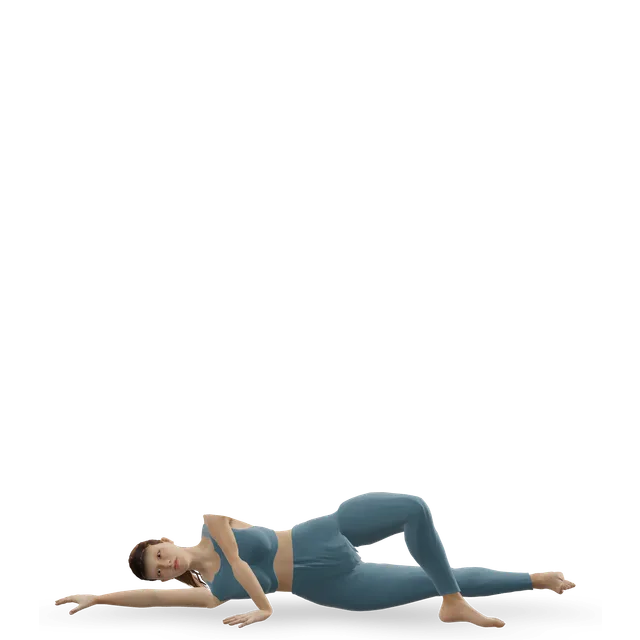
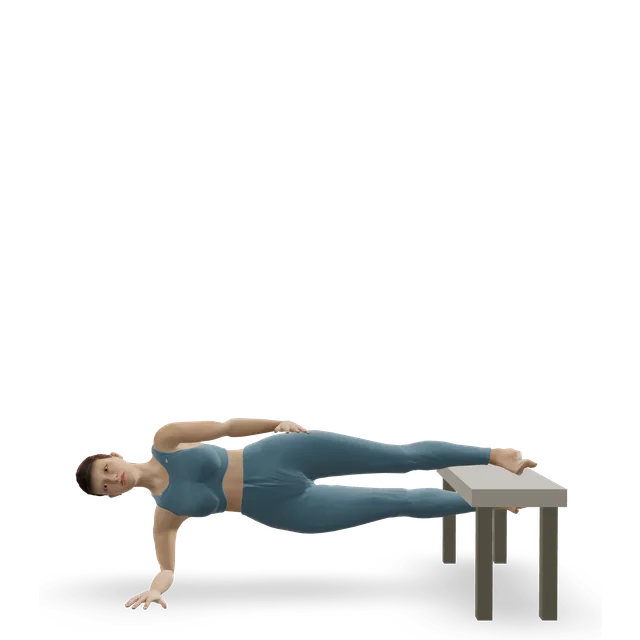
Easiest first. The lying ball squeeze, 6 holds of 5 to 10 seconds (our inner thigh workout); the side-lying inner thigh lift, 10 to 12 each side (its move page's suggested starting point); cable adduction, 2 to 3 sets of 10 to 12 each side (our Copenhagen plank guide's editorial starting point); standing band adduction, 3 sets of 10 to 12 each side (our groin strain guide's editorial starting point); the Copenhagen plank, short lever first, 1 set each side of 3 to 5 slow reps, building to 12 to 15, 2 or 3 times a week (our Copenhagen plank guide, from the trials' progression). The ball squeeze, cable, band and Copenhagen move pages give no dose. Learning order (editorial): squeezes or side-lying lifts, then the machine or band, then the short-lever Copenhagen, then the long lever.

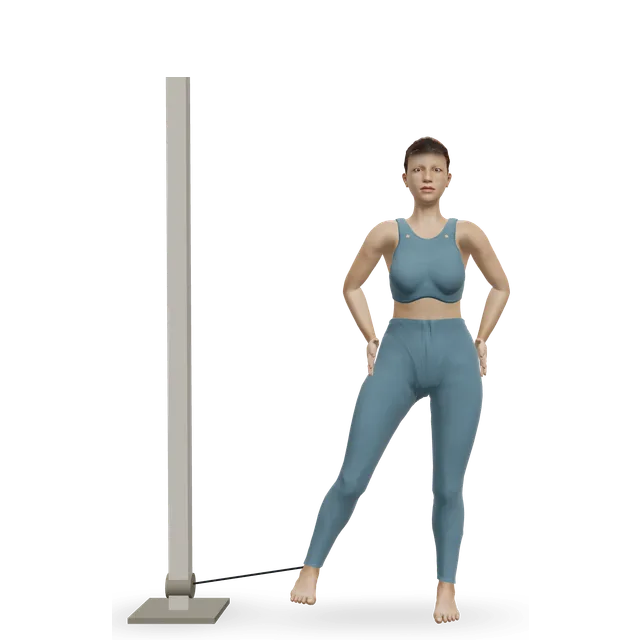
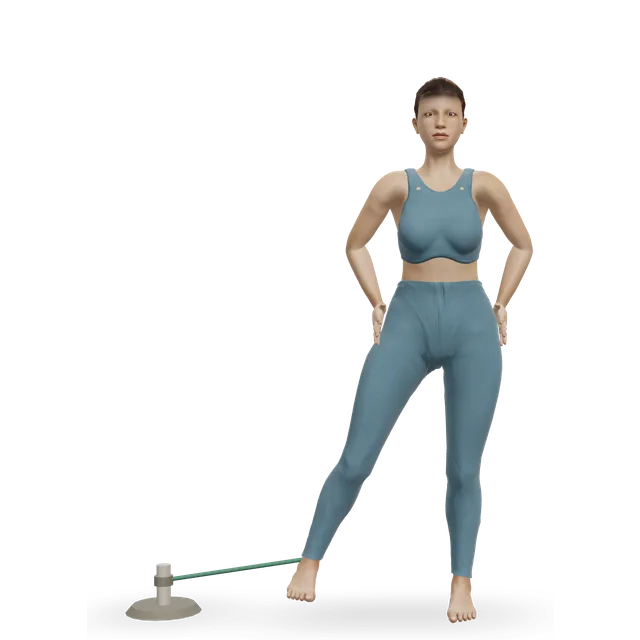
No machine: the standing band adduction

Our move page's steps and cues: move from the hip and keep your pelvis level; stand closer to the post to make it easier. The cable version is the same movement with an ankle cuff on a low pulley.

  1. Tie a band low round a solid post. Stand on your left leg with your right side to the post and the band round your right ankle; hold a support if you need it.
  2. Keeping your right knee straight and your trunk tall, sweep your right leg in across the front of your left against the band.
  3. Return slowly out to the side. Change legs by turning the other side to the post.

Loading the 3D figure…

Gets into position, then repeats the movement. Technical checks passed; qualified exercise review is pending.

The movement on the figure: Standing band hip adduction

What goes with it

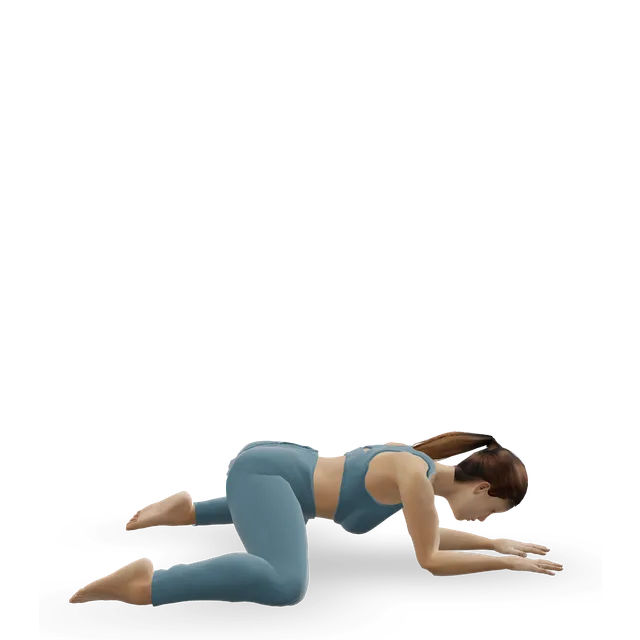
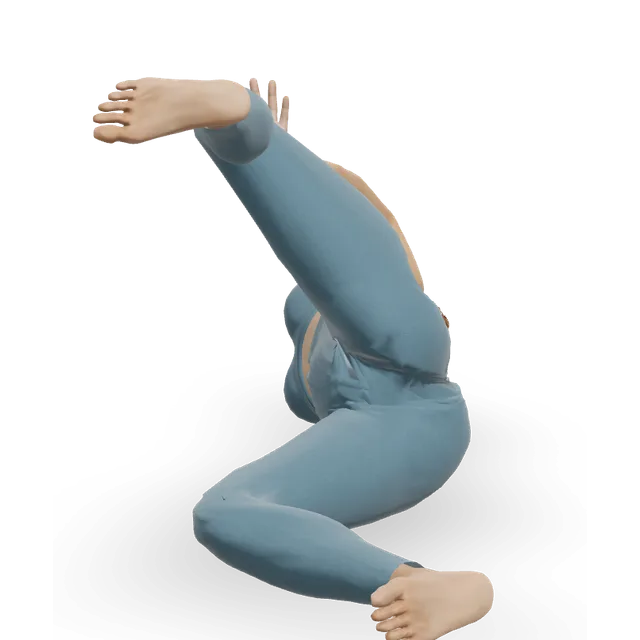
The hip abduction machine, the opposite movement, 2 to 3 sets of 12 to 20 (our abduction machine guide and glute and lower body workouts); plié dumbbell (sumo) squats, 8 to 12, stopping 2 or 3 reps short (our inner thigh workout); goblet squats, 3 sets of 8 to 12 (our goblet squat guide and full-body workouts); those three move pages give no dose. Cossack squats, 6 slow shifts per side, holding the last one; the 90/90 switch, 10 slow switches, pausing at the ends; frog rocks, 12 slow rocks; the side-lying groin stretch, 20 to 30 seconds, 2 to 4 times each side (all their move pages' doses).

Who should change it

Groin pain

Our groin strain guide keeps pain at 3 out of 10 or less at first. After that, up to about 5 out of 10 that settles within an hour is acceptable; sharp pain mid-rep, or pain the next morning, is not. Leave the Copenhagen plank out during acute groin pain, as its move page says.

Pregnancy

If you already use the machine and it's comfortable, the NHS says strength training at a gym is fine if you're used to it; tell the instructor you're pregnant, and check with your midwife if you're new to weights. Pelvic girdle pain is often worse moving your legs apart, for example getting out of a car: keep active but avoid what makes it worse, and call your midwife or GP if it's hard to move around or it hurts to turn over in bed. No health-service source mentions the machine, so skip it if it hurts (editorial).

Sources 41, 42, 11, 43, 44

After birth

The NHS advises avoiding heavy lifting to start with. Build back gradually; our postpartum guide covers it.

Source 45

A hernia

Get advice before hard or straining work, and see the warning signs below; our hernia guide covers exercise.

After hip surgery

Follow your surgical team's limits on how far your legs may move apart or together, and when.

Bladder leaks

The machine isn't pelvic floor training: see the myths below, and our pelvic floor guide for what is.

Older adultsEmerging evidence

The adduction machine has been used to test strength and power in 37 people aged about 69, and 8 weeks of standing cable adduction and abduction power work improved side-to-side balance recovery in 18 older people. In one study, hip abductor strength, not adductor strength, separated people who fell from those who didn't.

Sources 46, 47, 48

Workouts to follow

Our adductor workout is the gym session built around the machine: dumbbell sumo squats, the machine, cable adduction, the abduction machine and short-lever Copenhagen planks. The inner thigh workout is the home version, with no machine. The hamstring and groin injury prevention session has the Copenhagen programme's three levels for football. The sumo deadlift and lower body gym workouts have room for the machine, 2 sets of 10 to 15 (our suggestion).

Plans to add it to

Both plans use our lower body gym workout, where the adduction machine can join the abduction machine (our suggestion).

Warning signs

Stop and get medical help

If you get chest pain or pressure, feel faint or dizzy, are unusually breathless, or your heart races or beats irregularly during exercise, as our plans advise. The American Heart Association says these need immediate medical evaluation.

Source 49

Call 999 (911 in the US)

For chest pain that comes on suddenly and doesn't go away, feels tight or like squeezing, spreads to your arms, neck, jaw, stomach or back, or comes with sweating, feeling sick, light-headedness or breathlessness; arm pain that comes on suddenly with pressure, heaviness or squeezing across your chest; severe difficulty breathing, or a chest that feels tight or heavy; someone who faints while exercising; palpitations that don't go away, or come with chest pain, shortness of breath or feeling faint; or a headache that starts suddenly and is extremely painful, especially while lifting or straining. The NHS says a bleed on the brain may be more likely when lifting something heavy. Don't drive yourself to A&E.

Sources 50, 51, 52, 53, 54, 55, 56, 57, 58

A headache with effort

Ask for an urgent GP appointment or get help from NHS 111 for a headache that's triggered or made worse by coughing, sneezing, bending down or exercising.

Source 57

Your hip

Call 999 or go to A&E for severe hip pain after a fall or injury, or if you can't walk or put weight on the leg. Ask for an urgent GP appointment or get help from NHS 111 for severe hip pain that started suddenly without an injury, or a hip that's swollen and hot. See a GP if hip pain hasn't improved after 2 weeks of looking after it yourself.

Source 59

A pulled groin muscle

A sudden sharp pain in the groin or inner thigh during a set: stop. Get help from NHS 111 if it's very painful or getting worse, badly swollen or bruised, or you can't put weight on it or walk more than a few steps. A pop high on the inner thigh with a large bruise, a dent, or weakness squeezing your legs together needs assessing within days, as it can be a complete tendon tear (our inner thigh pain guide).

Source 60

A new lump or bulge in your groin or tummy

See a GP if you think you have a hernia, a bulge or lump that may get bigger when you strain and smaller when you lie down. Get help from NHS 111 if you have a hernia and pain in or around it, a bloated tummy, you feel or are sick, you're vomiting blood or your vomit looks like coffee grounds, you're constipated, you have a high temperature or feel hot, cold or shivery, or you've suddenly become confused. Call 999 or go to A&E for a femoral hernia (a small lump at the top of your thigh, in your groin) with very bad tummy pain, sickness, being unable to fart or poo, a high temperature or sudden confusion.

The NHS lists lifting heavy weights among the causes of a femoral hernia. After an inguinal hernia repair, avoid heavy lifting or strenuous activity for at least 4 to 6 weeks.

Sources 61, 62, 63, 64

Pain around your testicles

With groin pain, see a GP. Our groin pain in men guide has the urgent signs.

Source 64

Back pain with leg or bladder symptoms

Call 999 or go to A&E: loss of feeling or numbness around the genitals or bottom, new trouble peeing or controlling your bladder or bowels, changes in genital sensation during sex or problems with erections or orgasm, or pain, tingling, weakness or numbness in both legs. These are signs of cauda equina syndrome, which needs treating in hospital urgently. Don't drive yourself.

Source 65

Pain down a leg

See a GP if pain spreading down a leg hasn't improved after a few weeks of home treatment, is getting worse or stops your normal activities. Sciatica on both sides, or weakness or numbness in both legs that's severe or getting worse, is a 999 call or a trip to A&E.

Source 66

Swollen muscles and dark urine

Very sore, swollen, tight muscles and dark urine after an unusually hard or high-rep session need medical help the same day: it could be rhabdomyolysis, as our elbow pain from pull-ups guide explains. Normal soreness peaks a day or two after a new exercise and fades.

Sources 67, 68

Before you start

Speak to your GP first if you haven't exercised for some time or have medical conditions or concerns, as the NHS advises. Get advice before hard or straining work if your blood pressure is uncontrolled (140/90 or higher at a clinic, or 135/85 at home), or you have heart disease or chest pain when you're active, a pacemaker or defibrillator, diabetic eye disease, glaucoma, a hernia, recent eye or tummy surgery, or you're pregnant, as our breathing guide lists.

With controlled high blood pressure, the American Heart Association considers low- to moderate-intensity strength training with proper breathing safe: breathe out as you lift.

Sources 69, 70, 52, 49
Myths

"The adduction machine slims your inner thighs" or "gives you a thigh gap"Strong evidence

Across 13 studies of 1,158 people, training one area didn't take more fat off it; one-leg training took fat off the arms and trunk instead, and MRI (magnetic resonance imaging) scans of 104 adults agreed. ACE says "spending the afternoon sitting in this machine will not reduce the size of your thighs". Where you store fat is strongly influenced by your genes. Two small belly-fat studies claim a local effect; nothing has shown it for the thighs. Our thigh fat guide covers what does change fat.

Sources 9, 71, 72, 73, 74, 75, 76

"You need a machine to train the adductors"Emerging evidence

A band worked them roughly as hard in one small study; ball squeezes and the Copenhagen reached high activity; full squats, back squats and the leg press grew them; and equipment type didn't consistently change results across the reviews the American College of Sports Medicine (ACSM) pooled.

Sources 1, 6, 7, 8, 24, 12, 77

"The adduction machine prevents groin strains"

No trial has tested the machine. The 41% drop in groin problems came from the Copenhagen exercise in male footballers, and earlier mixed programmes didn't clearly help. Strong adductors are linked with fewer strains, so the machine is a reasonable way to build them; it just isn't proven.

Sources 5, 32, 33, 3

"The adduction machine strengthens your pelvic floor"Emerging evidence

Squeezing your thighs switches the pelvic floor on a little, but adding adduction didn't increase pelvic floor force in 20 women, reduced the pelvic floor's lift in 19 others, and added no pelvic floor strength in a trial in 47 women with bladder leaks. Pelvic floor training means training the pelvic floor itself; our pelvic floor guide shows how.

Sources 78, 10, 79, 80

"It's a women's machine"Emerging evidence

Almost all the adductor and groin evidence is in male footballers and ice hockey players. The muscles steady everyone's hips and legs.

Sources 3, 5

"It works your glutes"Emerging evidence

Its target is the inner thigh. The adductor magnus does help straighten the hip, which is why squats and the leg press grow it; the side glutes are the abduction machine's job.

Source 2

"Start as wide as you can for a better stretch"

No study supports it; the research set-up started about 45 degrees apart. A forced wide start puts the groin at the end of its range under load (our editorial advice).

Source 1

"Adduction and abduction machines are pointless"Mixed evidence

ACE's trainers prefer standing exercises, but the machine worked the adductors roughly as hard as a band in one small study, and it's easy to load in small steps. It's one good option among several.

Sources 73, 1

Questions people ask

How do you use the hip adduction machine?

Set the pads to the insides of your knees and the start width to a comfortable stretch, sit upright with your back on the pad and hold the handles. Squeeze your knees together, hold a moment, then let them open slowly over 2 to 3 seconds.

What does the hip adduction machine work?

Your adductors, the inner-thigh muscles that draw your legs together. In a study on the machine, their activity rose with the weight, to about 82% of maximum near full effort.

What's the difference between the adduction and abduction machines?

Adduction squeezes your legs in and works your inner thighs; abduction pushes them out and works the side of your hips. Many gyms use one seat for both, with the pads moved. Our abduction machine guide covers the other one.

What's the inner thigh machine called?

The hip adduction machine, also called the adductor, groin or inner thigh machine. Its partner, the hip abduction (outer thigh) machine, often shares the seat.

How wide should I start on the adduction machine?

At a comfortable stretch, not the widest your legs will go. The research set-up started with the legs about 45 degrees apart, and starting at your end range puts the groin under load where it's weakest; that advice is ours, not a study's.

How many sets and reps on the adduction machine?

2 to 3 sets of 10 to 15, 60 to 90 seconds' rest, once or twice a week. No study or professional body gives a dose for this machine, so this is our starting point.

How much weight should I use?

One you can squeeze 10 to 15 times with a slow return and no rocking; start with a guess of about 15 reps. Stack numbers differ between machines, so compare yourself only with yourself.

Does the adduction machine slim your inner thighs?

No. Training one area doesn't take the fat off it, across 13 studies of 1,158 people, and where you store fat is strongly influenced by your genes. It builds inner-thigh strength, which is worth having for its own sake; our thigh fat guide covers fat loss.

Does the adduction machine prevent groin injuries?

It hasn't been tested. Weaker adductors are linked with more groin strains, and a programme built on the Copenhagen exercise cut groin problems by 41% in male footballers, so building adductor strength makes sense; for field sports, the Copenhagen has the evidence.

Does the adduction machine work your pelvic floor?

Not usefully. Squeezing your thighs switches the pelvic floor on a little, but adding adduction didn't make pelvic floor contractions stronger in studies. Pelvic floor exercises are the way to train it.

Can I use the adduction machine when I'm pregnant?

If you already use it and it's comfortable, the NHS says strength training at a gym is fine if you're used to it; tell the instructor you're pregnant. Pelvic girdle pain is often worse moving your legs apart, so skip it if it hurts and talk to your midwife.

Do I need the machine to train my inner thighs?

No. A band worked them roughly as hard in one small study, ball squeezes and the Copenhagen plank work them hard, and deep squats and the leg press grow them. The machine is just easy to load.

Sources

  1. Brandt 2013 · Elastic band and machine hip abduction and adduction in 16 untrained women (muscle activity study, Int J Sports Phys Ther)
  2. Takahashi 2025 · The adductor magnus acts mainly to straighten the hip, not to adduct it (lab study, J Appl Physiol)
  3. Tyler 2001 · Hip strength, flexibility and adductor strains in professional ice hockey players (cohort study, Am J Sports Med)
  4. Whittaker 2015 · Risk factors for groin injury in sport (updated systematic review, Br J Sports Med)
  5. Harøy 2019 · An adductor strengthening programme and groin problems in 652 footballers (cluster randomised trial, Br J Sports Med)
  6. Krommes 2017 · Adductor muscle activity in groin-injury prevention exercises in 21 footballers (cross-sectional study, Int J Sports Phys Ther)
  7. Serner 2014 · Muscle activity in hip adduction exercises for footballers (muscle activity study, Br J Sports Med)
  8. Kubo 2019 · Full against half squats and lower-limb muscle volumes (trial, Eur J Appl Physiol)
  9. Ramírez-Campillo 2022 · Spot reduction: 13 studies of 1,158 people (meta-analysis, Hum Mov)
  10. Amorim 2017 · Hip adduction and abduction and pelvic floor force in healthy women (lab study, PLoS One)
  11. NHS · Pelvic pain in pregnancy (past its review date: reviewed December 2022, review due December 2025)
  12. Kinoshita 2026 · Leg extension against leg press for muscle growth (direct comparison, MSSE)
  13. Collings 2026 · Hip adductor muscle forces in strength training and rehabilitation exercises (modelling study, MSSE)
  14. Németh 1985 · Hip extensor leverage at different hip angles (lab study, J Biomech)
  15. Takizawa 2014 · Why the adductor magnus is large: its function from cadaver anatomy (anatomy study, Scand J Med Sci Sports)
  16. Vigotsky 2022 · Muscle activity in one session is not a validated predictor of muscle growth (review, Sports Med)
  17. Delmore 2014 · Adductor longus activity in common hip exercises (muscle activity study, J Sport Rehabil)
  18. Delahunt 2011 · The adductor squeeze test: 45 degrees of hip bend drew the most activity (lab study, Man Ther)
  19. Light 2016 · Precision and torque of hip adductor squeeze tests in elite football (lab study, J Sci Med Sport)
  20. Ishøi 2016 · The Copenhagen adduction exercise and eccentric strength in footballers (randomised trial, Scand J Med Sci Sports)
  21. Harøy 2017 · Adding the Copenhagen adduction exercise to the FIFA 11+ warm-up (randomised trial, Am J Sports Med)
  22. Polglass 2019 · A modified Copenhagen programme in professional footballers (trial, BMJ Open Sport Exerc Med)
  23. Jensen 2014 · Elastic band adductor training and eccentric strength in footballers (randomised trial, Br J Sports Med)
  24. Plotkin 2023 · Hip thrusts against back squats for muscle growth (randomised trial, Front Physiol)
  25. Chiu 2025 · Leg alignment in barbell squat training and muscle volumes (trial, JSCR)
  26. Van Vossel 2024 · Muscle shrinkage and growth at the same time with resistance training (trial, MSSE)
  27. Alonso-Fernández 2022 · The Copenhagen adduction exercise, adductor architecture and flexibility (trial, Int J Environ Res Public Health)
  28. Alonso-Calvete 2021 · The Copenhagen adduction exercise and adductor architecture in under-17 footballers (randomised trial, Int J Environ Res Public Health)
  29. ACE · Standing hip adduction, with a cable (exercise library, American Council on Exercise)
  30. Whittaker 2025 · Modifiable risk factors for leg injury in female athletes (systematic review and meta-analysis, Br J Sports Med)
  31. Bailén-García 2026 · Pre-season risk factors for groin problems in female footballers (cohort study, Phys Ther Sport)
  32. Hölmich 2010 · An exercise programme to prevent groin pain in football players (cluster randomised trial, Scand J Med Sci Sports)
  33. Esteve 2015 · Preventing groin injuries in sport (systematic review and meta-analysis of randomised trials, Br J Sports Med)
  34. Stensø 2022 · How Norwegian professional football teams use the adductor strengthening programme (cross-sectional study, BMJ Open)
  35. Hölmich 1999 · Active training for long-standing adductor-related groin pain in athletes (randomised trial, Lancet)
  36. Weir 2015 · The Doha agreement on groin pain terms and definitions in athletes (consensus statement, Br J Sports Med)
  37. Halperin 2022 · How accurately people predict the reps they have left (scoping review and meta-analysis, Sports Med)
  38. Plotkin 2022 · Adding load or adding reps as progression in 43 trained people (randomised trial, PeerJ)
  39. Singer 2024 · Rest between sets and muscle growth (Bayesian meta-analysis, Front Sports Act Living)
  40. NHS · How to warm up before exercising
  41. NHS · Exercise in pregnancy
  42. Tommy's · Strength training and weight lifting in pregnancy
  43. NHS inform · Pelvic girdle pain (NHS Scotland patient information)
  44. RCOG · Pelvic girdle pain and pregnancy (patient information, Royal College of Obstetricians and Gynaecologists, 2015)
  45. NHS · Your post-pregnancy body
  46. Strand 2019 · Loads for power on plate-loaded machines in older men and women (lab study, Exp Gerontol)
  47. Inacio 2018 · Hip abductor and adductor power training and side-to-side balance in older adults (trial, Clin Biomech)
  48. Gafner 2018 · Hip and grip strength in older people who fall and who don't (cross-sectional study, Clin Interv Aging)
  49. Paluch 2024 · Resistance exercise training with and without cardiovascular disease: 2023 update (American Heart Association scientific statement, Circulation)
  50. NHS · Chest pain (past its review date: reviewed August 2023, review due August 2026)
  51. NHS · Heart attack
  52. NHS · High blood pressure
  53. NHS · Elbow and arm pain
  54. NHS · Shortness of breath
  55. NHS · Fainting
  56. NHS · Heart palpitations
  57. NHS · Headaches
  58. NHS · Subarachnoid haemorrhage
  59. NHS · Hip pain in adults
  60. NHS · Sprains and strains
  61. NHS · Hernia
  62. NHS · Femoral hernia
  63. NHS · Inguinal hernia repair
  64. NHS inform · Hip problems (NHS Scotland patient information)
  65. NHS · Back pain
  66. NHS · Sciatica
  67. Cleary 2011 · Exertional rhabdomyolysis in an adolescent athlete during preseason conditioning (case report, JSCR)
  68. Paschalis 2026 · Eccentric exercise and muscle damage: an introductory guide (review, J Funct Morphol Kinesiol)
  69. NHS · Physical activity guidelines for adults aged 19 to 64
  70. NHS · Physical activity guidelines for older adults
  71. Ramírez-Campillo 2013 · One-leg training and where fat was lost (training study, JSCR)
  72. Kostek 2007 · Fat changes after upper-body training, measured by MRI in 104 adults (trial, MSSE)
  73. Verstegen 2015 · Train this, not that: the leg edition (ACE expert article)
  74. Bouchard 1990 · Overfeeding identical twins: genes and where fat is stored (12 pairs, N Engl J Med)
  75. Brobakken 2023 · Abdominal endurance exercise and local fat (randomised trial, Physiol Rep)
  76. Paoli 2021 · Circuit training and regional fat thickness (trial, Int J Environ Res Public Health)
  77. Currier 2026 · Resistance training for muscle function, size and performance in healthy adults: an overview of reviews (ACSM position stand, MSSE)
  78. Bø 1994 · Pelvic floor activity during coughing, straining, hip adductor and glute contractions (needle EMG study, Neurourol Urodyn)
  79. Sato 2025 · Leg position, hip muscle co-contraction and pelvic floor contractions (lab study, Cureus)
  80. Marques 2020 · Pelvic floor and hip muscle strengthening for stress urinary incontinence (randomised trial, J Manipulative Physiol Ther)

Exercise education, not a personal prescription, and clinical review of these guides is pending. Check with a GP before starting hard training if you have a heart condition, chest pain, dizziness or breathlessness when active, and stop for sharp or increasing pain. Health disclaimer.