Training guide

How to do a sumo deadlift: stance, grip, who it suits, and your hips and back

The sumo deadlift is a deadlift with your feet wide and turned out and your hands inside your knees. Your back stays more upright and the bar travels a shorter distance than in a conventional deadlift: at a national championship, sumo lifters stood about twice as wide and did 25 to 40% less work per lift. It's an allowed style in powerlifting, not a cheat.

Neither style is stronger on average, so the right one is the one that suits your hips and moves more weight comfortably. This guide covers the sumo deadlift step by step on the 3D figure, the stance and grip, what it works, who it suits, how heavy and how many, kettlebell and dumbbell versions, and your hips, groin and lower back, with a workout to learn it.

The short version

The sumo deadlift

A deadlift with your feet wide and turned out and your hands inside your knees. At a national championship, sumo lifters stood 70 cm wide against 32 cm for conventional lifters, turned their feet out 42 degrees against 14, and gripped 47 cm apart against 55 cm.

Source 1

A shorter pull and a more upright back

The sumo lifters' trunks were 5 to 10 degrees more upright, and the conventional lifters moved the bar further and did 25 to 40% more work. In 24 lifters, the sumo bar moved less at every load.

Sources 1, 2

What it works

Your glutes, quadriceps, inner thighs, hamstrings and back. Sumo worked the front of the thighs and the shins harder, and conventional the calves and the outer hamstring; both load the big inner-thigh muscle, the adductor magnus, heavily.

Sources 3, 4, 5

Neither style is stronger on average

Newcomers lifted the same in both after two coaching sessions, and trained women lifted 101.5 kg sumo against 103.2 kg conventional. Try each for 4 to 6 weeks and keep the one that moves more weight with less discomfort, as our increase deadlift guide suggests.

Sources 6, 7

The lower back: a little less load, on paper

In 1991 computer models of 57 powerlifters, sumo put about 10% less turning load and 8% less shear on the lowest joint of the lower back. No study has tested whether that means fewer injuries, so it isn't a back pain treatment and isn't proven safer.

Source 8

It isn't cheating

Powerlifting's rules set the grip, the lockout and no resting the bar on your thighs, and say nothing about how wide you stand.

Source 9

What the sumo deadlift is, and what it works

The lift

A barbell on the floor, a wide stance with your toes turned out, your hands inside your knees, and a pull to standing. In competition the lift ends with the knees locked and the shoulders back, and the bar mustn't go down or rest on the thighs on the way up.

Sources 1, 9

The muscles

The glutes and quadriceps straighten your hips and knees, the inner-thigh muscles (adductors) help, the hamstrings work at the hip, and your back muscles hold your spine still under the bar. Sumo worked the outer and inner quadriceps and the shin muscle harder than conventional in 13 athletes, and the outer quadriceps harder in 30 experienced men. A computer model put both styles in the top group for the adductor magnus and the gracilis, two of the inner-thigh muscles.

Sources 3, 4, 5

The joints

Your hips start more bent and turned out, with more sideways and twisting load than in a conventional deadlift. Your knees start more bent, with your thighs more horizontal, and your trunk is 5 to 10 degrees more upright.

Sources 1, 4

Who was studied

The studies are small (11 to 59 people) and mostly in men, several in competitive lifters; a few included women. Nobody has trained the sumo deadlift against the conventional deadlift for muscle, strength or injuries: everything here comes from single sessions, computer models or one-off strength tests.

Sources 1, 7, 6

What the evidence says

How the two styles moveEmerging evidence

Filmed at a national championship, 12 sumo and 12 conventional lifters stood 70 against 32 cm wide, with their feet turned out 42 against 14 degrees and their hands 47 against 55 cm apart. As the bar left the floor and passed the knees, the sumo lifters' thighs were 11 to 16 degrees more horizontal and their trunks 5 to 10 degrees more upright, and the conventional lifters did 25 to 40% more work. In 24 lifters the sumo bar moved less at every load, and in 30 lifters the conventional style needed more force, bar travel, work and time.

Sources 1, 2, 10

Which muscles work harderEmerging evidence

In 13 college football players at their 12-rep maximum, sumo worked the vastus medialis, vastus lateralis and the shin muscle harder, and conventional the calf. In 30 experienced men at 85% of their maximum, conventional deadlifts bent the hips more, loaded them more and worked the outer hamstring harder, while sumo needed more side-to-side and twisting control at the hips and knees and worked the outer quadriceps harder early in the lift.

Sources 3, 4

The hips: no clear winnerMixed evidence

In the national-level lifters, the load on the hips didn't differ significantly between styles. In 30 experienced men, conventional deadlifts loaded the hips more, and in 11 trained women, sumo and conventional deadlifts both loaded the hips more than a hex bar near lockout.

Sources 1, 4, 7

The inner thighsEmerging evidence

In a computer model built on muscle activity in 15 adults, both deadlift styles were in the top group for the adductor magnus and the gracilis. Squats and step-ups were in the top group for the adductor magnus too, and the long-lever Copenhagen exercise loaded every adductor most.

Source 5

The lower back: computer modelsEmerging evidence

In 1991 models of 57 national powerlifters (13 women, 44 men), compression at the lowest lumbar joint reached 17,192 newtons, and sumo lifts had about 10% less turning load and 8% less shear than conventional ones, with big differences between lifters. No study has linked this to injuries.

Source 8

Which style is strongerEmerging evidence

47 newcomers (28 men, 19 women) had two coaching sessions and tested both styles. Their maximums didn't differ on average, and the only body measurement linked to doing relatively better in sumo was a longer torso for their height, a weak link (r = 0.30). In 59 male powerlifters, longer arms for their height predicted a bigger deadlift whatever the style, and trained women lifted 101.5 kg sumo against 103.2 kg conventional.

Sources 6, 11, 7

Competition rulesStrong evidence

The International Powerlifting Federation's (IPF's) 2026 rules say the bar is "gripped with an optional grip in both hands and lifted until the lifter is standing erect", with the knees locked and the shoulders back. A lift fails for any downward movement before the end, not standing erect, not locking the knees, resting the bar on the thighs, or stepping. Nothing limits how wide you stand.

Source 9

Stance width and the hipsMixed evidence

In 442 hips of people having hip keyhole surgery, inward rotation averaged 44 degrees with one combination of bone shapes and 20 with the opposite, so hips differ a lot. In squats, a clinical review reports that a wide stance raised the inward load on the knee by 23% and glute activity by 13 to 61%, and that turning the toes out 30 degrees halved the inward knee load; it suggests a wider, toes-out stance for hip impingement, which is untested. In 14 rugby players, a wide squat stance shifted work from the knees to the hips. These are squat studies, not deadlift ones.

Sources 12, 13, 14

How to do a sumo deadlift, step by step

Steps from our move page and deadlift guide; the lockout follows the IPF rules, and rising together is coaching practice.

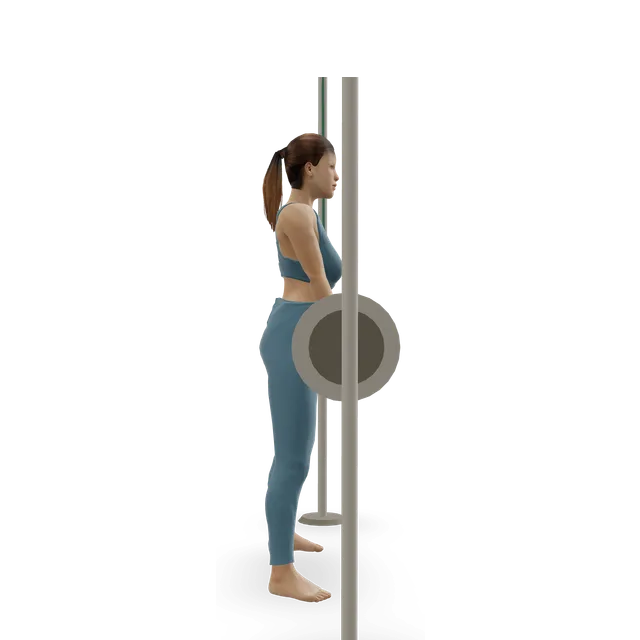
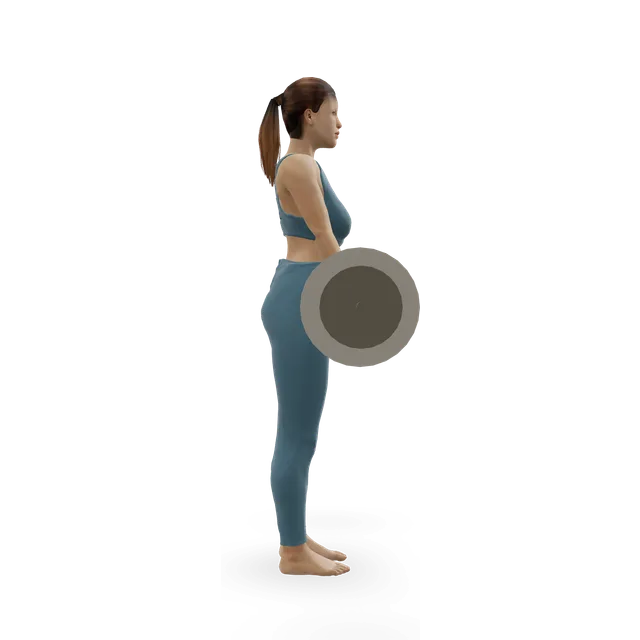
  1. Stand at the bar with your feet wide and turned out, the bar over the middle of your feet and close to your shins.
  2. Push your knees out so they point over your toes.
  3. Push your hips back and bend your knees to take the bar with straight arms, hands inside your knees, about shoulder-width apart.
  4. Set your hips so your shoulders are over the bar or just in front of it, with your chest up and your back flat.
  5. Pull the slack out of the bar, breathe in and brace.
  6. Push the floor away, keeping your knees out and the bar against your legs, so your hips and shoulders rise together.
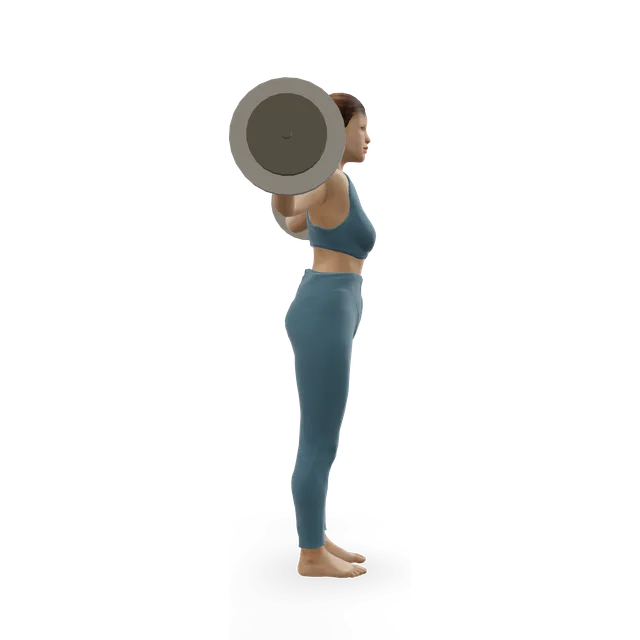
  7. Stand tall with your knees straight and your hips through. Don't lean back.
  8. Lower the bar the same way under control and set it down. While you're learning, reset your grip and brace before every rep.

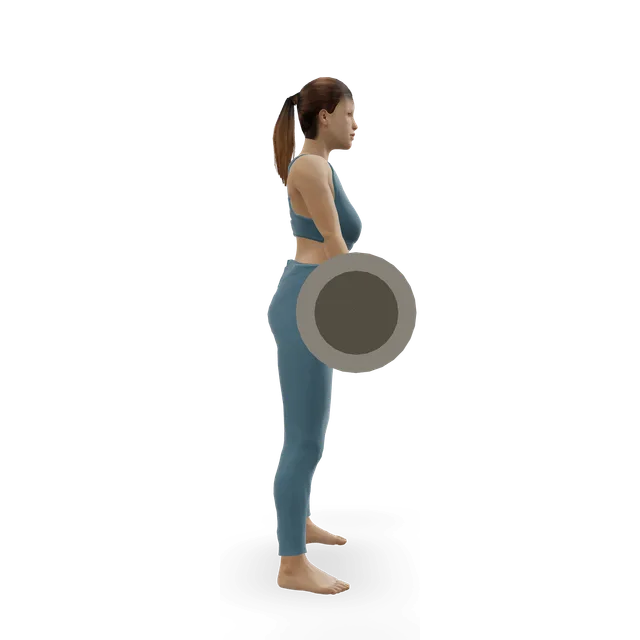
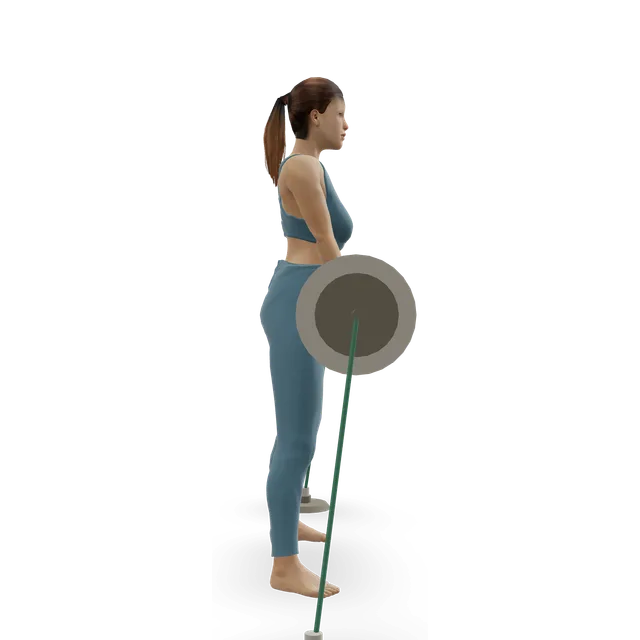
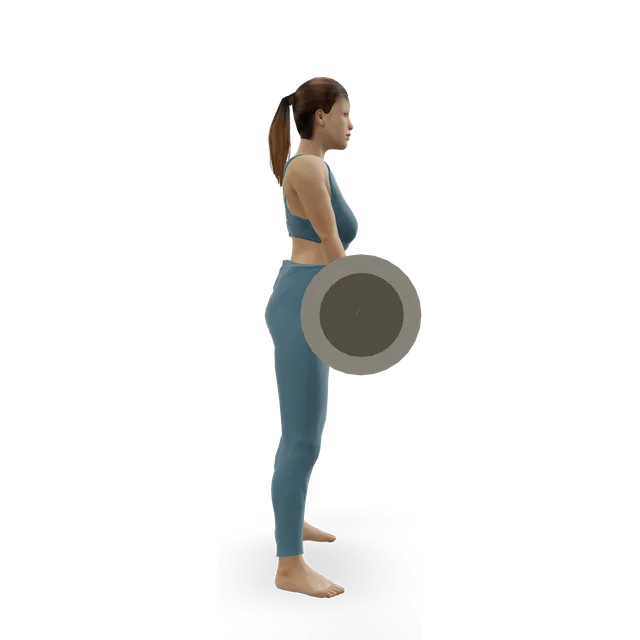
Loading the 3D figure…

Gets into position, then repeats the movement. Technical checks passed; qualified exercise review is pending.

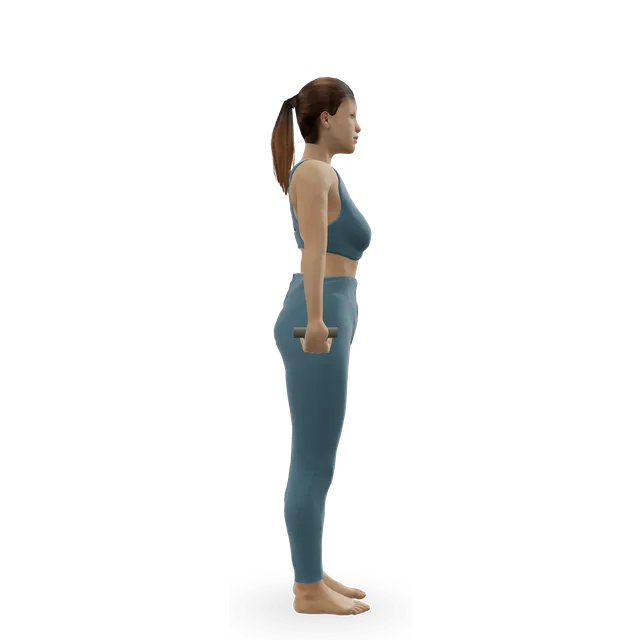
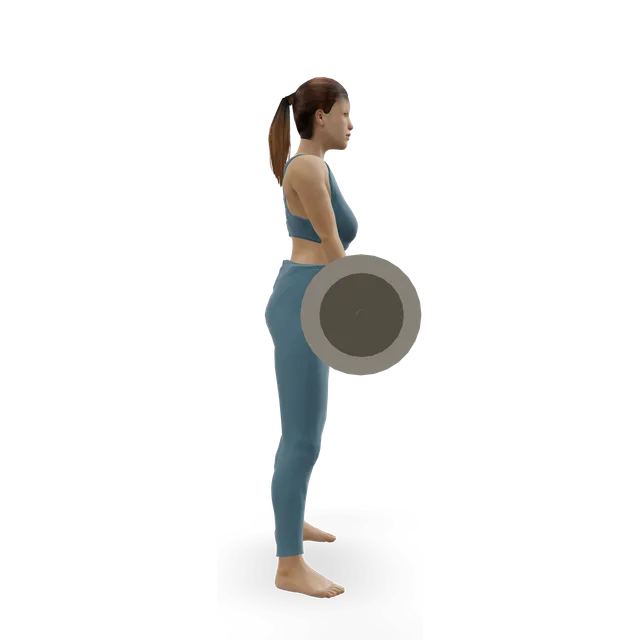
The movement on the figure: Sumo deadlift

Stance, toes and grip

Our starting stance

Feet about one and a half shoulder-widths apart and toes turned out about 30 to 45 degrees, then widen a little at a time while your knees still point over your toes and your hips feel comfortable. That's our editorial starting point: no study has tested a best width. Competitive sumo lifters averaged 70 cm with their feet turned out 42 degrees, and you don't need to match them.

Sources 1, 13

Your hips decide

Hip bone shapes differ a lot between people, so the right width and toe angle differ too. Go only as wide as your hips stay comfortable, as our wide-stance squat move page says.

Source 12

The grip

Hands inside your knees, about shoulder-width or a little narrower, arms straight. Use a double overhand grip first, then a hook grip or straps for heavy sets; with a mixed grip, swap which hand is underneath, as our deadlift guide advises.

Source 1

Shoes

Lifting barefoot gave less bar travel and work than lifting in shoes, with no loss of force. Flat, thin-soled shoes are the nearest option in most gyms; follow your gym's rules on bare feet (our suggestion).

Source 10

Sumo or conventional?

Two styles of the same lift

Sumo is more upright with a shorter pull and more work for the front of the thighs; conventional bends the hips more and works the hamstrings and calves harder. Our deadlift guide calls them choices, not steps.

Sources 1, 4

Try both

Neither is stronger on average. Pull each for 4 to 6 weeks at the same sets and reps, then keep the one that moves more weight with less discomfort, as our increase deadlift guide suggests.

Sources 6, 7

If conventional pulls bother your back

Sumo may feel better, since the models put a little less load on the lower back, but it hasn't been tested as a treatment. Our lower back pain after deadlifts guide applies to both styles.

Source 8

Or the trap bar

The trap bar is the other common choice, and our deadlift guide compares all three. All of them are good deadlifts.

Who it suits

Hips that like a wide stance

Sumo suits hips that are comfortable wide and turned out. A pinch at the front of the hip, or groin pain, in a wide stance is a reason to narrow it or pull conventional.

Source 12

Body proportions

In newcomers, a longer torso for their height favoured sumo only weakly, and in powerlifters longer arms helped deadlifting in general. Claims that long legs or short arms decide your style have no study behind them.

Sources 6, 11

Competitive lifters

Both styles are legal in powerlifting, so pick the one you lift more with.

Source 9

Pregnancy and pelvic girdle pain

In a study of 48 pregnant athletes, 3 couldn't do sumo deadlifts because of pelvic girdle pain, and the NHS lists moving your legs apart among the things that bring that pain on. If wide stances hurt, switch to a deadlift with your knees no wider than your hips, as our pelvic girdle pain guide advises.

Sources 15, 16

Kettlebell, dumbbell and other sumo lifts

Kettlebell or dumbbell sumo deadlift

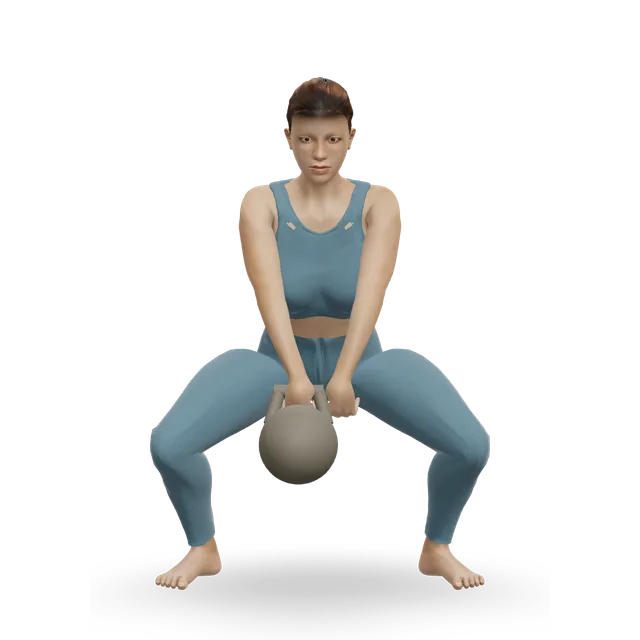
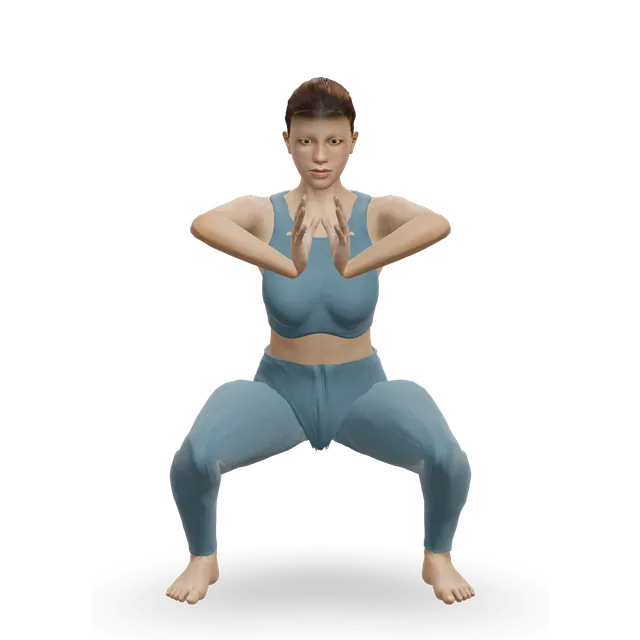
Stand wide over a kettlebell, or a dumbbell standing on its end, take the handle in both hands and use the same steps, touching the weight to the floor, or to a low step if your hips are tight, each rep (our suggestion). We don't have a 3D demo of it; the plié dumbbell squat shows the same stance and grip, with a more upright trunk.

The sumo squat

In a sumo (plié) squat you hold a dumbbell or kettlebell and sink straight down with an upright trunk; the sumo deadlift lifts a bar from the floor with more of a hinge at the hips. Both use the wide, turned-out stance.

The sumo deadlift high pull

A different lift: a kettlebell sumo deadlift that finishes as an upright row. Its move page says to stop the elbows at about shoulder height, and to leave it out if raising your arm hurts.

Sets, reps and how often

Your first two weeks

After 2 or 3 lighter sets, one work set of 5 with 3 or 4 reps to spare, as our deadlift guide and plans advise.

Then

2 to 3 sets of 5, stopping 2 or 3 reps short of failure, with 2 to 3 minutes' rest, and add about 2.5 kg a session while every rep looks the same (our deadlift guide's doses).

Past the beginner stage

3 to 5 sets of 3 to 6 (our deadlift guide's editorial range), or our deadlift strength workout's 3 sets of 3 to 5, stopping 1 to 3 reps short, with 3 to 5 minutes' rest.

How often

Once or twice a week. For heavy pulls, once a week is enough for most people, as our deadlift strength workout says.

Bands and chains

For advanced lifters only: 3 to 5 sets of 2 to 5, each rep moved fast and the set stopped well short of failure (these move pages' dose).

The lifts that help

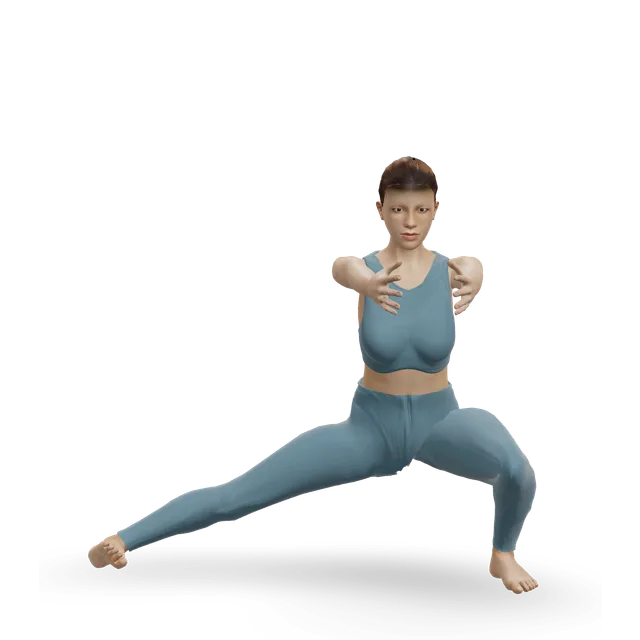
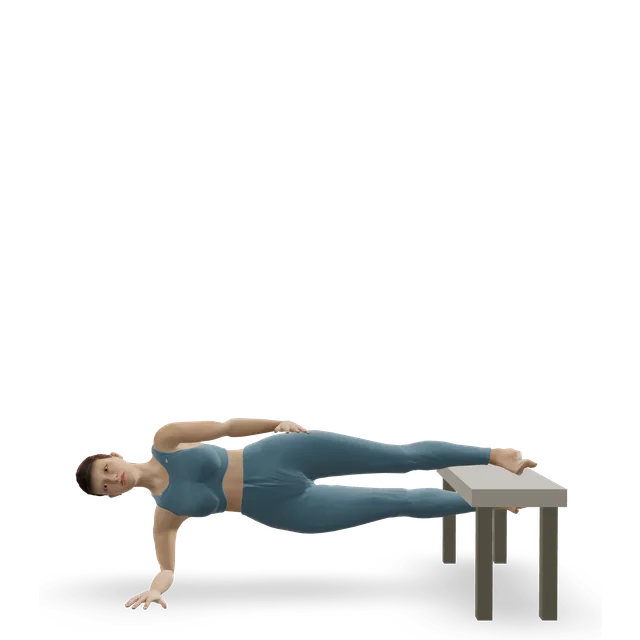
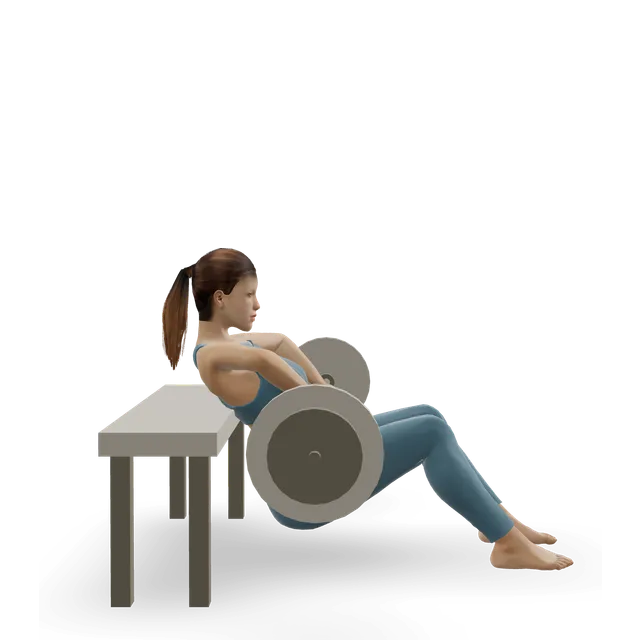
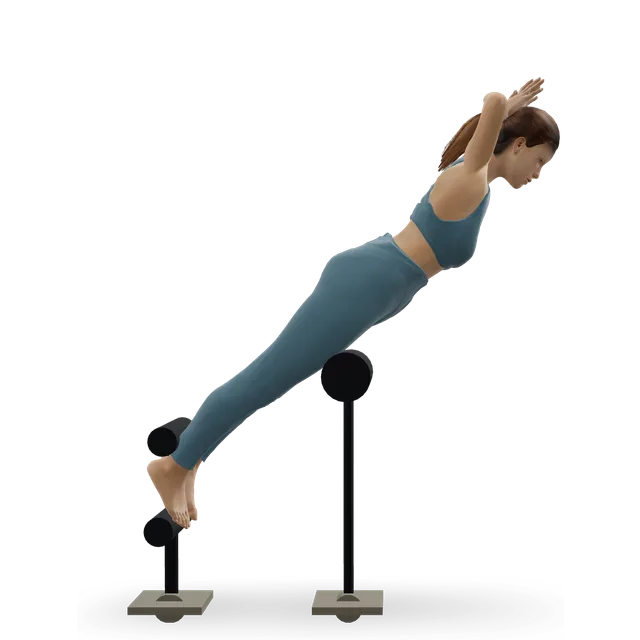
Romanian deadlifts 3 sets of 8 to 10, back extensions 2 sets of 10 to 12 and hip thrusts 3 sets of 8 to 12, as our increase deadlift guide suggests. For the inner thighs, the long-lever Copenhagen exercise loaded every adductor most in the modelling study; start with the short lever, your knee on the bench, for 1 set each side of 3 to 15 reps, as our sport warm-ups use.

Source 5

Common mistakes and how to fix them

A stance too wide for your hips

A pinch at the front of the hip or groin pain means bringing your feet in or changing the toe angle.

Knees caving in

Push them out over your toes, narrow your stance a little and lighten the bar, as our move page cues.

Hips shooting up first

Your back takes over. Lighten the bar and push the floor away so your hips and shoulders rise together (coaching practice).

The bar drifting or hitting your knees

Keep it against your legs, with your knees out over your toes and outside your arms, as our move page cues.

Rounding a lot

A little change in your back's shape is normal; a big change means the weight is too heavy for now, as our learn to deadlift workout says.

Bent arms

Keep them straight and let your legs do the pulling.

Resting the bar on your thighs

Hitching the bar up your thighs fails a competition lift. Lighten the bar.

Source 9

From the hip hinge to the sumo deadlift

Hinge practice 2 sets of 8 and kettlebell deadlifts 3 sets of 5, as in our learn to deadlift workout; the plié dumbbell squat, which teaches the stance, 2 sets of 8 (our editorial starting point); the wide-stance stiff-legged deadlift 2 to 3 sets of 8 to 12 (its move page). Band and chain versions are for advanced lifters only. There's no 3D demo of a dumbbell or kettlebell sumo deadlift: the plié dumbbell squat shows the same stance and grip.

Hips, inner thighs, back and grip

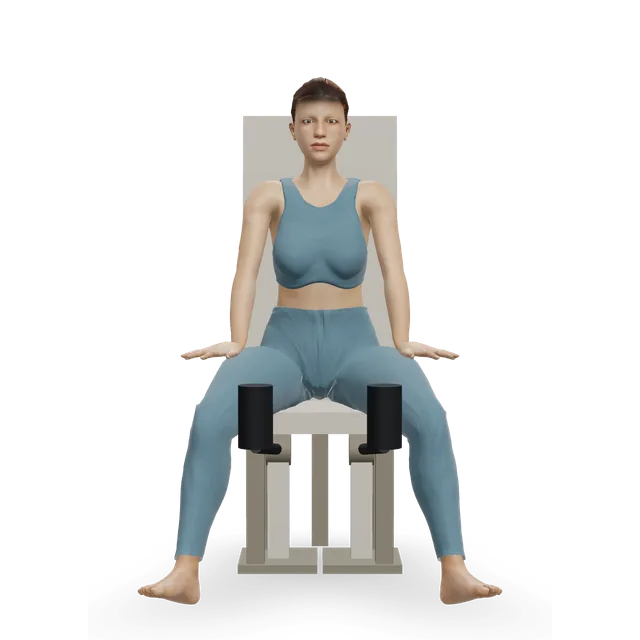
From our hip mobility routine: 90/90 switches 8 reps, Cossack squats 5 each side, frog rocks 10 and a 60-second deep squat hold. The Copenhagen plank, 1 set each side of 3 to 15 reps (our sport warm-ups), and the hip adduction machine, 2 to 3 sets of 10 to 15 (our editorial starting point). Hip thrusts 3 sets of 8 to 12, back extensions 2 sets of 10 to 12, suitcase carries 2 walks of 20 to 30 m each side and farmer's carries 3 walks of 30 m, as our deadlift guides and workouts use.

Who should change it

A pinch at the front of the hip, or hip impingement

Try a narrower stance or a different toe angle and stop short of the pinch; pulling from blocks shortens the range (our suggestion). A clinical review suggests a wider, toes-out stance for impingement, but that's untested. See our hip pain when squatting and hip impingement guides.

Source 13

Groin pain

Pain that's worse with wide stances is usually adductor-related, as our hip pain when squatting guide explains: narrow your stance or pull conventional, and see our groin strain guide. A lump in the groin, or groin pain when you cough or strain, may be a hernia.

Pregnancy

Pregnancy isn't the time for your heaviest weights, as Tommy's says. In one supervised session, 48 pregnant athletes did heavy sumo deadlifts: their babies' average heart rate rose but stayed in the normal range, though it went above 160 beats a minute in 4, and 3 women couldn't do the lift because of pelvic girdle pain. With pelvic girdle pain, use a hip-width deadlift.

Sources 17, 15, 16

Back pain

Follow our lower back pain after deadlifts guide: pain up to 5 out of 10 that settles within an hour is acceptable, and pain spreading down a leg is not. Sumo's slightly lower back load in the models doesn't make it a treatment.

Source 8

Pain at the front of the knee

Sumo asks more of the thigh muscles at the knee, so a conventional or trap bar deadlift may suit you better (our reading of the studies); see our knee pain when squatting guide.

Sources 1, 3

High blood pressure, heart disease, glaucoma, a hernia or osteoporosis

Our deadlift and breathing guides apply: breathe out on every effort, keep the weights moderate and get advice before heavy lifting. With controlled high blood pressure, the American Heart Association considers low- to moderate-intensity strength training with proper breathing safe.

Sources 18, 19

Workouts to follow

Our sumo deadlift workout teaches the stance and builds the pull in sets of 5. New to deadlifts? Start with the learn to deadlift workout. The deadlift strength workout can take the sumo deadlift for its heavy sets, and the hip mobility routine makes a good warm-up.

Warning signs

Stop and get medical help

If you get chest pain or pressure, feel faint or dizzy, are unusually breathless, or your heart races or beats irregularly during exercise, as our plans advise. The American Heart Association says these need immediate medical evaluation.

Source 18

Call 999 (911 in the US)

For chest pain that feels tight or like squeezing, or spreads to your arms, neck or jaw; a headache that starts suddenly and is extremely painful, especially while lifting or straining; someone who faints while exercising; palpitations that don't go away, or come with chest pain, breathlessness or feeling faint; or severe difficulty breathing. Don't drive yourself to A&E.

Sources 20, 21, 22, 23, 24, 25, 26

Call 999 or go to A&E: back pain with these signs

Loss of feeling or numbness around the genitals or bottom, new trouble peeing or controlling your bladder or bowels, changes in genital sensation during sex or problems with erections or orgasm, or pain, tingling, weakness or numbness in both legs. These are signs of cauda equina syndrome, which needs treating in hospital urgently. Don't drive yourself.

Source 27

Call 999 or go to A&E: hip

For severe hip pain after a fall or injury, or if you can't stand, walk or put weight on your leg.

Source 28

Go to an urgent treatment centre or A&E: a pop at the elbow

A sudden pop at the front of the elbow during a heavy pull, with bruising and a bulge in the upper arm, can be a torn biceps tendon, which is best repaired within the first 2 to 3 weeks. With a mixed grip it tends to be the underhand arm, as our deadlift guide explains. In the US, go to urgent care or the emergency department.

Source 29

Ask for an urgent GP appointment or get help from NHS 111

For back pain with feeling hot, cold, shivery or unwell, or severe pain that came on suddenly or is getting worse quickly; severe hip pain that started without a fall or injury, or a hot, swollen hip; or a strain that's very painful or getting worse, with a lot of swelling or bruising, or that you can't put weight on.

Sources 27, 28, 30

See a GP

For back pain that isn't improving after a few weeks; hip pain that stops your normal activities or hasn't improved after 2 weeks; if you think you have a hernia; or, in pregnancy, if pelvic pain makes it hard to move around (your midwife or GP).

Sources 27, 28, 31, 16

Myths

"Sumo deadlifts are cheating"Strong evidence

The rules set the grip, the lockout and no hitching, and say nothing about stance. The bar does travel less, with 25 to 40% less work in national-level lifters, but that's a feature of the style, not a breach of any rule.

Sources 9, 1, 2

"Sumo is safer for your back"Emerging evidence

1991 computer models put about 10% less turning load and 8% less shear on the lower back, with big differences between lifters. No trial has compared back injuries between the styles.

Source 8

"Everyone lifts more with sumo"Emerging evidence

Newcomers lifted the same on average, and trained women about the same. A longer torso helped sumo only weakly (r = 0.30).

Sources 6, 7

"Sumo is a leg exercise, not a real deadlift"Emerging evidence

The load on the hips didn't differ significantly between styles in national-level lifters. The glutes, hamstrings and back work in both, with sumo using more front thigh and conventional more hamstring, and both load the big inner-thigh muscle heavily.

Sources 1, 3, 4, 5

"Long legs or short arms mean you should pull sumo"Emerging evidence

No study shows it. In newcomers, only a longer torso for their height was linked, weakly, to doing better in sumo, and longer arms helped deadlifting whatever the style.

Sources 6, 11

Questions people ask

Is the sumo deadlift cheating?

No. Powerlifting's rules set the grip, the lockout and no hitching, and say nothing about how wide you stand. The bar travels less in sumo, which is a feature of the style, not a breach of the rules.

Sumo or conventional deadlift: which is better?

Neither, on average: newcomers lifted the same in both, and trained women about the same. Try each for 4 to 6 weeks at the same sets and reps and keep the one that moves more weight with less discomfort.

What muscles does the sumo deadlift work?

The glutes, quadriceps, inner thighs, hamstrings and back. Compared with the conventional style, it works the front of the thighs more and the calves and outer hamstring less, and both styles load the big inner-thigh muscle heavily.

Is the sumo deadlift easier on your back?

A little, on paper: in 1991 computer models of 57 powerlifters, sumo put about 10% less turning load and 8% less shear on the lowest joint of the lower back. No study shows fewer injuries, so treat it as an option if conventional pulls bother your back, not a cure.

How wide should my sumo deadlift stance be?

Start with your feet about one and a half shoulder-widths apart and your toes turned out 30 to 45 degrees, then widen a little at a time while your knees track over your toes and your hips feel comfortable; that's our suggestion, not a tested rule. Competitive sumo lifters averaged 70 cm with their feet turned out 42 degrees, but hip shapes vary a lot, so your best stance is your own.

Where should my hands go in a sumo deadlift?

Inside your knees, about shoulder-width or a little narrower, with straight arms; national-level sumo lifters gripped 47 cm apart. Use a double overhand grip, then a hook grip or straps for heavy sets, and with a mixed grip, swap which hand is underneath.

Is the sumo deadlift better for tall people?

No study shows it. In newcomers, a longer torso for their height favoured sumo only slightly, and in powerlifters longer arms helped deadlifting in general.

Why do my hips or groin hurt when I sumo deadlift?

Your stance may be too wide or turned out too far for your hip shape. A pinch at the front of the hip, or groin pain that's worse with wide stances, is a sign to bring your feet in; our hip pain when squatting and groin strain guides have more.

Can I do sumo deadlifts with a dumbbell or kettlebell?

Yes: stand wide over the weight, grip it with both hands and use the same steps. We don't have a 3D demo of it; the plié dumbbell squat shows the same stance and grip, with a more upright trunk.

How many sets and reps of sumo deadlifts should I do?

After 2 or 3 lighter sets, one work set of 5 for the first two weeks, then 2 to 3 sets of 5, stopping 2 or 3 reps short. Later, 3 to 5 sets of 3 to 6, resting 2 to 5 minutes, once or twice a week.

What's the difference between a sumo deadlift and a sumo squat?

In a sumo squat you hold a dumbbell or kettlebell and sink straight down with an upright trunk. In a sumo deadlift you lift a bar from the floor with more of a hinge at the hips. Both use the wide, turned-out stance.

Can I sumo deadlift when I'm pregnant?

In one supervised study of pregnant athletes, most did heavy sumo deadlifts in a single session with their babies' average heart rate staying normal, but 3 of 48 couldn't because of pelvic girdle pain. Keep the weights moderate, and if moving your legs apart hurts, switch to a hip-width deadlift.

Sources

  1. Escamilla 2000 · Sumo and conventional deadlifts at a national championship: 24 lifters (3D analysis, MSSE)
  2. Kasovic 2019 · Bar travel in squats and in conventional and sumo deadlifts in 24 lifters (lab study, JSCR)
  3. Escamilla 2002 · Muscle activity in sumo and conventional deadlifts, with and without a belt: 13 athletes (lab study, MSSE)
  4. Hanen 2025 · Conventional and sumo deadlifts in 30 experienced lifters: joint loads and muscle activity (lab study, Front Bioeng Biotechnol)
  5. Collings 2026 · Inner-thigh (adductor) muscle forces in strength and rehab exercises in 15 adults (modelling study, MSSE)
  6. Cholewa 2019 · Body proportions and sumo or conventional deadlift strength in 47 newcomers (study, J Sports Sci Med)
  7. Gundersen 2025 · Conventional, sumo and hex bar deadlifts in 11 trained women (lab study, JSCR)
  8. Cholewicki 1991 · Lower-back loads in 57 competitive powerlifters' deadlifts (model study, MSSE)
  9. International Powerlifting Federation 2026 · Technical rulebook: the deadlift rules (effective 1 March 2026)
  10. Valenzuela 2021 · Shoes against bare feet in conventional and sumo deadlifts in 30 lifters (lab study, Sports)
  11. Ferland 2020 · Body proportions and maximal strength in 59 male powerlifters (study, Int J Exerc Sci)
  12. Chadayammuri 2016 · Hip rotation and hip bone shape in 442 hips (study, J Bone Joint Surg Am)
  13. Straub 2024 · The biomechanics of the squat and what they mean in the clinic (clinical commentary, Int J Sports Phys Ther)
  14. Lahti 2019 · Squat stance width and hip and knee loads in 14 rugby players (lab study, Scand J Med Sci Sports)
  15. Dalhaug 2025 · One heavy strength session in 48 pregnant athletes and the baby's heart rate (experimental study, BMJ Open Sport Exerc Med)
  16. NHS · Pelvic pain in pregnancy (past its review date: reviewed December 2022, review due December 2025)
  17. Tommy's · Strength training in pregnancy (pregnancy charity)
  18. Paluch 2024 · Resistance exercise training with and without cardiovascular disease: 2023 update (American Heart Association scientific statement, Circulation)
  19. NHS · High blood pressure
  20. NHS · Heart attack
  21. NHS · Chest pain (past its review date: reviewed August 2023, review due August 2026)
  22. NHS · Headaches
  23. NHS · Subarachnoid haemorrhage
  24. NHS · Fainting
  25. NHS · Heart palpitations
  26. NHS · Shortness of breath
  27. NHS · Back pain
  28. NHS · Hip pain in adults
  29. AAOS OrthoInfo · Biceps tendon tear at the elbow (patient information, American Academy of Orthopaedic Surgeons)
  30. NHS · Sprains and strains
  31. NHS · Hernia

Exercise education, not a personal prescription, and clinical review of these guides is pending. Check with a GP before starting hard training if you have a heart condition, chest pain, dizziness or breathlessness when active, and stop for sharp or increasing pain. Health disclaimer.