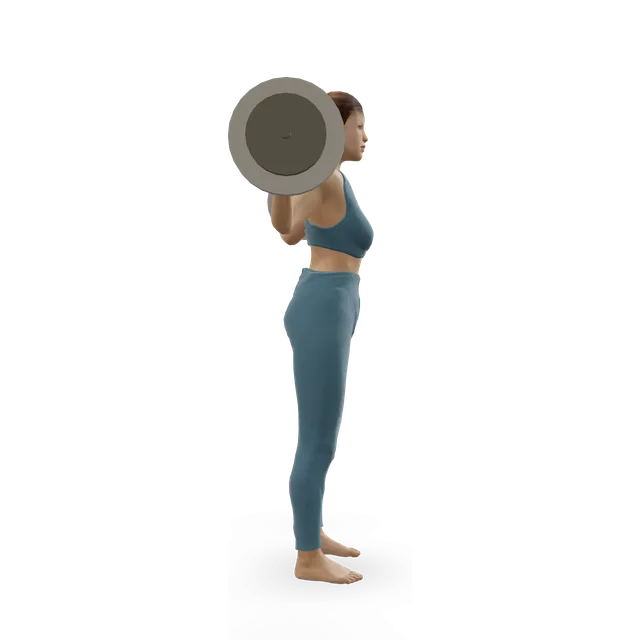
Deadlift once or twice a week
Powerlifters typically deadlift once a week, the least often of the three lifts. With weekly sets matched, trained men gained the same deadlift strength on 3 or 6 sessions a week.
Training guide
In kilos, the deadlift often rises fastest of the three big lifts at first, then slows. It's the most tiring of the three to train, and your grip often gives out before your legs and back do.
Most people do best deadlifting heavy once or twice a week, choosing the stance that suits their build, fixing their grip before it holds them back, and adding weight in small steps. Big jumps in weight, rather than a slightly rounded back, are the more consistent injury risk.
This guide covers how often to deadlift and how heavy, sumo against conventional, chalk, the hook grip, straps and the mixed grip, assistance moves for weak points, the trap bar and belts, how fast to expect progress, and the warning signs. For learning the lift itself, see our deadlift guide.
Powerlifters typically deadlift once a week, the least often of the three lifts. With weekly sets matched, trained men gained the same deadlift strength on 3 or 6 sessions a week.
3 to 5 sets of 3 to 6 past the beginner stage (our deadlift guide's editorial range), stopping 1 to 3 reps short of failure.
Competition rules set no stance, and in 47 people new to the deadlift, maximums were the same in both styles.
Chalk, a double overhand grip for as long as it holds, then a hook grip or straps for your heaviest sets.
In online videos of torn biceps tendons during mixed-grip deadlifts, the tear was in the underhand arm. Videos can't show how common that is.
Low-quality evidence finds no link between bending the lower back when lifting and back pain, while sudden jumps in training load are a more consistent risk.
The deadlift starts from a dead stop, so nothing helps you through the bottom, and it usually sticks either just off the floor or near the knees. Partial and isometric training build strength mostly near the position you train.
Source 12
The National Academy of Sports Medicine (NASM) calls it one of the most taxing lifts, as our deadlift guide notes. Powerlifters deadlift least often and do the fewest deadlift sets, and in the studies reviewed, effects on the deadlift were the least certain of the three lifts.
Source 1
In 14,690 gym members training once a week, strength rose about 30 to 50% in the first year and levelled off after 1 to 2 years. Competitive powerlifters kept improving slowly for years, the strongest more slowly than the rest.
People with longer torsos for their height did a little better sumo in 47 newcomers, and in 59 male powerlifters, a longer reach for their height went with a better deadlift for their body weight.
Tables that rate your deadlift as a multiple of your body weight don't scale fairly: among 101,898 powerlifters, the top men lifted 4.37 times their body weight at 59 kg but 2.65 times at 120 kg or more.
Source 16
In 178 studies of 5,097 people (45% women), heavy multi-set training 3 times a week ranked first for strength. The American College of Sports Medicine (ACSM) found strength rose most with at least 80% of your best, a full range, 2 to 3 sets, the lift early in the session and at least 2 sessions a week, and heavy and moderate loads beat light loads for one-rep max across 28 studies.
In 22 studies, more sessions a week brought more strength, but not when weekly sets were the same. In 28 trained men with sets matched, 3 or 6 sessions a week gave the same deadlift gains (19 against 21 kg in 6 weeks).
In powerlifters, about 3 to 6 heavy sets a week of 1 to 5 reps above 80% of their best kept strength rising, though the evidence for the deadlift was the least certain of the three lifts.
Source 1
At a national championship, the conventional style moved the bar 25 to 40% further than sumo, and a 1991 model put the load on the lower back about 10% lower in sumo. In 47 newcomers, one-rep maxes didn't differ between the styles.
19 male powerlifters lifted 265 kg with a hexagonal (trap) bar against 245 kg with a straight bar, with lower peak loads on the lower back, hips and ankles, higher loads at the knees, and more power. Not every study has found the trap bar lifts more, as our deadlift guide notes.
Source 22
In 35 online videos of torn distal biceps tendons, 25 happened during deadlifts, and in all 24 mixed-grip deadlift tears, the torn side was the underhand arm, with the elbow straight. Two more video studies found most tears happened with a nearly straight elbow and the palm turned up. Videos can't show how often lifters using a mixed grip tear a tendon, so the size of the risk is unknown.
With straps, 16 men lifted faster with less grip fatigue at 80% of their maximum, 10 trained women did more reps, and 11 trained people produced 20 to 28% more force at 90%.
An exploratory review found no evidence either way on whether straps weaken your grip or change your strength over months.
Source 26
The hook grip raised the power clean one-rep max in 11 well-trained men. No trial has tested it in the deadlift.
Source 7
Across 11 studies (low-quality evidence), bending the lower back when lifting wasn't linked to the start or persistence of back pain. A 2026 review found sudden jumps in training load consistently linked with injury, and some lower-back bending in trained lifters without clear evidence of harm.
In 104 Swedish powerlifters, 70% had a current injury, but only 16% of them had stopped training altogether; training more often, a bigger deadlift and using straps went with injury, though that survey can't show cause and effect. Across 9 studies there were 1.0 to 4.4 injuries per 1,000 hours of powerlifting, mostly the spine, shoulder and knee, and a review found only 3 of 38 studies blamed poor technique.
An International Olympic Committee consensus statement names sudden increases in training load as a major risk factor for injury in sport.
Source 30
No trial has tested either for raising the deadlift. Partial lifts build strength mostly within about 10 to 20 degrees of the position you train, so choose the one that trains where you fail.
Source 12
The belt trials tested squats: a belt added reps and a few kilos on the day. No trial has tested whether belts build more deadlift strength over months or prevent injury.
Once or twice a week, as NASM advises in our deadlift guide; powerlifters typically deadlift once a week. If you pull twice, make the second day lighter or a variation (our suggestion).
Source 1
3 to 5 sets of 3 to 6 after your warm-up sets (our deadlift guide's editorial range), or one top set of 3 to 5 then 2 or 3 back-off sets at about 80% of it (our editorial option, from the powerlifting studies). Stop 1 to 3 reps short: 1 to 3 RIR (reps in reserve: how many more reps you could have done). People misjudge the reps they have left by about one, so film a set now and then.
Our beginner strength programme gives 3 or 4 deadlift sets a week. Past that stage, about 5 to 10 hard sets a week of each lift covers most of the benefit, and for the deadlift most people do well at the lower end (our editorial reading).
Rest 2 to 3 minutes between sets, and 3 to 5 once they're heavy, as our deadlift guide and beginner strength programme advise.
Source 34
Set the bar down and reset your brace each rep on heavy sets, as in a test; touch-and-go is fine on lighter sets. If a rep stalls, put the bar down (our suggestion, as in our barbell workouts).
Do the deadlift first in the session: across 11 studies, strength in big lifts rose more when they came first.
Source 35
While you can add weight every session, do it: about 2.5 kg a session while every rep looks the same, as in our beginner strength programme. That's within the ACSM's steps of 2 to 10%.
Source 36
Miss reps, and repeat the weight next session. Fail a weight two sessions in a row, try once more; fail again, take about 10% off and build back up (our beginner strength programme's editorial rules). Check your sleep and food too.
Then deadlift heavy once a week, adding weight when every set reaches the top of your range. A second, lighter day could be trap bar deadlifts, 3 sets of 5 to 8, or Romanian deadlifts, 3 sets of 8 to 10 (our editorial starting points, as in our lower body gym workout and deadlift guide).
If you've only ever pulled one way, try the other for 4 to 6 weeks at the same sets and reps, and keep the one that moves more weight with less discomfort (our suggestion).
Source 5
Every 6 to 8 weeks, or sooner if your lifts drop two sessions in a row and you feel run down, take a lighter week: the same lifts, about half the sets, stopping 4 or more reps short (our plans' deload note). A full week off cost some lower-body strength in one trial.
The International Powerlifting Federation (IPF) rulebook says only that the bar is gripped with an optional grip in both hands, and sets no stance. Sumo isn't cheating.
Source 4
Sumo shortens the bar's path by 25 to 40% and, in a model, put about 10% less load on the lower back.
People with longer torsos for their height tended to do better sumo, but maximums were the same on average. Your hips, build and comfort decide.
Start with chalk and both palms facing you, for warm-ups and for as long as it holds. Chalk is allowed in competition.
Source 4
Wrap your thumb round the bar and pin it with your first two fingers. It can hurt your thumbs for the first few weeks; competition rules allow two layers of tape around each thumb, but not tape that helps you hold the bar. The steps are below.
Use them for heavy back-off sets when your grip, not your legs or back, ends the set, and keep training your grip on the rest. Straps aren't among the equipment the IPF rulebook lists, so if you compete, practise your heaviest pulls without them before a meet (our suggestion).
One palm forward and one back holds more weight, and many lifters use it without trouble. But in online videos of torn biceps tendons during mixed-grip deadlifts, every tear was in the underhand arm, with the elbow straight, so keeping that arm straight doesn't remove the risk; videos can't show how common it is. If you use a mixed grip, alternate which hand is underhand, or use a hook grip or straps for your heaviest sets (our suggestion).
Farmer's carries, 3 walks of 30 m, and bar hangs, 2 or 3 holds of 10 to 20 seconds (our editorial starting points, as in our grip strength workout). Plate pinches use their move page's dose: 3 or 4 holds of 10 to 30 seconds with each hand, setting the plates down before your grip gives out (our editorial starting point).
Our editorial method. The hook grip raised power clean strength in one trial, and no trial has tested it in the deadlift.
Loading the 3D figure…
The movement on the figure: Barbell deadlift
None of these has a training trial showing it raises the deadlift, so every dose here is our editorial starting point.
Stand on a plate a few centimetres high and pull 2 or 3 sets of 3 to 5 at about 80% of your deadlift, stopping 2 reps short (our editorial starting point).
Source 12
Pull from pins just below your knees, 3 sets of 3 to 5, stopping 2 reps short (our editorial starting point). Partial lifts build strength mostly near the range you train.
Source 12
Romanian deadlifts, 3 sets of 8 to 10; back extensions, 2 sets of 10 to 12; hip thrusts, 3 sets of 8 to 12; and rows, 3 sets of 6 to 10 (our editorial starting points, as in our deadlift guide and workouts).
Strength gains are largest on the exact lift you train, so assistance moves support the deadlift rather than replace it.
Source 39
Many people lift a little more with it, though not every study found a difference, as our deadlift guide notes, and in lab measurements it put less load on the lower back. It makes a good main lift if the straight bar bothers your back: 3 sets of 5 to 8, as in our lower body gym workout (our editorial starting point).
Source 22
Optional, for heavy sets, once you can brace without one, as our deadlift guide advises. Competition rules say lifters may wear a belt, up to 10 cm wide; it isn't compulsory.
Start with the deadlift in the stance that suits you, then add a partial pull for your weak point and hinge, upper-back and grip work, using each move's guide for its technique.
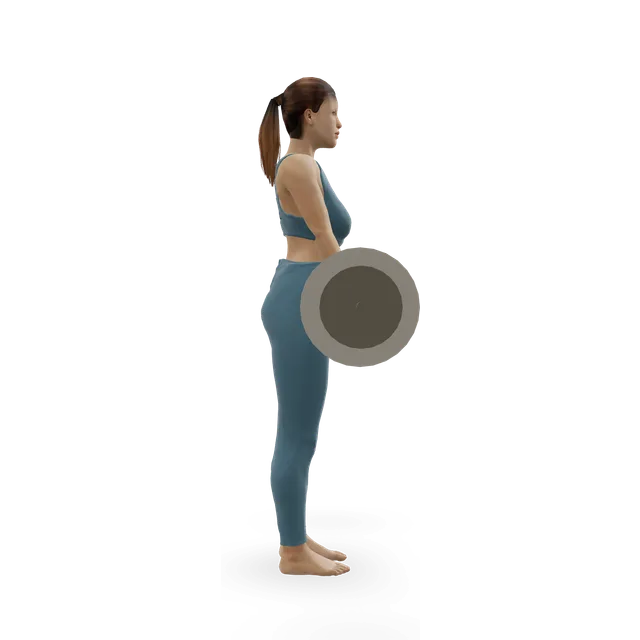 3D demoBarbell deadliftAdvanced · A barbell
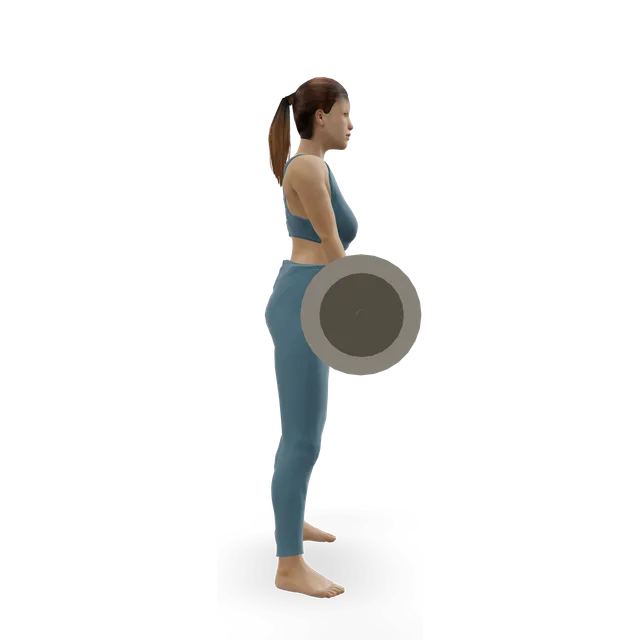 3D demoSumo deadliftAdvanced · A barbell
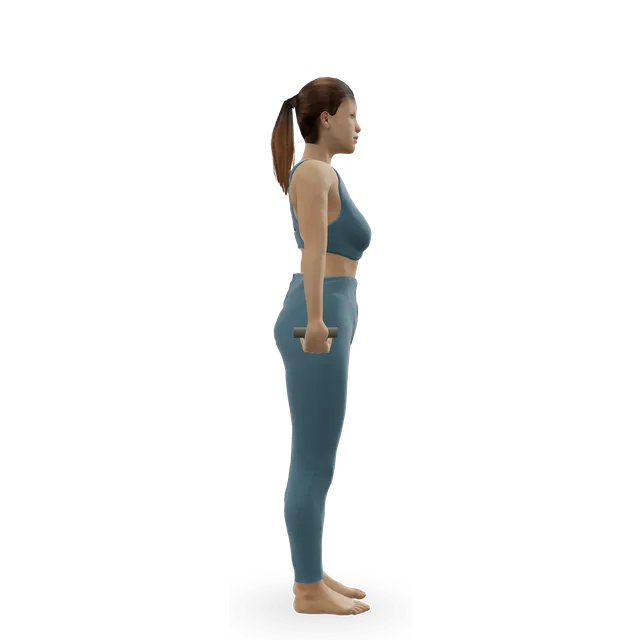 3D demoTrap bar (hex bar) deadliftIntermediate · Other / check instructions
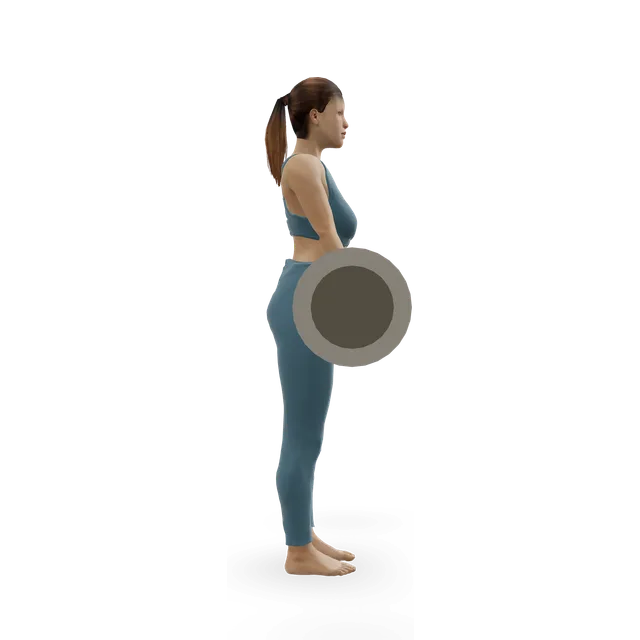 3D demoBarbell Romanian deadliftIntermediate · A barbell
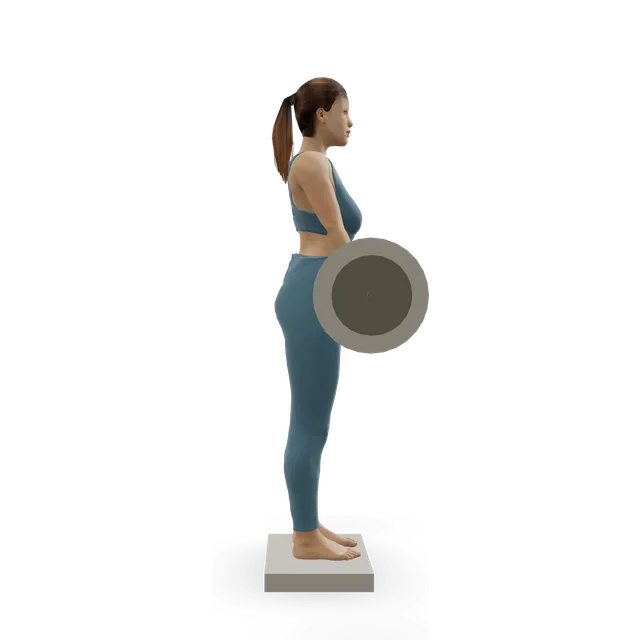 3D demoDeficit deadliftAdvanced · A barbell + Weight plates
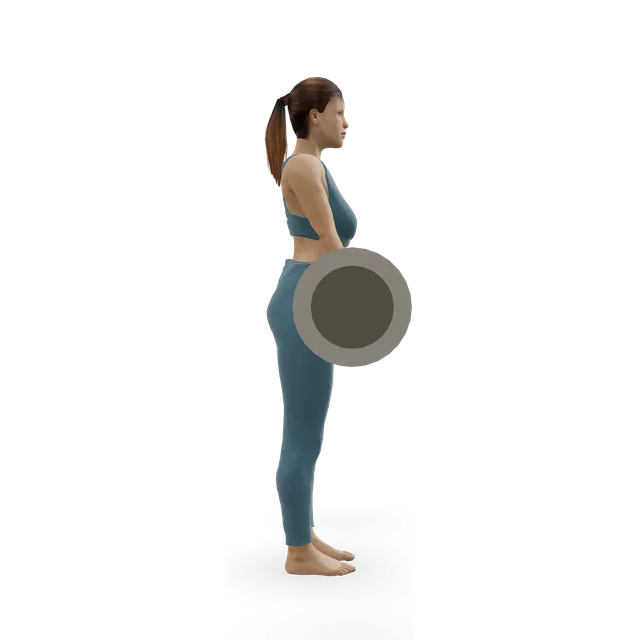 3D demoRack pullAdvanced · A barbell
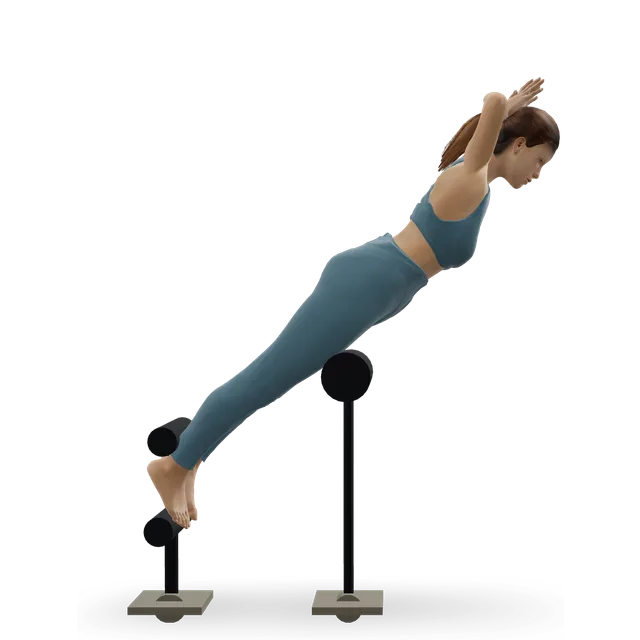 3D demoBack extension on a 45-degree benchIntermediate · A bench or box
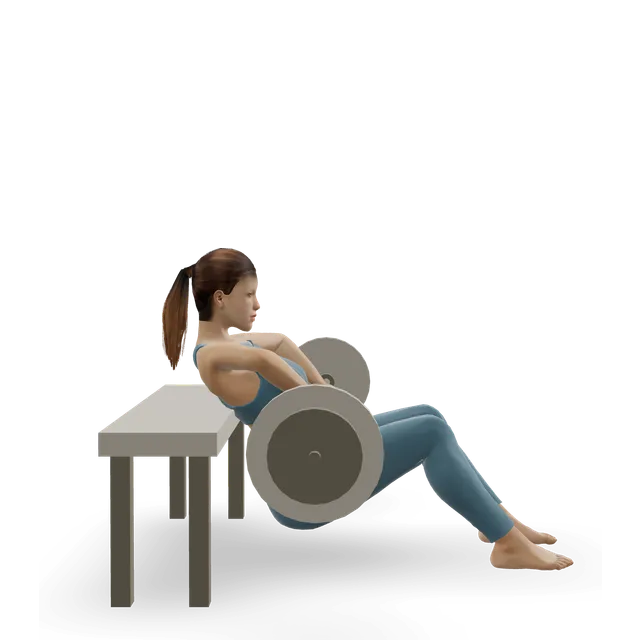 3D demoBarbell hip thrustIntermediate · A barbell + A bench or box
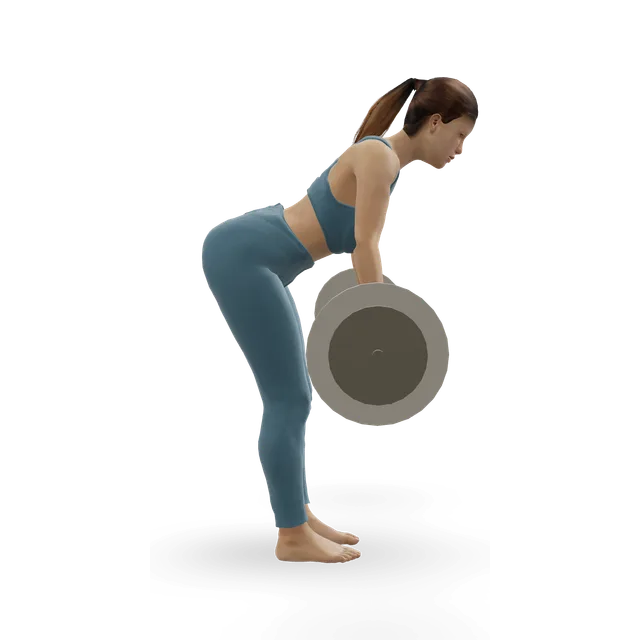 3D demoBent-over barbell rowAdvanced · A barbell
 3D demoFarmer's carryIntermediate · A dumbbell + A kettlebell
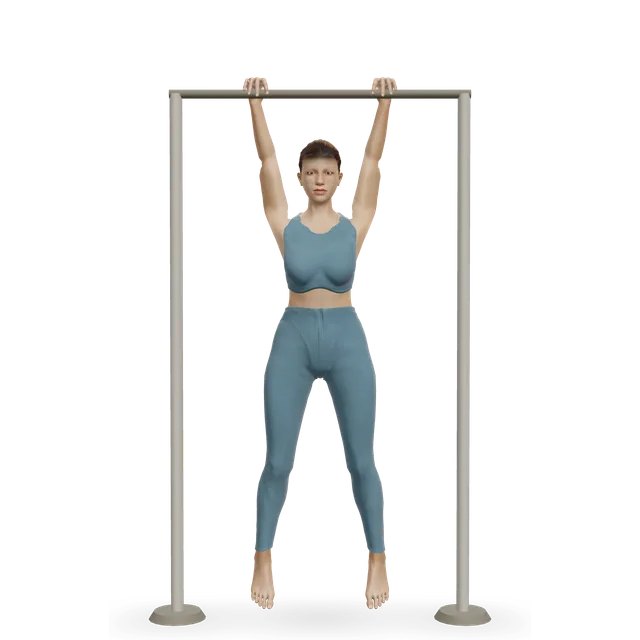 3D demoBar hangIntermediate · Pull-up bar + A step
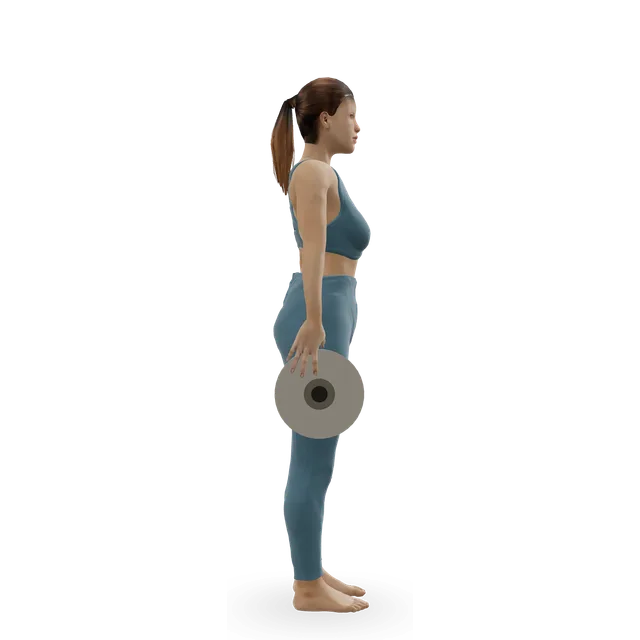 3D demoPlate pinchIntermediate · Weight plates
Our deadlift strength workout is a heavy deadlift day for lifters past the beginner stage; once a week is enough for most people.
A heavy deadlift session for lifters past the beginner stage: heavy sets of 3 to 5, deficit deadlifts, back extensions, rows and farmer's carries.
55 minIntermediate9 movesA barbell, Weight platesWorkout B of the beginner strength program: back squats, overhead presses and deadlifts in sets of five, plus chin-ups, with the safety pins set.
55 minBeginner10 movesA band, A barbellA gym lower body workout for legs and glutes: trap bar deadlifts, hip thrusts, reverse lunges, leg curls, hip abduction, calf raises and core.
50 minIntermediate13 movesOther / check instructions, A barbellA 75-minute beginner session for the three powerlifting lifts: squats to depth, paused bench presses and deadlifts in sets of 5, then rows and trunk work.
75 minBeginner12 movesCardio machine, A wallA 30-minute session from the hip hinge to your first deadlift: hinge practice, kettlebell deadlifts, slow Romanian deadlifts, a light bar and a carry.
30 minBeginner9 movesA kettlebell, A dumbbellA 20-minute grip session: warm up the wrists and fingers, train the hand and forearm muscles, then carry and hang to load your grip the way everyday life does.
20 minBeginner10 movesOther / check instructions, A bandA 90-minute meet rehearsal: a general warm-up, then a warm-up ladder to one opener in the squat, bench press and deadlift, taken to the referee's commands.
90 minIntermediate10 movesCardio machine, A wallThe beginner strength programme deadlifts in one of its two workouts, adding weight every session until you stall.
A 12-week beginner barbell program: squat every session, alternate bench and row with press and deadlift, and add weight each time until it stalls.
3 training days50 minBeginner4 days a weekA 4-day upper/lower split: two upper body and two lower body gym days, each muscle trained twice a week, with sets, reps and progression.
4 training days50 minIntermediateA little rounding of the lower back is common in trained lifters and hasn't been linked with back pain, but heavy weights pulled with a lot of rounding, especially when tired, are where the risk is argued to sit.
Sudden jumps in weight or volume, and going straight back to your old weights after a break, are the commonest stories in our back pain after deadlifts guide. Add weight in small steps.
Back pain up to 5 out of 10 that settles within an hour and isn't worse the next morning is usually fine, as our back pain after deadlifts guide explains. Pain spreading down a leg is the exception: don't train through it.
In competitive powerlifters most injuries didn't stop training altogether, and rates were 1.0 to 4.4 per 1,000 hours of training.
Trained men's deadlifts rose about 19 to 21 kg in 6 weeks in one trial.
Source 2
Strength rose about 30 to 50% in the first year of once-a-week training and levelled off after 1 to 2 years; competitive powerlifters kept improving slowly for years.
These are averages, mostly from young men. Your pace depends on your training age, sleep, food and stress, so judge progress over 4 to 8 weeks rather than session to session (our suggestion).
For chest pain that feels tight or like squeezing, spreads to your arms, neck or jaw, or comes with feeling sweaty, sick, light-headed or short of breath; severe difficulty breathing; or if someone faints while exercising. Don't drive yourself to A&E. During any session, stop for chest pain or pressure, unusual breathlessness, dizziness or fainting.
A sudden, extremely painful headache while lifting or straining, especially with a stiff neck, being sick, sensitivity to light, fainting, confusion, or drooping, weakness or slurred speech. The NHS says a bleed on the brain may be more likely when lifting something heavy.
Loss of feeling or numbness around the genitals or bottom, new trouble peeing or controlling your bladder or bowels, changes in genital sensation during sex or problems with erections or orgasm, or pain, tingling, weakness or numbness in both legs. These are signs of cauda equina syndrome, which needs treating in hospital urgently. Don't drive yourself. Call 999 too for back pain with chest pain, or after a serious accident.
Source 45
A pop or snap and sudden pain during an effort, which could be a torn tendon. At the front of the elbow, with bruising and a bulge in the upper arm, don't wait for it to settle: a torn biceps tendon is best repaired within the first 2 to 3 weeks.
Back pain and you feel hot, cold, shivery or generally unwell, or severe pain that starts suddenly or is getting worse quickly; leg weakness that's getting worse; or new difficulty lifting the front of your foot. In the US, contact your doctor or urgent care.
Source 45
If back pain hasn't improved after a few weeks or stops your daily activities, is worse at night or when you cough, sneeze or poo, or comes with pain, tingling or numbness spreading below the knee that isn't settling. See a GP too for a new lump in your groin or tummy, which can be a hernia; get help from NHS 111 if it's painful.
If your blood pressure is uncontrolled, or you have heart disease or chest pain when you're active, a pacemaker or defibrillator, diabetic eye disease, glaucoma, a hernia, recent eye or tummy surgery, or you're pregnant. With readings of 180/100 or higher, Blood Pressure UK says to speak to your doctor or nurse before starting any new activity, and at 200/110 or higher, not to start.
The American Heart Association (AHA) says people with controlled high blood pressure can do strength training with proper breathing, while Blood Pressure UK's booklet lists weightlifting as not good for blood pressure. Heavy pulls raise blood pressure a lot for a few seconds, more with a held breath. Our blood pressure guide follows the AHA: moderate weights, breathing out on every rep, and no maximal lifts until it's controlled and you've had advice.
The NHS says you can keep up strength training at a gym if you already do it, but not to start a new vigorous activity, and Tommy's says pregnancy isn't the time to try lifting your heaviest weights.
Both styles are legal: the IPF rulebook sets no stance. Sumo shortens the bar's path, which is the point of the stance, not a loophole, and in 47 newcomers maximums were the same in both styles. Neither suits everyone.
In online videos of torn biceps tendons during mixed-grip deadlifts, every tear was in the underhand arm, with similar findings in two more video studies. Videos can't measure risk, so the mixed grip isn't proven dangerous either; the hook grip and straps avoid the underhand position.
Low-quality evidence finds no link between bending the lower back when lifting and back pain, and trained lifters bend a little without clear harm. Sudden jumps in load are the more consistent risk.
No study has tested straps over months either way. They let you lift faster and do more reps in a session; keep training your grip as well.
Neither has been tested for raising the deadlift, and partial lifts build strength mostly near the range you train.
Source 12
Heavy sets stopped short of failure build strength without weekly maxing, and in powerlifters a heavy single on its own did less than a single followed by back-off sets.
The IPF rulebook says competitors may wear a belt. It's optional.
Source 4
Deadlift heavy once or twice a week, 3 to 5 sets of 3 to 6 that stop 1 to 3 reps short of failure, and add about 2.5 kg when every rep looks the same. Add Romanian deadlifts, rows and grip work, and fix your grip before it limits you.
Once or twice a week. Powerlifters typically deadlift once a week, the least of the three lifts, and trained men gained the same deadlift strength on 3 or 6 sessions a week when their weekly sets matched.
Neither is better for everyone, and sumo isn't cheating: competition rules set no stance. Sumo shortens the bar's path, and in 47 newcomers maximums were the same in both styles; people with longer torsos tended to do better sumo. Try each for 4 to 6 weeks.
Use chalk and a double overhand grip for as long as it holds, then a hook grip or straps for your heaviest sets. Train your grip with farmer's carries, bar hangs and plate pinches, as in our grip strength workout.
Many lifters use it without problems, but in online videos of torn biceps tendons during mixed-grip deadlifts, every tear was in the underhand arm. Videos can't tell us how big the risk is. Alternating which hand is underhand, or using a hook grip or straps for your heaviest sets, are sensible options, and a pop at the front of the elbow needs an urgent treatment centre or A&E.
They're fine for training: straps let lifters do more reps and lift faster in a session. No study has tested what they do over months, so keep training your grip, and practise without them if you compete.
Romanian deadlifts, back extensions, hip thrusts and rows, 1 to 3 per session for about 6 to 10 reps. Deficit deadlifts and rack pulls are traditional choices for weak points off the floor or at the top, but neither has been tested for raising the deadlift.
Off the floor, deficit deadlifts train that position; at the knees or lockout, rack pulls, hip thrusts and grip work are the usual choices, though none has a trial behind it. Keep the full deadlift as your main lift, because strength is specific to the range you train.
A little rounding of the lower back is common in trained lifters, and low-quality evidence finds no link with back pain. Sudden jumps in weight are the more consistent risk, so build up gradually and use weights you can control.
It's optional. In squat studies, a belt added reps and a few kilos on the day; no trial shows it prevents injury. Learn to brace without one first.
Many people lift a little more with it: in one study, 19 powerlifters lifted 265 against 245 kg, with less load on the lower back, though not every study found a difference. It's a good main lift if the straight bar bothers your back.
There's no health standard, and body-weight multiples don't scale fairly: the top men lifted 4.37 times their body weight at 59 kg but 2.65 times at 120 kg or more. Compare yourself with yourself; our deadlift guide covers this in more detail.
Exercise education, not a personal prescription, and clinical review of these guides is pending. Check with a GP before starting hard training if you have a heart condition, chest pain, dizziness or breathlessness when active, and stop for sharp or increasing pain. Health disclaimer.