Training guide

How to do a cossack squat: the side-to-side squat, easier and harder steps, and what it works

A cossack squat is a squat to one side. From a wide stance you sit down over one leg, heel down, while the other leg stays straight with its toes pointing up, then you push back through the middle and go to the other side. It trains the bent leg's thigh and glutes and the inner thighs of both legs through a long range, and it asks a lot of your hips and ankles.

No study has measured the cossack squat itself. Its nearest relative, the side lunge, has been studied, and it worked the knee and ankle harder than a forward lunge. Whether cossack squats improve hip mobility hasn't been tested, though lifting through a full range does improve range, especially with some weight.

This guide shows you how to do it step by step with a 3D demo, the easier and harder versions, what the side lunge research says about your knees and inner thighs, how many to do, and who should change it, from a sore groin to pelvic pain in pregnancy.

The short version

A squat to one side

From a wide stance you sit down over one leg, heel down, while the other leg stays straight, then shift across. No study has measured the cossack squat itself. Its nearest relative, the side lunge, bent the ankle further and worked the knee harder than a forward lunge, in young and older adults.

Sources 1, 2, 3

Thighs, glutes and inner thighs

The bent leg's thigh (quadriceps) and glutes do most of the work, and the inner-thigh (adductor) muscles of both legs join in, the straight leg's on a long stretch. In a side lunge the thigh muscles were about nine times more active than the hamstrings, and deep squats grew the adductors more than half squats.

Sources 4, 5, 6

Your ankle sets the depth

Ankle bend was the factor most strongly linked to squatting deep with the heels down. If your bent leg's heel lifts, hold a doorway, stay higher and work on your ankles; depth comes with practice.

Source 7

Hip mobility: likely with load, not proven

No trial has tested cossack squats for mobility. Strength training through a full range improved range of motion about as much as stretching, and slow-lowering training gave large gains; training with body weight alone did less well in the largest review, though that finding is uncertain. Hold a light weight once body weight is easy.

Sources 8, 9, 10

Your knees

Your bent knee travels well past your toes, which is normal. Side lunges loaded the kneecap more than forward lunges once the knee bent past about 40 degrees, and no force on the ACL (anterior cruciate ligament) was found. With kneecap pain, stay higher for a while.

Sources 11, 12, 13

How much, and who should change it

As a warm-up, 6 slow shifts a side, holding the last one (its move page's dose). For range and strength, 2 to 3 sets of 5 to 10 slow reps each side, at least twice a week (our editorial starting point). Change or skip it with a painful groin strain, a pinch at the front of the hip, a prolapse or pelvic pain in pregnancy.

Sources 8, 14

What a cossack squat is, and what it works

The movement

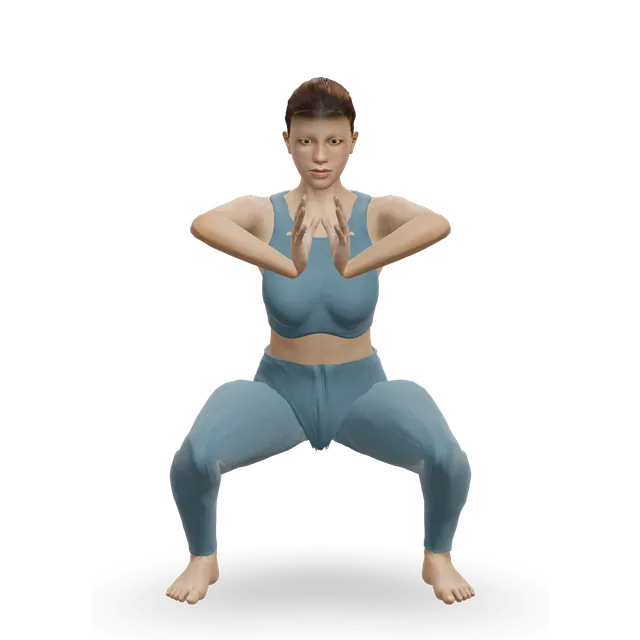
Stand with your feet very wide, about twice shoulder-width, toes turned out a little. Shift your weight over one leg and sit down, bending that hip, knee and ankle together with the heel down and the knee over the middle toes, while the other leg straightens with its toes pointing up. Then push back through the middle and go to the other side.

Coaches differ on the straight leg's foot: toes up shifts more of the stretch towards the hamstrings and needs more range, while a flat foot keeps more of it on the inner thigh. Either is fine.

Two legs, two jobs

The bent leg goes into deep hip, knee and ankle bend at once. The straight leg is drawn wide with the knee straight, which stretches the inner thigh, including the gracilis, the adductor that crosses the knee. In the side lunge, the same shape with less depth, the ankle bent 55 to 84% further than in a forward lunge in 32 young adults, and 19% further in 20 adults aged about 75.

Sources 1, 2

What it works

Mainly the bent leg's quadriceps and glutes, which lower you and drive you back up, with the adductors of both legs and your trunk keeping you upright. In 27 active adults, the lateral lunge's thigh-to-hamstring activity ratio was 9.3, against 2.9 in a single-leg deadlift, and in 24 students it ranked third of six inner-thigh exercises for activity in the adductor longus. Full squats grew the adductors more than half squats over 10 weeks.

Most of these numbers come from EMG (electromyography: electrodes measuring how hard a muscle works over a few reps). They show effort, not what a muscle will build.

Sources 4, 5, 6, 15

What you need first

A controlled bodyweight squat, ideally down to your thighs level with your heels down, and steady balance on one leg. Our squat guide teaches the squat. Hold a doorway or a sturdy post while you learn.

How people differ

In 71 men, ankle bend was the factor most strongly linked to squatting deep with the heels down, and body weight was linked too. Hip shape varies a lot, so the depth at which the front of the hip pinches differs between people, as our hip pain when squatting guide explains. Longer thighs need more forward lean to stay balanced, and very flexible people may reach the floor easily and need a weight to make it work (our observations).

Source 7

The name

Lateral squat, side squat and deep side lunge describe the same or a very similar movement. The name is usually traced to a squatting step in Cossack folk dance; we found no history to confirm it. Yoga's skandasana is a close relative, while the horse stance and sumo squat keep both knees bent.

How to do a cossack squat, step by step

From our move page: the toes up if comfortable, the depth limit and the three-breath hold are its own. The stance width and the doorway are our editorial suggestions. The demo shows the bodyweight version; to make it harder, hold a light dumbbell or kettlebell at your chest.

  1. Stand with your feet about twice shoulder-width apart, toes turned out a little. New to it? Hold a doorway or a sturdy post.
  2. Shift your weight over one leg and sit your hips back and down, bending that knee over its middle toes with your whole foot on the floor.
  3. Let the other leg straighten, its heel on the floor and its toes turned up towards the ceiling if that's comfortable; a flat foot is fine.
  4. Sink only as low as your bent leg's heel stays down and your chest stays up, then pause.
  5. Push through the whole bent foot to come back to the middle, breathing out as you rise.
  6. Go to the other side. On your last rep each side, hold the bottom for three slow breaths.

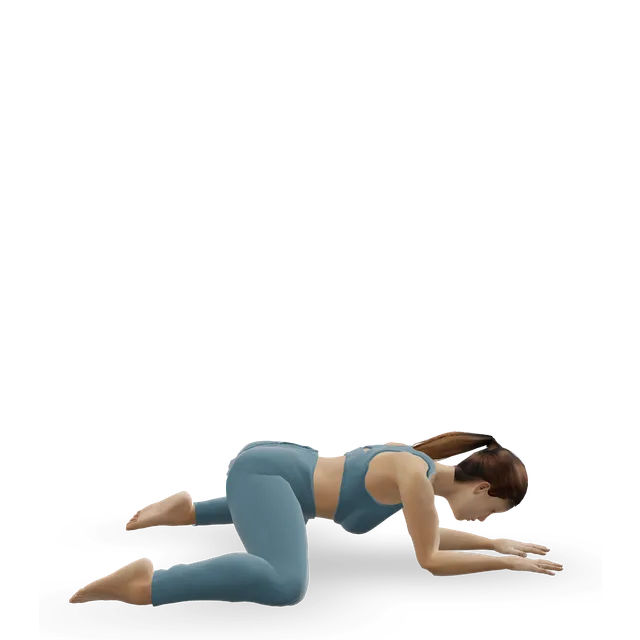
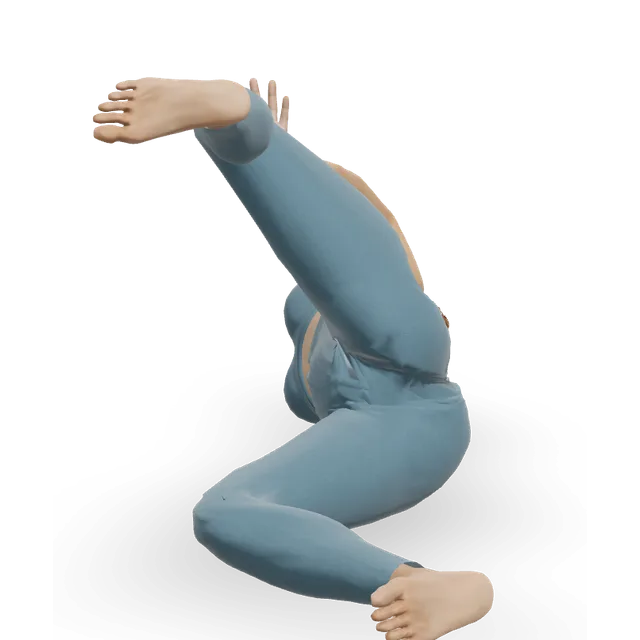
Loading the 3D figure…

Gets into position, then repeats the movement. Technical checks passed; qualified exercise review is pending.

The movement on the figure: Cossack squat

Easier and harder: from a deep squat hold to the pistol squat

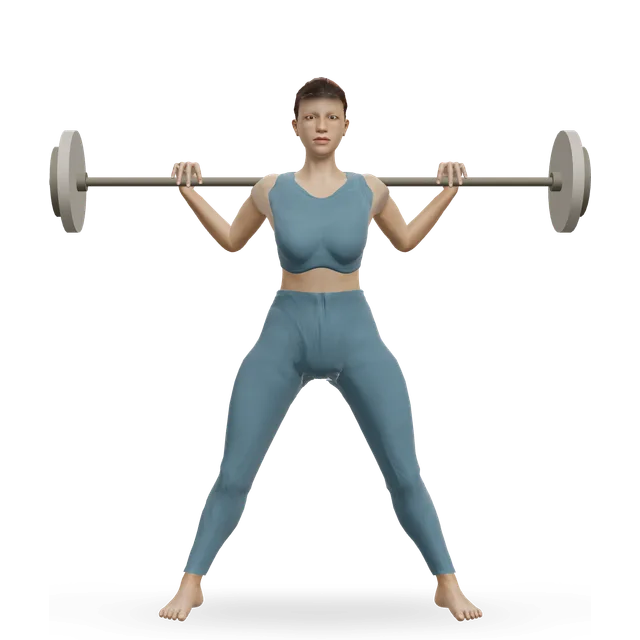
Easiest first: a deep squat hold for 60 seconds, holding a door frame if your heels lift (our hip mobility routine); cossack squats holding a doorway, 4 slow shifts each side (our daily mobility routine), then 6 slow shifts per side without support, holding the last one (its move page's dose); the barbell side split squat, 2 to 3 sets of 5 to 8 each side, stopping 2 or 3 reps short of failure (our editorial starting point); and the pistol squat to a box, 3 sets of 5 to 8 each side (our pistol squat progression).

What the evidence says

The side lunge works the knee and ankle more than a forward lungeEmerging evidence

No study has measured the cossack squat itself, so its nearest relative stands in. Against a forward lunge, the lateral lunge bent the ankle 55 to 84% more and gave a 17 to 48% larger knee-extending impulse (the effort summed over the movement), while the forward lunge worked the hip extensors 45 to 65% more, in 32 young adults. In 20 adults aged about 75 it worked the calf muscles about 41% harder, and in 21 adults aged about 69 it gave the highest knee-extending load of five standing exercises. These are lab studies of a few reps.

Sources 1, 2, 3

A thigh-first exerciseEmerging evidence

In 27 active adults, the lateral lunge's thigh-to-hamstring activity ratio was 9.3, against 2.9 in a single-leg deadlift. In 10 adults, it put about a third more sideways load on the knee than walking, and about half as much again turning-out load on the hip. Muscle activity and modelled loads show effort, not growth.

Sources 4, 16, 15

The inner thighs work, but it isn't the strongest inner-thigh exerciseEmerging evidence

In 24 students, the side lunge ranked third of six inner-thigh exercises for adductor longus activity, after side-lying lifts and ball squeezes and ahead of sumo squats. In a muscle-force model of 15 adults, the long-lever Copenhagen plank was top tier for every adductor, and the squat for the big adductor magnus. Full squats grew the adductors 6.2% in 10 weeks against 2.7% for half squats, in 17 men. For targeted inner-thigh strength, the Copenhagen plank and squeezes do more.

Sources 5, 17, 6

Hip mobility: probably, with load and practice, but not testedMixed evidence

No trial has tested the cossack squat for mobility. Across 11 trials (452 people), strength training through a full range improved range of motion about as much as stretching. In 55 studies, resistance training improved range by a moderate amount, but training with body weight alone didn't reach significance, an uncertain finding from 4 results that the authors warn against overemphasising. Slow-lowering training gave moderate gains after 4 to 5 weeks and large ones after 6 to 8, across 17 studies.

Our reading: lower slowly, use your full controlled range, and add a light weight once body weight is easy.

Sources 8, 9, 10

Your ankle sets the depthEmerging evidence

In 71 men, ankle bend (dorsiflexion) was the factor most strongly linked to squatting deep with the heels down; 55 of them could. Body weight was linked too.

Source 7

Sport and injuriesEmerging evidence

Cossack squats turn up inside sport programmes: a twice-weekly functional strength programme that included them improved forward skating speed in 43 young male ice hockey players against controls, but the cossack squat's share can't be separated. We found no study linking the cossack squat to fewer injuries, so claims that side-to-side work like this prevents them are untested.

Source 18

Your knees and hips

Knees past your toes is normalEmerging evidence

In a cossack squat the bent knee has to travel forward. Holding the knees back in a barbell squat cut the knee's load by about a fifth (150 to 117 newton metres) but raised the hip's about tenfold (28 to 303), with more forward lean, in 7 men; in 100 people, trunk lean changed the hip-to-knee balance more than shin angle did. In one exploratory 6-week trial of bodyweight squats in 57 young adults, holding the knees back gave no advantage, and no one was hurt either way. The NHS's own mini-squat says to aim to get your knees over your big toe.

Sources 11, 19, 20, 21

Your kneecap: more load than a forward lunge, less than a heavy squatEmerging evidence

In 16 experienced adults doing bodyweight lunges, the load behind the kneecap was higher in the side lunge than the forward lunge with the knee bent from 40 to 100 degrees, and lower near straight. The authors compared their peak figures with other studies' and put them at about a third to a quarter of a heavy (12-rep maximum) barbell squat's or leg press's; that's a comparison across studies, not a measurement. With a 12-rep-maximum weight, the side lunge loaded the kneecap more at 80 to 90 degrees of knee bend, in 18 adults. Stepping onto a 10 cm platform rather than the floor lowered the load at 40 to 60 degrees.

Sources 12, 22

No load on the ACLEmerging evidence

With a 12-rep-maximum weight, no force on the anterior cruciate ligament was found in forward or side lunges, in 18 adults. The ligament at the back of the knee (the PCL) took more force in the forward lunge.

Source 13

Healthy knees adapt to deep squatsEmerging evidence

A review of over 164 articles found fears that deep squats harm healthy knees unfounded; in two-legged squats, pressure behind the kneecap peaks around 90 degrees of knee bend. There are no long-term trials.

Source 23

A pinch at the front of the hip

That's the hip joint, not a stretch. Stay just above it, as our hip pain when squatting guide advises: deep squat holds, cossack squats and frog rocks take the hip to the end of its range, and your hip shape decides where that is.

How many, and how often

As a warm-up or mobility drill

6 slow shifts per side, holding the last one for three breaths (its move page's dose), or 4 to 5 each side, as our hip mobility routine, daily mobility routine and sport warm-ups use.

For range and strength

2 to 3 sets of 5 to 10 slow reps each side, at least twice a week for 5 weeks or more. Strength training through a full range at that frequency improved range in trials, as our mobility guide says, and the sets and reps are its editorial starting point. Rest 60 to 90 seconds.

Sources 8, 10

With a weight

Hold a light dumbbell or kettlebell at your chest: 2 to 3 sets of 5 to 8 each side, with 90 seconds to 2 minutes' rest (our editorial starting point, within our plans' rules for lifts that use several joints). Add reps first, then slow the lowering, then add weight, as our plans do.

How hard

Stop each set with 2 or 3 reps to spare, or 3 or 4 in your first two weeks, as our plans advise. Going to failure adds little muscle, and people underestimate the reps they have left by about 1. The bent leg works at its deepest range, where balance gives out before strength, so it isn't a lift for near-maximal sets (our view).

Sources 24, 25

What to expect

In slow-lowering trials, range gains were moderate after 4 to 5 weeks and large after 6 to 8. No one can promise a depth or a date, and hip shape sets a limit for some people.

Source 10

Common mistakes and how to fix them

The bent leg's heel lifting

Your ankle has run out of range. Stay higher, hold a support, rest that heel on a small plate for now, and add knee-to-wall ankle rocks.

Source 7

Folding forward into a toe touch

Stay higher, and reach your arms or a light weight forward as a counterweight.

Bouncing at the bottom

Pause instead. Bouncing at the end of a range you can't yet control is the move page's own warning.

The bent knee caving in

Keep it over your middle toes, and widen or narrow your stance until it tracks.

Flinging from side to side

Shift slowly, and walk your hips through the middle.

Holding your breath

Breathe out as you rise.

Moves that go with it

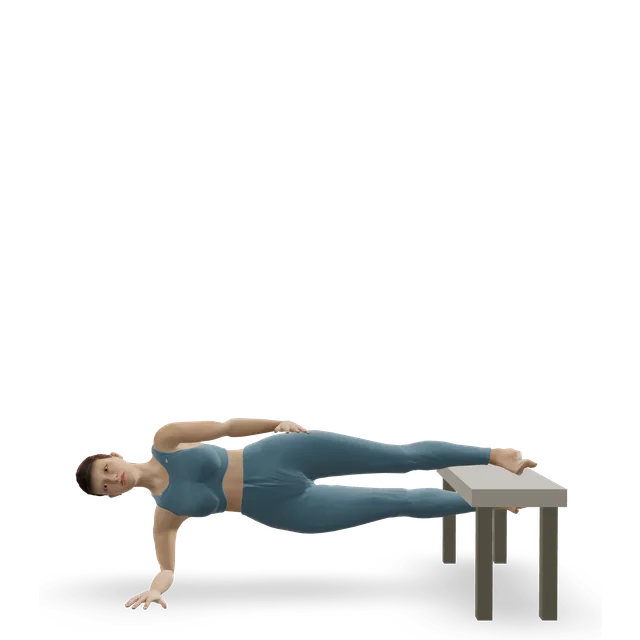
Knee-to-wall rocks, 10 a side daily, and ankle circles, 5 slow circles each way (their move pages' doses), for the ankle range deep squatting needs; goblet squats, 3 or 4 sets of 8 to 12 (our squat guide's starting point); the Copenhagen plank, 1 set each side of 3 to 15 reps, short lever first (our sport workouts), and ball squeezes, 5 to 10 holds of 5 to 10 seconds (our groin strain guide), for inner-thigh strength; 90/90 switches, 10 slow switches, and frog rocks, 12 slow rocks (their move pages' doses), for hip rotation and range; and the side-lying groin stretch, 20 to 30 seconds, 2 to 4 times each side (its move page's dose), which you skip after a recent groin strain.

Workouts to follow

The hip and daily mobility routines use cossack squats at 4 or 5 slow shifts a side, the splits routine's middle-split day at 2 sets of 5 a side, and the ski fitness workout as side-to-side strength. The pistol squat progression is the next step up.

Plans that use it

The beginner strength programme and the full-body plan use our hip mobility routine, and the calisthenics plan our daily mobility routine, both with cossack squats.

Who should change it

A groin strain

Leave cossack squats out until a firm ball squeeze is pain-free, then start with 2 sets of 5 each side, only as deep as is comfortable, as our groin strain guide does.

Hip pain, impingement or arthritis

Use a smaller range and stop short of any pinch at the front of the hip, as our hip mobility routine and hip pain when squatting guide advise. After a hip replacement, follow your surgical team's movement limits.

Kneecap pain

Stay higher for a while: side lunges loaded the kneecap more than forward lunges once the knee bent past about 40 degrees. Keep pain at 0 to 2 out of 10, or up to 5 if it has settled by the next morning, as our knee pain when squatting guide advises.

Source 12

A prolapse

Our prolapse guide advises avoiding deep squats, including cossack squats, and easing off if you feel heaviness, dragging or a bulge.

Pregnancy and pelvic girdle pain

The NHS says moving your legs apart and standing on one leg can make pelvic girdle pain worse, and advises keeping active while avoiding what makes it worse, so leave cossack squats out if you have it. Otherwise, the NHS says it's usually fine to keep doing activities you already do in pregnancy, and to start anything new gently.

Sources 14, 26

Poor balance

Hold a doorway or post on every rep (our suggestion).

Warning signs

Stop and get medical help

If you get chest pain or pressure, feel faint or dizzy, are unusually breathless, or your heart races or beats irregularly during exercise, as our plans advise. The American Heart Association says these need immediate medical evaluation.

Source 27

Call 999 (911 in the US)

For chest pain that comes on suddenly and doesn't go away, or spreads to your arms, neck, jaw, stomach or back; a sudden, extremely painful headache while straining; someone who faints while exercising; or palpitations that don't go away, or come with chest pain, breathlessness or feeling faint. Don't drive yourself to A&E.

Sources 28, 29, 30, 31, 32

Check before you start

If you haven't exercised for some time or have a medical condition, speak to your GP first, as the NHS advises. Get advice before hard straining work if your blood pressure is uncontrolled, or you have heart disease or chest pain when you're active, a pacemaker or defibrillator, diabetic eye disease, glaucoma, a hernia, recent eye or tummy surgery, or you're pregnant, as our breathing guide lists.

Source 33

A pop in your groin or at the front of your knee

A pop high on the inner thigh, then a large bruise, a dent or a gap you can feel, or weakness squeezing your legs together: get it assessed within days, as our inner thigh pain guide says. A pop or tearing feeling at the front of the knee, then you can't straighten it or lift the straight leg off the bed: go to A&E or an urgent treatment centre, or get help from NHS 111, the same day, as our knee pain when squatting guide says.

Your hip

Call 999 or go to A&E for severe hip pain after a fall or injury, if you can't walk or put weight on your leg, or for tingling or loss of feeling in your hip or leg after an injury. Ask for an urgent GP appointment or get help from NHS 111 for severe hip pain that starts suddenly without an injury, a hip that is swollen and hot, or hip pain with a high temperature. See a GP if hip pain stops your normal activities or affects your sleep, or hasn't improved after 2 weeks of looking after it at home.

Source 34

Your knee

Get advice from NHS 111 if your knee is very painful, you can't move it or put weight on it, it's badly swollen or has changed shape, it locks, gives way or clicks painfully, or it's hot and red and you have a high temperature. See a GP if knee pain doesn't improve within a few weeks. In the US, use urgent care.

Source 35

A pulled muscle

Get help from NHS 111 if it's very painful or getting worse, there's a lot of swelling or bruising, you can't put weight on it or walk more than a few steps, or it isn't getting better after treating it yourself. Call 999 or go to A&E if you heard a crack, the leg has changed shape or points at an odd angle, it's numb or tingling, or the skin has changed colour or feels cold.

Source 36

A new lump or bulge

See a GP if you think you have a hernia. Get help from NHS 111 if you have a hernia and pain in or around it, a bloated tummy, sickness, vomiting blood or vomit that looks like coffee grounds, constipation, a high temperature or sudden confusion. Call 999 or go to A&E for a femoral hernia (a lump at the top of the thigh) with very bad tummy pain, sickness, being unable to fart or poo, a high temperature or sudden confusion.

Sources 37, 38

Myths

"Your knees should never go past your toes"Emerging evidence

Holding the knees back moves work from the knee to the hip and tips you forward, and in one exploratory trial it gave no advantage. The NHS's own mini-squat says to aim to get your knees over your big toe, and a cossack squat can't be done without it. With kneecap pain, limit depth for a while, then build it back.

Sources 11, 19, 20, 21

"It's just a stretch"Emerging evidence

The bent leg works as it would in a single-leg squat: the side lunge is strongly thigh-dominant and worked the knee extensors harder than a forward lunge. It trains strength and range together.

Sources 4, 1

"It's the best inner-thigh exercise"Emerging evidence

For the adductor longus, a side lunge ranked third of six inner-thigh exercises, and in a muscle-force model the long-lever Copenhagen plank was top tier for every adductor. Use it alongside those, not instead.

Sources 5, 17

"Side-to-side training like this prevents injuries"

We found no study of the cossack squat and injuries. The one training study that included it measured skating speed, not injuries, and the cossack squat's share can't be separated.

Source 18

"Everyone should do cossack squats"

It's optional. A painful groin strain, a pinch at the front of the hip, a prolapse and pelvic girdle pain in pregnancy are reasons to change or skip it, and squats, lunges and the Copenhagen plank cover the same muscles.

Questions people ask

What is a cossack squat?

A wide-stance squat to one side: you sit down over one leg with the heel down while the other leg stays straight, toes up, then shift across to the other side. It's half single-leg squat and half inner-thigh stretch. Lateral squat and deep side lunge are close names for the same shape.

What muscles do cossack squats work?

Mostly the bent leg's quadriceps and glutes, with the inner thighs of both legs; the straight leg's inner thigh and hamstrings lengthen. The side lunge, its nearest measured relative, is strongly thigh-dominant and works the adductor longus moderately, and deep squats grew the adductors more than half squats in a trial.

Are cossack squats good for hip mobility?

Probably, if you do them slowly through your full range and add a light weight once body weight is easy, but no trial has tested them. Strength training through a full range improves range about as much as stretching; in one large review, training with body weight alone didn't clearly improve it.

Why can't I get low in a cossack squat?

Usually your ankle: ankle bend was the factor most strongly linked to squatting deep with your heels down. Hold a doorway, stay higher, rest the bent leg's heel on a small plate and add knee-to-wall ankle rocks. Depth comes over weeks of practice, and no one can promise how far.

Is a cossack squat the same as a side lunge?

Nearly. A side lunge usually steps out and back, often to a shallower depth, while a cossack squat stays wide and sinks deeper, often with the straight leg's toes up. Side lunge studies are the best evidence there is for the cossack squat.

Are cossack squats bad for your knees?

Not for healthy knees built up gradually. Side lunges loaded the kneecap more than forward lunges once the knee bent past about 40 degrees, but the researchers put a bodyweight side lunge's peak well below a heavy squat's, and no force on the ACL was found. With kneecap pain, stay higher for a while.

Should my straight leg's toes point up?

If it's comfortable. Toes up shifts more of the stretch towards the hamstrings and needs more range; a flat foot keeps more of it on the inner thigh. Either is fine.

How many cossack squats should I do?

As a warm-up or mobility drill, 6 slow shifts a side, holding the last one, or 4 to 5 a side as our routines use. For range and strength, 2 to 3 sets of 5 to 10 slow reps each side at least twice a week, stopping 2 or 3 reps short of failure.

Can I do cossack squats with weight?

Yes, once the bodyweight version is smooth: hold a light dumbbell or kettlebell at your chest, which also helps you balance. Add reps first, then slow the lowering, then add weight.

Cossack squat or pistol squat: which is harder?

The pistol squat. It puts all your weight on one fully bent leg, and the full single-leg squat is among the heaviest kneecap loads of 35 exercises measured. Our pistol squat progression builds up to it.

Why is it called a cossack squat?

It's usually traced to a squatting step in Cossack folk dance. We found no history to confirm it.

Can I do cossack squats with groin or hip pain?

Not while a groin strain is painful: our groin strain guide brings them back once a firm ball squeeze is pain-free, starting with 2 sets of 5. With a pinch at the front of the hip, stay just short of it. A pop high on the inner thigh with bruising needs checking within days.

Sources

  1. Riemann 2013 · Forward and lateral lunges at different step lengths, in 32 young adults (lab study, J Sports Med Phys Fitness)
  2. Flanagan 2004 · Forward and lateral lunges in 20 older adults (lab study, J Strength Cond Res)
  3. Stutzenberger 2023 · Joint loads in five falls-prevention exercises, including the side lunge, in 21 older adults (lab study, Clin Biomech)
  4. Begalle 2012 · Thigh and hamstring muscle activity in 9 standing exercises, including the lateral lunge, in 27 active adults (EMG study, J Athl Train)
  5. Delmore 2014 · Adductor longus activity in 6 inner-thigh exercises, including the side lunge, in 24 students (EMG study, J Sport Rehabil)
  6. Kubo 2019 · Full against half squats for 10 weeks and leg muscle size, in 17 men (randomised trial, Eur J Appl Physiol)
  7. Kasuyama 2009 · Ankle bend and squatting deep with the heels down, in 71 men (cross-sectional study, J Phys Ther Sci)
  8. Afonso 2021 · Strength training against stretching for range of motion: 11 trials, 452 people (systematic review and meta-analysis, Healthcare)
  9. Alizadeh 2023 · Resistance training and range of motion: 55 studies (systematic review and meta-analysis, Sports Med)
  10. Kay 2023 · Slow-lowering (eccentric) training and leg joint range: 17 studies, 376 people (systematic review and meta-analysis, Med Sci Sports Exerc)
  11. Fry 2003 · Knee position and hip and knee torques in the barbell squat, in 7 men (lab study, J Strength Cond Res)
  12. Escamilla 2022 · Kneecap joint load in forward and side lunges, with and without a step, in 16 experienced adults (lab study, Int J Sports Phys Ther)
  13. Escamilla 2010 · Cruciate ligament forces in loaded forward and side lunges, in 18 adults (lab study, Clin Biomech)
  14. NHS · Pelvic pain in pregnancy (past its review date: reviewed December 2022, review due December 2025)
  15. Vigotsky 2022 · Muscle activity measured in one session isn't a validated predictor of muscle growth (review, Sports Med)
  16. Pawar 2026 · Knee and hip loads in the lateral lunge against walking, in 10 adults (lab study, Rehabilitación)
  17. Collings 2026 · Inner-thigh muscle forces in 8 strength and rehabilitation exercises, in 15 adults (modelling study, Med Sci Sports Exerc)
  18. Bieniec 2025 · A functional strength programme that included cossack squats, in 43 young ice hockey players (controlled trial, Front Physiol)
  19. Graber 2023 · Trunk and shin position and the hip-to-knee balance in a two-legged squat, in 100 adults (lab study, Phys Ther Sport)
  20. Movahhedi 2026 · Letting the knees travel forward or holding them back in 6 weeks of bodyweight squats, in 57 active young adults (exploratory randomised trial, J Clin Med)
  21. NHS · Strength exercises
  22. Escamilla 2008 · Kneecap joint force in loaded forward and side lunges, in 18 adults (lab study, Clin Biomech)
  23. Hartmann 2013 · Knee and spine loads in deep and shallow squats: over 164 articles (narrative review, Sports Med)
  24. Refalo 2023 · Training to failure against stopping short, for muscle growth: 15 studies (meta-analysis, Sports Med)
  25. Halperin 2022 · How accurately people predict the reps they have left: 12 studies (scoping review and meta-analysis, Sports Med)
  26. NHS · Exercise in pregnancy
  27. Paluch 2024 · Resistance exercise training with and without cardiovascular disease: 2023 update (American Heart Association scientific statement, Circulation)
  28. NHS · Chest pain (past its review date: reviewed August 2023, review due August 2026)
  29. NHS · Headaches
  30. NHS · Subarachnoid haemorrhage
  31. NHS · Fainting
  32. NHS · Heart palpitations
  33. NHS · Physical activity guidelines for adults aged 19 to 64
  34. NHS · Hip pain in adults
  35. NHS · Knee pain
  36. NHS · Sprains and strains
  37. NHS · Hernia
  38. NHS · Femoral hernia

Exercise education, not a personal prescription, and clinical review of these guides is pending. Check with a GP before starting hard training if you have a heart condition, chest pain, dizziness or breathlessness when active, and stop for sharp or increasing pain. Health disclaimer.