Training guide

How to do sumo squats: the wide stance, the inner thighs and glutes, bodyweight, dumbbell and kettlebell versions, and how many

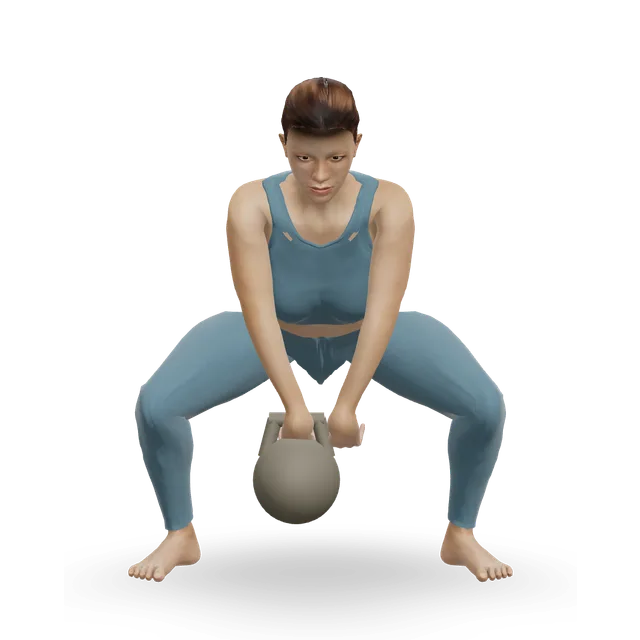
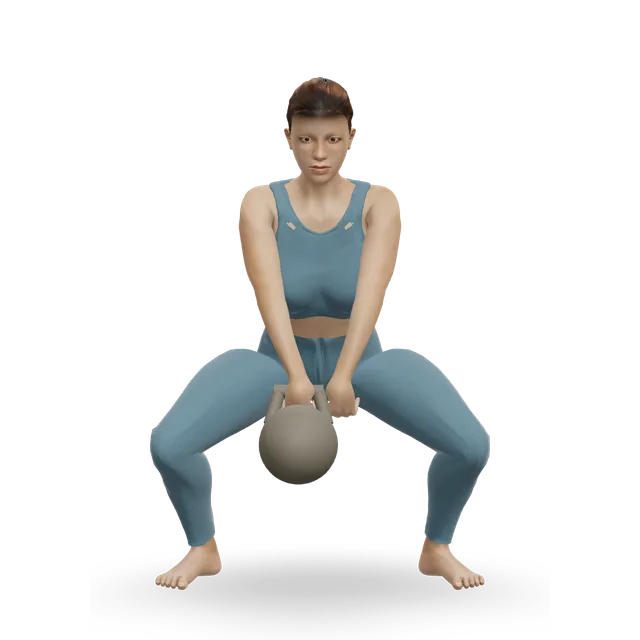
A sumo squat, or plié squat, is a squat with your feet wide and turned out: you sink your hips straight down between your heels with your trunk upright and your knees pushed out over your toes, holding a dumbbell or kettlebell between your legs, at your chest, or nothing at all. It works your thighs, glutes and inner thighs.

The wide stance adds a little inner-thigh work, by our judgement, but less than many people think, and the evidence on the glutes is mixed; squatting deep matters more than squatting wide.

This guide shows how to find your stance and do each version on the 3D figure, what the studies show for the inner thighs, glutes and knees, how it compares with the goblet squat, back squat and sumo deadlift, how many to do, and who should narrow it or leave it out.

The short version

Wide, toes out, sit straight down

Stand with your feet about one and a half shoulder-widths apart and your toes turned out about 30 to 45 degrees. Holding a dumbbell or kettlebell on long arms between your legs, or nothing, sit your hips straight down between your heels with your trunk upright and your knees pushed out over your toes, until your thighs are about level, then drive up. The stance is our editorial starting point, as our sumo deadlift guide gives it; a wide stance keeps your shins more upright than a narrow one.

Source 1

The inner thighs: a little extra, not a lot

In 10 bodybuilders, a wide, toes-out squat drew about 17 to 18% more inner-thigh (adductor longus) activity than back squats, but at heavier, unmatched loads; in 24 students, sumo squats ranked last of six inner-thigh exercises. Our judgement: a little extra inner-thigh work.

Sources 2, 3

Depth matters more than width

In 17 men, 10 weeks of full squats grew the inner thighs by 6.2% and the glutes by 6.7%, against 2.7% and 2.2% with half squats. Nobody has compared stance widths for muscle growth.

Source 4

Your knees: turn your toes out

In one lab study, a sumo squat loaded the kneecap joint about as much as a full squat, so by our reading it's not gentler on the knees. A wide stance raised the knee's inward twisting load, and turning the toes out about 30 degrees halved it: keep your knees over your toes.

Sources 5, 6

How many

2 or 3 sets of 8 to 12 with a dumbbell or kettlebell, stopping 2 or 3 reps short, with 90 seconds to 2 minutes' rest, twice a week (our editorial starting point, as our goblet squat guide gives for the sumo version). Load matters more than count: 100 bodyweight squats a day for 4 months built no strength in 25 older adults.

Source 7

Pregnancy and the pelvic floor

Strength training is fine in pregnancy if you already do it, but moving your legs apart can bring on pelvic girdle pain: narrow your stance if it hurts. With a prolapse, an NHS pelvic health leaflet advises avoiding deep squats.

Sources 8, 9, 10

What a sumo squat is, and what it works

The move

A squat with the feet wide, about one and a half shoulder-widths, and turned out about 30 to 45 degrees, the trunk upright, the hips sinking straight down between the heels and the knees pushed out over the toes, holding a weight on long arms between the legs, at the chest, or nothing (our move page; the stance is our sumo deadlift guide's editorial starting point).

Names

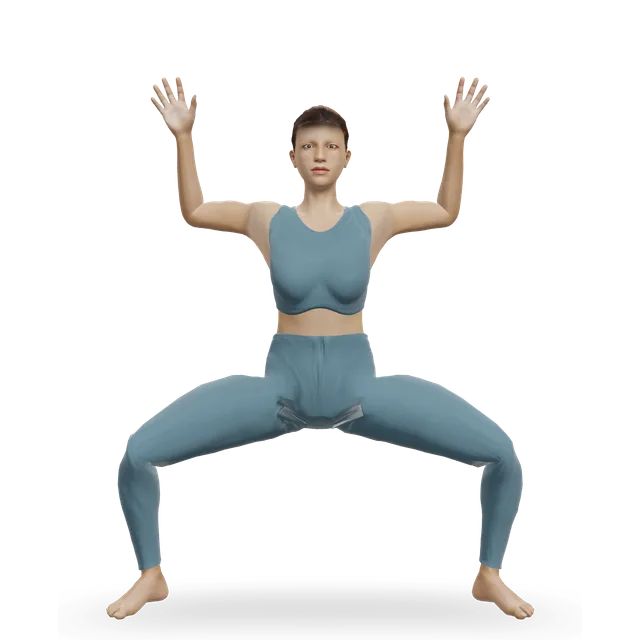
Sumo squat, plié squat (from ballet, often with a heel raise or pulses), wide squat and wide-stance squat are one family; the yoga goddess pose holds a shallow version. The sumo deadlift lifts a bar from the floor with more hip hinge, the kettlebell sumo high pull adds an upright row, and the Cossack squat shifts all the way onto one leg.

What it works

The front of your thighs (quadriceps), your glutes and your inner thighs (adductors, including the big adductor magnus, which helps straighten your hip), with your trunk holding you upright. Stance width changes the emphasis a little, not the list.

Sources 2, 11, 12

How hard

With a dumbbell or kettlebell hanging, it's about as hard as a goblet squat for most people, and the limit is the weight you can hold, as our goblet squat guide says. With a barbell it's the wide-stance back squat.

How people differ

Hip bone shapes differ a lot, so the comfortable width and toe angle differ, as our sumo deadlift guide explains. A wide stance keeps the shins more upright, which may help if your ankles are stiff (our reading). Moving your legs apart can bring on pelvic girdle pain in pregnancy. After a hip replacement, ask your team before wide, turned-out positions. Women and men use the same technique.

Sources 1, 9

Effort, not results

Most stance studies used EMG (electromyography: electrodes measuring how hard a muscle works) in a few reps. That shows effort in one session; it isn't a validated predictor of what a muscle will build.

Source 13

Who was studied

The studies are small groups of lifters, bodybuilders and students, mostly men, and most measured one session. No trial has tested sumo squats on their own or compared stance widths for muscle growth. We say so where a point rests on them.

How to do a sumo squat, step by step

From our plié dumbbell squat move page and our goblet squat and sumo deadlift guides; the stance width and toe angle are our editorial starting point.

  1. Stand with your feet about one and a half shoulder-widths apart and your toes turned out about 30 to 45 degrees.
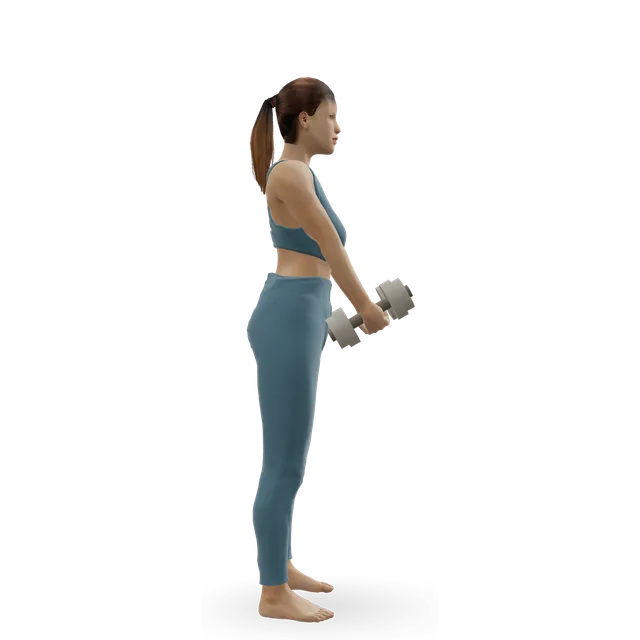
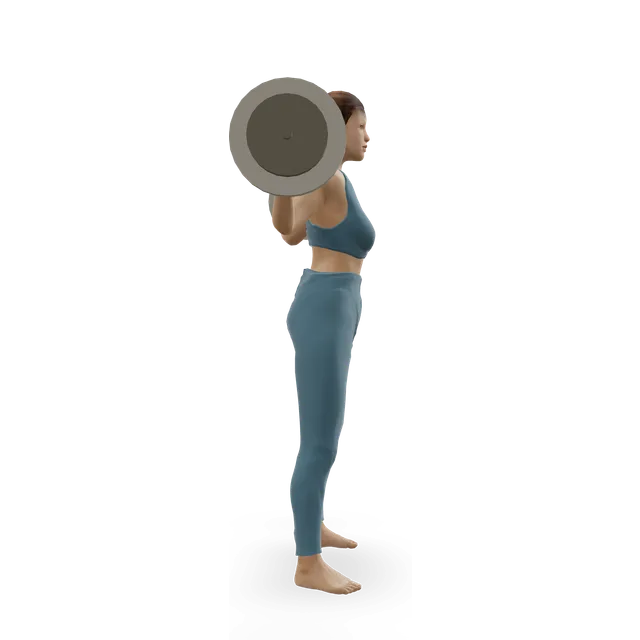
  2. Hold one dumbbell by its top end, or a kettlebell by its handle, on long arms between your legs; or clasp your hands at your chest for the bodyweight version, or hold the weight against your chest for the goblet version.
  3. Breathe in and brace, chest up and trunk tall.
  4. Sit your hips straight down between your heels, pushing your knees out so they point over your toes, with your whole foot on the floor.
  5. Go down until your thighs are about level with the floor, or as deep as your heels stay down and your back keeps its shape.
  6. Drive up through your whole foot, keeping your knees out, and breathe out near the top.
  7. Widen your stance only a little at a time, and only while your knees still track over your toes and your hips feel comfortable.

Loading the 3D figure…

Gets into position, then repeats the movement. Technical checks passed; qualified exercise review is pending.

The movement on the figure: Plié dumbbell squat (sumo squat)

Finding your stance

Start moderate

About one and a half shoulder-widths with your toes out 30 to 45 degrees, then adjust. Hips differ, so there's no single right width (our editorial starting point, as our sumo deadlift guide says).

Wider changes the shapeEmerging evidence

In 39 national powerlifters, a wide stance (169% of shoulder width) kept the shins more upright and the thighs more level than a narrow one (107%), with larger loads at the hip and knee.

Source 1

Turn your toes out with your stanceEmerging evidence

In 42 novice and experienced squatters, wider stances reduced sideways knee movement, and the extreme combinations, a very wide stance with the toes forward or a narrow one with the toes turned far out, gave the largest knee and hip loads. A review notes that turning the feet out about 30 degrees cuts the knee's inward twisting load by about half.

Sources 14, 5

A pinch means narrower

A pinch at the front of the hip, or a pulling groin, means bringing your feet in, as our sumo deadlift guide says.

The inner thighs

Does the wide stance work them more?Mixed evidence

In 10 competitive bodybuilders, the sumo squat with the feet turned out drew about 17 to 18% more inner-thigh (adductor longus) activity in the lifting phase than full and parallel back squats, but the sumo loads were heavier and not matched. In 9 male lifters, stance width changed adductor longus activity in some phases of the lift. But in 24 students, sumo squats ranked last of six exercises for adductor longus activity; in 24 adults, the hip's adduction moment (the demand on the inner-thigh muscles) didn't change with stance width; and a clinical review concludes that stance width doesn't change overall adductor activity, though turning the hips out raises it.

Sources 2, 11, 3, 15, 5

Our judgement

A sumo stance adds a little inner-thigh work. If that's your aim, squeezes, side lunges and Copenhagen planks add more than a wider and wider stance.

Which exercises worked them hardestEmerging evidence

In 24 students, adductor longus activity ranked side-lying hip adduction first, then ball squeezes, side lunges, standing adduction on a ball, rotational squats and, last, sumo squats. In a muscle-force model of 15 adults, squats were top tier for the big adductor magnus and second tier for the adductor longus, and the long-lever Copenhagen plank was top tier for every adductor.

Sources 3, 12

Depth grew themEmerging evidence

In 17 men, 10 weeks of full squats grew the adductors by 6.2%, against 2.7% for half squats; the front of the thighs grew about the same in both. No trial has compared stance widths for growth, so depth is the lever with evidence.

Source 4

What the evidence says: the glutes and the quads

The glutes: mixedMixed evidence

The widest stance drew the most glute activity in 6 experienced lifters; a low-bar wide stance gave the hip a larger share of the work in 18 lifters; wide stances raised the forces of the muscles at the back in 90 lifters; and a review reports 13 to 61% more glute activity with medium or wide stances. But the bodybuilders' sumo squat drew no more glute activity than other squats, and in a model of bodyweight squats, glute force rose as the stance narrowed.

Sources 16, 17, 18, 5, 2, 19

Depth grew the glutesEmerging evidence

Full squats grew the glutes by 6.7% in 10 weeks, against 2.2% for half squats, in 17 men.

Source 4

The quadsEmerging evidence

Stance width didn't change quadriceps activity in 9 lifters; narrow stances raised quadriceps forces in 90 lifters; a wide stance raised activity in the inner front-thigh muscle in 18 adults; and a review of 18 studies found that stance width and hip rotation didn't significantly change muscle activity, while load did.

Sources 11, 18, 20, 21

Load mattersEmerging evidence

In 19 men, squats with a barbell, dumbbells, a vest or a kettlebell drew more muscle activity than unloaded squats.

Source 22

Bodyweight, dumbbell, kettlebell, goblet and barbell

In order: sit to stand from a chair, 5 slow reps building to 3 sets of 8 to 12 (our goblet squat and squat guides); bodyweight squats, 3 sets of 10 to 20 to a depth you control (our squat guide); the sumo squat without a weight, 2 sets of 12 to 15 slow reps, or 8 slow pliés as a warm-up (editorial; our barre workouts); the dumbbell squat to a bench as a depth marker, 2 to 3 sets of 8 to 12 (its move page's editorial starting point); the dumbbell or kettlebell sumo squat, 3 sets of 8 to 12, stopping 2 or 3 reps short (our goblet squat guide's editorial starting point), or 2 sets of 8 as a stance drill (our sumo deadlift workout); the goblet squat, held at your chest with your feet wider for the goblet sumo squat, 3 or 4 sets of 8 to 12 (our goblet squat guide); and the wide-stance barbell squat in a rack, 3 sets of 5 to 8 (editorial). The goddess pose holds a shallow wide squat, 2 holds of 3 breaths (our yoga workouts). Related: the kettlebell sumo high pull, 2 to 3 sets of 8 to 12 (its move page's editorial starting point); the sumo deadlift, 3 sets of 5 after lighter sets (our sumo deadlift workout); and the Cossack squat, 6 slow shifts per side (its move page's dose). The elevated sumo squat, sumo squats with a heel raise and the Smith machine version have no demo of their own.

Sumo squat, goblet squat, back squat or sumo deadlift?

Against a normal-stance squat

Both are good squats. A sumo stance keeps you more upright with your shins more vertical and suits hips that like a wide stance; a narrower stance raised the forces in the front of the thighs in one large lab study. Use the one you can do deepest with your heels down (our suggestion).

Sources 1, 18

Against the goblet squat

Close cousins: the goblet squat holds the weight at your chest with a shoulder-width stance, and a goblet sumo squat holds it there with a wide stance. Our goblet squat guide covers both.

Against the sumo deadlift

In a sumo squat you hold a weight and sink straight down with an upright trunk; in a sumo deadlift you lift a bar from the floor with more of a hinge at the hips. Both use the wide, turned-out stance, as our sumo deadlift guide explains.

Barre pliés

Barre classes use bodyweight pliés with pulses at the bottom, as our barre strength workout does: 10 slow pliés, then 1 to 10 pulses, 2 rounds. Adding load does more for strength than adding pulses (our reading).

Your knees and hips

Not gentler, not harsher, by our readingEmerging evidence

In one lab study modelling 20 young adults, a sumo squat loaded the kneecap joint 4.3 times body weight, against 4.5 for a full-depth squat and 2.5 for a squat to 60 degrees. Our reading is that a sumo squat isn't gentler on the knees than other deep squats.

Source 6

A wide stance and the kneeEmerging evidence

In 10 experienced lifters, a wide-stance barbell squat raised the compressive forces in the knee; turning the feet out 30 degrees changed neither muscle activity nor knee forces. A review reports that a wide stance raises the knee's inward (valgus) twisting load by 23%, and that turning the feet out about 30 degrees halves it. In 14 rugby players, a wide stance moved more of the load to the hip.

Sources 23, 5, 24

Toes out, knees over them

The protective habit: turn your toes out and keep your knees pointing over them. Avoid very wide stances with your toes pointing forward.

Sources 14, 5

If your knees are sore

Our knee pain after a workout guide's rule applies: 0 to 2 out of 10 is fine, and up to 5 is acceptable if your knee is back to its usual level by the next morning. Squat to a box at a comfortable depth while it settles (our suggestion).

Your hips and groin

A pinch at the front of the hip in a wide stance means bringing your feet in; pain that lasts belongs to our hip pain when squatting and hip impingement guides. With a groin strain, leave wide squats out until our groin strain guide's plan allows them.

Common mistakes

Knees caving in

Push your knees out in line with your toes, as the move page cues.

Going wider than your hips allow

A pinch at the front of the hip or a pulling groin means your stance is too wide, as our sumo deadlift guide says.

Toes forward in a very wide stance

A very wide stance with the toes forward gave the largest knee and hip loads in one lab study. Turn your toes out.

Source 14

Leaning forward and swinging the weight

That turns it into a deadlift. Keep your arms long and let your legs lift the weight, as the move page cues.

Stopping high on every rep

Fuller squats grew the glutes and inner thighs more than half squats, as our goblet squat guide reports.

Source 4

Pulsing instead of adding load

Endless pulses at the bottom add time, not much strength; our barre workout keeps them to 1 to 10 after the full reps (our reading).

How many, and how often

Learning

Bodyweight sumo squats to a box or chair, 2 sets of 12 to 15 slow reps (our editorial starting point).

With a dumbbell or kettlebell

3 sets of 8 to 12, stopping 2 or 3 reps short, with 90 seconds to 2 minutes' rest: our goblet squat guide's editorial starting point for the sumo version, with the plans' rest note. Our sumo deadlift workout uses 2 sets of 8 as a stance drill.

Barre style

10 slow pliés, then 1 to 10 pulses at the bottom, 2 rounds, as our barre strength workout does.

Each week

Twice a week, counting towards about 10 or more hard sets a week for your legs, the volume linked to more muscle growth.

Source 25

Progressing

Add reps up to 12, then use the next dumbbell or kettlebell, then a barbell, as the plans' double progression sets out.

Load beats hundreds of reps

In 25 older adults, 100 bodyweight squats every day for 4 months improved no strength, muscle thickness or function, while hard sets build muscle with light or heavy loads.

Sources 7, 26

Moves that go with it

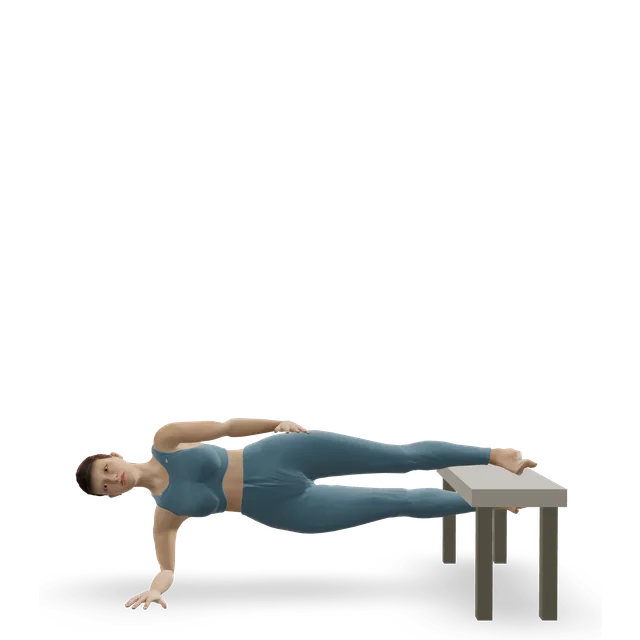
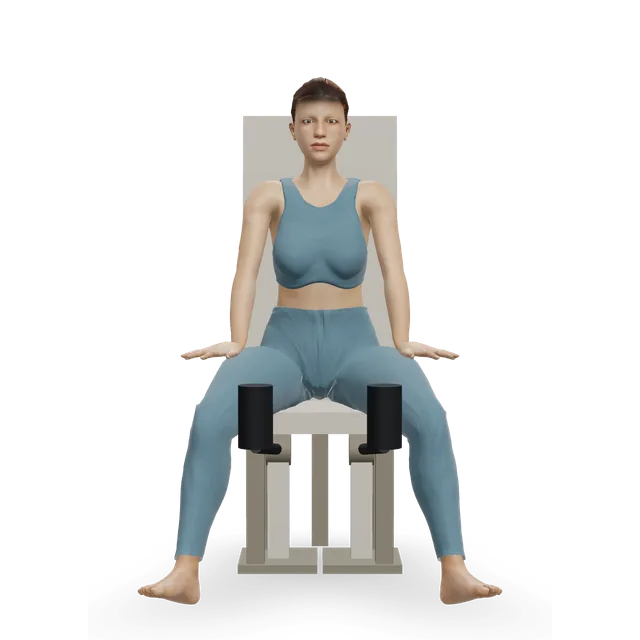
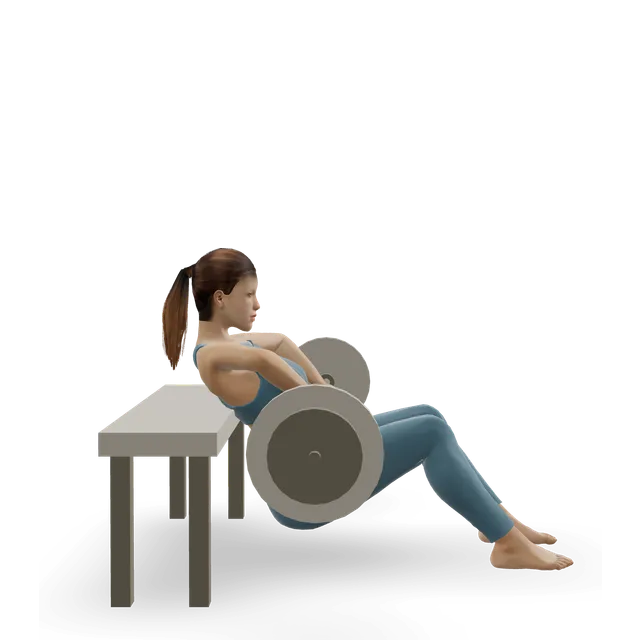
For the inner thighs: lying ball squeezes, 6 holds of 5 to 10 seconds (our Pilates ring workout); Copenhagen planks, short lever with your top knee on the bench first, 1 set each side of 3 to 15 reps (our sport workouts and Copenhagen plank guide); and the hip adduction machine, 2 to 3 sets of 10 to 15 (our Copenhagen plank guide's editorial starting point). For the glutes: glute bridges squeezing a ball or cushion between your knees, 3 × 15 (our barre strength workout), and barbell hip thrusts, 3 sets of 8 to 12 (our sumo deadlift guide). For the side hips: lateral band walks, 2 sets of 10 steps each way (our knee control warm-up). For mobility: the 90/90 switch, 10 slow switches, frog rocks, 12 slow rocks, and knee-to-wall ankle rocks, 10 slow rocks per side (their move pages' doses).

Workouts to follow

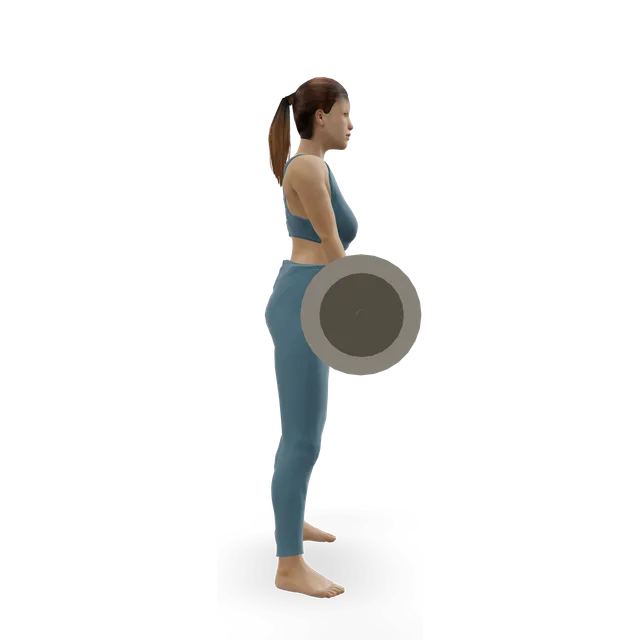
The inner thigh workout uses dumbbell or kettlebell sumo squats as its main lift; the sumo deadlift workout uses them as a stance drill; the barre strength workout uses pliés with pulses; and the dumbbell leg and glute workouts at home build the squat pattern around them.

Plans that use them

The glute workout plan, 30-day glute challenge and dumbbell workout plan build the squat and hip moves that sit beside sumo squats.

Who should change it

Pregnancy and pelvic girdle pain

If you already squat and it feels comfortable, the NHS says it's usually fine to keep going. But it lists moving your legs apart, as when getting out of a car, among the things that bring on pelvic girdle pain: narrow your stance or leave wide squats out if it hurts, and tell your midwife.

Sources 8, 9

A prolapse

An NHS pelvic health leaflet advises people with a prolapse to avoid deep squats: keep the squat shallow and stop if you feel heaviness or dragging.

Source 10

Osteoporosis

Squats are good strength work: the UK consensus suggests strengthening on 2 or 3 days a week, with the most you can lift 8 to 12 times, building to 3 sets. Keep your back long rather than rounded as you lift.

Source 27

A groin strain or hip impingement

Leave wide squats out until our groin strain guide's plan allows them, and with hip impingement use the width and toe angle that don't pinch (our suggestion).

After a hip replacement

Ask your surgical team before wide, turned-out positions, as our goddess pose move page says.

High blood pressure

With controlled high blood pressure, moderate loads with proper breathing are safe: breathe out as you stand up, and don't hold your breath under a heavy weight.

Source 28

Warning signs

Stop and get medical help

If you get chest pain or pressure, feel faint or dizzy, are unusually breathless, or your heart races or beats irregularly during exercise, as our plans advise. The American Heart Association says these need immediate medical evaluation.

Source 28

Call 999 (911 in the US)

For chest pain that doesn't go away, feels tight, heavy or like squeezing, or spreads to your arms, neck, jaw, stomach or back, or comes with sweating, feeling sick, light-headedness or breathlessness; severe difficulty breathing; someone who faints while exercising; palpitations that don't go away, or come with chest pain, shortness of breath or feeling faint; or a headache that starts suddenly and is extremely painful, which the NHS says may be more likely when you're lifting something heavy. Don't drive yourself to A&E.

Sources 29, 30, 31, 32, 33, 34, 35

Check before you start

If you haven't exercised for some time or have a medical condition, speak to your GP first, as the NHS advises. Get advice before heavy lifting if your blood pressure is uncontrolled, or you have heart disease or chest pain when you're active, diabetic eye disease, glaucoma, a hernia, recent eye or tummy surgery, or you're pregnant, as our breathing guide lists.

Source 36

After a faint, or dizziness that keeps coming back

See a GP after any faint, and for dizziness that won't go away or keeps coming back.

Sources 32, 37

Your knee

Get advice from NHS 111 if your knee is very painful, you can't move it or put weight on it, it's badly swollen or has changed shape, or it locks, gives way or clicks painfully (painless clicking is normal). See a GP if knee pain doesn't improve within a few weeks.

Source 38

Your groin and inner thigh

A sudden sharp pain in the groin or inner thigh during a squat may be a strain: stop, follow our groin strain guide, and get help from NHS 111 if it's very painful or you can't walk more than a few steps. A lump in the groin, or groin pain when you cough or strain, may be a hernia: see a GP. A small lump at the top of the thigh with very bad tummy pain, being sick, or being unable to fart or poo is a 999 call.

Sources 39, 40, 41

Your back

Call 999 or go to A&E for back pain with pain, tingling, weakness or numbness in both legs; loss of feeling around your genitals or bottom; or new trouble peeing, or peeing or pooing yourself; or for sciatica on both sides. These can be cauda equina syndrome, which needs treating in hospital urgently. Stop anything that sends pain down a leg, as our back pain from squats guide says.

Sources 42, 43

A fall

Call 999 if someone has fallen and may have injured their head, back, neck or hip, or can't get up.

Source 44

Heaviness or a bulge

A feeling of heaviness or pressure in your lower tummy or vagina, or a bulge or lump in or coming out of your vagina, can be a prolapse: see a GP.

Source 45

Muscle pain far worse than the session explains

After a big or unusual session, such as a "100 squats a day" challenge, severe muscle pain, swelling or weakness with dark urine needs same-day help: NHS 111, or A&E if you feel very unwell.

Source 46
Myths

"Sumo squats only work the inner thighs"Emerging evidence

Stance width didn't change quadriceps activity in 9 lifters, a review of 18 studies found that stance width didn't significantly change muscle activity, and sumo squats ranked last of six exercises for adductor longus activity. They're a full squat for the thighs and glutes with, by our judgement, a little extra inner-thigh work; deep squats in any stance grew the inner thighs.

Sources 11, 21, 3, 4

"A wider stance always works the glutes more"Mixed evidence

The widest stance drew more glute activity in 6 lifters and a review reports 13 to 61% more with medium or wide stances, but the bodybuilders' sumo squat showed no extra glute activity and a bodyweight model found more glute force with a narrower stance. Depth is the better-supported lever: full squats grew the glutes 6.7% against 2.2% for half squats.

Sources 16, 5, 2, 19, 4

"Sumo squats are easier on your knees"Emerging evidence

In one lab study, a sumo squat loaded the kneecap joint about as much as a full squat (4.3 against 4.5 times body weight), and in barbell squats a wide stance raised knee compression and the knee's inward twisting load. Our reading: not easier, not harder. Turning your toes out about 30 degrees halves that twisting load.

Sources 6, 23, 5

"Sumo squats slim your inner thighs"Strong evidence

Training one body part didn't reduce the fat over it across 13 studies of 1,158 people. Sumo squats build the muscle under the fat; our thigh fat guide covers what reduces fat.

Source 47

"Don't let your knees pass your toes"Emerging evidence

In 7 men, holding the knees back cut the turning force at the knee from 150 to 117 newton metres but raised it at the hip from 28 to 303. Our squat guide says knees past toes is normal; in a sumo squat they also travel out over the toes.

Source 48

"100 squats a day will change your legs"Emerging evidence

In 25 older adults, 100 bodyweight squats every day for 4 months built no strength or muscle. Muscle grows from hard sets with light or heavy loads, about 10 or more a week: add weight, not hundreds of reps.

Sources 7, 26, 25

Questions people ask

How do you do a sumo squat?

Stand with your feet about one and a half shoulder-widths apart and your toes turned out, holding a dumbbell or kettlebell on long arms between your legs. Sit your hips straight down between your heels, knees out over your toes, until your thighs are about level, then drive up through your whole foot.

What muscles do sumo squats work?

Your thighs, glutes and inner thighs, with your trunk holding you upright. The wide stance adds a little inner-thigh work, but the thighs and glutes work about as they do in any squat.

Do sumo squats work your inner thighs?

A little more than a normal stance in some studies, but they ranked last of six inner-thigh exercises in another, so the evidence is mixed. Deep squats in any stance grew the inner thighs, and squeezes and Copenhagen planks work them harder.

Are sumo squats better for your glutes?

The evidence is mixed: some studies found more glute activity with a wide stance, others none or the reverse. Squatting deep matters more: full squats grew the glutes far more than half squats.

Sumo squat or regular squat?

Both are good squats. A sumo stance keeps you more upright with your shins more vertical and suits hips that like a wide stance; a narrower stance works the front of the thighs a little more. Use the one you can do deepest with your heels down.

Sumo squat or goblet squat?

Close cousins: the goblet squat holds the weight at your chest with a shoulder-width stance, and a goblet sumo squat holds it there with a wide stance. Our goblet squat guide covers both.

What's the difference between a sumo squat and a sumo deadlift?

In a sumo squat you hold a weight and sink straight down with an upright trunk; in a sumo deadlift you lift a bar from the floor with more of a hinge at the hips. Both use the wide, turned-out stance.

How wide should my sumo squat stance be?

Start at about one and a half shoulder-widths with your toes turned out 30 to 45 degrees, and widen a little at a time while your knees stay over your toes and your hips feel fine. Hips differ, so there's no single right width.

Are sumo squats bad for your knees?

No more than other squats, by our reading: a sumo squat loaded the kneecap about as much as a full squat in one lab study. Turn your toes out, keep your knees over them, and avoid very wide stances with your toes pointing forward.

How many sumo squats should I do?

2 or 3 sets of 8 to 12 with a dumbbell or kettlebell, stopping 2 or 3 reps short, twice a week, as our editorial starting point. Hundreds of bodyweight reps aren't needed: 100 bodyweight squats a day built no strength in a trial of older adults.

Will sumo squats slim my inner thighs?

No exercise burns the fat over the muscle it works: training one body part didn't reduce its fat across 13 studies. Sumo squats strengthen the muscle; our thigh fat guide covers losing fat.

Can I do sumo squats while pregnant?

If you already squat and it feels comfortable, usually yes. But moving your legs apart can bring on pelvic girdle pain, so narrow your stance or leave wide squats out if it hurts, and ask your midwife.

Sources

  1. Escamilla 2001 · Narrow, medium and wide stance squats in 39 powerlifters (lab study, Med Sci Sports Exerc)
  2. Coratella 2021 · Muscle activity in five squat variations, including the sumo, in 10 competitive bodybuilders (EMG study, IJERPH)
  3. Delmore 2014 · Adductor longus activity in 6 inner-thigh exercises, including the side lunge, in 24 students (EMG study, J Sport Rehabil)
  4. Kubo 2019 · Full against half squats and lower-limb muscle volumes in 17 men (randomised trial, Eur J Appl Physiol)
  5. Straub 2024 · How stance, trunk and shin position change the squat's joint loads (biomechanical review, Int J Sports Phys Ther)
  6. Song 2023 · Kneecap joint loads in 35 exercises and daily activities, in 20 healthy adults (modelling study, Am J Sports Med)
  7. Hirono 2023 · Home bodyweight squats every day for 4 months, in 25 older adults (trial, Aging Clin Exp Res)
  8. NHS · Exercise in pregnancy
  9. NHS · Pelvic pain in pregnancy (past its review date: reviewed December 2022, review due December 2025)
  10. Royal Berkshire NHS · Exercising with a pelvic organ prolapse (patient leaflet; past its review date: published October 2024, review due October 2026)
  11. McCaw 1999 · Stance width, bar load and leg muscle activity in the parallel squat, in 9 lifters (EMG study, Med Sci Sports Exerc)
  12. Collings 2026 · Hip adductor muscle forces in strength and rehabilitation exercises, in 15 adults (modelling study, Med Sci Sports Exerc)
  13. Vigotsky 2022 · Muscle activity measured in one session isn't a validated predictor of muscle growth (review, Sports Med)
  14. Lorenzetti 2018 · Stance width, foot angle and experience: knee, hip and trunk movement and loads in the squat, in 42 squatters (lab study, BMC Sports Sci Med Rehabil; corrected 2020)
  15. Hopkins 2024 · Wider squat stances and the hip's three-way load demands, in 24 adults (lab study, J Biomech)
  16. Paoli 2009 · Stance width and thigh muscle activity in the back squat, in 6 experienced lifters (EMG study, J Strength Cond Res)
  17. Larsen 2021 · Stance width and bar position in back squats, in 18 lifters (lab study, Front Sports Act Living)
  18. Sinclair 2022 · Stance width and barbell squat biomechanics in 90 lifters (multi-experiment lab study, Sports)
  19. Asayama 2021 · Stance width and toe direction and the inner knee's load in bodyweight squats, in 12 adults (modelling study, J Biomech)
  20. Lee 2026 · Bar position, stance width, reps and load and muscle activity in the back squat, in 18 adults (EMG study, PLoS One)
  21. Clark 2012 · Muscle activity in the loaded barbell squat: 18 studies (review, J Strength Cond Res)
  22. Wu 2020 · Loading devices and muscle activity in the squat and lunge, in 19 men (EMG study, J Sport Rehabil)
  23. Escamilla 2001 · Stance and foot angle in the squat and leg press in 10 experienced men (lab study, Med Sci Sports Exerc)
  24. Lahti 2019 · Back squat stance width and hip and knee loads, in 14 rugby players (lab study, Scand J Med Sci Sports)
  25. Currier 2026 · Resistance training for muscle function, size and performance in healthy adults: 137 reviews (ACSM position stand, MSSE)
  26. Schoenfeld 2017 · Light against heavy loads for strength and muscle growth: 21 studies (meta-analysis, J Strength Cond Res)
  27. Brooke-Wavell 2022 · Strong, steady and straight: UK consensus statement on physical activity and exercise for osteoporosis (consensus statement, Br J Sports Med)
  28. Paluch 2024 · Resistance exercise training with and without cardiovascular disease: 2023 update (American Heart Association scientific statement, Circulation)
  29. NHS · Chest pain (past its review date: reviewed August 2023, review due August 2026)
  30. NHS · Heart attack
  31. NHS · Shortness of breath
  32. NHS · Fainting
  33. NHS · Heart palpitations
  34. NHS · Headaches
  35. NHS · Subarachnoid haemorrhage
  36. NHS · Physical activity guidelines for adults aged 19 to 64
  37. NHS · Dizziness (past its review date: reviewed April 2023, review due April 2026)
  38. NHS · Knee pain
  39. NHS · Sprains and strains
  40. NHS · Hernia
  41. NHS · Femoral hernia
  42. NHS · Back pain
  43. NHS · Sciatica
  44. NHS · Falls
  45. NHS · Pelvic organ prolapse
  46. MedlinePlus (US National Library of Medicine) · Rhabdomyolysis
  47. Ramírez-Campillo 2022 · Spot reduction of fat by training one body part: 13 studies, 1,158 people (systematic review and meta-analysis, Hum Mov)
  48. Fry 2003 · Knees past the toes in the barbell squat: hip and knee loads in 7 men (lab study, JSCR)

Exercise education, not a personal prescription, and clinical review of these guides is pending. Check with a GP before starting hard training if you have a heart condition, chest pain, dizziness or breathlessness when active, and stop for sharp or increasing pain. Health disclaimer.