Pilates guide

Pilates for toning: what toning means, muscle and fat, your arms, legs and stomach, how long it takes, the evidence, and a routine

Toned means some muscle you can see, with less fat over it. Pilates is good at the first part when you're starting out: it builds strength and stamina, especially in your trunk. On its own it adds little muscle you could see on a scan, and it uses about as much energy as a slow walk, so the toned look usually needs Pilates that keeps getting harder, some strength training, and, if you have fat to lose, moving more overall.

Our guide to whether Pilates is strength training covers muscle in depth, and our guide to toning up covers toning beyond Pilates. This guide explains what toning means, what the Pilates trials show for muscle and fat, why light and heavy work both count when the effort is hard, what Pilates can and can't do for your stomach, thighs, bum and arms, how long change takes, and a week that pairs Pilates with load and walking.

The short answer

Toned means muscle you can see

In everyday use, toned means some muscle with less fat over it. In physiology, muscle tone is a resting muscle's tension, which isn't the same thing. So toning is building some muscle and, usually, losing some fat.

Source 1

Pilates builds strength and stamina, especially at first

In trials it added about 10 curl-ups a minute, and in people over 60 one review found a moderate strength gain against doing nothing, though a 2024 review disagreed. Against other exercise, it was no better for strength.

Sources 2, 3, 4, 5

On its own it adds little muscle you could see

Pooled trials found no clear change in lean mass. On scans, 9 months of Pilates grew the six-pack muscle 21% but not the glutes or hip muscles, in a small study with no comparison group.

Sources 6, 7, 8, 9

Keep making it harder, and add load

Muscle grew about equally with light and heavy loads when the sets were hard, and heavier loads built more strength. So Pilates tones more when you keep making it harder (springs, bands, weights, longer levers) and do some strength training alongside it, on at least 2 days a week, as the NHS advises.

Sources 10, 11, 12, 13

The less-fat half needs more than Pilates

A session is light work, about like a slow walk. Against doing nothing, Pilates took off about 2.4 kg in small trials of adults with overweight, with no clear change in waist size. Brisk activity and eating a little less do more.

Sources 14, 15, 7

You can't tone one spot

Working a muscle doesn't take the fat off it: training one limb didn't reduce the fat over it across 13 studies, and 6 weeks of daily ab work didn't shrink belly fat. Your arms, stomach, thighs and bum firm up as muscle grows and overall body fat falls.

Sources 16, 17

What toned really means

Two meanings of tone

In physiology, resting muscle tone is the passive tension a relaxed muscle has; a review of the term says it "has been used to convey varying clinical and physiological features that have led to confusion and controversy". In everyday use, toned means you can see the shape of your muscles because there's some muscle and not much fat over it. This guide uses the everyday meaning.

Source 1

Toning is two jobs

Build some muscle, with strength work you keep making harder, and, if there's fat to lose, lower your overall body fat by moving more and eating a little less. The two change separately: fat doesn't turn into muscle. Resistance training trims a little fat, and aerobic training takes off more.

Sources 18, 19

What Pilates loads, and what it doesn't

The Pilates Method Alliance describes Pilates as exercise "designed to stretch, strengthen, and balance the body", taught on the mat, on the reformer or on other equipment. On the mat, the load is your own body, through levers, holds and repetitions; on the reformer, springs add or take away load. Neither gets harder by itself over the weeks: a 2026 review notes Pilates relies "mainly on your own body weight and controlled movements, which may not be sufficient to increase muscle mass or explosive power significantly".

Sources 20, 6

How muscle grows

Strength rises within weeks, partly as your nervous system learns the move. Real growth showed on scans by about weeks 3 to 4 in lab trials. Muscle grows when sets are hard, whatever the load: light and heavy weights built similar muscle when sets were taken close to failure.

Sources 21, 22, 10, 11

Where people differ

Women and men gain muscle at a similar rate relative to where they start (29 studies), with men adding slightly more in absolute terms. Adults over 50 still gain, about 1.1 kg of lean mass across 49 studies, a little less with older age. Beginners gain fastest, and people vary hugely: on the same arm programme, 585 adults' muscle growth ranged from -2% to +59%. Where your body stores fat (genes, sex, age, hormones) decides which muscles show first.

Sources 23, 24, 25, 26

What the evidence says

Most Pilates trials are small (9 to 109 people), short, in women, and several measured muscle with bathroom-type bioimpedance scales. We say where the evidence is thin.

More trunk stamina than doing nothingEmerging evidence

In healthy adults, 2 or 3 sessions a week for 5 to 12 weeks added about 10 curl-ups in a 1-minute test, compared with no exercise (9 small trials).

Source 2

Strength: the reviews disagreeMixed evidence

A 2021 review of 39 studies in people 60 and over found a moderate strength gain against doing nothing, at moderate certainty. A 2024 review of 24 trials (1,190 people) found no clear gain against doing nothing (low quality) and concluded it was "not feasible" to recommend Pilates for strength in older adults. The two reviews conflict, so the honest answer is that Pilates may make beginners a little stronger.

Sources 3, 4

No better than other exercise for strengthEmerging evidence

Across 11 trials of all ages, Pilates built strength no better or worse than other exercise, strength training included (very low to low certainty). In older adults, Pilates and other exercise didn't differ (moderate quality).

Sources 5, 4

Little or no extra lean massEmerging evidence

Across 12 studies in about 540 women, lean mass changed by 0.46 kg on average (anywhere from 2.35 kg less to 3.27 kg more; low certainty), with no clear change in body fat percentage, waist or grip strength. In 11 trials of adults with overweight, lean mass didn't change, and across 10 studies, mat Pilates was no better than control or other exercise for body composition.

Sources 6, 7, 27

On scans: the tummy muscles grew, the hip muscles didn'tEmerging evidence

Nine inactive women did 36 weeks of Pilates twice a week. On magnetic resonance imaging (MRI) scans the six-pack muscle grew 21% and the deeper and side tummy muscles about 8%, while the glutes and deep hip muscles didn't change; the authors suggest the exercises "could have not been specific enough or the exercise intensity could have been too low". There was no comparison group.

Sources 8, 9

Body scans and bathroom-type scalesEmerging evidence

On a dual-energy X-ray absorptiometry (DXA) body scan, 8 weeks of Pilates with 1 kg dumbbells raised lean mass a little (38.4 to 39.7 kg) and lowered body fat (50.9% to 49.1%) within the Pilates group in adults with overweight, small effects in a trial whose control group wasn't randomised. In 25 women after the menopause, 12 weeks of mat Pilates raised grip and chair-stand scores with no change on DXA. Bioimpedance read more lean mass than DXA after Pilates, and in one trial the control group's "muscle" rose on the scale as much as the Pilates group's (0.65 against 0.69 kg).

Sources 28, 29, 30, 31

Mat, reformer or other equipment: small trialsEmerging evidence

Mat and apparatus Pilates gave similar gains in strength and function in 48 women about 65, and mat and barrel Pilates similar body composition changes in 20 women. In 24 women after the menopause, grip strength rose only with apparatus Pilates.

Sources 32, 33, 34

Pilates or weights for toning

Whether Pilates is strength training, and whether it builds muscle, is covered in depth in our Pilates for strength guide.

No trial has measured muscle size with a scanStrong evidence

We found no trial comparing Pilates with progressive weight training that measured muscle size with a scan (MRI, ultrasound or DXA).

Sources 35, 36

The one small 2026 trialEmerging evidence

In Korea, 18 women aged 45 and over with higher body fat did a reformer Pilates circuit or a machine weight circuit 3 times a week for 8 weeks. On bioimpedance scales, lean mass fell 0.59 kg with Pilates and rose 0.43 kg with weights, a difference between the groups that wasn't significant; slightly more fat came off with Pilates. It was an exploratory trial, and the authors say the results "should be interpreted cautiously due to the exploratory design and small sample size".

Source 36

Older women: each did better on different testsEmerging evidence

In 60 women aged 60 to 80, Pilates beat no exercise only for holding hip extension, while light resistance training with bands and dumbbells improved every machine-measured hip test within its group; the programmes didn't differ on the machine tests, and lean mass rose in both on DXA. Balance and core resistance training on a device beat Pilates for trunk strength, leg power and body composition in 34 women about 70, and a light, high-repetition group class beat it for fitness, power and body fat in 42 inactive women.

Sources 37, 38, 39, 40

Light or heavy: the effort countsStrong evidence

Across 21 studies, "muscle hypertrophy can be equally achieved across a spectrum of loading ranges", while heavier loads built more strength; across 28 studies with 747 adults, muscle growth didn't differ by load. The 2026 American College of Sports Medicine position stand found growth "was enhanced by higher volumes" (10 or more sets a week for each muscle) and says healthy adults "should perform progressive RT" (resistance training).

Sources 10, 11, 12

Doing both is fineStrong evidence

Adding cardio to strength work didn't blunt muscle growth or maximal strength across 43 studies. Pilates, weights and walking sit happily in the same week.

Source 41

The less-fat half

Our Pilates for weight loss and Pilates for belly fat guides cover fat loss in depth.

How hard Pilates worksEmerging evidence

About 3 METs (3 times your energy use at rest) in the most reliable estimate, with very low to low certainty: "Pilates appears to elicit light-to-moderate metabolic intensity". In 31 young adults, a session matched walking at 3.2 km/h and fell short of 4.8 km/h. The Compendium of Physical Activities lists traditional mat Pilates at 1.8 METs and Pilates in general at 2.8, against 4.8 for brisk walking.

Sources 14, 15, 42, 43

Pilates and body fatEmerging evidence

Against doing nothing, Pilates took off about 2.4 kg in 11 trials of adults with overweight (low to moderate certainty), with no significant change in waist size. In adult women, body fat percentage and waist didn't change clearly. An umbrella review rated most Pilates meta-analyses low or critically low quality.

Sources 7, 6, 44

What does more for fatStrong evidence

Resistance training cut body fat by about 1.5 percentage points (0.55 kg) across 58 studies, and visceral fat too. In 119 adults over 8 months, aerobic training took off more fat, while programmes with resistance training added more lean mass.

Sources 18, 19

No spot toningStrong evidence

Across 13 studies (1,158 people), training one limb didn't reduce the fat over it, and in 104 adults who trained one arm, scans found fat loss spread over both arms. Six weeks of ab exercises on 5 days a week didn't shrink belly fat or the waist, though curl-ups improved.

Sources 16, 45, 17

Toning your stomach, thighs, bum and arms

Stomach

Pilates strengthens the tummy muscles, and on MRI the six-pack muscle grew. It doesn't burn the fat over them; a flatter-looking tummy depends on overall fat loss. Our Pilates for your core and Pilates for belly fat guides go further.

Sources 8, 17

Thighs and bum

The side kick, bridges and leg kicks work them, but 9 months of Pilates didn't grow the glutes on MRI. Single-leg versions, a band and weights make the work hard enough to build. Our Pilates for legs and Pilates for glutes guides have the moves.

Sources 9, 10

Arms

Planks, push-ups and light weights make your arms a little stronger, but arm work doesn't burn arm fat: that comes off your whole body. Our Pilates for arms guide covers the moves and adding light weights.

Source 45

How long it takes

Strength first

Strength rises within the first weeks. In lab trials, muscle growth showed on scans by about 3 to 4 weeks in people new to training.

Sources 21, 22

Muscle over months

Typical strength programmes add about 1.5 kg of muscle in men (111 studies) and about 1.1 kg of lean mass in adults over 50 (49 studies). Visible change usually takes months, and depends on how much fat there is to lose.

Sources 46, 25

Everyone differs

On the same programme, some people gain a lot and some very little, so compare yourself with how you started, not with anyone else.

Source 26

Track it with a tape and photos

Photos every 4 weeks, a tape measure and a training log tell you more than bathroom body-fat scales, whose "muscle" readings shifted in control groups too.

Sources 30, 31

Your trunk, made harder

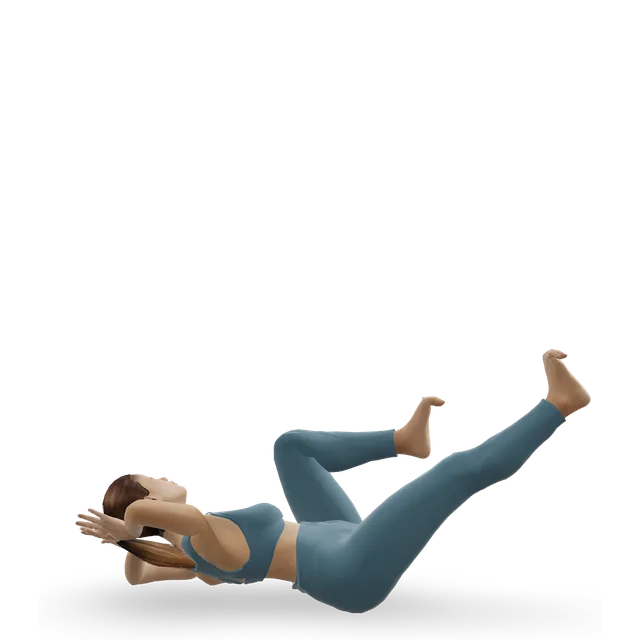
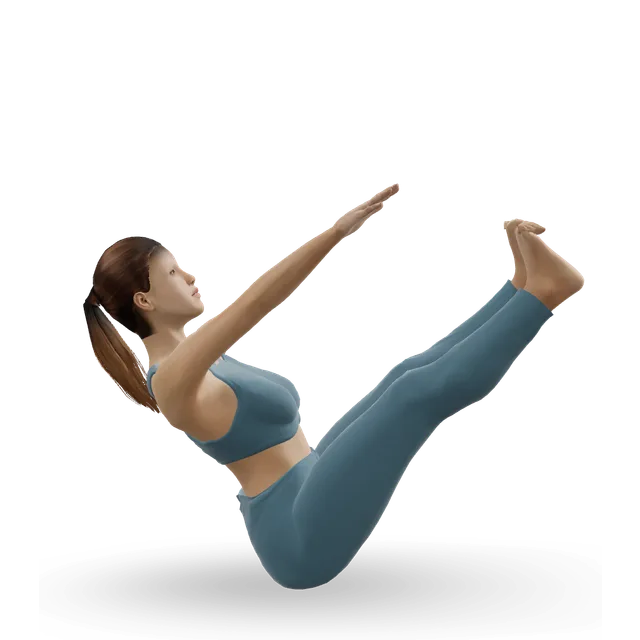
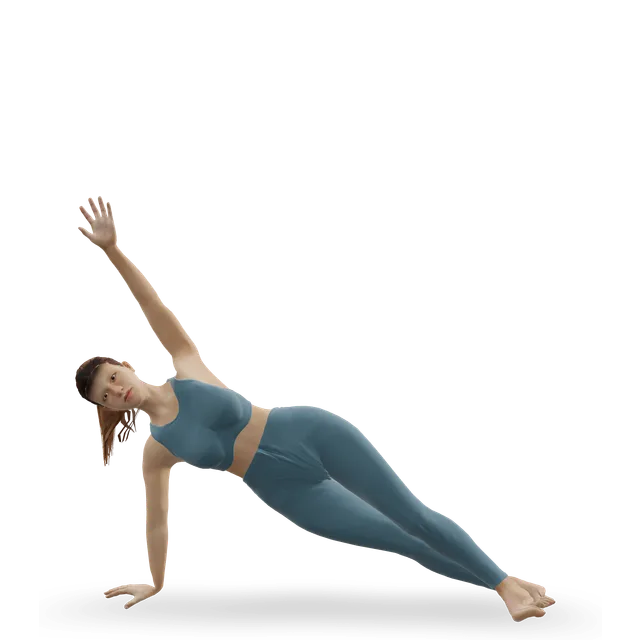
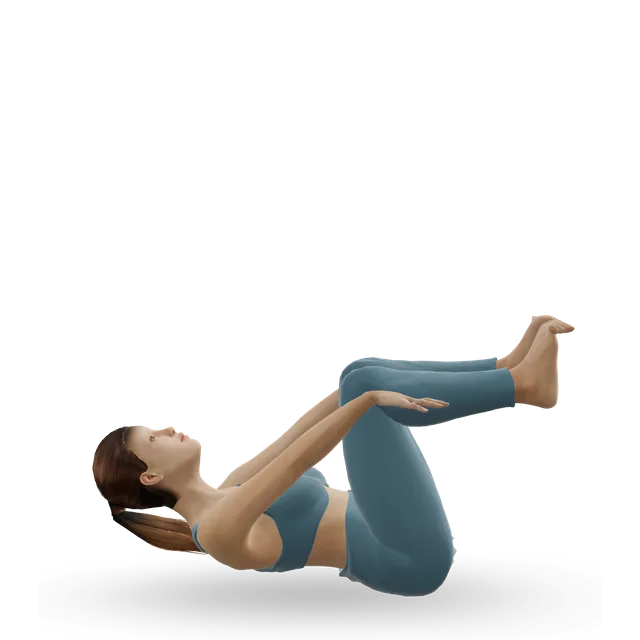
Work each move until the last few reps are hard, then make it harder: the hundred (50 beats to start, building to 100, from the move page's dose), the double-leg stretch (6 to 10 reps, from the move page's dose), the criss-cross (6 each side, slowly, from the move page's dose), the teaser (3 reps, from the move page's dose; leave it out with osteoporosis or a lower back injury, as its page says) and the forearm plank (30 seconds, our full-body mat Pilates workout).

Arms, chest and shoulders

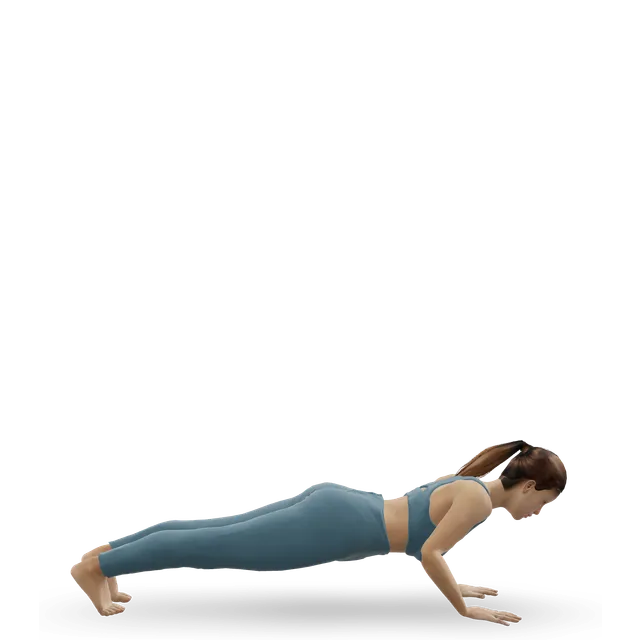
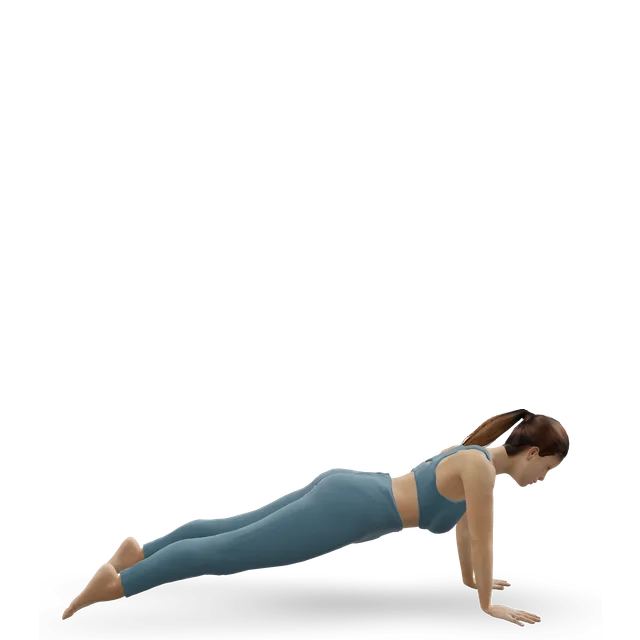
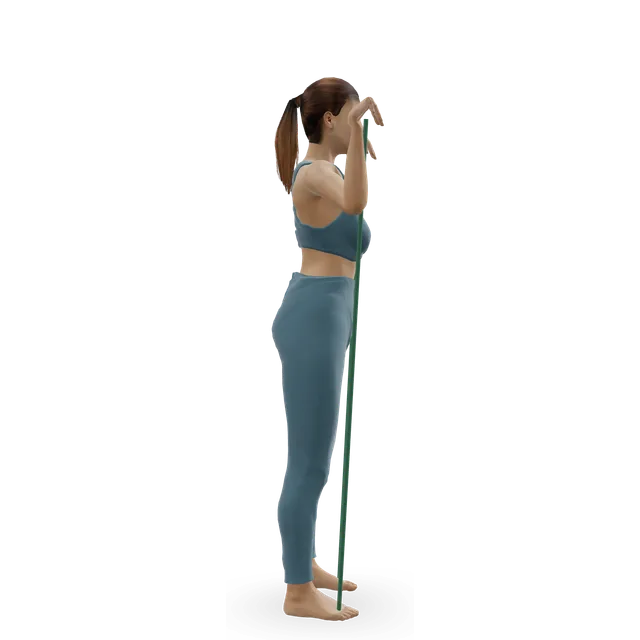
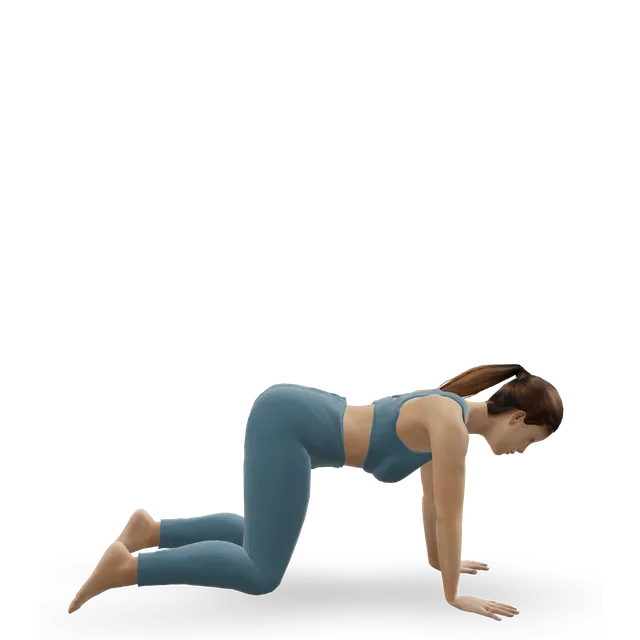
Weight on your hands builds the upper body: the Pilates push-up (2 to 3 rounds of 3 push-ups, from the move page's dose), knee push-ups (2 sets of 6 to 10, our Pilates arm workout), the leg pull front and side bend (3 to 5 each side, from the move pages' doses), and the band row (3 sets of 10 to 15, stopping 2 to 3 reps short of failure, with 60 to 90 seconds' rest, from the move page's dose), the pull that mat Pilates lacks. Make fists or go onto your forearms if your wrists hurt.

Legs and bum

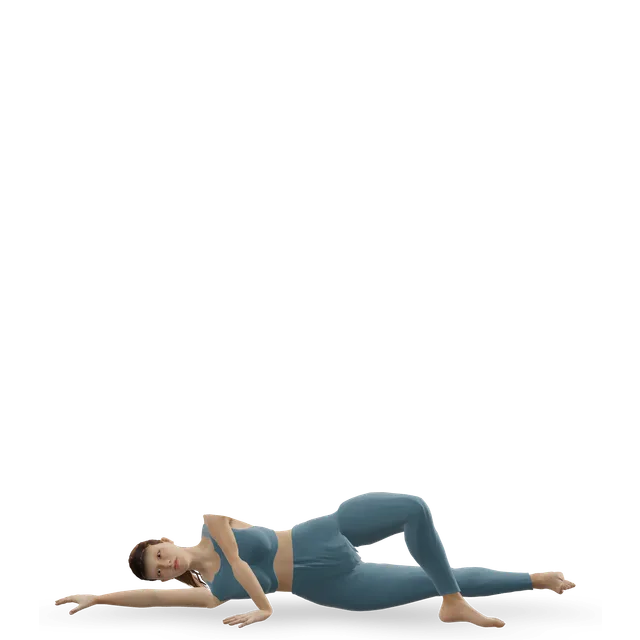
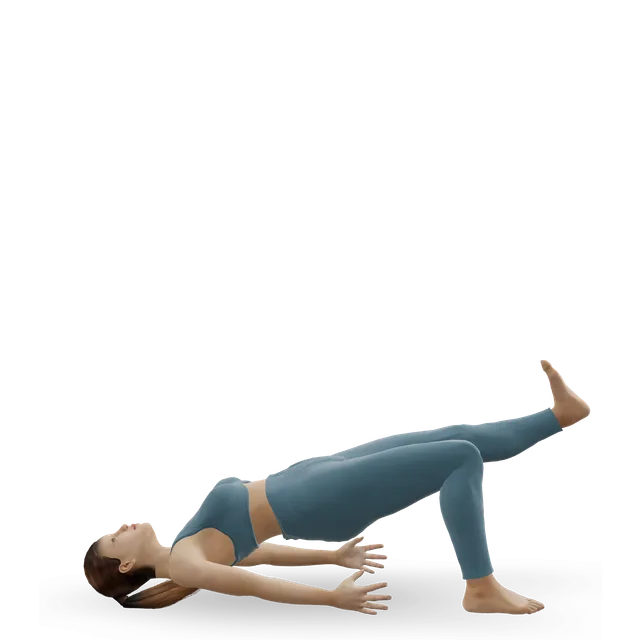
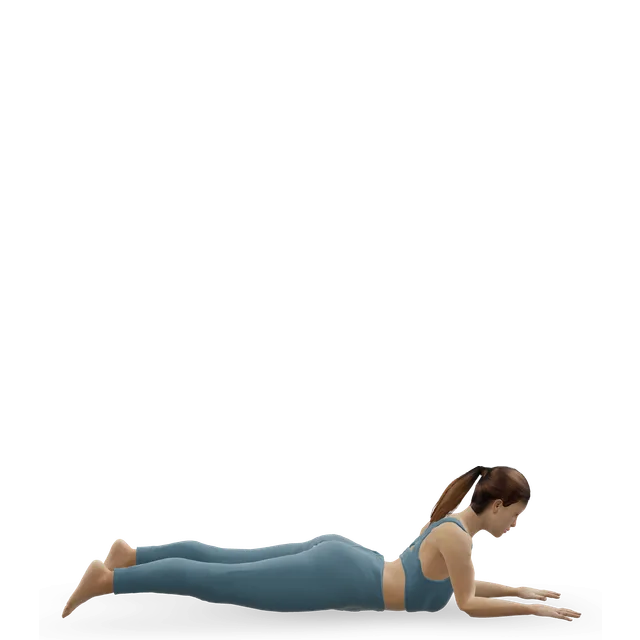
The side kick (8 to 10 each side, from the move page's dose), the inner thigh lift (10 to 12 each side, from the move page's dose; leave it out with pain on the outside of the hip, as its page says), the shoulder bridge (3 to 5 kicks each leg, from the move page's dose), the single-leg glute bridge (2 sets of 8 to 10 each side, our Pilates strength workout, with a dumbbell on the hip to progress) and the single-leg kick (6 to 8 each leg, from the move page's dose).

Load you can keep adding

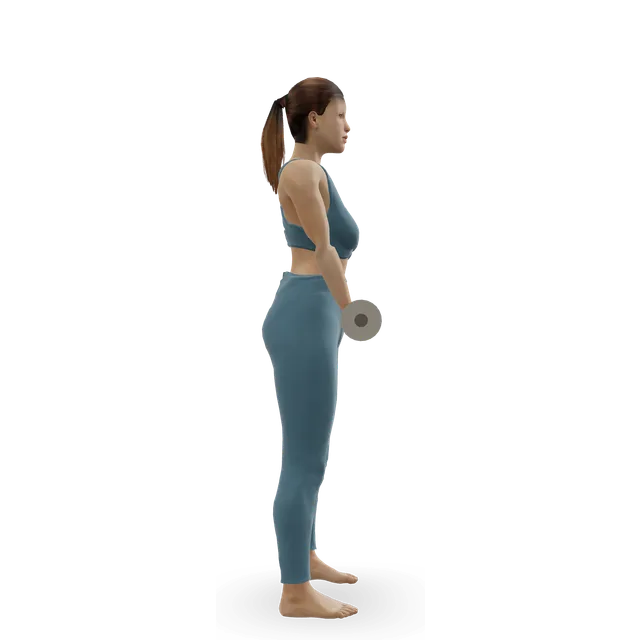
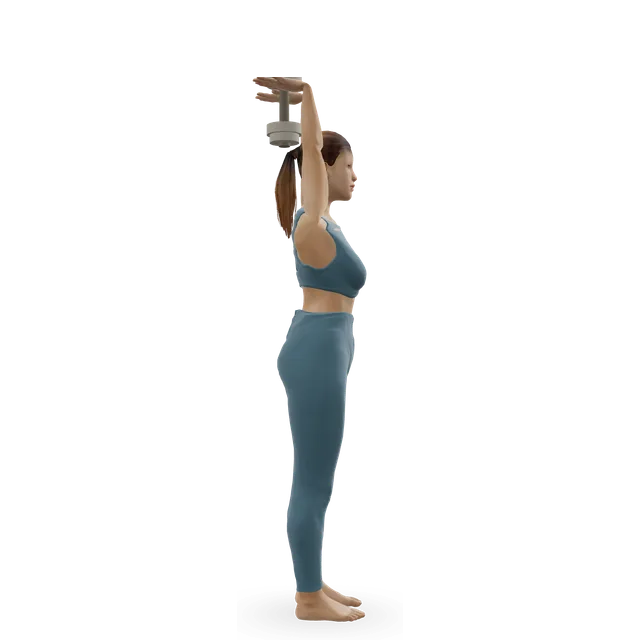
The half of toning that mat Pilates can't supply on its own: goblet squats (3 sets of 8 to 12, stopping each set with 2 or 3 good reps left) and reverse lunges (2 sets of 8 to 10 each side), both our Pilates strength workout's; band squats (2 to 3 sets of 8 to 12, stopping with 2 or 3 reps in reserve (our editorial starting point), the move page's dose); and biceps curls and overhead triceps extensions (2 sets of 10 to 15 each, our Pilates arm workout; leave the triceps move out with shoulder pain).

A toning week

Our editorial starting point, following the NHS and UK activity guidelines and the American College of Sports Medicine's advice on progressive training. Doses are starting points, not prescriptions.

  1. Do Pilates 2 or 3 times a week, and make it harder as it gets easy: add reps until the last few are hard, then use a longer lever, a band, springs or light weights.
  2. On at least 2 days, work all your major muscle groups to the point where you need a short rest, as the NHS advises; our Pilates strength workout does both in 30 minutes.
  3. Add 150 minutes a week of moderate activity, such as brisk walking, at a pace where you can talk but not sing.
  4. If you have fat to lose, eat a little less, with enough protein; our protein calculator gives a daily amount.
  5. Measure with photos, a tape and your training log every 4 weeks, not bathroom body-fat scales.
  6. Expect strength in weeks and visible change over months; people vary a lot.

Classes to follow

The Pilates strength workout pairs Pilates trunk work with weights or a band, which makes it the toning class. The full-body mat class needs no equipment, the arm, leg and glute classes work each area, and the walk and Pilates workout adds the brisk walking that helps with fat.

Plans

Our toning plan uses full-body strength sessions and cardio, with Pilates as an optional extra for control and enjoyment, which matches the evidence here.

Who should change what

Osteoporosis

Swap the teaser and roll-up for a dead bug with your head down, as our Pilates strength workout's tip says, and see our Pilates for osteoporosis guide before adding curl-ups or rolling moves.

Sore wrists or shoulders

Use fists, your forearms or wall push-ups, and leave overhead triceps work out with shoulder pain, as the move pages say (our suggestion).

Pregnancy and after a birth

After the first trimester, keep time flat on your back short and prop yourself up, as the move pages say. Our Pilates in pregnancy and postnatal guides cover the rest, including a tummy gap.

Bendy joints

If your joints bend further than most people's, favour the strengthening moves and keep stretches in the middle of your range; our Pilates for hypermobility guide explains (our suggestion).

Before you start, and warning signs

This is general information, not a diagnosis. A&E means accident and emergency; in the US, call 911 for 999, and use your doctor's urgent line or urgent care for NHS 111.

Chest pain or fainting while exercising: call 999

Call 999 if:

  • You get sudden pain or discomfort in your chest that doesn't go away; it can feel like squeezing or pressure, burning or indigestion.
  • The pain spreads to your left or right arm, or your neck, jaw, stomach or back.
  • You have chest pain and feel sweaty, sick, light-headed or short of breath.
  • Someone faints while exercising, can't be woken within 1 minute, or has chest pain or a pounding, fluttering or irregular heartbeat.

Sources 47, 48, 49

Breathlessness

Call 999 or go to A&E (accident and emergency) straight away for severe difficulty breathing (gasping, choking or not able to get words out), a chest that feels tight or heavy, pain that spreads to your arms, back, neck and jaw, lips or skin turning very pale, blue or grey, or sudden confusion. If you're more short of breath than usual, or your heart is racing, fluttering or skipping beats, contact NHS 111.

Source 50

Stop the session if

You feel any pain or become unwell, as the NHS advises for its Pilates videos, and especially for chest pain or pressure, unusual breathlessness, dizziness or fainting. If you have a health problem, an injury or any symptoms, get advice from a healthcare professional, such as a GP, before you start.

Source 51

See your GP first if

See your GP first if you get chest pain, breathlessness or dizziness when you are active, if you have a heart condition and want to exercise harder, or if you have had a fall.

Source 52

Check first

If you have a heart, lung or joint condition, are pregnant or have recently been unwell, start gently and read our guide for your condition. Muscle soreness for a day or two after a new exercise is common and fades as you repeat it.

Falls

The NHS's advice:

  • Call 999 if you or someone else has fallen and may have injured the head, back, neck or hip, or cannot get up.
  • Get help from NHS 111 if you or someone else has fallen and may be in pain, injured or unwell.
  • See a GP if you're worried about your balance or mobility, or you've had a fall. You may be able to refer yourself to a falls service, which can include strength and balance training.

Source 53

When exercise or body worry becomes harmful

The NHS lists signs such as spending a lot of time worrying about your weight and body shape, exercising too much, and having very strict habits or routines around food. If that sounds like you, see a GP as soon as you can. You can also talk in confidence to the eating disorder charity Beat: 0808 801 0677 (England), 0808 801 0432 (Scotland), 0808 801 0433 (Wales) or 0808 801 0434 (Northern Ireland), 3pm to 8pm, Monday to Friday.

In a survey of 2,287 young adults, women who did yoga or Pilates had disordered eating as often as those who didn't, and men who did them reported more extreme weight-control behaviours (18.6% against 6.8%). Set goals for strength, control and how you feel, not calories burned.

Sources 54, 55, 56

Before you start

The NHS advises getting advice from a healthcare professional first if you have a health problem, an injury or symptoms, or have recently had a heart attack or an operation.

Source 51

Myths

"Pilates gives you long, lean muscles"Strong evidence

No Pilates study has measured muscle length, and exercise can't change where a muscle attaches. Stretching left muscle fibre length unchanged or only trivially longer across 65 and 19 studies, while 35 days of hard resistance training lengthened fibres 9.9% without anyone looking "longer". A leaner look comes from less body fat.

Sources 35, 57, 58, 22

"Toning is different from building muscle"Strong evidence

The toned look is some muscle with less fat over it, built the same way as any muscle: hard sets that you keep progressing.

Sources 1, 10, 12

"Light weights tone; heavy weights bulk"Strong evidence

Muscle grew similarly across loads when sets were hard, and heavier loads built more strength. Women and men grow at a similar rate relative to where they start, so nobody bulks up by accident.

Sources 10, 11, 23

"Pilates tones your stomach or thighs by burning the fat there"Strong evidence

Training one area doesn't take the fat off it. Fat comes off your whole body.

Sources 16, 17, 45

"Pilates builds as much muscle as weights"Emerging evidence

Pooled lean mass didn't change with Pilates, 9 months didn't grow the glutes on MRI, and in one small exploratory trial measured by bioimpedance, weights held lean mass and Pilates didn't. No trial has compared them with a muscle scan.

Sources 6, 7, 9, 36

"In 30 sessions you'll have a whole new body"Mixed evidence

Teaching sources attribute "in 30 sessions you'll have a whole new body" to Joseph Pilates, but we couldn't find it in his book, and no trial has shown it. Strength rises in weeks, while visible change takes months and varies hugely between people.

Sources 59, 60, 26

"Reformer Pilates tones; mat doesn't"Emerging evidence

Small trials found similar changes with mat and equipment Pilates. Springs make it easier to add load, and load you keep increasing is what builds muscle.

Sources 32, 33, 12

"The scales say I've gained muscle, so it's working"Emerging evidence

Bioimpedance read more lean mass than a DXA scan after Pilates, and in one trial the control group's reading rose too. A tape, photos and a training log are better guides.

Sources 30, 31

Questions people ask

Does Pilates tone your body?

It makes you stronger and builds stamina, especially in your trunk, so you may feel firmer within weeks. On its own it adds little muscle you could see: pooled trials found no clear change in lean mass. For a more toned look, make Pilates harder over time, add some strength training, and lower overall body fat if you have fat to lose.

What does toned actually mean?

Some muscle you can see, with less fat over it. In physiology, muscle tone means a resting muscle's tension, which isn't the same thing.

Is Pilates good for toning and weight loss?

It helps with the toning half a little, by building strength and stamina. For weight, it took off about 2.4 kg against doing nothing in small trials of adults with overweight, so pair it with brisk activity and eating a little less. Our Pilates for weight loss guide has the detail.

Is Pilates good for toning your stomach?

It strengthens your tummy muscles, and on scans 9 months of Pilates grew the six-pack muscle, but it doesn't burn the fat over them. A flatter-looking tummy depends on overall fat loss, which our Pilates for belly fat guide explains.

Does Pilates tone your thighs and bum?

It works them, and the side kick, bridges and leg kicks build strength. In the only scan study, 9 months of Pilates didn't grow the glutes, so add load (bands, weights, single-leg versions) if you want more shape.

Can Pilates tone flabby arms?

It can make your arms a little stronger, especially at first, but arm work doesn't burn fat from your arms: that comes off your whole body. Our Pilates for arms guide covers the moves and how to add light weights.

How long does it take for Pilates to tone your body?

Strength rises within weeks, and in lab trials muscle growth showed on scans by about 3 to 4 weeks. Visible change usually takes months and depends on how much fat there is to lose, and people vary hugely on the same programme.

Pilates or weights for toning?

Weights, or Pilates made harder with load, build more muscle: muscle grows when sets are hard, and heavier loads build more strength. No trial has compared the two with a muscle scan, and in one small trial weights held lean mass while Pilates didn't. Many people do both.

Will Pilates give me long, lean muscles?

No exercise can make a muscle longer: stretching barely changes muscle fibre length, and no Pilates study has measured it. A leaner look comes from less body fat.

Will strength training make me bulky?

Not by accident. Women and men gain muscle at a similar rate relative to where they start, and muscle grows slowly, so you control how much you build.

Is reformer Pilates better for toning than mat?

Small trials found similar changes with mat and equipment Pilates. The reformer's springs make it easier to add load, and adding load over time is what builds muscle.

How often should I do Pilates to tone up?

Two or three times a week, making it harder as it gets easy. That counts toward the NHS advice to strengthen all major muscle groups on at least 2 days a week, alongside 150 minutes of moderate activity such as brisk walking.

Sources

  1. Masi 2008 · Human resting muscle tone: what the term means (narrative review, J Bodyw Mov Ther)
  2. Campos 2016 · The Pilates method and physical conditioning in healthy people: 9 trials (systematic review and meta-analysis, J Sports Med Phys Fitness)
  3. Fernández-Rodríguez 2021 · Pilates, physical performance and risk of falls in people over 60: 39 studies (systematic review and meta-analysis, Physiotherapy)
  4. Oliveira 2024 · Pilates, strength, endurance and power in older adults: 24 trials (systematic review and meta-analysis, J Bodyw Mov Ther)
  5. Pinto 2022 · Is Pilates better than other exercise for strength? 11 trials (systematic review, Heliyon; read in full)
  6. Bajčetić 2026 · Pilates in adult women: body composition, flexibility, strength and more, 12 studies (systematic review and meta-analysis, Sports; read in full)
  7. Wang 2021 · Pilates for overweight or obesity: 11 trials (meta-analysis, Front Physiol; read in full)
  8. Dorado 2012 · Thirty-six weeks of Pilates and the abdominal muscles on MRI in 9 women (study, Med Sci Sports Exerc)
  9. Dorado 2020 · Thirty-six weeks of Pilates and the hip and lower back muscles on MRI in inactive women (study, Sports Health; read in full)
  10. Schoenfeld 2017 · Light or heavy loads for strength and muscle: 21 studies (systematic review and meta-analysis, J Strength Cond Res)
  11. Lopez 2021 · Training load, muscle growth and strength: 28 studies, 747 adults (network meta-analysis, Med Sci Sports Exerc; corrected, with its main findings unchanged)
  12. Currier 2026 · Resistance training for strength, muscle and performance: 137 reviews (American College of Sports Medicine position stand, Med Sci Sports Exerc)
  13. NHS · Physical activity guidelines for adults aged 19 to 64
  14. Vitor 2026 · Metabolic intensity and energy cost of Pilates: 6 studies (systematic review and meta-analysis, Syst Rev; read in full)
  15. Gultekin 2024 · Pilates against walking at different speeds in 31 adults (randomised crossover trial, Ir J Med Sci)
  16. Ramírez-Campillo 2022 · Training one limb and the fat over it: 13 studies, 1,158 people (systematic review and meta-analysis, Human Movement)
  17. Vispute 2011 · Six weeks of abdominal exercise and belly fat in 24 adults (randomised trial, J Strength Cond Res)
  18. Wewege 2022 · Resistance training and body fat in healthy adults: 58 studies (systematic review and meta-analysis, Sports Med)
  19. Willis 2012 · Aerobic, resistance or combined training for fat and lean mass in 119 adults (randomised trial, J Appl Physiol)
  20. Pilates Method Alliance · About Pilates
  21. DeFreitas 2011 · How fast muscle grows in 25 untrained men (training study, Eur J Appl Physiol)
  22. Seynnes 2007 · Muscle size and shape after 35 days of hard training in 7 adults (training study, J Appl Physiol)
  23. Refalo 2025 · Muscle growth in women and men: 29 studies (systematic review and Bayesian meta-analysis, PeerJ)
  24. Roberts 2020 · Sex differences in resistance training (systematic review and meta-analysis, J Strength Cond Res)
  25. Peterson 2011 · Resistance training and lean mass in adults over 50: 49 studies (meta-analysis, Med Sci Sports Exerc)
  26. Hubal 2005 · How much 585 adults varied in muscle and strength gains (training study, Med Sci Sports Exerc)
  27. Cavina 2020 · Mat Pilates and body composition: 10 studies (systematic review and meta-analysis, J Phys Act Health)
  28. Rayes 2019 · Pilates or walking in adults with overweight or obesity (trial, PeerJ; read in full)
  29. Bergamin 2015 · Twelve weeks of mat Pilates in 25 women after the menopause (pilot study, Age)
  30. Karpouzi 2025 · Protein during 10 weeks of reformer Pilates, and DXA against bioimpedance, in 19 women (randomised trial, J Int Soc Sports Nutr; read in full)
  31. Gökalp 2025 · Reformer Pilates in 47 women with overweight or obesity (randomised trial, Sci Rep; read in full)
  32. Mueller 2021 · Mat or apparatus Pilates in 48 women about 65 (randomised trial, J Bodyw Mov Ther)
  33. Seong 2025 · Mat or barrel Pilates in 20 women (randomised trial, J Bodyw Mov Ther)
  34. Lim 2026 · Prop or apparatus Pilates in 24 women after the menopause (randomised trial, Phys Act Nutr; read in full)
  35. PubMed · Our search for Pilates trials measuring muscle size, lean mass or muscle length (2 November 2026; Europe PMC and ClinicalTrials.gov also searched)
  36. Oh 2026 · A Pilates circuit or a weight circuit in 18 women with higher body fat (exploratory trial, J Funct Morphol Kinesiol; read in full)
  37. Carrasco-Poyatos 2019 · Pilates or resistance training in 60 women aged 60 to 80 (cluster randomised trial, PeerJ; read in full)
  38. Carrasco-Poyatos 2019 · Pilates or muscular training in older women: function and body composition (randomised trial, Physiol Behav)
  39. Markovic 2015 · Balance and core resistance training on a device, or Pilates, in 34 older women (randomised trial, Arch Gerontol Geriatr)
  40. Evangelou 2021 · Low-load, high-repetition classes or Pilates in 42 inactive women (trial, J Bodyw Mov Ther)
  41. Schumann 2022 · Cardio and strength training together: 43 studies (systematic review and meta-analysis, Sports Med)
  42. Compendium of Physical Activities 2024 · Conditioning exercise table, including Pilates
  43. Compendium of Physical Activities 2024 · Walking table
  44. Xu 2023 · Pilates and health: 27 meta-analyses (umbrella review, J Sci Med Sport)
  45. Kostek 2007 · Training one arm and the fat over both arms, in 104 adults (training study, Med Sci Sports Exerc)
  46. Benito 2020 · Resistance training and muscle growth in healthy men: 111 studies (systematic review and meta-analysis, Int J Environ Res Public Health)
  47. NHS · Chest pain (past its review date: reviewed August 2023, review due August 2026)
  48. NHS · Heart attack
  49. NHS · Fainting
  50. NHS · Shortness of breath
  51. NHS · Pilates video for beginners, with its safety advice
  52. NHS · Physical activity guidelines for older adults
  53. NHS · Falls
  54. NHS · Eating disorders: overview
  55. Beat · Support now: helplines for England, Scotland, Wales and Northern Ireland
  56. Neumark-Sztainer 2011 · Yoga and Pilates, body image and disordered eating in 2,287 young adults (population survey, Int J Eat Disord)
  57. Ingram 2025 · How stretching improves range of movement: 65 studies (systematic review and meta-analysis, Sports Med)
  58. Panidi 2023 · Static stretching training and muscle shape: 19 studies (systematic review and meta-analysis, Sports Med Open)
  59. Pilatesology · 30 Day Mat Challenge transcript (attributes the 10, 20 and 30 sessions line to Joseph Pilates)
  60. Club Pilates blog · Joseph Pilates quotes (2018; the lines are attributed without a page reference)

Exercise education, not a personal prescription, and clinical review of these guides is pending. If you are pregnant, have a health condition or have had recent surgery, check with a doctor, midwife or physiotherapist before starting, and stop for sharp or increasing pain. Health disclaimer.