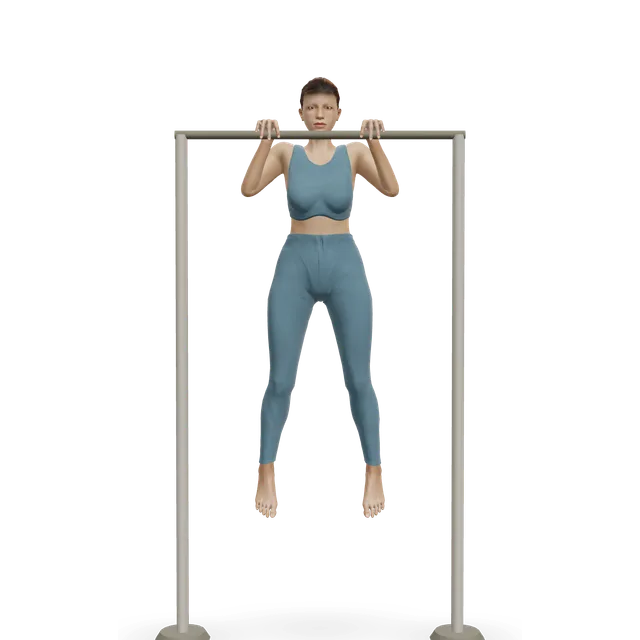
Ordinary fat, largely inherited
Back fat is the fat under your skin that you can pinch. In twins, genes explained about 82 to 85% of the differences in trunk fat, and sex, age and the menopause shift where fat goes. It's normal at any size.
Training guide
Back fat is ordinary fat under the skin, and where your body keeps it depends mostly on your genes, sex, age and hormones. It's normal at any size. Back exercises don't burn the fat on your back: in trials, training one part of the body took no more fat off it than off anywhere else.
To get rid of back fat, lose fat from your whole body, by eating a little less, moving more and sleeping well, and strength train to build the back muscles underneath. This guide explains why back fat sits where it does, what works and how long it takes, bra lines and back rolls, the back moves worth doing, and the lumps and humps that need a GP rather than a workout.
Back fat is the fat under your skin that you can pinch. In twins, genes explained about 82 to 85% of the differences in trunk fat, and sex, age and the menopause shift where fat goes. It's normal at any size.
Across 13 studies of 1,158 people, training one arm or leg took no more fat off it than off the other. Those trials were of limbs: no trial has tested the back, and nothing suggests it's different.
Eat a little less, aiming to lose 0.5 to 1 kg a week as the NHS suggests; move more (each extra 30 minutes a week of aerobic exercise took off about half a kilo in trials); strength train on 2 days a week; and sleep 7 to 9 hours.
Rows, pulldowns and face pulls make your back stronger and change its shape, and strength training keeps your muscle while you lose fat. They don't burn the fat over the muscle they work.
In 104 women, 85% were wearing a bra that didn't fit, and the NHS advises a properly fitted bra. Soft folds where a band or waistband presses are normal at any size.
See a GP for fat building up on your upper back and neck with a round, red face and thin arms and legs, a lump that grows, hurts or is hard, or an upper back that's newly rounded.
Fat under the skin of the upper back, around the shoulder blades, along the bra line and above the hips. It's subcutaneous fat, the kind you can pinch. The fat deep inside your belly, around your organs, is a separate store, which our belly fat guide covers.
In Danish twins, genes explained about 82% (younger) and 85% (older) of the differences in trunk fat, and identical twins overfed by the same amount gained fat in the same places as each other.
Women carry more fat under the skin than men on average, and sex hormones shape where it goes. That's normal biology, not a sign you're doing something wrong.
Source 2
With age, fat tends to shift towards the trunk. At the start of the menopause transition, the rate of fat gain doubled while lean mass fell, until about 2 years after the last period, in a large US study.
Across 89 studies, no diet, exercise, medicine or surgery took fat from one place: fat under the skin and deep fat fell together.
Source 19
Across 13 studies of 1,158 people aged 14 to 71, training one arm or leg didn't take more fat off it than off the other limb, and the results were consistent. In 104 adults who trained one arm for 12 weeks, MRI (magnetic resonance imaging) scans found the same fat change in both arms.
Six weeks of ab exercises on 5 days a week didn't change belly fat in 24 adults, and adding 12 weeks of ab training to a diet did no better than the diet alone in 40 women.
The evidence comes from arms, legs and the belly. We found no trial of back exercises and back fat, so "back exercises don't burn back fat" is drawn from those trials, though nothing suggests the back is different.
Source 4
In 16 men, adding a long session of torso exercises to running took about 700 g more fat off the trunk over 10 weeks, with the same total fat loss. A circuit-training study in 14 adults thinned belly fat, and fat next to a working muscle released a little more fat during exercise in 10 men. None shows a slimmer back, and none is a practical plan.
In 61 women with obesity on a 6-month diet, fat under the skin fell at every place measured, by 7.6 to 18.0%, and proportionally more on the arms and thighs than around the waist and hips. The upper back wasn't measured. Where people gain and lose fat is partly inherited.
In 116 trials of 6,880 adults with overweight or obesity, each extra 30 minutes a week of supervised aerobic exercise took off about 0.52 kg and 0.37 points of body fat percentage, in trials lasting 8 weeks or more.
Source 7
On its own, strength training trimmed body fat by about 1.5 points across 54 trials. In 119 adults over 8 months, aerobic training took off more weight and fat, while strength training added more muscle: doing both keeps your muscle while you lose fat.
A kilo of muscle uses about 12.6 calories a day at rest in adults over 50, against about 4.4 for a kilo of fat. Muscle helps, but it doesn't melt fat off while you rest.
Source 26
The NHS suggests eating and drinking fewer calories than you use, aiming to lose 0.5 to 1 kg (1 to 2 lb) a week, and cutting down on alcohol. Our calories per day calculator gives a target if your BMI (body mass index) is 25 or more.
Source 6
Build towards at least 150 minutes a week of moderate activity, such as brisk walking, cycling or swimming. In the trials, more minutes took off more.
Work all your major muscles, as the NHS advises: a squat, a hinge, a push and a pull, as in our 20-minute strength workout. For your back, our bigger back guide suggests about 10 to 20 hard sets of rows and pulls a week over 2 sessions.
Our protein calculator suggests 1.2 to 1.6 g per kg of body weight a day while you lose weight. In 49 trials, more than about 1.6 g per kg added no extra muscle.
Across trials, a deficit of about 500 calories a day or more stopped muscle gains, and athletes who lost weight twice as fast kept less muscle. The NHS's 0.5 to 1 kg a week fits.
That's what adults need. In a small trial on the same diet, 5.5 hours in bed instead of 8.5 cut the fat lost by more than half.
In 104 women, 85% were wearing a bra that didn't fit, and choosing a size alone, even after trying several, didn't fix it. A band that's too tight or the wrong size makes folds look bigger. The NHS advises a properly fitted bra, and our women's guide covers sports bras.
Soft folds where a bra band, strap or waistband presses into the skin happen at many body sizes (our reading; we found no study of them). They change with the clothes you wear as much as with your weight.
Rounding your upper back changes how your back and clothes look, but no study shows posture changes fat. Our posture guides cover rounded shoulders; an upper back that's newly rounded or hunched needs a GP, the NHS says.
Source 16
These build your back; they don't burn the fat over it. Band rows have their own dose on their move page; one-arm rows at 3 sets of 10 to 12 each side, pulldowns at 3 sets of 8 to 12 and face pulls at 3 sets of 12 to 20 are as our pull day and home workouts use them.
 3D demoBand rowBeginner · A band + An anchor point
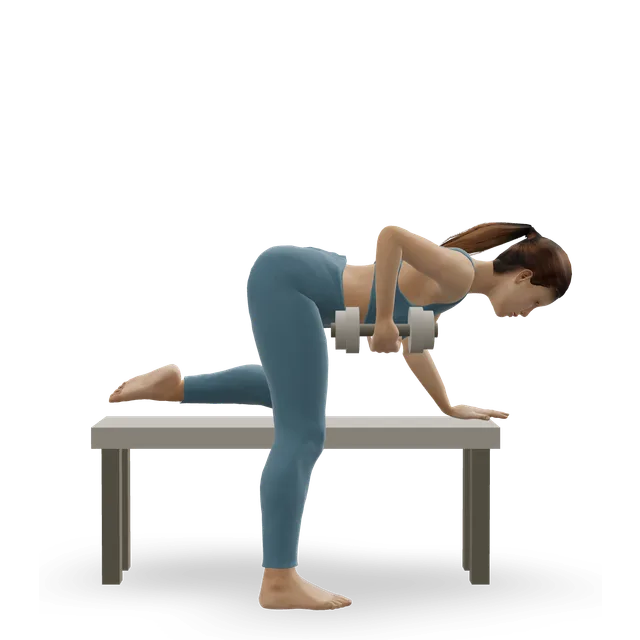 3D demoSupported single-arm dumbbell rowIntermediate · A dumbbell + A bench or box
 3D demoLat pulldownBeginner · A cable machine
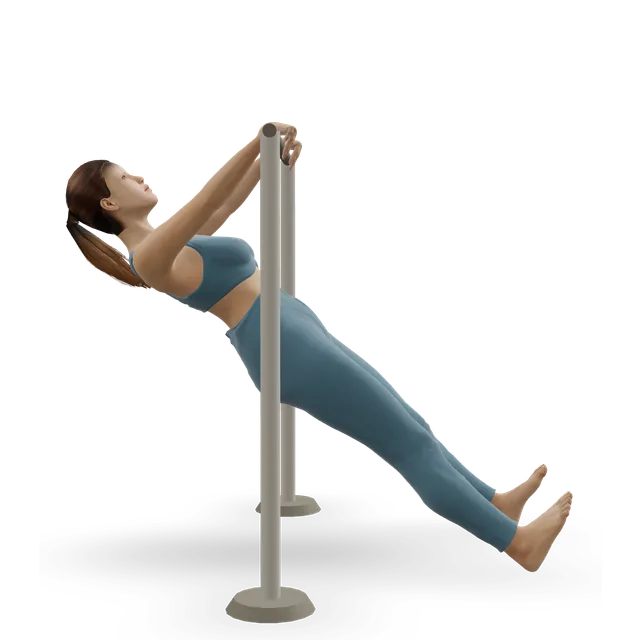 3D demoInverted rowIntermediate · Pull-up bar
 3D demoFace pullIntermediate · A band
 3D demoProne Y-T-W raisesBeginner · No equipment
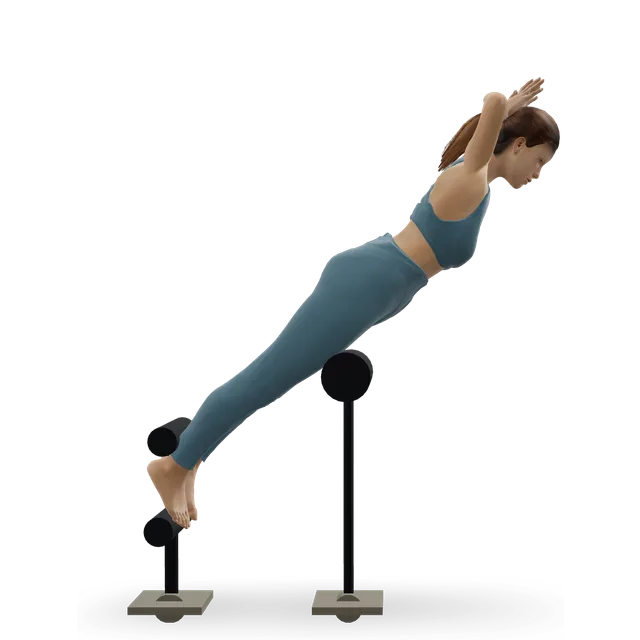 3D demoBack extension on a 45-degree benchIntermediate · A bench or box
 3D demoDumbbell Romanian deadliftIntermediate · A dumbbell
Whole-body moves, as in our 20-minute strength workout (goblet squats, rows and Romanian deadlifts at 8 to 12 reps, twice through), plus your weekly walking, cycling or rowing. Indoor rowing and the cross-trainer have starting doses on their move pages.
 3D demoTreadmill walkingBeginner · Cardio machine
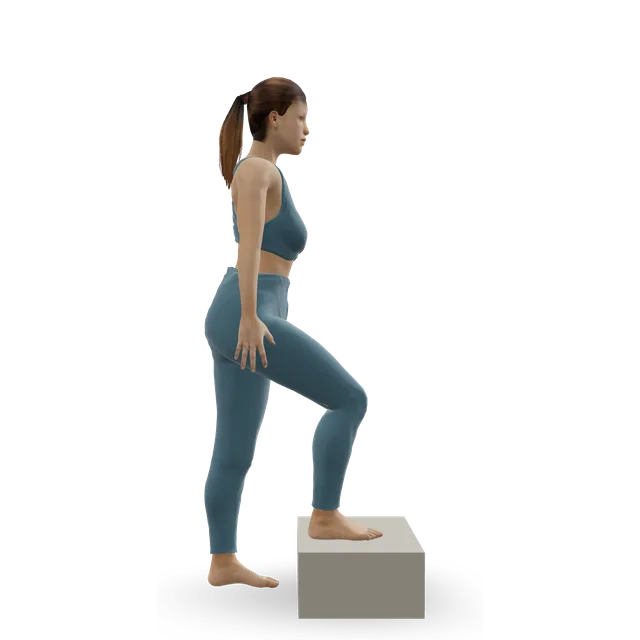 3D demoStair climbingIntermediate · A step
 3D demoStationary cyclingBeginner · Cardio machine
 3D demoIndoor rowing (rowing machine)Beginner · Cardio machine
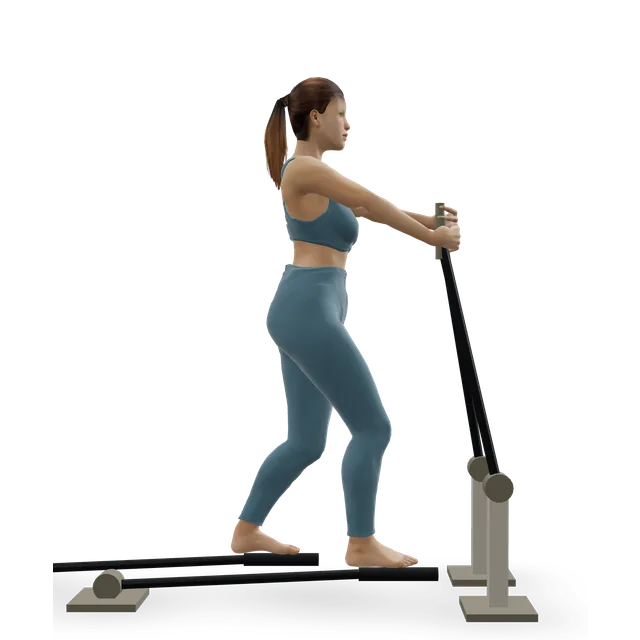 3D demoElliptical trainerBeginner · Cardio machine
 3D demoDumbbell goblet squatIntermediate · A dumbbell
 3D demoPush-upIntermediate · No equipment
 3D demoFarmer's carryIntermediate · A dumbbell + A kettlebell
Our editorial plan, built on NHS advice and the trials in this guide.
Loading the 3D figure…
The movement on the figure: Band row
At 0.5 to 1 kg a week, back fat goes with the rest of you. In one diet study, fat left the arms and thighs proportionally faster than the waist and hips; the upper back wasn't measured.
Where you lose fat first is partly inherited, and around the menopause trunk fat tends to rise, so the same plan may move more slowly then.
Nobody can tell you how your back will look, or when. What you can control is the habit: activity most days, strength work twice a week, enough sleep and a small calorie cut.
There's no workout that burns back fat. The whole-body sessions and your weekly walking do the fat-loss work; the back workout at home builds the muscle underneath.
Strength moves first, then 20 to 30 minutes of steady cardio, with glucose checks built in. In one small type 1 diabetes trial, weights first kept glucose steadier.
45 minBeginner11 movesA dumbbell, A bench or boxA 20-minute full-body dumbbell workout: two supersets of squats, rows, Romanian deadlifts and push-ups. Twice a week covers the minimum dose.
20 minBeginner8 movesA dumbbell, A bench or boxA full-body circuit of 8 stations: dumbbell squats, push-ups, rows, lunges, deadlifts and cardio moves, 40 seconds each, for 2 or 3 rounds.
35 minBeginner14 movesA dumbbell, A bench or boxA steady 30 to 45 minute cardio session at talk-but-not-sing pace: walk, cycle, row or cross-train, counting toward weekly activity guidelines.
40 minBeginner3 movesCardio machine, A wallA 25-minute standing cardio circuit with no jumping: marching, step jacks, sit-to-stands, punches, step-ups and wall push-ups, with a seated option for most moves.
25 minBeginner9 movesA bench or box, A stepA back workout at home with dumbbells and a band: pull-ups or band-assisted pulls, two rows, face pulls, reverse flys, shrugs and Romanian deadlifts.
40 minIntermediate14 movesA band, Pull-up barThe weight-loss plan is the main one; the walking plan builds to 150 minutes a week from very little.
A 12-week workout plan for weight loss: three strength days, two cardio days and daily steps, building to 200 minutes a week, with honest results.
3 training days45 minBeginner6 days a weekA free 8-week walking plan for beginners: build to 150 minutes of brisk walking a week, with intervals, hills and two short strength sessions.
6 training days40 minBeginner3 days a weekA 12-week body recomposition plan to lose fat and build muscle: three strength days, cardio and steps, a small calorie cut, protein and honest timelines.
3 training days50 minBeginner3 days a weekA weekly workout plan for women: three strength days, cardio and pelvic floor training, with the evidence on periods, pregnancy and menopause.
3 training days45 minBeginner3 days a weekA weekly plan for women over 50: strength, bone-loading and balance on 3 days plus walking, built on UK osteoporosis consensus advice.
3 training days45 minBeginnerFat gain speeds up and shifts towards the trunk around the menopause, while muscle falls. Strength training and aerobic activity still work; our menopause guide has the detail.
Staying active is good for you: the NHS advises 150 minutes of moderate activity a week, including muscle strengthening. This isn't the time to diet for back fat (our view); ask your midwife before starting anything new.
Source 32
Strength training still builds muscle after 50: about 1.1 kg of lean mass on average across 49 studies. The NHS adds balance and flexibility work for older adults.
Women tend to carry more fat under the skin, and men more around the waist, but the plan is the same. Strength training won't make your back bulky: women and men grow at similar relative rates, and muscle comes slowly.
If you get chest pain or pressure, feel faint or dizzy, are unusually breathless, or your heart races or beats irregularly during exercise, as our plans advise.
For chest pain that comes on suddenly and doesn't go away, or spreads to your arms, neck, jaw, stomach or back; or back pain with chest pain, with numbness, tingling or weakness in both legs, with loss of feeling around your genitals or bottom, or with changes in your bladder or bowels. Don't drive yourself to A&E.
See a GP if:
A soft pad of fat over the base of the neck, a rounded upper back and a lipoma can look alike. Our neck hump guide explains how to tell them apart.
The NHS suggests seeing a GP if your BMI is in the overweight or obese range and your waist is more than half your height, and a GP can refer you for support.
Source 6
The NHS lists spending a lot of time worrying about your weight and body shape, eating very little food, exercising too much, and having very strict routines around food among the signs of an eating disorder, and says to see a GP as soon as you can. Worrying a lot about one area of your body can be body dysmorphic disorder. Beat's helpline in England is 0808 801 0677, and our eating disorders guide has the other numbers.
Training a body part didn't take the fat off it across 13 studies, and in 104 adults the fat change was the same in the trained and untrained arm. No trial has tested the back, but nothing suggests it's different. Back exercises build the muscle underneath.
A couple of small studies found a little extra local fat loss, and fat next to a working muscle releases a little more fat during exercise, but the meta-analysis found no effect, and none of it adds up to a practical plan.
Across 89 studies, no method took fat from one place. Sweating loses water, not fat (our reading), and we found no trial of wraps for back fat.
Source 19
A kilo of muscle uses only about 13 calories a day at rest, so gaining 1 to 2 kg burns about 13 to 26 more calories a day (our sum). It helps a little, not a lot.
Source 26
Women and men grow muscle at similar relative rates, and men gain more in absolute terms in the upper body. Muscle comes slowly, and you control the dose.
Source 35
It's often fit: 85% of 104 women in one study were wearing a bra that didn't fit.
Source 12
Lose fat from your whole body: eat a little less, move more, strength train on 2 days a week and sleep 7 to 9 hours. The NHS suggests aiming to lose 0.5 to 1 kg a week. Back exercises build the muscle underneath, but they don't burn the fat over it.
None burns fat from your back in particular: across 13 studies, training one part of the body didn't take more fat off it. Aerobic exercise burns fat from your whole body, with each extra 30 minutes a week taking off about half a kilo in trials, and rows and pulldowns build the back underneath.
Check your bra fits first: in one study, 85% of women were wearing a bra that didn't, and a band that's too tight makes folds look bigger. Beyond that, bra-line fat goes with the rest of your body fat, at your body's own pace.
It comes off with your overall fat, at about 0.5 to 1 kg a week at most, and the order your body loses it in differs from person to person. Expect months, and compare photos rather than chasing a date.
Where your body keeps fat is largely inherited, so some people carry more on the back at any weight, and soft folds where a bra band or waistband presses are normal too. If fat is building up on your upper back with a round, red face and thin arms and legs, see a GP.
Fat usually sits evenly, so a soft lump on one side may be a lipoma, a common harmless fatty lump. See a GP about any lump, especially one that's growing, painful, hard or fixed.
The same way: whole-body fat loss, with aerobic exercise and strength training. Our love handles guide covers them, including why side bends don't burn them, and our belly fat guide covers the waist size that matters for your health.
It may be a fat pad, a rounded upper back or a lipoma, and they have different causes. Our neck hump guide explains how to tell them apart. See a GP if it comes with a round, red face, stretch marks or easy bruising, or if your back is newly rounded.
Fat gain speeds up around the menopause while muscle falls, and fat shifts towards the trunk with age. Strength training and aerobic activity still work, and our menopause guide has the detail.
Eating less takes fat off too, but exercise helps you keep your muscle while you lose fat, and strength training on its own trimmed body fat in trials. Doing both works best.
Not much: fat leaves your whole body at about 0.5 to 1 kg a week at most. Folds can look different from day to day with clothes and posture, so judge by months.
No: muscle grows slowly and you control the dose, and women gain less upper-body muscle than men in absolute terms. Rows and pulldowns make your back stronger and more defined as the fat comes off.
Exercise education, not a personal prescription, and clinical review of these guides is pending. Check with a GP before starting hard training if you have a heart condition, chest pain, dizziness or breathlessness when active, and stop for sharp or increasing pain. Health disclaimer.