Fat, gland tissue or both
In men, a bigger chest can be fat, swollen breast gland tissue (gynaecomastia), or both. In women, the breast is mainly fatty tissue. Doctors tell them apart by examining the chest.
Training guide
A bigger chest can be fat, breast gland tissue, or both. In men, swollen gland tissue is called gynaecomastia, and it's common: about half of boys get some in puberty, and many adult men have breast tissue a doctor can feel. What people call man boobs is often a mix. Chest exercises don't burn the fat on your chest; losing fat from your whole body does, and losing weight is one of the NHS's treatments for gynaecomastia too.
This guide explains what chest fat is, how doctors tell it from gynaecomastia, what works and how long it takes, the chest moves worth doing, what's different for teenagers and women, and the signs that mean seeing a GP, including the rare but important signs of breast cancer in men.
In men, a bigger chest can be fat, swollen breast gland tissue (gynaecomastia), or both. In women, the breast is mainly fatty tissue. Doctors tell them apart by examining the chest.
Training one part of the body didn't take more fat off it across 13 studies, though those were of arms and legs: no trial has tested the chest. Push-ups and presses build the chest muscle underneath.
Eat a little less, aiming to lose 0.5 to 1 kg a week as the NHS suggests; move more; strength train on 2 days a week; and sleep 7 to 9 hours.
About 30 to 65% of adult men have some breast tissue a doctor can feel. About half of boys get it in mid-puberty, and more than 9 in 10 cases settle within 2 years. It's usually harmless and may not need treatment.
The NHS lists losing weight, if you're overweight, among the treatments for gynaecomastia. In men with obesity, weight loss raised testosterone and lowered oestrogen, which may help gland tissue too, though no study measured the breast itself.
Or if you have pain that isn't going away, a lump, discharge or bleeding from a nipple, or skin changes. Breast cancer in men is rare, but a lump needs checking. Try not to be embarrassed: doctors are used to it.
Fat under the skin over the chest muscle. It rises and falls with your overall body fat, and where your body stores it is largely inherited, as our belly fat guide explains.
Swelling of the breast gland tissue that everyone has. It can affect one or both sides, the nipples may look swollen or feel sore, and it often feels like a soft, rubbery or firm disc under the nipple.
Extra fat on the chest without gland growth, sometimes called lipomastia. It's common in men who carry extra weight, and it can be hard to tell from gynaecomastia, even for doctors.
Source 2
The pectoralis major sits underneath. Push-ups and presses grow it: in 18 men, push-ups grew the chest muscle as much as a light bench press over 8 weeks. Our bigger chest guide covers it.
Source 5
The breast is mainly fatty tissue, which sets its size, and it reaches from the collarbone to the armpit. Breast fat fell along with trunk fat when 57 women lost weight, and breast volume fell by about a fifth in a tiny study of 5 women who lost about 10 kg. Chest exercises build the muscle beneath, not breast tissue.
European guidelines put it at 32 to 65% of men, depending on age and how it's defined, and about half of boys in mid-puberty, peaking at 13 to 14. In Denmark, diagnoses rose 5 to 11-fold between 1998 and 2017.
Breast tissue grows with oestrogen and is held back by testosterone, so anything that shifts the balance can cause it. The NHS lists hormone changes in puberty or over 50, being overweight, certain medicines, conditions such as an overactive thyroid, kidney disease or cirrhosis, and drug use including anabolic steroids. Fat tissue converts some testosterone to oestrogen, and obesity lowers testosterone.
Anabolic steroids can cause breast development in men, the NHS says, and an Italian guideline names hormones taken to boost sport performance among the commonest drug causes. It also lists alcohol and cannabis. Don't stop a prescribed medicine on your own: talk to your GP or pharmacist.
By asking about your health and medicines and examining your chest, comparing the tissue under the nipple with the fat at the front of the armpit. When that's unclear, especially in people carrying extra weight, an ultrasound scan helps. In adults, a doctor finds a cause in about half of cases.
The NHS says gynaecomastia is often harmless and may not need treatment. If it's a problem, a GP may suggest losing weight if you're overweight, treating any cause, or medicines that change hormones. Guidelines advise waiting at least 6 months after a cause is dealt with, and up to 2 years in puberty, before surgery, which is for long-standing gynaecomastia and may not be available on the NHS.
Across 24 studies of men with obesity, losing weight raised testosterone and lowered oestrogen, more with more weight lost. That may help gland tissue as well as fat, but it's our inference: no study measured the breast.
Source 11
Breast cancer in men is rare, virtually absent under 35, and with a median age at diagnosis of 63. Gynaecomastia isn't a sign that cancer will follow. A lump still needs a GP.
In 70 teenage boys with obesity, those with extra chest fat reported more fear of being judged. If it's getting you down, a GP can help with that too.
Source 17
Across 13 studies of 1,158 people, training one arm or leg didn't take more fat off it than off the other, and in 104 adults who trained one arm for 12 weeks, MRI (magnetic resonance imaging) scans found the same fat change in both arms.
The evidence comes from arms, legs and the belly, where ab exercises didn't shift belly fat either. "Chest exercises don't burn chest fat" is drawn from those trials, though nothing suggests the chest is different.
Across 89 studies of diet and exercise, medicines and surgery, fat came off together from under the skin and deep inside; no method took it from one place.
Source 20
In 116 trials of 6,880 adults with overweight or obesity, each extra 30 minutes a week of supervised aerobic exercise took off about 0.52 kg and 0.37 points of body fat percentage.
Source 7
On its own, strength training trimmed body fat by about 1.5 points across 54 trials, and with aerobic exercise it keeps your muscle while you lose fat, as an 8-month trial of 119 adults showed.
In 18 men over 8 weeks, push-ups grew the chest muscle as much as a light bench press at the same load. Building it changes the shape underneath; it doesn't burn the fat over it.
Source 5
If one side is bigger, there's a lump, pain, discharge or a skin change, or you're worried, see a GP first. Otherwise, the plan below suits both fat and most gynaecomastia.
The NHS suggests eating and drinking fewer calories than you use, aiming to lose 0.5 to 1 kg (1 to 2 lb) a week, and cutting down on alcohol. Our calories per day calculator gives a target if your BMI (body mass index) is 25 or more.
Source 6
Build towards at least 150 minutes a week of moderate activity, such as brisk walking, cycling or swimming. In the trials, more minutes took off more.
Work all your major muscles, as the NHS advises. For your chest, our bigger chest guide suggests building towards about 10 hard sets a week over 2 sessions; push-ups count.
Our protein calculator suggests 1.2 to 1.6 g per kg of body weight a day while you lose weight; more than about 1.6 g per kg added no extra muscle in 49 trials. A deficit of about 500 calories a day or more stopped muscle gains, and athletes who lost weight twice as fast kept less muscle.
That's what adults need. In a small trial on the same diet, 5.5 hours in bed instead of 8.5 cut the fat lost by more than half.
These build your chest; they don't burn the fat over it. Train the hardest push-up you can do for 8 clean reps and move up a step when all 3 sets reach 15 (our push-up guide), and build towards about 10 hard chest sets a week over 2 sessions (our bigger chest guide).
 3D demoWall push-upBeginner · A wall
 3D demoIncline push-upBeginner · A bench or box
 3D demoKnee push-upBeginner · No equipment
 3D demoPush-upIntermediate · No equipment
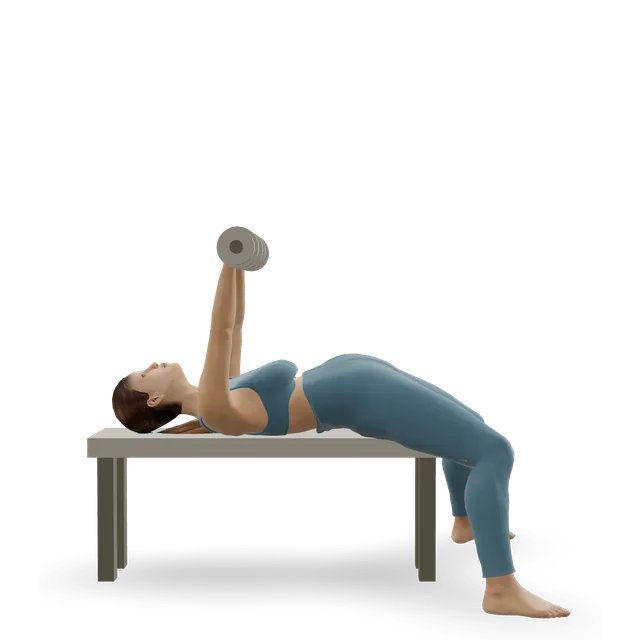 3D demoDumbbell bench pressIntermediate · A dumbbell + A bench or box
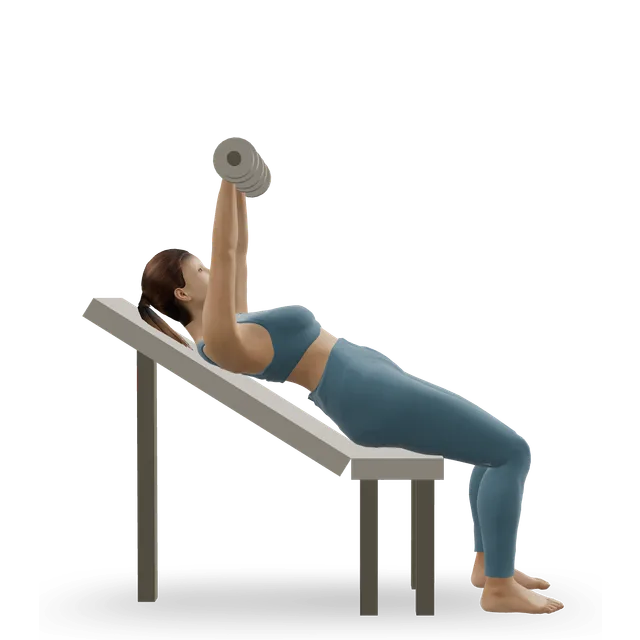 3D demoIncline dumbbell pressIntermediate · A dumbbell + A bench or box
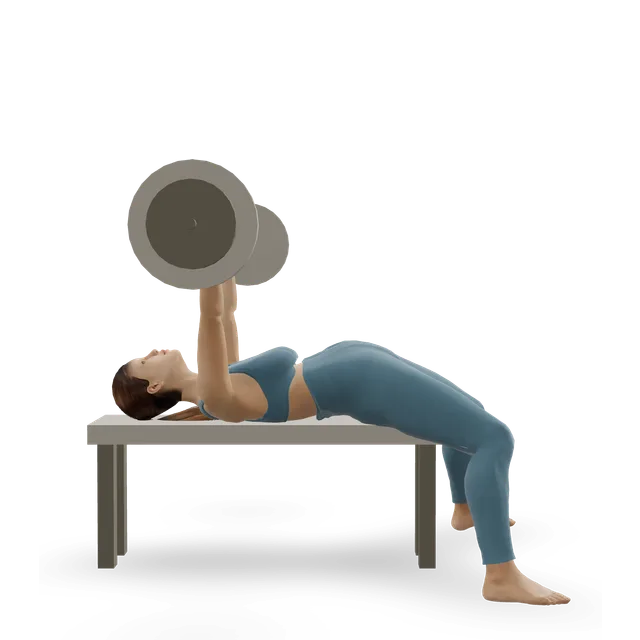 3D demoBarbell bench pressIntermediate · A barbell + A bench or box
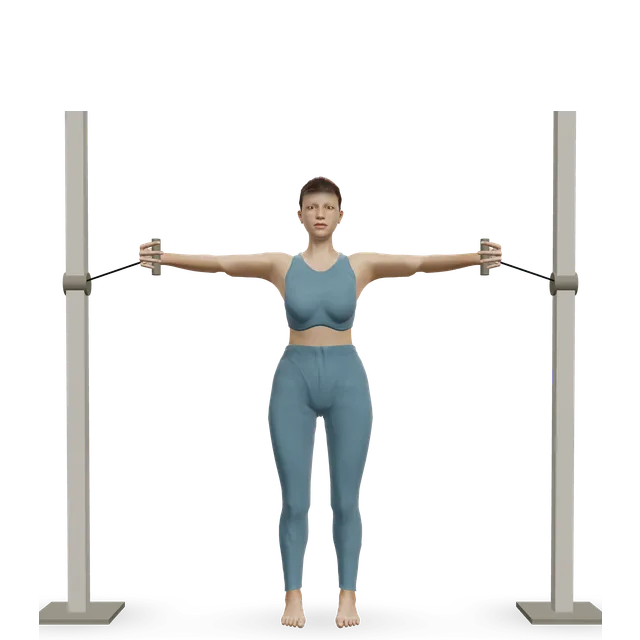 3D demoCable flyIntermediate · A cable machine
Whole-body moves, as in our 20-minute strength workout (goblet squats, rows and Romanian deadlifts at 8 to 12 reps, twice through), plus your weekly walking, cycling or rowing. Indoor rowing and the cross-trainer have starting doses on their move pages.
 3D demoTreadmill walkingBeginner · Cardio machine
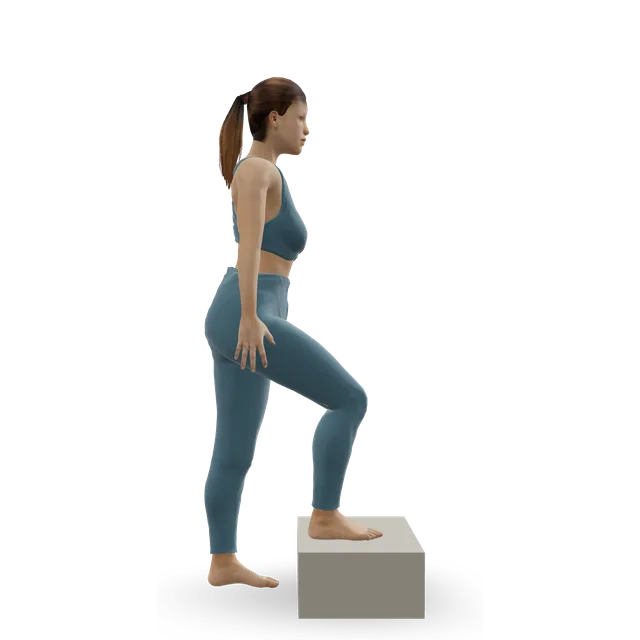 3D demoStair climbingIntermediate · A step
 3D demoStationary cyclingBeginner · Cardio machine
 3D demoIndoor rowing (rowing machine)Beginner · Cardio machine
 3D demoElliptical trainerBeginner · Cardio machine
 3D demoDumbbell goblet squatIntermediate · A dumbbell
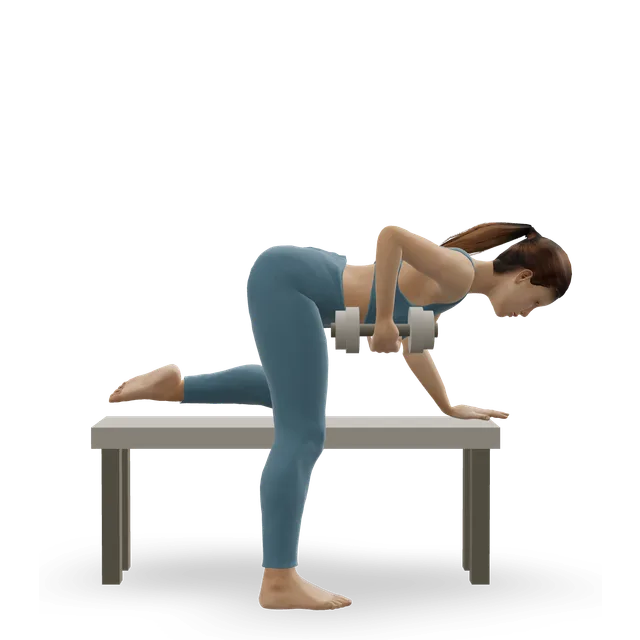 3D demoSupported single-arm dumbbell rowIntermediate · A dumbbell + A bench or box
 3D demoDumbbell Romanian deadliftIntermediate · A dumbbell
Our editorial plan, built on NHS advice and the trials in this guide.
Loading the 3D figure…
The movement on the figure: Push-up
At 0.5 to 1 kg a week at most, chest fat goes with the rest of you, and the order your body loses fat in differs from person to person.
Source 6
More than 9 in 10 cases settle within 2 years, and the NHS says it usually goes away by itself.
Gland tissue that has been there for a long time may not shrink with weight loss or medicines; surgery is the option then, though it may not be available on the NHS.
Nobody can tell you how your chest will look, or when. What you can control is the habit: activity most days, strength work twice a week, enough sleep and a small calorie cut.
Breast swelling in puberty is common, about half of boys, and usually goes away by itself within 2 years. See a GP or school nurse if it hurts, there's a lump, one side is much bigger, or you're worried. Crash diets, supplements and creams aren't the answer (our view); sport, strength training with good supervision and enough food are.
Hormone changes after 50 are one of the NHS's listed causes, and in adults a doctor often finds a reason, sometimes a medicine. A GP can check.
Breast size follows your overall body fat, because the breast is mainly fatty tissue. Chest exercises build the muscle beneath. See a GP about any new lump or swelling in your breast, chest or armpit, or any change in your breasts or nipples that isn't normal for you.
There's no workout that burns chest fat. The whole-body sessions and your weekly walking do the fat-loss work; the chest and push-up workouts build the muscle underneath.
Strength moves first, then 20 to 30 minutes of steady cardio, with glucose checks built in. In one small type 1 diabetes trial, weights first kept glucose steadier.
45 minBeginner11 movesA dumbbell, A bench or boxA 20-minute full-body dumbbell workout: two supersets of squats, rows, Romanian deadlifts and push-ups. Twice a week covers the minimum dose.
20 minBeginner8 movesA dumbbell, A bench or boxA full-body circuit of 8 stations: dumbbell squats, push-ups, rows, lunges, deadlifts and cardio moves, 40 seconds each, for 2 or 3 rounds.
35 minBeginner14 movesA dumbbell, A bench or boxA 30-minute chest workout at home with a pair of dumbbells or a band: push-ups, dumbbell floor presses, flys and a squeeze press, with no bench needed.
30 minBeginner8 movesA band, A dumbbellWork up to full push-ups: wall, incline and knee push-ups, then the floor push-up and harder variations.
15 minBeginner8 movesA wall, A bench or boxA steady 30 to 45 minute cardio session at talk-but-not-sing pace: walk, cycle, row or cross-train, counting toward weekly activity guidelines.
40 minBeginner3 movesCardio machine, A wallThe weight-loss plan is the main one. The teenagers' plan is a safe start for younger lifters.
A 12-week workout plan for weight loss: three strength days, two cardio days and daily steps, building to 200 minutes a week, with honest results.
3 training days45 minBeginner3 days a weekA 12-week body recomposition plan to lose fat and build muscle: three strength days, cardio and steps, a small calorie cut, protein and honest timelines.
3 training days50 minBeginner4 days a weekA 4-day gym workout routine for men: upper and lower days, each muscle trained twice a week, with sets, reps, progression and the evidence.
4 training days50 minIntermediate3 days a weekA free 30-day push-up challenge, from wall to archer push-ups: 3 short sessions a week, optional practice days and a push-up test at each end.
3 training days15 minBeginner3 days a weekA 12-week workout plan for 13 to 17 year olds: technique first, then light weights, 2 or 3 sessions a week around sport and school, at home or in a gym.
3 training days40 minBeginnerThe NHS says to see a GP if:
The NHS says the doctor or nurse will be used to talking about these symptoms. A GP may refer you to a breast clinic for tests: NICE asks GPs to refer people aged 30 and over with an unexplained breast lump urgently, which doesn't mean it's cancer.
See a GP if you have a lump or swelling in your breast, chest or armpit, any change in your breasts or nipples that isn't normal for you, or breast or armpit pain with a family history of breast or ovarian cancer.
Source 28
For chest pain that comes on suddenly and doesn't go away, feels tight or like squeezing, spreads to your arms, neck, jaw, stomach or back, or comes with sweating, feeling sick, light-headedness or breathlessness. During any exercise, stop for chest pain, unusual breathlessness, dizziness or fainting, as our plans advise. Don't drive yourself to A&E.
A pop or tearing at the front of the armpit or chest during a press or dip, with bruising, a change in the shape of the chest or armpit, or weakness pushing, can be a torn chest tendon. Get help the same day from NHS 111 or an urgent treatment centre, as our pec strain guide explains. In the US, go to urgent care.
Anabolic steroids can cause breast development, shrunken testicles and a lower sperm count in men, and raise the risk of heart attack and stroke. A GP can help you stop safely.
Source 16
The NHS lists worrying a lot about your weight and body shape, eating very little, exercising too much and very strict routines around food among the signs of an eating disorder. Worrying a lot about one area of your body can be body dysmorphic disorder, and Beat says men get eating disorders too. See a GP; Beat's helpline in England is 0808 801 0677, and our eating disorders guide has the other numbers.
Training a body part doesn't take more fat off it, in the trials of arms, legs and the belly; no trial has tested the chest. Push-ups and presses build the muscle underneath.
A bigger chest in men can be fat, gland tissue or both, and even doctors may need an ultrasound to tell them apart in people carrying extra weight.
It's about the balance between oestrogen and testosterone. It's normal in puberty and common after 50, and in adults a doctor finds a cause in about half of cases; low testosterone is only one of them.
More than 9 in 10 pubertal cases settle within 2 years, and the NHS lists weight loss and treating the cause before surgery. Long-standing gland tissue may need surgery.
Gland tissue is breast tissue, not muscle or fat, so chest exercises don't change it. Losing weight helps the fat around it. We found no trial of exercise for gynaecomastia.
Source 1
We found no trial of shop-bought products. European guidelines say the hormone medicines doctors sometimes use aren't justified in general, and keep them for selected recent cases under a doctor's care.
They can, though it's rare. A lump or swelling in your chest or armpit, nipple discharge or a change in the shape of either side needs a GP.
Lose fat from your whole body: eat a little less, move more, strength train twice a week and sleep 7 to 9 hours, aiming to lose 0.5 to 1 kg a week. Push-ups and presses build the chest muscle underneath. If there's a lump, pain or a change on one side, see a GP.
Not from that spot: training one body part doesn't take more fat off it. Push-ups build the chest muscle, which grew in an 8-week trial, while whole-body fat loss shrinks the fat over it.
Gland tissue tends to feel like a firmer, rubbery disc under the nipple, while fat feels soft, like the fat beside it, but they're hard to tell apart, especially if you carry extra weight. A GP can examine you and arrange an ultrasound if needed.
It can help: the NHS lists losing weight, if you're overweight, as a treatment, and weight loss improves the hormone balance in men with obesity. Gland tissue that has been there a long time may not shrink, and then a doctor can talk through other options.
A shift in the balance between oestrogen and testosterone: puberty, hormone changes after 50, being overweight, some medicines, anabolic steroids, alcohol or cannabis, and conditions such as an overactive thyroid, kidney disease or cirrhosis. In adults, a doctor finds a cause in about half of cases.
If you're worried about how it looks, have pain that doesn't go away, find a lump, notice discharge or bleeding from a nipple, or see skin changes such as dimpling or redness. The NHS says try not to be embarrassed: doctors are used to talking about it.
Probably: about half of boys get some breast swelling in mid-puberty, and more than 9 in 10 cases settle within 2 years. See a GP or school nurse if it hurts, there's a lump or you're worried, and don't try crash diets or supplements.
Yes: anabolic steroids can cause breast development, and guidelines list hormones taken for sport among the commonest drug causes. Tell your GP about anything you take, and don't stop a prescribed medicine without talking to them.
Fat comes off your whole body at about 0.5 to 1 kg a week at most, and no one can promise when your chest will change. Pubertal gynaecomastia can take up to 2 years to settle.
Breasts are mainly fatty tissue, so their size follows your overall body fat, and they often get smaller with weight loss. Chest exercises build the muscle underneath. See a GP about any new lump, skin change or nipple change.
Yes, though it's rare and almost unknown under 35. A lump or swelling in your chest or armpit, nipple discharge, or a change in the shape of either side needs a GP.
The NHS says surgery can reduce the breasts if other treatments haven't worked, but it may not be available on the NHS. Guidelines keep surgery for long-standing gynaecomastia, usually after waiting at least 6 months once any cause has been dealt with.
Exercise education, not a personal prescription, and clinical review of these guides is pending. Check with a GP before starting hard training if you have a heart condition, chest pain, dizziness or breathlessness when active, and stop for sharp or increasing pain. Health disclaimer.








