Compass pose (Parivrtta Surya Yantrasana)
A seated pose: one leg is tucked high behind the same-side shoulder, then straightened out to the side while the opposite hand holds the outer edge of the foot and the chest turns up and away. Visvamitra's pose makes the same leg shape balanced on one hand; compass stays seated. Yoga Journal lists its demands as hamstring length, hip abduction, a twist through the middle back and shoulder mobility, and says the leg need not straighten fully.
Movement guide
Compass pose (Parivrtta Surya Yantrasana)
Make it easier or harder
Choose a version that fits your control and comfort.
Easier option
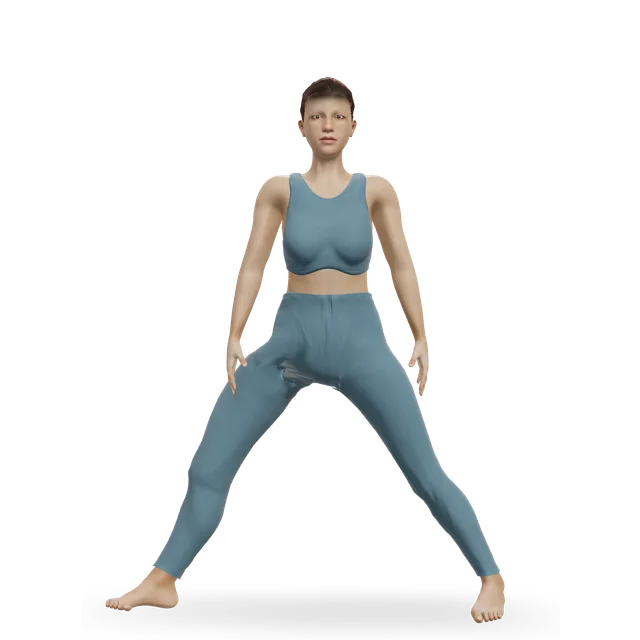 3D demoTriangle pose (Utthita Trikonasana)Intermediate · A step
Similar move, intermediate grade.
Harder option
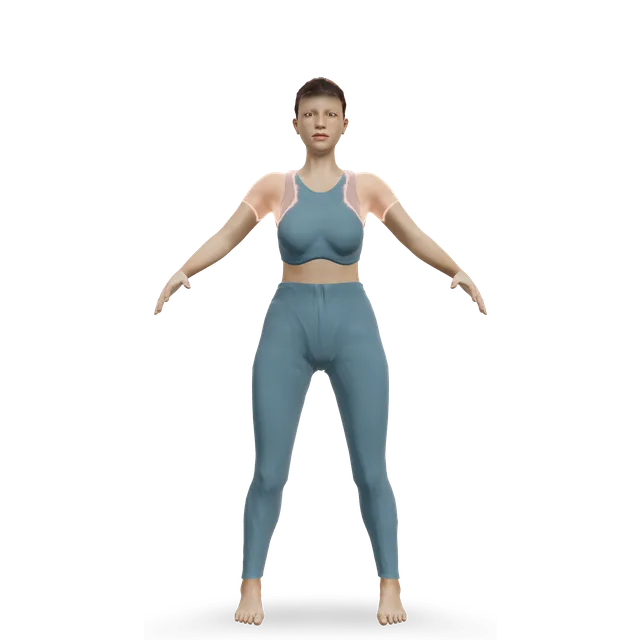 Visvamitra's pose (Visvamitrasana)Expert · No equipment
Suggested next step, expert grade.
Source-researched guide.
How to move
- Sit cross-legged, then lift the right foot and cradle the right shin in your arms, the knee pointing out to the right.
- Thread the right arm inside the right leg. Lift the right heel, move the thigh back and tuck the right shoulder under the back of the knee, as high up the arm as it will go.
- Place the right palm on the floor just outside the right hip, fingers pointing out. Reach the left arm over your head and hold the outer edge of the right foot.
- Press the right foot away from the shoulder and slowly straighten the knee as far as it goes, then turn the chest and belly up toward the ceiling, looking under the left arm if your neck is comfortable.
- Hold, then bend the knee, release the foot and lower the leg. Change sides.
Form cues
- A bent knee still counts: straighten only as far as the hamstring allows.
- A strap looped round the foot is a fair version if the hand can't reach.
- Avoid: hauling the leg straight with the top hand.
Practice and cautions
Hold 3 to 5 slow breaths each side, once or twice, only after a full warm-up (our editorial starting point).
Straighten the knee slowly and stop at a firm stretch: in professional dancers, slow stretches with the hip bent and the knee straight have torn the hamstring close to the sitting bone, and getting back to full dancing took a median of 50 weeks. Hamstring strain is the usual injury here. Keep the raised knee as bent as it needs to be, and never bounce into the straightening. This is movement education, not an assessment or treatment prescription. Stop for sharp or increasing pain, dizziness, numbness or tingling; seek individual guidance for symptoms, injury or restrictions.
Sources and review status
Sources support the educational description; they do not establish that this exercise is suitable for you.
- Yoga International · Find your bearings in compass pose (how-to: the shin cradled, the shoulder tucked under the leg, the outer foot held; a strap loop as an option) ↗
- Yoga Journal · A practice toward compass pose (its demands: hamstring length, hip abduction, a mid-back twist and shoulder mobility; the leg need not fully straighten) ↗
- Askling 2007 · 15 professional dancers tore the hamstring near the sitting bone in slow stretches with the hip bent and the knee straight; return took a median of 50 weeks (case series, Am J Sports Med) ↗
No variation is labeled clinically validated.
What it works
Muscles
Main: Hamstrings, Adductors. Also: Back, Shoulders, Abs.
Anatomy: Hamstrings, Biceps femoris, Adductors, Gracilis, Pectineus.
Equipment
None: body weight and floor space.
Level
Advanced. See the easier and harder options above.
Similar moves
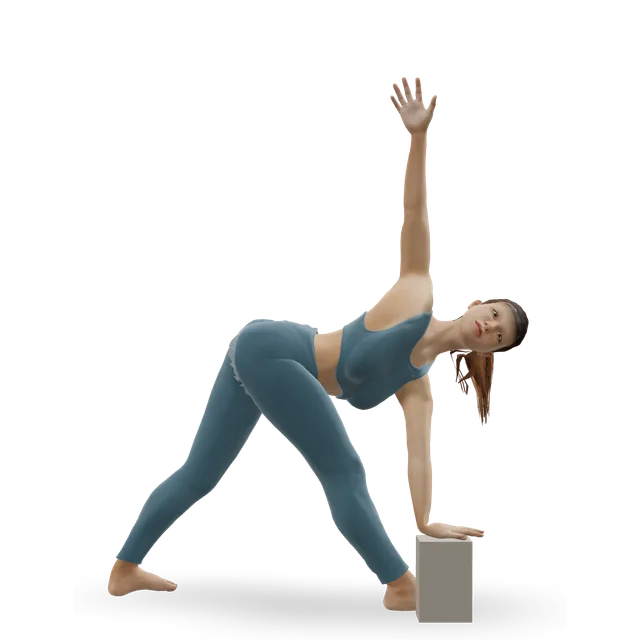 3D demoRevolved triangle pose (Parivrtta Trikonasana)Advanced · A step
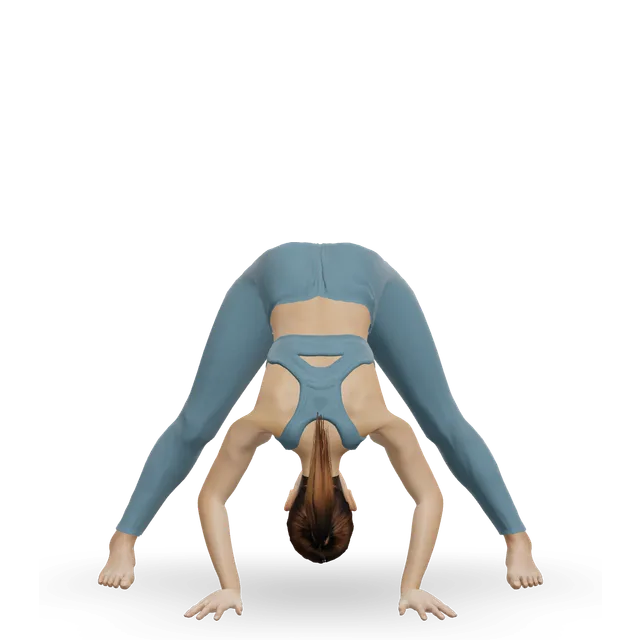 3D demoWide-legged standing forward fold (Prasarita Padottanasana)Beginner · No equipment
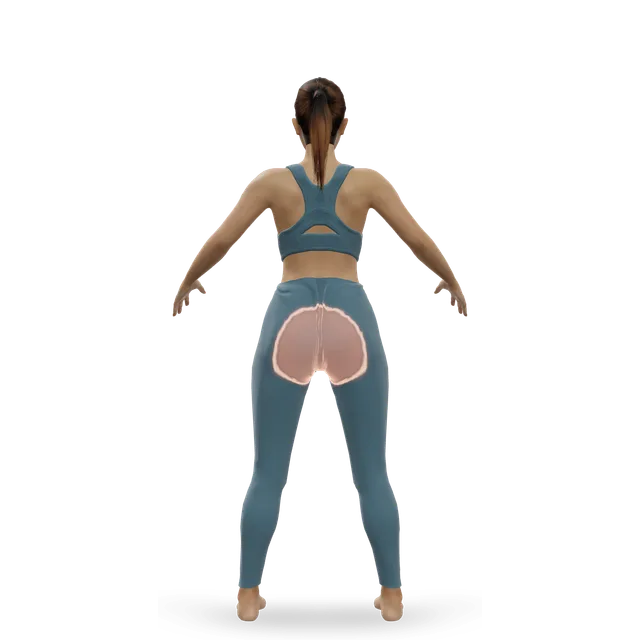 Bird of paradise (Svarga Dvijasana)Expert · No equipment
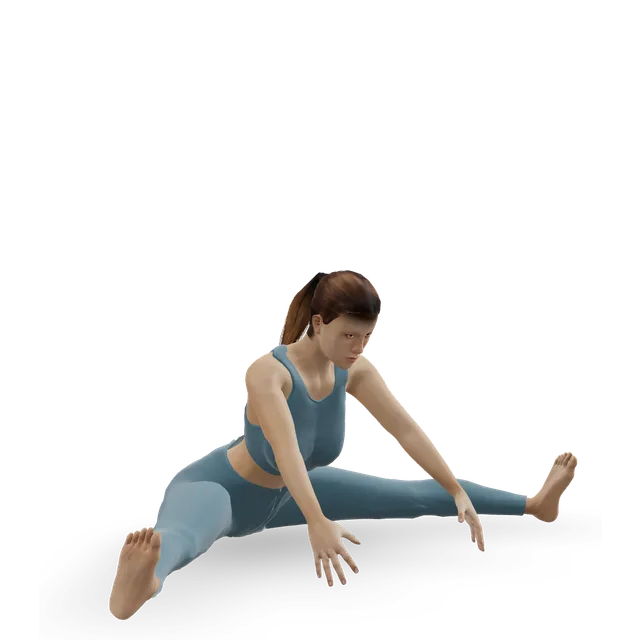 3D demoSeated straddle stretchBeginner · No equipment
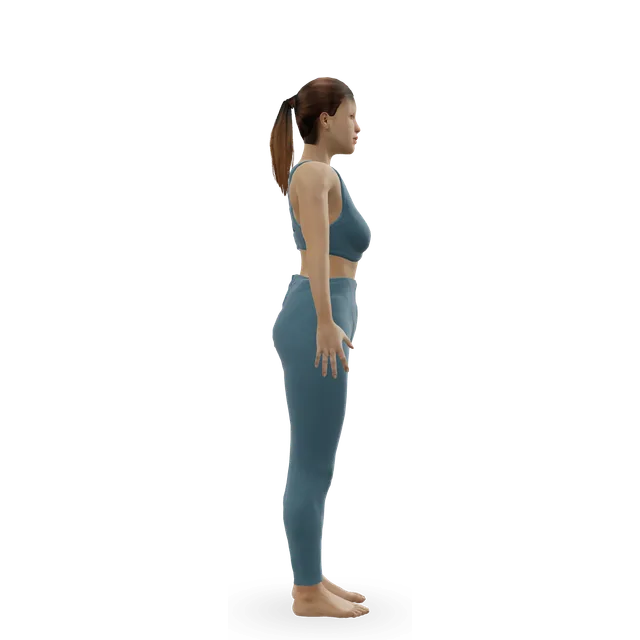 3D demoSun salutation A (Surya Namaskar A)Intermediate · No equipment
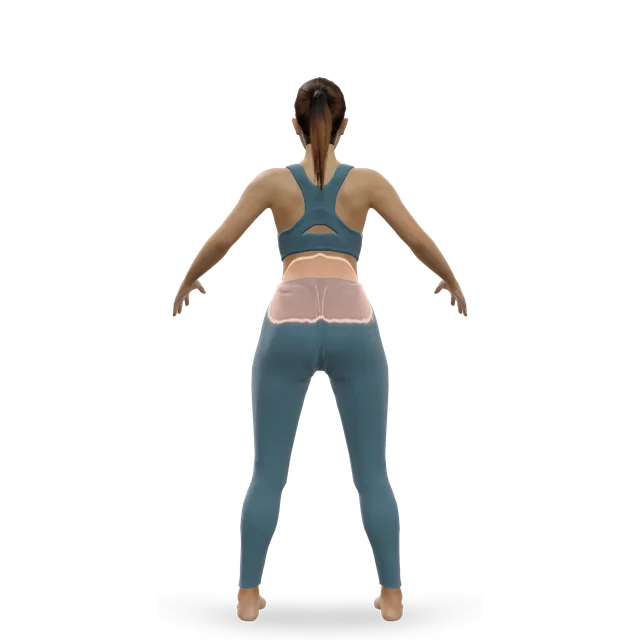 Tortoise pose (Kurmasana)Advanced · No equipment
Browse more
Questions people ask
What muscles does the Compass pose (Parivrtta Surya Yantrasana) work?
Mainly the hamstrings and adductors, with help from the back, shoulders and abs.
What equipment do I need for the Compass pose (Parivrtta Surya Yantrasana)?
No equipment: your body weight and a little floor space.
Is the Compass pose (Parivrtta Surya Yantrasana) good for beginners?
It is an advanced move. Build up to it with the Triangle pose (Utthita Trikonasana) first.
What is an easier alternative to the Compass pose (Parivrtta Surya Yantrasana)?
Try the Triangle pose (Utthita Trikonasana) or the Wide-angle seated forward fold (Upavistha Konasana). It works similar muscles at a lower grade.
How do I make the Compass pose (Parivrtta Surya Yantrasana) harder?
Progress to the Visvamitra's pose (Visvamitrasana). Follow that guide’s technique and any stated timing.