Bird of paradise (Svarga Dvijasana)
A standing balance built from bound extended side angle: one arm threads under the front thigh and the hands clasp behind the back, the back foot steps in, and you stand on one leg with the bound leg lifted, then straightened out to the side. Standing hand-to-big-toe pose holds the foot in one hand; here the leg rests in the bound arms. Yoga Journal suggests keeping the lifted knee bent until the hip flexors and hamstrings are ready, and a strap for the bind.
Movement guide
Bird of paradise (Svarga Dvijasana)
Make it easier or harder
Choose a version that fits your control and comfort.
Easier option
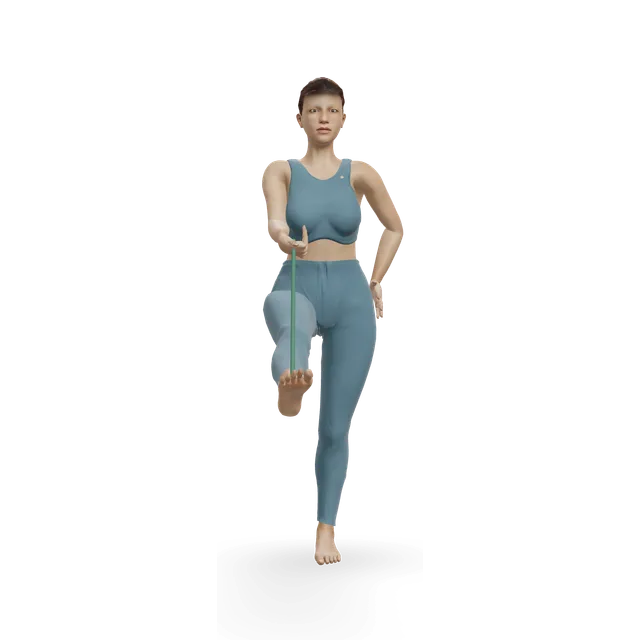 3D demoStanding hand-to-big-toe pose (Utthita Hasta Padangusthasana)Advanced · No equipment
Suggested next step, advanced grade.
Harder option
Keep a comfortable range and follow any technique and timing given in the guide. A deeper stretch or more complex pose is optional, not a required next step. Ingram 2025 review of stretching and range of motion
Source-researched guide.
How to move
- From extended side angle with the right knee bent, thread the right arm under the right thigh and reach the left arm round your back to clasp the hands, or a strap, behind the right hip.
- Look at a point on the floor, step the left foot forward beside the right and shift your weight onto it, keeping the bind.
- Press down through the left foot and slowly stand up, the bound right leg rising with you, knee bent.
- Once balanced, turn the right thigh out and slowly straighten the right leg out to the side, only as far as it goes, the chest lifted.
- To come out, bend the right knee, fold forward, lower the right foot and step back to side angle before releasing the bind. Change sides.
Form cues
- Stay in the bent-knee version until the balance is steady.
- Fix the gaze on one point as you stand up.
- Avoid: forcing the hands to meet; a strap spares the shoulders.
Practice and cautions
Hold 3 to 5 slow breaths each side, once or twice, only after a full warm-up (our editorial starting point).
While bound you can't put a hand out to catch yourself: if you start to tip, let go of the bind and put the lifted foot down. Straighten the leg slowly, since slow, straight-knee stretches with the hip bent are how dancers tear the hamstring near the sitting bone. Skip it with shoulder impingement or instability, hamstring injury, or hip labral pain. Learn it beside a wall. This is movement education, not an assessment or treatment prescription. Stop for sharp or increasing pain, dizziness, numbness or tingling; seek individual guidance for symptoms, injury or restrictions.
Sources and review status
Sources support the educational description; they do not establish that this exercise is suitable for you.
- Yoga Journal · Bird of paradise pose (how-to: from bound extended side angle, step in and stand; the bent-knee version until the hips and hamstrings are ready; a strap for the bind) ↗
- Yoga International · Bird of paradise to standing archer (don't force the hands to meet; extend the leg only once balanced, and not necessarily all the way) ↗
- Askling 2007 · 15 professional dancers tore the hamstring near the sitting bone in slow stretches with the hip bent and the knee straight; return took a median of 50 weeks (case series, Am J Sports Med) ↗
No variation is labeled clinically validated.
What it works
Muscles
Main: Hamstrings, Adductors, Glutes. Also: Shoulders, Chest, Quads.
Anatomy: Hamstrings, Biceps femoris, Adductors, Gracilis, Pectineus, Gluteus maximus.
Equipment
None: body weight and floor space.
Level
Expert. See the easier and harder options above.
Similar moves
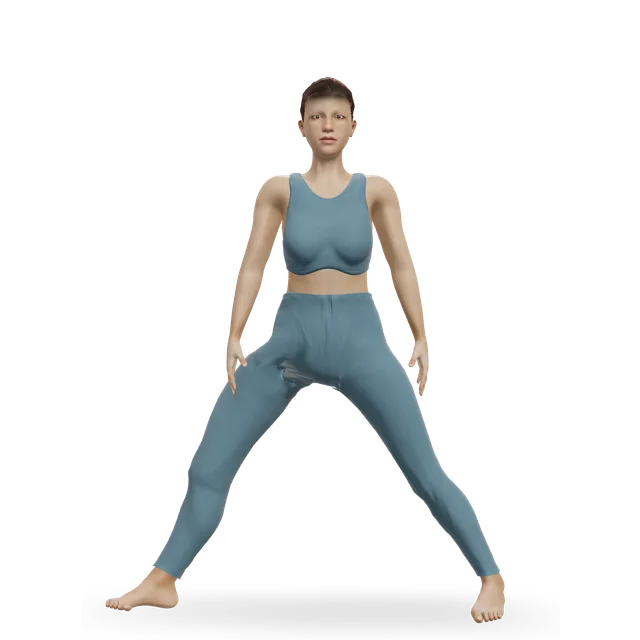 3D demoTriangle pose (Utthita Trikonasana)Intermediate · A step
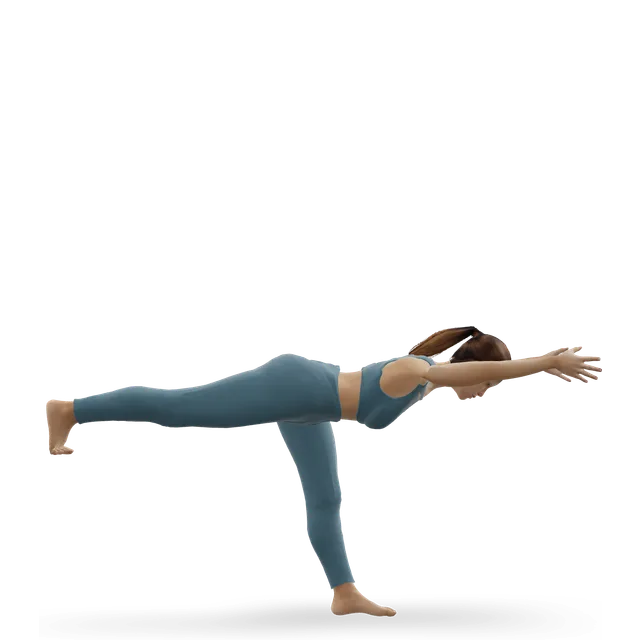 3D demoWarrior III (Virabhadrasana III)Advanced · No equipment
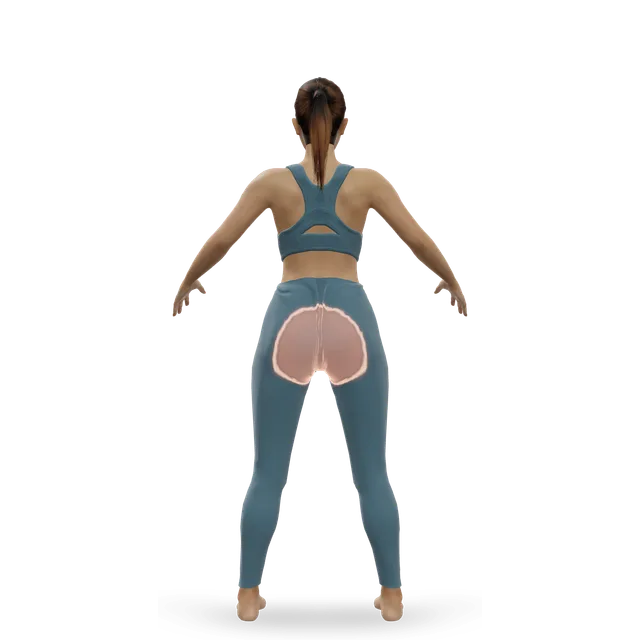 Compass pose (Parivrtta Surya Yantrasana)Advanced · No equipment
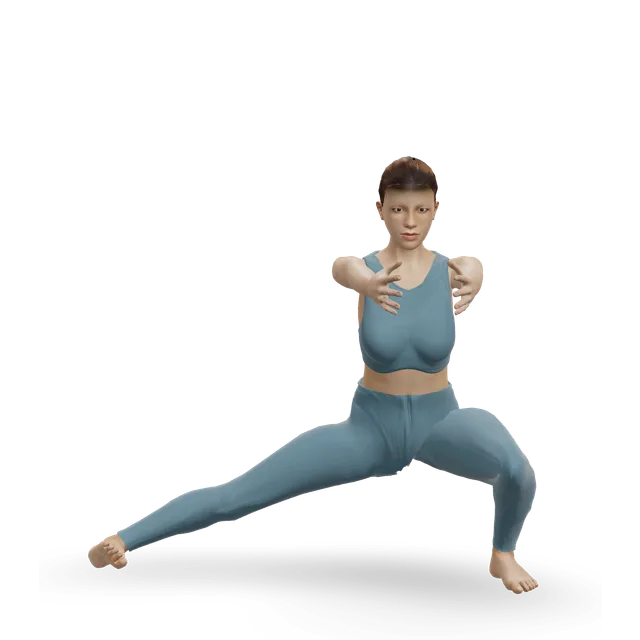 3D demoCossack squatIntermediate · No equipmentSleeping tortoise (Supta Kurmasana)Expert · No equipment
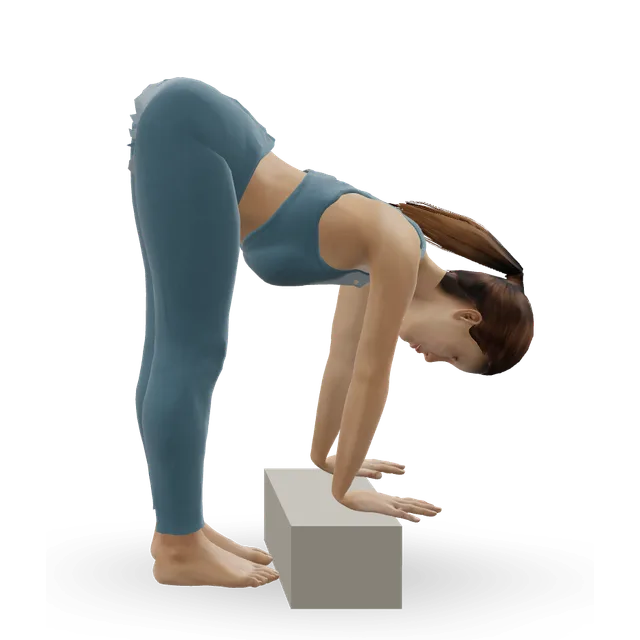 3D demoStanding splits (Urdhva Prasarita Eka Padasana)Advanced · No equipment
Browse more
Questions people ask
What muscles does the Bird of paradise (Svarga Dvijasana) work?
Mainly the hamstrings, adductors and glutes, with help from the shoulders, chest and quads.
What equipment do I need for the Bird of paradise (Svarga Dvijasana)?
No equipment: your body weight and a little floor space.
Is the Bird of paradise (Svarga Dvijasana) good for beginners?
It is an advanced move. Build up to it with the Standing hand-to-big-toe pose (Utthita Hasta Padangusthasana) first.
What is an easier alternative to the Bird of paradise (Svarga Dvijasana)?
Try the Standing hand-to-big-toe pose (Utthita Hasta Padangusthasana) or the Extended side angle (Utthita Parsvakonasana). It is the suggested step down from this move.