Yoga guide

Yoga for memory and concentration: what trials show for focus, students and older adults, and the claims that don't hold

Yoga may sharpen attention and thinking a little, but the evidence is weak. Across trials, regular classes improved test scores for attention and planning by a small to moderate amount, and memory by less, in studies that were mostly small and at high risk of bias. In schoolchildren, yoga did about as well as PE, and in healthy people the effect of exercise of any kind on thinking nearly disappears in the most careful analyses.

What yoga can't do is pump extra blood to your brain through headstands, or prevent dementia. If memory problems are affecting your daily life or getting worse, see a GP (general practitioner): the cause may be treatable. If someone suddenly becomes confused, call 999.

This guide covers what the trials show for students, adults and older adults, how yoga compares with other exercise, breathing and meditation, sleep, the claims that don't hold, and when forgetfulness needs a GP, with 3D demos of the poses the trial classes used.

The short version

Forgetting things is normal; memory problems that affect daily life need a GP

The NHS says most people forget things from time to time, and to see a GP if memory problems are affecting your day-to-day life, because the cause may be treatable. Stress, anxiety, depression and poor sleep are common causes. Sudden confusion is a 999 call.

Sources 1, 2

Yoga gives a small lift to thinking test scores, on weak evidence

Across trials, yoga improved attention and planning skills a little, and memory less. Most trials were small and at high risk of bias. The most consistent finding is small gains in adults aged 55 and over.

Sources 3, 4

For students, yoga does about as well as PE

In three trials of schoolchildren and teenagers, yoga and physical activity improved thinking tests about equally.

Sources 5, 6, 7

Exercise of any kind may help a little; yoga isn't special

Exercise improved thinking tests a little across many reviews, but in healthy people the effect nearly vanished once the best-controlled trials and missing negative studies were taken into account.

Sources 8, 9

Sleep matters more than any pose

Losing sleep hits attention hardest, and the NHS says insomnia makes it difficult to concentrate during the day.

Sources 10, 11

Headstands don't send extra blood to your brain

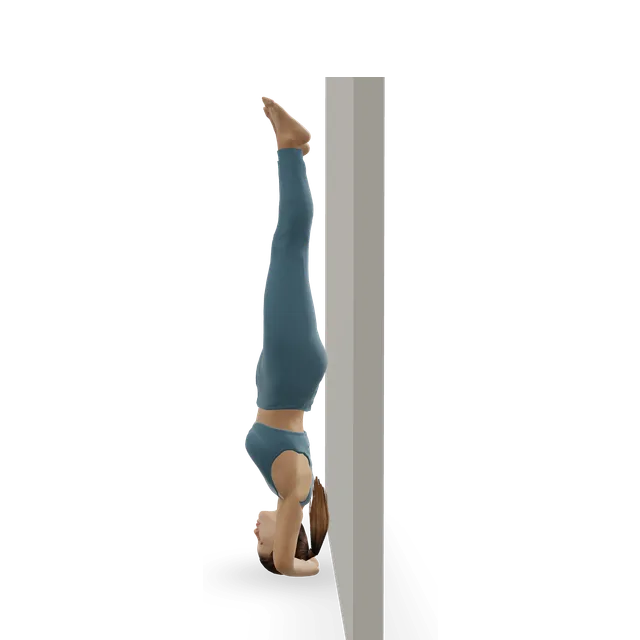
In 20 people, blood flow in the main artery to the brain fell during a headstand, because the brain keeps its own blood flow steady. Headstands carry real risks and aren't needed for anything on this page.

Sources 12, 13

Worried about your memory?

See a GP

The NHS says to see a GP if "memory problems are affecting your day-to-day life": "It's often nothing serious, but it's best to get checked because any treatment you need may work better if it's started early." Early dementia symptoms include memory loss, difficulty concentrating, struggling with familiar tasks and being confused about time and place, and the NHS says "Dementia is not a natural part of ageing", so talk to a GP "sooner rather than later" if you're worried.

Sources 1, 14

Sudden confusion is an emergency

Go to A&E (accident and emergency) or call 999 if someone suddenly becomes confused. Causes include infections, a stroke, low blood sugar in people with diabetes, a head injury and some medicines. Our yoga for dementia guide covers memory problems short of dementia (mild cognitive impairment) and dementia itself.

Source 2

Memory, concentration and what affects them

What the trials measure

Concentration (attention) is keeping your focus on one thing. Working memory holds information in mind while you use it, and executive function covers planning, switching between tasks and holding back the wrong response. Trials measure these with timed tests on paper or a computer, and most effects of yoga show up on attention and executive function rather than on remembering things later.

Sources 3, 15

What gets in the way

The NHS lists stress, anxiety, depression and sleeping problems as common, treatable causes of memory problems. Insomnia makes it difficult to concentrate during the day, and across 70 studies, short-term sleep loss impaired attention most, with smaller effects on working memory.

Sources 1, 11, 10

How yoga might help

Yoga combines physical effort, holding attention on the breath and body, and relaxation. In one trial of older adults, people whose stress and cortisol response fell more after 8 weeks of yoga did better on working memory tests, which suggests lower stress is part of the story. This is a proposed explanation, not a proven one.

Sources 16, 17

What the evidence says

Effect sizes put different tests on one scale: about 0.2 is small, 0.5 moderate and 0.8 large. Most yoga trials of thinking are small, compare yoga with doing nothing, and are at high risk of bias.

Yoga trials overall: a small lift, weak evidenceMixed evidence

Across 15 randomised trials, yoga improved thinking tests by a small to moderate amount overall (0.33): most for attention and processing speed (0.29) and executive function (0.27), and least for memory (0.18, which wasn't quite statistically significant). The authors point to small samples, varied groups and doses, and many different tests. A review of 11 hatha yoga studies found promise for executive function but too few good studies to be sure.

Sources 3, 18

Adults aged 55 and over: small gains, more consistentEmerging evidence

This is the group where several reviews agree. Across 12 studies of 912 older adults, yoga-related practices improved memory (0.38), executive function (0.40) and attention (0.33). An umbrella review of reviews in healthy adults aged 55 and over found mind-body exercise did better than exercise in general (0.48 against 0.22), with very mixed results between studies. Across 41 studies in people over 60, meditation and mind-body exercise helped only in programmes longer than 12 weeks, 3 to 7 times a week. A 2025 review of 45 studies of mind-body exercise (mostly tai chi, qigong and yoga) found small gains in memory and processing speed and none in attention, larger in people with memory problems.

Sources 4, 19, 20, 15

Healthy over-60s: reviews disagreeMixed evidence

Reviews limited to healthy people over 60 found 5 to 13 trials, mostly with positive results but at high risk of bias, and in one review 2 of 5 trials found no improvement. One meta-analysis concluded it isn't possible to say yoga improves thinking in older people, though it did ease low mood.

Sources 21, 22, 23, 24

The best single trialMixed evidence

In 118 inactive adults with an average age of 62, hour-long hatha yoga classes (poses, breathing and meditation) 3 times a week for 8 weeks improved working memory and task switching more than a stretching and strengthening class, by small amounts, and also attention and processing speed. It's one trial. A 6-month trial comparing yoga with aerobic exercise in 168 adults aged 55 to 79 is under way.

Sources 17, 25, 26

Exercise in general: a small effect that shrinks in the best trialsMixed evidence

Across 133 reviews (2,724 trials), exercise improved general thinking (0.42), memory (0.26) and executive function (0.24), and less in the best reviews (0.23, 0.22 and 0.16); mind-body exercise did best for memory. But an umbrella review limited to trials in healthy people found an effect of 0.22 that fell to 0.13 once active comparison groups and differences at the start were accounted for, and to 0.05, close to nothing, after correcting for negative studies that were never published.

Sources 8, 9

Which exercise for which skillMixed evidence

In healthy older adults, network analyses ranked strength training best for overall thinking, mind-body exercise such as yoga and tai chi best for working memory and switching between tasks, and aerobic exercise best for memory. In young and middle-aged adults, exercise that needed coordination helped about as much as brain training, and endurance exercise did no better than other activities. Network analyses compare trials indirectly, and Asian studies showed larger effects.

Sources 27, 28, 29

One sessionMixed evidence

In 7 studies of single sessions, the short-term effects were bigger than for courses (0.56). In 30 female students, one yoga session improved two thinking tests more than one aerobic session or none. These are test scores straight afterwards, not results in real study or work.

Sources 3, 30

Students and schoolchildren

Yoga matches PEMixed evidence

In 200 children aged 7 to 9, yoga and physical activity improved thinking tests equally over 3 months. In 98 children aged 8 to 13 who did 45 minutes of yoga or exercise a day, 5 days a week for 3 months, the only difference between the groups favoured exercise. In 802 teenagers given an hour a day of yoga or exercise for 2 months, both groups improved on attention tests, with no clear difference.

Sources 5, 6, 7

A school yoga programme and attentionMixed evidence

In 2,000 Indian teenagers in 24 schools, 17 weekly yoga sessions lowered stress scores and improved an attention test more than health talks did. It's one trial, against talks rather than another activity.

Source 31

Mindfulness in schools and universitiesMixed evidence

In 198 teenagers, mindfulness meditation improved working memory and hatha yoga didn't. In 180 university students, not randomly assigned, mindfulness training with or without yoga made no consistent difference to attention. In 8,376 UK pupils, a 10-lesson school mindfulness course was no better than usual teaching for mental health a year later.

Sources 32, 33, 34

Exam nervesMixed evidence

In 13 university students, 30 minutes of yoga before a mock exam lowered how stressed they felt, without changing cortisol or heart rate variability. Our yoga for stress guide covers stress in more depth.

Source 35

Older adults and memory problems

Memory problems short of dementiaMixed evidence

An international guideline says mind-body activities have the most supporting evidence in mild cognitive impairment, on low-certainty evidence. In 81 people with it, 12 weeks of Kundalini yoga and memory training both improved memory, and only yoga improved planning skills (executive function) and low mood. In 79 older women at risk of Alzheimer's disease, yoga improved how they rated their own memory, but 35% of them dropped out. Our yoga for dementia guide covers this in full.

Sources 36, 37, 38

A trial in homes for older peopleMixed evidence

In 120 residents of homes for older people in India, 6 months of yoga improved memory, attention and planning tests compared with a waiting list. There was no comparison activity, so some of the gain may come from attention and company.

Source 39

Breathing and meditation

Mindfulness: small effectsMixed evidence

Across 56 trials (2,931 adults), mindfulness programmes improved thinking tests by a small amount (0.15), mostly working memory (0.23), and beat doing nothing but not other active programmes. The NHS says mindfulness can help with stress, anxiety and depression, that yoga can help you become aware of your breathing, and that some people find mindfulness makes them feel worse.

Sources 40, 41

Yogic breathing: small, mixed studiesMixed evidence

In 84 young adults, 12 weeks of fast or slow yogic breathing (35 minutes, 3 times a week) improved reaction time and some thinking tests; in 96 medical students, 6 weeks of slow breathing improved a memory scale where sun salutations didn't. Single sessions of several breathing practices, candle gazing (trataka) and kapalabhati reported short-term changes, the kapalabhati study with no comparison group and slower reactions afterwards. Against that, 15 minutes of mindful breathing didn't improve working memory in two experiments with 506 people.

Sources 42, 43, 44, 45, 46, 47

Slow, not forcefulEmerging evidence

In trials of yogic breathing for mental health conditions, fast techniques caused more side effects than slow ones. The NHS breathing exercise is slow, with no holds. Use it to settle before study or work, not as a memory treatment.

Sources 48, 49

The NHS breathing exercise, before study or work

From the NHS breathing exercise for stress. If you feel light-headed, make the breaths smaller or go back to normal breathing (our suggestion).

  1. Sit in a chair that supports your back, with your feet flat on the floor, hip-width apart. Loosen any clothes that restrict your breathing.
  2. Let your breath flow as deep down into your belly as is comfortable, without forcing it.
  3. Breathe in gently and regularly through your nose, counting steadily from 1 to 5 if that helps.
  4. Let the breath flow out gently through your mouth, counting from 1 to 5 again. There's no need to hold your breath.
  5. Keep going for at least 5 minutes. The NHS says you'll get the most benefit if you do it regularly, as part of your daily routine.

See the movement on the 3D figure: Slow breathing (6 breaths a minute)

Sleep

Sleep loss hits attention hardestStrong evidence

Across 70 studies, a short spell without sleep impaired attention most, with lapses in focus the largest effect (0.78), and smaller effects on working memory and short-term memory. The NHS says insomnia makes it difficult to concentrate during the day, and to see a GP if you've had trouble sleeping for months or it's affecting your daily life.

Sources 10, 11

Yoga and sleepEmerging evidence

In 16 trials of women with sleep problems, yoga improved sleep quality scores, though not insomnia severity in 3 trials. Our yoga for anxiety and sleep guide covers sleep in more depth.

Source 50

Breathe and settle

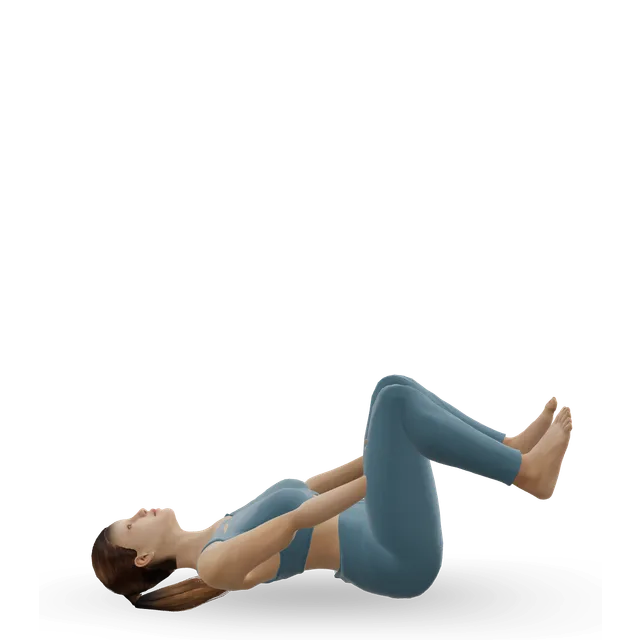
Slow breathing: at least 5 minutes, regularly, as part of your daily routine; corpse pose: at least 5 minutes, up to 10 (the moves' pages). Alternate nostril breathing: 3 to 5 minutes of slow rounds with no holds, once or twice a day (the move's page, which calls it an editorial starting point).

Poses that ask for steady attention

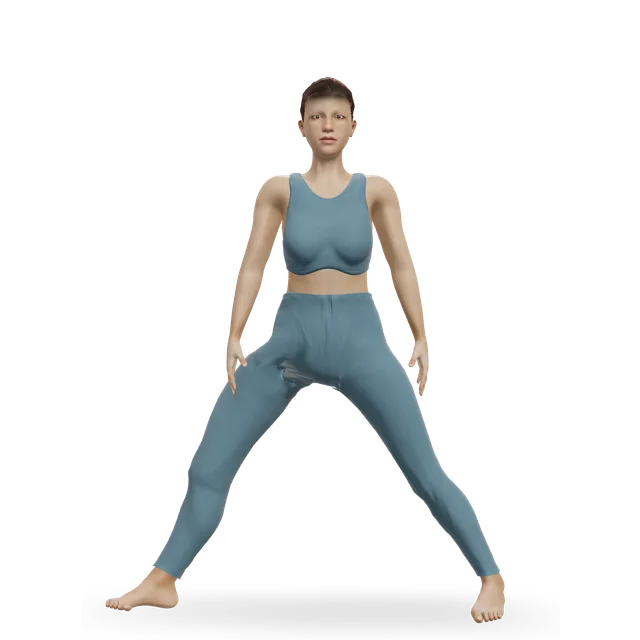
Mountain pose: 5 to 10 slow breaths, 2 or 3 times (the move's page). Tree and warrior II: 5 breaths each side; chair pose: 3 holds of 3 to 5 breaths; triangle: 5 breaths each side, a hand on a block or chair seat (our hatha yoga class). Keep fingertips on a wall for balance poses.

Move with the breath

Sun salutation A: 3 slow rounds, stepping rather than jumping (our yoga for stress class). Cat-cow: 8 waves, slower than feels natural; thoracic rotation: 6 rotations each side, moving with the breath; breath reach: 5 breaths, breathing out for longer than in (the moves' pages).

How much, and how often

Our editorial starting point

In the trials, 45 to 60 minute classes about 3 times a week for 8 weeks or more, and mind-body programmes helped older adults most when they lasted longer than 12 weeks. Make it part of the 150 minutes of moderate activity a week the NHS recommends, with strength work on 2 days, and balance work too if you're over 65. For students and desk workers, a short practice or the NHS breathing exercise before study, and sport or PE count as much as yoga.

Sources 17, 20, 51, 52

Headstands, blood flow and the brain

A headstand doesn't send extra blood to the brainEmerging evidence

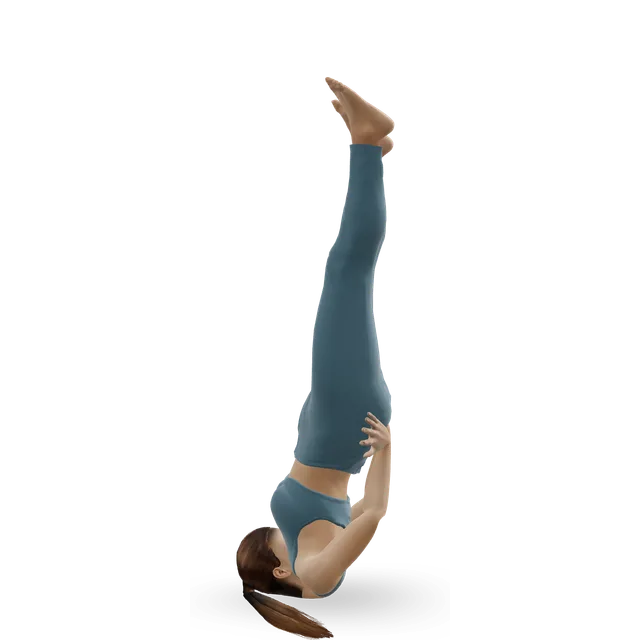
In 20 people doing a headstand, blood flow in the internal carotid artery, the main artery to the brain, fell, then returned to normal when they came down. The brain keeps its own blood flow steady as you change position: in 17 healthy adults tipped 10 and 30 degrees head down for 10 minutes, blood flow speed in a main brain artery didn't change. No study has tested headstands for memory.

Sources 12, 13

Headstands carry real risksStrong evidence

In a headstand, the head carries 40% to 48% of your body weight. Head-down poses raise the pressure in the eyes within a minute. Headstands were the pose most often named in published reports of harm from yoga, and the US National Center for Complementary and Integrative Health (NCCIH) says people new to yoga should avoid headstands and shoulder stands.

Sources 53, 54, 55, 56

Brain scans and brain chemicalsMixed evidence

Reviews of 11 and 23 brain imaging studies found changes linked with yoga in areas involved in memory and attention, but the studies were small and varied. One snapshot study found a slightly larger memory area (the left hippocampus) in 13 experienced practitioners than in 13 people who didn't practise, with no difference in memory test results. In 88 young adults, 30 minutes of yoga didn't change BDNF, a brain growth factor often named in popular articles.

Sources 57, 58, 59, 60

Can yoga prevent dementia?

Not shownMixed evidence

No study has measured dementia in people who do yoga. Across 58 studies, active people developed dementia about 20% less often. But in a large pooled analysis, inactivity measured 10 or more years before diagnosis wasn't linked with dementia, which suggests part of the link runs backwards: people become less active in the years before dementia is diagnosed.

Sources 61, 62

What the guidelines sayStrong evidence

The World Health Organization (WHO) recommends physical activity for adults with normal thinking to reduce the risk of cognitive decline. The NHS says around 4 in 10 cases of dementia could be prevented by changing the risk factors we can change, and suggests 150 minutes of moderate activity a week plus strengthening exercises "such as gardening or yoga". Alzheimer's Society lists yoga, tai chi and Pilates among strength-building activities and says regular activity is "one of the best things that you can do to reduce your risk".

Sources 63, 64, 65

Poses you don't need

Leave out headstands and shoulder stands: they don't raise blood flow to the brain, they load the head and neck, and beginners should avoid them. Skip fast, forceful breathing such as kapalabhati too.

Free classes

The 45-minute hatha yoga class is the closest match to the trial classes: 2 or 3 times a week. On busy days, the yoga for stress class or the 10-minute desk routine. The walk and yoga workout adds aerobic exercise. For older adults, the chair classes; for children with attention difficulties, the ADHD practice.

Hatha yoga class: a 45-minute beginner session

A 45-minute beginners' hatha yoga class in the order trial teachers used: relaxation, breathing, floor and standing poses held for a few breaths, then rest.

45 minBeginner20 movesA step, Firm cushion

Yoga for stress relief: a 20-minute class to breathe, loosen, move and slow down

Twenty minutes of yoga for stressful days: the NHS breathing exercise, neck, shoulder and spine moves, standing poses that warm you up, then a slow wind-down.

20 minBeginner13 movesA wall

10-minute desk yoga routine: seated and standing

Ten minutes of yoga at your desk, no mat needed: slow breathing, neck, shoulder, wrist and spine moves in your chair, then standing poses with a hand on the desk.

10 minBeginner13 movesA bench or box, A wall

Breathing exercises to relax

A 6-minute breathing routine: slow breathing, crocodile breathing, alternate nostril breathing, box breathing and 4-7-8 breathing.

6 minBeginner5 movesNo equipment

Walk and yoga workout

A 45-minute session for weight loss and health: a 20-minute brisk walk, which does more for the scales, then a standing yoga flow for strength and balance.

45 minBeginner12 movesCardio machine

Chair yoga for seniors

A free 20-minute chair yoga class for older adults: slow breathing, gentle seated stretches and twists, standing poses holding the chair, and a calm finish.

20 minBeginner18 movesA bench or box, Something with weight

Chair yoga for dementia: a 30-minute class to do together

A 30-minute chair yoga class to do with someone living with dementia: slow breathing, gentle seated moves, an optional standing block and a seated rest.

30 minBeginner15 movesA bench or box, Something with weight

Yoga for ADHD: a 15-minute same-every-time practice for children

A 15-minute yoga practice for children with ADHD, done with a grown-up in the same order every time: star jumps, balloon breaths, balance poses and a rest.

15 minBeginner13 movesA wall

Follow a plan

Walking builds towards 150 minutes a week; the seniors plan adds strength and balance.

When to see a GP, and when to get help fast

These follow the NHS and our yoga for dementia guide, word for word. A&E means accident and emergency. In the US, call 911 for 999.

Sudden confusion: call 999 or go to A&E

The NHS says: go to A&E or call 999 if someone suddenly becomes confused. Sudden confusion (delirium) has causes that need treating quickly, such as an infection, a stroke, low blood sugar in people with diabetes, a head injury or some medicines.

Source 2

Call 999 now: FAST

Call 999 (911 in the US) if you think you're having, or have had, a stroke, or you've had signs of a stroke in the last 24 hours, even if they've stopped. The NHS uses FAST:

  • Face: one side of your face may droop, and it might be hard to smile.
  • Arms: you may not be able to lift both arms and keep them there, because of weakness or numbness in one arm.
  • Speech: you may slur your words or sound confused.
  • Time: call 999.

Source 66

See a GP

  • Memory problems are affecting your day-to-day life. The NHS says it's often nothing serious, but any treatment you need may work better if it's started early.
  • You're worried that you or a relative have gradually become more forgetful or confused.
  • You're worried about memory problems or other symptoms of dementia: the NHS says talk to a GP sooner rather than later.
  • You've had trouble sleeping for months, or your insomnia is affecting your daily life in a way that makes it hard to cope.
  • Memory or concentration problems come with low mood, constant worry or stress that isn't getting better: the NHS lists these as treatable causes. Our yoga for stress, anxiety and sleep, and depression guides say where to get help.
  • For students: if exam stress is overwhelming, or you can't concentrate for weeks, talk to your GP or your school or university support service (our suggestion).

Sources 1, 2, 14, 11

During practice

If slow breathing makes you dizzy, light-headed or tingly, make the breaths smaller or breathe normally. Stop for chest pain, dizziness or unusual breathlessness. Call 999 (911 in the US) for chest pain that feels tight or like squeezing, or spreads to the arms, neck or jaw.

Source 67

Myths

"A headstand boosts blood flow to the brain and your memory"Emerging evidence

Blood flow in the main artery to the brain fell during a headstand, and the brain keeps its blood flow steady in head-down positions. No study has tested headstands for memory, and they carry real risks for the neck and eyes.

Sources 12, 13, 53, 55

"Certain poses improve memory"Mixed evidence

No trial has tested a single pose such as lotus, shoulder stand or plough for memory. The trials used whole classes of poses, breathing and relaxation.

Sources 68, 17

"Super brain yoga boosts brain power"Mixed evidence

One study of 59 nursing students, which didn't randomise them, reported better memory test scores after ear-holding squats, but their grades were no different.

Source 69

"Yoga prevents dementia"Mixed evidence

No study has measured it. Active people get dementia less often, but part of that is because activity falls before diagnosis. The WHO recommends activity to lower the risk of cognitive decline.

Sources 61, 62, 63

"Yoga is the best exercise for your brain"Mixed evidence

In children, yoga matched PE. In older adults, different exercise ranked best for different skills, and in healthy people the effect of exercise of any kind shrank to almost nothing in the most careful analysis.

Sources 5, 27, 9

"Breathing practices like kapalabhati and bhramari sharpen your memory"Mixed evidence

The studies are small and mostly single sessions, some with no comparison group, and mindful breathing didn't improve working memory in two larger experiments. Fast breathing causes more side effects than slow breathing.

Sources 47, 46, 48

"Yoga grows your brain and raises BDNF"Mixed evidence

Imaging studies are small and varied, the larger memory area came from a snapshot comparison of 26 people, and 30 minutes of yoga didn't change BDNF in a trial.

Sources 59, 58, 60

"Forgetfulness is just ageing, so there's no point seeing a GP"Strong evidence

The NHS says see a GP if memory problems affect your daily life, because the cause may be treatable and treatment may work better early, and that dementia is not a natural part of ageing.

Sources 1, 14

Questions people ask

Can yoga improve memory?

A little, in trials, and the evidence is weak. Across trials, yoga improved thinking tests by a small to moderate amount, more for attention and planning than for memory, and the most consistent gains were small ones in adults aged 55 and over.

Does yoga help concentration?

Attention improved more than memory in yoga trials, and in a trial of 2,000 teenagers, weekly school yoga improved an attention test more than health talks. Expect a small change, not a transformation, and look after your sleep.

Is yoga good for students?

Yes, as one way to be active: in trials of schoolchildren, yoga did about as well as PE on thinking tests. Thirty minutes of yoga before a mock exam eased how stressed students felt, and protecting your sleep matters more than any pose.

Which yoga poses are best for memory?

No single pose has been shown to improve memory. The trials used whole classes of standing and balance poses, breathing and relaxation, so a regular class is the thing to do.

Does a headstand increase blood flow to the brain?

No. In 20 people, blood flow in the main artery to the brain fell during a headstand and came back afterwards, because the brain keeps its blood flow steady. Headstands aren't needed for focus and carry risks for the neck and eyes.

Is pranayama good for memory?

The studies are small and mixed: some short courses and single sessions improved attention or memory tests, while mindful breathing didn't improve working memory in two larger experiments. Slow breathing is a good way to settle before study; skip fast, forceful breathing.

Is yoga better than running for your brain?

Not clearly. In older adults, mind-body exercise ranked best for working memory and switching between tasks, aerobic exercise for memory and strength training for overall scores. Mixing them is a sensible choice.

How much yoga do I need to help my memory?

The trials used 45 to 60 minute classes about 3 times a week for 8 weeks or more, and programmes longer than 12 weeks did better in older adults. Do it as part of 150 minutes of activity a week.

Can yoga prevent dementia?

That hasn't been shown. Active people get dementia less often, but part of that is because activity falls in the years before diagnosis. The WHO recommends physical activity to lower the risk of cognitive decline, and yoga counts as strengthening activity.

Does meditation improve memory?

A little: mindfulness programmes improved thinking tests by a small amount, more than doing nothing but not more than other active programmes. The NHS says mindfulness helps some people with stress, anxiety and depression, but it isn't right for everyone.

Can yoga help brain fog?

Brain fog has many causes, including poor sleep, stress, low mood, the menopause, long COVID and chronic fatigue. The NHS lists stress, anxiety, depression and insomnia as treatable causes of memory problems, so see a GP if it's affecting your daily life.

When should I worry about my memory?

See a GP if memory problems are affecting your daily life or getting worse, or if a relative is becoming more forgetful. Call 999 if someone suddenly becomes confused.


Sources

  1. NHS · Memory loss (amnesia) (past its review date: reviewed October 2023, review due October 2026)
  2. NHS · Sudden confusion (delirium) (last reviewed May 2024)
  3. Gothe 2015 · Yoga and cognition: 15 randomised trials and 7 single-session studies (meta-analysis, Psychosom Med)
  4. Bhattacharyya 2021 · Yoga-related practices and thinking in older adults: 12 studies, 912 people (systematic review and meta-analysis, Arch Gerontol Geriatr)
  5. Chaya 2012 · Yoga or physical activity and thinking in 200 children aged 7 to 9 (randomised trial, J Altern Complement Med)
  6. Telles 2013 · Yoga or physical exercise in 98 schoolchildren aged 8 to 13 (randomised trial, Child Adolesc Psychiatry Ment Health)
  7. Vhavle 2019 · Yoga or physical exercise and attention in 802 adolescent schoolchildren (randomised trial, Int J Yoga)
  8. Singh 2025 · Exercise and thinking, memory and executive function: 133 reviews, 2,724 trials (umbrella review and meta-meta-analysis, Br J Sports Med; full text read)
  9. Ciria 2023 · Exercise and thinking in healthy people: randomised trials in 24 meta-analyses (umbrella review, Nat Hum Behav)
  10. Lim 2010 · Short-term sleep loss and thinking: 70 studies (meta-analysis, Psychol Bull)
  11. NHS · Insomnia (last reviewed March 2024)
  12. Minvaleev 2019 · Blood flow to the brain during a headstand: 20 people (ultrasound study, J Altern Complement Med)
  13. Kato 2022 · Head-down tilt and blood flow in a main brain artery: 17 healthy adults (laboratory study, J Appl Physiol)
  14. NHS · Symptoms of dementia (past its review date: reviewed July 2023, review due July 2026)
  15. Suk 2025 · Mind-body exercise and thinking skills in older adults with or without mild cognitive impairment: 45 studies, 4,602 people (meta-analysis, J Evid Based Integr Med)
  16. Gothe 2016 · Yoga, cortisol and working memory: the same 118 older adults (randomised trial, Biol Psychol)
  17. Gothe 2014 · 8 weeks of hatha yoga or stretching and strengthening and executive function: 118 older adults (randomised trial, J Gerontol A Biol Sci Med Sci)
  18. Luu 2016 · Hatha yoga and executive function: 11 studies (systematic review, J Altern Complement Med)
  19. Blomstrand 2023 · Mind-body exercise and thinking skills in adults aged 55 and over: 20 reviews (umbrella review, Eur Rev Aging Phys Act)
  20. Chan 2019 · Meditation and mind-body exercise and thinking in adults aged 60 and over: 41 studies, 3,551 people (meta-analysis, Gerontologist)
  21. Hoy 2021 · Yoga and thinking in healthy adults aged 60 and over: 5 trials (systematic review, Complement Ther Med)
  22. Eilat-Adar 2023 · Yoga and thinking in healthy people aged 60 and over: 5 trials, 461 people (systematic review, Altern Ther Health Med)
  23. Chobe 2020 · Yoga, thinking and mental health in older adults: 13 trials (systematic review, Complement Ther Med)
  24. Verzili 2023 · Yoga and mental health and thinking in older adults (systematic review and meta-analysis, Behav Brain Res)
  25. Gothe 2017 · Hatha yoga, attention and processing speed: the same 118 older adults (randomised trial, J Altern Complement Med)
  26. Gothe 2023 · Yoga, aerobic exercise or stretching for 6 months and thinking in 168 adults aged 55 to 79 (trial protocol, Contemp Clin Trials)
  27. Han 2025 · Which exercise for which thinking skill in healthy older adults: 58 trials, 4,349 people (network meta-analysis, Front Aging Neurosci)
  28. Zhang 2025 · Exercise types and thinking in older adults: 37 studies, 2,585 people (network meta-analysis, Exp Gerontol)
  29. Ludyga 2023 · Exercise and brain training for executive function in young and middle-aged adults: 46 studies (network meta-analysis, Eur J Sport Sci)
  30. Gothe 2013 · One yoga session or one aerobic session and executive function: 30 female students (randomised crossover study, J Phys Act Health)
  31. Ranjani 2023 · School yoga, stress and attention in 2,000 Indian adolescents (cluster randomised trial, Integr Med Res)
  32. Quach 2016 · Mindfulness meditation, hatha yoga or a waiting list and working memory in 198 adolescents (randomised trial, J Adolesc Health)
  33. Wimmer 2020 · Mindfulness training with or without yoga and attention in 180 university students (non-randomised trial, Front Psychol)
  34. Kuyken 2022 · School mindfulness training in 8,376 UK pupils: the MYRIAD trial (cluster randomised trial, Evid Based Ment Health)
  35. Thomson 2025 · 30 minutes of yoga before a mock exam: 13 university students (randomised crossover study, J Am Coll Health)
  36. Veronese 2023 · Physical activity and exercise for the prevention and management of mild cognitive impairment and dementia (international guideline, Eur Geriatr Med)
  37. Eyre 2017 · Kundalini yoga or memory training in 81 people with mild cognitive impairment (randomised trial, Int Psychogeriatr)
  38. Grzenda 2024 · Kundalini yoga or memory training in 79 older women at risk of Alzheimer's disease (randomised trial, Transl Psychiatry)
  39. Hariprasad 2013 · Yoga and thinking in 120 residents of homes for older people (randomised trial with a waiting list, Indian J Psychiatry)
  40. Whitfield 2022 · Mindfulness programmes and thinking skills in adults: 56 trials, 2,931 people (systematic review and meta-analysis, Neuropsychol Rev)
  41. NHS · Mindfulness (last reviewed August 2026)
  42. Sharma 2014 · 12 weeks of fast or slow yogic breathing and thinking tests: 84 young adults (randomised trial, J Clin Diagn Res)
  43. Chandla 2013 · 6 weeks of slow yogic breathing or sun salutations: 96 medical students (randomised trial, J Indian Med Assoc)
  44. Sharma 2022 · Four yogic breathing practices, attention and anxiety: 38 men (randomised crossover study, Complement Med Res)
  45. Swathi 2021 · Candle gazing (trataka) and spatial memory: 41 young adults (repeated-measures study, Front Psychol)
  46. Budhi 2024 · Kapalabhati and working memory: 20 young adults, no control group (uncontrolled study, Cureus)
  47. Quek 2021 · 15 minutes of mindful breathing and working memory: two experiments, 506 people (randomised experiments, Brain Sci)
  48. Mütze 2025 · Yogic breathing (pranayama) for mental disorders: 6 trials (systematic review and meta-analysis, Front Psychiatry)
  49. NHS · Breathing exercises for stress (last reviewed June 2026)
  50. Wang 2020 · Yoga, sleep quality and insomnia in women with sleep problems: 19 trials (systematic review and meta-analysis, BMC Psychiatry)
  51. NHS · Physical activity guidelines for adults aged 19 to 64 (last reviewed May 2024)
  52. NHS · Physical activity guidelines for older adults (last reviewed August 2024)
  53. Hector 2015 · How much weight the head carries in a headstand: 45 practitioners (laboratory study, J Bodyw Mov Ther)
  54. Jasien 2015 · Eye pressure in four head-down yoga poses: 10 people with glaucoma and 10 without (observational study, PLoS One)
  55. Sharma 2026 · Harm linked with yoga in 70 published case reports and case series: 84 events (systematic review, J Integr Med)
  56. NCCIH · Yoga: effectiveness and safety (US National Center for Complementary and Integrative Health)
  57. Gothe 2019 · Yoga and brain imaging: 11 studies (systematic review, Brain Plast)
  58. Stoelers 2026 · How yoga shapes the brain: 23 imaging studies in healthy people (systematic review, Front Neurosci)
  59. Gothe 2018 · Brain structure in 13 experienced yoga practitioners and 13 matched controls (cross-sectional study, Front Integr Neurosci)
  60. Leri 2026 · 30 minutes of yoga, stretching or aerobic exercise and BDNF: 88 young adults (randomised trial, Psychoneuroendocrinology)
  61. Iso-Markku 2022 · Physical activity and dementia: 58 studies, 257,983 people (systematic review and meta-analysis, Br J Sports Med)
  62. Kivimäki 2019 · Physical inactivity and dementia, allowing for activity falling before diagnosis: 19 cohorts, 404,840 people (individual-participant meta-analysis, BMJ)
  63. World Health Organization 2019 · Risk reduction of cognitive decline and dementia: WHO guidelines (executive summary)
  64. NHS · Can dementia be prevented? (past its review date: reviewed July 2023, review due July 2026)
  65. Alzheimer's Society · Physical activity and the risk of dementia
  66. NHS · Symptoms of a stroke (last reviewed September 2024)
  67. NHS · Heart attack (last reviewed March 2026)
  68. PubMed · Search for reviews of yoga and thinking, memory, attention or the brain: 18 records, none testing a single pose (28 October 2026)
  69. Varvani Farahani 2024 · "Super brain yoga" and memory in 59 nursing students (non-randomised study, Int J Community Based Nurs Midwifery)

Exercise education, not a personal prescription, and clinical review of these guides is pending. If you are pregnant, have a health condition such as glaucoma, high blood pressure or osteoporosis, or have had recent surgery, check with a doctor, midwife or physiotherapist before starting, and stop for sharp or increasing pain. Health disclaimer.