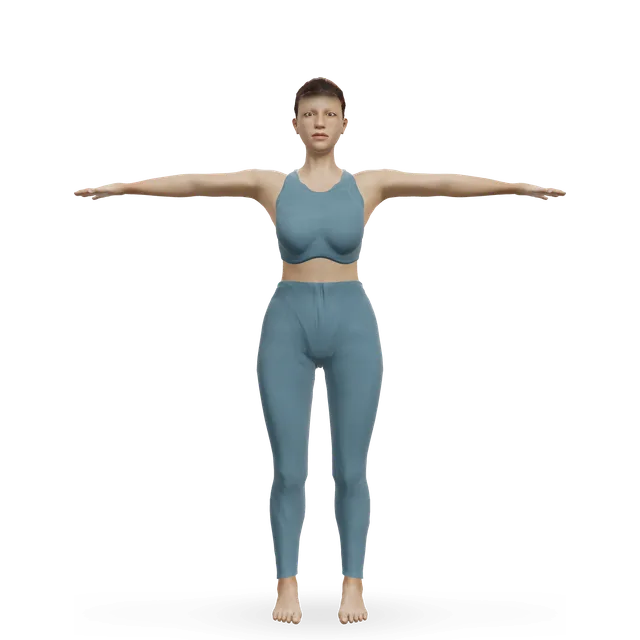
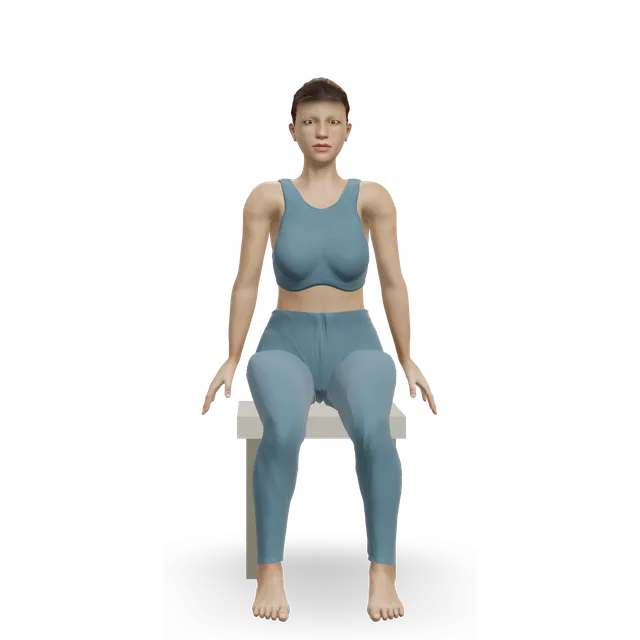
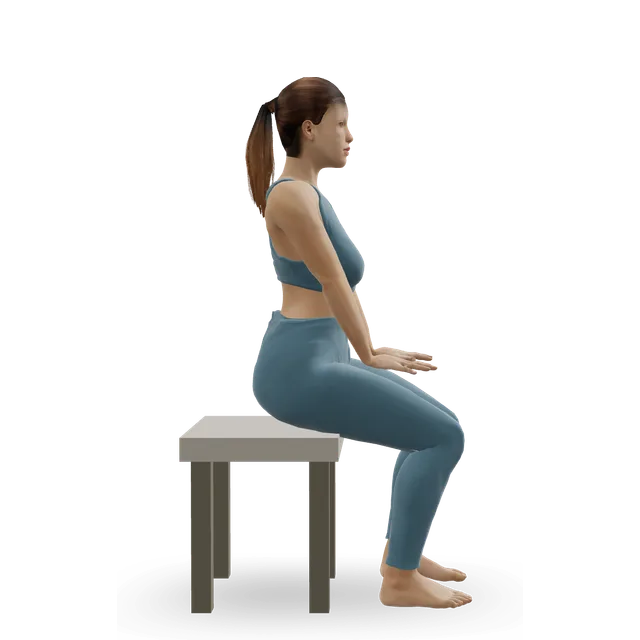
Yoga guide

Yoga for dementia: chair yoga to do together, what the studies show, and keeping it safe

Yoga, usually chair yoga with someone beside you, can be a calm, enjoyable way for people living with dementia to move, breathe and spend time with others, even in the later stages. In small studies it was safe, some people's mood or balance improved, and carers who did yoga themselves felt less stressed.

But the studies are small and at high risk of bias, yoga hasn't been shown to improve thinking in dementia or to slow it, and no study shows it prevents dementia. It's an activity to share, not a treatment, and it goes alongside the care and support from the memory service.

This guide covers what the research shows for thinking, mood, balance and everyday life, memory problems short of dementia (mild cognitive impairment), Alzheimer's disease, how to run a session together, carers, safety and the warning signs, and a free 30-minute chair class.

The short version

Possible at every stage, mostly in a chair

In a trial where most people had moderate to severe dementia, 27 of 31 completed 12 weeks of twice-weekly chair yoga with a carer beside them, and nobody was hurt. All 9 people with moderate to severe Alzheimer's disease finished an 8-week programme in another study, and online chair yoga at home was feasible.

Sources 1, 2, 3

The evidence is thin

A 2023 review found 10 studies, with 421 people with dementia or mild cognitive impairment. Every one was at moderate or high risk of bias, and none was big enough to be sure of its results.

Source 4

No clear effect on thinking, and it can't slow dementia

In the dementia studies, thinking test scores mostly didn't change. No exercise of any kind has been shown to slow dementia in trials, and Alzheimer's Society says the same of physical activity.

Sources 4, 5, 6, 7

Mood and behaviour: mixed

Some studies found less low mood, anxiety or problem behaviour. But in the community trial, carers rated agitation as higher at the end of 12 weeks within the chair yoga group, a change within one group of a small trial.

Sources 8, 9, 1

Carers can benefit too

In 8 small studies, yoga eased carers' stress, low mood and anxiety, though not the burden of caring. The National Institute for Health and Care Excellence (NICE) asks services to support carers' own physical and mental health.

Sources 10, 11

Safety first

With moderate to severe dementia, start with a trained teacher or physiotherapist; use a stable chair, with someone beside the person; and call 999 for chest pain, signs of a stroke, a fall with a possible injury, or sudden confusion.

Sources 12, 13

Dementia, and what yoga for dementia means

Dementia in plain words

Dementia is a group of symptoms linked with an ongoing decline in how the brain works: memory loss, slower thinking, and problems with language, understanding, judgement, mood, movement and daily activities. It isn't a natural part of ageing. Alzheimer's disease and vascular dementia are the most common types, and more than 944,000 people in the UK have dementia, 1 in 11 people over 65, the NHS says.

Source 14

Mild cognitive impairment

Memory or thinking problems that are noticeable but fall short of dementia are called mild cognitive impairment (MCI), as our dementia exercise guide explains. Several yoga studies included people with it, and it has its own section below.

What the studies mean by yoga

Mostly chair yoga: poses done sitting, or standing with a chair for support, with breathing and relaxation. Also hatha yoga classes in care homes, and Kundalini yoga with a 12-minute chanting meditation (Kirtan Kriya) in mild cognitive impairment. Most programmes ran twice a week for about 12 weeks.

Sources 4, 1, 8, 15

How the main trial's classes ran

A certified instructor led 45 minutes: 10 minutes of breathing, 25 minutes of poses, sitting or standing holding the chair, and 10 minutes of guided relaxation, twice a week for 12 weeks. A carer came with each person, and staff checked for agitation before each session. Most people had moderate to severe dementia (an average score of 14.7 out of 30 on the Mini-Mental State Examination, or MMSE, a short memory and thinking test), 45% depended fully on a carer, and the trial included people who couldn't do standing exercise because of their balance, thinking or fear of falling.

Source 1

How it might help

Through physical activity, social contact and a calm, repeated routine; possibly better mood and sleep; balance and leg strength from standing work at a chair; and, in mild cognitive impairment, possible small effects on thinking from mind-body exercise in general. These are ideas from the reviews, not proven effects, and yoga doesn't treat the dementia itself.

Sources 4, 16

What the studies show

Small studies, high risk of biasMixed evidence

The 2023 review found 10 studies from 2010 to 2020, with 421 people with mild cognitive impairment or dementia: 5 studies (199 people) in dementia, 4 of chair yoga, 4 of Kundalini yoga and 2 of hatha yoga, mostly 12 weeks of twice-weekly classes. Most reported better thinking, mood and balance, but, in the authors' words, "these effects were marred by the high risk of bias identified in all articles", and none was big enough. An earlier review of 8 studies found yoga might help attention and verbal memory, but the studies gave little detail about what was done.

Sources 4, 17

Thinking: no clear effect in dementiaMixed evidence

In the dementia studies, thinking test scores mostly didn't change: of 4 studies that used the MMSE, 3 found no significant change with yoga, and positive reports often came from carers' or participants' impressions. A 2025 study of daily yoga in 30 people with mild to moderate Alzheimer's disease in an old age home reported better scores on the Montreal Cognitive Assessment (MoCA, from 18.2 to 21.1 out of 30), but with no comparison group, practice at the test and extra attention could explain it. Across 17 trials of exercise of any kind (1,067 people with dementia), there was no clear benefit for thinking.

Sources 4, 18, 5

Mood and behaviour: mixedMixed evidence

In 68 care home residents with mild to moderate dementia, three 55-minute sessions of "silver yoga" a week for 12 weeks lowered depression and problem behaviours against usual activities. Its abstract calls it a quasi-experimental study (people weren't randomly allocated), though a later review describes it as a cluster randomised trial.

In the community trial of 31 people, chair yoga improved quality of life more than music did (35.6 against 29.9), with no differences between the groups in behaviour, anxiety, depression or sleep. But within the chair yoga group, carers rated agitation as higher at the end of the 12 weeks, and depression scores rose in all three groups. That's a change within one group of a small pilot trial, so it can't show that yoga caused it, and the authors suggest advanced dementia, or too few sessions, as possible reasons.

In care homes, chair yoga eased anxiety and low mood in 33 residents aged 80 to 101, in a study that wasn't randomised. A review of mind-body therapies found yoga may help low mood, and a 2026 review found large effects on behavioural and psychological symptoms, mainly from mindfulness and tai chi rather than yoga.

Sources 8, 1, 9, 19, 20

Balance and physical functionMixed evidence

Silver yoga improved fitness, flexibility, strength, balance and walking speed in the care home study. In 9 people with moderate to severe Alzheimer's disease, balance had improved a month after an 8-week chair yoga programme, with no control group. The community trial found no change in physical function in any group. None of the studies counted falls.

Sources 8, 2, 4, 1

Everyday lifeEmerging evidence

Across 17 trials, exercise in general helped people with dementia keep doing daily activities, on very low-quality evidence. In 272 people with mild cognitive impairment, yoga improved memory-related daily activities more than support groups did.

Sources 5, 21

Feasible and safeEmerging evidence

27 of 31 people completed the community trial, with no adverse events, falls or injuries, and people who arrived agitated settled after a calm chat and then joined in. Online chair yoga at home kept 7 of 10 people, who attended 87.5% of sessions with no injuries, and they and their carers valued the convenience and doing it together. Across the review, attendance ran at 73.5% to 93.0%, and one case of dizziness was reported among the 4 studies that checked safety.

Sources 1, 3, 22, 4

Memory problems short of dementia (mild cognitive impairment)

Mind-body exercise and thinking tests: small gains, mostly from tai chiMixed evidence

Across 12 studies (1,298 people with mild cognitive impairment), mind-body exercise, mostly tai chi with some yoga and qigong, improved overall thinking scores a little (a standardised mean difference of 0.36, a small effect) and short-term memory. Reviews from 2025 and 2026 found similar small gains, including 1.27 points on the 30-point MMSE, more than with aerobic exercise, but results varied a lot between trials, most of them Chinese trials of tai chi and similar practices.

The 2023 international guideline rated this evidence low certainty, while still saying that "Mind-body interventions have the greatest supporting evidence" in mild cognitive impairment. Because so little of it is yoga, it applies to yoga only indirectly.

Sources 23, 24, 25, 26, 16

Yoga trials in mild cognitive impairmentMixed evidence

In 81 people, 12 weeks of Kundalini yoga (a weekly class and 12 minutes of Kirtan Kriya a day) and memory training both improved memory, and only yoga improved planning skills (executive function), low mood and resilience. In 79 older women at risk of Alzheimer's disease, yoga improved how they rated their own memory, but their scores for recalling things later fell, and 35% of the yoga group dropped out, against 5%.

In the HABIT trial (272 people), yoga helped memory-related daily activities more than support groups, but computer brain training beat yoga on speed and attention a year later, and yoga didn't significantly improve thinking. Twice-weekly yoga was safe and modestly feasible in 37 people with memory-type mild cognitive impairment, with little home practice, and online chair yoga did no better than computer brain games in 32 rural older adults at risk.

Sources 15, 27, 21, 28, 29, 30

What this means

In mild cognitive impairment, yoga is a reasonable, enjoyable way to be active, with possible small effects on thinking. It isn't a treatment, and walking, strength and balance work are just as worthwhile, as our dementia exercise guide explains. Our Kundalini yoga guide covers Kirtan Kriya.

Yoga for Alzheimer's disease

The same evidence appliesMixed evidence

Chair yoga was feasible in moderate to severe Alzheimer's disease, and the study of daily yoga in an old age home had no comparison group. A 2026 review of mind-body exercise, mostly not yoga, in Parkinson's and Alzheimer's disease found MMSE scores 2.80 points higher in the Alzheimer's studies, but only 2 of its 28 studies kept participants unaware of their group. A randomised trial of yoga-like exercise in mild to moderate Alzheimer's disease has been planned, with its protocol published in 2025.

No yoga study has shown a change in the disease itself, so keep up treatment and support from the memory service.

Sources 2, 18, 31, 32

What yoga can't do

It can't slow dementiaStrong evidence

In the largest trial, 494 people with mild to moderate dementia did 4 months of supervised moderate to high intensity aerobic and strength training; a year later their thinking scores were slightly worse than with usual care, though they could walk a little further. Across 17 trials, exercise gave no clear benefit for thinking, behaviour or mood. Alzheimer's Society says physical activity hasn't been shown to slow or prevent dementia from progressing, and no yoga study has measured progression.

Sources 6, 5, 7

Not a replacement for careStrong evidence

NICE says to "Offer a range of activities to promote wellbeing that are tailored to the person's preferences", offers group cognitive stimulation therapy for mild to moderate dementia, and says not to offer cognitive training to treat mild to moderate Alzheimer's disease. Yoga is one of those activities, not a replacement for diagnosis, medicines, cognitive stimulation therapy or support for carers.

Source 11

Balance and falls

What falls guidelines recommendStrong evidence

The World Falls Guidelines strongly recommend an exercise programme to prevent falls for older adults living at home with mild cognitive impairment or mild to moderate dementia, such as balance training like tai chi, or strength and balance training. Exercise worked better at home than in care homes, and carers should be involved. Supervised classes such as Pilates or yoga had the largest effects on concerns about falling.

Source 33

Yoga and balance in dementiaMixed evidence

Balance improved in some small dementia studies, but none counted falls. Alzheimer's Society describes yoga and Pilates as activities that can improve balance, stability and strength.

Sources 4, 34

Stand up for balance

Seated exercise doesn't train balance, as our chair yoga guide explains. So after the seated part, stand at the back of a stable chair, with someone close by, for mountain pose, a small knee bend, tree pose with the heel at the ankle and slow heel raises. For falls, add our strength and balance routines, with support.

Doing chair yoga together

Before you start

Check the person is comfortable, has had a drink and been to the toilet, and is settled; if they're upset or unwell, try another day (our suggestion, from the community trial's check before each session). Alzheimer's Society advises checking with a health professional before starting, especially with heart problems, high blood pressure, unexplained chest pain, dizziness or fainting, bone, joint or breathing problems, or balance problems and frequent falls.

Sources 1, 35

Keep it simple, and the same each time

Teachers in the Gentle Years Yoga trial, for older adults with several long-term conditions, recommended short, repeated, consistent phrases and simple step-by-step instructions for people with memory or hearing problems, and participants liked being called by name. The NHS advises speaking clearly and slowly in short sentences, giving time to respond, offering simple choices and using gestures. Do the same moves in the same order each time, and show each move as you say it.

Sources 36, 37

Set up the space

A stable chair without wheels, with arms if the person needs them to stand up; feet flat on the floor; light from the front and side, a plain background and clothes that contrast with it, so the moves are easy to see; and a carer or companion beside them.

Sources 36, 1

What dementia yoga teachers do

In one dementia-inclusive class described by British Wheel of Yoga teachers, each person living with dementia comes with a trained carer, and these pairs make up no more than a third of a mixed class. The practices include breathing with shoulder and arm lifts, freeing the joints of the feet and hands, alternating knee taps, tree pose at a chair with the heel at the ankle, and a three-part breath with humming, each repeated 3 to 5 times. It's a description of practice, with no outcome data.

Source 38

If the person becomes upset

Stop, sit together, talk calmly and try another day. In the community trial, people who arrived agitated settled after a calm chat and then joined in. Don't carry on if someone is distressed, and think about causes such as pain or sudden confusion (delirium), as NICE asks carers and services to do.

Sources 1, 11

Hands-on help

Ask before guiding with your hands, and stop anything the person doesn't want to do (our suggestion).

Carers

Yoga for carersEmerging evidence

In 8 studies (161 carers, mostly wives and daughters; 3 randomised), yoga improved carers' quality of life, low mood, stress, anxiety and self-compassion, but not the burden of caring, and classes in person or live online did better than recorded videos. An integrative review of 4 studies reached similar conclusions.

Sources 10, 39

Single trialsEmerging evidence

In 46 family carers, 8 weeks of yoga with compassion meditation (three 75-minute sessions a week) improved quality of life, attention, vitality and self-compassion against no treatment. In 49 carers, adding 30 minutes of yoga to online education and support sessions added a little to some areas of quality of life. In 39 carers, 12 minutes a day of Kirtan Kriya eased low mood more than relaxation music.

Sources 40, 41, 42

Mindfulness for carersMixed evidence

Across 5 trials (201 family carers), mindfulness-based stress reduction may ease carers' low mood and anxiety, on low-quality evidence, and one adverse event was linked with yoga practice at home.

Source 43

Support for carersStrong evidence

NICE asks services to offer carers education and skills training, including "advice on how to look after their own physical and mental health" and "advice on planning enjoyable and meaningful activities to do with the person they care for". A class you do together is one of those activities, and yoga for yourself is worth having for its own sake.

Source 11

Can yoga prevent dementia?

No study shows itMixed evidence

We found no study that measured whether yoga prevents dementia. Across 58 studies (257,983 people), active people were about 20% less likely to develop dementia, but these were observational studies, with possible publication bias. When activity was measured 10 or more years before diagnosis, active and inactive people had the same risk, which suggests part of the link runs backwards: people become less active in the years before dementia is diagnosed.

Sources 44, 45

What guidelines sayStrong evidence

The World Health Organization (WHO) recommends physical activity for adults with normal thinking to reduce the risk of cognitive decline (a strong recommendation, on moderate-quality evidence), and says it may be recommended for people with mild cognitive impairment. The NHS's prevention advice includes at least 150 minutes of moderate activity a week and strengthening exercises at least twice a week, "such as gardening or yoga".

Sources 46, 47

Thinking in healthy older adultsEmerging evidence

In an umbrella review of 20 reviews in healthy adults aged 55 and over, mind-body exercise had a larger effect on thinking test scores than exercise overall. So yoga counts towards the strength and balance work older adults need, and may help thinking a little, but it can't promise to prevent dementia.

Source 48

How much and how often

Starting points, not prescriptions.

What the trials used

Classes of 45 to 60 minutes, 2 or 3 times a week, for 8 to 16 weeks.

Sources 4, 1, 8

What the guidelines say

The UK guidelines ask adults aged 65 and over to do activities for strength, balance and flexibility on at least 2 days a week, and Alzheimer's Society suggests similar for people with dementia who are able.

Sources 12, 35

Our starting point

A 20 to 30 minute chair class twice a week with a carer, alongside daily walking or other activity the person enjoys (our editorial starting point). With moderate to severe dementia, shorter sessions, supervised by a trained professional at first, as the UK guidelines suggest.

Source 12

Sitting: breathing, joints and gentle movement

On a stable chair without wheels, feet flat. Seated upper-back lift (sit tall): 3 to 5 repetitions held 3 to 5 seconds; seated march: 1 to 2 minutes; seated side bend: hold 10 to 20 seconds, 2 or 3 times each side, kept small with osteoporosis; leg extension and sweep: 5 to 10 slow lifts and sweeps each leg (the moves' pages). Slow breathing: 2 to 3 minutes, in for about 4 and out for about 6, or just "breathe in, breathe out", with no holding (our editorial starting point). Breath reach, seated: 5 breaths, arms only as high as comfortable (our chair yoga class). Shoulder rolls, wrist circles and ankle circles: 3 to 5 each way; seated twist: 3 to 5 each side, slowly (following the 3 to 5 repetitions dementia yoga teachers use). Seated knee extension: 5 to 10 each leg, with no weight at first (our editorial starting point).

Standing at the chair, with someone beside you

Optional, holding the back of a stable chair placed against a wall. Sit to stand, pushing on your thighs: 3 to 5 stands; slow calf raises: 5 to 10, holding the chair (our editorial starting points). Mountain pose: 5 breaths, one hand on the chair, coming up slowly; chair pose: 3 holds of 10 to 15 seconds, bending the knees only a little; tree pose: 3 breaths each side, heel against the ankle and toes on the floor, fingertips on the chair (our chair yoga class, as dementia yoga teachers do it).

Two practices from dementia yoga teachers

These have no 3D demo, so here are the steps, from the British Wheel of Yoga teachers' feature, in our words.

Knee taps and a humming breath

Both are done sitting tall on a stable chair. Keep every breath easy, with no holding.

  • Knee taps: lift the left heel and tap the left knee with the right hand, then lift the right heel and tap the right knee with the left hand; 3 to 5 times each side. To make it harder, lift the whole foot a little.
  • Three-part breath with a hum: hands on the tummy, breathe in for a count of 3 and out for 3 or 4; then hands on the ribs; then hands on the collarbones; then all three in one slow breath, breathing out with a gentle hum.

Source 38

Alternate nostril breathing

It's fine for people who enjoy it, but it has several steps to remember, so our class leaves it out (our suggestion).

What to change or leave out

Floor work

Don't get down to the floor and up again unless a physiotherapist has taught the person how; keep everything in the chair or standing at it (our suggestion).

Sources 33, 1

Back pain

Alzheimer's Society points out that seated exercise can strain the lower back, so check with a GP before starting if back pain is a problem.

Source 34

Dizziness from medicines

Some dementia medicines, such as donepezil, commonly cause dizziness and daytime sleepiness (in more than 1 in 100 people). Stand up slowly, pause before moving and keep a hand on the chair (our suggestion).

Source 49

Head-down positions and breath holds

No inversions, deep folds with the head below the heart or breath holds. With glaucoma or high blood pressure that isn't controlled, keep head-down poses brief or leave them out (our glaucoma and high blood pressure guides).

One-leg balances

Keep the tree pose foot at the ankle with a hand on the chair, and leave out warrior III and other one-leg poses without support (as our chair yoga class does).

Long, fast or changing sessions

No fast flows, long sequences, hot rooms or new moves every session (our suggestion, from the teaching advice above).

Sources 36, 37

Free classes

Our 30-minute chair class to do together follows the community trial's pattern of breathing, poses and relaxation; twice a week is what the trials used. The chair yoga class suits mild dementia with a companion, and the seated class suits days when standing isn't possible (leave out its alternate nostril breathing if it confuses). The strength and balance routine is for falls, with support, and the breathing class is slow breathing only.

Warning signs: when to get help

These follow our dementia exercise and chair yoga guides, word for word, with the NHS's advice on sudden confusion. A&E means accident and emergency. In the US, call 911 for 999, and use your doctor's urgent line or urgent care for NHS 111.

Call 999

Call 999 (911 in the US) for chest pain that feels tight or like squeezing, or spreads to the arms, neck or jaw; signs of a stroke, such as face weakness, arm weakness or speech problems; or a fall where someone may have hurt their head, neck, back or hip, or can't get up. Keep them warm and comfortable, and don't try to lift them yourself.

Sources 50, 51, 52

Sudden confusion: call 999 or go to A&E

The NHS says: go to A&E or call 999 if someone suddenly becomes confused. For someone with dementia, that includes confusion that is suddenly much worse than usual (our wording). Sudden confusion (delirium) has causes that need treating quickly, such as an infection, a stroke, low blood sugar in people with diabetes, a head injury or some medicines; urine infections are a common cause in people with dementia.

Source 13

Call 999 now: FAST

Call 999 (911 in the US) if you think you're having, or have had, a stroke, or you've had signs of a stroke in the last 24 hours, even if they've stopped. The NHS uses FAST:

  • Face: one side of your face may droop, and it might be hard to smile.
  • Arms: you may not be able to lift both arms and keep them there, because of weakness or numbness in one arm.
  • Speech: you may slur your words or sound confused.
  • Time: call 999.

Source 51

Fainting

Call 999 if someone faints while exercising, can't be woken within 1 minute, or has chest pain or a pounding, fluttering or irregular heartbeat.

Source 53

See a GP

  • Someone feels unwell: chest or urine infections can make someone very confused if they aren't treated promptly. Confusion that comes on suddenly is the 999 line above.
  • An activity causes pain or makes someone unwell, dizzy or short of breath.
  • Falls or near-falls, or heart problems, high blood pressure, dizziness or balance problems, before starting something new.
  • Low mood: depression is very common in dementia, and talking treatments can help.
  • You're becoming increasingly forgetful, particularly if you're over 65, or you're worried about someone.

Sources 54, 35, 14

Start supervised

You're frail, have moderate to severe dementia, have had a spinal fracture or fall regularly: the UK guidelines say new exercise might best be supervised by a trained professional at first.

Source 12

Stop and rest if you feel

Dizzy, faint, unusually breathless, or sharp or increasing pain. Sit until it passes, and see a GP if you keep getting dizzy or faint when you stand up.

Myths

"Yoga prevents dementia"Mixed evidence

We found no study that measured dementia with yoga. Active people develop dementia less often in observational studies, but part of that runs backwards, and the WHO's strong recommendation is about decline in thinking in people whose thinking is normal. Being active is one of several things that may lower your risk, not a guarantee.

Sources 44, 45, 46

"People with dementia can't learn yoga"Emerging evidence

In a trial where most people had moderate to severe dementia, 27 of 31 completed 12 weeks; all 9 completed in another study; and attendance across studies ran at 73.5% to 93.0%. Simple, repeated instructions and a companion help.

Sources 1, 2, 4, 36, 38

"Yoga can slow or reverse dementia"Strong evidence

No yoga study has measured progression, exercise hasn't slowed dementia in trials, and Alzheimer's Society says physical activity hasn't been shown to slow it.

Sources 5, 6, 7

"Chair yoga is too gentle to help balance"Mixed evidence

Sitting doesn't train balance, but standing poses at the chair do challenge it, balance improved in some small dementia studies, and falls guidelines recommend balance and strength training.

Sources 4, 33

"Chanting or breathing exercises restore memory"Mixed evidence

Kirtan Kriya's memory results were mixed, and in women at risk, their scores for recalling things later fell with yoga. NICE says not to offer cognitive training to treat mild to moderate Alzheimer's disease. Our Kundalini yoga guide has the detail.

Sources 15, 27, 11

"Yoga is only for the early stages"Emerging evidence

Chair yoga was safe and feasible in moderate to severe dementia, and the NHS says people in the later stages can still enjoy simpler activities based on the senses.

Sources 1, 2, 55

Questions people ask

Is yoga good for people with dementia?

It can be a calm, enjoyable activity that helps people move, stay steady and spend time with others, and chair yoga has been safe even in moderate to severe dementia. But the studies are small and at high risk of bias, and yoga doesn't slow dementia.

Can people with dementia do yoga?

Yes, usually in a chair with someone beside them. In a trial where most people had moderate to severe dementia, 27 of 31 completed 12 weeks of twice-weekly chair yoga with no injuries.

Can yoga slow down dementia or improve memory?

It hasn't been shown to slow dementia, and no exercise has been shown to in trials. In memory problems short of dementia, mind-body exercise improved thinking test scores a little, on low-certainty evidence that comes mostly from tai chi, so it applies to yoga only indirectly.

Can yoga prevent dementia?

No study shows it. Being active is one of several things that may lower your risk of decline in thinking, and the NHS includes yoga among strengthening activities, but part of the link between activity and dementia runs the other way.

What is chair yoga for dementia?

Gentle breathing, seated movements and standing poses holding a chair, often with a carer alongside. In the main trial, sessions were 45 minutes twice a week: 10 minutes of breathing, 25 of poses and 10 of guided relaxation.

Does yoga help mood, anxiety or agitation in dementia?

The results are mixed. Yoga eased low mood and problem behaviours in one care home study and anxiety in another, but in a small community trial, carers rated agitation as higher at the end within the chair yoga group, and low mood rose in all three groups.

Can yoga help balance and prevent falls with dementia?

Some small studies found better balance, but none counted falls. Falls guidelines recommend balance and strength training, such as tai chi, for people with mild to moderate dementia, so add standing poses at a chair and our strength and balance routines.

How do I do yoga with someone who has dementia?

Do it together, in the same order every time, with short instructions you show as you say them, using their name, in good light and on a stable chair. Stop if they're upset or unwell, and try another day.

Is yoga good for dementia carers?

Small studies found yoga eased carers' stress, low mood and anxiety and improved quality of life, though not the burden of caring. NICE asks services to support carers' own physical and mental health.

Is yoga good for Alzheimer's disease?

The same evidence applies: chair yoga is feasible and may help wellbeing, but no yoga study has shown it changes Alzheimer's disease itself. Keep up treatment and support from the memory service.

Is yoga safe with dementia?

In the studies, yes, with one case of dizziness reported. Use a stable chair, have someone close by, avoid getting down to the floor unless you've been taught, stand up slowly, and with moderate to severe dementia start with a trained professional.

When should we stop and get help?

Call 999 for chest pain, signs of a stroke, a fall where someone may be hurt or can't get up, or if someone suddenly becomes confused. Stop and rest for dizziness or breathlessness, and see a GP if it keeps happening.


Sources

  1. Park 2020 · Chair yoga, chair exercise or music in dementia: 31 people (cluster randomised pilot trial, Am J Alzheimers Dis Other Demen; full text read)
  2. McCaffrey 2014 · Chair yoga in moderate and severe Alzheimer's disease: 9 people (study without a control group, Res Gerontol Nurs)
  3. Park 2022 · Online chair yoga for 10 people with dementia (feasibility study, Complement Ther Clin Pract)
  4. Karamacoska 2023 · Yoga for mild cognitive impairment and dementia: 10 studies, 421 people (systematic review, BMC Geriatr; full text read)
  5. Forbes 2015 · Exercise programmes for people with dementia: 17 trials, 1,067 people (Cochrane review, Cochrane Database Syst Rev)
  6. Lamb 2018 · Moderate to high intensity exercise for 494 people with dementia, DAPA (randomised trial, BMJ)
  7. Alzheimer's Society · Physical activity, movement and exercise for people with dementia
  8. Fan 2011 · Silver yoga for 68 people with dementia in long-term care (quasi-experimental study, Int Psychogeriatr)
  9. Frampton 2024 · Chair yoga for 33 care home residents aged 80 to 101 (non-randomised feasibility study, J Appl Gerontol)
  10. Pinto 2025 · Yoga for dementia carers' mental health: 8 studies, 161 carers (systematic review, Dement Neuropsychol)
  11. NICE NG97 · Dementia: assessment, management and support for people living with dementia and their carers (2018)
  12. UK Chief Medical Officers · Physical activity guidelines (2019; page updated July 2026)
  13. NHS · Sudden confusion (delirium) (last reviewed May 2024, next review due May 2027)
  14. NHS · What is dementia? (past its review date: reviewed July 2023, review due July 2026)
  15. Eyre 2017 · Kundalini yoga or memory training in 81 people with mild cognitive impairment (randomised trial, Int Psychogeriatr)
  16. Veronese 2023 · Physical activity and exercise for mild cognitive impairment and dementia (international guideline, Eur Geriatr Med; full text read)
  17. Brenes 2019 · Yoga in mild cognitive impairment and dementia: 8 studies (scoping review, Am J Geriatr Psychiatry)
  18. Kaushik 2025 · Daily yoga for 30 people with mild to moderate Alzheimer's disease in an old age home (study without a control group, Front Aging)
  19. Wang 2022 · Mind-body therapies for older adults with dementia: 9 trials (systematic review and meta-analysis, Eur Geriatr Med)
  20. da Silva 2026 · Mind-body exercise in older adults with dementia: 8 trials, 529 people (systematic review and meta-analysis, J Bodyw Mov Ther)
  21. Chandler 2019 · Five behavioural programmes in 272 people with mild cognitive impairment, HABIT (randomised trial, JAMA Netw Open)
  22. Park 2023 · Online chair yoga at home: the experience of older adults with dementia (qualitative study, Int J Older People Nurs)
  23. Zou 2019 · Mind-body exercise in mild cognitive impairment: 12 studies, 1,298 people (systematic review and meta-analysis, Arch Phys Med Rehabil)
  24. Wang 2026 · Aerobic or mind-body exercise for thinking in mild cognitive impairment: 26 trials, 2,555 people (systematic review and meta-analysis, Medicine (Baltimore))
  25. Liu 2026 · Traditional mind-body exercise and thinking in neurodegenerative disease or early decline: 21 trials (meta-analysis, Front Public Health)
  26. Suk 2025 · Mind-body exercise and thinking in older people with or without mild cognitive impairment: 45 studies, 4,602 people (meta-analysis, J Evid Based Integr Med)
  27. Grzenda 2024 · Kundalini yoga or memory training in 79 older women at risk of Alzheimer's disease (randomised trial, Transl Psychiatry; full text read)
  28. Phatak 2021 · Computer brain training or yoga: thinking 12 months later in mild cognitive impairment (randomised trial follow-up, Brain Sci)
  29. Tremont 2022 · Yoga or health education in 37 people with amnestic mild cognitive impairment (feasibility randomised trial, J Integr Complement Med)
  30. Park 2025 · Online chair yoga or computer games in 32 rural older adults at risk of dementia (randomised trial, Clin Gerontol)
  31. Zhang 2026 · Mind-body exercise in Parkinson's and Alzheimer's disease: 28 studies (systematic review and meta-analysis, Front Neurol)
  32. Moncer 2025 · Yoga-like exercises in mild and moderate Alzheimer's disease (trial protocol, Tunis Med)
  33. Montero-Odasso 2022 · World guidelines for falls prevention and management for older adults (guideline, Age Ageing; full text read)
  34. Alzheimer's Society · Exercise types and ideas for people with dementia
  35. Alzheimer's Society · Getting started with exercise as a person with dementia
  36. Ward 2025 · Teaching yoga safely and inclusively to older adults with several long-term conditions: the Gentle Years Yoga process evaluation (qualitative study, BMJ Open; full text read)
  37. NHS · Communicating with someone with dementia (past its review date: reviewed February 2023, review due February 2026)
  38. Jeffery 2024 · Inclusive yoga for people living with dementia (teachers' practice feature, British Wheel of Yoga's Yoga Magazine)
  39. Parkman 2023 · Yoga for carers of people with dementia: 4 studies (integrative review, Scand J Caring Sci)
  40. Danucalov 2017 · Yoga and compassion meditation for 46 family carers of people with Alzheimer's disease (randomised trial, Geriatr Gerontol Int)
  41. de Araujo 2023 · Online psychoeducation with or without yoga for 49 family carers (randomised trial, Eur J Ageing)
  42. Lavretsky 2013 · Kirtan Kriya or relaxation music for 39 family dementia carers (pilot randomised trial, Int J Geriatr Psychiatry)
  43. Liu 2018 · Mindfulness-based stress reduction for family carers of people with dementia: 5 trials, 201 carers (Cochrane review, Cochrane Database Syst Rev)
  44. Iso-Markku 2022 · Physical activity and dementia: 58 studies, 257,983 people (systematic review and meta-analysis, Br J Sports Med)
  45. Kivimäki 2019 · Physical inactivity and dementia: 19 cohorts, 404,840 people (individual-participant meta-analysis, BMJ)
  46. World Health Organization 2019 · Risk reduction of cognitive decline and dementia (WHO guidelines; foreword and executive summary read)
  47. NHS · Can dementia be prevented? (past its review date: reviewed July 2023, review due July 2026)
  48. Blomstrand 2023 · Mind-body exercise and thinking in healthy adults aged 55 and over: 20 reviews (umbrella review, Eur Rev Aging Phys Act)
  49. NHS · Side effects of donepezil (past its review date: reviewed March 2023, review due March 2026)
  50. NHS · Heart attack symptoms (last reviewed March 2026)
  51. NHS · Symptoms of a stroke (last reviewed September 2024)
  52. NHS · Falls (last reviewed March 2025)
  53. NHS · Fainting (last reviewed August 2026)
  54. NHS · Living well with dementia (last reviewed January 2025)
  55. NHS · Activities for dementia (last reviewed September 2024)

Exercise education, not a personal prescription, and clinical review of these guides is pending. If you are pregnant, have a health condition such as glaucoma, high blood pressure or osteoporosis, or have had recent surgery, check with a doctor, midwife or physiotherapist before starting, and stop for sharp or increasing pain. Health disclaimer.