Yoga for cerebral palsy: children and adults, spasticity, balance and posture, adapted and chair practice, the evidence, and a class
Yoga can be a calm, enjoyable way for children and adults with cerebral palsy (CP) to move, breathe and balance. It doesn't treat CP. In the one trial, 42 children who did 8 weeks of mindfulness yoga had better attention afterwards, but their movement didn't change. So the practice here leans on what does help: strength and balance, with stretches for comfort rather than as the plan.
This guide covers what the evidence shows, poses that build strength and balance with a chair, honest information on stretching and spasticity, hips, epilepsy and breathing, adapting yoga for children and adults at every level, and when to get help, with a free 25-minute class. Your physiotherapist and CP team come first.
The NHS (National Health Service): "There's currently no cure for cerebral palsy, but treatments are available to help people with the condition be as active and independent as possible", and physiotherapy is "one of the most important treatments for cerebral palsy". Yoga sits beside physiotherapy, strength training and your CP team's plan, never instead.
In the only randomised yoga trial, 42 children at levels I to III of the Gross Motor Function Classification System (GMFCS) did 8 weeks of mindfulness yoga or waited. Attention improved, but "MiYoga had no significant effect on physical functioning". It was one centre, nobody was blinded, and only 23 of the 42 families came back at 6 months. We found no yoga trial in adults with CP.
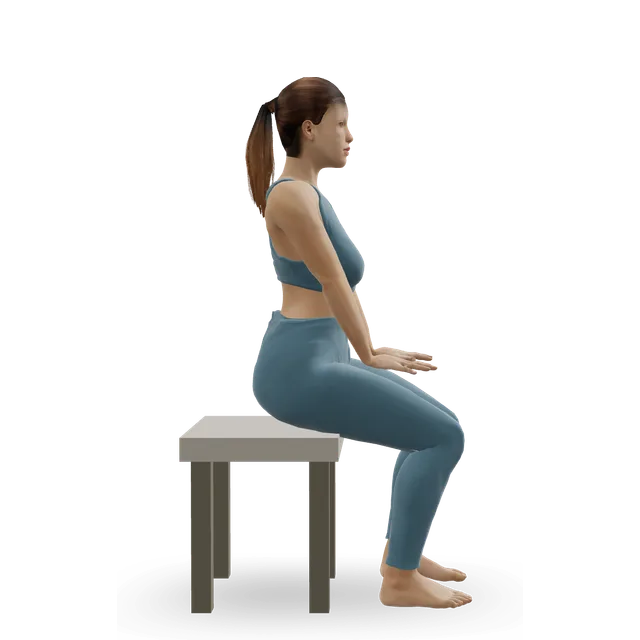
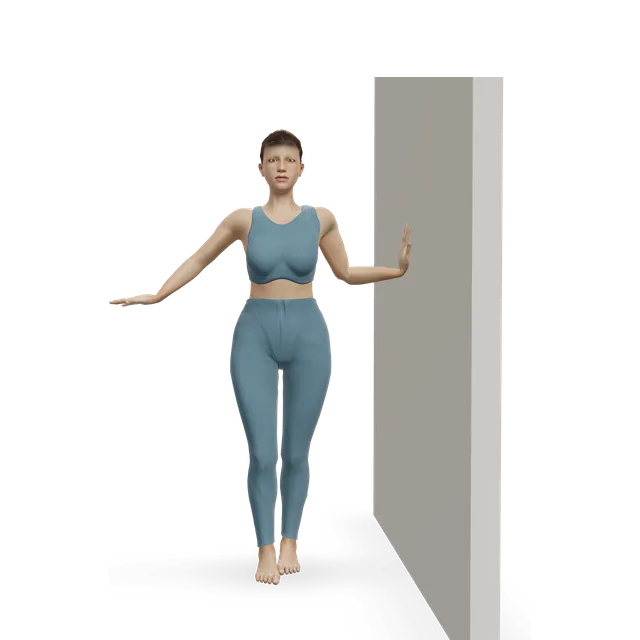
Strength training and fitness training are among the treatments with good evidence for children with CP, and exercise has improved balance in trials. Choose poses where your muscles hold you up, such as sit to stand, chair pose and warrior II at a chair, a bridge and a wall push-up, and balance poses with a hand on a chair.
On its own, stretching makes almost no difference to how far a joint moves: about 2 degrees across studies in neurological conditions. Long, easy holds can still feel good, and NICE (the National Institute for Health and Care Excellence) suggests building stretch into daily life.
One in three children with CP in high-income countries have hips that gradually move out of place, so regular hip checks matter. Pain from the hip, or sitting or standing getting harder, means stopping the standing poses and seeing the CP team.
The NHS lists "seizures or fits (epilepsy)" among the problems CP can bring. Follow our yoga for epilepsy guide: slow breathing only, no fast breathing or hot rooms, and a plan if a seizure happens.
The NHS: "Cerebral palsy is the name for a group of lifelong conditions that affect movement and co-ordination." The original brain problem "does not get worse over time, but the condition can put a lot of strain on the body and cause problems, such as painful joints, in later life". NHS inform adds: "Symptoms can change with age, even in adulthood." Our exercise guide explains the types, GMFCS levels and how common CP is.
In spastic CP, "the muscles are stiff and tight (especially when trying to move them quickly)". NICE says "some people use their spasticity or dystonia to help their posture and ability to stand, walk or transfer". So relaxing tight muscles isn't always the aim: steadiness and strength often matter more (our reading).
The NHS lists seizures (epilepsy), a learning disability (about half of children with CP), eye problems, hearing loss, and feeding, drooling and swallowing problems. Pain is common, and NICE says it "should be recognised and addressed". Children who don't walk have "an increased risk of low-impact fractures".
Typical classes reward range (deep folds, splits, lotus), long one-legged balances, getting up and down from the floor, flowing sequences and sometimes fast breathing (our reading). With CP these need a chair, a wall, a hand to hold, shorter sequences, slow breathing, and a teacher who adapts rather than adjusts. The MiYoga trial gave each child "pose modification and use of props" after a physiotherapist checked them.
One randomised yoga trial: MiYogaEmerging evidence
42 children (average age 9, GMFCS I to III) and a parent each did mindfulness yoga or waited. The programme ran 8 weeks: six 90-minute group sessions, two phone or video check-ins, and "a minimum of 20 min daily home practice", using hatha yoga poses with props. Attention was better afterwards, but "MiYoga had no significant effect on physical functioning".
It was a single centre in Brisbane, "no parties will be blinded to group assignment", and the same researcher, a psychologist and yoga teacher, ran every session and every assessment. The control group was a waiting list.
Six months on, and what families saidMixed evidence
"23 out of 42 child-parent dyads from both groups completed follow-up assessment 6-months after completing MiYoga." The attention gains weren't clearly kept. "Children and parents reported improved mood after each MiYoga session", and parents found the daily home practice hard to keep up.
Our PubMed search found one randomised yoga trial in CP and none in adults. In a 6-week online adaptive yoga programme for adults with disabilities (48 enrolled, 29 analysed, a third with CP), "All secondary variables had statistically nonsignificant changes over time", with no comparison group. A 2018 review said "Research pertaining to yoga and children with cerebral palsy (CP) is negligible".
The main review of CP treatments rates yoga as probably not helping motor skills or pain. It gives a weak positive for attention, flexibility and balance, but every yoga rating rests on MiYoga alone, whose own results showed no physical effect. So this guide doesn't claim yoga improves flexibility or balance in CP.
Strength training and fitness training are rated effective for children with CP. A Cochrane review of 29 trials (926 people, all at high risk of bias) found "exercise appears to be safe for people with CP". Expert recommendations from the trials: strength work "2 to 4 times a week on nonconsecutive days". Yoga's strength poses fit this only if they get harder over time, so use the strength workout too.
Balance: exercise helps, and yoga is untestedEmerging evidence
Across 24 trials (579 children), "Exercise is effective in improving gross motor function and balance in children with cerebral palsy", though the best type couldn't be named. Trunk training improved gross motor skills a little. A review of 6 small mind-body studies (173 children) found better balance but not walking; it probably pooled mostly Pilates, not yoga (our reading: we couldn't read its full text).
"There was high-quality evidence that stretch did not have clinically important short-term effects on joint mobility in people with neurological conditions (MD 2°; 95% CI 0° to 3°; 26 studies with 699 participants)". Passive stretching on its own is rated ineffective in CP. A UK trial of a dynamic stretching programme for 334 children reports in 2027.
Adults: little research, but activity helpsEmerging evidence
NICE's committee found "limited evidence on physical activity interventions for adults with cerebral palsy" but agreed activity helps "strength and range of movement, as well as maintaining their general fitness and a healthy weight". For pain, only an active lifestyle and sports programme had any trial support, and the evidence is weak. More active adults reported less fatigue in one snapshot study.
Starting points to discuss with your physiotherapist, for someone without warning signs.
How often
Two or three adapted sessions a week of 20 to 25 minutes is our editorial starting point, alongside strength work and everyday activity or sport. The MiYoga trial asked for at least 20 minutes of home practice a day.
Hold each strength pose for a few breaths, rest, then repeat, and make it harder over weeks: a lower seat for sit to stand, a longer chair pose hold. NICE describes strengthening as "progressive repetitive exercises performed against resistance" aimed at your goals.
NICE suggests building therapy into daily routines, "for example, standing at the sink while brushing teeth in order to stretch leg muscles". In yoga, hold calf and hamstring stretches for longer rather than shorter, at a comfortable pull, and never bounce.
Seated upper-back lift: 3 holds of 5 seconds; slow breathing: 2 minutes, in for about 4, out for about 6, with no holds (our seated chair yoga class). Breath reach: the move page's dose, "5 breaths, exhale longer than inhale", sitting, with your arms only as high as is comfortable.
Sit to stand, pushing on your thighs: 5 to 8; chair pose: 3 holds of 10 to 15 seconds holding the chair back; warrior II: 3 breaths each side, side-on to the chair with a short stance (our chair yoga class for older adults). Wall push-up: 8 to 12; bridge: 10, lifting only as high as is comfortable (our cerebral palsy strength workout). Sitting instead: seated knee extension, up to 10 each leg (our chair yoga class).
Mountain pose: 5 breaths, one hand on the chair; tree pose: 3 breaths each side, fingertips on the chair, heel at your ankle (our chair yoga class). Semi-tandem stance: 3 holds of 10 seconds each side, one hand on a counter (our cerebral palsy strength workout). Side-stepping: the move page's dose, "10 steps each way, next to a counter".
No stretch trial ran longer than 7 months, and over that time stretching didn't change joint range in a way that matters. Passive stretching on its own is rated ineffective for tight muscles in CP, because other treatments work better.
NICE suggests low-load stretching as part of positioning through the day and night, and splints (orthoses) worn "at least 6 hours a day" to hold a stretch. Teams also use strength training, casting, injections and sometimes surgery. A yoga class adds none of these.
Because it can feel good, ease stiffness for a while and keep you moving, not because it will lengthen muscles. Trials of stretching recorded skin breakdown, bruising and blisters, so never let a helper push a limb further than it goes on its own.
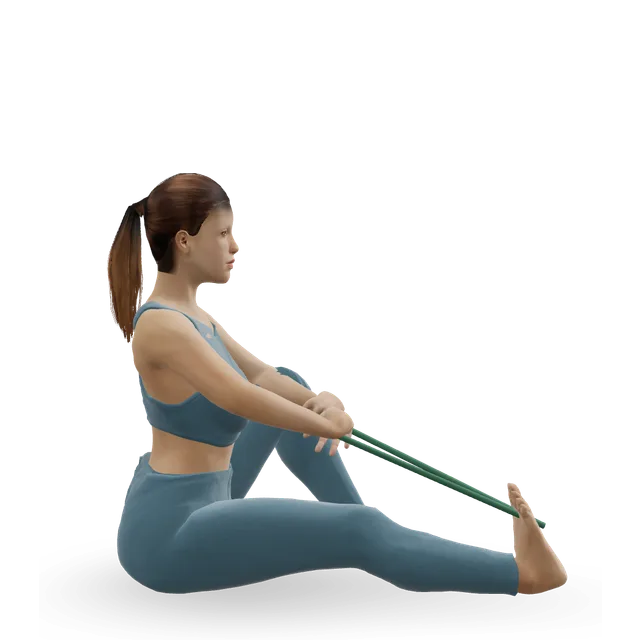
Wall calf and soleus stretches: 45 seconds each side, and the supine hamstring stretch with a strap: 45 to 60 seconds each side, at a comfortable pull (adapted from our exercise for cerebral palsy guide's editorial start). Sitting: the towel calf stretch, 30 to 60 seconds each leg (our chair yoga for MS class).
Thoracic rotation, sitting: 5 each side with 5-second holds, holding the seat (our seated chair yoga class). Cat-cow, sitting: 6 slow rounds (our chair yoga class). Corpse pose: 3 to 5 minutes, on your back with cushions or on your side (adapted from the move page's dose).
"One in three children in high-income countries experience progressive hip displacement as a complication of their cerebral palsy", and hip checks have strong support. NICE's signs include "pain arising from the hip" and "deterioration in sitting or standing". With a hip under watch, ask the physiotherapist which positions are fine, and leave out deep cross-legged sitting, lotus and anything pressed down by a helper (our suggestion). In adults, NICE advises against routine hip X-rays unless there is pain or posture or function changes.
Fragile bones are more likely if you don't walk, are underweight or take some epilepsy medicines. Bend from the hips, twist smoothly and never force a stretch.
Modify or avoid exercises that round your back deeply or repeatedly, especially with a weight: sit-ups, toe touches, Pilates roll-downs and curl-ups, and extreme yoga forward folds. Bend from the hips instead. You do not need to avoid bending, twisting or lifting altogether: move smoothly and keep your upper back straight.
Twisting should be safe if you do it smoothly and comfortably. Slow down and shorten fast or forceful twists, and leave out the added weight.
Follow your team's programme first. NICE notes that some treatments can cause pain in the short term but "may reduce discomfort in the long term" (our suggestion: ask before adding yoga).
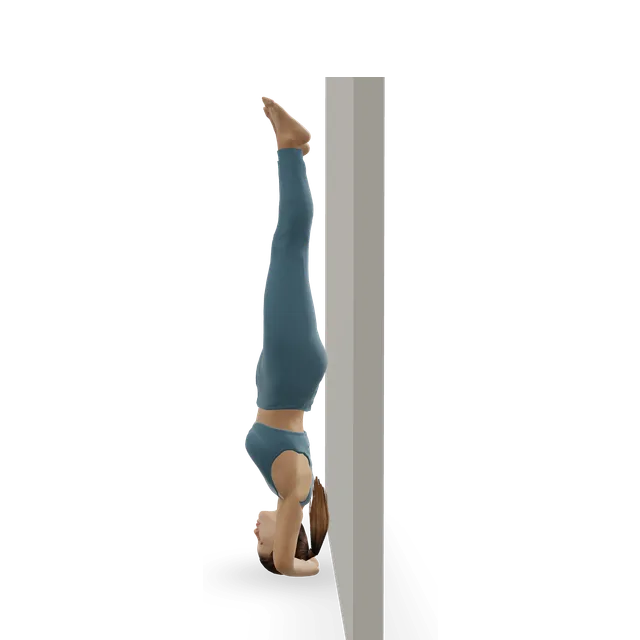
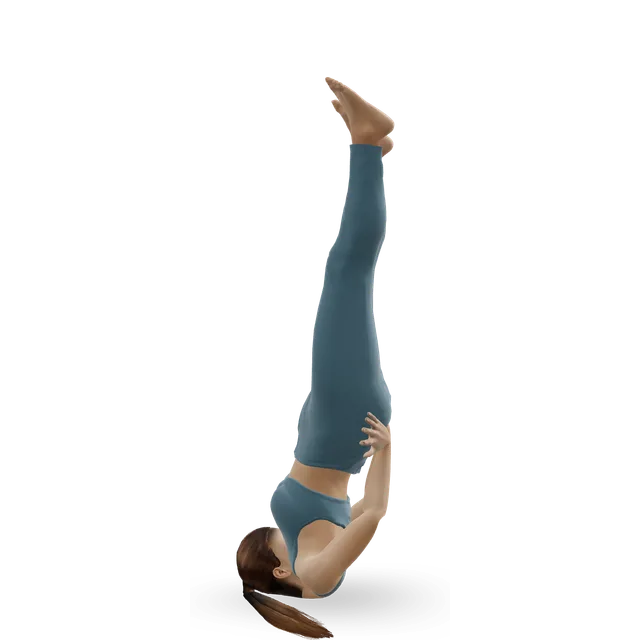
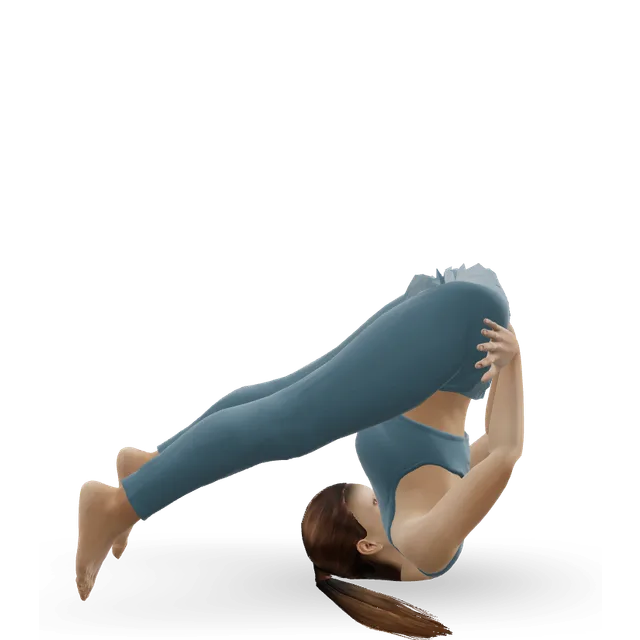
Headstands, shoulder stands and the plough put body weight on the neck and bring no benefit here; lotus and forced cross-legged sitting push range into the hips and knees (the lotus page says never to use your hands to force the second foot up); flowing sun salutations are fast and put a lot of weight on the hands.
In the trial, children practised with a parent, and a physiotherapist checked each child first. Keep sessions short and playful, show each pose on the 3D figure, and fit yoga around the programme the physiotherapist set (our suggestion). Our yoga for kids guide covers children's classes in general.
Walking declines in 25% or more of adults with CP, earlier than in other people; adults with CP had 3.64 times the odds of a fall in GP records; and 70% have pain. NICE says changes in movement should be checked for treatable causes. Yoga's supported balance and gentle strength can sit alongside that care.
Scope suggests "pacing yourself and giving yourself time to rest", and says "physical activity, at whatever level you can manage, is important to maintain your mobility and independence". On a tired day, do the seated poses only.
Everything in the arrive, spine and stretch groups can be done sitting, and our seated chair yoga class needs no standing at all. Put your brakes on if you use a wheelchair. Exercise can be done safely by most people with CP, the recommendations say.
Our cerebral palsy class goes sitting, then standing with a chair, strength before stretch, with long, easy holds at the end; its structure is our editorial choice and hasn't been tested. The seated chair yoga class needs no standing; the chair yoga class suits teenagers and adults who stand with support; the chair yoga after a stroke class suits one-sided CP in adults. The strength workout has the best evidence.
Call 999 or go to A&E (accident and emergency) straight away for severe difficulty breathing (gasping, choking or not able to get words out), a chest that feels tight or heavy, pain that spreads to your arms, back, neck and jaw, lips or skin turning very pale, blue or grey, or sudden confusion. If you're more short of breath than usual, or your heart is racing, fluttering or skipping beats, contact NHS 111.
Pain that's new, getting worse or stopping you or your child being active. Pain is common in CP and should be looked into; people who can't easily say they're in pain may show it through their behaviour, and families are key to spotting it.
Walking, balance or other movement getting worse.
Falls or near-falls, or fear of falling that's stopping you doing things: ask about strength and balance help or a falls service.
A bone that breaks after a minor knock, or risk factors for weak bones.
Changes in a child's hips, sitting or walking: hips can move out of place in CP.
The NHS: "If your symptoms change or get worse, you should see your doctor." NHS inform: "Contact your GP practice if:" you or your child "are experiencing a change in condition" or "have symptoms that are getting worse".
Stop if something hurts sharply, or for chest pain, dizziness or unusual breathlessness (our advice). You may take a splint or brace (orthosis) off if it causes pain that doesn't ease after repositioning the limb in it or adjusting the straps, and tell the team if it causes discomfort, sleep problems or sores.
During a class
A joint pain that is sharp, gets worse during a session, lingers into the next day or changes how you move is a reason to use an easier version, and to see a GP or physiotherapist if it keeps happening (the rule in our plans). Muscle soreness for a day or two after something new is normal. In a hot class, stop if you feel dizzy, sick or unwell; our hot yoga guide lists the signs of heat illness.
You can say no to any hands-on adjustment, and a teacher registered with Yoga Alliance must get your explicit consent each time.
With glaucoma, or high blood pressure that isn't under control, skip headstands, shoulder stands and long head-down holds. With osteoporosis, swap deep forward folds for a flat-back hinge from the hips, and twist smoothly. In pregnancy, our yoga in pregnancy guide covers the changes. NCCIH advises beginners to avoid headstands, shoulder stands, the lotus position and forceful breathing.
Support
Scope's helpline is 0808 800 3333.
Myths
"Yoga relaxes spasticity away"Strong evidence
Stretching changed joint range by about 2 degrees in a high-quality review, passive stretching alone is rated ineffective, and the one trunk training trial that measured spasticity "found no group difference". Some people also use their spasticity to stand and walk.
"Stretching every day stops muscles tightening"Strong evidence
Stretching on its own made no real difference to joint range in trials. Positioning, splints, staying strong and active and specialist treatment do more.
It can be a calm, enjoyable way to move. In the one trial, 42 children had better attention after 8 weeks of mindfulness yoga, but their movement didn't change. Use it alongside physiotherapy and strength training, not instead.
Does yoga help cerebral palsy?
It hasn't been shown to improve movement, walking or spasticity. Strength and balance exercise do help children with CP in trials, and yoga's supported strength and balance poses can be part of that.
Can children with cerebral palsy do yoga?
Yes, with poses adapted using a chair, a wall and props. In the trial, children practised with a parent, and a physiotherapist checked each child first.
Is yoga good for adults with cerebral palsy?
There are no yoga trials in adults with CP yet. NICE asks professionals to talk with adults about physical activity for fitness and health, and adapted yoga is one option beside strength work and walking, cycling or swimming.
What yoga poses are good for cerebral palsy?
Poses where your muscles hold you up: sitting tall, sit to stand, chair pose and warrior II holding a chair, a bridge, a wall push-up, and tree pose with a hand on a chair. Finish with long, easy calf and hamstring holds and a rest.
Does stretching help spasticity?
On its own, stretching makes almost no difference to how far joints move. Stretch for comfort, and let your team manage tightness with positioning, splints and other treatment.
What is adaptive yoga for cerebral palsy?
Yoga changed to fit your body: seated or supported poses, props, shorter sequences, slow breathing, and a teacher who adapts rather than pushes. The trial changed poses and used props for each child.
Can you do chair yoga with cerebral palsy?
Yes. Most of our class can be done sitting, and our seated chair yoga class needs no standing at all. Put your brakes on if you use a wheelchair.
Are there yoga poses to avoid with cerebral palsy?
Headstands, shoulder stands and the plough, forced lotus or cross-legged sitting, and any stretch a helper pushes. With epilepsy, leave out fast breathing such as kapalabhati.
Is yoga safe for my child's hips?
Usually, if nothing is forced. Hips can move out of place in CP, so if your child has hip pain or sitting or standing gets harder, stop the standing poses and see the CP team.
Can yoga help pain or tiredness in adults with cerebral palsy?
No yoga study has tested this. An active lifestyle and sports programme reduced pain in one trial, and more active adults report less fatigue, so yoga may help as part of staying active.
How often should we do yoga?
Two or three sessions of 20 to 25 minutes a week is a reasonable start. The trial asked for 20 minutes of home practice a day, which families found hard to keep up.
Exercise education, not a personal prescription, and clinical review of these guides is pending. If you are pregnant, have a health condition such as glaucoma, high blood pressure or osteoporosis, or have had recent surgery, check with a doctor, midwife or physiotherapist before starting, and stop for sharp or increasing pain. Health disclaimer.