Yoga flows
Adapted yoga for cerebral palsy: a 25-minute class sitting, then standing with a chair, strength before stretch
A 25-minute class that starts sitting, moves to strength and balance poses holding a sturdy chair, and ends with long, easy calf and hamstring holds and a rest. If you don't stand, do the seated option in the strength block and skip the balance block. The structure is our editorial choice, from the one yoga trial in cerebral palsy, which tailored hatha poses with props, and the strength-first exercise recommendations; no trial has tested this class, and the yoga trial found no physical effect. It sits beside physiotherapy and strength training, never instead.
Arrive, sitting (about 3 minutes)
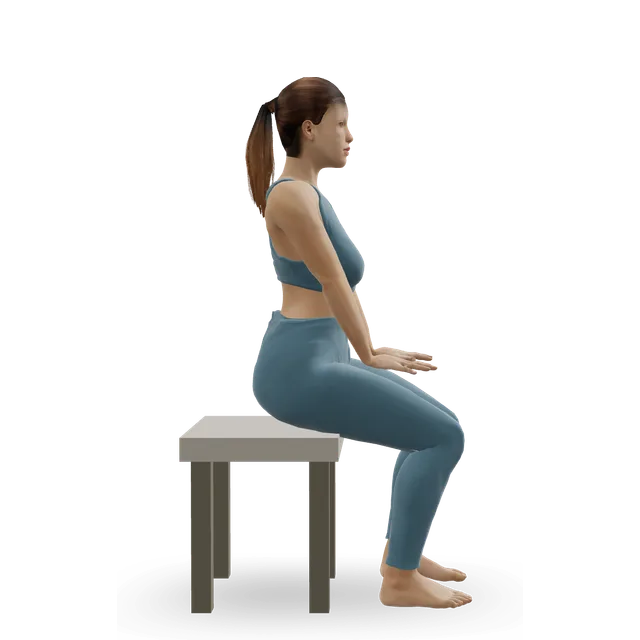
- Seated upper-back lift (sit tall, shoulders back)3 holds of 5 sBeginner · Back, Shoulders, Neck · 3D demoSit tall on a firm chair with your feet flat, or in your wheelchair with the brakes onEasier: Elbows backHarder: Prone Y-T-W raises
- Beginner · 3D demoHands on your belly; in for about 4, out for about 6, with no holdsEasier: Breath reachHarder: Crocodile breathing (prone diaphragmatic breathing)


Loosen, sitting (about 5 minutes)
- Breath reach5 breaths, exhale longer than inhaleBeginner · 3D demoSitting (the demo shows it standing): lift both arms only as high as is comfortable, or one arm if the other is tightHarder: Slow breathing (6 breaths a minute)
- Cat-cow6 slow roundsBeginner · Back, Abs · 3D demoSitting (the demo shows all fours): hands on your kneesHarder: Half lord of the fishes (Ardha Matsyendrasana)
- Thoracic rotation5 each side, 5 s holdsBeginner · 3D demoSitting (the demo shows it standing): hold the seat or armrest if your trunk balance is limitedEasier: Side-lying open bookHarder: World's greatest stretch
- Seated march1 minBeginner · Hip flexors, Quads, Abs · 3D demoHold the sides of the seat; move your arms instead if your legs don't liftHarder: Standing march




Strength, standing with a chair (about 6 minutes)
- Sit to stand, pushing on the thighs5 to 8 repsBeginner · Quads, Glutes, Triceps · 3D demoA sturdy chair against a wall; push on your thighs. Sitting instead: seated knee extension, up to 10 each legHarder: Bodyweight squat
- Chair pose (Utkatasana)3 holds of 10 to 15 sBeginner · Quads, Glutes, Shoulders · 3D demoHold the back of the chair and bend your knees only a littleHarder: Revolved chair pose (Parivrtta Utkatasana)
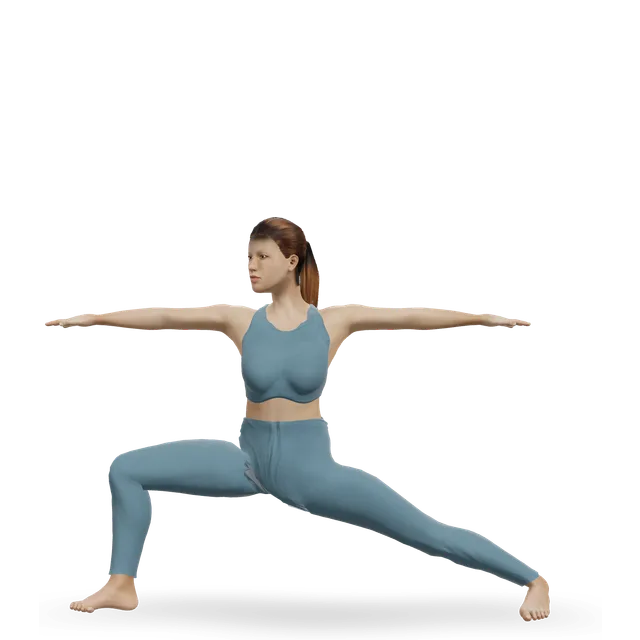
- Warrior II (Virabhadrasana II)3 breaths each sideIntermediate · Quads, Glutes, Adductors · 3D demoSide-on to the chair, one hand on its back, with a short stanceEasier: Chair pose (Utkatasana)Harder: Extended side angle (Utthita Parsvakonasana)
- Wall push-up8 to 12Beginner · Chest, Triceps, Shoulders · 3D demoHands at chest height on the wall; step closer to make it easierHarder: Push-up



Balance with a chair (about 3 minutes)
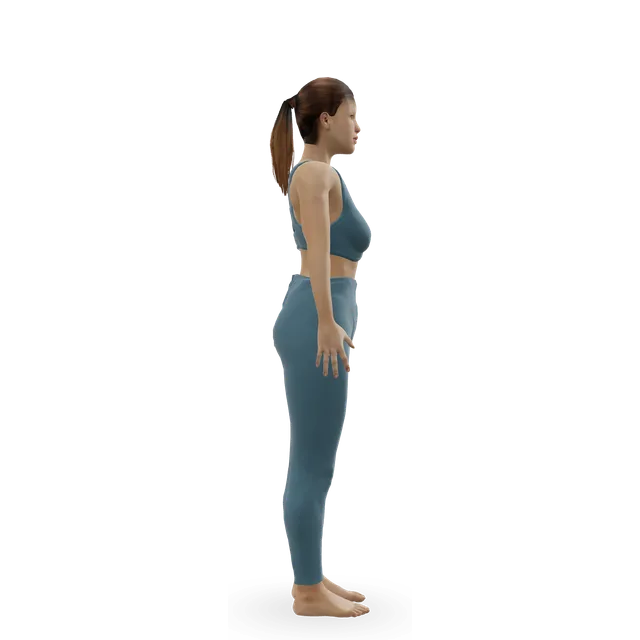
- Mountain pose (Tadasana)5 breathsBeginner · Calves, Back, Abs · 3D demoOne hand on the chair back; weight on both feet as evenly as you canHarder: Tree pose (Vrksasana)
- Tree pose (Vrksasana)3 breaths each sideBeginner · Glutes, Hip abductors, Calves · 3D demoFingertips on the chair; heel against your ankle with your toes on the floorEasier: Mountain pose (Tadasana)Harder: Standing hand-to-big-toe pose (Utthita Hasta Padangusthasana)
- Semi-tandem stance3 holds of 10 s each sideBeginner · Calves, Hip abductors · 3D demoOne hand on the chair or a counterHarder: Tandem stance and heel-to-toe walk



Long, easy holds (about 5 minutes)
- Wall calf stretch (gastrocnemius)45 s each sideBeginner · Calves · 3D demoBack knee straight, heel down only as far as it goes. Sitting instead: a towel round the ball of your footEasier: Seated calf stretch with a towelHarder: Heel-on-step calf and hamstring stretch
- Supine hamstring stretch with a strap45 to 60 s each sideBeginner · Hamstrings, Calves · 3D demoOn a bed or mat, strap round your foot; a gentle pull, no bouncingEasier: Leg-up hamstring stretchHarder: Contract-relax hamstring stretch (PNF)


Rest (about 3 minutes)
- Beginner · 3D demoOn your back with cushions under your knees, or on your side; a grown-up can tell a short story for a child

Tips
- Do it 2 or 3 times a week alongside our cerebral palsy strength workout and active play or sport (our suggestion). Make the strength poses harder over weeks: a lower seat, a longer hold.
- Stretches feel good, but on their own they make little difference to how far a joint moves. Never let a helper push a pose further: a helper places a limb, they don't stretch it.
- With epilepsy, breathe slowly only: no fast breathing such as kapalabhati, and no hot rooms.
- Leave out headstands, shoulder stands, the plough and forced cross-legged sitting (our suggestion).
- If you have new hip pain, or walking, sitting or standing is getting harder, stop the standing blocks and see your GP or cerebral palsy team.
- Children: keep it playful, show each pose on the 3D figure first, and fit it around the programme their physiotherapist set.
- Stop for chest pain, dizziness or unusual breathlessness, and call 999 (911 in the US) if chest pain spreads or doesn't settle.
The doses are suggested starting points, not a prescription. Choose a range you can control and stop for sharp or increasing pain, numbness or tingling. Get individual advice after an injury or surgery, or if you are pregnant or managing a health condition.
Guides that recommend it
Find more moves like these
More yoga flows
Beginner yoga flow
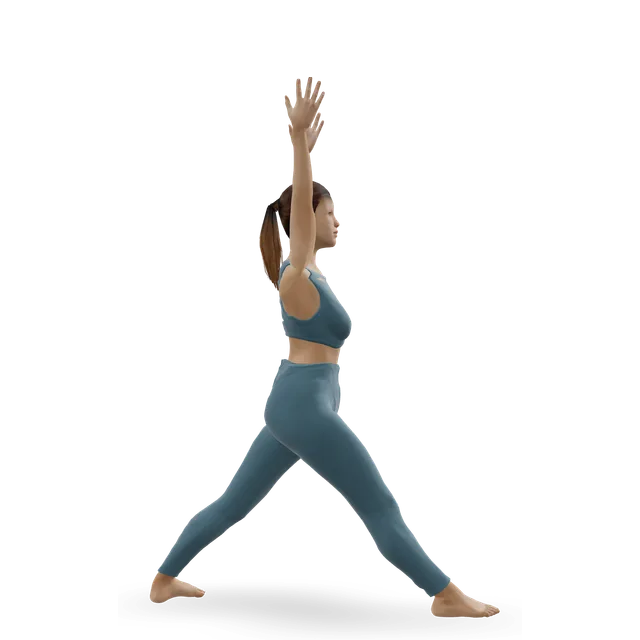
A 20-minute beginner yoga sequence: mountain, chair, warrior II, triangle, tree, down dog, cobra and child's pose.
20 minBeginner11 movesA step
Sun salutation flow
A 20-minute flow built on sun salutations A and B, with warrior poses and a short cool-down.
20 minIntermediate8 movesNo equipment



Yoga for tight hips
A hip-opening yoga sequence: low lunge, lizard, goddess, pigeon, bound angle and happy baby.
25 minBeginner10 movesA wallQuestions people ask
How long does the adapted yoga for cerebral palsy: a 25-minute class sitting, then standing with a chair, strength before stretch take?
About 25 minutes, including any warm-up and cool-down listed. Shorten it by doing fewer rounds; lengthen it by adding one.
What equipment do I need?
You need: A bench or box, A wall. Each move links to its guide, where you can find an alternative if you are missing something.
Is it suitable for beginners?
It is written for beginners. 7 of its 16 moves have an easier option listed beside them if you need one.
How do I make it easier or harder?
Use the easier or harder option listed under each move, change the number of rounds, or adjust the rest. Progress one change at a time.