Yoga flows
Chair yoga after a stroke: a 25-minute class, sitting, with an optional standing block
A 25-minute chair yoga class for when your stroke team has cleared you to exercise. Sit on a firm chair with your feet flat and your weaker arm resting on a cushion on your lap. Do only the moves that are safe for you, keep them small and pain-free, and breathe out on the effort without holding your breath. It goes alongside, not instead of, the walking, strength and arm exercises your team has set.
Settle (3 minutes)
- Seated upper-back lift (sit tall, shoulders back)3 holds of 5 sBeginner · Back, Shoulders, Neck · 3D demoSit tall; weaker arm resting on a cushion on your lapEasier: Elbows backHarder: Prone Y-T-W raises
- Beginner · 3D demoIn for about 4, out for about 6, with no holdsEasier: Breath reachHarder: Crocodile breathing (prone diaphragmatic breathing)


Arms and hands, as your therapist has set (5 minutes)
- Breath reach5 breaths, exhale longer than inhaleBeginner · 3D demoSeated (the demo shows it standing): lift the stronger arm, or both if the weaker arm rises without pain; never pull the weaker arm upHarder: Slow breathing (6 breaths a minute)
- Table slide (seated forward reach)10 slow repetitionsBeginner · Shoulders, Back · 3D demoA towel under your hands on a table; lean from the hips and let the table carry the armEasier: Pendulum exercise (Codman's pendulum)Harder: Overhead lat stretch at a bench (elbows on the bench)
- Tendon glides (hand tendon gliding exercises)4 to 6 of each position, 5 s holdsBeginner · Forearms · 3D demoHelp the weaker hand with the stronger one; no squeezingHarder: Ball squeeze



Trunk, sitting (5 minutes)
- Seated overhead side bend2 each side, 10 to 20 s holdsBeginner · Back, Abs · 3D demoReach with the stronger arm; both sitting bones on the seatHarder: Overhead lat stretch at a bench (elbows on the bench)
- Thoracic rotation5 each side, 5 s holdsBeginner · 3D demoSeated (the demo shows it standing): hold the seat with your stronger hand, turn gently, and keep your head in line with your chestEasier: Side-lying open bookHarder: World's greatest stretch
- Cat-cow6 slow roundsBeginner · Back, Abs · 3D demoSeated (the demo shows all fours): hands resting on your thighsHarder: Half lord of the fishes (Ardha Matsyendrasana)



Legs, sitting (5 minutes)
- Seated march1 minBeginner · Hip flexors, Quads, Abs · 3D demoHold the seat; lift each knee as far as is comfortableHarder: Standing march
- Seated knee extension (chair)8 to 10 each legBeginner · Quads · 3D demoStraighten one leg, then lower it slowlyEasier: Quad set (static quads)Harder: Leg extension
- Ankle circles10 slow circles each way with each footBeginner · Calves, Shins · 3D demoAs far as each ankle goesHarder: Ankle CARs (controlled articular rotations)



Optional: standing at the chair (5 minutes)
- Sit to stand from a chair5 to 10Beginner · Quads, Glutes, Hamstrings · 3D demoChair against a wall, feet slightly apart; push on your thighs if you need toEasier: Sit to stand, pushing on the thighsHarder: Bodyweight squat
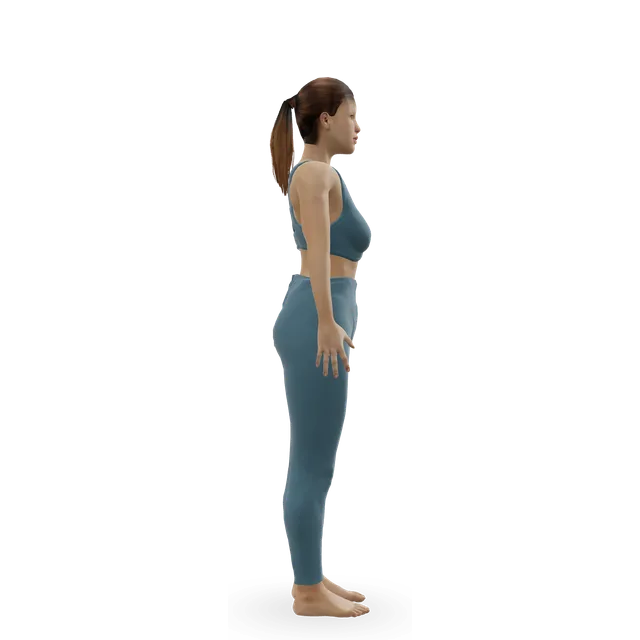
- Mountain pose (Tadasana)5 slow breathsBeginner · Calves, Back, Abs · 3D demoStronger hand on the chair back; weight on both feetHarder: Tree pose (Vrksasana)
- Chair pose (Utkatasana)3 holds of 10 to 15 sBeginner · Quads, Glutes, Shoulders · 3D demoHold the chair back and bend only a littleHarder: Revolved chair pose (Parivrtta Utkatasana)
- Semi-tandem stance3 holds of 10 s each sideBeginner · Calves, Hip abductors · 3D demoOne hand on the chair or a counterHarder: Tandem stance and heel-to-toe walk




Finish, sitting (2 minutes)
- Beginner · 3D demoUse your stronger hand; slow rounds with no holdsEasier: Slow breathing (6 breaths a minute)
- Beginner · 3D demoSitting down; get up slowlyEasier: Breath reachHarder: Crocodile breathing (prone diaphragmatic breathing)

Tips
- Only after your rehabilitation team has cleared you to exercise. Keep doing the arm, hand and walking exercises they've set.
- Support your weaker arm. Don't pull on it, let it hang or put your weight through it, and stop any move that hurts your shoulder.
- Breathe out as you move or stand, never hold your breath, and keep your head level: no head-down poses.
- Short bursts count. On tired days, do only the seated blocks, and plan rests during and after.
- With very high blood pressure, speak to your doctor before you start. With atrial fibrillation or diabetes, check with your GP first.
- Do the standing block only with a sturdy chair to hold, and with someone nearby if you've fallen.
- Call 999 (911 in the US) for face weakness, arm weakness or speech problems, even if they go away, or for a sudden, very bad headache.
- 2 or 3 times a week is our suggestion; the main yoga trial after a stroke used twice a week for 8 weeks.
The doses are suggested starting points, not a prescription. Choose a range you can control and stop for sharp or increasing pain, numbness or tingling. Get individual advice after an injury or surgery, or if you are pregnant or managing a health condition.
Guides that recommend it
Find more moves like these
More yoga flows
Beginner yoga flow
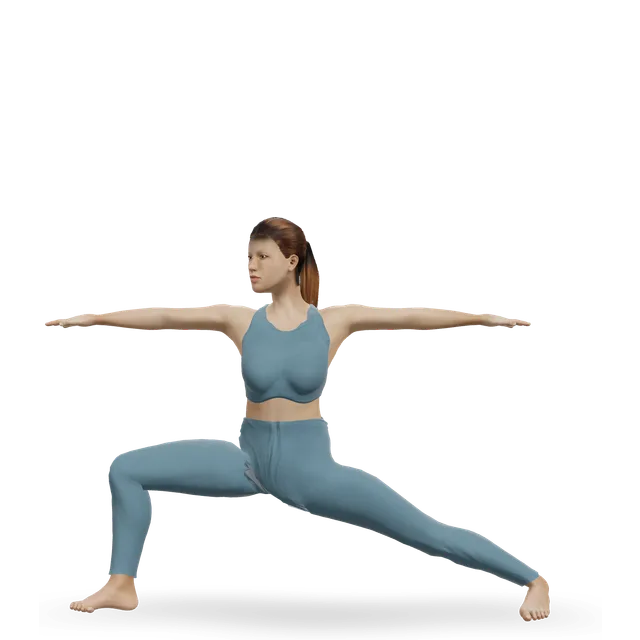
A 20-minute beginner yoga sequence: mountain, chair, warrior II, triangle, tree, down dog, cobra and child's pose.
20 minBeginner11 movesA step

Sun salutation flow
A 20-minute flow built on sun salutations A and B, with warrior poses and a short cool-down.
20 minIntermediate8 movesNo equipment


Yoga for tight hips
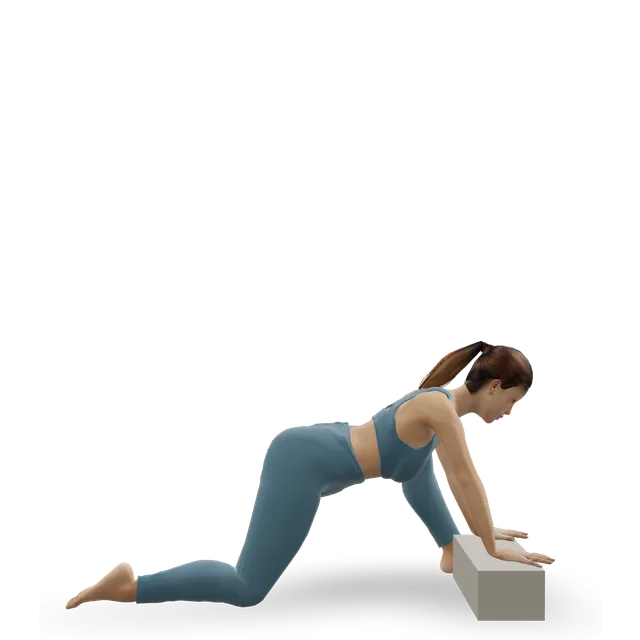
A hip-opening yoga sequence: low lunge, lizard, goddess, pigeon, bound angle and happy baby.
25 minBeginner10 movesA wallQuestions people ask
How long does the chair yoga after a stroke: a 25-minute class, sitting, with an optional standing block take?
About 25 minutes, including any warm-up and cool-down listed. Shorten it by doing fewer rounds; lengthen it by adding one.
What equipment do I need?
You need: A bench or box, Something with weight, A wall. Each move links to its guide, where you can find an alternative if you are missing something.
Is it suitable for beginners?
It is written for beginners. 7 of its 16 moves have an easier option listed beside them if you need one.
How do I make it easier or harder?
Use the easier or harder option listed under each move, change the number of rounds, or adjust the rest. Progress one change at a time.