Yoga guide

Yoga for high cholesterol: what it does to LDL, HDL and triglycerides, how it compares with other exercise and statins, and how much to do

High cholesterol means too much of a fatty substance called cholesterol in your blood. It causes no symptoms, and only a blood test shows it. Yoga can be part of what helps: in trials it lowered triglycerides a little and raised "good" HDL cholesterol slightly, but its effect on "bad" LDL cholesterol was small or unclear, the trials were mostly small and short, and it did no better than walking or other exercise.

So the useful question is how to make yoga count: as part of 150 minutes of activity a week and strength work on 2 days, alongside food changes and, if your doctor recommends one, a statin, which lowers LDL far more than any exercise.

This guide covers what the numbers mean, what yoga does to each one, how it compares with other exercise and with statins, how much to do and which classes to choose, the claims about breathing and "flushing out" cholesterol, and the heart warning signs.

The short version

Only a blood test shows it

High cholesterol doesn't usually cause symptoms, so you can't tell from how you feel or how much yoga you do. The NHS's healthy levels for adults are total cholesterol below 5 mmol/L, HDL above 1.0 mmol/L for men or 1.2 for women, and non-HDL below 4.

Sources 1, 2

Yoga nudges blood fats a little

In Cochrane's review (11 trials, 800 people, at least 3 months), triglycerides fell by 0.27 mmol/L and HDL rose by 0.08 mmol/L, with no clear change in LDL. Larger reviews of weaker trials found LDL about 0.2 to 0.35 mmol/L lower than in people who did no exercise.

Sources 3, 4, 5, 6

The evidence is weak, and no better than walking

Most trials were small, short and at high or unclear risk of bias. The only review that graded its evidence found no clear change in LDL or total cholesterol, with effects only in trials in Asian countries. Against walking or other aerobic exercise, yoga made no difference except perhaps a small rise in HDL.

Sources 7, 8, 6

Statins do far more

Atorvastatin 20 mg lowers LDL by about 43%, and in the statin trials every 1 mmol/L fall in LDL cut heart attacks and strokes by about a fifth. No yoga trial has measured heart attacks, strokes or deaths. If you take a statin, keep taking it: yoga goes alongside it, never instead.

Sources 9, 10, 11

How to make yoga count

Aim for 150 minutes of moderate activity a week plus strength work on 2 days, with yoga as part of it. A gentle class is light activity, so it counts best as strength and balance; walk, cycle or swim for the minutes, or choose brisk flowing styles.

Sources 12, 13, 14

No pose or breath flushes out cholesterol

We found no controlled trial of kapalbhati, any other breathing practice or any single pose on blood fats. The only data are an uncontrolled study of 20 young footballers.

Sources 15, 16

Cholesterol, LDL, HDL and triglycerides

What the numbers mean

Too much cholesterol can block your blood vessels and makes heart problems and strokes more likely, the NHS says. Your results may include total cholesterol, HDL, non-HDL, LDL and triglycerides. The NHS calls HDL "good cholesterol" and non-HDL (total cholesterol minus HDL) "bad cholesterol"; LDL makes up most of non-HDL, and triglycerides are another blood fat. Our exercise for high cholesterol guide explains each number in more detail.

Sources 1, 2

Who has it

It's more likely if you're over 50, a man, past the menopause, or of South Asian or sub-Saharan African origin, and it can run in families. Eating fatty food, not exercising enough, being overweight, smoking and drinking alcohol can also cause it. About 1 in 250 people have familial hypercholesterolaemia (FH) from birth, so slim, active people can have high cholesterol too.

Source 1

In US units

US labs report mg/dL. To convert to mmol/L, divide by 38.6 for cholesterol and by 88.6 for triglycerides. MedlinePlus gives healthy adult levels of total cholesterol below 200 mg/dL, LDL below 100 mg/dL and triglycerides below 150 mg/dL.

Sources 17, 18

Your risk score

A GP may give you a QRISK score, an estimate of your chance of a heart attack or stroke over the next 10 years. NICE asks doctors to talk through lifestyle changes first, then to offer atorvastatin 20 mg to people whose 10-year risk is 10% or more.

Sources 2, 13

What the evidence says

Triglycerides and HDL improve a littleEmerging evidence

Against no exercise, yoga lowered triglycerides by about 0.2 to 0.3 mmol/L and raised HDL by about 0.05 to 0.08 mmol/L in four reviews, including Cochrane's (11 trials, 800 people) and one of 44 trials (3,168 people). These are small changes.

Sources 3, 7, 4, 8

LDL: anywhere from no clear change to a small fallMixed evidence

Cochrane found no clear difference in LDL (0.09 mmol/L lower, with a range from 0.48 lower to 0.30 higher). The only review that graded the certainty of its evidence (30 trials in adults with overweight or obesity) also found no clear change in LDL or total cholesterol, and the effects it did find appeared only in trials in Asian countries. Four larger reviews of weaker trials found LDL about 0.2 to 0.35 mmol/L lower than with no exercise.

Three of these reviews, including the graded one and the one with the largest LDL fall, are in journals not indexed in MEDLINE, the US National Library of Medicine's main database. In one of them, 36 of the 53 trials were from India. So the honest summary is: no clear change to about 0.35 mmol/L.

Sources 3, 8, 4, 5, 19, 6

Yoga does about what other exercise doesEmerging evidence

Compared with walking or aerobic exercise, yoga made no difference to total cholesterol, LDL or triglycerides in three reviews, with at most a small HDL edge of about 0.05 to 0.1 mmol/L in two of them. In type 2 diabetes, 8 trials (842 people) found no difference in blood fats between yoga and other physical exercise.

Sources 6, 7, 4, 20

The trials are small, short and variedEmerging evidence

Cochrane called its evidence limited, from small, short-term, low-quality studies. Another review rated the risk of bias high or unclear for most trials. The results differ so much between trials that pooled numbers are a rough guide only, and most trials mixed poses, breathing and relaxation, so no style or pose can be singled out.

Sources 3, 7, 19, 6

In metabolic syndrome and diabetesMixed evidence

In metabolic syndrome (7 trials, 794 people), yoga didn't change triglycerides or HDL. In type 2 diabetes (12 trials, 864 people), total cholesterol and LDL were lower and HDL higher with yoga, but triglycerides didn't change significantly and the trials varied a lot. Our yoga for diabetes guide covers blood sugar.

Sources 21, 22

Exercise in general, for scaleEmerging evidence

Across 148 trials (8,673 people), exercise training lowered LDL by 0.19 mmol/L, about 6%, and raised HDL by 0.05 mmol/L. Aerobic and combined training lowered LDL; strength training alone didn't. In an 8-month trial, the gains depended on the amount of exercise rather than how hard it was, and HDL rose only above about 120 minutes of exercise a week in one review. Walking alone lowered LDL by about 5%.

Sources 23, 24, 25, 26

Yoga or statins?

The size of each effectStrong evidence

Atorvastatin lowers LDL by about 37%, 43%, 49% and 55% at 10, 20, 40 and 80 mg. For someone with an LDL of 3 to 4 mmol/L, 43% is about 1.3 to 1.7 mmol/L (our arithmetic), against no clear change to about 0.35 mmol/L for yoga. In the statin trials, every 1 mmol/L fall in LDL cut major heart and circulation events, such as heart attacks and strokes, by 22%. No trial has compared yoga with a statin, and no yoga trial has measured heart attacks, strokes or deaths.

Sources 9, 10, 3, 6

Yoga goes alongside a statin, never insteadStrong evidence

NICE asks doctors to talk through lifestyle changes first and to offer a statin when your 10-year risk is 10% or more. Heart UK says that even if you're taking a statin, eating better, being more active and stopping smoking are still encouraged.

The NHS says: "If you stop taking statins your cholesterol levels may be affected. Talk to a doctor or pharmacist before stopping." Exercise doesn't replace a statin your doctor recommends; it works alongside it.

Starting yoga is never a reason to stop.

Sources 13, 9, 11

Exercising on a statin

Our exercise for high cholesterol guide explains why most muscle aches on statins aren't caused by the statin, and covers statins and exercise in full. Build up gradually rather than jumping into hard sessions (our suggestion), and if you think your statin is causing side effects, talk to a doctor, as the NHS says, rather than stopping it yourself. The warning signs below list the muscle symptoms to report.

Source 11

Food, alcohol and smoking

Exercise is one of four steps the NHS gives to lower cholesterol: cut down on fatty food, especially saturated fat; exercise more; stop smoking; and cut down on alcohol. Our exercise for high cholesterol guide covers food, weight, alcohol and smoking.

Source 12

How much, and which kind

The guideline amount

Aim for at least 150 minutes of moderate activity a week, such as brisk walking, plus activities that strengthen your muscles on at least 2 days. Yoga fits into both, but on its own it rarely covers the 150 minutes.

Sources 12, 27

How hard is yoga?Emerging evidence

Moderate activity starts at about 3 METs (3 times your energy use at rest). In a review of 17 studies, yoga averaged 3.3 METs, single poses about 2.2 and breathing practices 1.3, and the authors class yoga as light activity except for some sequences such as sun salutations. The figures for flowing yoga differ: in a lab study of 38 adults, an hour of vinyasa averaged 3.6 METs, against 4.4 for brisk walking, while the 2024 Compendium of Physical Activities lists vinyasa at 2.7 METs, hatha at 2.3, sun salutations at 3.5 and power yoga at 4.0.

So a brisk vinyasa or power class may reach moderate intensity, and a gentle class doesn't. Heat doesn't change that: in a 2025 review of hot yoga, the heat raised heart rate but not the energy the class used. Count a gentle class as strength, balance and relaxation, and get the moderate minutes from walking, cycling or swimming, or from brisk flowing styles if you keep moving.

Sources 14, 28, 29, 30

Our suggestion

Two or three yoga classes a week, one of them a walk and yoga session or a strength yoga class, on top of brisk walking or other cardio to reach 150 minutes, and strength on 2 days (our editorial starting point). The amount you do over the week matters more for blood fats than how hard any one session is.

Sources 27, 24

When to expect a change

The trials in Cochrane's review lasted at least 3 months. Give a new routine about 3 months before asking your GP whether a repeat test makes sense, as our exercise for high cholesterol guide suggests.

Source 3

Get moving: the part that counts towards your 150 minutes

The brisk walk carries more of the blood fat evidence than any pose. Standing march: 2 minutes, easy pace, arms swinging. Walking: 20 minutes at a pace where you can talk but not sing. Sun salutation A: 3 rounds, stepping back rather than jumping, knees down to lower if you need to. All three doses are from our walk and yoga workout; keep the head-down parts of the sun salutation brief with glaucoma or high blood pressure that isn't under control.

Standing strength for the biggest muscles

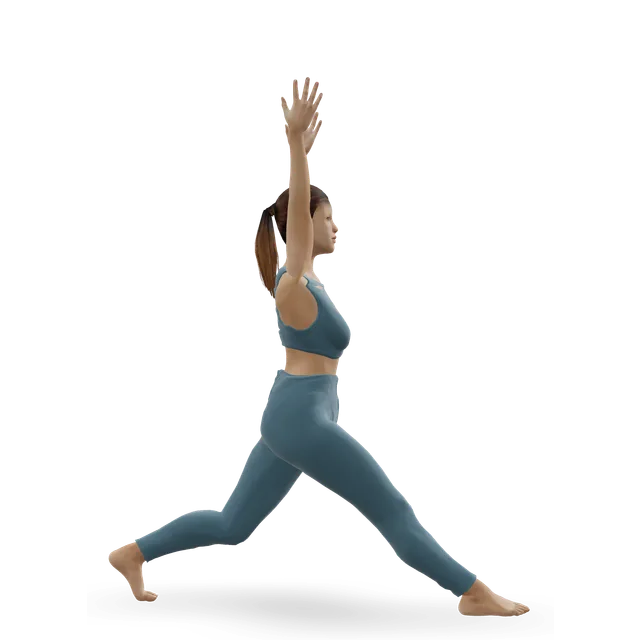
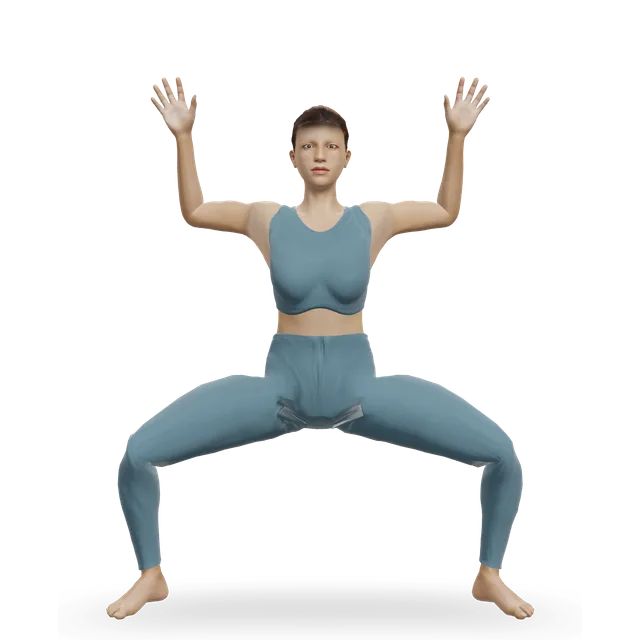
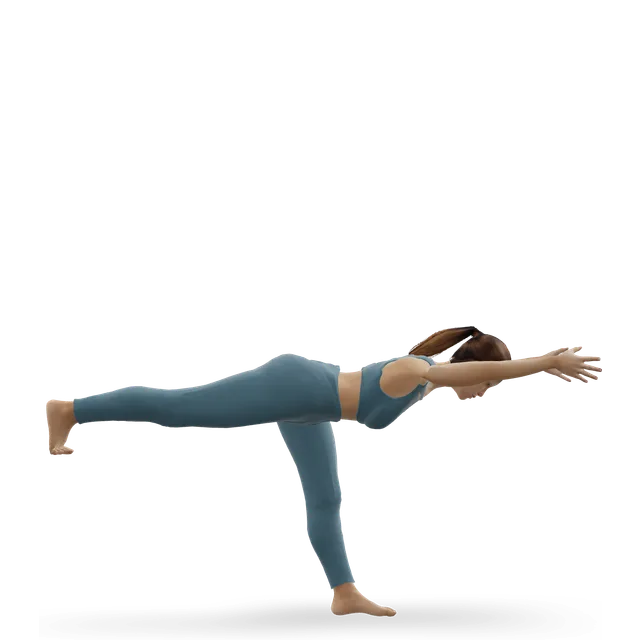
Chair pose: 3 holds of 20 seconds (our walk and yoga workout), building to 3 holds of 30 to 45 seconds (our strength yoga workout); keep the arms lower if reaching up raises blood pressure symptoms. Warrior I, warrior II and high lunge: 30 seconds each side (our walk and yoga workout), or 5 breaths each side (our strength yoga workout). Goddess pose: 12 slow pulses, knees over your toes. Warrior III: 3 to 5 breaths each side, hands on a wall at hip height to start (both our strength yoga workout). Tree pose: 30 seconds each side, fingertips on a wall (our walk and yoga workout). Breathe out through every effort and never hold your breath.

Upper body and trunk

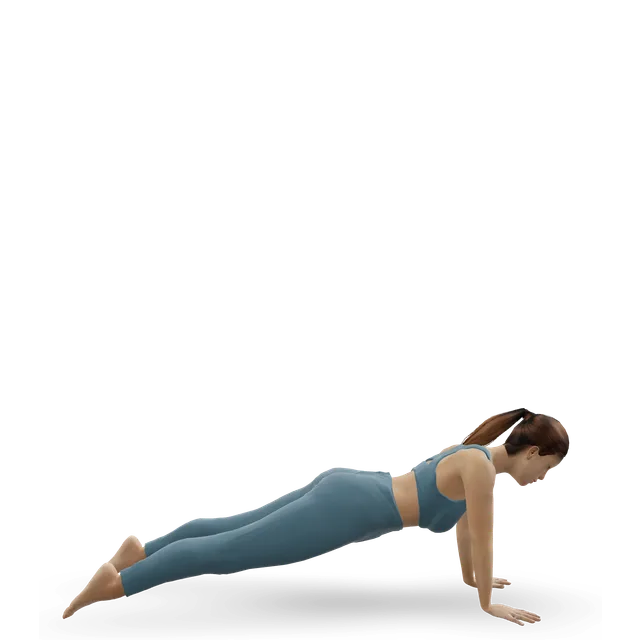
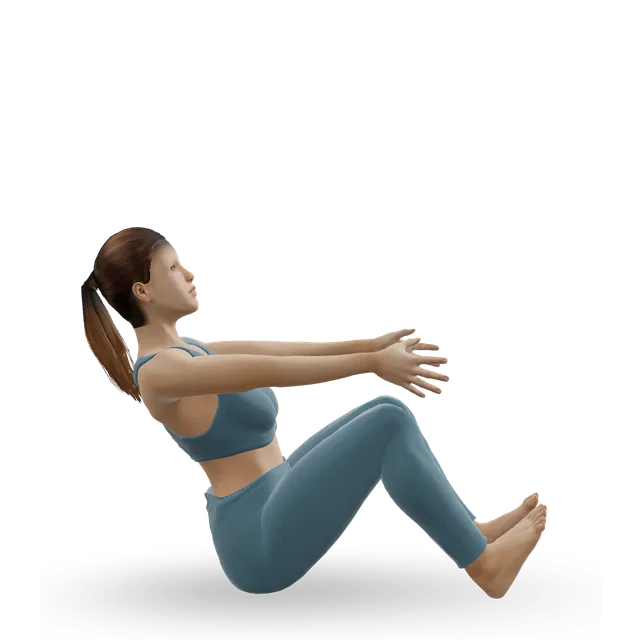
Straight-arm plank: 3 holds of 15 to 30 seconds. A suggested starting point. No trial has tested this move on its own (the move page's dose); with heart disease, ask your cardiac team before long holds, and with heart failure, avoid planks, as its page says. Side plank: 2 holds of 15 to 30 seconds each side, knees down for a lighter version (our strength yoga workout). Locust: 3 holds of 15 seconds. Boat pose: 3 holds of 15 to 20 seconds, knees bent (both our walk and yoga workout). Band row: 3 sets of 10 to 15, stopping 2 to 3 reps short of failure (adapted from the move page's dose), because yoga has almost no pulling. Glute bridge: 10 to 12 slow reps, breathing out as you lift (our period pain routine).

Breathe and rest

Slow breathing: 5 minutes, in for about 4 and out for about 6, with no holds (our yoga for heart health class). Alternate nostril breathing: 3 minutes of slow rounds with no breath holds (our yoga for heart health class; adapted from the move page's dose). Corpse pose: lie still for at least 5 minutes, up to 10, usually at the end of a session: Yoga Journal's guide suggests at least 5 (the move page's dose). These calm you down; none has been shown to change blood fats.

What to change or leave out

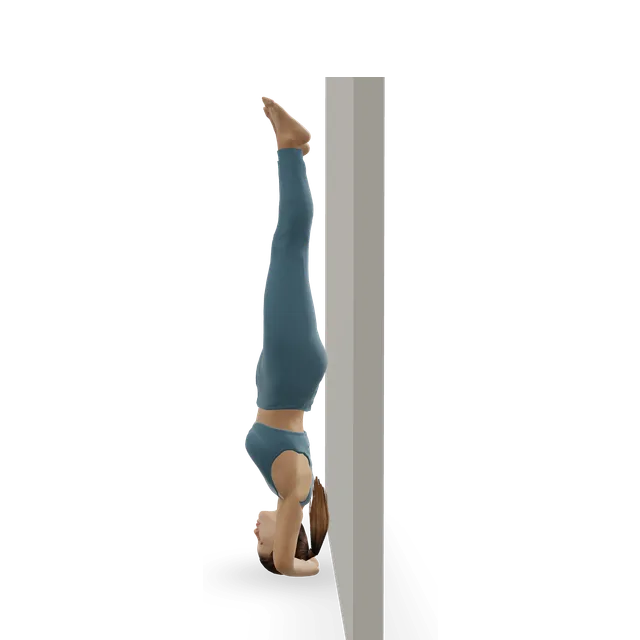
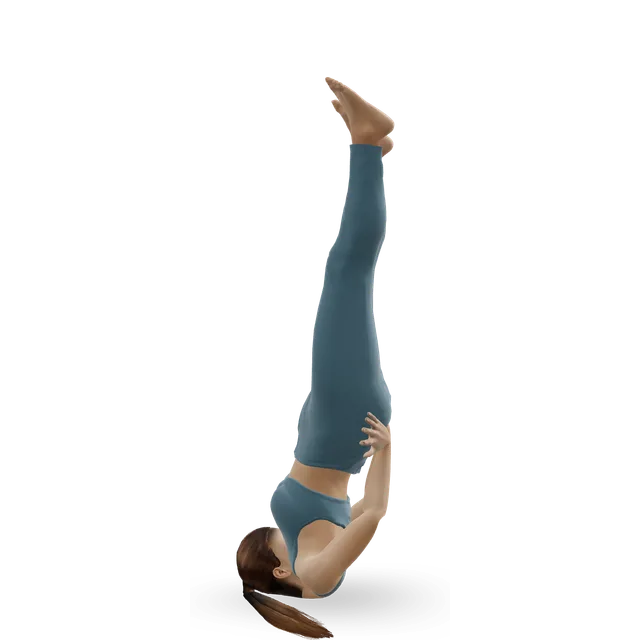
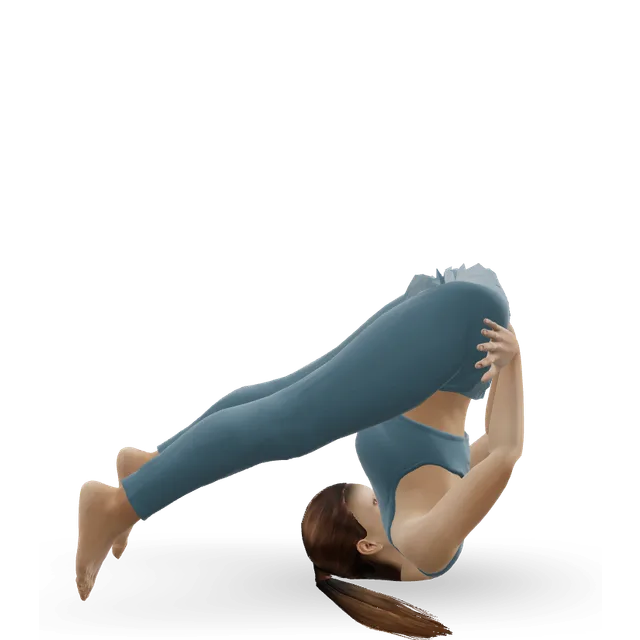
Kapalbhati, bhastrika and other fast, forceful breathing have no evidence for cholesterol, and NCCIH (the US National Center for Complementary and Integrative Health) advises beginners to avoid forceful breathing. With heart disease or heart failure, leave out the holds in box and 4-7-8 breathing and breathe slowly instead, as their pages say. Headstands, shoulder stands and the plough aren't needed for blood fats; leave them out with high blood pressure that isn't under control, glaucoma or heart disease. If you have heart disease, follow our yoga for heart health class rather than a fast flow.

Classes to follow

The walk and yoga workout is the best single fit: a 20-minute brisk walk that counts towards your 150 minutes, then a standing flow and floor strength. The strength yoga workout covers the 2 strength days. With heart disease, high blood pressure or diabetes as well, use the matching class. Two or three classes a week on top of brisk walking or other cardio is our editorial starting point.

A plan for the walking part

Our walking plan builds to 150 minutes a week over 8 weeks; add yoga on 2 or 3 days.

Warning signs: when to get help

High cholesterol has no symptoms of its own, so these are the heart, stroke and statin signs from our exercise for high cholesterol guide and our yoga guides, word for word, apart from the lines marked as our suggestion. This is general information, not a diagnosis. A&E means accident and emergency; in the US, call 911 for 999.

Call 999 (911 in the US)

Call 999 for any of these, and don't drive yourself to A&E:

  • Chest pain that feels tight or like squeezing, or spreads to your arms, neck or jaw.
  • Severe difficulty breathing: gasping, choking or not able to get words out.
  • Lips or skin that turn pale, blue or grey, or someone who collapses and isn't responding normally.
  • Signs of a stroke: the face drooping on one side, weakness in one arm, or speech problems, even if they go away.
  • Sudden, severe tummy pain that spreads to your back, or comes with bloating that doesn't go away or keeps coming back, a fast heartbeat or difficulty breathing, or blue or bruised-looking skin around the belly button, waist or upper outer thigh (possible pancreatitis).

Sources 31, 32

Chest pain or fainting: call 999

Call 999 if:

  • You get sudden pain or discomfort in your chest that doesn't go away; it can feel like squeezing or pressure, burning or indigestion.
  • The pain spreads to your left or right arm, or your neck, jaw, stomach or back.
  • You have chest pain and feel sweaty, sick, light-headed or short of breath.
  • Someone faints while exercising, can't be woken within 1 minute, or has chest pain or a pounding, fluttering or irregular heartbeat.

Sources 32, 33

Call NHS 111

  • You're suddenly more short of breath than usual.
  • Chest pain with feeling sick, or with a heartbeat that races, goes too slowly, skips or flutters.
  • You take a statin and think you might have a serious side effect. For atorvastatin, the NHS lists muscle cramps, severe pain and weakness (perhaps with a high temperature and red or brown pee), yellowing of the skin or the whites of the eyes, and severe stomach pain.
  • Sudden, severe tummy pain that doesn't go away or keeps coming back, or comes with a high temperature or feeling hot, cold or shivery (or ask for an urgent GP appointment).

Sources 31, 11

See a GP

  • You're over 40 and have never had a cholesterol test, you're overweight, or high cholesterol or heart problems run in your family.
  • Possible signs of FH: lumps on your knuckles, knees or Achilles tendons, a pale ring around the coloured part of your eye or yellow lumps around your eyes, or a close relative who had heart disease before 60.
  • You've been told your total cholesterol is above 7.5 mmol/L.
  • You take a statin and have unexplained muscle pain, tenderness or weakness, especially a flu-like ache all over that lasts more than a couple of days. Keep taking the statin until you've spoken to your doctor.
  • You take a statin and are planning a pregnancy.

Sources 1, 13, 9

Stop and rest

Stop exercising if you get chest pain, unusual breathlessness, dizziness or palpitations, and use the 999 and 111 advice above (our suggestion, as in our other heart guides).

With heart disease or high blood pressure

With angina, a past heart attack, a stent or heart failure, follow our yoga for heart health guide and its class rather than a general flow. With high blood pressure, our yoga for high blood pressure guide covers breath holds and head-down poses.

With glaucoma, or high blood pressure that isn't under control, skip headstands, shoulder stands and long head-down holds. With osteoporosis, swap deep forward folds for a flat-back hinge from the hips, and twist smoothly. In pregnancy, our yoga in pregnancy guide covers the changes. NCCIH advises beginners to avoid headstands, shoulder stands, the lotus position and forceful breathing.

Unusual breathlessness

Call 999 or go to A&E (accident and emergency) straight away for severe difficulty breathing (gasping, choking or not able to get words out), a chest that feels tight or heavy, pain that spreads to your arms, back, neck and jaw, lips or skin turning very pale, blue or grey, or sudden confusion. If you're more short of breath than usual, or your heart is racing, fluttering or skipping beats, contact NHS 111.

Source 34

During yoga

A joint pain that is sharp, gets worse during a session, lingers into the next day or changes how you move is a reason to use an easier version, and to see a GP or physiotherapist if it keeps happening (the rule in our plans). Muscle soreness for a day or two after something new is normal. In a hot class, stop if you feel dizzy, sick or unwell; our hot yoga guide lists the signs of heat illness.

You can say no to any hands-on adjustment, and a teacher registered with Yoga Alliance must get your explicit consent each time.

Before you start

The NHS advises getting advice from a healthcare professional first if you have a health problem, an injury or symptoms, or have recently had a heart attack or an operation.

Source 27

Myths

"Yoga flushes cholesterol out of your arteries"Strong evidence

No study shows it. The reviews show small average changes in blood fats, mostly triglycerides and HDL, and Cochrane found no clear change in LDL.

Sources 3, 15

"Kapalbhati lowers cholesterol"Strong evidence

We found no controlled trial of kapalbhati, or any breathing practice on its own, on blood fats. The one breathing study with blood fat results had no comparison group and studied 20 young footballers, and the paper often cited for kapalbhati is a hypothesis with no data. Fast, forceful breathing is also one of the practices NCCIH advises beginners to avoid.

Sources 15, 16, 35

"Certain poses lower cholesterol"Strong evidence

No study has compared poses for blood fats; the trials tested whole programmes. Claims that twists massage the liver or inversions clear the blood have nothing behind them.

Sources 15, 3

"Yoga can replace statins"Strong evidence

Atorvastatin 20 mg lowers LDL by about 43%; yoga's effect on LDL ranges from no clear change to about 0.35 mmol/L in weak trials. Lowering LDL with statins cut heart attacks and strokes; no yoga trial has measured either. NICE recommends statins when lifestyle change isn't enough.

Sources 9, 6, 10, 13

"Yoga beats other exercise for cholesterol"Emerging evidence

It does about the same as walking or other aerobic exercise, with at most a small HDL edge.

Sources 6, 7, 4

"Raising your HDL with yoga protects your heart"Strong evidence

HDL is a marker rather than a target: raising it with medicines hasn't prevented heart attacks, as our exercise for high cholesterol guide explains. Yoga's HDL rise is also small, about 0.08 mmol/L.

Source 3

"If you're slim and do yoga, your cholesterol will be fine"Strong evidence

High cholesterol can run in families, including familial hypercholesterolaemia, and it doesn't usually cause symptoms. The only way to know is a blood test.

Source 1

Questions people ask

Does yoga lower cholesterol?

A little. In Cochrane's review of 11 trials, yoga lowered triglycerides by about 0.27 mmol/L and raised "good" HDL cholesterol slightly, with no clear change in "bad" LDL cholesterol; bigger reviews of weaker trials found LDL about 0.2 to 0.35 mmol/L lower than in people who didn't exercise. Most trials were small and short, and statins do much more.

Which yoga is best for cholesterol?

No trial has compared styles, and none has found a best pose. Brisk flowing styles that raise your heart rate can count towards the 150 minutes of activity that helps blood fats, and strength-building yoga covers the 2 days of strength work, while a gentle class is mostly light activity. Pick one you'll keep doing, and walk or cycle as well.

Can yoga lower LDL cholesterol?

Maybe slightly. Estimates range from no clear change, in Cochrane's review and in the only review that graded its evidence, to about 0.35 mmol/L lower in reviews of weaker trials. Exercise in general lowers LDL by about 6%, and a common statin dose by about 43%.

Can yoga lower triglycerides?

Yes, a little: by about 0.2 to 0.3 mmol/L compared with no exercise in several reviews. Walking or other aerobic exercise does as well. Cutting down on alcohol helps too, and very high levels need a specialist.

Does yoga raise HDL ("good") cholesterol?

Slightly, by about 0.05 to 0.08 mmol/L, and sometimes a little more than other exercise. HDL is a marker rather than a target: raising it on its own hasn't been shown to prevent heart attacks.

Can I do yoga instead of taking statins?

No. Atorvastatin 20 mg lowers LDL by about 43%, and lowering LDL with statins cut heart attacks and strokes, which no yoga trial has measured. Keep taking your statin, and talk to your doctor or pharmacist before stopping, as the NHS says.

Can I do yoga while taking statins?

Yes. Heart UK encourages people taking statins to be more active, and our exercise for high cholesterol guide explains why most aches on statins aren't caused by the statin. Build up gradually, and tell your GP about unexplained muscle pain, tenderness or weakness rather than stopping the statin yourself.

How much yoga do I need to do?

Aim for the guideline amount, 150 minutes of moderate activity a week plus strength work on 2 days, with yoga as part of it rather than all of it. A gentle class counts more as strength and balance than as moderate activity, so add brisk walking, cycling or swimming.

How long does yoga take to change cholesterol?

The trials in Cochrane's review lasted at least 3 months. Give a new routine about 3 months before asking your GP whether a repeat test makes sense.

Is pranayama or kapalbhati good for cholesterol?

No trial has tested kapalbhati or any breathing practice on its own for blood fats. Slow breathing is calming and safe for most people, but fast, forceful breathing isn't advised for beginners, and with heart disease or high blood pressure leave out breath holds too.

Does hot yoga lower cholesterol?

There's no good evidence that it does more than other yoga. A 2025 review of hot yoga found one small 8-week study in which total and LDL cholesterol fell in older adults, while younger adults' HDL fell too, and the heat raised heart rate without raising the energy the class used. With heart disease, or if you get dizzy in the heat, a cooler class is the safer choice (our suggestion).

Is yoga good for cholesterol and blood pressure, or diabetes?

Yoga lowers blood pressure a little and helps blood sugar a little, on similarly limited evidence. Our yoga for high blood pressure and yoga for diabetes guides have classes for each, and the same rule applies: yoga alongside your medicines, never instead.


Sources

  1. NHS · High cholesterol
  2. NHS · High cholesterol: cholesterol levels
  3. Hartley 2014 · Yoga for preventing heart and circulation disease: 11 trials, 800 people (Cochrane review)
  4. Chu 2016 · Yoga for heart disease risk factors and metabolic syndrome: 32 trials (systematic review and meta-analysis, Eur J Prev Cardiol)
  5. Isath 2023 · Yoga and heart disease risk factors: 64 trials, 16,797 people (meta-analysis, Curr Probl Cardiol)
  6. Pramanik 2025 · Yoga for abnormal blood fats: 58 trials, 17,579 people (systematic review and meta-analysis, Indian J Community Med; not MEDLINE-indexed; read in full)
  7. Cramer 2014 · Yoga and heart disease risk factors: 44 trials, 3,168 people (systematic review and meta-analysis, Int J Cardiol)
  8. Wasityastuti 2026 · Yoga and heart and metabolic health in adults with overweight or obesity: 30 trials, graded with GRADE (systematic review and meta-analysis, PLOS Glob Public Health; not MEDLINE-indexed; read in full)
  9. Heart UK · Questions about statins (archived copy, 12 October 2026; read in full)
  10. Cholesterol Treatment Trialists 2010 · More intensive lowering of LDL cholesterol: 26 trials, about 170,000 people (individual participant data meta-analysis, Lancet)
  11. NHS · Statins
  12. NHS · How to lower your cholesterol
  13. NICE NG238 · Cardiovascular disease: risk assessment and reduction, including lipid modification (read in full)
  14. Larson-Meyer 2016 · The energy cost and intensity of yoga: 17 studies (systematic review, Med Sci Sports Exerc)
  15. Europe PMC · Searches for trials of kapalbhati, pranayama or single poses on blood fats or the liver: no controlled trial found (31 October 2026)
  16. Acharya 2010 · Breathing practices and poses and blood fats in 20 junior footballers (uncontrolled study, Int J Yoga; read in full)
  17. MedlinePlus · Cholesterol levels: what you need to know (US National Library of Medicine)
  18. Grundy 2018 · AHA/ACC guideline on the management of blood cholesterol (US guideline, Circulation; replaced in 2026 and cited here only for converting units)
  19. Ghazvineh 2022 · Yoga and blood fats: 53 trials, 13,191 people (systematic review and meta-analysis, Front Nutr; not MEDLINE-indexed; read in full)
  20. Jayawardena 2018 · Yoga against physical exercise in type 2 diabetes: 8 trials, 842 people (systematic review and meta-analysis, Diabetes Metab Syndr)
  21. Cramer 2016 · Yoga for metabolic syndrome: 7 trials, 794 people (systematic review and meta-analysis, Eur J Prev Cardiol)
  22. Cui 2017 · Yoga in type 2 diabetes: 12 trials, 864 people (meta-analysis, J Diabetes Investig)
  23. Smart 2025 · Exercise training and blood fats: 148 trials, 8,673 people (systematic review and meta-analysis, Sports Med; read in full)
  24. Kraus 2002 · The amount and intensity of exercise and blood fats: STRRIDE, 111 adults (randomised trial, N Engl J Med)
  25. Kodama 2007 · Aerobic exercise and HDL cholesterol: 25 trials (meta-analysis, Arch Intern Med)
  26. Kelley 2004 · Walking and blood fats: 25 trials, 1,176 people (meta-analysis, Prev Med)
  27. NHS · Physical activity guidelines for adults aged 19 to 64
  28. Sherman 2017 · Energy use in vinyasa yoga against walking: 38 adults (lab study, J Phys Act Health)
  29. Compendium of Physical Activities 2024 · Conditioning exercise, including yoga (energy cost tables; read in full)
  30. Willmott 2025 · Hot yoga: 43 studies, 942 people (systematic review, Sports Med Open; read in full)
  31. NHS · Heart attack
  32. NHS · Chest pain (past its review date: reviewed August 2023, review due August 2026)
  33. NHS · Fainting
  34. NHS · Shortness of breath
  35. Ansari 2016 · Kapalabhati for PCOS and metabolic syndrome (hypothesis paper with no data, Int J Yoga)

Exercise education, not a personal prescription, and clinical review of these guides is pending. If you are pregnant, have a health condition such as glaucoma, high blood pressure or osteoporosis, or have had recent surgery, check with a doctor, midwife or physiotherapist before starting, and stop for sharp or increasing pain. Health disclaimer.