Warning signs and where to get help
This is general information, not a diagnosis. A&E means accident and emergency; in the US, call 911 for 999.
Call 999 or go to A&E
Call 999 or go to A&E if your life is at risk: for example, you have seriously harmed yourself or taken an overdose, or you feel you can't keep yourself safe.
Source 1
Signs of lithium toxicity: call 999 or go to A&E
If you take lithium and have any of these, the NHS says: "These are signs of lithium toxicity, which is an emergency. Stop taking lithium straight away." Don't drive yourself to A&E, and take the lithium packet or leaflet and any other medicines with you.
- Stomach ache, feeling sick and having diarrhoea.
- Problems with your eyesight (blurred vision).
- Feeling very thirsty, needing to pee more than normal, and lack of control over pee or poo.
- Feeling lightheaded or drowsy.
- Confusion and blackouts.
- Shaking, muscle weakness, muscle twitches, jerks or spasms affecting the face, tongue, eyes or neck.
- Difficulty speaking.
Source 12
Get urgent help today
Bipolar UK says "we do not offer crisis support", so use these:
- In England, call 111 and select the mental health option, use 111 online, or ask for an urgent GP appointment.
- Call Samaritans free on 116 123, any time, day or night (UK and Ireland). If you're under 19, you can also call Childline on 0800 1111.
- Text SHOUT to 85258, any time.
- Contact your mental health crisis team if you have one.
- In the US, call or text 988, the 988 Suicide and Crisis Lifeline, any time.
- If you take lithium, call 111 now if you have an illness that causes severe diarrhoea, vomiting, a high temperature or sweating, a urine infection, or you're not eating and drinking much.
Sources 1, 32, 2, 36
Contact your mental health team or GP promptly
If you notice signs of a high starting, as your plan describes, such as feeling very energetic or restless, not needing much sleep, racing thoughts, speaking fast or talking a lot, impulsive spending or feeling overly confident, or if low mood is deepening. A sudden urge to exercise much more, later at night or on little sleep, can be one of these signs (our suggestion).
Wanting extra classes, longer or faster breathing practice, or practising late at night or through the night can be one of these signs too (our suggestion, from the case reports and our kundalini guide).
Sources 3, 4
See a GP
You have extreme changes in your moods that last a long time or affect your everyday life, or treatment isn't helping.
Source 4
Call 999 for chest pain or collapse
Call 999 if:
- You get sudden pain or discomfort in your chest that doesn't go away; it can feel like squeezing or pressure, burning or indigestion.
- The pain spreads to your left or right arm, or your neck, jaw, stomach or back.
- You have chest pain and feel sweaty, sick, light-headed or short of breath.
- Someone faints while exercising, can't be woken within 1 minute, or has chest pain or a pounding, fluttering or irregular heartbeat.
Sources 37, 38
Breathlessness
Call 999 or go to A&E (accident and emergency) straight away for severe difficulty breathing (gasping, choking or not able to get words out), a chest that feels tight or heavy, pain that spreads to your arms, back, neck and jaw, lips or skin turning very pale, blue or grey, or sudden confusion. If you're more short of breath than usual, or your heart is racing, fluttering or skipping beats, contact NHS 111.
Source 39
Before you start, and during a class
The NHS advises getting advice from a healthcare professional first if you have a health problem, an injury or symptoms, or have recently had a heart attack or an operation.
A joint pain that is sharp, gets worse during a session, lingers into the next day or changes how you move is a reason to use an easier version, and to see a GP or physiotherapist if it keeps happening (the rule in our plans). Muscle soreness for a day or two after something new is normal. In a hot class, stop if you feel dizzy, sick or unwell; our hot yoga guide lists the signs of heat illness.
You can say no to any hands-on adjustment, and a teacher registered with Yoga Alliance must get your explicit consent each time.
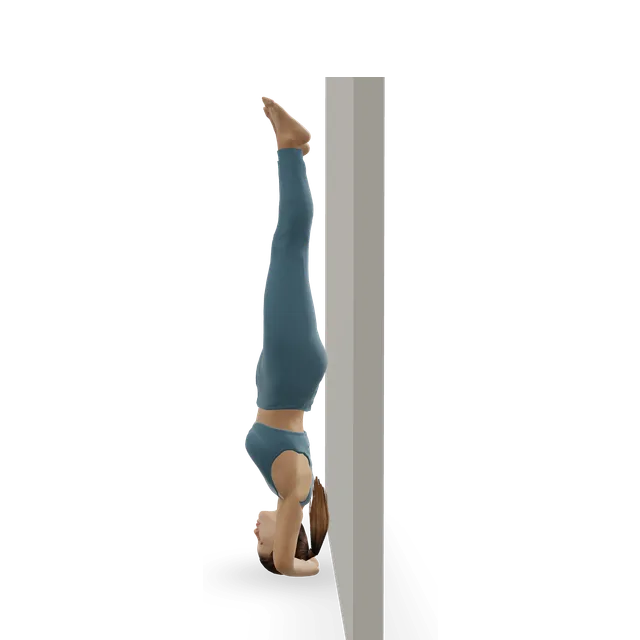
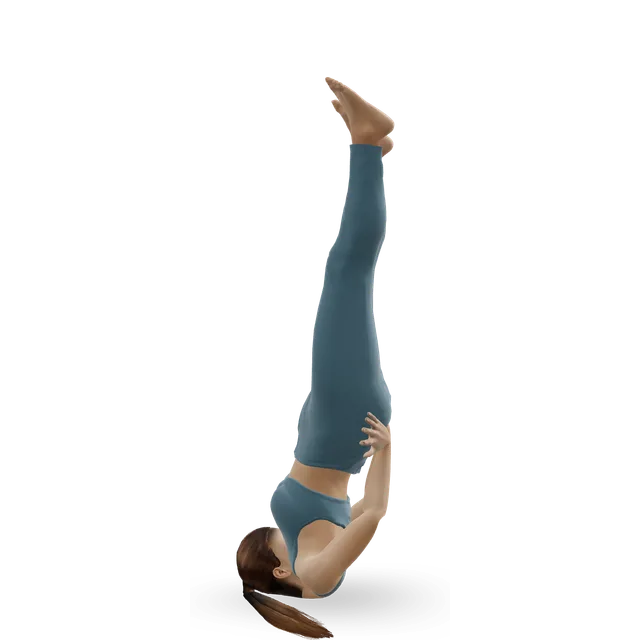
With glaucoma, or high blood pressure that isn't under control, skip headstands, shoulder stands and long head-down holds. With osteoporosis, swap deep forward folds for a flat-back hinge from the hips, and twist smoothly. In pregnancy, our yoga in pregnancy guide covers the changes. NCCIH advises beginners to avoid headstands, shoulder stands, the lotus position and forceful breathing.