Yoga flows
Steady morning yoga for bipolar disorder: a 25-minute daytime class with slow breathing, no holds and a short rest
A 25-minute class to do at about the same time on most mornings or early afternoons: arrive and breathe, loosen, standing poses, the floor, then a short rest. The breathing is slow, with a longer out-breath and no breath holds, and there is no fast breathing. The structure is our editorial choice, from the shape of yoga trial classes and the NHS and Bipolar UK advice on routine and sleep; no trial has tested it. It sits alongside your medicine and your mental health team, never instead of them.
Arrive (about 3 minutes)
- Beginner · Hip flexors, Back · 3D demoSit on a folded blanket, or on the edge of a chairHarder: Pigeon preparation (Eka Pada Rajakapotasana prep)
- Beginner · 3D demoIn for about 4, out for about 6, with no holds. If you feel light-headed, make the breaths smallerEasier: Breath reachHarder: Crocodile breathing (prone diaphragmatic breathing)


Loosen (about 5 minutes)
- Cat-cow6 slow roundsBeginner · Back, Abs · 3D demoOn all fours, or sitting with your hands on your kneesHarder: Half lord of the fishes (Ardha Matsyendrasana)
- Thoracic rotation6 rotations per side, moving with the breathBeginner · 3D demoSitting, arms crossedEasier: Side-lying open bookHarder: World's greatest stretch
- Breath reach5 breaths, exhale longer than inhaleBeginner · 3D demoArms rise as you breathe in and lower on a longer breath outHarder: Slow breathing (6 breaths a minute)
- Child's Pose (Balasana)30 to 60 sBeginner · Back, Shoulders, Glutes · 3D demoKnees wide, a cushion under your hipsHarder: Extended puppy pose (Uttana Shishosana)




Standing (about 8 minutes)
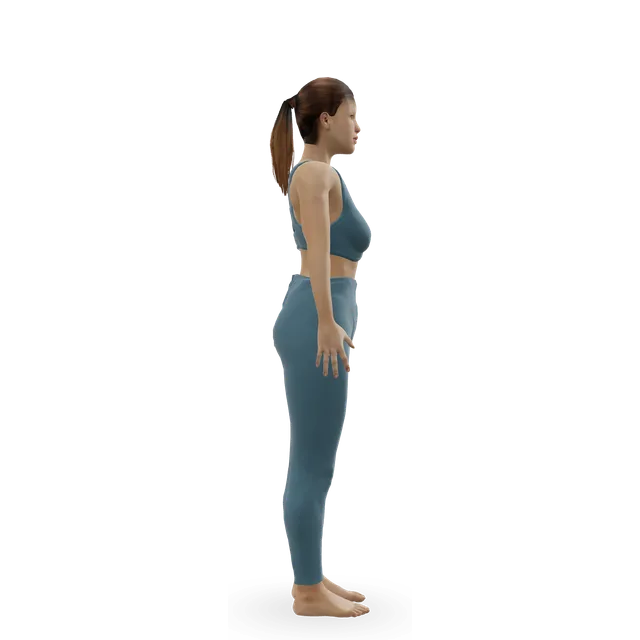
- Mountain pose (Tadasana)5 slow breathsBeginner · Calves, Back, Abs · 3D demoFeet hip-width apart, near a wallHarder: Tree pose (Vrksasana)
- Chair pose (Utkatasana)2 holds of 3 to 5 breathsBeginner · Quads, Glutes, Shoulders · 3D demoA shallow bend, hands on your thighs if you likeHarder: Revolved chair pose (Parivrtta Utkatasana)
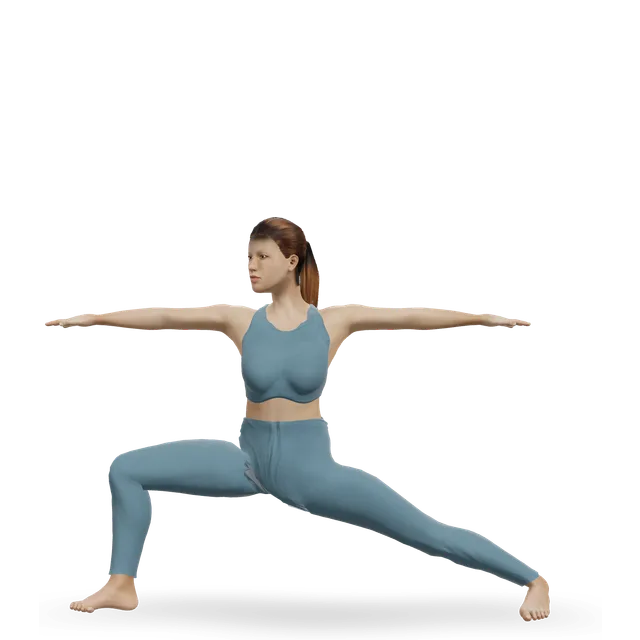
- Warrior II (Virabhadrasana II)3 to 5 breaths each sideIntermediate · Quads, Glutes, Adductors · 3D demoA short stanceEasier: Chair pose (Utkatasana)Harder: Extended side angle (Utthita Parsvakonasana)
- Tree pose (Vrksasana)2 holds of 20 to 30 s each sideBeginner · Glutes, Hip abductors, Calves · 3D demoFingertips on a wall; your heel against your ankle is enoughEasier: Mountain pose (Tadasana)Harder: Standing hand-to-big-toe pose (Utthita Hasta Padangusthasana)
- Hip hinge fold5 slow foldsBeginner · 3D demoHands on your thighs or a chair seat and your back longHarder: Seated forward fold (Paschimottanasana)





Floor (about 5 minutes)
- Glute bridge6 to 8 slow liftsBeginner · Glutes, Hamstrings, Abs · 3D demoBridge pose: lift only as high as your back stays comfortableEasier: Pelvic tilt into bridgeHarder: Single-leg glute bridge
- Supine spinal twist (Supta Matsyendrasana)45 s each sideBeginner · Back, Glutes · 3D demoA cushion under the top kneeHarder: Seated twist, bottom leg straight
- Beginner · Glutes · 3D demoHold behind the thighHarder: Pigeon preparation (Eka Pada Rajakapotasana prep)


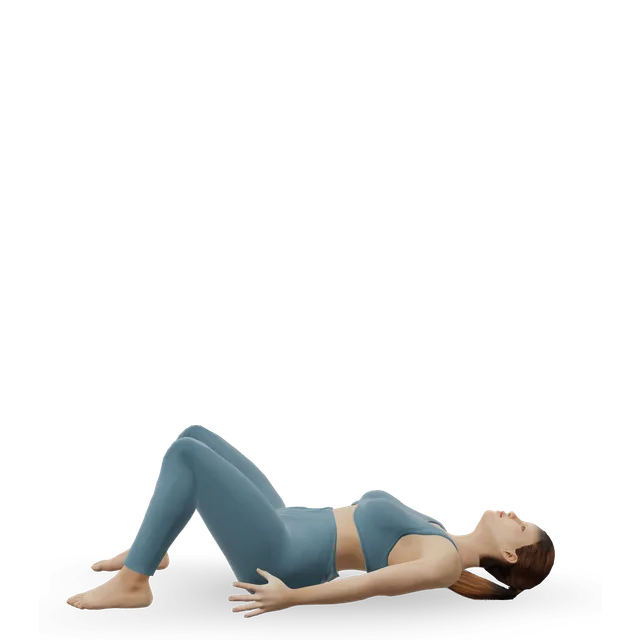
Rest and finish (about 4 minutes)
- Beginner · 3D demoEyes open or closed. If lying still makes you feel worse, sit up and go on to the breathing
- Beginner · 3D demoSitting up. Notice how you feel today, and note it in your mood diary if you keep oneEasier: Breath reachHarder: Crocodile breathing (prone diaphragmatic breathing)

Tips
- Do it at about the same time on most days, in the morning or early afternoon, 2 to 5 days a week, alongside brisk walking and strength work for your heart (our suggestion). Bipolar UK advises not exercising in the late afternoon or evening.
- On lithium, take water every time and drink more when you sweat, as NICE advises. Keep the room at a normal temperature.
- On a low day, the first two blocks and the finish are a full session, about 10 minutes.
- If a high may be starting, do the class at your usual time without adding rounds or extra classes, protect your sleep and contact your team as your plan says.
- No fast breathing (kapalabhati, bhastrika or breath of fire) and no breath holds in this class (our suggestion).
- If you are thinking about suicide or can't keep yourself safe, call 999 or go to A&E. For urgent help, call Samaritans free on 116 123, any time, or in England call 111 and select the mental health option. In the US, call or text 988.
- Our yoga for bipolar disorder guide has the other warning signs, including the signs of lithium toxicity.
The doses are suggested starting points, not a prescription. Choose a range you can control and stop for sharp or increasing pain, numbness or tingling. Get individual advice after an injury or surgery, or if you are pregnant or managing a health condition.
Guides that recommend it
Find more moves like these
More yoga flows
Beginner yoga flow
A 20-minute beginner yoga sequence: mountain, chair, warrior II, triangle, tree, down dog, cobra and child's pose.
20 minBeginner11 movesA step
Sun salutation flow
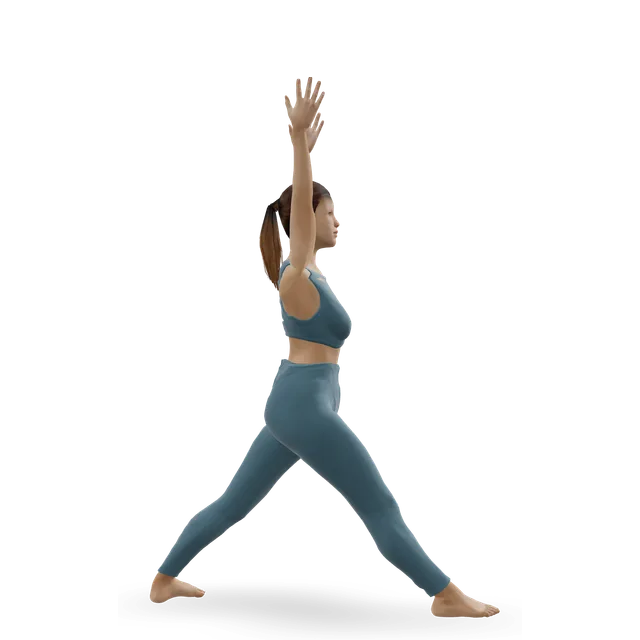
A 20-minute flow built on sun salutations A and B, with warrior poses and a short cool-down.
20 minIntermediate8 movesNo equipment


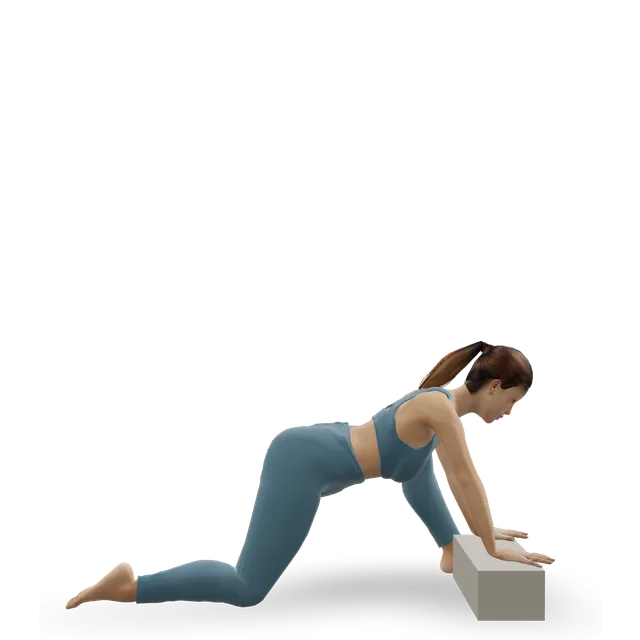
Yoga for tight hips
A hip-opening yoga sequence: low lunge, lizard, goddess, pigeon, bound angle and happy baby.
25 minBeginner10 movesA wallQuestions people ask
How long does the steady morning yoga for bipolar disorder: a 25-minute daytime class with slow breathing, no holds and a short rest take?
About 25 minutes, including any warm-up and cool-down listed. Shorten it by doing fewer rounds; lengthen it by adding one.
What equipment do I need?
No equipment: your body and some floor space. A mat makes floor work more comfortable.
Is it suitable for beginners?
It is written for beginners. 5 of its 15 moves have an easier option listed beside them if you need one.
How do I make it easier or harder?
Use the easier or harder option listed under each move, change the number of rounds, or adjust the rest. Progress one change at a time.