Warning signs: when to get help
Tiredness or breathlessness that's new, or out of proportion to what you're doing, needs a GP, not more training. These are the site's lines from our stamina, energy, anaemia, heart and yoga guides, word for word, apart from the lines given as the NHS's words or marked as our suggestion. This is general information, not a diagnosis. A&E means accident and emergency; in the US, call 911 for 999, and use your doctor's urgent line or urgent care for NHS 111.
Chest pain or fainting while exercising: call 999
Call 999 if:
- You get sudden pain or discomfort in your chest that doesn't go away; it can feel like squeezing or pressure, burning or indigestion.
- The pain spreads to your left or right arm, or your neck, jaw, stomach or back.
- You have chest pain and feel sweaty, sick, light-headed or short of breath.
- Someone faints while exercising, can't be woken within 1 minute, or has chest pain or a pounding, fluttering or irregular heartbeat.
Sources 55, 56
Severe breathlessness
Call 999 or go to A&E (accident and emergency) straight away for severe difficulty breathing (gasping, choking or not able to get words out), a chest that feels tight or heavy, pain that spreads to your arms, back, neck and jaw, lips or skin turning very pale, blue or grey, or sudden confusion. If you're more short of breath than usual, or your heart is racing, fluttering or skipping beats, contact NHS 111.
Source 57
Palpitations or fainting
Call 999 or go to A&E if you have palpitations that don't go away, or that come with chest pain, shortness of breath, or feeling faint or fainting. Call 999 if someone faints while exercising.
Source 58
If you have angina
Stop what you're doing and rest. Use your GTN as prescribed, and take another dose after 5 minutes if the first doesn't help. If you still have symptoms 5 minutes after the second dose, call 999. If you don't have your GTN with you, rest, stay calm and call 999.
Source 59
Chest pain that comes and goes, in the NHS's words
Angina symptoms "are often brought on by exercise, stress, emotion or cold temperatures". Get help from NHS 111 if "you have chest pain or other symptoms of angina that come and go".
Source 59
NHS 111 (in the US, your doctor or urgent care)
If you're more short of breath than usual, have palpitations, or have pain and swelling in one leg.
Source 57
See a GP: tiredness or breathlessness out of proportion
If you've felt tired for weeks without a clear reason, or if tiredness, breathlessness or palpitations seem out of proportion to your effort. The NHS also suggests speaking to a GP before you start if you haven't exercised for some time or have a health condition.
Sources 60, 61, 18
See a GP if
You've been feeling tired for a few weeks and you're not sure why; your tiredness affects your daily life; or you feel tired and have other symptoms, such as weight loss or mood changes, or you've been told you're making gasping, snorting or choking noises when you're asleep. If you feel you're suffering from fatigue, "an overwhelming tiredness that isn't relieved by rest and sleep", consult a GP.
Sources 60, 62
Stop exercising
Stop and rest if you get chest pain, palpitations, dizziness or breathlessness that's out of proportion to what you're doing, and sit or lie down if you feel faint (our suggestion). Fainting during exercise is a 999 call.
Source 56
If a breathing practice makes you dizzy
If a breathing practice makes you dizzy, light-headed or tingly, you're probably breathing too deeply: make the breaths smaller or go back to normal breathing. If you get wheezy or tight-chested, stop and follow your action plan (our suggestions).
During yoga
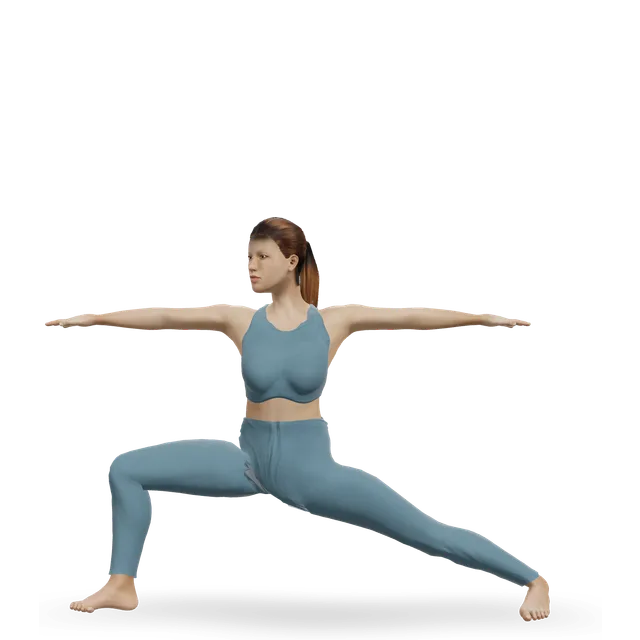
A joint pain that is sharp, gets worse during a session, lingers into the next day or changes how you move is a reason to use an easier version, and to see a GP or physiotherapist if it keeps happening (the rule in our plans). Muscle soreness for a day or two after something new is normal. In a hot class, stop if you feel dizzy, sick or unwell; our hot yoga guide lists the signs of heat illness.
You can say no to any hands-on adjustment, and a teacher registered with Yoga Alliance must get your explicit consent each time.
Sources 15, 63
Head-down poses, bones and pregnancy
With glaucoma, or high blood pressure that isn't under control, skip headstands, shoulder stands and long head-down holds. With osteoporosis, swap deep forward folds for a flat-back hinge from the hips, and twist smoothly. In pregnancy, our yoga in pregnancy guide covers the changes. NCCIH advises beginners to avoid headstands, shoulder stands, the lotus position and forceful breathing.
Sources 64, 15
Before you start
The NHS advises getting advice from a healthcare professional first if you have a health problem, an injury or symptoms, or have recently had a heart attack or an operation.
If you have a heart, lung or joint condition, are pregnant or have recently been unwell, start gently and read our guide for your condition. Muscle soreness for a day or two after a new exercise is common and fades as you repeat it.