Fascia guide

Fascia stretching and fascial stretch therapy: can you stretch fascia, and what the evidence shows

Every stretch pulls on fascia, but dense fascia barely gets longer: three common stretches for the iliotibial (IT) band produced only small strains on it in cadavers. A stretch can make muscle, and in one trial fascia, less stiff for a while. Over weeks, the bigger change is how much stretch your nervous system will accept, which is where most of the extra range comes from.

Fascial stretch therapy is a branded form of assisted stretching, and we found no published trials of it. Trials of assisted stretching in general still give some useful answers, including whether a partner does more than a strap.

This guide covers what a stretch does to fascia, whether long-chain stretches reach other parts of the body, what fascial stretch therapy and other assisted stretching add, and how fascia stretching compares with ordinary stretching, with doses, 3D demos and a strap routine you can do on your own.

The short version

Dense fascia barely lengthens

Every stretch pulls on fascia along with muscle, tendon, nerve and skin, but dense fascia hardly gets longer. In living people the IT band lengthened less than 0.5% during a hip contraction, and three common IT band stretches produced only small strains in cadavers. Squeezing or shearing the dense fascia of the thigh or the sole by even 1% would take forces far beyond what hands can apply.

Sources 1, 2, 3

One trial measured fascia directly

In one trial of 40 people, a long, intense static stretch briefly lowered fascia stiffness: 5 minutes held at the limit of the calf, measured straight afterwards. Five minutes of a moving stretch didn't do the same. It's a single trial, and whether the change lasts is unknown.

Source 4

Lasting range comes mostly from tolerance

Regular stretching clearly builds range: across 77 studies it increased range by a moderate amount. But over 3 to 8 weeks, muscles and tendons changed only trivially. Most of the gain is your nervous system accepting more stretch.

Sources 5, 6

Long-chain stretches reach other areas, a little and briefly

Stretching the calves and hamstrings added about 5 degrees of neck movement in two small trials. But across the trials with a sham comparison the effect was small and could have been chance, similar gains appear in the opposite, unconnected limb, and 7 weeks of stretching and rolling the soles changed neither shoulder nor ankle range.

Sources 7, 8, 9, 10, 11, 12

Fascial stretch therapy is untested

Fascial stretch therapy (FST) is a branded form of assisted stretching on a table, with traction, slow rocking and breathing. We found no published trials of it. In a small study, contract-relax stretching with a partner gained no more range than doing it with a strap, though in another, assisted stretching twice a week helped very old adults move and manage everyday tasks better.

Sources 13, 14, 15, 16

Use the same doses as any stretching

Hold static or contract-relax stretches for 30 to 60 seconds, on most days. Gentle works as well as hard, and moving or bouncing stretches build less lasting range.

Sources 5, 17, 18

What a stretch does to fascia

Dense fascia barely lengthensStrong evidence

The IT band is a thickening of the fascia lata, the dense sheet of fascia around the thigh. In living people it lengthened less than 0.5% during a hip contraction, and three common IT band stretches produced only small strains in cadavers. When cadaver specimens were pulled to a fixed 2.75% extra length, the band and its muscle lengthened 2.3% on average, mostly at the top near the muscle; whether a stretch does that in a living person, or whether it would last, is unknown.

A force model found that compressing or shearing the fascia lata, or the plantar fascia under the foot, by even 1% would need forces outside the normal physiological range. Softer, looser fascia nearer the skin deforms far more easily.

Sources 1, 2, 3

A long, intense stretch briefly lowered fascia stiffnessEmerging evidence

In one trial of 40 people, a long, intense static stretch briefly lowered fascia stiffness. A device held each person's ankle at its limit for 5 minutes, which they rated about 7 to 8 out of 10 for intensity. The stiffness of the calf's deep fascia fell by a small to moderate amount, and the muscle's by more. Five minutes of a moving stretch, bending and releasing the foot 150 times, didn't lower stiffness.

The fascia change was only weakly linked to the gain in range, the measurements were taken within a minute of stretching, and the fascia measure was only moderately reliable. Whether shorter, gentler holds do the same is unknown.

Source 4

Over weeks, your nervous system leadsStrong evidence

A meta-analysis of 26 studies found 3 to 8 weeks of stretching changed muscle structure, muscle stiffness and tendon stiffness only trivially, while people tolerated more stretch. The extra range is real, and it comes mostly from accepting more stretch rather than from longer tissue.

Sources 6, 5

Nerves and fascia may set the end of a stretchEmerging evidence

A commentary argues that nerves and fascia, though they add little to the resistance you feel, may set the end of your range and how a stretch feels. That fits the trial above, where changes in fascia stiffness tracked range a little and changes in muscle stiffness didn't.

Sources 19, 4

Fascia behaves like a slow, living materialEmerging evidence

In strips of human low-back fascia tested in a laboratory, repeated identical stretches made it stiffer, and rest reversed this. In mouse and pig fascia, a 15-minute stretch squeezed water out; in the rest afterwards the water came back and overshot, making the tissue briefly stiffer. In laboratory studies of loose connective tissue, the cells changed shape within minutes of a stretch and helped the tissue relax. None of this has been measured in a person stretching.

Sources 20, 21, 22

Thicker fascia goes with less flexibilityEmerging evidence

In 35 healthy women, those with thicker deep fascia tended to be less flexible, and older women had thicker low-back fascia. It's a snapshot, so it can't show that thick fascia limits range, or that stretching would thin it.

Source 23

One session didn't change the IT band's stiffnessEmerging evidence

In 30 people, one session of IT band stretching or rolling didn't change the band's stiffness, measured with ultrasound, and range rose by less than 1 degree.

Source 24

Long-chain stretches and remote effects

The fascia lines page explains which chains dissection supports.

Three chains are confirmed by dissectionStrong evidence

Of the six myofascial 'lines' in a popular map, dissection fully supports three: the superficial back line, running from the soles up the calves, hamstrings and back to the scalp, and the back and front functional lines across the trunk. The spiral and lateral lines are partly supported, and the superficial front line not at all.

Source 25

Pull passes along the back of the body, by a disputed amountEmerging evidence

A review of 9 studies found moderate evidence that force passes between the links of the back line. In 11 people, a machine stretching the calf moved a hamstring muscle by about 6 millimetres and the fascia over it by less than 1, so pull does cross the knee. Cadaver and animal studies suggest meaningful force passes between muscles; how much it does in living people is disputed.

Sources 26, 27, 28

Leg stretches briefly added neck rangeEmerging evidence

In a small study, three 30-second stretches each for the calves and hamstrings raised neck movement by about 5 degrees, with no change in 13 people who didn't stretch. In a randomised trial of 63 adults, leg stretching added as much neck range as stretching the neck itself, in every direction, straight after and 5 minutes later.

Sources 7, 8

Across trials, the effect is small and may not be fasciaMixed evidence

A meta-analysis of 8 small, low-quality trials found remote techniques trended towards more range than sham, but the 4 trials with a sham comparison pooled to a small effect that could have been chance. Another meta-analysis, of 11 studies, found stretching one muscle increased range at joints elsewhere, including in the opposite limb, which no fascial chain connects. That points to the nervous system for much of the effect.

Sources 9, 10

Nothing lasting after 7 weeksEmerging evidence

Seven weeks of stretching and rolling the soles, 3 times a week, changed neither shoulder range (33 people) nor ankle range or calf stiffness (38 people). The researchers' advice: to change a joint's range, train the muscles that cross it.

Sources 11, 12

Fascial stretch therapy and assisted stretching

What fascial stretch therapy is

Fascial stretch therapy is a branded assisted-stretching system from the Stretch to Win Institute, developed by Ann Frederick and taught with Chris Frederick to massage therapists and other professionals. You lie on a table while the practitioner applies traction, for example lifting both legs a little and leaning back, moves slowly to the first point of resistance, and rocks the limb gently in time with your breathing instead of holding a still stretch.

Its principles include gains 'without pain', stretching 'neuromyofasciae, not just muscle', moving in several directions and lengthening with traction.

Sources 13, 14

No published trialsMixed evidence

We searched the medical literature in October 2026 and found no published trials of fascial stretch therapy. The developers' book says it includes their own research on chronic low back pain, and the developer's article cites a conference abstract, but we couldn't find or open either. Until there are trials, its effects are best judged by what assisted stretching in general does.

Sources 13, 14

A partner added no more range than a strapEmerging evidence

In 13 adults, contract-relax stretching with a partner, the same stretch done alone with a strap, and plain static stretching all gave the same immediate gain in range, about 3% to 5%. It tested single sessions, so it says nothing about the long term.

Source 15

Assisted stretching helped very old adultsEmerging evidence

In a pilot trial of 17 people living in a retirement community, average age 89, 10 assisted stretches twice a week for 8 weeks increased range at most joints and improved all six tests of everyday function, compared with a low-activity group. It was small, and it tested assisted stretching, not fascial stretch therapy.

Source 16

Who might choose it

Assisted stretching can suit people who struggle to get into positions, need help to stretch regularly, or want guidance. Those are good reasons to pay for it; a special effect on fascia isn't one. A strap does the same job on your own, and the strap routine below shows how.

Sources 15, 16

Fascia stretching vs ordinary stretching, and fascia yoga

Static and contract-relax stretches build the most rangeStrong evidence

Across 77 studies, static stretching and contract-relax stretching (also called proprioceptive neuromuscular facilitation, or PNF) built more lasting range than moving (dynamic) or bouncing (ballistic) stretches. Slow, flowing 'fascia stretches' that never pause are closer to dynamic stretching: good movement, but hold a still version where you want lasting range.

Source 5

Gentle works as well as hardStrong evidence

Neither large review found that stretching harder built more range. In 189 studies of static stretching (6,654 adults), intensity, age and sex made no difference, and the least flexible gained most. Stretch to a clear pull you can breathe through.

Sources 5, 17

Whole-chain methods did no betterEmerging evidence

Global postural re-education stretches whole chains of muscle and fascia at once. In 40 adults with fibromyalgia, 10 weekly sessions did no better than ordinary stretches of single muscle groups, for pain, flexibility or anything else measured. In 24 women with jaw muscle pain, the two approaches gave similar results.

Sources 29, 30

Stretching doesn't fix posture or prevent injuriesStrong evidence

A panel of 20 stretching researchers agreed that stretching improves range and lowers muscle stiffness, but doesn't fix posture, prevent injuries in general or speed recovery. In a meta-analysis of injury prevention trials, strength training cut sports injuries to under a third, while stretching made no difference. The flexibility guide compares stretching with strength training for range.

Sources 18, 31

Fascia yoga

Yoga stretches every tissue, fascia included. 'Fascia yoga' usually means slow, flowing stretches in many directions; we found no trials of it as a style, so its benefits are those of yoga and stretching in general. With osteoporosis, avoid deep, held or repeated forward bends of the spine.

Source 32

How to stretch, and how much

How long and how oftenStrong evidence

Regular static stretching builds range: across 189 studies the effect was large. Our editorial starting point, matching the flexibility guide: hold each stretch for 30 to 60 seconds, adding up to 1 to 2 minutes per area, on most days. Expect it to feel easier within a few weeks, with a clear gain by 4 to 6 weeks.

Sources 17, 5

How much is enough is less settledMixed evidence

One meta-regression found gains levelled off at about 4 minutes per muscle in a session and about 10 minutes a week; another large review found no clear link with dose. Treat those figures as a rough ceiling, not a target.

Sources 17, 5

Over 65, hold for longerEmerging evidence

In 62 people aged 65 to 97, 60-second hamstring holds gained range nearly twice as fast as 30-second holds, and the gains lasted longer.

Source 33

Long-line stretches

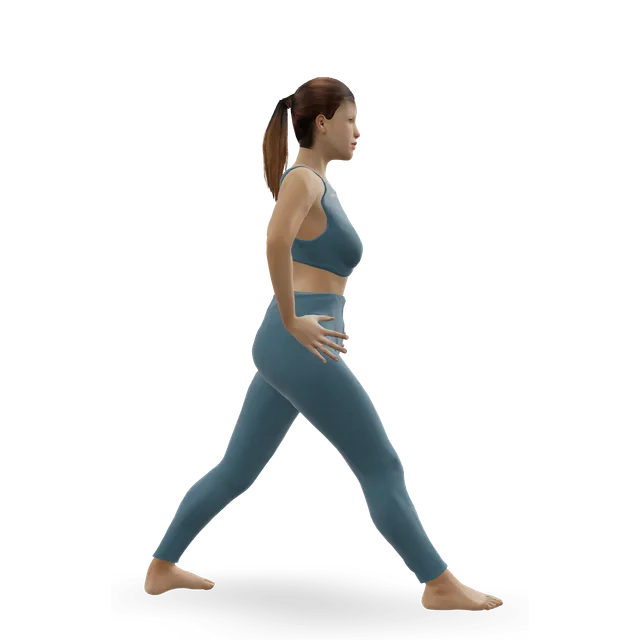
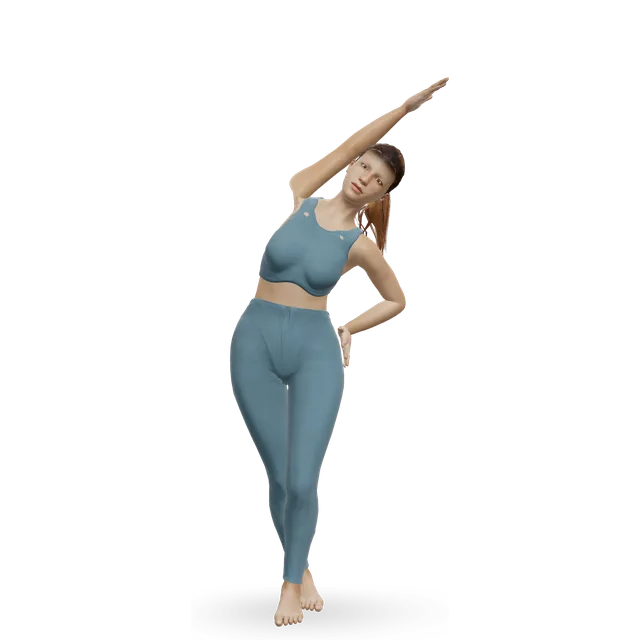
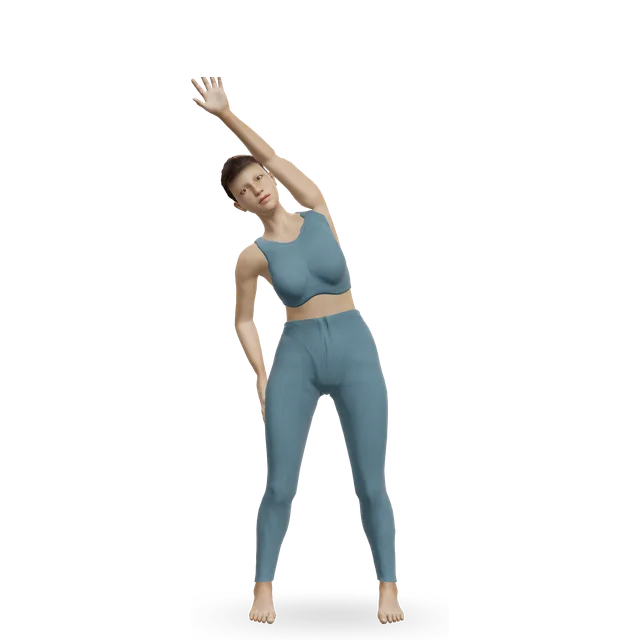
Warm up with a few minutes of easy movement, such as cat-cow. For the back of the body, the best-supported chain, fold from the hips with a long back, then hold a still version such as pyramid pose or a standing strap stretch. For the sides and for rotation, use side reaches, gate pose or spiral reaches. Changing the angle a little each rep, as fascia training suggests, is plausible but untested. Each move's page gives its dose.

Sources 25, 34

Assisted stretching on your own: a strap

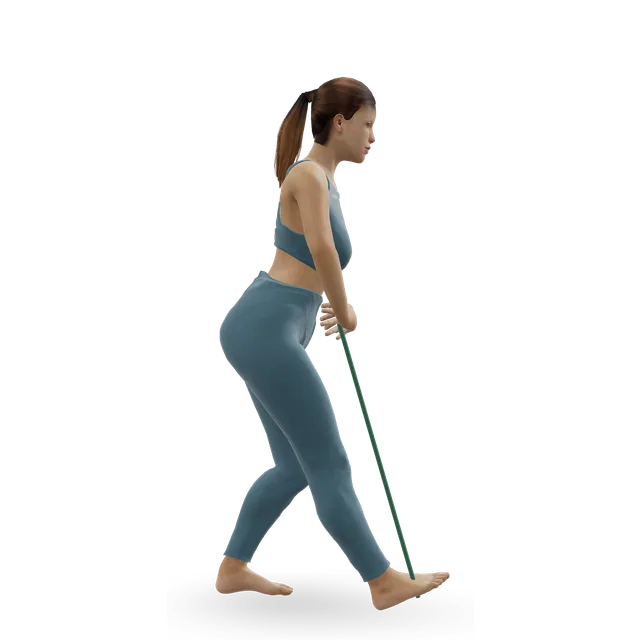
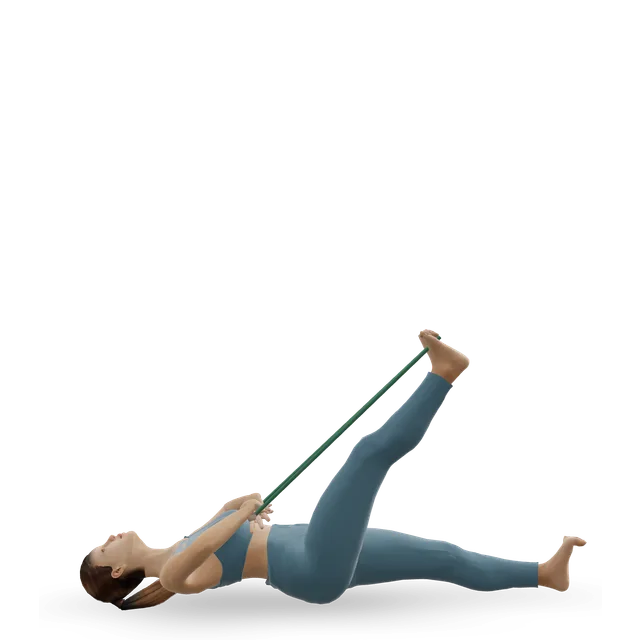
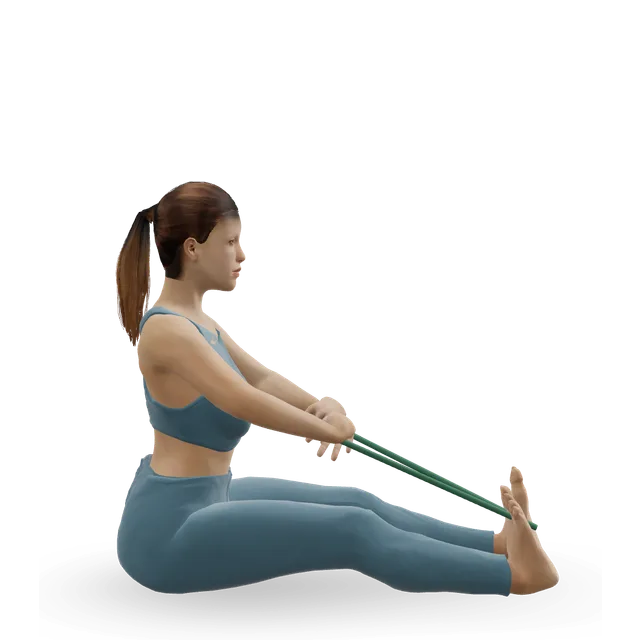
A strap, belt or towel does what a partner does: it holds your leg in a stretch while you relax, and gives you something to push against. Hold each stretch for 30 to 60 seconds, twice per side (our editorial starting point). For contract-relax, push gently into the strap at about a quarter of your effort for 6 seconds, relax, take up the slack and hold for 20 seconds, for 3 rounds (the move's dose). With a strap, contract-relax gained as much range as with a partner in a trial.

Sources 15, 5

With a partner or therapist

Our editorial suggestions, with two cautions from the evidence: slow, forced stretches at the end of range have injured dancers' hamstrings, and after a hip replacement some positions are off limits while you recover.

  • Agree a stop word, and tell them where you feel the stretch.
  • Ask for slow, steady pressure to a clear pull: no bouncing, and never pain.
  • For contract-relax, push against their hand at about a quarter of your effort for about 6 seconds, then relax and let them take up the slack.
  • Skip traction and end-of-range stretches on a replaced joint or after a recent operation unless your surgeon agrees.

Sources 35, 36

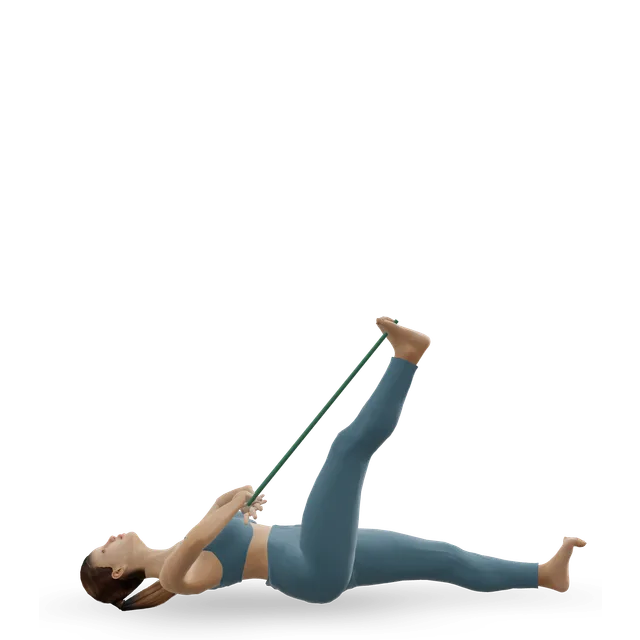
Strap hamstring stretch with contract-relax

Dose from the move's page. With a strap, contract-relax gained as much range as with a partner (Maddigan 2012), and static and contract-relax stretching build the most lasting range (Konrad 2024).

  1. Lie on your back with one leg long and a strap, belt or towel round the ball of the other foot.
  2. Straighten that knee and draw the leg up until the back of the thigh and calf pull, keeping your pelvis still on the floor.
  3. Hold for 20 to 30 seconds, breathing easily.
  4. Push the leg gently into the strap at about a quarter of your effort for 6 seconds.
  5. Relax completely, breathe out and take up the new slack, then hold for 20 seconds.
  6. Do 3 rounds, then change legs. Bend the knee and ease off if you feel tingling down the leg.

Loading the 3D figure…

Gets into position, then repeats the movement. Technical checks passed; qualified exercise review is pending.

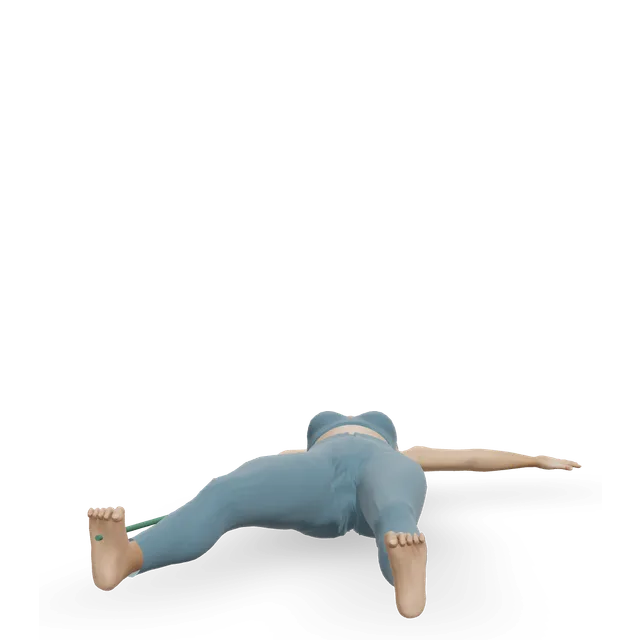
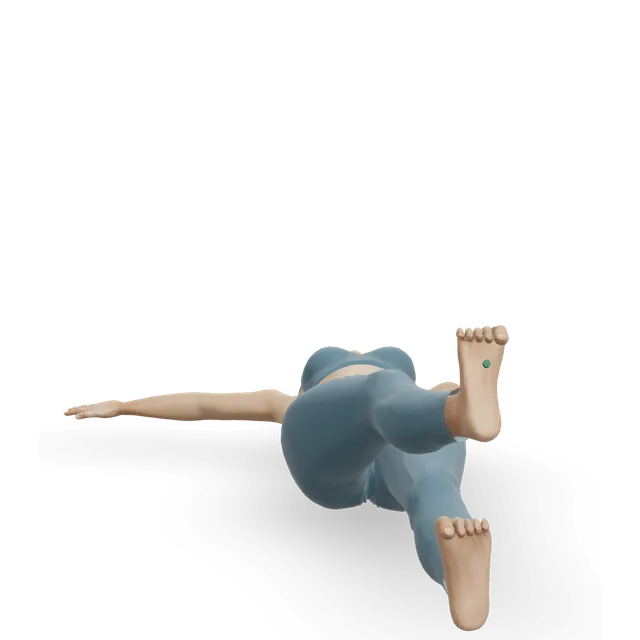
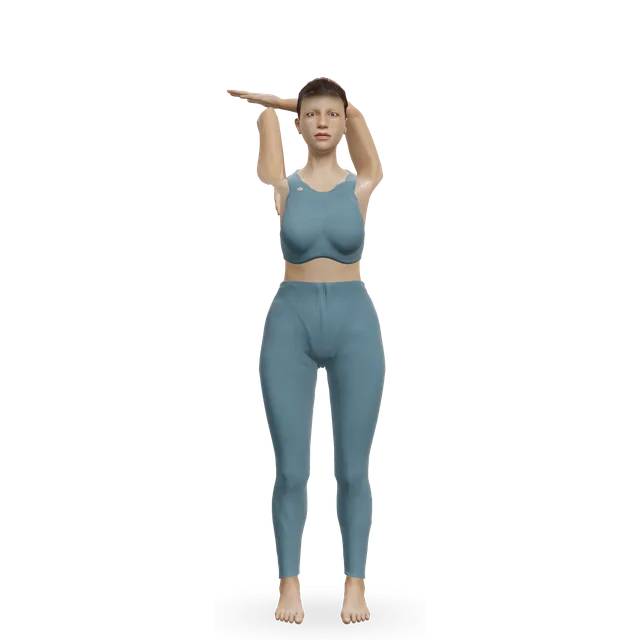
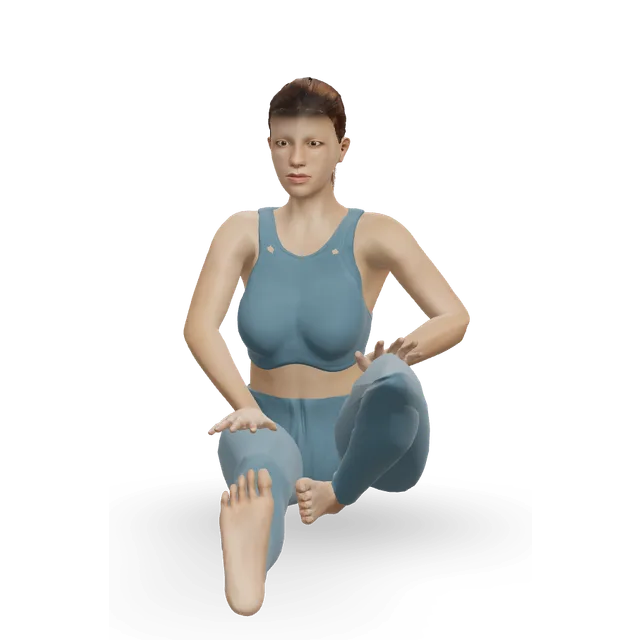
The movement on the figure: Contract-relax hamstring stretch (PNF)

Long-chain stretches

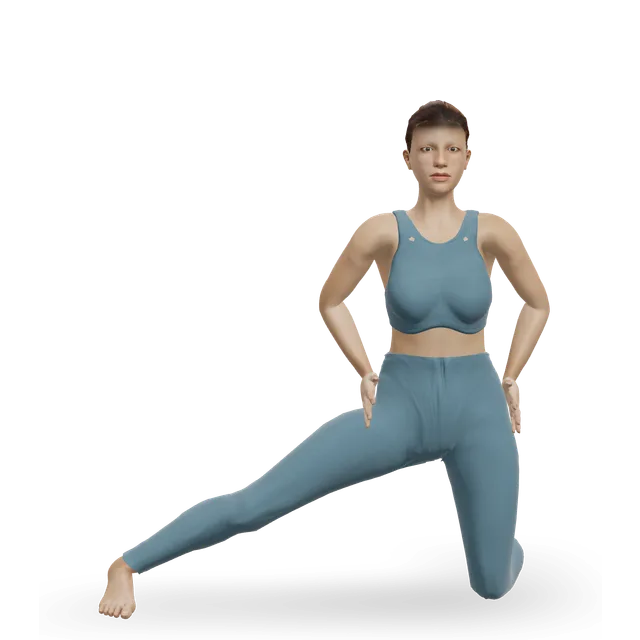
Back-of-body folds load the best-supported chain; side bends and spirals are good movement along lines that are only partly mapped. Hold the still ones for 30 to 60 seconds where you want lasting range.

Strap stretches: assisted stretching on your own

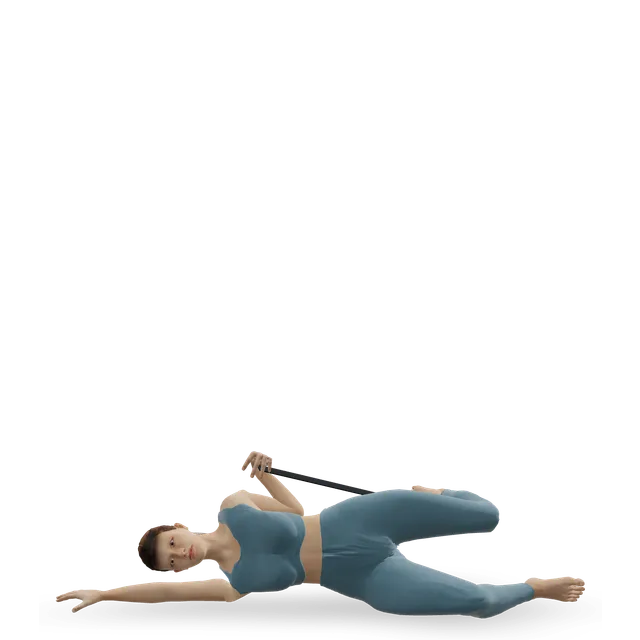
Hold each for 30 to 60 seconds, ease off for tingling down the leg, and skip the IT band stretch if the bony point on the outside of your hip is sore.

Gentler options

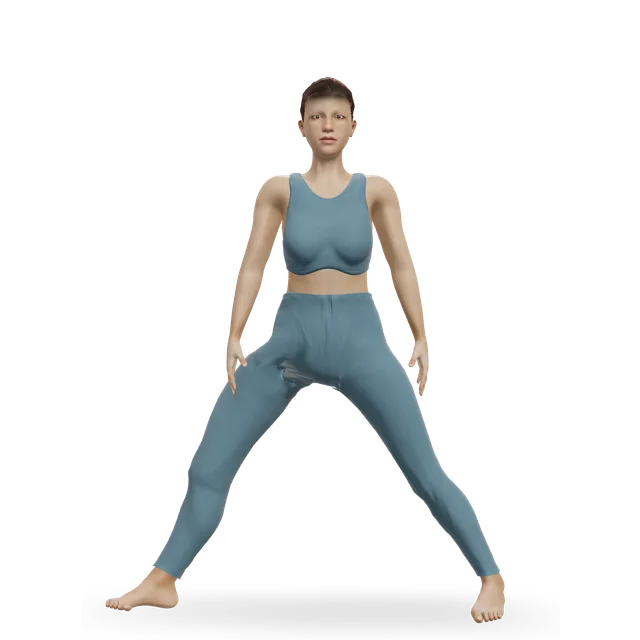
Good places to start if you're stiff, older or getting back into stretching; use a wall or chair for balance where you need it.

Routines to follow

The strap routine is the do-it-yourself version of assisted stretching; the fascia stretching routine is the slow, flowing, many-angled version.

Warning signs: when to take care and when to get help

Take care, or check first

  • After a sprain or strain, protect and rest it for the first 2 to 3 days, then move it gently. Don't stretch into a fresh injury.
  • After a hip replacement, NHS precautions include not bending the hip past 90 degrees, not crossing your legs and not bending down to your feet while you recover. Check other joint replacements and recent operations with your team.
  • If your joints are very flexible (hypermobility), build strength rather than chasing range: the NHS advises against overextending joints just because you can.
  • With osteoporosis, avoid extreme, held, repeated or loaded forward bending of the spine. Fold from the hips with a long back, or stretch lying down.
  • In later pregnancy, avoid lying flat on your back for more than a few minutes, and stop if you feel uncomfortable, too hot or unwell.
  • Tingling, burning or numbness down a limb is a nerve under tension, not a stretch: ease off.

Sources 37, 36, 38, 32, 39

Go to A&E or call 999 (911 in the US)

After a stretch or an injury, if:

  • You heard a crack, or the injured part has changed shape.
  • It's numb or tingling, or the skin has turned blue, grey or cold.

Source 37

Get help from NHS 111

After a stretch or an injury, if:

  • The pain is severe or getting worse.
  • There's a lot of swelling or bruising, or you can't put weight on it.

Source 37

A swollen calf needs checking

A calf that is swollen, throbbing, red or darkened may be a blood clot. Don't stretch or massage it: call 111, or 999 if you're also breathless or have chest pain.

Source 40

Myths

"Stretching lengthens or releases your fascia"Strong evidence

Dense fascia barely lengthens with a stretch and can't be deformed by hands or rollers, and weeks of stretching work mainly through tolerance. In one trial of 40 people, a long, intense static stretch briefly lowered fascia stiffness: a short-lived change, not a release.

Sources 1, 2, 3, 6, 4

"Fascia needs holds of 3 to 5 minutes to release"Mixed evidence

No study shows fascia needs special long holds. Holds of 30 to 60 seconds on most days build lasting range, and in one analysis gains levelled off at about 4 minutes per muscle in a session. A 5-minute stretch did briefly lower fascia stiffness in one trial, but long holds aren't needed for lasting gains.

Sources 5, 17, 4

"Stretch the back of your body and you free your neck"Mixed evidence

Leg stretches briefly added about 5 degrees of neck range in two small trials, the pooled effect against sham was small and uncertain, and 7 weeks of stretching and rolling the soles left shoulder range unchanged. We found no evidence about headaches.

Sources 7, 8, 9, 11

"Fascial stretch therapy gives 50% better results than ordinary stretching"Mixed evidence

Marketing claims of '52% more flexibility in your first session' or 'at least 50% better results' name no study we could find, and we found no published trials of fascial stretch therapy. In a trial comparing assisted and unassisted contract-relax stretching, a partner added nothing over a strap.

Sources 13, 15

"Bouncing stretches are best for fascia"Strong evidence

Fascia training ideas suggest small bounces at the end of a stretch, but moving and bouncing stretches build less lasting range than static or contract-relax stretching. In the one trial we found that measured fascia, 5 minutes of repeated stretch-and-release didn't lower its stiffness where a static stretch did.

Sources 34, 5, 4

"Stretching fascia fixes posture and prevents injuries"Strong evidence

Stretching researchers agreed it doesn't fix posture or prevent injuries in general. Strength training is what cut sports injuries in trials.

Sources 18, 31

"Fascia stretches release stored trauma"Mixed evidence

No study shows emotions are stored in fascia. The nervous-system change that is real is stretch tolerance: over weeks, you accept more stretch. If stretching helps you relax, that's a fine reason to do it.

Source 6

Questions people ask

Can you stretch fascia?

Barely, if you mean making it longer. In living people the IT band lengthened less than 0.5% during a hip contraction, and three common IT band stretches produced only small strains in cadavers. In one trial of 40 people, a long, intense static stretch briefly lowered fascia stiffness. You do gain range with regular stretching, mostly because your nervous system tolerates more stretch.

How long does it take to stretch fascia?

There's no fascia-specific timeline. Stretching on most days, range usually starts to improve within a few weeks, with a clear gain by 4 to 6 weeks, mainly because you tolerate more stretch. Dense tissue itself changes little with stretching.

How long should you hold a stretch for fascia?

The same as any stretch: 30 to 60 seconds, adding up to 1 to 2 minutes per area, on most days, and closer to 60 seconds if you're over 65. A 5-minute stretch briefly changed fascia stiffness in one trial, but long holds aren't needed for lasting gains.

What is fascial stretch therapy?

A branded form of assisted stretching: you lie on a table while a trained practitioner moves your limbs with gentle traction, slow rocking and breathing, aiming for gains without pain. We found no published trials of it, so its effects are best judged by what assisted stretching in general does.

Is assisted stretching worth it?

It can help you stretch regularly and comfortably, and in a small trial assisted stretching twice a week improved range and everyday function in very old adults. But in another study a partner added no more range than a strap. Pay for it for guidance and routine, not for a special effect on fascia.

What's the difference between fascial stretch therapy and massage?

Fascial stretch therapy moves your joints through their range with traction; massage presses and moves soft tissue. Neither has been shown to lengthen or release dense fascia, and both can change how an area feels for a while. The myofascial release guide covers massage and other hands-on techniques.

Is fascia stretching different from muscle stretching?

Not in practice: the same stretch loads muscle, fascia, tendon and nerve together. In a trial, a long calf stretch made both the muscle and its fascia less stiff for a short time. Nerves and fascia may also set where a stretch ends.

Do long-chain stretches work on the whole line?

Briefly and a little. Calf and hamstring stretches added about 5 degrees of neck movement in two small trials, but the effect was small and uncertain across trials, and 7 weeks of stretching the soles changed neither shoulder nor ankle range. To change a joint's range, stretch or strengthen the muscles that cross it.

Does yoga stretch fascia? What is fascia yoga?

Yoga stretches every tissue, fascia included. 'Fascia yoga' usually means slow, flowing stretches in many directions; we found no trials of it as a style, so its benefits are those of yoga and stretching. With osteoporosis, avoid deep, repeated forward bends of the spine.

Can you overstretch fascia?

You can strain muscle and tendon by forcing a stretch: dancers hurt in slow, end-of-range stretches took a median of 50 weeks to get back to their previous level. Gentle stretching builds range as well as hard stretching. If your joints are very flexible, build strength instead of chasing more range.

Should stretching hurt?

No. Aim for a clear pull you can breathe through, because harder stretching doesn't build more range. Stop for sharp pain, tingling or numbness.

Sources

  1. Falvey 2010 · Iliotibial band syndrome: testing the evidence behind common treatments (study in living people and cadavers, Scand J Med Sci Sports)
  2. Wilhelm 2017 · How the iliotibial band and its muscle deform under clinical tension loading (cadaver study, Int J Sports Phys Ther)
  3. Chaudhry 2008 · A 3D model of how fascia deforms in manual therapy (modelling study, J Am Osteopath Assoc)
  4. Warneke 2024 · Static and dynamic stretching and deep fascia stiffness (randomised crossover trial, Eur J Appl Physiol)
  5. Konrad 2024 · Long-term effects of stretching on range of motion (meta-analysis, J Sport Health Sci)
  6. Freitas 2018 · Can chronic stretching change muscle and tendon properties? (review and meta-analysis, Scand J Med Sci Sports)
  7. Wilke 2016 · Remote effects of lower limb stretching on neck range (controlled study, J Sports Sciences)
  8. Wilke 2017 · Is remote stretching along myofascial chains as effective as local stretching? (randomised trial, J Sports Sciences)
  9. Burk 2020 · Can myofascial treatments have a remote effect on range of motion? (meta-analysis, J Sport Rehabil)
  10. Behm 2021 · Stretching one muscle and range of motion at other joints (meta-analysis, Sports Medicine)
  11. Konrad 2023 · Seven weeks of foot sole stretching and rolling, and shoulder range (randomised trial, Front Sports Act Living)
  12. Konrad 2023 · Seven weeks of foot sole stretching and rolling, and the calf (randomised trial, Eur J Appl Physiol)
  13. Frederick 2021 · Fascial stretch therapy, described by its developer (magazine article, MASSAGE Magazine)
  14. Frederick & Frederick 2014 · Fascial Stretch Therapy, second edition (book, publisher's description, Hachette UK)
  15. Maddigan 2012 · Contract-relax stretching with a partner, with a strap, and static stretching compared (crossover study, J Strength Cond Res)
  16. Stanziano 2009 · Assisted stretching and everyday function in very old adults (pilot trial, Clin Interv Aging)
  17. Ingram 2025 · The dose of static stretching for flexibility (meta-analysis and meta-regression, Sports Medicine)
  18. Warneke 2025 · Practical recommendations on stretching: a Delphi consensus of research experts (J Sport Health Sci)
  19. Nordez 2017 · Structures other than muscle can limit how far a joint stretches (commentary, Sports Medicine)
  20. Yahia 1993 · Viscoelastic properties of human low-back (lumbodorsal) fascia (laboratory study of donated tissue, J Biomed Eng)
  21. Schleip 2012 · Strain hardening of fascia: a static stretch can make it briefly stiffer (laboratory study of animal tissue, J Bodyw Mov Ther)
  22. Langevin 2011 · Connective tissue cells remodel and help set tissue tension (laboratory study, J Cell Physiol)
  23. Wilke 2019 · Fascia thickness, ageing and flexibility (cross-sectional study, J Anatomy)
  24. Pepper 2021 · Foam rolling, stretching and iliotibial band stiffness (randomised trial, Int J Sports Phys Ther)
  25. Wilke 2016 · What is evidence-based about myofascial chains (systematic review, Arch Phys Med Rehabil)
  26. Krause 2016 · Force transmission between muscles along myofascial chains (systematic review, J Anatomy)
  27. Wilke & Tenberg 2020 · A calf stretch moves a hamstring muscle and the fascia over it (ultrasound study, J Anatomy)
  28. Wilke 2018 · Fascia and its force transmission capacity (review, J Appl Physiol)
  29. Matsutani 2023 · Global postural re-education versus segmental stretching for fibromyalgia (randomised trial, Trials)
  30. Maluf 2010 · Global postural re-education versus static stretching for jaw muscle pain (randomised trial, J Manipulative Physiol Ther)
  31. Lauersen 2014 · Exercise to prevent sports injuries (meta-analysis of randomised trials, BJSM)
  32. Brooke-Wavell 2022 · Strong, steady and straight: UK consensus on exercise for osteoporosis (consensus statement, BJSM)
  33. Feland 2001 · How long to hold a hamstring stretch at 65 and over (randomised trial, Physical Therapy)
  34. Schleip & Müller 2013 · Training principles for fascial connective tissues (narrative review with suggested exercises, J Bodyw Mov Ther)
  35. Askling 2007 · Hamstring strains during slow stretching in dancers (case series, Am J Sports Med)
  36. NHS · Recovering from a hip replacement
  37. NHS · Sprains and strains
  38. NHS · Joint hypermobility syndrome
  39. NHS · Exercise in pregnancy
  40. NHS · Deep vein thrombosis (DVT)

Movement education, not medical advice. Stop for sharp or increasing pain, numbness or tingling, and get individual advice if you are pregnant, after an injury or surgery, or managing a health condition. Health disclaimer.