Is the IT band fascia? Yes, and that's why you can't roll it longer
Yes, the IT band is fascia: a thick strip of the fascia that wraps your thigh, anchored to the thigh bone along its length. That anchoring is part of why it barely stretches and why rolling cannot release it.
What you can change is how the outer thigh feels for a few minutes, and the strength of the hip muscles that matter for an aching outer knee. This page covers what the band is, what rolling and stretching do to it, and what helps.
The iliotibial band is a thickening on the outside of the fascia lata, the sheet of fascia that wraps the thigh. It is firmly attached to the thigh bone from the hip down to the outer knee, and at the knee fibrous strands anchor it to the bone. Beneath it at the knee lies a layer of fat rich in nerves; dissection found no bursa there.
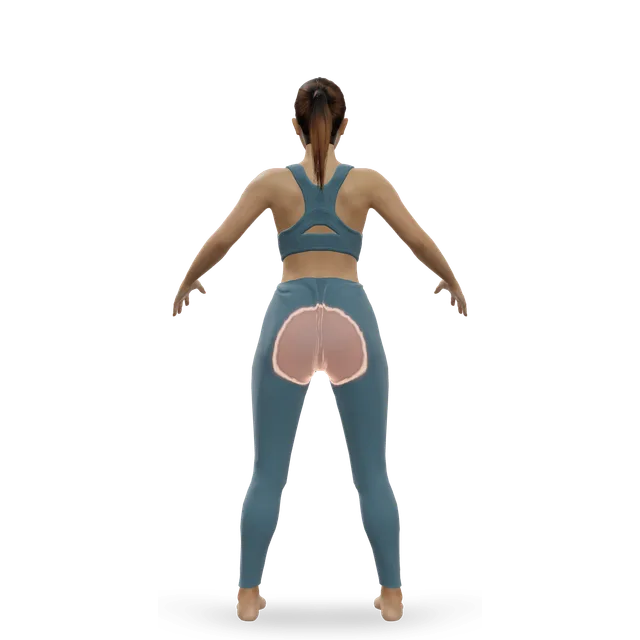
The tensor fasciae latae (TFL), a small muscle at the front of the hip, pulls on the band, so it carries muscle force much as a tendon does. Is it fascia or tendon? It is fascia doing a tendon's job.
In cadavers, three common IT band stretches lengthened the band by less than 0.5% on average. When specimens were pulled to a fixed 2.75% elongation, the band did lengthen by a few millimetres, most near the TFL; whether that would last is unknown.
Rolling changes range for minutes, not stiffnessEmerging evidence
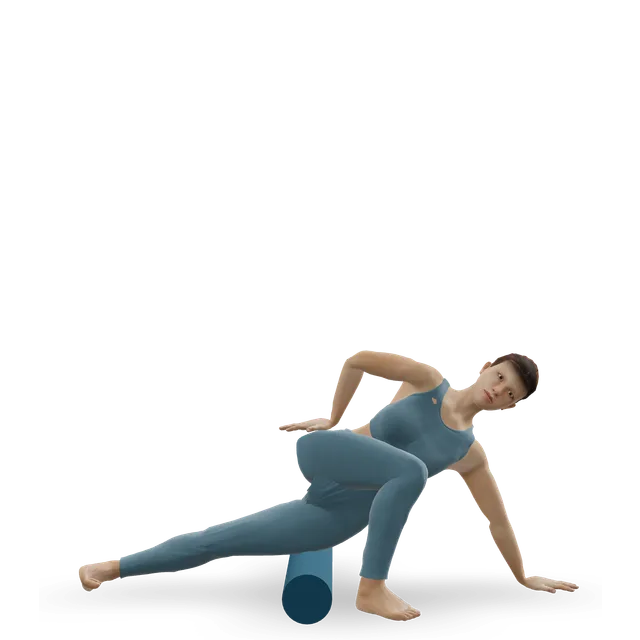
Rolling raised hip range on the Ober test straight away and at 3 minutes, but not at 10, 15 or 20 minutes. In living people, one session of rolling or stretching did not change the band's stiffness on ultrasound elastography, and range rose by 0.8 degrees. The fascia lata is one of the two tissues a force model says manual pressure cannot deform.
Why the outer knee hurts in runners, and what helps
Compression, not frictionEmerging evidence
Anatomy work suggests the pain comes from the fat beneath the band being compressed at about 30 degrees of knee bend, not from the band rubbing back and forth over the bone.
Hip strength is the common threadEmerging evidence
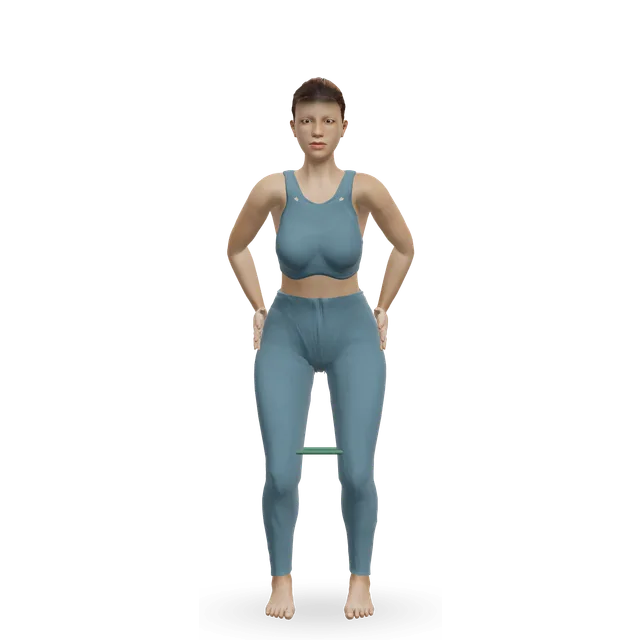
A 2024 systematic review found hip abductor strengthening ran through the conservative treatments that worked. The research is thin: of 98 studies, only 7 were randomised trials, and most recommendations rest on expert opinion. If your outer knee hurts on runs, the evidence points to managing your running load and building hip strength.
A sore outer hip: skip the roll and the cross-body stretchesEmerging evidence
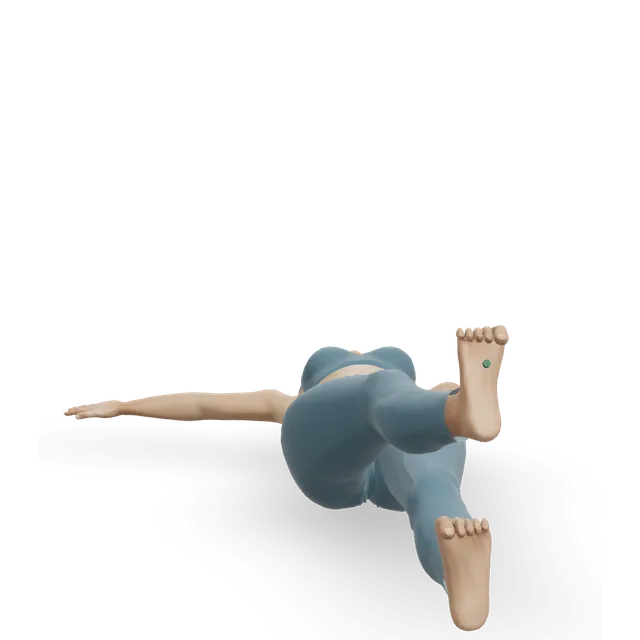
Pain over the bony point on the outside of the hip, worse lying on that side, is usually the gluteal tendons. Moving the thigh across the body presses the band against those tendons, and the trial programmes that helped taught people to avoid it. While it hurts, leave out IT band stretches, outer-thigh rolling and the crossed-leg side reach.
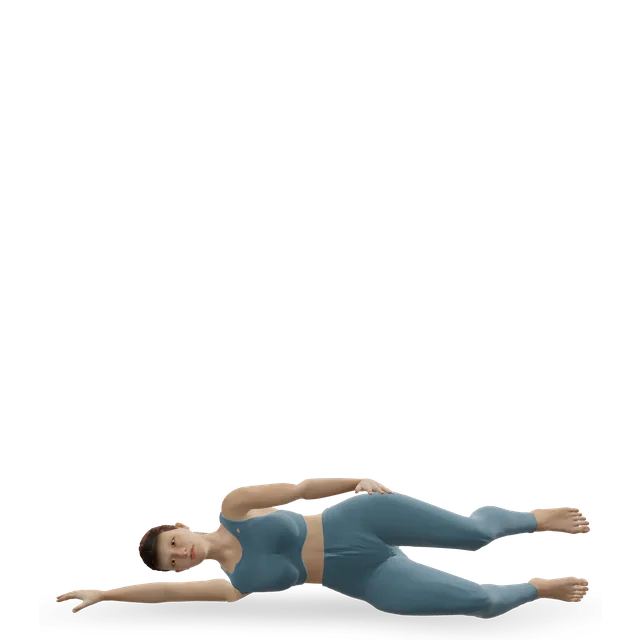
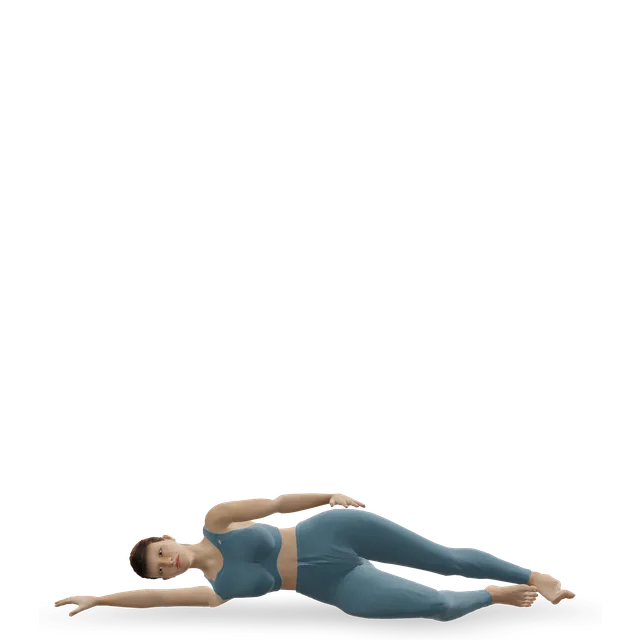
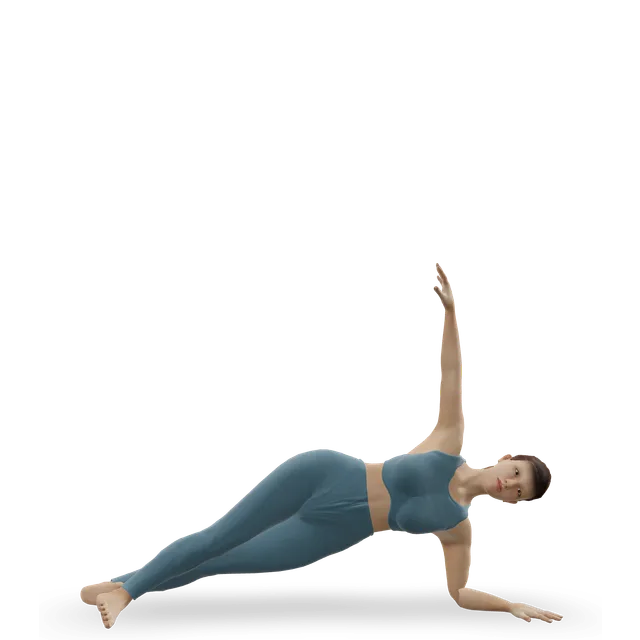
Hip abductor strength is the better-supported route for an aching outer thigh or knee. If the outside of your hip is sore, do not lie on that side for the side-lying moves.
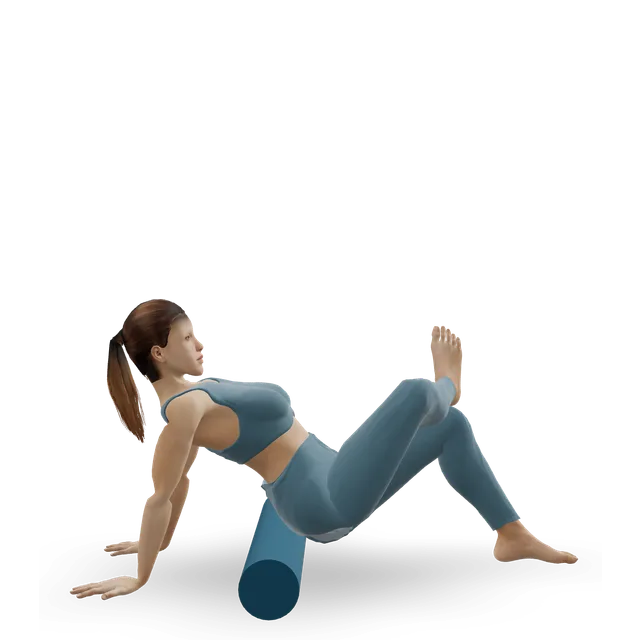
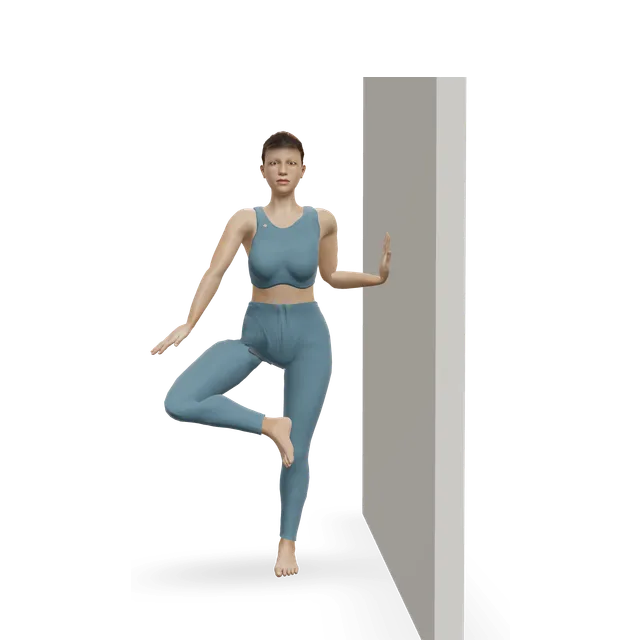
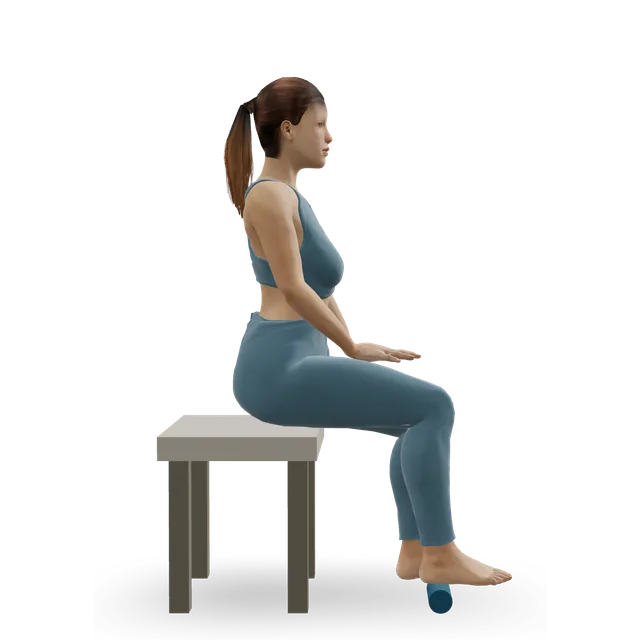
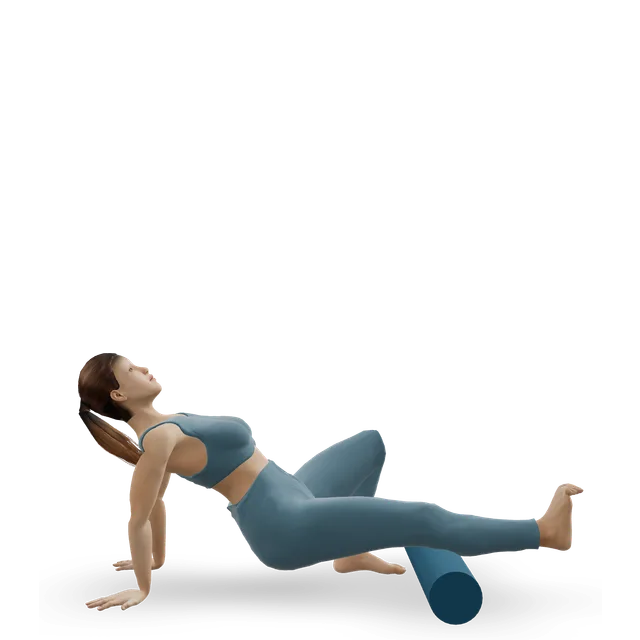
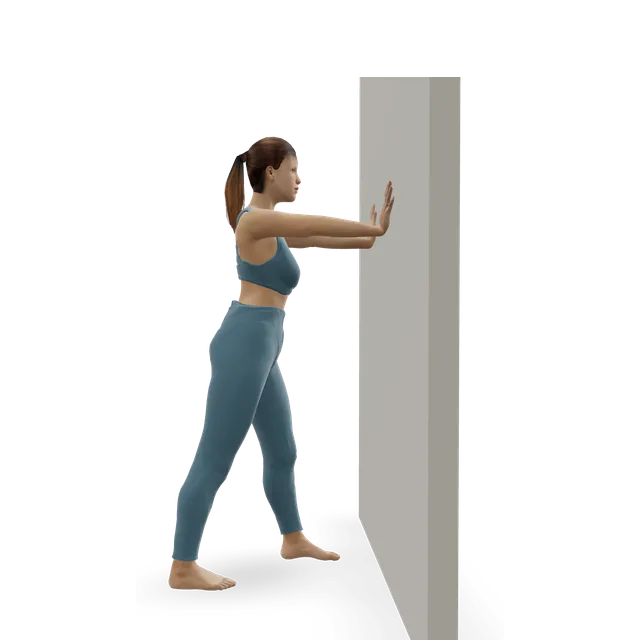
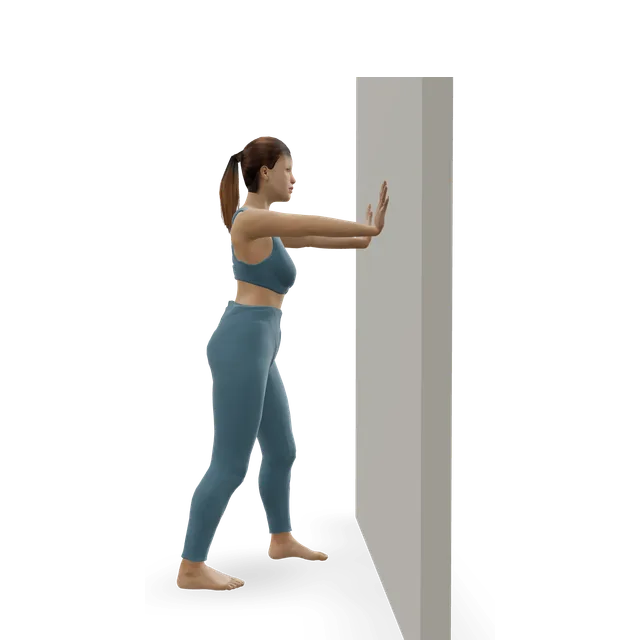
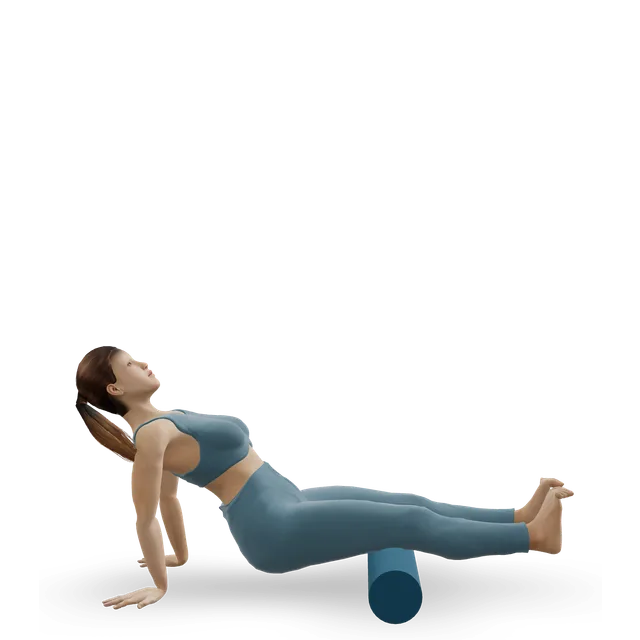
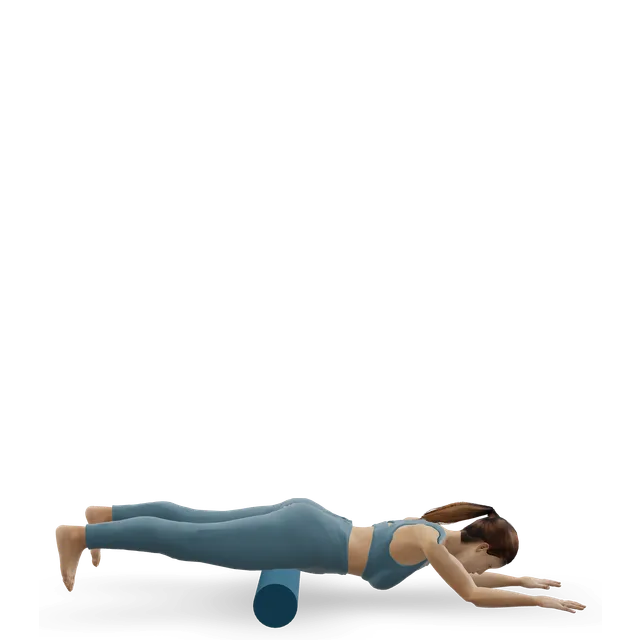
These ease how the outer thigh feels for a few minutes. They reach the TFL and glutes more than the band. Skip them if the outside of your hip is sore.
It is fascia, a thickening of the fascia lata that wraps the thigh. It behaves like a tendon because the TFL muscle at the front of the hip pulls on it.
Is a tight IT band really the TFL?
Partly. The band itself barely lengthens, so the tightness you can change sits in the muscles that pull on it, such as the TFL and the glutes, and in how much stretch your nervous system tolerates.
Should you foam roll your IT band?
Only if it feels good, and gently. It will not lengthen or release the band, and the extra range was gone within 10 minutes in one trial. Skip it if the outside of your hip is sore.
Can you stretch the IT band?
Hardly. Common stretches lengthened it by less than 0.5% in cadavers. What you feel is mostly the muscles around it and your tolerance of stretch.
Movement education, not medical advice. Stop for sharp or increasing pain, numbness or tingling, and get individual advice if you are pregnant, after an injury or surgery, or managing a health condition. Health disclaimer.