What a pull-up asks of the shoulder, and what no study has countedEmerging evidence
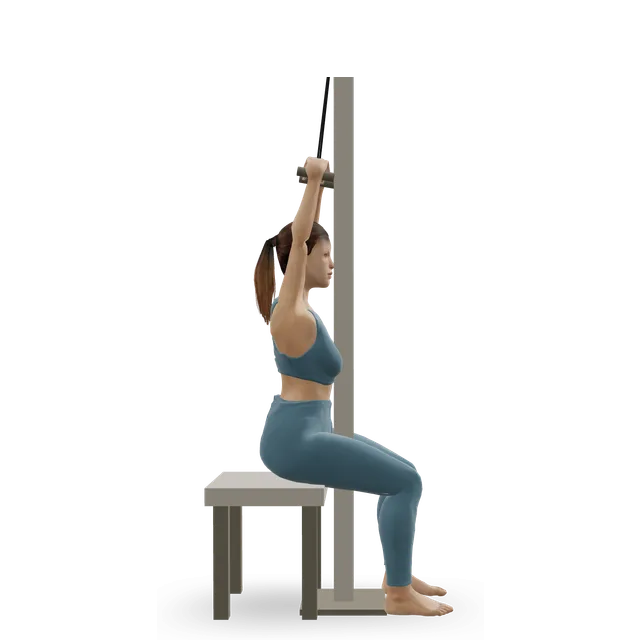
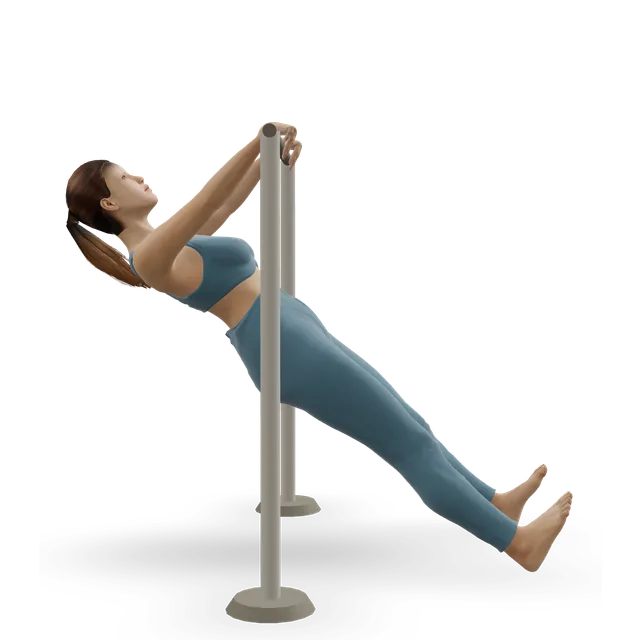
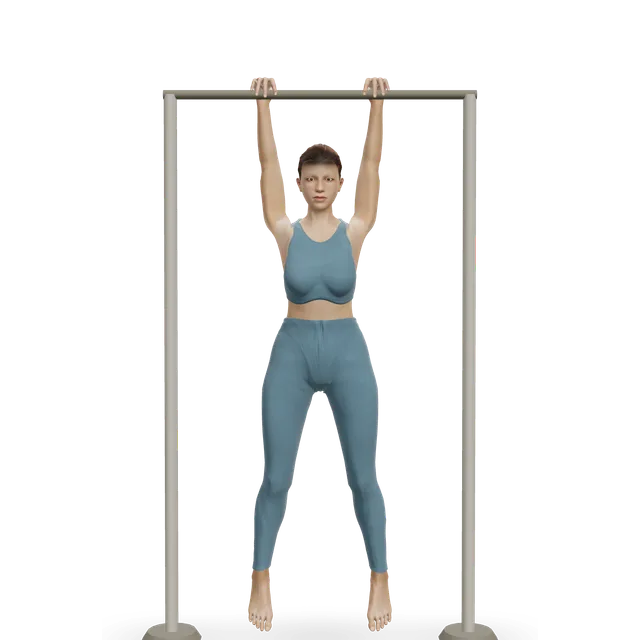
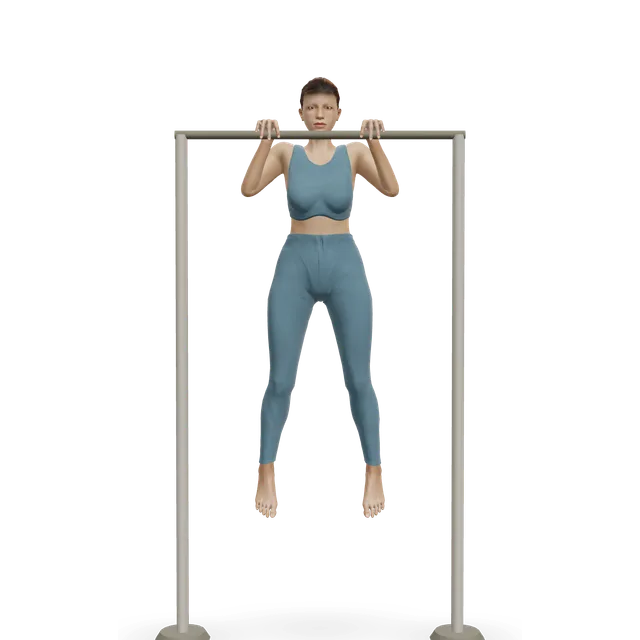
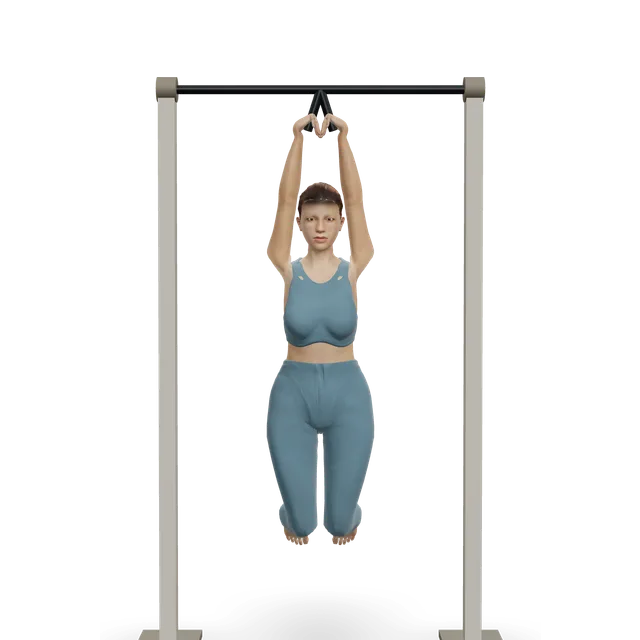
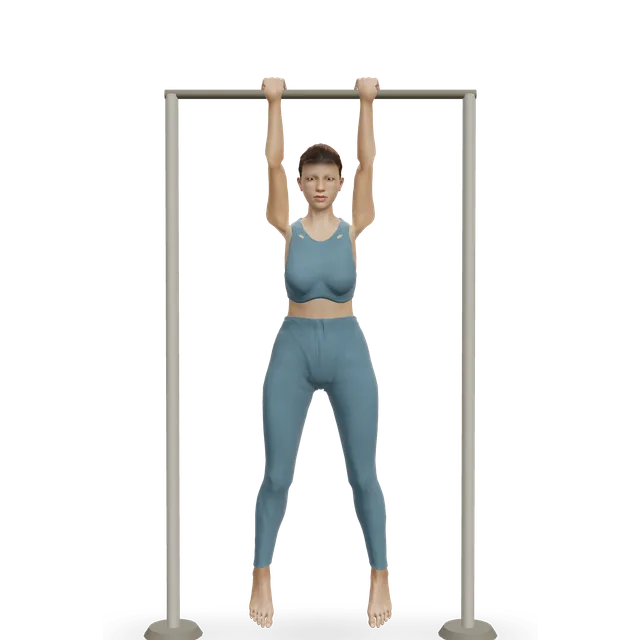
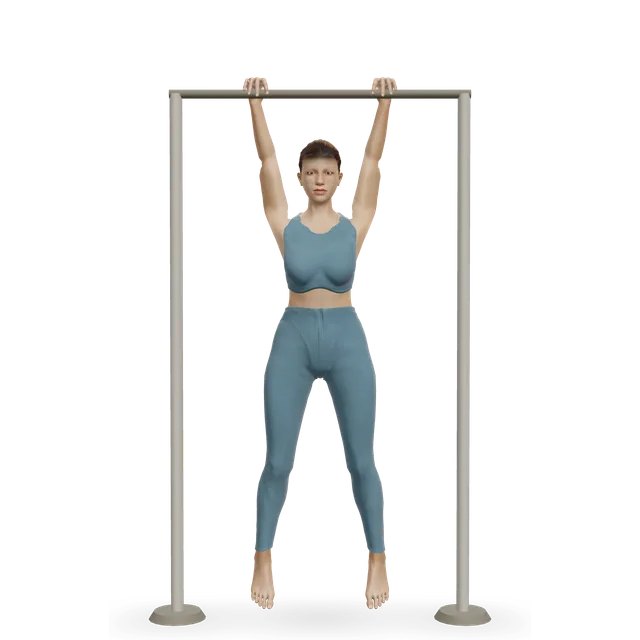
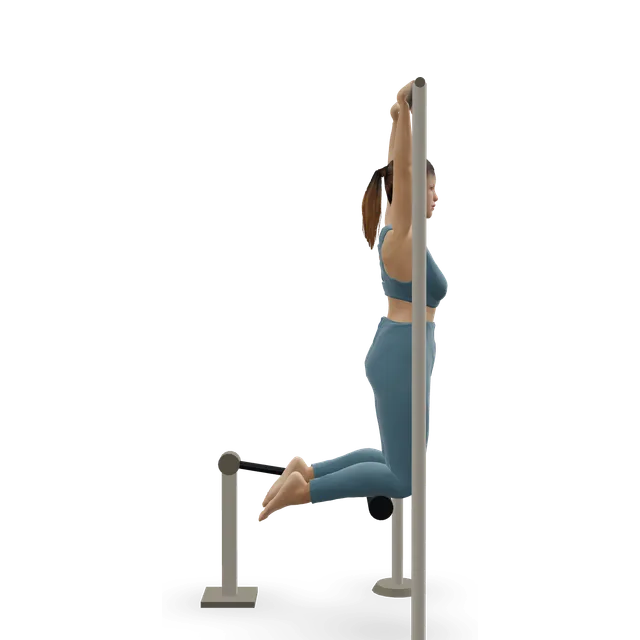
In a pull-up you hang from your hands with your arms fully overhead, then pull your body up with the lats (the broad muscles of the back), the muscles around the shoulder blade, the rotator cuff (the four small muscles and tendons that hold the ball in the socket) and the biceps. In a lab study of 25 young adults, the lats worked at 117% to 130% of a maximal test effort, the biceps at 78% to 96% and the infraspinatus, one of the rotator cuff muscles, at 71% to 79%. The arms start in the position the NHS says brings on rotator cuff pain, "especially when you lift it above your head".
No study counts how often pull-ups cause shoulder pain. In the sports built on pulling, the shoulder is the commonest or among the commonest injury sites: 32% of injury reports in 181 Dutch calisthenics athletes (the abstract doesn't say whether of injuries or of athletes), 23% of 87 injured body parts in 93 street workout athletes, 26% of injuries across 28 studies (11,089 people) of high-intensity functional training such as CrossFit, and 28.3% of injured areas in 456 Czech CrossFit athletes. In a 12-month study of 109 CrossFit athletes, 14 of 20 shoulder injuries were flare-ups of old ones, and nearly 40% of the group trained on despite shoulder pain. Climbers hang and pull a lot too: in 911 climbing injuries seen at one clinic, the shoulder was the second commonest site after the fingers.
So the map on this page is built from what each condition is known to do, pull-up lab studies and health-service pages. Pain usually comes when the load, or a sudden jump in it (a pull-up challenge, a new grip, kipping, many more sets), gets ahead of what the shoulder is used to; that is our reading, not a counted fact.
Sources 1, 2, 3, 4, 5, 6, 7, 8, 9
The front and outside of the shoulder: the rotator cuff and the biceps tendonEmerging evidence
Rotator cuff pain is the commonest cause of shoulder pain, about 70% of cases according to the authors of a large UK trial. The NHS describes pain "at the top and the outside of your shoulder", worse lifting the arm, "especially when you lift it above your head", sometimes worse at night.
The long head of the biceps runs in a groove at the front of the shoulder. Chin-ups (palms towards you) work the biceps harder than pull-ups (palms away), so pain at the front often shows with chin-ups first; that is our reading. Climbers who had hung and pulled at a high level for 30 years had more long biceps tendon changes on magnetic resonance imaging (MRI) scans than non-climbers (53% against 23% of 31 men in each group), but no worse shoulder function, and biceps tendon changes showed on 73% of the shoulders of 50 elite climbers without shoulder pain.
Sources 10, 1, 2, 11, 12
Deep in the joint, a shoulder that slips, and rarer tearsEmerging evidence
The labrum is the rim of the socket. The American Academy of Orthopaedic Surgeons (AAOS) lists "Forceful pulling on the arm, such as when trying to catch a heavy object" and "Rapid or forceful movement of the arm when it is above the level of the shoulder" among the causes of a tear at its top (a SLAP tear), with locking, popping, catching or grinding. Many such tears are slow wear, and over 30 to 40, fraying is "a normal process of aging": scans read tears in 55% to 72% of pain-free 45 to 60 year olds and in 56% of the shoulders of pain-free elite climbers. No study links pull-ups or hanging to SLAP tears.
A shoulder that clunks, gives a dead arm or feels as if it will slip is more likely after a past dislocation or with very flexible joints; the NHS lists a shoulder that "feels like the shoulder is clicking or locking" with a tingling, weak arm under instability. In 159 men, weight trainers who did behind-the-neck pulldowns or presses had more signs of a loose shoulder than those who didn't (a cross-sectional study, so it can't show cause).
Rarely, a hard pull tears the lat or the teres major: a sudden pain at the back of the shoulder or armpit, sometimes with a pop, and bruising. These tears are mostly seen in baseball pitchers, also in weightlifters, CrossFit athletes and climbers, are often missed at first, and milder ones are managed without surgery. A torn long head of the biceps brings a sudden sharp pain, sometimes a pop, bruising and a "Popeye" bulge low in the upper arm; the AAOS says these tears "rarely need surgery" unless something such as the rotator cuff is damaged too, while a tear at the elbow is more likely to need surgery.
Sources 13, 14, 12, 15, 16, 17, 18, 19
"It hurts at the bottom, in the dead hang"Emerging evidence
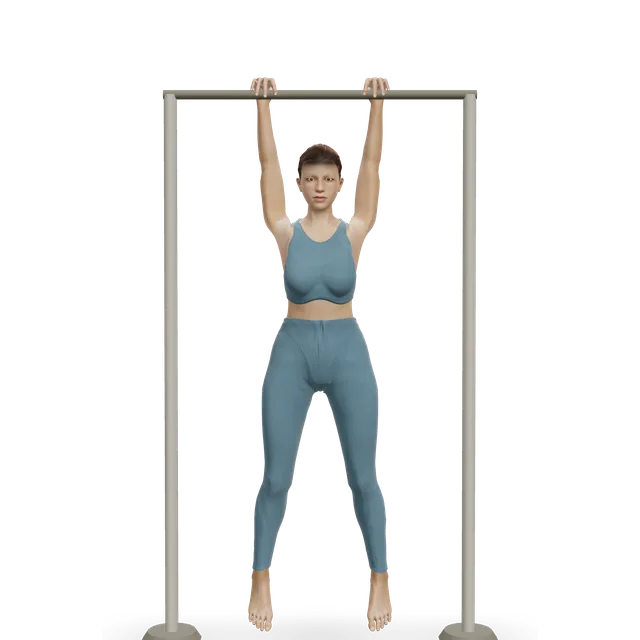
At the bottom the arms are fully overhead, the position that brings out rotator cuff pain, and with an underhand (chin-up) grip the shoulder also starts turned far out, as a motion study of 11 men found. In 12 volunteers scanned with the arm in different positions, the gap under the acromion (the bony roof of the shoulder) shrank from about 7.0 mm with the arm 30 degrees out to 3.9 mm at 120 degrees, and in 15 climbers it narrowed after a hard climbing session, recovering within an hour.
Hanging with the shoulder blades drawn slightly down (as in a scapular pull-up) rather than fully relaxed is a common coaching cue, but no study has tested it for pain (our reading).
Sources 1, 20, 21, 22
"It hurts at the top", chin-ups and clickingEmerging evidence
At the top the shoulder is pulled down and back with the elbow bent hard. Pain at the front here can come from the biceps tendon or the front of the joint, and a pinch from the rotator cuff; that is our reading, because no study has measured shoulder load at the top of a pull-up.
Chin-ups work the biceps and chest harder than pull-ups, and the underhand grip starts the shoulder turned far out, so a sore front of the shoulder often complains with chin-ups first; a neutral grip (palms facing each other) is the usual swap. Painless clicks are common. A click with pain, catching or locking, a clunk with a dead arm, or a pop with a bulge in the arm needs checking.
Sources 2, 20, 13, 19, 15
Rare but serious: the heart and a breakdown of muscleEmerging evidence
The heart can show up as shoulder or arm pain. The NHS sends chest pain that feels tight or squeezing, or chest pain that spreads to the arms, neck or jaw, to 999. Pull-ups are hard exercise, so arm or chest discomfort that comes on with effort and eases with rest is in the warning signs too. A hot, swollen or red shoulder, especially if you feel unwell, can be a joint infection, which the NHS says needs checking straight away.
Rhabdomyolysis, a breakdown of muscle that can harm the kidneys, is rare but has followed big pulling sessions: 3 women after 125 push-ups and 85 assisted pull-ups in 12 minutes, with swelling from the shoulder to the forearm and urine that wasn't brown, and an experienced coach after a workout with 100 pull-ups. That is why muscles far sorer, more swollen or weaker than the session explains need a same-day check, even without dark pee.
Sources 23, 24, 25, 26
What a scan shows, and what it doesn'tStrong evidence
A UK pathway from the British Elbow and Shoulder Society (BESS) says rotator cuff pain under the acromion "is a clinical diagnosis. Additional imaging is not essential to confirm the diagnosis or start treatment." An X-ray matters after a fall from the bar or any injury, with warning signs, severe pain or stiffness, or pain lasting beyond about 4 weeks; a suspected dislocation is X-rayed in hospital. An ultrasound or MRI scan is for ongoing symptoms, a suspected tear, or a shoulder that keeps slipping.
Read reports with care. In 96 people without shoulder pain, MRI showed rotator cuff tears in 34% (54% of those over 60), radiologists read superior labral tears in 55% and 72% of 53 pain-free 45 to 60 year olds, and in 50 elite climbers without pain, rotator cuff tendon changes showed in 80% of shoulders and labral tears in 56%.
Sources 27, 16, 28, 14, 12
How it usually goesEmerging evidence
No study follows shoulder pain from pull-ups. In 349 people with new shoulder pain in Dutch general practice, 23% had recovered at 1 month and 59% at a year, quicker after overuse or a slight injury and slower with neck pain or severe pain in the day. The BESS pathway calls this kind of pain "usually a self-limiting condition" with most symptoms responding within three months, and refers people not improving by 12 weeks. The NHS says shoulder pain usually takes 2 weeks of looking after it to start easing and "can take 6 months or longer to recover".
In a large UK trial, every group improved a lot over a year, and in a CrossFit survey 64.1% of people with a shoulder injury cut their training for a month or less. No one can promise a date.
Sources 29, 27, 15, 10, 8