What a shrug asks of the neck, and what no study has measuredEmerging evidence
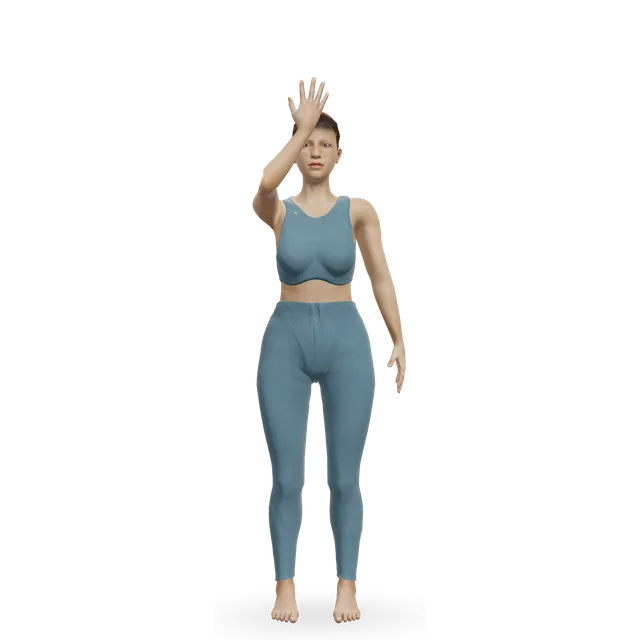
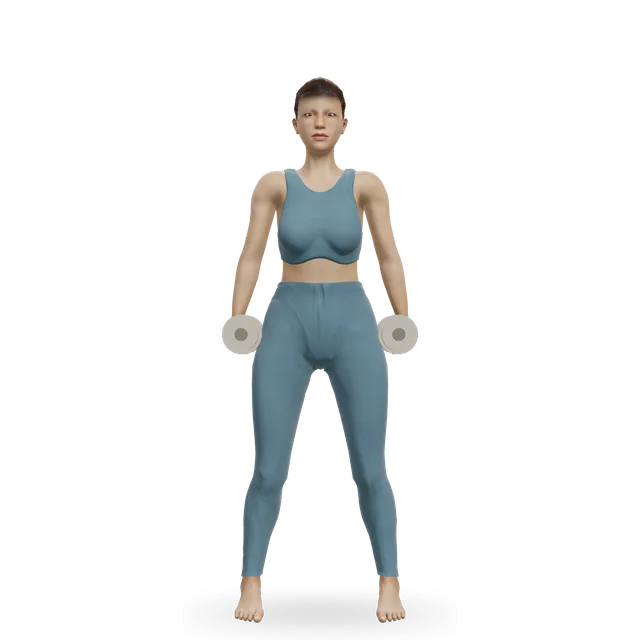
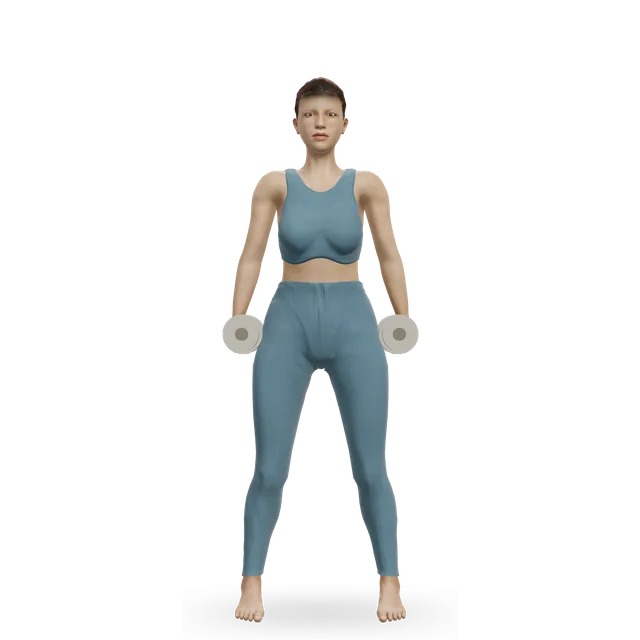
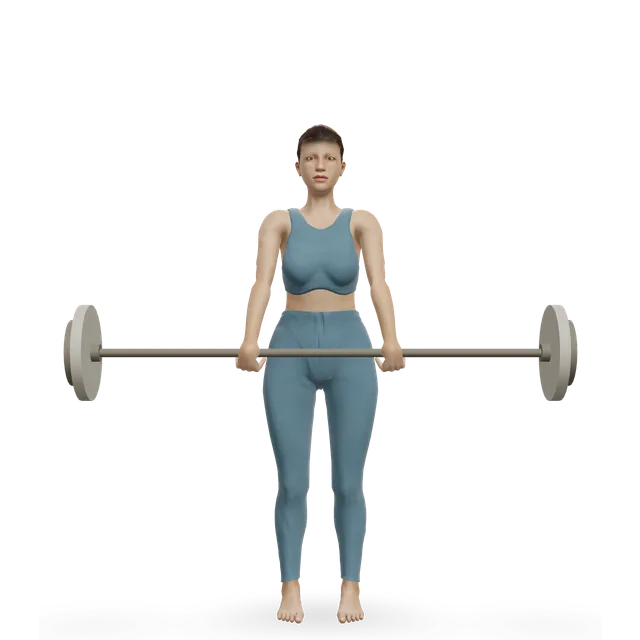
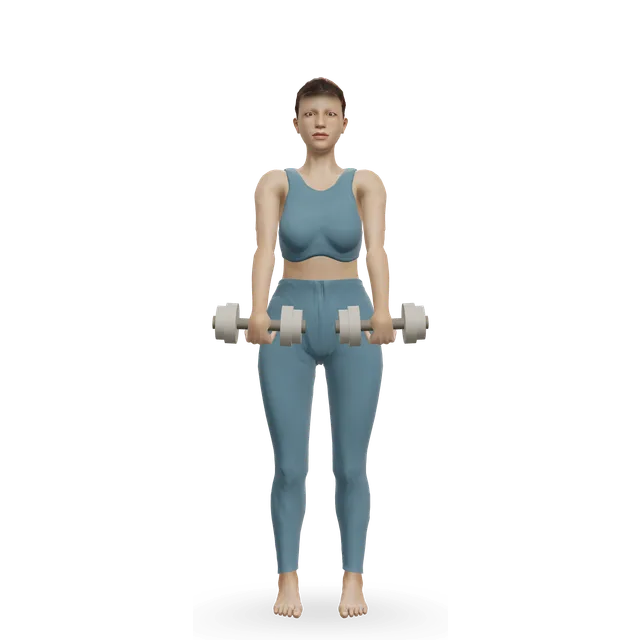
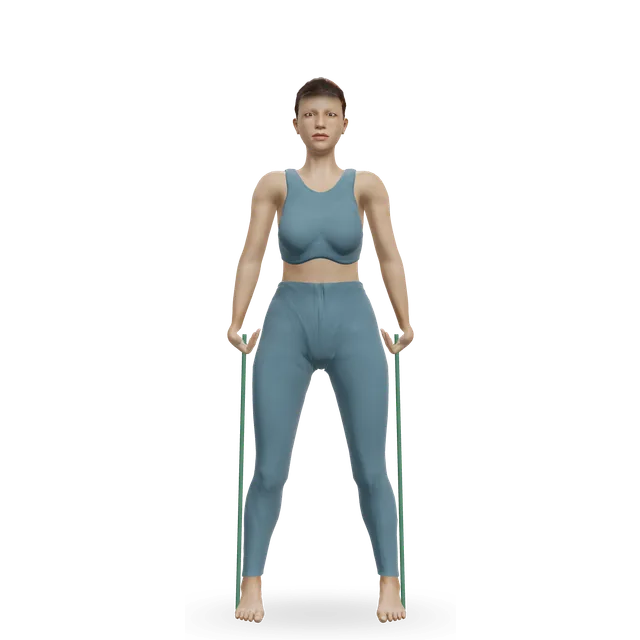
You stand tall with a weight in each hand, arms long, lift your shoulders straight up towards your ears, hold for about a second and lower them slowly, as the site's shrug guide teaches. The upper trapezius does most of the lifting, helped by the levator scapulae at the side of the neck, while your grip holds the weight. Of 10 exercises in 30 healthy adults, the one-arm shrug drew the most upper trapezius activity. In 12 women with neck muscle pain, the shrug reached 102% of a maximal test contraction with 20 to 30 kg, against 97% for lateral raises and 85% for upright rows with only 3 to 10 kg.
Shrugging with the arms 30 degrees or more out to the side raised upper and lower trapezius activity, a "frontal" shrug raised the upper trap and lowered the levator scapulae, and an overhead shrug lowered levator scapulae activity, in small studies of 17 to 37 people. No study has measured the muscles at the back of the neck in a shrug, tested head position or rolling, or counted neck pain from shrugs, so the map on this page comes from what each condition is known to do (our reading).
Sources 1, 2, 3, 4, 5, 6
Head position and posture: less than claimedMixed evidence
Across 15 studies, adults with neck pain held their head a little further forward than adults without (no difference in teenagers), but every study measured people once, so none can show which came first. Head position changed trapezius activity in other arm tasks, in opposite directions in two small studies. Keeping your head level and your eyes ahead in a shrug is coaching sense and our suggestion, not a tested fix.
Sources 7, 8, 9
Heavy shrugs, grip and strainingEmerging evidence
A shrug moves a short way, so the weights climb quickly, as the move page warns. In 5 experienced bodybuilders, blood pressure measured in an artery averaged 320/250 mmHg at the peak of a heavy double-leg press with a held breath; shrugs weren't tested, but straining against a held breath raises pressure in any heavy lift. In a workplace programme, shrug loads rose from about 8 kg to 21 kg over 20 weeks, a reminder that the traps build up gradually. Grip often gives out before the traps; the site's shrug guide suggests straps.
Sources 10, 11
Headaches with lifting: usually harmless, sometimes notEmerging evidence
A primary exercise headache is brought on by strenuous exercise and lasts under 48 hours. In 12 studies, about 5 in 100 people in the general population had had one, usually starting in the late 20s; reviews say the first one must be checked, because look-alikes include a narrowing of the brain's arteries (reversible cerebral vasoconstriction syndrome, RCVS) and a torn neck artery. In a specialist series of 72 people with cough, exertional and sexual headaches, 30 had another cause, most often a bleed on the brain, though a specialist series picks up the serious cases.
The NHS says a bleed on the brain may be more likely when lifting something heavy. Vigorous effort raises the short-term risk of a brain aneurysm bursting, but a review says only 2% to 7% of ruptures happen during strenuous activity, and in another review of 3,285 cases, 23.5% happened during strenuous activity and 8.9% during heavy straining. These are rare, and none is a reason to fear shrugs; they are why the warning signs come first.
Sources 12, 13, 14, 15, 16, 17, 18, 19
A torn neck artery: rare, and why new neck pain with an unusual headache mattersEmerging evidence
A torn neck artery can start with neck pain and a headache: of 966 people with one, 40.5% had a minor knock or strain to the neck in the month before. Of 190 published cases linked to sport, 14 were exercise or weightlifting, and a review says sport as the cause seems uncommon; one case report describes torn neck arteries in a farmer after heavy lifting. Exertion is among the recognised triggers of RCVS.
Sources 20, 21, 22, 23, 24
Who gets itEmerging evidence
People who jump to heavier shrugs, do long or high-rep sets, shrug after heavy deadlifts and carries, or come to the gym with a neck already sore from desk work, stress or poor sleep (our reading). Neck injuries are uncommon in lifting: across 17 reports of weightlifting and powerlifting injuries, the neck and upper back together made up 1.7% to 14.7% of injuries, more often in women, and in one survey the neck was 1.3% of injury sites. No case report ties a neck injury to shrugs; one describes a nerve palsy to the trapezius (the accessory nerve), with a shoulder blade that stuck out, after 4 months of weightlifting, without naming the exercises.
Sources 25, 26, 27, 37
When a scan or test mattersStrong evidence
Not for ordinary neck pain from shrugs: bulging discs showed on magnetic resonance imaging (MRI) in 87.6% of 1,211 people without neck symptoms, including most people in their 20s, so a scan report has to match your symptoms. Tests matter for the first headache brought on by exercise or a sudden severe headache, weakness or clumsy hands that are getting worse, a swollen arm, and chest pain.
Sources 28, 12, 29
How it usually goesMixed evidence
The NHS says most neck pain only lasts a few weeks, and NHS inform says you should see the biggest change in the first couple of weeks, with most problems improved within 8 weeks. Studies are less rosy: in 7 groups of people with new neck pain, pain fell from 64 to 35 out of 100 within about 6 weeks but was still 42 a year later, and between half and three quarters of people with neck pain report it again 1 to 5 years later. A trapped nerve improves a lot within 4 to 6 months, and about 83% recover fully within 2 to 3 years. Soreness after shrugs fades within about a week; in one trial, light shrugs eased sore traps for under an hour. No one can promise a date.
Sources 30, 31, 32, 33, 34, 35, 36