Strength at home
Neck strength workout: holds, head lifts, shrugs and carries
Your neck grows with neck training, not with squats and deadlifts alone: in one trial, loaded neck exercises grew the neck muscles by about 13% in 12 weeks. This session builds from chin tucks and head lifts to presses against your own hands, then, from about week 3, one hard 15-second hold in each direction, the structure that raised neck strength in young rugby players in 8 weeks. Holds like these build strength; whether they add size hasn't been measured. Shrugs and carries train the upper traps. Do it 2 or 3 times a week, on days apart; the order and rests are our starting point. If your neck is sore, start with our neck and shoulder strength routine instead, and read the warning signs in our neck guide.
Warm-up
- Neck CARs (controlled articular rotations)3 slow circles each wayBeginner · Neck · 3D demoSeparate turns, tilts and nods if circles hurtHarder: Rabbit pose (Sasangasana)
- Chin tuck5 slow reps with a 5 s holdBeginner · Neck · 3D demoEasier: Lying chin tuckHarder: Isometric neck holds (four-way)


Front of the neck
- Chin tuck with head lift3 to 5 holds of 5 sIntermediate · Neck · 3D demoBuild towards 10 holds of 10 s over the weeks. Stop if your chin pokes forwardEasier: Chin tuck

Presses
3 rounds · Rest 20 to 30 s after each round
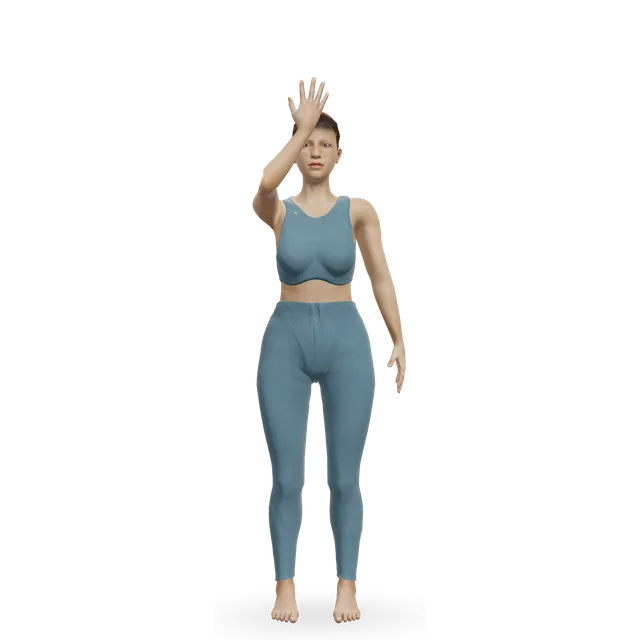
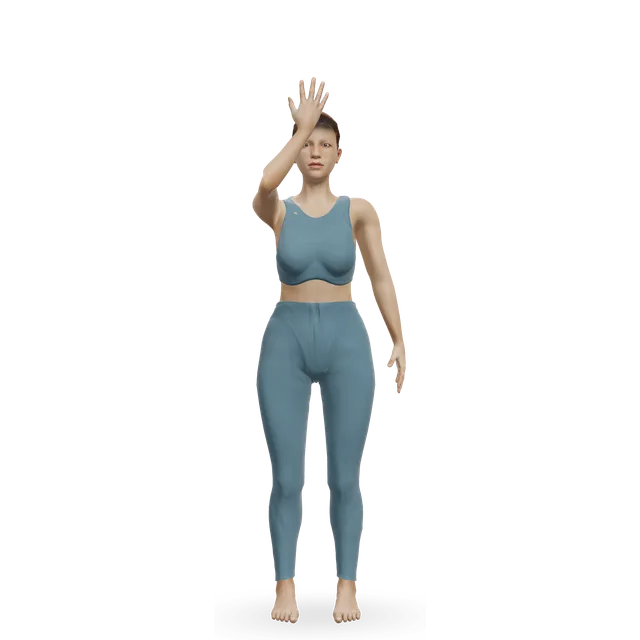
- Isometric neck press, front and back10 s press, 3 times each wayBeginner · Neck · 3D demoLight pressure in your first two weeks. Build the pressure over a couple of seconds; your hands stop your head movingEasier: Chin tuckHarder: Chin tuck with head lift
- Isometric neck press, sides10 s press, 3 times each sideBeginner · Neck · 3D demoSame build-up; keep your shoulders down and breathe normallyEasier: Chin tuckHarder: Chin tuck with head lift
Hard holds (from week 3)
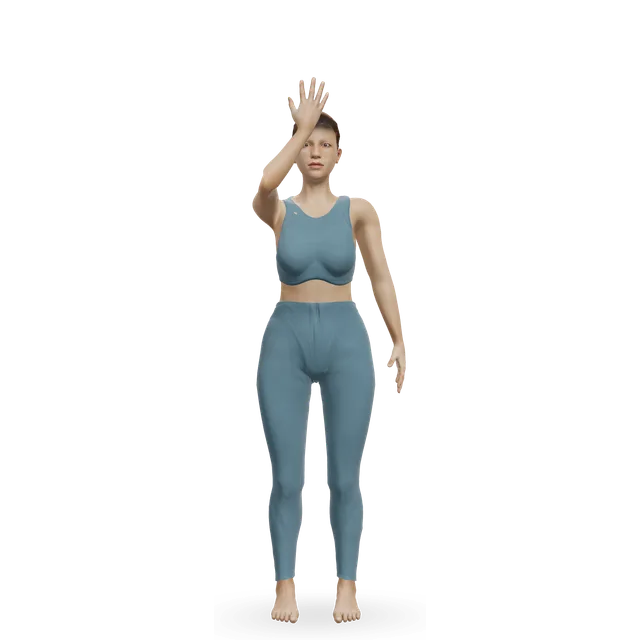
- Isometric neck holds (four-way)1 hold of 15 s each direction, 30 s rest betweenBeginner · Neck · 3D demoBuild the push over 2 to 3 seconds to hard but not all-out (our suggestion), keep your head still and keep breathing. In weeks 1 and 2, skip this blockEasier: Chin tuckHarder: Chin tuck with head lift
Upper traps
Rest 60 to 90 s between sets, 60 s between walks
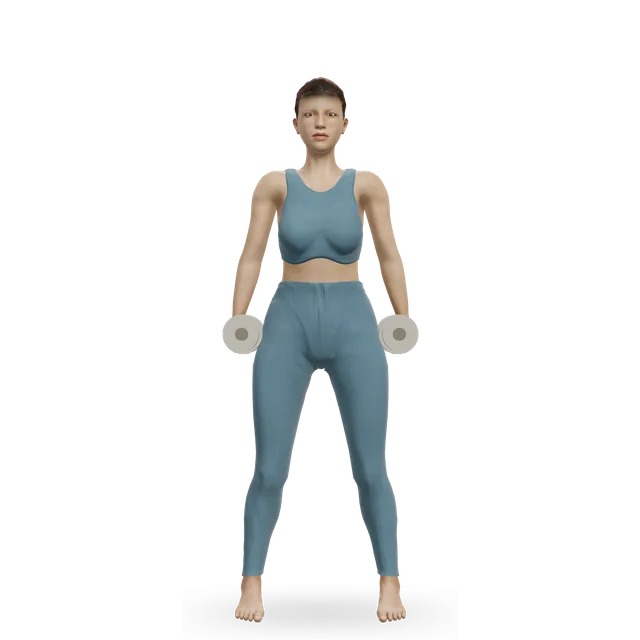
- Dumbbell shrug2 to 3 sets of 8 to 12Beginner · Back, Neck, Forearms · 3D demoLift straight up and pause for 1 s at the topHarder: Snatch shrug
- Farmer's carry3 walks of 30 mIntermediate · Forearms, Abs, Shoulders · 3D demoHeavy dumbbells, walking tall without leaningHarder: Suitcase carry

Ease off
- Upper trap release2 holds of 30 s each sideBeginner · 3D demoLet the hand's weight do the work; don't pullEasier: Side neck stretch

Tips
- 2 or 3 times a week, on days apart: the trials trained 2 or 3 times a week.
- Build the pressure slowly, never push suddenly against your hand, and ease off if a press brings on a headache.
- If an exercise sends pain, tingling or numbness down your arm, make it smaller or leave it out. Stop and get checked for dizziness, changes in your vision, slurred speech or trouble swallowing.
- Ask for an urgent GP appointment or get help from NHS 111 for a headache that's triggered or made worse by coughing, sneezing, bending down or exercising. A sudden, extremely painful headache, especially while straining, is a 999 call.
- With rheumatoid arthritis that affects your neck, leave out the presses and holds, as our neck guide explains.
- With high blood pressure: breathe out as you lift and don't hold your breath, keep the effort moderate, and get advice before maximal lifts.
- If shrugs bring on pins and needles, numbness or pain down your arm, lighten them or leave them out, and get it checked if it persists, as our shrug guide says.
- Make holds longer, then harder, and add reps to shrugs before weight. Strength comes first, within weeks; size takes months. Track your holds and shrug weights rather than a tape measure.
The doses are suggested starting points, not a prescription. Choose a range you can control and stop for sharp or increasing pain, numbness or tingling. Get individual advice after an injury or surgery, or if you are pregnant or managing a health condition.
Guides that recommend it
Find more moves like these
More strength at home




Beginner bodyweight workout
A 20-minute full-body workout with no equipment: squats, knee push-ups, bridges, lunges and planks.
20 minBeginner10 movesNo equipment


Full-body bodyweight workout
An intermediate no-equipment workout: push-ups, split squats, single-leg bridges, pike push-ups and core work.
30 minIntermediate11 movesNo equipment


Full-body dumbbell workout
A 35-minute full-body strength workout with dumbbells: goblet squats, presses, rows, Romanian deadlifts and carries.
35 minIntermediate9 movesA band, A dumbbellQuestions people ask
How long does the neck strength workout: holds, head lifts, shrugs and carries take?
About 20 minutes, including any warm-up and cool-down listed. Shorten it by doing fewer rounds; lengthen it by adding one.
What equipment do I need?
You need: A dumbbell, A kettlebell. Each move links to its guide, where you can find an alternative if you are missing something.
Is it suitable for beginners?
It is written for beginners. 6 of its 9 moves have an easier option listed beside them if you need one.
How do I make it easier or harder?
Use the easier or harder option listed under each move, change the number of rounds, or adjust the rest. Progress one change at a time.