Mostly muscle
A thicker neck comes mostly from muscle: the extensors at the back (the splenius capitis and semispinalis), the sternocleidomastoid at the front and sides, and the upper traps between your neck and shoulders.
Source 1
Training guide
A thicker neck comes mostly from the muscles at the back and sides of your neck and from the upper traps, and your neck needs its own training to grow. In a 12-week trial of 22 students, squats, deadlifts and rows didn't grow the neck muscles, but adding loaded head extensions grew them by about 13%. That's the only trial we found that measured neck muscle growth. Holds against your own hand build neck strength within weeks; whether they add size hasn't been measured.
This guide covers the neck muscles, head lifts, holds and shrugs, how to load your neck safely and build the effort over weeks, harnesses and plates, what the research says about neck strength and concussion, how long it takes, and the headache, arm and neck signs that mean stop.
A thicker neck comes mostly from muscle: the extensors at the back (the splenius capitis and semispinalis), the sternocleidomastoid at the front and sides, and the upper traps between your neck and shoulders.
Source 1
In 12 weeks, squats, deadlifts, push presses, rows and pulls didn't change neck muscle size on scans while the thighs grew 7%. Adding 3 sets of 10 loaded head extensions, 3 times a week, grew the neck muscles by about 13%, mostly the deep muscles at the back (about 24 to 25%). It's one trial, of 22 students.
Source 1
One 15-second hold against your own hand in each of four directions, 3 times a week for 8 weeks, raised neck strength a lot in 28 young rugby players, and other trials found gains within 5 weeks to a year. But a 12-week holds programme added nothing to usual training in 40 elite women footballers, and no trial has measured whether holds add size.
Trials of neck strengthening reported only minor, short-lived side effects such as headache or neck soreness, though more than half didn't report on them. We found no trial of the safety of harness work, plate neck curls or neck bridges.
Neck work 2 or 3 times a week, on days apart: start with light presses, build to one hard 15-second hold each way over a few weeks, and add shrugs for the upper traps. Expect strength in weeks and size over months.
Stronger necks went with fewer concussions in some studies and not in others, and pooled together the link was small and of very low certainty.
The splenius capitis and the semispinalis muscles lie under the trapezius. They lift and tilt your head back and hold it up, and they're the muscles that grew most (about 24 to 25%) with loaded head extension in the scan trial. Our splenius capitis page has the anatomy.
Source 1
The sternocleidomastoid is the rope-like muscle on each side, from your breastbone and collarbone to behind your ear. It turns your head to the other side and tilts it to its own side, and the two together bend your neck forward. The deep neck flexors under your throat nod your head and steady your neck. Head lifts, side presses and four-way holds train them.
The scalenes and levator scapulae tilt your neck and help you shrug, and the upper trapezius runs from the base of your skull to the outer end of your collarbone. Shrugs and carries build the upper traps, which our traps guide covers.
From the front and side, mostly the sternocleidomastoid and the upper traps; from behind, the extensors and the upper traps (our reading).
A tape round your neck takes in fat as well, and the NHS lists having a large neck among the things that make sleep apnoea more likely. In 157 young adults, neck strength tracked neck size only loosely.
Neck strength ranged from 38 to 383 N (newtons) in men and 15 to 223 N in women in that study. Women and men gain muscle at similar rates relative to their size, but people respond very differently to the same training. The length of your neck and your frame are set (our reading).
In 22 active students training 3 days a week for 12 weeks, squats, deadlifts, push presses, bent rows and pulls left total neck muscle area unchanged on MRI (magnetic resonance imaging) scans, at 19.6 to 19.7 square centimetres, while the thigh muscles grew 7%. Adding 3 sets of 10 head extensions, at a load they could lift about 10 times, grew it from 19.5 to 22.0 square centimetres, with the deep muscles at the back up about 24 to 25%. It's the only trial we found that measured neck muscle growth, and its loaded head extensions aren't a move we can show in 3D.
Source 1
After neck training, a light head-extension effort used about 31% less neck muscle, and a maximal effort 16% more.
Source 15
In 28 under-18 rugby players, one maximal 15-second hold against their own hand in each of four directions, 30 seconds apart, 3 times a week for 8 weeks (about 3 minutes a session), raised total neck strength a lot (effect size 1.2). No player reported a side effect. It was a pilot trial, and it measured strength, not size.
Source 2
A twice-weekly neck programme raised neck extension strength from 606 to 734 N in 15 professional rugby players over 5 weeks, against 10 semi-professional players who didn't do it.
Source 3
In 40 elite women footballers, 12 weeks of neck holds 3 times a week didn't raise neck strength more than their usual strength programme.
Source 5
In 36 college soccer players, 8 weeks of neck training twice a week raised neck flexor strength by 15% but didn't change how the head and neck resisted a sudden force. Women's neck girth rose 3.4% whether or not they trained.
Source 16
In 17 youth athletes, 8 weeks of neck training against a partner's resistance raised neck girth and strength more than other exercise, and everyone completed it safely. It was a small pilot.
Source 17
In 180 women office workers with long-standing neck pain, 12 months of high-intensity band training raised neck strength by 110% (bending forward), 76% (turning) and 69% (extending), and cut pain and disability.
Source 4
In a review of 27 trials, strength training for the neck, shoulders and arms improved long-standing neck pain, with moderate-quality evidence. Side effects were minor and short-lived where reported, though more than half the trials didn't report on them.
Source 6
In 157 healthy young adults, neck strength correlated only modestly with neck circumference and neck muscle volume.
Source 12
Strength training that included shrugs cut the worst neck muscle pain by about 79% in 48 women over 10 weeks.
Source 18
Start with chin tucks, head lifts and light presses (the presses have their own dose on their move pages); add the harder four-way holds once those are comfortable. Build the pressure slowly and keep breathing.
 3D demoChin tuckBeginner · No equipment
 3D demoLying chin tuckBeginner · No equipment
 3D demoChin tuck with head liftIntermediate · No equipment
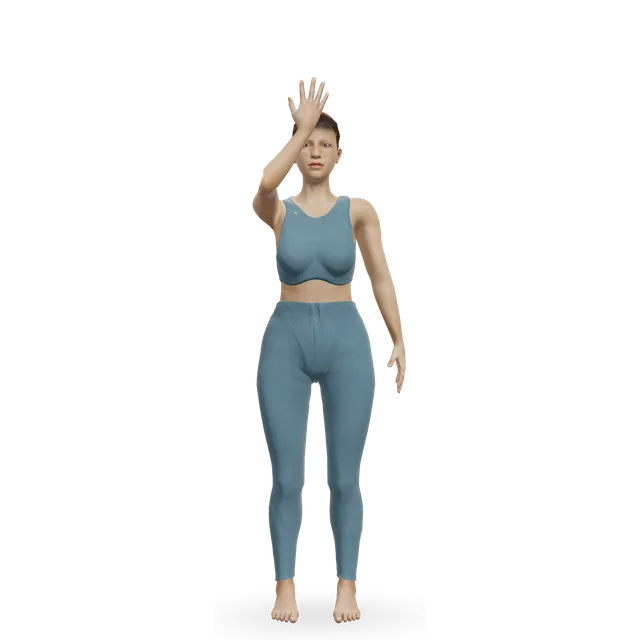 3D demoIsometric neck press, front and backBeginner · No equipment
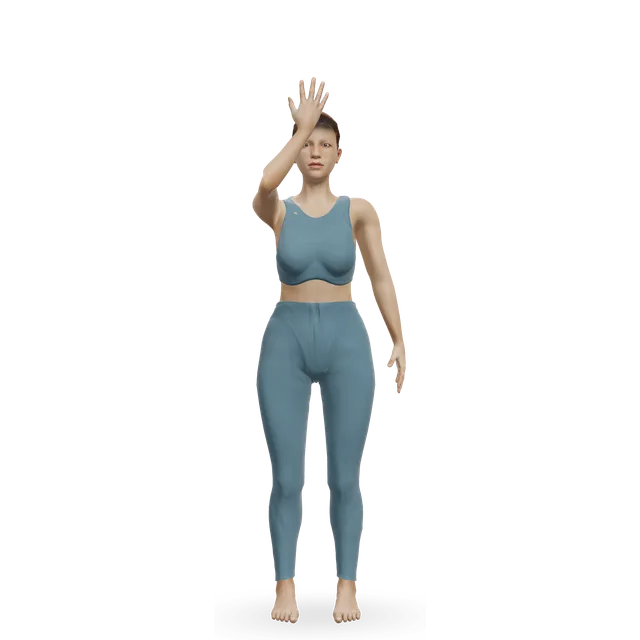 3D demoIsometric neck press, sidesBeginner · No equipment
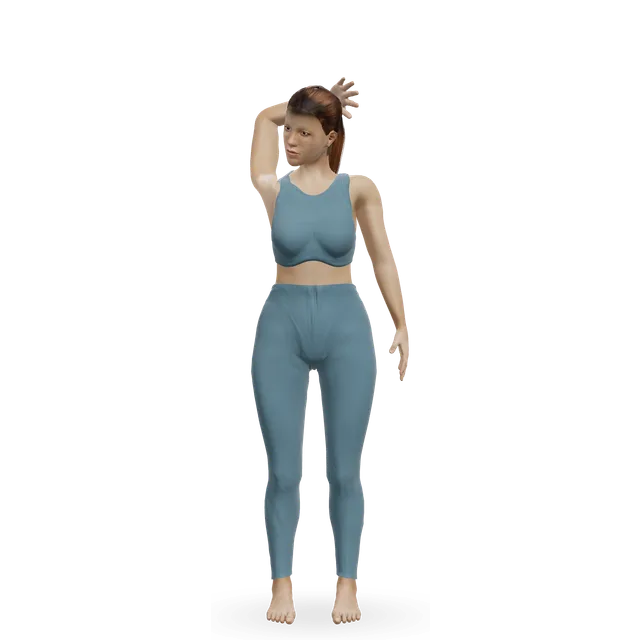
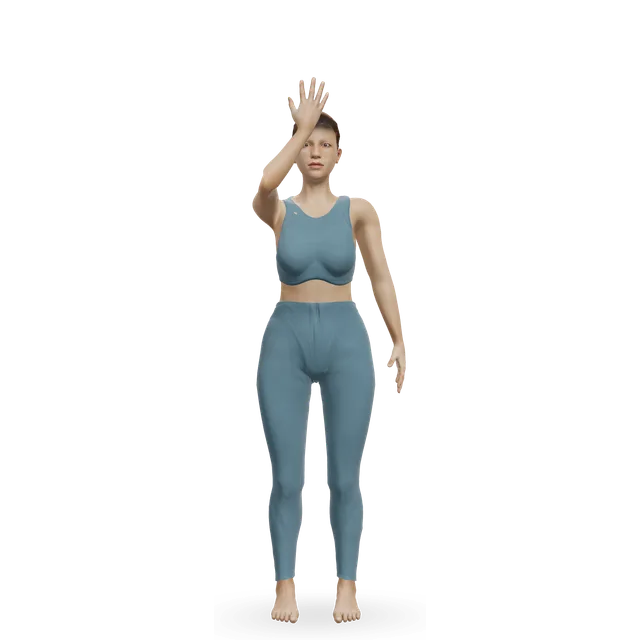 3D demoIsometric neck holds (four-way)Beginner · No equipment
 3D demoNeck CARs (controlled articular rotations)Beginner · No equipment
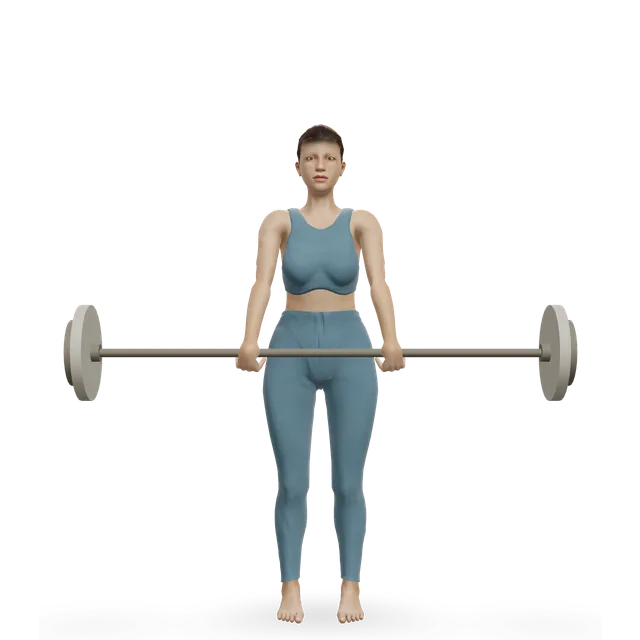
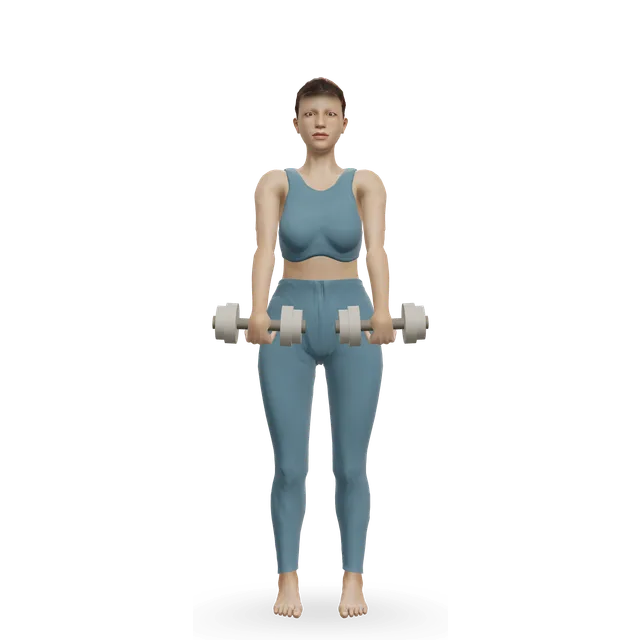
Shrugs have their own dose on their move pages; farmer's carries at 3 walks of 30 m are as our traps workout uses them, and Y-T-W raises at 5 to 8 of each shape as our neck and shoulder strength routine does. Our traps guide covers the rest.
The 12-week scan trial used head extensions against a load: 3 sets of 10 at a weight they could lift about 10 times, 3 times a week. It's the only trial we found that measured neck muscle growth, and that loaded move isn't one we can demonstrate in 3D.
Source 1
Harness extensions, plate neck curls lying on a bench and four-way neck machines load the neck the same way, but none has a 3D demo here, and we found no trial of their safety. If you use one: start very light, move slowly through a small range with no jerking, stop well short of failure, and get coaching (our suggestion).
The head lift (chin tuck with head lift) is a lying neck curl without weight, and the backward press is head extension without movement. Both are in the grid above.
We leave them out: no trial has tested them, and they put your body weight through your head and neck (our view).
On days apart. The trials that worked trained 2 or 3 times a week.
The isometric neck presses' move pages give the starting dose: build to a 10-second press, 3 times in each direction, for 3 rounds, starting with light pressure. Add head lifts at 3 to 5 holds of 5 seconds, building over the weeks towards 10 holds of 10 seconds, as our neck and shoulder strength routine does.
From about week 3, if the presses are comfortable: one 15-second hold in each of four directions, building the push over 2 to 3 seconds, with 30 seconds' rest between directions. That's the structure of the young rugby players' trial, which used all-out efforts; hard but short of all-out is our suggestion for adults training alone.
Source 2
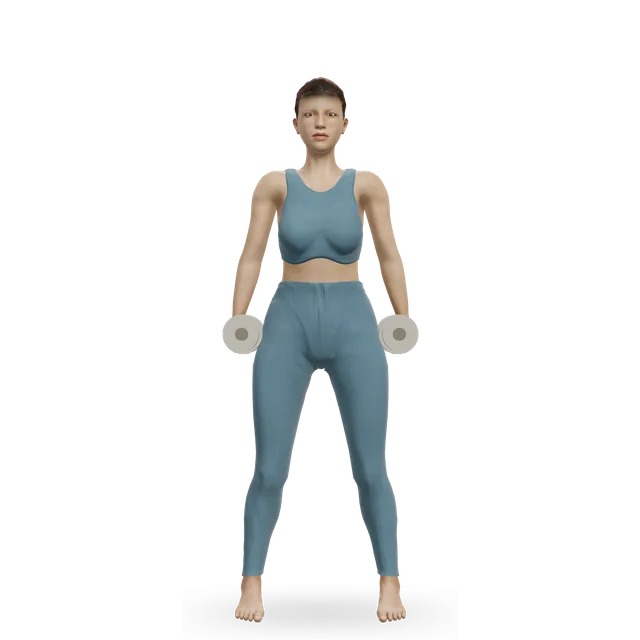
The dumbbell shrug's move page gives 2 to 3 sets of 8 to 12, stopping with 2 or 3 reps in reserve, and pausing for a second at the top of each rep. Rest 60 to 90 seconds between sets, as our plans suggest for small moves.
We found no study of how much neck training is best. As a guide, about 10 or more hard sets per muscle a week builds more muscle, with diminishing returns; count each round of holds as a set (our suggestion).
Make holds longer, then harder; add reps to shrugs before weight. Build the effort over weeks, not within a session (our suggestion).
Our neck strength workout's structure: from our neck and shoulder strength routine, the isometric neck presses' move pages, a trial in young rugby players and our traps workout. The order is editorial.
Loading the 3D figure…
The movement on the figure: Isometric neck holds (four-way)
In 6,704 high school athletes, each extra pound of neck strength went with 5% lower odds of concussion, and in 225 professional rugby players, 10% more neck extension strength went with 13% fewer concussions. But in 136 professional players, neck strength didn't usefully predict concussion while a previous concussion did, and pooled across 8 studies of 7,625 athletes the link was small and of very low certainty.
A review of 3 adult studies found 2 raised neck strength and none reported an effect on neck injuries. A 2025 review reported a lower concussion risk in men's rugby from 2 studies, which may have included whole warm-up programmes, and found no evidence in soccer or in women. One professional squad had fewer match injuries after a neck programme, but not significantly fewer neck injuries, and 8 weeks of neck training didn't change how the head resisted a force in college soccer players.
The Activate warm-up, which includes neck exercises alongside balance, landing and strength work, cut concussions by about 60% in a trial across 81 men's community rugby clubs, though it had no clear effect on injuries overall. That's the whole programme, not neck work alone; our rugby warm-up follows it.
Source 24
In contact sport, tackle technique, the rules and how concussion is managed matter more than neck size (our reading of the studies above and our rugby guides). After a knock to the head, follow our concussion guide.
Neck strength rose within 5 to 8 weeks in trials.
The neck muscles grew on scans within 12 weeks in the one trial that measured it, with loaded head extensions. People vary a lot in how much they grow from the same training.
A tape round your neck changes slowly and measures fat too. Track your holds and shrug weights instead (our suggestion).
Source 12
Both have their own doses on their move pages. Let the hand's weight do the work; don't pull, as our neck and shoulder strength routine says.
Our neck strength workout is the main session for a healthy neck. If your neck is sore, start with the neck and shoulder strength routine instead. The sport sessions include four-way neck holds.
A 20-minute neck session for healthy necks: head lifts and four-way presses that build to hard 15-second holds, then shrugs and carries for the upper traps.
20 minBeginner9 movesA dumbbell, A kettlebellDeep neck holds and shoulder-blade strength in under 20 minutes: one of the best-supported kinds of exercise for a stiff, sore neck.
18 minBeginner11 movesA band, An anchor pointA 30-minute traps workout with dumbbells: shrugs for the upper traps, then rows, raises and reverse flys for the rest of them, and farmer's carries to finish.
30 minBeginner9 movesA band, A dumbbellEight gentle neck and shoulder stretches for desk stiffness, done standing or seated in ten minutes.
10 minBeginner8 movesA wallA 55-minute gym session for rugby: jump squats and chest throws, heavy squats, bench press, Romanian deadlifts, rows, Nordic lowers, shoulder and neck work.
55 minIntermediate15 movesA band, Medicine ballA 55-minute strength and power session for wrestlers: jump squats, medicine-ball throws, trap bar deadlifts, split squats, pull-ups, carries and neck holds.
55 minIntermediate16 movesA wall, A bandA 45-minute strength and power workout for BJJ, judo, karate, taekwondo and MMA: jumps, squats, single-leg work, pull-ups, carries, shoulders and trunk.
45 minIntermediate17 movesA wall, A bandA 55-minute gym session for American football: hang cleans or jump squats, back squats, bench press, Romanian deadlifts, rows, Nordics, neck work and carries.
55 minIntermediate16 movesA band, A barbellEngland Rugby's and World Rugby's Activate warm-up, the manual's adult sample phase: running, balance, partner holds, hops, sprints and neck holds.
25 minBeginner15 movesCardio machine, A wallNeck work fits on 2 or 3 days of any plan: add the neck strength workout's neck blocks after your main lifts (our suggestion).
A 4-day upper/lower split: two upper body and two lower body gym days, each muscle trained twice a week, with sets, reps and progression.
4 training days50 minIntermediate6 days a weekA 6-day push/pull/legs plan for experienced lifters: two push, two pull and two leg days, with sets, reps, rest and lighter weeks.
6 training days55 minAdvanced3 days a weekA 3-day workout plan: three full-body gym sessions a week, alternating workouts A and B, with sets, reps, rest and an 8-week progression.
3 training days45 minBeginnerStrength training that included shrugs eased long-standing neck muscle pain in women. During exercise, neck pain of 0 to 3 out of 10 is minimal and 4 to 5 acceptable; 6 or more is too much, and your neck should be no worse the next morning, as our neck pain guide sets out. See a GP if neck pain hasn't gone after a few weeks.
Start with our neck and shoulder strength routine rather than the hard holds (our suggestion).
With rheumatoid arthritis that affects your neck, leave this out: the NHS says long-standing rheumatoid arthritis raises the risk of an uncommon but serious problem at the top of the spine (cervical myelopathy).
Source 26
Breathe out as you lift and don't hold your breath, keep the effort moderate, and get advice before maximal lifts.
Hard holds invite breath-holding: keep breathing throughout (our suggestion).
The NHS advises avoiding lying flat on your back for more than a few minutes in later pregnancy, so do chin tucks and presses sitting up rather than head lifts lying down (our suggestion).
Source 27
After a recent shoulder dislocation or shoulder surgery, follow our shoulder dislocation guide or your surgical team first.
If you get chest pain or pressure, feel faint or dizzy, are unusually breathless, or your heart races or beats irregularly during exercise, as our plans advise.
Call 999 or go to A&E: a headache that came on suddenly and is extremely painful; numbness or weakness in the face or body; a drooping face, or being unable to lift both arms and keep them up; difficulty speaking, swallowing, balancing, walking or remembering; double vision or loss of vision; drowsiness or confusion. A torn neck artery often starts with headache and neck pain, sometimes with dizziness or tingling, so head or neck pain unlike any you have had before needs checking.
For chest pain that feels tight, heavy or squeezing, or spreads to your arms, neck, jaw or back; a sudden, extremely painful headache, especially while straining; someone who faints while exercising; or palpitations that don't go away, or come with chest pain, breathlessness or feeling faint. Don't drive yourself to A&E.
Same day (urgent GP appointment or NHS 111): severe neck pain that starts suddenly or gets worse quickly; heaviness or weakness in the arms or legs; pins and needles in an arm along with neck or arm pain; or pain between the shoulder blades.
Same day: clumsiness in your hands, or numbness, pins and needles or weakness in one or both arms, that is getting worse; problems with balance or walking since the neck pain started; or neck pain with a severe headache.
Source 25
Ask for an urgent GP appointment or get help from NHS 111 for a headache that's triggered or made worse by coughing, sneezing, bending down or exercising. In the US, contact your doctor or urgent care.
Source 28
Arm symptoms are the exception. If an exercise sends pain, tingling or numbness further down your arm, or the extra symptoms last more than an hour afterwards, make the movement smaller or leave it out. (A hospital leaflet on nerve glides allows a short-lived rise in symptoms but not one lasting over an hour; the rest of this rule is this site's suggestion.)
Stop and get checked for dizziness, double vision, slurred speech, trouble swallowing or any of the warning signs above.
Build the pressure slowly, never push suddenly against your hand, and ease off if a press brings on a headache.
If shrugs bring on pins and needles, numbness or pain down your arm, lighten them or leave them out, and get it checked if it persists, as our shrug guide says.
If neck pain or stiffness hasn't gone after a few weeks, painkillers haven't helped, or you have pins and needles or a cold arm.
Source 25
Call 999 or go to A&E after a neck injury if the person is unresponsive, has severe neck pain or cannot move their head, has fallen from a height such as 5 or more stairs, or is drunk or has taken recreational drugs. Do not drive yourself. Being 65 or over, a dangerous fall or crash (from more than 1 metre or 5 stairs, diving, a high-speed or rollover crash, being thrown from a vehicle, a bicycle collision or an accident on a motorised recreational vehicle), or tingling in the arms or legs after an injury puts you at high risk of a broken neck: get checked.
For a knock to the head, see our concussion guide.
A large neck is one of the things that make sleep apnoea more likely. See a GP if your breathing stops and starts while you sleep, or you make gasping, snorting or choking noises.
Source 11
Speak to your GP first if you haven't exercised for some time or have medical conditions or concerns, as the NHS advises. Get advice before hard or straining work if your blood pressure is uncontrolled (140/90 or higher at a clinic, or 135/85 at home), or you have heart disease or chest pain when you're active, a pacemaker or defibrillator, diabetic eye disease, glaucoma, a hernia, recent eye or tummy surgery, or you're pregnant, as our breathing guide lists.
The NHS lists spending a lot of time worrying about your weight and body shape, eating very little food, exercising too much, and having very strict routines around food among the signs of an eating disorder, and says to see a GP as soon as you can. Worrying a lot about one area of your body can be body dysmorphic disorder. Beat's helpline in England is 0808 801 0677, and our eating disorders guide has the other numbers.
Built up gradually, trials reported only minor, short-lived side effects such as headache or neck soreness, though more than half didn't report on them. A year of hard band training was safe and helpful in 180 women with neck pain, and no side effects were reported in 8 weeks of maximal holds in young rugby players. Jerking against heavy loads, neck bridges and harness work haven't been tested.
In 12 weeks of squats, deadlifts, push presses, rows and pulls, the neck muscles didn't grow on scans; neck exercises grew them about 13%. Shrugs build the upper traps, not the deep neck muscles, as our traps guide explains.
Source 1
Holds raised neck strength in weeks, but no trial has measured whether they add size. The one trial that measured neck growth used loaded head extensions.
Some cohorts found fewer concussions with stronger necks and another didn't, pooled evidence shows a small link of very low certainty, and no trial shows neck training alone prevents concussion in adults. Eight weeks of neck training didn't change how the head resisted a force in college soccer players.
Neck strength correlated only modestly with neck circumference in young adults, and fat adds to neck size.
We found no trial of daily neck training. The trials that worked trained 2 or 3 times a week, and training a muscle more often adds little once the weekly sets match.
Train your neck directly, 2 or 3 times a week: head lifts, presses and holds in four directions, and shrugs for the upper traps, building the effort slowly. In one trial, adding neck exercises grew the neck muscles by about 13% in 12 weeks, while squats, deadlifts and rows alone didn't.
They can: in the one scan trial, loaded head extensions grew the muscles at the back of the neck by about a quarter in 12 weeks. Holds raise strength quickly, but how much they add to size hasn't been measured.
Neck strength rose within 5 to 8 weeks in trials, and the neck muscles grew on scans within 12 weeks. A change you can see takes months, and people vary a lot.
Built up gradually, yes for most people: trials of neck strengthening reported only minor, short-lived side effects such as headache or neck soreness. Stop for dizziness, tingling down an arm or a headache, and never jerk against a load.
You can build neck strength at home: your own hands provide the resistance, and holds against your hand raised neck strength a lot in 8 weeks in young rugby players. Whether holds add size hasn't been measured, and shrugs with dumbbells build the upper traps.
It isn't settled. Stronger necks went with fewer concussions in some studies of high school athletes and professional rugby players but not in others, and pooled studies found only a small link of very low certainty. Technique and whole warm-up programmes matter too.
Shrugs build the upper traps beside your neck. Whole-body lifting, including deadlifts, didn't grow the neck muscles in the scan trial, so your neck needs its own work.
They load the muscles at the back of your neck, as in the scan trial, but we found no trial of their safety, and we can't show them in 3D. If you use one, start very light, move slowly through a small range and get coaching.
Yes. Women's necks are weaker on average, but both sexes gained neck strength with training in trials, and women gain muscle at similar rates relative to their size.
Strength training for the neck and shoulders has moderate-quality evidence for long-standing neck pain, and a year of it cut pain and disability in women office workers. If your neck hurts, follow our neck pain guide's plan first.
A neck that's large from fat makes sleep apnoea more likely; neck muscle is different. Neck size tracks neck strength only loosely, so judge your training by your holds and shrugs.
Pushing too hard too soon or holding your breath can bring one on, so ease off and build up more slowly. A headache brought on by exercise needs an urgent GP appointment or NHS 111, and a sudden, extremely painful headache is a 999 call.
Exercise education, not a personal prescription, and clinical review of these guides is pending. Check with a GP before starting hard training if you have a heart condition, chest pain, dizziness or breathlessness when active, and stop for sharp or increasing pain. Health disclaimer.