Yoga guide

Yoga for rugby players: the neck, back, hips and hamstrings, recovery and range, what the evidence shows, and a class

Rugby's injuries cluster in the head, shoulders, knees, ankles and hamstrings, and the answers with the best evidence are already known: the Activate warm-up before every session, strength training and the Nordic hamstring exercise. Yoga doesn't replace them. What it can add, on recovery days, is hip and upper-back range you control, hamstrings that work in held positions, one-leg balance, gentle neck movement and slow breathing.

The evidence is thin: one small trial in club rugby players found yoga kept hamstring flexibility through a season but didn't make anyone faster, and no study has counted injuries after yoga in any collision sport. This guide covers where rugby players get hurt, concussion and the 21-day rule, Activate, hamstrings and the neck, recovery after a match, women's rugby, the warning signs, and a 25-minute recovery-day class with 3D demos, for union, league and sevens.

The short version

A collision sport with high injury rates

Professional men's union had about 91 injuries per 1,000 match hours in studies from 2012 to 2020, though the English Premiership's 2024-25 rate, 59.0, was the lowest on record. In community rugby, about 26 injuries per 1,000 match hours kept players out for more than 7 days. Most happen in the tackle.

Sources 1, 2, 3

Concussion is the commonest match injury

About 10 concussions per 1,000 player hours in union and 9 in league. In community rugby, a player with a suspected concussion comes off, and plays no game before day 21. Yoga waits too: no head-down poses until you're cleared.

Sources 4, 2, 5

Activate comes first

The Activate warm-up went with fewer injuries and concussions in teams that did it often, though few teams managed that, and programmes work only when teams keep them up. Yoga goes on recovery days, never in its place.

Sources 6, 7, 8

Stretching doesn't prevent injuries; strength does

Across 25 trials, stretching programmes made no difference to sports injuries, while strength training cut them to under a third.

Sources 9, 10

One small yoga trial

In New Zealand club players, yoga twice a week kept hamstring flexibility through a season but didn't make anyone faster. Of 31 who started, 19 finished, and no injuries were counted. No study has counted injuries after yoga in any collision sport.

Sources 11, 12

Know the warning signs

Concussion red flags, neck pain after a collision or tingling in both arms (keep the player still and call 999), a pop at the back of the thigh, a shoulder out of place and a knee that gives way; the full list is below.

Sources 13, 14, 15

Where rugby players get hurt

How oftenStrong evidence

Rates depend on how injuries are counted. Professional men's union: about 81 injuries per 1,000 match hours across 15 studies, or 91 in studies from 2012 to 2020, with 27 days missed per match injury. The English Premiership's 2024-25 rate, 59.0, was the lowest since records began. Community rugby: 26 (men) and 27 (women) injuries per 1,000 match hours that kept a player out for more than 7 days. Amateur men: 46.8 per 1,000 match hours. Across 148 reports, sevens had the highest rate of any format.

Sources 16, 1, 2, 3, 17, 18

Which partsStrong evidence

In elite men: head 16.7%, knee 12.9%, shoulder 11.7%, ankle 9.3%, back of the thigh 6.5%, hip and groin 3.8% and neck 2.9% of match injuries, and making or receiving tackles caused about 46%. Knee ligament injuries cost community players the most time, and anterior cruciate ligament (ACL) injuries were the costliest knee injury over 20 Premiership seasons. Shoulder injuries ran at about 11 per 1,000 match hours, usually to the tackler. In professional players, neck injuries happened mostly in matches and lower back injuries mostly in training.

Sources 1, 3, 19, 20, 21

ConcussionStrong evidence

Across 98 studies, about 10 concussions per 1,000 player hours in union and 9 in league, almost all in matches. Concussion was the commonest Premiership match injury for the fourteenth season running.

Sources 4, 2

Women's rugbyEmerging evidence

In women's 15s, about 20 match injuries per 1,000 hours, with the head and face hurt most often. Premiership Women's Rugby's 2024-25 rate was 53.2 per 1,000 match hours, with concussion at 13.4, and knee ligament injuries cost the most time. Concussion rates were higher in girls than in boys.

Sources 22, 23, 4

What the evidence says

Yoga research in rugby is one small trial with heavy dropout and no injury count; treat its details as a lead, not proof.

The one yoga trial in rugbyMixed evidence

31 New Zealand club union players, aged about 19 and new to yoga, were randomised to yoga or no yoga: 1 hour twice a week for 8 weeks in season (10 minutes of sun salutations, 35 of poses and 10 of relaxation). Only 19 finished. Hamstring flexibility fell 14.8% without yoga and 1.2% with it, sprint times over 5, 10 and 30 m didn't change, and no injuries were counted. The paper gives attendance as 75% in one place and 60% in another.

Source 11

No study has counted injuries after yoga in a collision sportMixed evidence

We found no yoga or Pilates study in rugby league, American, Australian or Gaelic football, or any other collision sport, that counted injuries.

Source 12

Yoga in other athletesMixed evidence

College footballers doing yoga twice a week for 10 weeks gained flexibility and one-leg balance against a baseball team that didn't (not randomised). In 20 university footballers, 15 minutes of yoga after hard intervals slowed breathing more than stretching did, for 10 to 15 minutes.

Sources 24, 25

Stretching doesn't prevent injuriesStrong evidence

Across 25 trials (26,610 people), stretching programmes didn't reduce sports injuries, while strength training cut them to under a third. A 2025 expert consensus doesn't recommend stretching for injury prevention in general or for recovery. No randomised trial of hamstring stretching for injury prevention exists in any football code.

Sources 9, 10, 26

Activate comes first

Schoolboys: it worked where it was usedEmerging evidence

In 40 schools and 3,188 boys, Activate replaced the usual warm-up for the first 20 minutes of every session. Overall, its effect on match injuries was unclear. Teams that did it 3 or more times a week had 72% fewer match injuries and 59% fewer concussions, but only 12 of 63 teams managed that, so the concussion figure comes from a small subgroup.

Source 6

Men's community clubs: fewer concussions, many dropoutsEmerging evidence

Across 81 clubs, there was no clear effect on injuries overall, but concussions were 60% lower (1.2 against 3.4 per 1,000 match hours). Forty of the 81 clubs dropped out or sent incomplete data, so the result rests on the clubs that stayed.

Source 7

Real-world schools, and girlsMixed evidence

In a non-randomised schoolboy study, teams using Activate had 59% fewer training injuries, though only one team used it 3 times a week. In high school girls, a rugby neuromuscular warm-up didn't clearly lower match injuries or concussions.

Sources 27, 28

Programmes work when teams keep them upEmerging evidence

Across randomised trials, injury prevention programmes cut injuries in the teams that stuck with them most (risk ratio 0.53), but not clearly in those that stuck with them least. Across 8 studies, mostly in male rugby, American football and football, prevention programmes lowered concussion by about a third.

Sources 8, 29

What Activate isStrong evidence

Balance, strength, landing and neck exercises, 15 to 20 minutes for young players or 20 to 25 for adults, in phases of 6 to 8 weeks. It works best 3 times a week, with no Nordic hamstring curls before matches. Our Activate rugby warm-up sets out the adult phase.

Source 30

Where yoga fits

Activate before every session and match; yoga on recovery days, never in its place (our rugby guide says the same).

Hamstrings and groin

What raises hamstring risk in rugbyEmerging evidence

Playing position, fatigue, a previous injury, a strength imbalance between the legs (15% or more meant 2.4 times the risk) and going back too soon; flexibility isn't among them. In other sports, older age and a previous hamstring injury are the strongest risk factors, and tight hamstrings a weak one of little use for predicting injury.

Sources 31, 32, 33, 34

The Nordic belongs in the gymEmerging evidence

In professional union, hamstring injuries ran at 5.6 per 1,000 match hours, 68% of them while running, and players who added Nordic hamstring curls to their usual stretching and strengthening had fewer and less severe injuries (not randomised). Across studies, programmes including the Nordic had about half as many hamstring injuries, though pooling only the trials that randomised players to it left the effect uncertain.

Sources 35, 36, 37

Hip and groinEmerging evidence

In professional players, a hip or groin injury went with 4 times the odds of a hamstring injury.

Source 38

Yoga's part: load, then gentle length

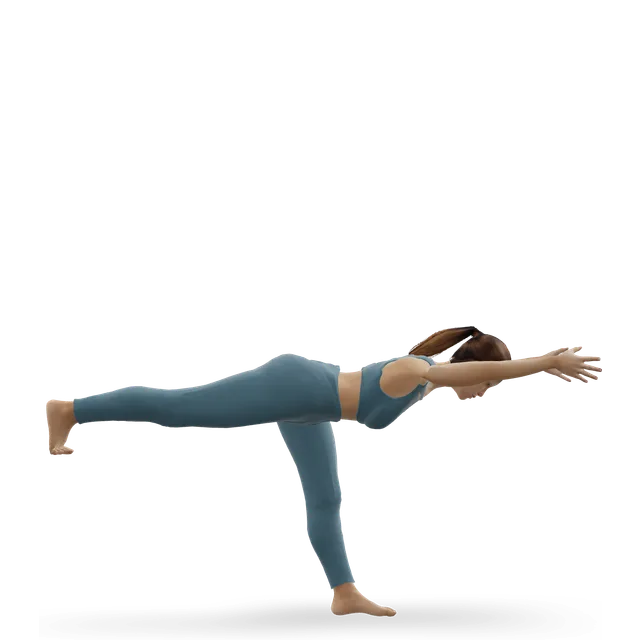
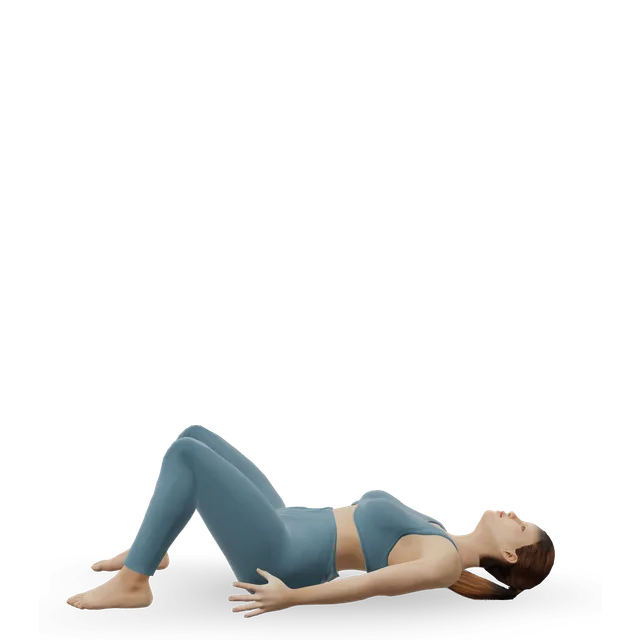
Make the hamstrings work in held positions, such as warrior III and single-leg bridges, then stretch gently, about 3 out of 10. The one rugby trial kept flexibility steady through a season; the Nordic stays in the gym.

Source 11

The neck

Neck strength: build it in Activate and the gymEmerging evidence

Eight weeks of neck holds against your own hands (15 seconds each direction, 3 times a week) raised neck strength a lot in 28 under-18 players. Activate includes neck exercises.

Sources 39, 30

Neck strength and concussion: a weak linkMixed evidence

One professional cohort found 13% fewer concussions for every 10% more neck extension strength; another found neck strength no help in predicting concussion, with a previous concussion the strongest predictor. Pooled, the link is small and of very low certainty.

Sources 40, 41, 42

StingersEmerging evidence

A stinger is a burning or dead arm after contact. In 569 young players, 21% had at least one in a season, and 37% of those had another.

Source 43

Serious neck injuries are rareEmerging evidence

About 0.8 catastrophic injuries per 100,000 players a year in England. In France, catastrophic neck injuries fell from 1.8 to 1.0 per 100,000 players between 2006 and 2013, after a national prevention policy and scrum law changes.

Sources 44, 45

What yoga does for the neck

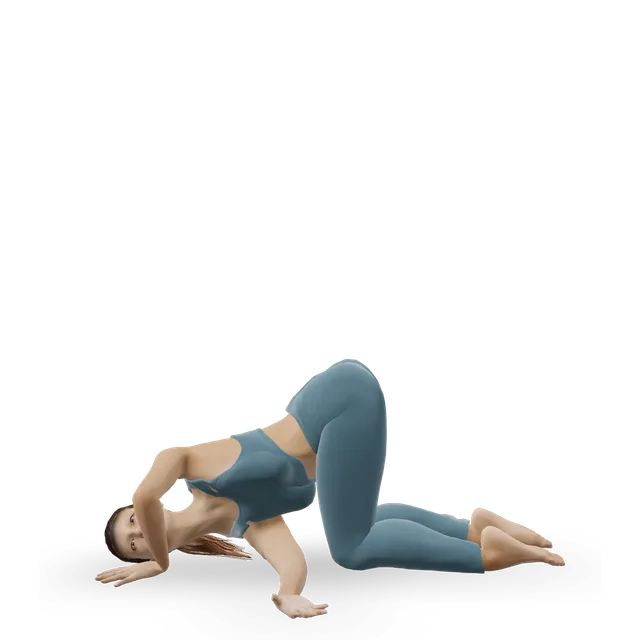
Gentle neck and upper-back movement: chin tucks, thread the needle and cat-cow. No pose should put weight on your head or neck, and any tingling or weakness in an arm means stop and get it checked.

Recovery after a match

It takes 2 to 3 daysEmerging evidence

Muscle damage markers peaked 12 to 24 hours after a match, and nerve and muscle function, hormones and mood took up to 72 hours to recover. The Rugby Football Union's (RFU) age grade code cites 72 hours, and World Rugby advises avoiding high-intensity training for 48 hours after a game.

Sources 46, 47, 48

No rugby recovery study has tested yogaMixed evidence

A 2026 review of 37 recovery studies in elite men's rugby found none of yoga, stretching, breathing or mindfulness.

Source 49

Slow breathing calms you, in the short termEmerging evidence

Fifteen minutes of yoga after hard intervals slowed breathing more than stretching for 10 to 15 minutes, and slow breathing raises heart rate variability during and just after practice. That's calming, not flushing anything out of your muscles.

Sources 25, 50

Sleep, and the mindEmerging evidence

Sleeping longer improved sleep quality and reaction time in 25 professional players. A mindfulness and acceptance programme eased some anxiety in South African schoolboy players, in one trial using questionnaires.

Sources 51, 52

Our suggestion

Yoga's slow breathing, gentle mobility and rest poses suit the day or two after a match because they're low load and calming (our yoga for athletes guide).

Concussion and yoga

The community rulesStrong evidence

Recognise and remove: a player with a suspected concussion comes off, doesn't come back that day, gets checked within 24 hours, and plays no game before day 21, at any age. World Rugby, the RFU and the Rugby Football League (RFL) all set the 21-day minimum for the community game.

Sources 14, 5, 53, 13

Yoga at the light stages onlyEmerging evidence

The UK guidelines' early stages allow light activity and then "low intensity, body weight resistance training". Gentle breathing fits those stages; leave out head-down poses, inversions and hot classes until you're cleared (our reading). In 26 rugby players with lasting symptoms, slow breathing eased symptoms, in a trial with no untreated comparison.

Sources 13, 54

Women's rugby

Concussion and kneesEmerging evidence

Concussion rates were higher in girls than boys, and knee ligament injuries cost Premiership Women's Rugby players the most time. Keep Activate's landing and balance work; yoga's one-leg poses add to it on recovery days.

Sources 4, 23

The pelvic floorEmerging evidence

The RFU says leaking urine with effort is common in women rugby players, and 25.3% fear leaking. Our pelvic floor yoga guide covers pelvic floor training you can fit into the week.

Source 55

Fitting yoga into your week

Our editorial starting point. Activate before every session and match. The gym 2 or 3 times a week, with the Nordic and neck work. Yoga once or twice a week in season, the day or two after a match or on a non-contact day, and more in the off-season, as our Pilates for rugby players guide suggests for Pilates. The one rugby trial used two 1-hour classes a week.

Forwards and backs, and union, league and sevens players, need the same things from yoga, at the same times.

Neck and upper back: gentle, never loaded

Chin tuck: 8 slow reps with a 3 to 5 second hold; thoracic rotation: 6 each side (our Pilates for rugby players class). Cat-cow: 8 waves (our yoga for footballers class). Thread the needle: 30 seconds each side (our yoga for mobility class). Leave the chin tucks out with arm symptoms until you've been checked.

Hips and groin: range you control

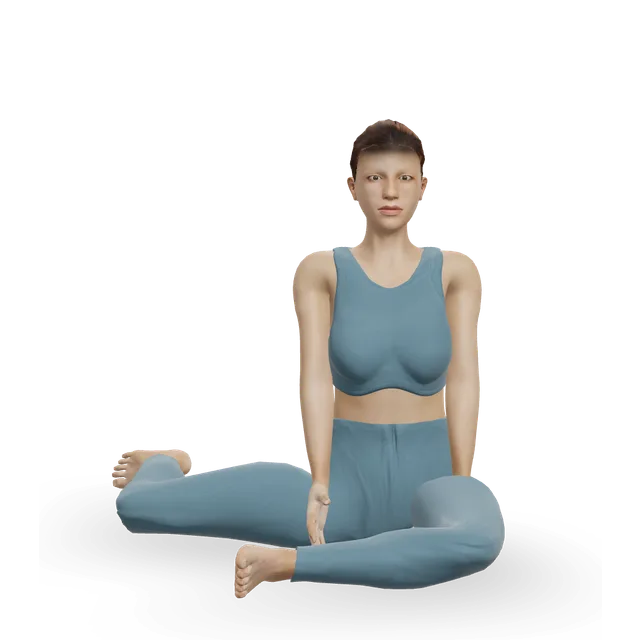
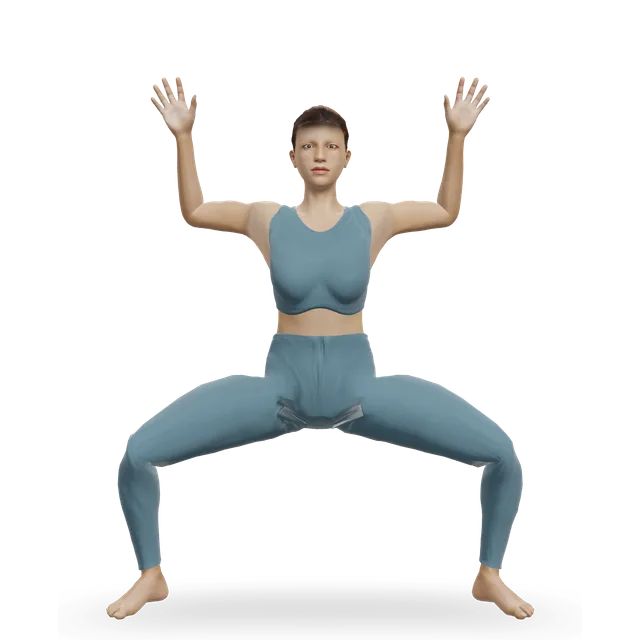
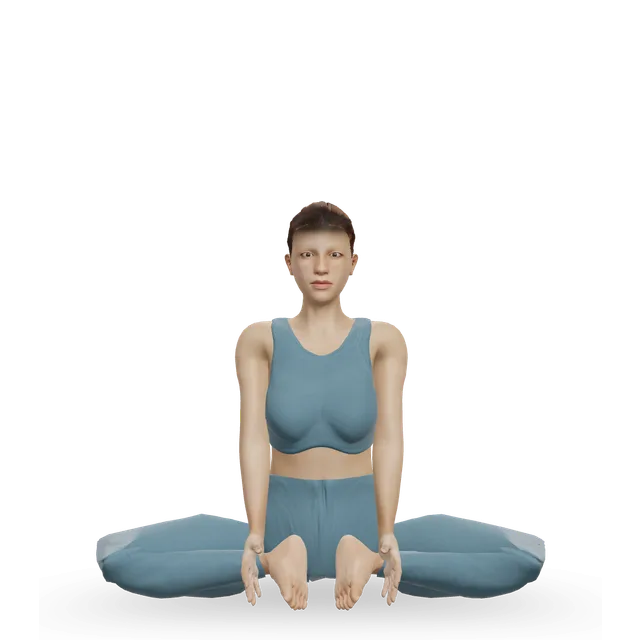
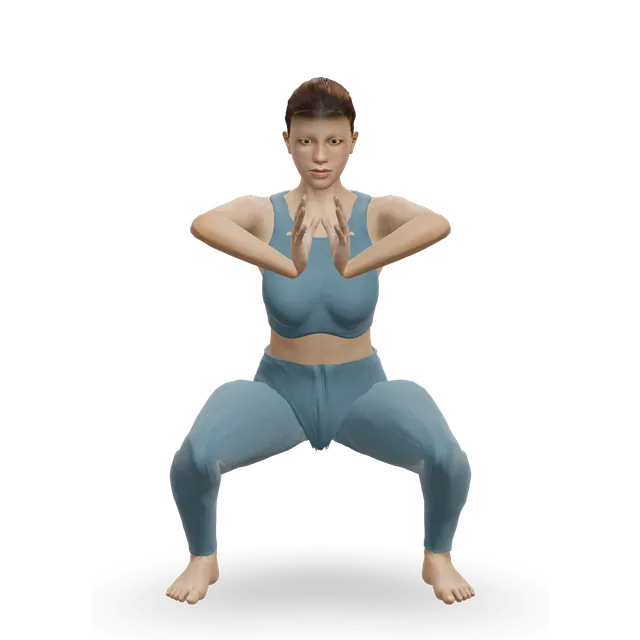
Low lunge: 45 seconds each side, back knee padded; lizard: 30 to 45 seconds each side, coming out if the front of the hip pinches; 90/90 lift-off: 3 holds of 5 seconds each way, each side; goddess pose: 3 holds of 3 breaths, kept shallow; bound angle: 60 seconds on a cushion (our yoga for footballers class).

Hamstrings: load first, then gentle length

Single-leg glute bridge: 8 each side; warrior III with your hands on a chair: 3 breaths each side, twice; strap hamstring stretch: 45 seconds each side at a mild pull, about 3 out of 10 (our yoga for footballers class).

Balance and trunk

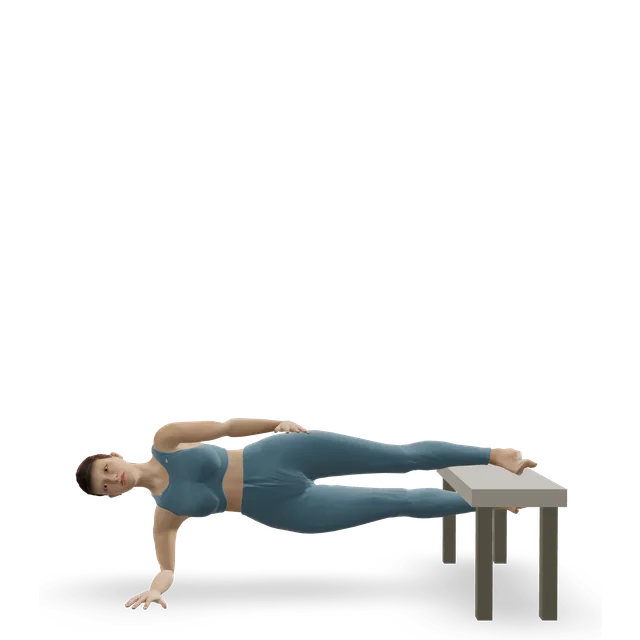
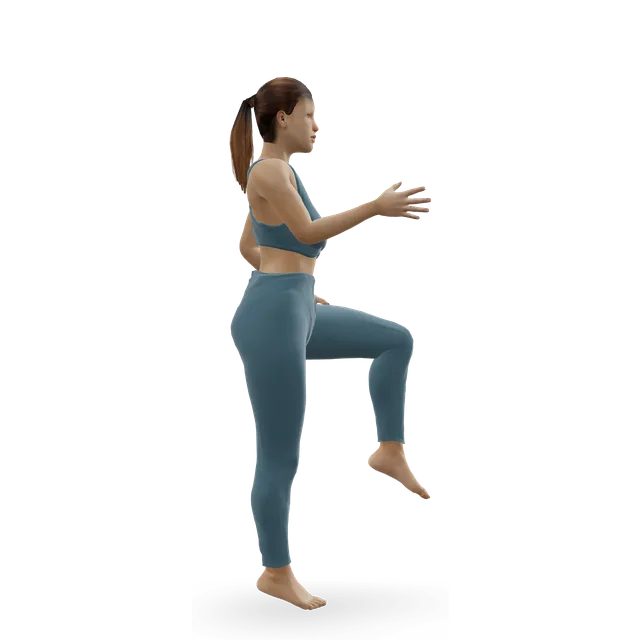
Single-leg stand: 2 holds of 30 seconds each leg; side plank: 2 holds of 20 to 30 seconds each side, on your forearm with the lower knee bent to start (our yoga for footballers class). It's Activate's balance work, on a recovery day.

Wind down

Reclined figure four: 45 seconds each side; slow breathing and corpse pose: 2 minutes each (our yoga for footballers class). On a rest day, give slow breathing and corpse pose at least 5 minutes each, as their move pages say.

Keep doing these: the programmes with the evidence

These aren't yoga. Neck holds: 3 holds of 10 seconds each direction at moderate effort, building to 15 seconds, left out after a neck injury or stinger until you're cleared (our strength workout for rugby players). Nordic curl: 2 sets of 3 to 5 slow lowers in the gym (our strength workout for rugby players), or the full build in our hamstring and groin programme. Copenhagen plank: 1 set each side of 3 to 15 reps (our hamstring and groin programme).

Poses to change or leave out

These follow our neck, shoulder, hamstring and groin guides and the move pages' cautions.

Weight on the head or neck

Leave out headstands, shoulder stands, plough and fish pose with the head dropped back. A neck that takes scrums and tackles doesn't need loading in yoga, and stingers and neck injuries make it riskier (editorial); hand, shoulder and head stands are the practices most often linked with acute yoga injuries.

Sources 43, 56

Neck circles after a stinger or a knock

Use separate nods, tilts and turns instead of full circles, as the neck circles move page says for a sore neck.

A loose or dislocated shoulder

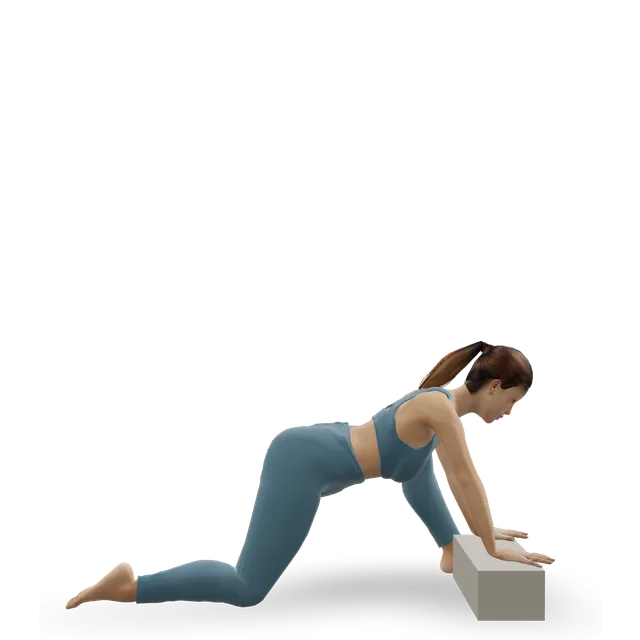
Leave out end-range overhead holds, extended puppy pose, dolphin and binds until you're cleared, and stop short of any feeling that the shoulder might slip (our shoulder dislocation guide).

Source 57

A hamstring or groin strain

Follow our hamstring strain or groin strain guide, and leave out warrior III, pyramid, wide-legged folds and deep goddess pose until your rehab allows. Stop at once for a sudden sharp pain or pop.

Source 58

Long holds before training or a match

Keep holds under about 30 seconds before playing, then move. Long holds belong on recovery days.

Source 59

After a concussion

No head-down poses, inversions or hot classes until you're cleared to return.

Source 13

Classes to follow

Our 25-minute class once or twice a week in season, the day or two after a match or on a non-contact day (our editorial starting point). Keep Activate before every session and match, and the strength and Nordic work in the gym.

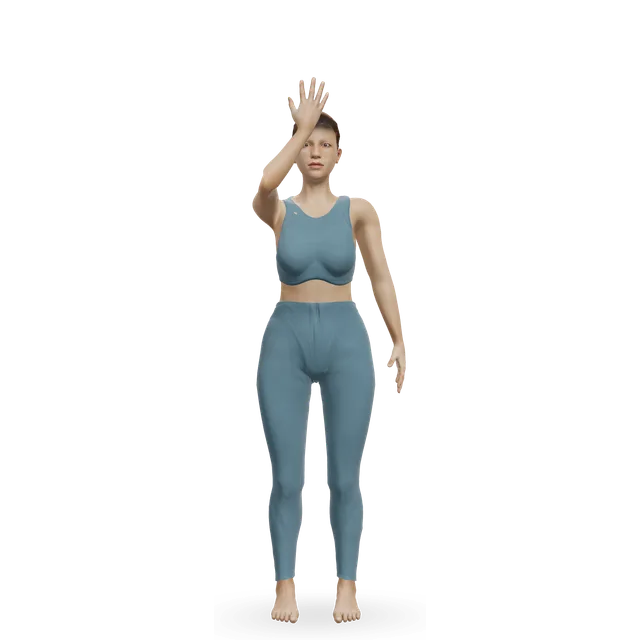
Recovery-day yoga for rugby players: a 25-minute class for the neck, upper back, hips and hamstrings

Twenty-five minutes of recovery-day yoga for rugby: gentle neck and upper-back moves, hip and groin range, hamstring holds, one-leg balance, then slow breathing.

25 minBeginner16 movesA wall

Activate rugby warm-up: the adult sample phase

England Rugby's and World Rugby's Activate warm-up, the manual's adult sample phase: running, balance, partner holds, hops, sprints and neck holds.

25 minBeginner15 movesCardio machine, A wall

Strength workout for rugby players: legs, upper body, hamstrings and neck

A 55-minute gym session for rugby: jump squats and chest throws, heavy squats, bench press, Romanian deadlifts, rows, Nordic lowers, shoulder and neck work.

55 minIntermediate15 movesA band, Medicine ball

Hamstring and groin injury prevention

The Nordic hamstring and Copenhagen adduction programmes from the football trials: a 10-week build, three adductor levels, then once a week in season.

15 minIntermediate6 movesA wall, An anchor point

Yoga for footballers: a 25-minute recovery-day class for hips, groin, hamstrings and balance

Twenty-five minutes of yoga for footballers: hip and groin range you control, hamstring holds, single-leg balance and side planks, then gentle stretches and rest.

25 minBeginner17 movesA wall

Recovery-day Pilates for rugby players: a 25-minute class for the neck, shoulder blades, trunk, hips and hamstrings

A 25-minute recovery-day Pilates class for rugby: mobility, neck and shoulder-blade work, trunk control, hips and hamstrings, a stretch and one-leg balance.

25 minIntermediate19 movesOther / check instructions, A wall

Light exercise after a concussion: the stage 3 session

A 20-minute light session after a concussion: a symptom check, 10 to 15 minutes of easy cycling or walking, gentle bodyweight moves and a cool-down.

20 minBeginner8 movesCardio machine, A bench or box

Active recovery workout

A 25-minute easy session for rest days and sore muscles: easy cardio, a gentle mobility flow, optional rolling for sore spots, and slow breathing to finish.

25 minBeginner11 movesCardio machine, A wall

Warning signs: when to get help

These follow our rugby, Pilates for rugby players, stinger, hamstring, shoulder and knee guides word for word. This is general information, not a diagnosis. A&E means accident and emergency; in the US, call 911 for 999.

A head injury with red flags: call 999

The UK guidelines call these red flags, needing urgent assessment by a healthcare professional or at A&E (accident and emergency), by ambulance if necessary. World Rugby adds numbness, tingling, burning or weakness in the arms or legs, and slurred speech. If a neck injury is suspected, only trained healthcare professionals should move the player.

  • Any loss of consciousness, or getting drowsier
  • No memory of events before or after the injury
  • Increasing confusion or irritability, or unusual behaviour
  • New problems understanding, speaking, reading or writing, less feeling, loss of balance, weakness or double vision
  • A seizure, twitching limbs, or lying rigid or motionless
  • A severe or worsening headache, repeated vomiting or severe neck pain
  • A suspected skull fracture: a cut, bruise, swelling or severe pain where they were hit
  • Previous brain surgery, a bleeding disorder, blood-thinning medicine, or being drunk or on drugs at the time

Sources 13, 14

Signs that mean a player comes off

World Rugby lists signs any one of which may suggest a concussion. The player comes off, and doesn't return that day.

  • A seizure, or a known or suspected loss of consciousness
  • Unsteady on their feet, or poor coordination
  • Confusion, a dazed, blank or vacant look, or a change in behaviour
  • Lying motionless, slow to get up, or clutching their head

Source 14

If in doubt, sit them out

With a suspected concussion, if in doubt, sit them out. The UK's grassroots guidelines say no sport for at least 24 hours, get checked by a healthcare professional or NHS 111 within 24 hours, follow a staged return, and no competition before day 21; if symptoms last beyond 28 days, stay out of sport and see a doctor. Yoga waits too: gentle breathing fits the early, light-activity stages, and no head-down poses or inversions until you're cleared (our reading). Our concussion guide has the stages.

The NHS says to get help from NHS 111 if, after a head injury, you're being sick, feel dizzy, take medicine that thins your blood, were drinking alcohol or taking drugs at the time, or have any other symptoms you're worried about. See a GP if symptoms last more than 2 weeks, and don't play contact sports for at least 3 weeks.

The Rugby Football Union's (RFU) graduated return to activity and sport runs in 6 stages: relative rest for 24 to 48 hours; daily activities and light activity such as short walks; easy aerobic exercise and light bodyweight training, using Activate exercises; non-contact rugby drills and weight training, no earlier than day 8 and only once free of symptoms at rest; full-contact training, no earlier than day 15 and only after 14 days free of symptoms at rest, building from walk-throughs to tackle bags; and a return to play no earlier than day 21. The 21-day minimum is the same for adults and children.

Sources 13, 5, 60, 61

Neck and spinal cord

Call 999 or go to A&E: new problems walking, loss of bladder or bowel control, or a sudden loss of coordination, such as difficulty doing up buttons. These can be signs of pressure on the spinal cord.

  • At the pitch: neck pain or tenderness after a collision, or severe neck pain. Keep the player still and call 999. Only trained healthcare professionals should move a player with a suspected neck injury.
  • Numbness, tingling, burning or weakness in both arms, in more than one limb, or in the legs: keep the player still and call 999. It can be an injury to the spinal cord, even if it passes in minutes.
  • Weakness in the arm that doesn't settle within minutes: the player doesn't go back on, and needs urgent medical assessment, by ambulance if necessary.
  • Same day: arm weakness, numbness or burning that is still there after the game, or that keeps coming back. Go to an urgent treatment centre or A&E, or get help from NHS 111.
  • A second stinger, or stingers that keep coming back: see a sports medicine or spine specialist, usually with an MRI scan, before going back to contact sport.

Sources 14, 43, 15

A pop at the back of the thigh

Same day: a pop near the sitting bone, a large bruise high on the back of the thigh, or you cannot put weight on the leg. The tendon may have pulled away from the bone, which needs assessing before you start these exercises.

Get help from NHS 111 if you think you've injured your hamstring and it's very painful, or the pain is getting worse; there's a large amount of swelling or bruising, or the swelling or bruising is getting worse; it hurts to walk or stand using the injured leg; your leg feels very stiff or is difficult to move; it's not feeling any better after treating it yourself; or you have a very high temperature or you feel very hot, but also cold and shivery, which could be signs of an infection.

Source 58

A pop high on the inner thigh

A pop high on the inner thigh, then a large bruise, a dent or a gap you can feel, and weakness squeezing the legs together, can be a complete tear of the adductor longus tendon: get it checked within days, as our inner thigh pain guide says.

A shoulder that looks out of place

Call 999 or go to A&E: after a fall or injury, your shoulder looks out of place or has changed shape, you cannot move your arm, or your shoulder is painful, bruised or swollen. Do not drive yourself, and do not try to put it back in yourself.

Your shoulder has partly or fully come out of joint, or you worry it might.

Source 57

A knee or ankle injury

Go to A&E (accident and emergency) if you've injured your knee and it has changed shape, it becomes very swollen very quickly, you felt a pop or snap, you can see bone sticking out, or it's bleeding heavily. Don't drive yourself: ask someone to take you, or call 999 if the pain means you can't move your leg to get there.

Get advice from NHS 111 now: you cannot move the knee or put any weight on it, or it is very painful, badly swollen or has changed shape, or it locks, gives way or clicks painfully. A pop, quick swelling and a knee that gives way point to an ACL injury: our ACL injury guide says what to do.

Call 999 or go to A&E if you heard a crack, the joint has changed shape or points at an odd angle, it's numb or tingling, or the skin has turned blue or grey or is cold. Get help from NHS 111 or an urgent treatment centre if you can't put any weight on it or walk more than a few steps.

Sources 62, 63

Back pain that's worse arching back

Back pain that is worse arching back and has lasted more than a couple of weeks can be a stress fracture of the spine (spondylolysis): get it checked.

Chest pain or fainting: call 999

Call 999 if:

  • You get sudden pain or discomfort in your chest that doesn't go away; it can feel like squeezing or pressure, burning or indigestion.
  • The pain spreads to your left or right arm, or your neck, jaw, stomach or back.
  • You have chest pain and feel sweaty, sick, light-headed or short of breath.
  • Someone faints while exercising, can't be woken within 1 minute, or has chest pain or a pounding, fluttering or irregular heartbeat.

Sources 64, 65

During practice

Stop a stretch at the first sharp pull high at the back of the thigh or in the groin, and "Ease off a deep fold, lunge or twist that brings a sharp pinch deep in the groin" (our hip openers guide).

Any burning, tingling, numbness or weakness down the arm, or neck pain, during or after an exercise means stop and get it checked.


Myths

"Yoga is too gentle for rugby players"Mixed evidence

No trial has tested it either way. Held warrior III, single-leg bridges, side planks and one-leg balance are hard work, and yoga kept hamstring flexibility through a season in one small trial. But it doesn't replace the strength training that cuts injuries, or Activate.

Sources 11, 9, 6

"Yoga prevents rugby injuries"Mixed evidence

No yoga or Pilates study in any collision sport has counted injuries. Activate, done regularly, and strength training have the evidence.

Sources 12, 11, 7

"Stretching before a game prevents hamstring strains"Strong evidence

No randomised trial of hamstring stretching exists in the football codes, and flexibility isn't among rugby's hamstring risk factors. World Rugby uses dynamic, not static, stretches in the warm-up.

Sources 26, 31, 66

"The more flexible the better"Emerging evidence

Very flexible athletes had about three times the odds of a shoulder injury and more knee injuries in contact sports. The NHS says "do not overextend your joints just because you can".

Sources 67, 68, 69

"A strong neck stops concussion"Mixed evidence

Neck training builds strength, but the link with fewer concussions is small and very uncertain. Follow the concussion rules.

Sources 39, 42

"Once your symptoms go, you can play"Strong evidence

Community rugby's minimum is 21 days, with 14 days free of symptoms at rest before contact training. Yoga's head-down poses wait too.

Sources 5, 13

"Yoga or stretching speeds recovery after a match"Emerging evidence

Stretching barely changes soreness, experts don't recommend it for recovery, and no rugby recovery study has tested yoga. Recovery takes 2 to 3 days whatever you do; yoga's slow breathing calms you in the short term.

Sources 70, 10, 49, 46

"Yoga makes you faster"Mixed evidence

Rugby players who did yoga for 8 weeks didn't sprint any faster.

Source 11

Questions people ask

Is yoga good for rugby players?

On recovery days it can add hip and upper-back range, hamstring work in held positions, one-leg balance and slow breathing. In the one small rugby trial, yoga kept hamstring flexibility through a season but didn't make anyone faster.

Does yoga prevent rugby injuries?

That hasn't been tested: no study in any collision sport has counted injuries after yoga. The Activate warm-up, done regularly, and strength training have the evidence.

Is yoga too gentle for rugby?

Not if you choose the work: held one-leg poses, single-leg bridges and side planks are demanding. But it doesn't replace the gym or the Nordic hamstring exercise.

What are the best yoga poses for rugby players?

Low lunge and 90/90 lift-offs for the hips, warrior III and single-leg bridges for the hamstrings, thread the needle and cat-cow for the upper back, and one-leg balance. Leave out anything that puts weight on your neck.

Should I do yoga before or after rugby training?

After, or the day or two after a match. Before training, do Activate: World Rugby uses dynamic, not static, stretches in the warm-up, and long holds just before explosive work cost a little power.

Will yoga help hamstring injuries?

It can keep flexibility steady, and holds like warrior III make the muscle work. But flexibility isn't a rugby hamstring risk factor, while a previous injury and a strength imbalance are, so keep the Nordic in your gym work. With a strain, follow our hamstring strain guide first.

Does yoga help recovery after a match?

It's a calm, low-load option for the 2 to 3 days your body needs to recover. Fifteen minutes of yoga after hard training slowed breathing more than stretching in the short term, but no rugby recovery study has tested yoga.

Can yoga help my neck?

Gentle neck and upper-back movement, yes; neck strength comes from Activate's neck holds and gym work. Never put weight on your head or neck in yoga, and stop for any tingling or weakness in an arm.

Can I do yoga after a concussion?

Only at the stages you're cleared for: gentle breathing early, no head-down poses until you're cleared, and no game before day 21 in community rugby. Follow the Rugby Football Union's graduated return.

Is yoga good for women rugby players?

Yes, with the same timing, plus pelvic floor training, because leaking urine is common in women rugby players. Knee ligament injuries cost women the most time, so keep Activate's landing and balance work too.

How often should rugby players do yoga?

Once or twice a week in season on recovery days, and more in the off-season, is our suggestion. The one rugby trial used two 1-hour classes a week for 8 weeks.

Sources

  1. Williams 2022 · Injuries in elite men's rugby union, 2012 to 2020: 11,620 injuries (meta-analysis, Sports Med; read in full)
  2. England Professional Rugby Injury Surveillance Project · Season report 2024-25 (published May 2026; read in full)
  3. Community Rugby Injury Surveillance and Prevention Project · Season report 2024-25 (March 2026; read in full)
  4. De Sousa-De Sousa 2026 · Concussion in rugby, 2014 to 2024: 98 studies (systematic review and meta-analysis, Br J Sports Med)
  5. Rugby Football Union · HEADCASE: concussion in community rugby (read in full)
  6. Hislop 2017 · A movement control warm-up for 3,188 schoolboy rugby players (cluster randomised trial, Br J Sports Med; read in full)
  7. Attwood 2018 · A movement control warm-up in men's community rugby: 81 clubs (cluster randomised trial, Br J Sports Med; read in full)
  8. Viiala 2026 · Sticking with injury prevention programmes and injury risk (systematic review and meta-analysis of randomised trials, Inj Prev)
  9. Lauersen 2014 · Exercise to prevent sports injuries: 25 trials, 26,610 people (systematic review and meta-analysis, Br J Sports Med)
  10. Warneke 2025 · Practical recommendations on stretching from international research experts (Delphi consensus, J Sport Health Sci; read in full)
  11. Raj 2021 · Eight weeks of yoga, hamstring flexibility and sprinting in rugby players: 31 randomised, 19 finished (randomised trial, Int J Yoga; read in full)
  12. PubMed · Search for yoga and rugby or collision sports: 5 records, one trial (October 2026)
  13. UK Concussion Guidelines for Non-Elite (Grassroots) Sport (UK government and Sport and Recreation Alliance, November 2024 update; read in full)
  14. World Rugby · Concussion guidance for the non-elite game (August 2024; read in full)
  15. NHS · Paralysis (past its review date: reviewed July 2023, review due July 2026)
  16. Williams 2013 · Injuries in senior men's professional rugby union: 15 studies (meta-analysis, Sports Med)
  17. Yeomans 2018 · Injuries in amateur men's rugby union (systematic review and meta-analysis, Sports Med)
  18. Laaksonen 2026 · Injuries in rugby union, league and sevens: 148 reports (systematic review and meta-analysis, BMJ Open Sport Exerc Med)
  19. West 2024 · Knee injuries over 20 Premiership seasons (cohort study, Br J Sports Med)
  20. Doyle 2026 · Shoulder injuries in rugby union (systematic review and meta-analysis, Arch Orthop Trauma Surg)
  21. Fuller 2007 · Spinal injuries in professional rugby union (cohort study, Clin J Sport Med)
  22. King 2019 · Match and training injuries in women's rugby union (systematic review, Sports Med)
  23. Women's Rugby Injury Surveillance Project · Season report 2024-25 (read in full)
  24. Polsgrove 2016 · Ten weeks of yoga, flexibility and balance in college athletes (controlled study, Int J Yoga)
  25. Petviset 2025 · Yoga or static stretching after interval training: 20 university footballers (crossover trial, Int J Exerc Sci)
  26. Rogan 2013 · Static hamstring stretching for injury prevention in the football codes (systematic review, Asian J Sports Med)
  27. Barden 2022 · Activate in schoolboy rugby in the real world (non-randomised study, Br J Sports Med)
  28. Shill 2026 · A neuromuscular warm-up in high school girls' rugby (quasi-experimental study, J Orthop Sports Phys Ther)
  29. Chen 2025 · Injury prevention programmes and sport-related concussion (systematic review and meta-analysis, Sports Med Open)
  30. World Rugby, England Rugby and the University of Bath · Activate injury prevention exercise programme (manual; read in full)
  31. Chavarro-Nieto 2023 · Hamstring injuries in rugby union: how common, risk factors and prevention (systematic review, Phys Sportsmed)
  32. Bourne 2015 · Eccentric knee flexor strength and hamstring injury in rugby union (cohort study, Am J Sports Med)
  33. Green 2020 · Risk factors for hamstring strain injury in sport (systematic review and meta-analysis, Br J Sports Med)
  34. van Dyk 2018 · Hamstring and ankle flexibility and hamstring injury: 438 professional footballers (cohort study, Am J Sports Med)
  35. Brooks 2006 · Hamstring injuries in professional rugby union (cohort study, Am J Sports Med)
  36. van Dyk 2019 · The Nordic hamstring exercise in injury prevention programmes: 8,459 athletes (systematic review and meta-analysis, Br J Sports Med)
  37. Impellizzeri 2021 · A reappraisal of the Nordic hamstring exercise trials (methods review and meta-analysis, J Clin Epidemiol)
  38. Williams 2026 · Leg strength profiles and injuries in men's professional rugby union over two seasons (cohort study, J Sci Med Sport)
  39. Attwood 2022 · Eight weeks of self-resisted neck training in 28 age-grade rugby players (pilot randomised trial, Sports Health)
  40. Farley 2022 · Neck extension strength and concussion in professional rugby players (cohort study, Br J Sports Med)
  41. Liston 2023 · Neck strength didn't predict concussion in professional rugby players (cohort study, J Orthop Sports Phys Ther)
  42. Garrett 2023 · Neck strength and concussion in team sports (systematic review and meta-analysis, J Orthop Sports Phys Ther)
  43. Kawasaki 2015 · Stingers in 569 young rugby players (questionnaire study, Am J Sports Med)
  44. Fuller 2008 · Catastrophic injury in rugby union (review, Sports Med)
  45. Reboursiere 2018 · Catastrophic neck injuries in French rugby union after a prevention policy and scrum law changes (registry study, Br J Sports Med)
  46. Aben 2022 · Recovery after rugby matches (systematic review, J Strength Cond Res)
  47. Rugby Football Union · Age grade rugby codes of practice (version 2.0, 2022; relevant passages read in full)
  48. World Rugby · Rugby Ready: physical conditioning (read in full)
  49. Grainger 2026 · Recovery strategies in elite men's rugby union: 37 studies (scoping review, Sports Med Open; read in full)
  50. Laborde 2022 · Slow breathing, heart rate and heart rate variability: 223 studies (systematic review and meta-analysis, Neurosci Biobehav Rev)
  51. Swinbourne 2018 · Sleep extension in 25 professional rugby players (controlled study, Sports)
  52. Munnik 2024 · Two mental skills programmes in South African schoolboy rugby players (cluster randomised trial, Psychol Sport Exerc)
  53. Rugby Football League · Concussion (read in full)
  54. Wang 2026 · Slow breathing after concussion in 26 rugby players (randomised crossover trial, Front Neurosci; read in full)
  55. Rugby Football Union · Female health and wellbeing (read in full)
  56. Cramer 2019 · Harms from yoga: 1,702 German practitioners (national survey, BMC Complement Altern Med)
  57. NHS · Dislocated shoulder
  58. NHS · Hamstring injury
  59. Behm 2016 · Stretching just before activity and performance (systematic review, Appl Physiol Nutr Metab)
  60. Rugby Football Union · HEADCASE graduated return to activity and sport, community rugby (August 2023; image-only document, stages 1, 2, 5 and 6 read in full)
  61. NHS · Head injury and concussion
  62. NHS · Knee pain
  63. NHS · Sprains and strains
  64. NHS · Chest pain (past its review date: reviewed August 2023, review due August 2026)
  65. NHS · Fainting
  66. World Rugby · Rugby Ready: warm up (read in full)
  67. Liaghat 2021 · Joint hypermobility and shoulder injuries in athletes (systematic review and meta-analysis, BMC Musculoskelet Disord)
  68. Pacey 2010 · Joint hypermobility and lower limb injury in sport (systematic review and meta-analysis, Am J Sports Med)
  69. NHS · Joint hypermobility syndrome (past its review date: reviewed August 2023, review due August 2026)
  70. Herbert 2011 · Stretching to prevent or reduce muscle soreness after exercise: 12 studies (Cochrane review)

Exercise education, not a personal prescription, and clinical review of these guides is pending. If you are pregnant, have a health condition such as glaucoma, high blood pressure or osteoporosis, or have had recent surgery, check with a doctor, midwife or physiotherapist before starting, and stop for sharp or increasing pain. Health disclaimer.