Pilates
Recovery-day Pilates for rugby players: a 25-minute class for the neck, shoulder blades, trunk, hips and hamstrings
A 25-minute Pilates class for the day or two after a match, or a non-contact day. It follows our recovery-day class for footballers but adds neck and shoulder-blade work, because rugby's injuries centre on the head, neck, shoulder, knee and hamstrings and the Activate programme includes neck holds. It doesn't replace Activate before training and matches, your gym work or the Nordic hamstring exercise, and no trial has tested Pilates in rugby players, so the structure is ours. You need a mat and a cushion or small ball.
Breathe and mobilise
- Cat-cow8 slow wavesBeginner · Back, Abs · 3D demoOne part of the spine at a timeHarder: Half lord of the fishes (Ardha Matsyendrasana)
- Thoracic rotation6 each sideBeginner · 3D demoTurn your chest, not your hipsEasier: Side-lying open bookHarder: World's greatest stretch
- 90/90 switch10 slow switchesIntermediate · 3D demoPause at the ends; hands behind you if you need themEasier: Reclined figure four (eye of the needle, Sucirandhrasana)Harder: 90/90 hip lift-off




Neck and shoulder blades
- Chin tuck8 slow reps, 3 to 5 s holdBeginner · Neck · 3D demoSlide your head straight backEasier: Lying chin tuckHarder: Isometric neck holds (four-way)
- Isometric neck holds (four-way)3 holds of 10 s each directionBeginner · Neck · 3D demoModerate effort; build the pressure slowly and stop for pain, dizziness or pins and needles. Leave these out after a neck injury or stinger until you're clearedEasier: Chin tuckHarder: Chin tuck with head lift
- Prone Y-T-W raises5 of each shapeBeginner · Back, Shoulders, Neck · 3D demoForehead on a towel, thumbs up, shoulders away from your earsEasier: Wall angelHarder: Bent-over reverse fly
- Swimming (Pilates)2 sets of 20 sIntermediate · Back, Glutes, Shoulders · 3D demoSmall, brisk flutters; arms by your sides with a sore shoulderEasier: Mermaid (Pilates seated side bend)Harder: Leg pull back (Pilates leg pull up)



Trunk
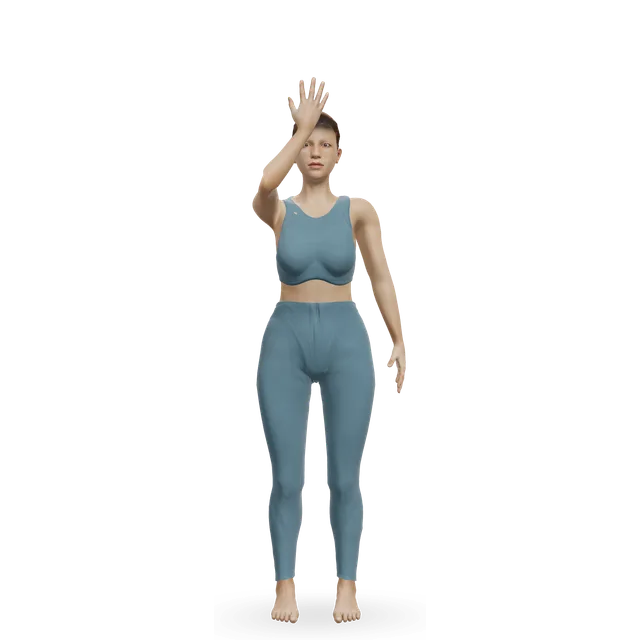
- Hundred (Pilates)100 beats (50 if it's new to you)Intermediate · Abs, Hip flexors, Shoulders · 3D demoHead down if your neck tiresEasier: Wall hundred (wall Pilates)Harder: Boomerang (Pilates)
- Dead bug2 × 8 each sideBeginner · Abs, Hip flexors · 3D demoLower back stays downEasier: Dead bug heel tapsHarder: Forearm plank
- Side plank2 × 20 to 30 s each sideIntermediate · Abs, Hip abductors, Shoulders · 3D demoKnees down to startEasier: Knee side plankHarder: Side plank with leg lift
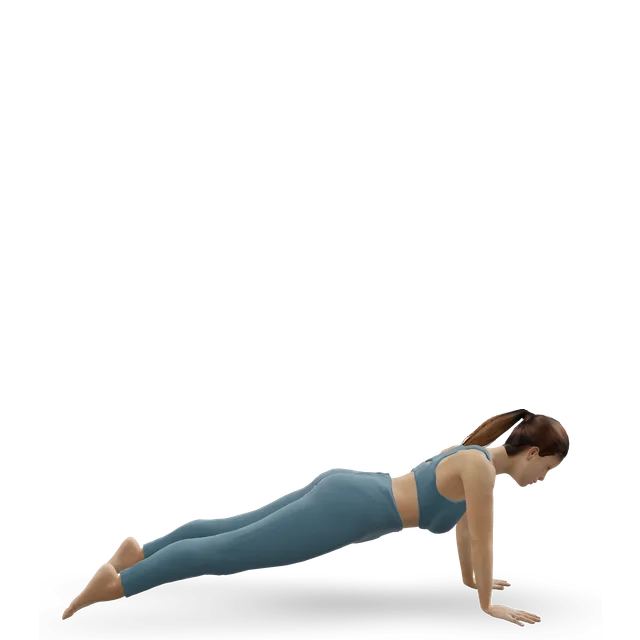
- Leg pull front (Pilates leg pull down)3 to 5 each sideAdvanced · Abs, Shoulders, Glutes · 3D demoA long line; push the floor away; fists if your wrists complainEasier: Straight-arm plank (high plank)



Hips and the back of the thigh
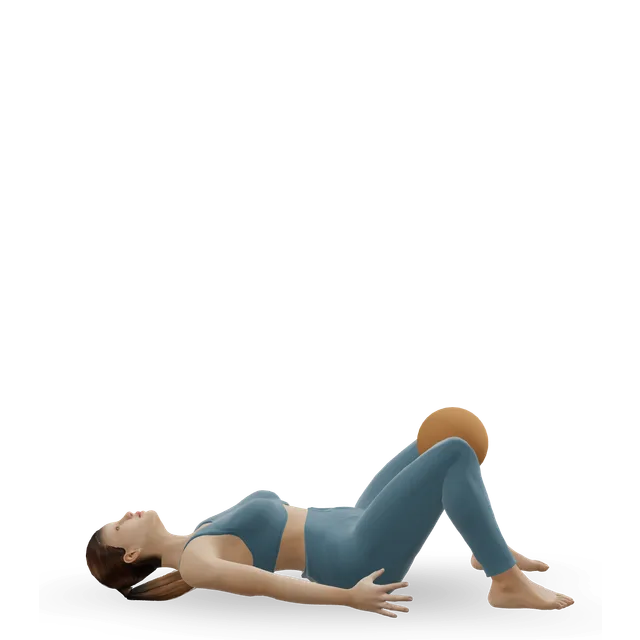
- Lying adductor ball squeeze5 holds of 5 to 10 sBeginner · Adductors, Abs · 3D demoA cushion or ball between your knees; only as hard as is comfortableHarder: Copenhagen plank
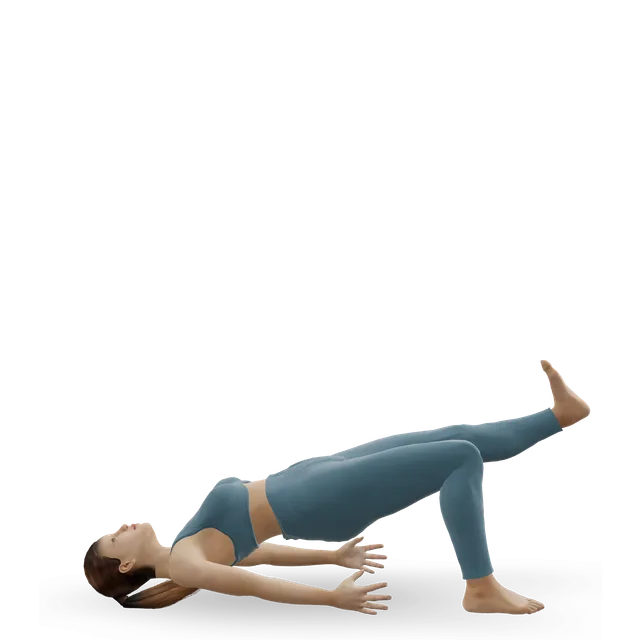
- Shoulder bridge (Pilates)3 to 5 kicks each legIntermediate · Glutes, Hamstrings, Abs · 3D demoPelvis level; weight on your shoulder blades, not your neckEasier: Wall bridge (feet-on-wall bridge)Harder: Leg pull back (Pilates leg pull up)
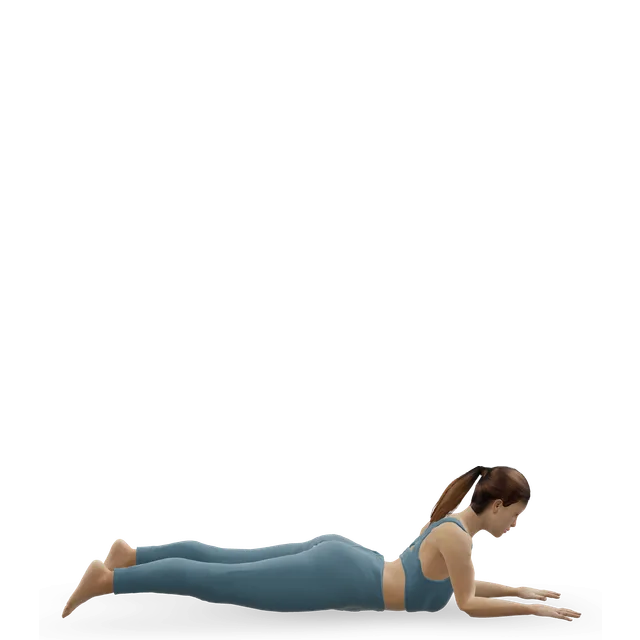
- Single-leg kick (Pilates one leg kick)6 each legBeginner · Hamstrings, Back, Glutes · 3D demoChest lifted, hips down; a smaller kick if your kneecap complainsEasier: Sphinx pose (Salamba Bhujangasana)Harder: Double-leg kick (Pilates double kick)
- Clamshell10 each sideBeginner · Hip abductors, Glutes · 3D demoLift only as far as your pelvis stays stillEasier: Supine isometric hip abduction (belt press)Harder: Lateral band walk

Stretch and balance
- Half-kneeling hip flexor stretch30 s each sideBeginner · Quads, Glutes · 3D demoPad the knee; tuck your tailbone underHarder: Couch stretch
- Saw (Pilates)3 each sideIntermediate · Back, Abs, Hamstrings · 3D demoA small reach after a hamstring strainEasier: Spine stretch forward (Pilates spine stretch)Harder: Boomerang (Pilates)
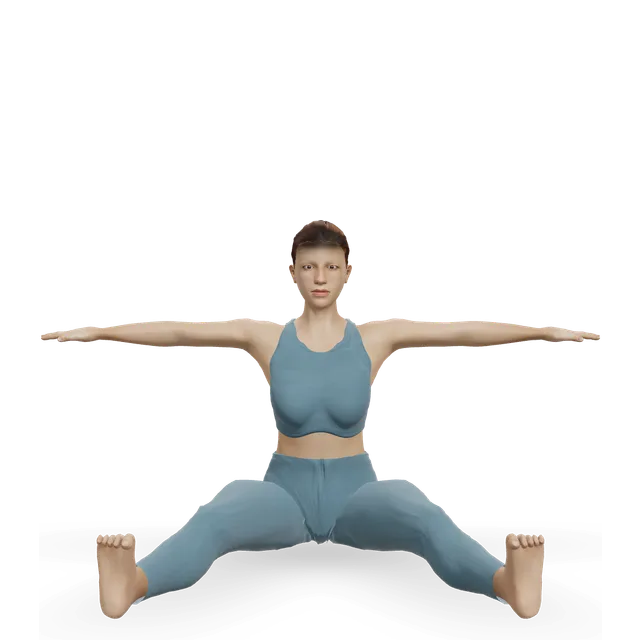
- Single-leg stand2 × 30 s each legBeginner · Hip abductors, Calves, Glutes · 3D demoKnee soft; eyes closed once it's easyEasier: Tandem stance and heel-to-toe walkHarder: Single-leg reach matrix


Tips
- Once or twice a week in season, the day or two after a match or on a non-contact day; 2 or 3 times a week in the off-season (our suggestion).
- Keep Activate before every training session and match, and the Nordic and strength work in the gym: this class adds to them.
- After a concussion, only do this at the stages you've been cleared for: breathing and mobility early, trunk and strength work later, and no competition before day 21.
- With back pain that's worse arching, swap swimming for the bird dog and get it checked. With an unstable shoulder, keep weight off the arm in the leg pull until your physiotherapist clears it.
- Women who leak urine with effort: add pelvic floor training most days, and see our Pilates for the pelvic floor guide.
The doses are suggested starting points, not a prescription. Choose a range you can control and stop for sharp or increasing pain, numbness or tingling. Get individual advice after an injury or surgery, or if you are pregnant or managing a health condition.
Guides that recommend it
Find more moves like these
More pilates



Beginner Pilates workout
A 20-minute mat Pilates workout for complete beginners. It covers breathing, spine position and the foundation moves, each with an easier option.
20 minBeginner13 movesNo equipment

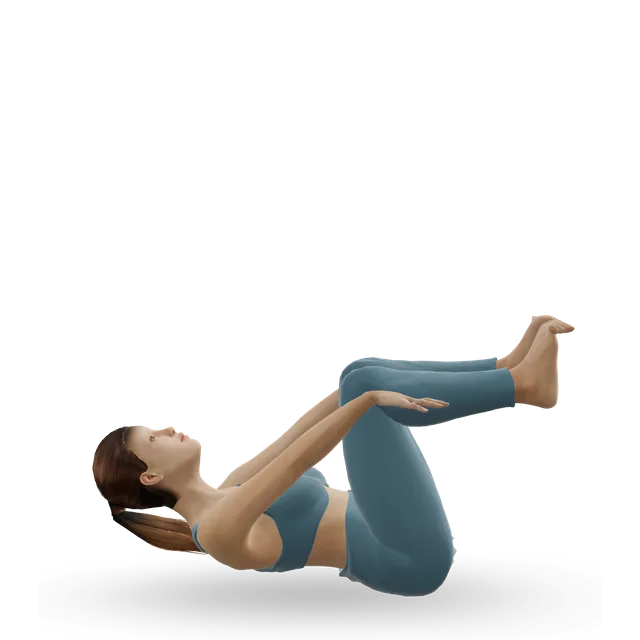
10-minute Pilates abs
Ten minutes of the classic Pilates abdominal series: the hundred, the roll-up and the series of five, with a plank to finish.
10 minIntermediate11 movesNo equipment
Full-body mat Pilates workout
A 30-minute intermediate mat Pilates class that follows the classical order, from the hundred to the push-up, with prep versions of the hardest moves.
30 minIntermediate22 movesNo equipmentQuestions people ask
How long does the recovery-day pilates for rugby players: a 25-minute class for the neck, shoulder blades, trunk, hips and hamstrings take?
About 25 minutes, including any warm-up and cool-down listed. Shorten it by doing fewer rounds; lengthen it by adding one.
What equipment do I need?
You need: Other / check instructions, A wall. Each move links to its guide, where you can find an alternative if you are missing something.
Is it suitable for me?
It is written at intermediate level. 15 of its 19 moves have an easier option listed beside them; use them freely.
How do I make it easier or harder?
Use the easier or harder option listed under each move, change the number of rounds, or adjust the rest. Progress one change at a time.