What no study has counted, and what a deadlift asks of the hipEmerging evidence
No study counts what causes hip pain in deadlifts, and none has tested stance, depth or bar choice against hip pain. So the map on this page comes from what each condition is known to do, lab studies, surveys, a hospital series, case reports and health-service pages.
In an online survey of 1,387 recreational gym users, 732 reported pain with training; among those who deadlifted, 31.9% linked deadlifts to pain (147 of 461), among the highest of 49 exercises, though the hip was one of the least reported painful areas and the survey didn't record where each exercise hurt. These figures are of people who reported training pain, not of everyone who trains. In 104 Swedish powerlifters, the lower back and pelvis, shoulder and hip were the commonest painful areas, and 31% of injuries started during deadlift training; across powerlifting studies, 12% to 31% of injuries are linked to the deadlift, and injury rates in weightlifting and powerlifting are low against contact sports. In 83 CrossFit hip and groin injuries seen at one US hospital system, 70% couldn't name a workout that started it and only 4% recalled a deadlift.
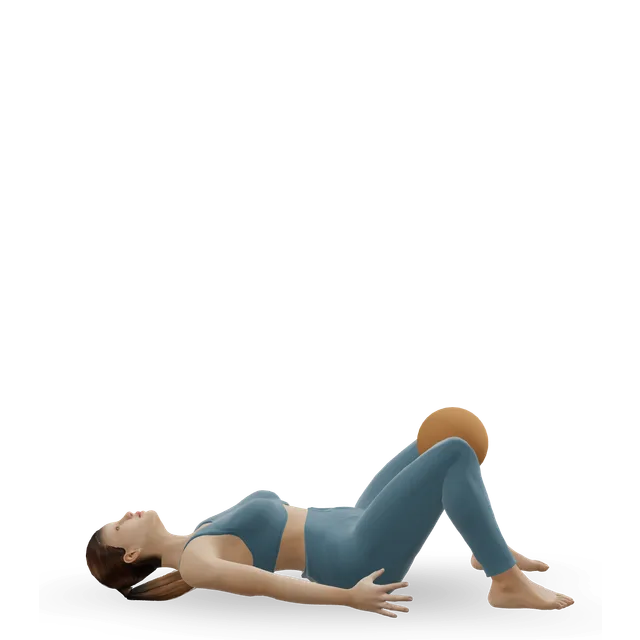
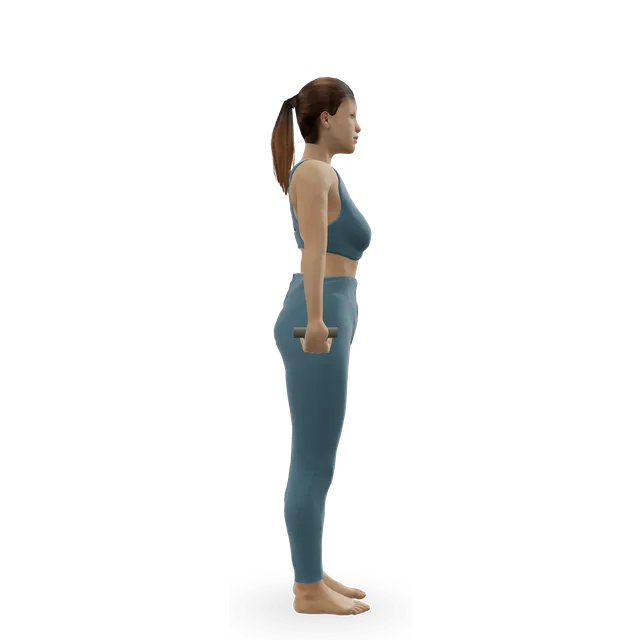
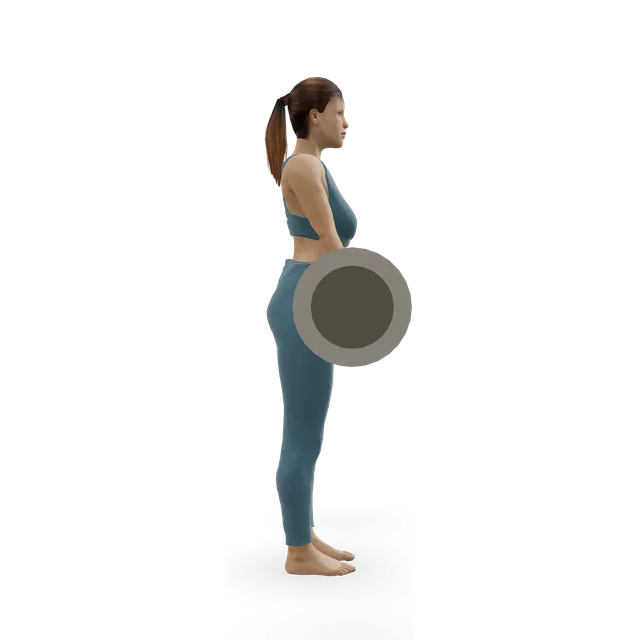
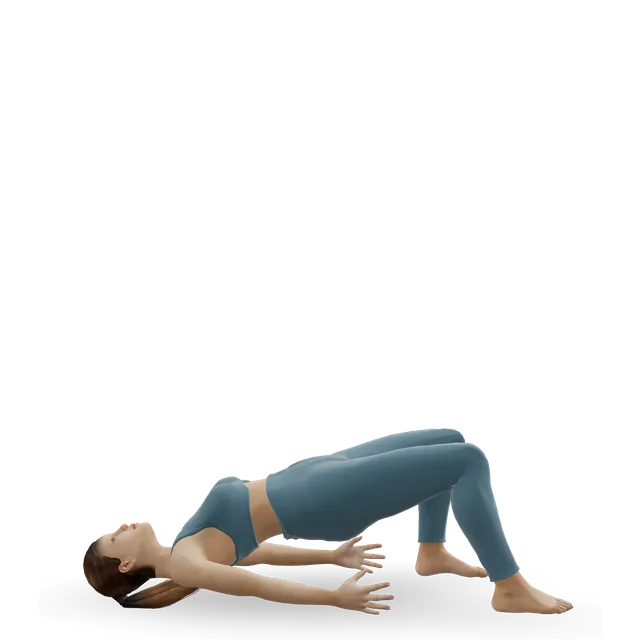
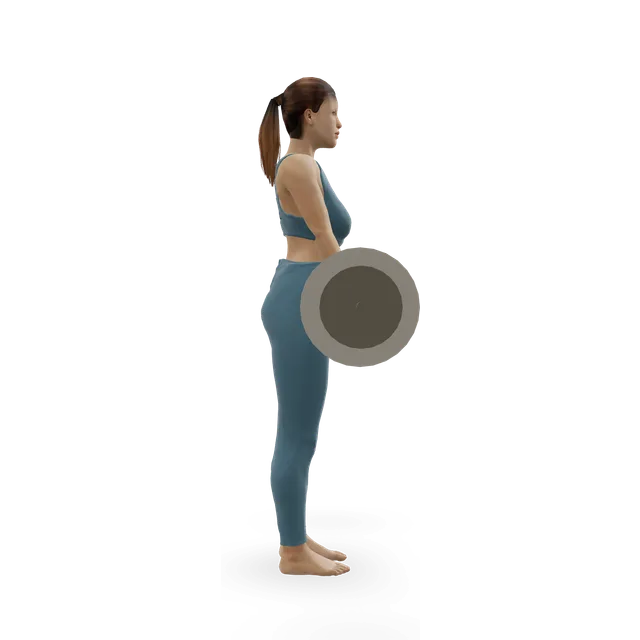
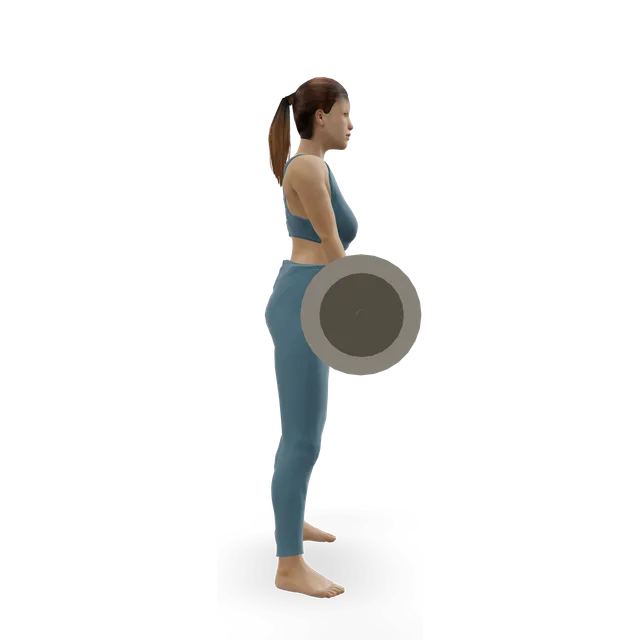
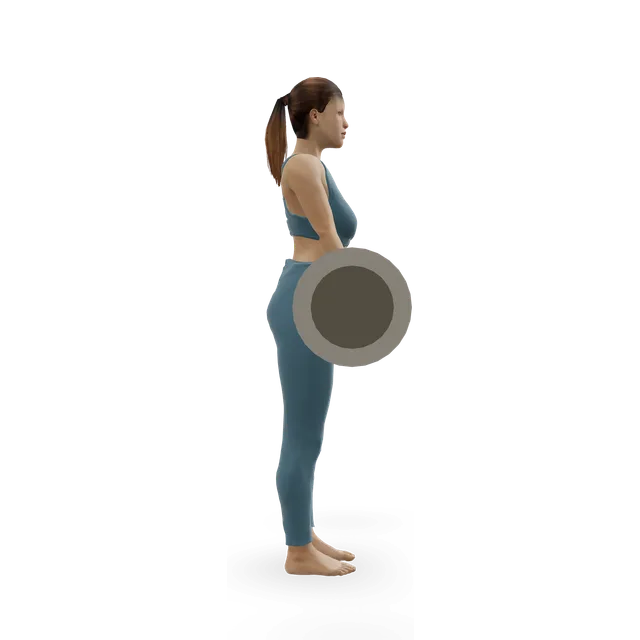
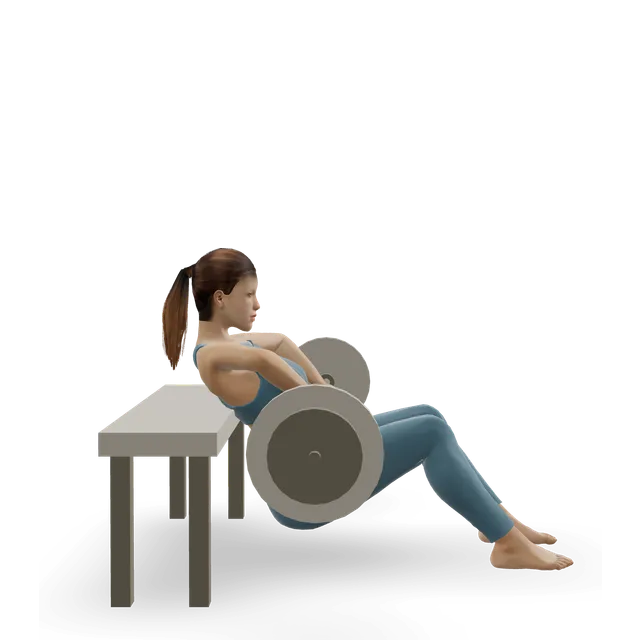
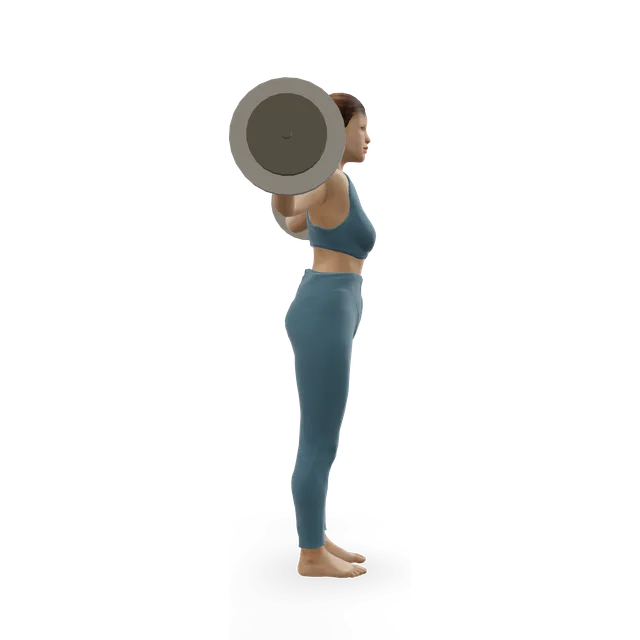
A deadlift lifts a bar from the floor by straightening the hips and knees, and it loads hip extension more than a back squat (in 28 trained adults). In one lab study of 30 men who deadlift every week, the hip was bent up to about 92 degrees at lift-off in a conventional deadlift and about 87 degrees in a sumo deadlift: the top of each range the study reported, so other lifters will differ. In 21 men, a Romanian deadlift lowered to the floor with the knees nearly straight bent the hip to about 80 degrees. Deep squats in the data one modelling study used reached about 106 to 113 degrees, so a pinch at the bottom of a deadlift often points to a low start, long legs or a Romanian deadlift taken too deep (our reading).
Sources 1, 2, 3, 4, 5, 6, 7, 8, 9
Where it hurts sorts the causesEmerging evidence
In the CrossFit series, the commonest diagnoses were FAI syndrome (34%), hamstring strains (11%) and hernias (7%), and pain at the front of the hip or groin was the commonest site (54%). An international consensus says FAI syndrome needs symptoms, examination signs and imaging together, not a scan finding alone. The Doha agreement sorts groin pain in athletes into adductor-related (tender adductors and pain squeezing the legs together), iliopsoas-related, inguinal-related (pain and tenderness at the groin canal with no hernia you can feel), pubic-related and hip-related. In a modelling study of 15 people, both conventional and sumo deadlifts put some of the highest forces on two of the inner-thigh muscles.
High hamstring tendinopathy is deep buttock pain at the sitting bone where the hamstrings start; it is worse with hip bending and sitting, and pain from the back, the hip or the SI joint is more spread out. The gluteal tendons at the bony point on the outside of the hip are commonest in women aged 40 to 60 and are squeezed when the thigh moves inwards across the body, as in crossing your legs. About 10% to 25% of persistent low back pain below the lowest lumbar vertebra comes from the SI joint, but no single feature diagnoses it.
The NHS says sciatica affects the bottom and the back of one leg, with burning pain, pins and needles, numbness or weakness, often worse coughing or sneezing; with back pain, a loss of feeling around your genitals or anus, or changes in your bladder or bowels, need a 999 call or A&E. A hernia is a lump in the groin or upper thigh that may get bigger when you cough and smaller when you lie down; the NHS lists lifting heavy weights among the causes of a femoral hernia, which mainly happens in women over 50, though it can happen to anyone.
The NHS says hip pain in children should always be checked. A slipped growth plate at the top of the thigh bone (slipped capital femoral epiphysis) affects about 10 in 100,000 children aged 9 to 16 each year and is often diagnosed late, partly because it can show up as knee or thigh pain.
Sources 5, 10, 11, 12, 13, 14, 15, 16, 17, 18, 19, 20, 21, 22, 23, 24
Sumo or conventional, and the trap barEmerging evidence
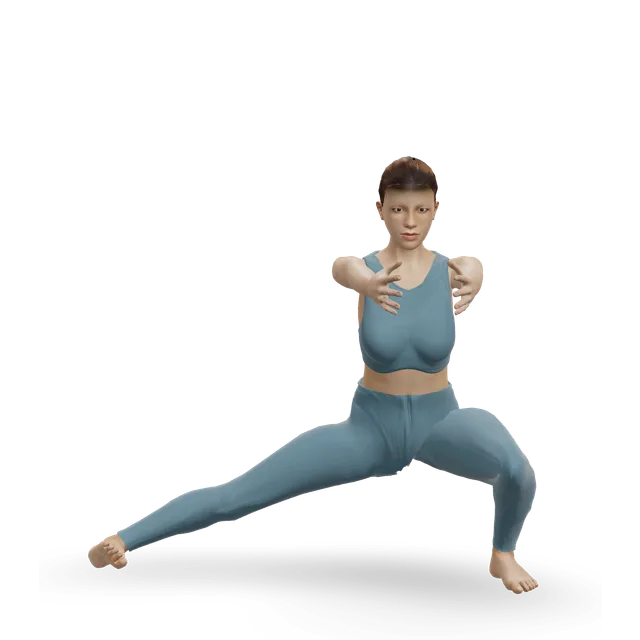
Neither style is kinder to hips in general. In the 30-man lab study, the conventional deadlift bent the hip a little more at the floor and loaded hip extension more, while sumo put the hip into far more outward swing and turn (about 24 to 32 degrees of abduction against 5 to 8) and loaded it more sideways and in rotation. At a national championship, sumo lifters stood about twice as wide with their feet turned out about 42 degrees, and hip loads didn't differ significantly between styles; in another study of 57 national-level powerlifters, sumo cut the lower back load by about 10%. A practitioner article in the American College of Sports Medicine's fitness journal advises choosing the variation you can do repeatedly without pain or discomfort.
Sumo can relieve a pinch at the front for some lifters and aggravate inner-thigh pain for others. That rests on a model built from one man, in which turning the hip out may reduce bony contact deep in the squat, and on a clinical commentary's squat advice to turn the toes out with impingement: it is our reading, not a deadlift study. In a small lab study, 15 people with a cam shape couldn't squat as deep as 11 without one. Hip shapes differ a lot between people (in 442 hips, average inward rotation ranged from about 20 to 44 degrees with bone shape), so the stance that suits one lifter can pinch another.
The trap bar lowered peak hip and lower back loads and raised the knee's in 19 powerlifters, and the straight bar worked the outer hamstring more in 20 men. But in 11 trained women the hex bar bent the hips and knees more at the start, so it lowers the hip's load more than its bend. Blocks, a rack pull or the trap bar's high handles start the bar higher, which shortens the pull (our reading; no study has measured hip angle with blocks).
Sources 7, 25, 26, 27, 9, 28, 29, 12, 30, 31, 32, 33
The sitting bone: tendon, muscle, nerve or backEmerging evidence
The hamstring tendons are squeezed against the sitting bone when the hip is bent, as in sitting, lunging, deep hinging and hamstring stretches, and the physiotherapy programme from a 2025 trial treats those as the usual aggravating activities. Tendons squeezed against bone are thought to be more irritable, though that is a hypothesis. Clinicians reproduce the pain with stretch tests that are reliable between examiners.
In 12 weight-trained men, hamstring activity was highest in the Romanian deadlift and the glute-ham raise, and hip-extension exercises worked the long hamstrings in particular. That is why deep Romanian and stiff-legged deadlifts are the versions most likely to bring on sitting-bone pain (our reading). A sudden injury is different: the NHS says a hamstring injury brings a sharp pain at the back of the leg, sometimes a pop, then tenderness, swelling and bruising after a few hours, and the American Academy of Orthopaedic Surgeons says the most severe tear pulls the tendon off the bone, sometimes with a piece of bone (an avulsion). Leg pain with pins and needles or numbness points to the back instead.
Sources 14, 15, 34, 35, 36, 37, 38, 39, 19
What a scan shows, and when it mattersStrong evidence
Not at first, for a pinch or an ache. Across 26 studies of hips without pain, a cam shape (a bump on the neck of the thigh bone) showed in 37% (54.8% of athletes) and labral damage in 68% of the hips that had magnetic resonance imaging (MRI); in 45 volunteers without hip pain, MRI found labral tears in 69%; and across 29 studies, labral tears showed in 54% of people without pain against 62% with it. MRI shifts the odds of a labral tear only a little, and an international consensus puts X-rays first and advanced imaging only when it would change a decision. The National Institute for Health and Care Excellence (NICE) diagnoses hip arthritis without imaging from 45 with typical features.
A scan matters for a suspected hamstring avulsion (an X-ray can show a piece of bone pulled off, and repair within about 4 to 6 weeks had fewer re-tears); for a teenager's sudden hip pain after a lift (an X-ray the same day); for deep groin or front-of-thigh pain that builds with load and hurts at rest or at night, because a stress fracture of the hip can show nothing on a first X-ray and needs an MRI; and for pain not settling after 3 months of exercise, the review point UK hip physiotherapists use. A standard MRI can look normal or mild in hamstring tendinopathy.
Sources 40, 41, 42, 43, 44, 45, 39, 46, 47, 48, 49, 50
How it usually goesEmerging evidence
NHS inform expects new hip pain to begin to settle within 6 weeks in many cases. In the UK FASHIoN trial of hip impingement, both the surgery and the physiotherapy groups improved a lot over a year, and most CrossFit hip and groin injuries were treated with physiotherapy (a median of 2 months).
For the hamstring tendon, strength may take 3 to 6 months or more to match the other side in long-standing cases; for the outer hip, 51 of 65 people who had education and exercise were improved at a year. Most injured powerlifters kept training with changes: only 16% of those currently injured had stopped completely. No one can promise a date.
Sources 51, 52, 5, 15, 53, 2