Which muscles bend the elbow, and what bending squeezesStrong evidence
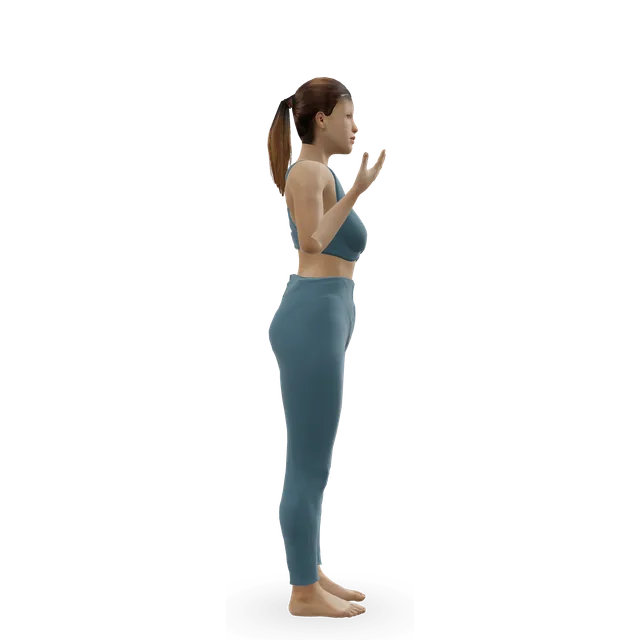
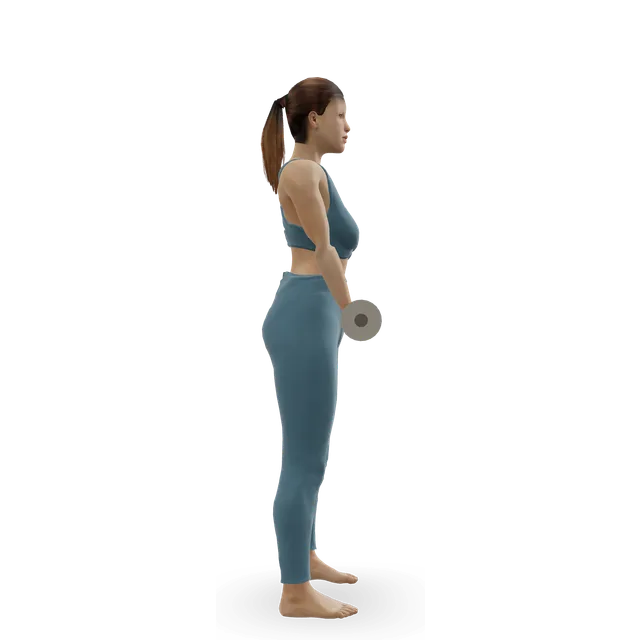
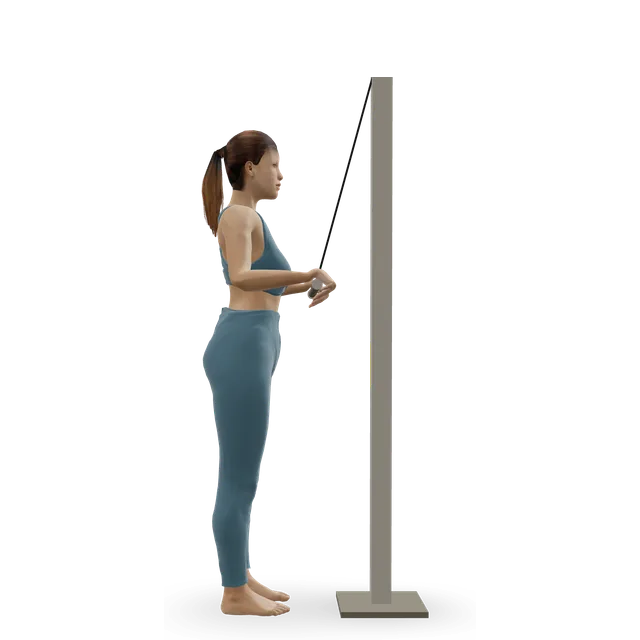
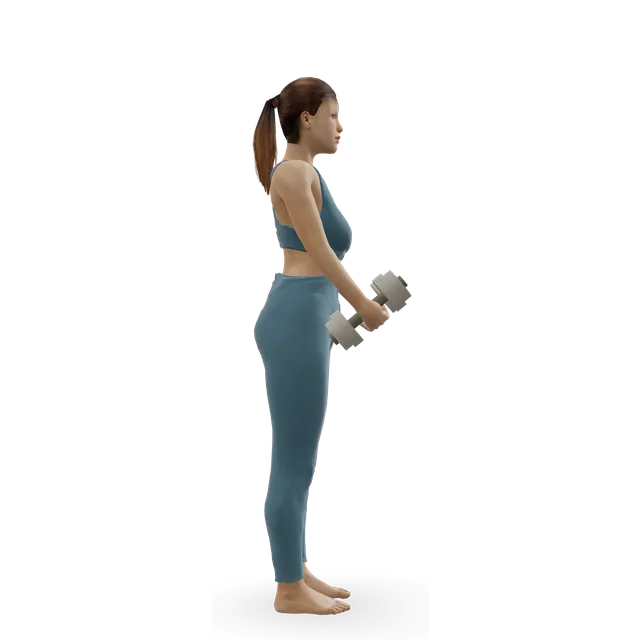
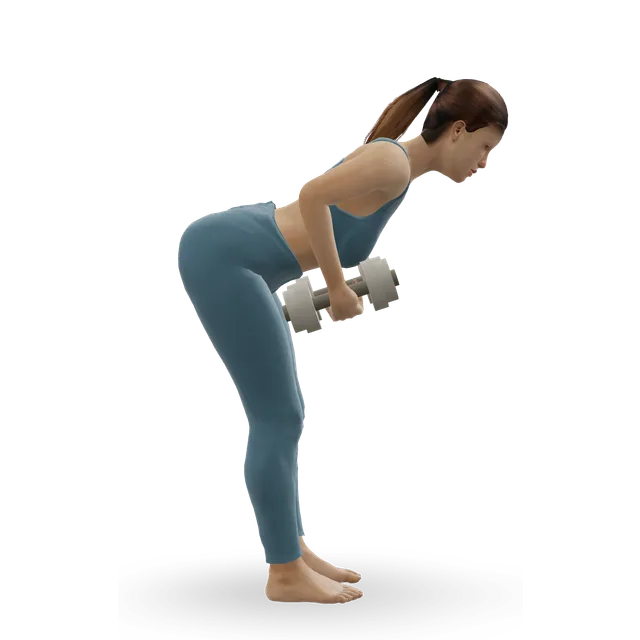
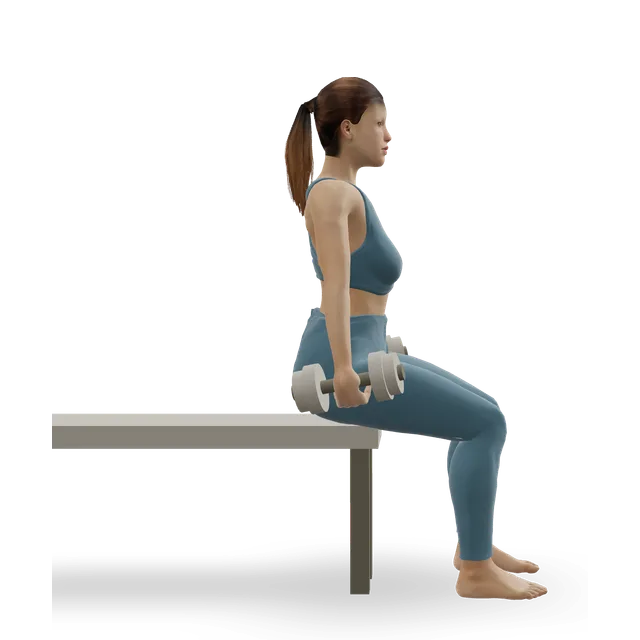
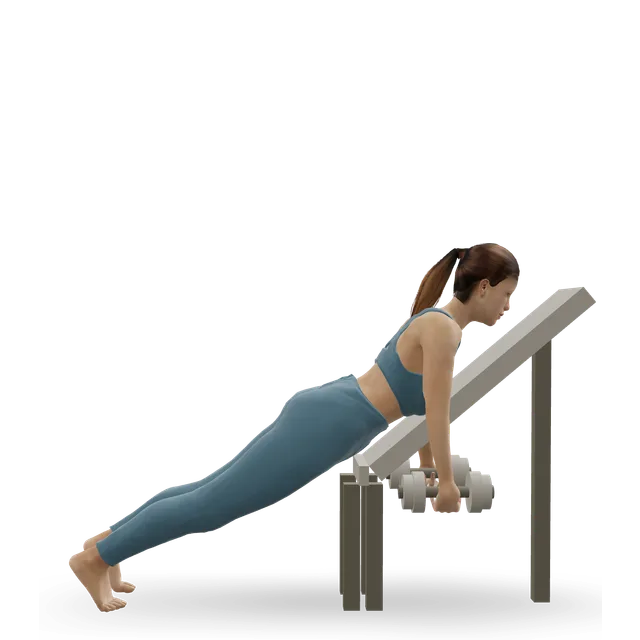
Bending the elbow uses the brachialis in every hand position, the biceps most when the palm turns up, and the brachioradialis. The biceps' main job is turning the palm up, so biceps tendon pain is, in an NHS referral guide's words, "anterior elbow pain, typically deep in the antecubital fossa on resisted supination": deep in the crease when you bend against resistance and turn the palm up.
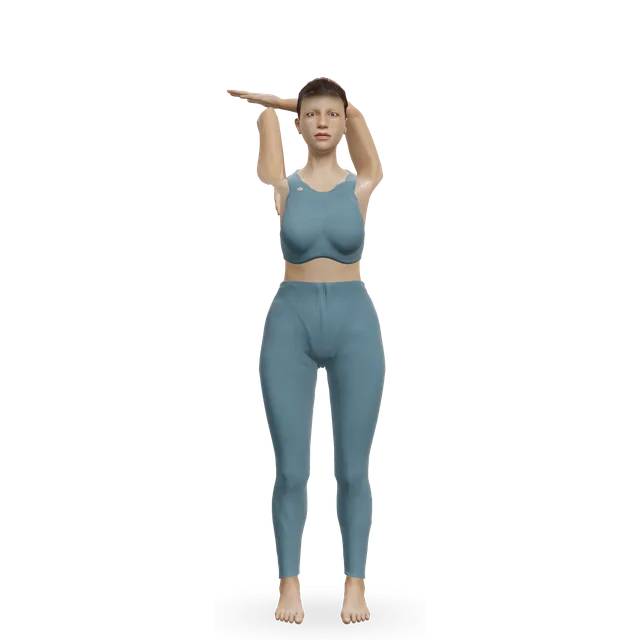
Bending also squeezes and stretches the ulnar nerve behind the inner bump, and presses a swollen bursa on the point of the elbow at full bend. Most daily tasks need about 30 to 130 degrees of bend, but using a phone needed up to 142 degrees in a lab study, so losing the last part of bending matters for the face, hair and phone.
Sources 1, 2, 3, 4, 5, 6, 7
The front of the elbow: the biceps tendon, the brachialis and normal sorenessEmerging evidence
A gradual ache deep in the crease, worse lifting and turning the palm up, is usually the biceps tendon: an overloaded tendon or a partial tear. Sources disagree on how common it is, and no exercise trial for it was found.
The brachialis tendon can hurt in climbers, but a climbing review says these injuries "are seldom seen outside of climbing". New curls, chin-ups or lowering work make the elbow benders very sore for a few days: in 203 volunteers after hard lowering work, a quarter had muscle enzyme levels above the level used to diagnose muscle breakdown, yet none had kidney changes, and one bout protects against the next.
Sources 2, 8, 9, 10, 11, 12, 13, 14
A torn biceps tendon: uncommon, but time-sensitiveStrong evidence
A full tear of the biceps tendon at the elbow is uncommon: about 1 to 5 people in 100,000 a year, about 95% of them men, with an average age of about 46. It usually happens when a bent elbow is forced straight by an unexpected heavy load: a pop, then swelling and bruising at the front of the elbow and forearm, a bulge in the upper arm and weakness turning the palm up. The pain can ease after a week or two.
The NHS website has no page on it. NHS Lothian's referral guide sends a suspected tear to an orthopaedic doctor the same day, and one NHS fracture clinic arranges a specialist "within two weeks of your injury"; US orthopaedic surgeons say repair is ideally done "during the first 2 to 3 weeks". That is why a pop with bruising needs checking the same day, even when it stops hurting.
Sources 15, 16, 17, 1, 18, 19, 20
The inside of the elbow and tingling fingers: the ulnar nerveStrong evidence
The ulnar nerve at the elbow is the second commonest trapped nerve in the arm after carpal tunnel syndrome: about 25 men and 19 women in 100,000 a year see a UK general practitioner (GP) about it, most often at 55 to 64. In cadaver arms, full bending shrank the nerve by up to half and stretched it, which is why UK hand surgeons say leaning on the elbow, holding it bent (on the telephone, for example) and sleeping with it bent bring on tingling in the ring and little fingers.
In clinic, bending plus pressure on the nerve for 30 seconds reproduced symptoms in 91% of people with the condition, but bending alone in only 32%. With phones it's the bent-elbow posture rather than the hours of use that mattered in one small study.
Sources 21, 22, 3, 23, 24, 4, 25, 26, 27
The point of the elbow, the outside, and a stiff elbowEmerging evidence
With olecranon bursitis, NHS Lothian says elbow movement "should be painless except at full flexion when the swollen bursa is compressed". It is commonest in men aged 30 to 60 and in jobs that lean on the elbow. An infected bursa is usually tender, red and warm, but only 38% had a fever in pooled series, so a normal temperature doesn't rule infection out.
Tennis and golfer's elbow hurt at the bony bumps with gripping and wrist movement, and elbow movement is "usually preserved"; the NHS lists "lifting or bending your arm" among tennis elbow's triggers. An elbow that won't bend fully is usually stiffness after an injury or arthritis, which mostly follows an old injury: in a random sample of 318 Japanese people over 50, arthritis showed on X-ray in a quarter but caused symptoms in under 1 in 100. A 2025 review puts stiffness after an elbow injury at about 10% to 15% of people.
Sources 5, 28, 29, 30, 31, 32, 33, 34, 35
Children: a pulled elbow or a fractureStrong evidence
A young child who suddenly won't use an arm after it was pulled or swung most often has a pulled elbow, which a doctor or nurse can usually put back in minutes; an X-ray isn't usually needed. It came back in 14% of 2,331 cases, and turning the palm down to put it back worked first time more often than turning it up (9 trials, 906 children).
After a fall it's different: a fracture just above the elbow made up 58% of 355 elbow fractures in Danish children, and a child who falls and won't use the arm needs an X-ray.
Sources 36, 37, 38, 39, 40, 41
What a scan or test shows, and what it doesn'tMixed evidence
After a fall, 46% of people who couldn't fully straighten the elbow had a fracture, while being able to straighten it fully largely ruled one out in adults (98.4%), less so in children (95.8%). For a suspected biceps tear, examination with the hook test comes first: it found all 33 complete tears in one surgeon's patients, but only 78% in a larger series and 30% of partial tears. Magnetic resonance imaging (MRI) found 92% of complete tears but only 59% of partial tears in 46 operated people; biceps changes on MRI were rare in elbows without symptoms (0.6% of 1,191).
For tingling with a bent elbow, NHS referral guides need no imaging in primary care, and 76% of people with typical symptoms had normal nerve tests in a trial, most of whom improved. An X-ray for a stiff elbow helps when the diagnosis is uncertain or symptoms suddenly worsen; X-ray arthritis is common and mostly silent.
Sources 42, 1, 43, 44, 45, 46, 47, 48, 49, 32, 33
How it usually goesEmerging evidence
Half of bursitis that isn't infected settles within 2 weeks and three-quarters within 8. Biceps tendon pain "Can improve within weeks to months" and may persist for several years. With the ulnar nerve, 89.5% improved with advice over 6 months in a trial; tennis and golfer's elbow improve in 80% to 90% over 1 to 2 years. Most children with a pulled elbow use the arm normally within about 20 minutes of it being put back. After a biceps repair, heavy activity usually returns after about 4 to 6 months. No one can promise a date.
Sources 5, 2, 47, 30, 36, 1