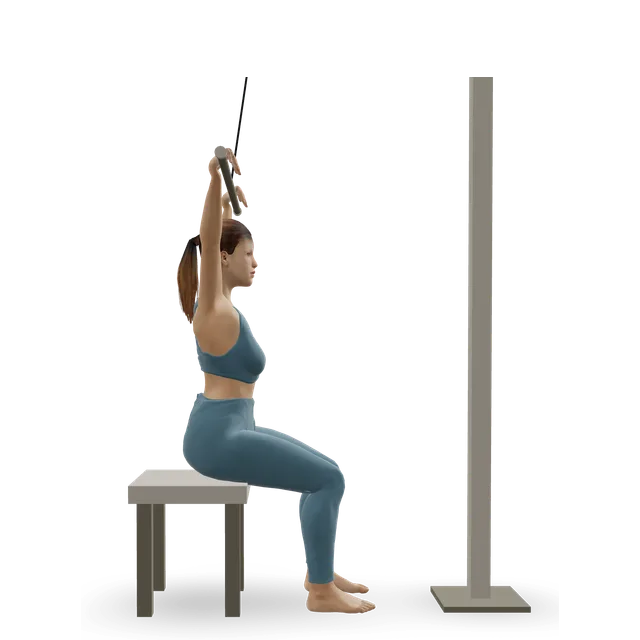
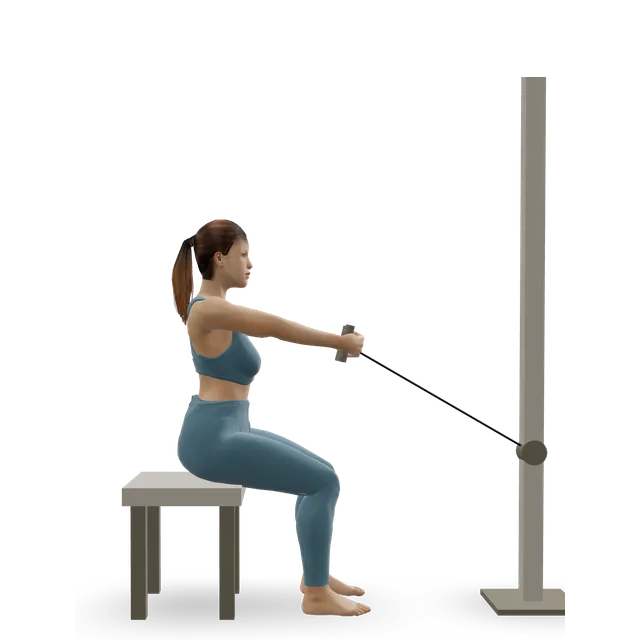
What a pull-up asks of the wrist, and what no study has measuredEmerging evidence
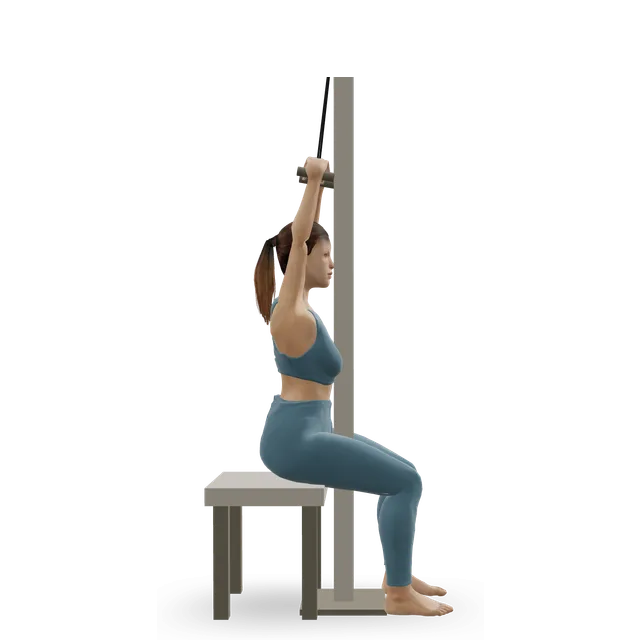
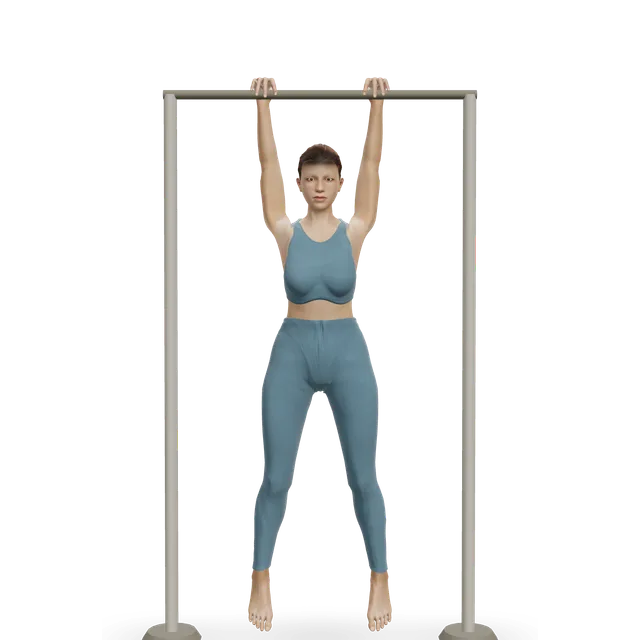
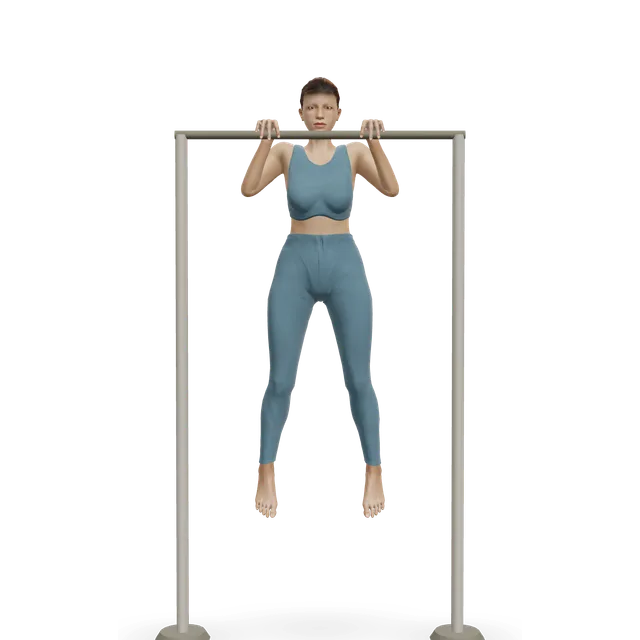
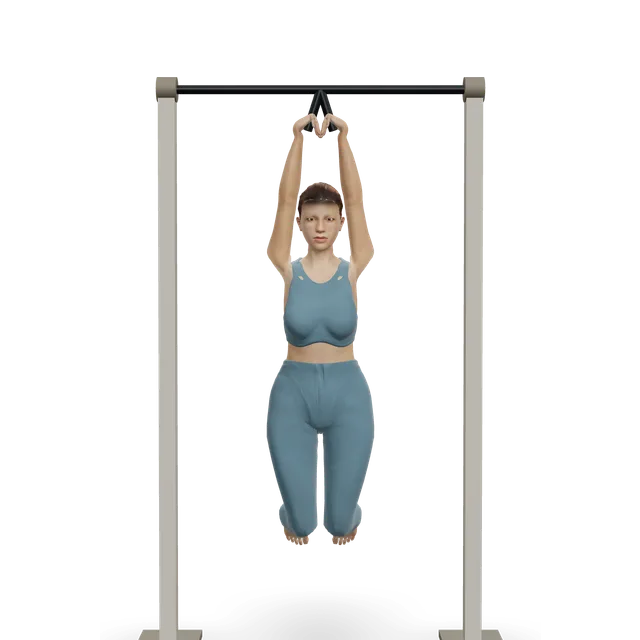
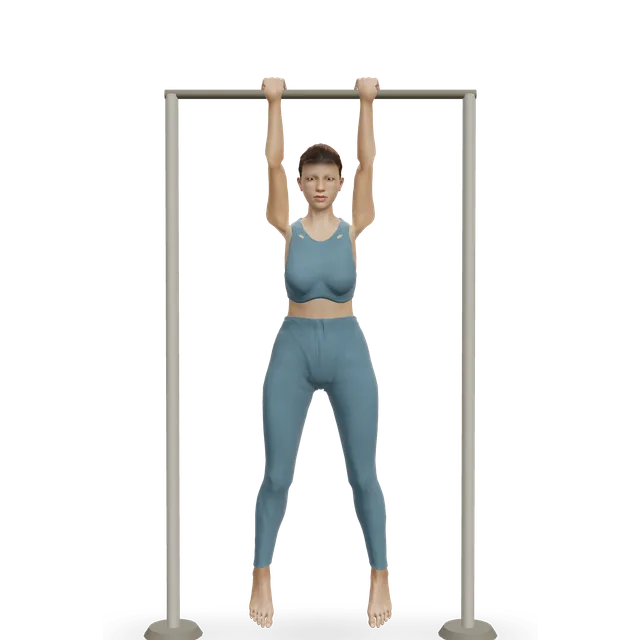
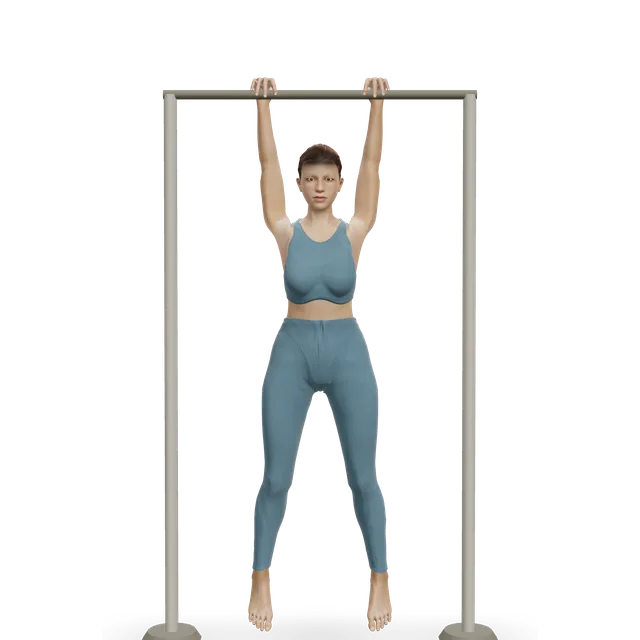
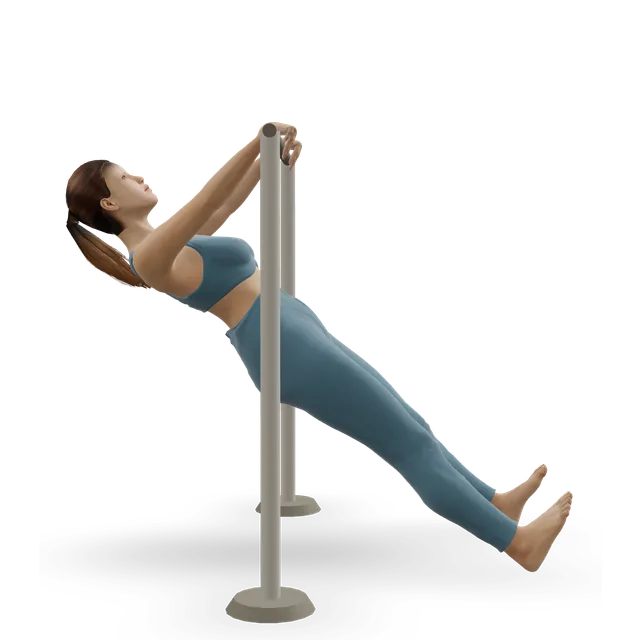
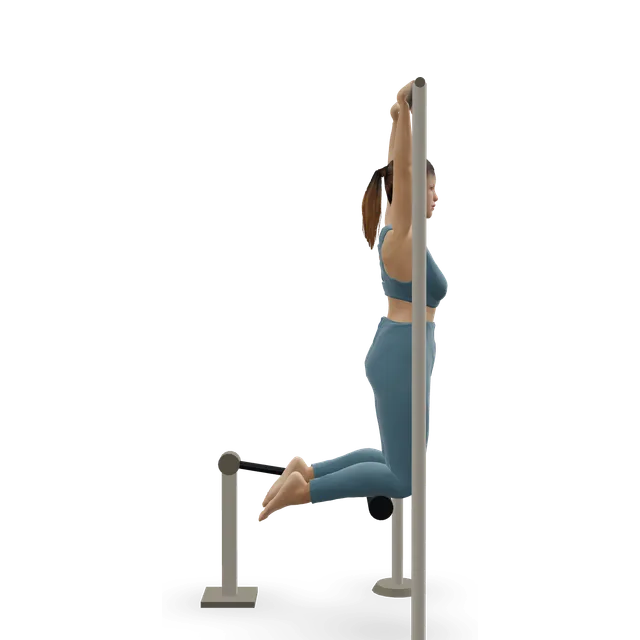
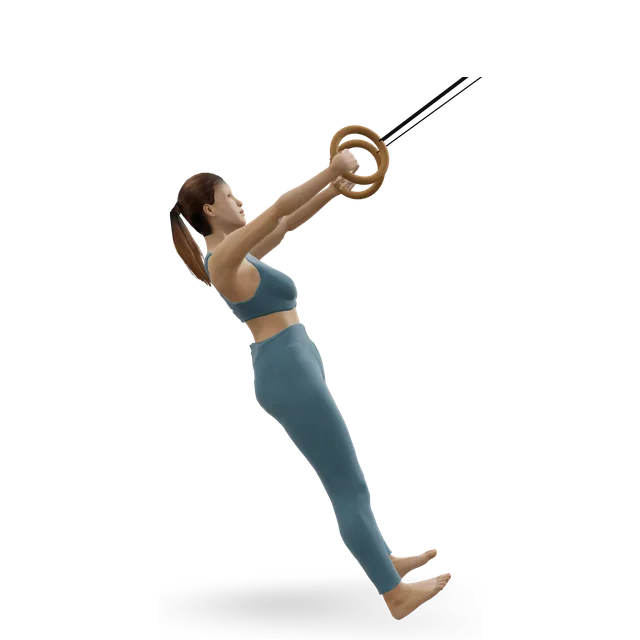
You hang from straight arms and pull your chest towards the bar. The back and arm muscles do the pulling, and the finger and wrist muscles of the forearm hold you on the bar for the whole set. In 19 trained men, overhand, underhand, neutral and rope grips worked the shoulder, arm and forearm muscles much alike over a full rep; in 25 adults, the chin-up worked the biceps and chest harder than the pull-up. Thick grips raised forearm muscle activity, including the extensor carpi ulnaris (ECU) tendon on the little-finger side, and cut the number of pull-ups in 15 trained men, and small climbing holds cut reps and power.
No study has measured the wrist's angle or load in a pull-up, a chin-up or a hang, or counted wrist pain from them. So the map on this page comes from what each condition is known to do (our reading).
Sources 1, 2, 3, 4
What palm-down gripping does to the wristEmerging evidence
The ulna, the forearm bone on the little-finger side, moves against the radius as the forearm turns and the hand grips. In 120 volunteers on X-ray, it sat furthest towards the wrist when gripping with the palm down (1.52 mm beyond the radius on average) and least when relaxed with the palm up (0.19 mm); a maximal grip moved it 1.81 mm further in 41 men; and in 9 donated forearms, the force through the end of the ulna was greatest with the palm down.
Choosing your pull-up grip by the side that hurts is our reading of these X-ray and cadaver studies: no one has measured the wrist on a pull-up bar. Two cautions: how far the ulna sits towards the wrist was only weakly linked to the load through it in 58 donated forearms, and in 59 young gymnasts it wasn't linked to wrist pain.
Sources 6, 7, 8, 9, 10
Where it hurts, and how common each cause is
No study counts the causes of wrist pain in pull-ups, so the figures here come from climbers, gymnasts and CrossFit athletes, not people doing pull-ups.
- The little-finger side: ulnar-sided injuries were the commonest of 78 wrist injuries in climbers seen at a specialist centre; in a survey of 745 climbers, TFCC injuries were 8.8% and ulnar-sided wrist pain 6.7% of injuries reported; and in 25 Olympic athletes who needed a wrist magnetic resonance imaging (MRI) scan, TFCC changes were the commonest finding (56%), mostly long-standing, and the ECU the most often injured tendon.
- The thumb side: de Quervain's is linked with forceful, repetitive hand work (about 3 times the odds in a meta-analysis), though that link doesn't prove cause; it is about 2.6 times as common in women and peaks at 40 to 59, and it rose with training volume in 45 volleyball players. The NHS lists pain, swelling and stiffness at the base of the thumb under tendonitis (de Quervain's) or arthritis.
- The middle of the back of the wrist: in people with this pain when loading a bent-back wrist, MRI found a cause in 84%, mostly a hidden ganglion. That muscle-ups, the false grip and the turnover bring it out is our reading.
- A smooth lump: often a ganglion, which the NHS says usually gets better without treatment, though this can take months.
- Tingling in the thumb and first fingers: carpal tunnel syndrome, which the NHS says is worse with frequent wrist bending or hard gripping.
- A sprain after a slip or fall: the NHS lists the wrist and thumb among the commonest places for a sprain, with pain, swelling or bruising and trouble using the joint normally.
Sources 11, 12, 13, 14, 15, 16, 17, 18, 19, 20, 21
Who gets itEmerging evidence
People adding pull-ups, chin-up challenges, kipping or muscle-ups quickly; calisthenics athletes (wrists made up 15% of injuries in 181 Dutch athletes, after shoulders at 32%); CrossFit and high-intensity functional training athletes (wrist, hand and fingers 12% of injuries across 28 studies; 20.4% of 270 CrossFit athletes had a hand or wrist injury, mostly the wrist); climbers; gymnasts, about half of whom have wrist pain at any time; and lifters (the hand and fingers made up 15.3% of injuries in weightlifting reports). People who also load the wrist bent back in push-ups, front squats and handstands that week are a likely group too (our reading).
In a self-selected gym survey of 1,387 people, 69 of 354 doing bodyweight pull-ups (19.5%) linked them to pain, against 40 of 355 on a machine (11.3%), but the survey didn't record where it hurt, so the share that is wrist pain is unknown.
Sources 22, 23, 24, 25, 26, 27
Rarer and serious
A fall from the bar is the main serious risk: US emergency departments see about 4,000 pull-up bar injuries a year, mostly falls, with the head and face nearly half and then the shoulder, wrist and forearm. After a fall, a broken scaphoid or wrist or a forearm joint knocked out of place need checking, and with gymnastic grips a grip that catches on the bar is a 999 call. A hot, swollen wrist without an injury, a pop at the front of the elbow with a bulge, arms far sorer or weaker than a big session explains, several swollen joints, and a lump that grows are all in the warning signs.
Sources 28, 29
When a scan or test mattersStrong evidence
Not at first for an ache without warning signs: the NHS starts with looking after it at home, and a GP if it hasn't improved after 2 weeks. After a fall, an X-ray comes first. Tenderness in the hollow at the base of the thumb is sensitive for a broken scaphoid but not specific, and no single sign rules one out: about 9% of suspected cases with normal X-rays were broken, 21.8% of scaphoid fractures in one review were missed on the first X-ray, and MRI picked up 94.2%.
Little-finger-side pain that clicks, feels unstable or won't settle needs an examination and sometimes MRI, but tears show on MRI in wrists that don't hurt, as our TFCC guide explains, so the result has to match the examination. Tingling that lasts needs a GP, who may arrange nerve tests.
Sources 17, 29, 30, 31, 32, 20
How it usually goesEmerging evidence
No study follows wrist pain from pull-ups. The NHS expects most wrist pain to ease with home care, with a GP if it hasn't after 2 weeks, and says a mild tendon injury should feel better within 2 to 3 weeks. Of 78 climbing wrist injuries followed for at least 2 years, most were treated without surgery; 65.4% had healed and 34.6% still had some discomfort, with average pain falling from 4.8 to 0.7 out of 10. For de Quervain's, one steroid injection was a lasting success for 71.9% in a large database. No one can promise a date.
Sources 17, 33, 11, 15