Up to about 5 out of 10, settled within half an hour, no worse the next morning; about 3 out of 10 on the little-finger sideEmerging evidence
This guide uses the wrist hub's rule, as our other wrist movement guides do. Some discomfort during these exercises is fine and doesn't mean you are doing damage. Keep it to about 5 out of 10 or less. It should settle within half an hour or so, and your hand should be no worse the next morning. If it is, do fewer, smaller or lighter next time, not nothing. An NHS wrist rehabilitation booklet uses the same limit: an unpleasant stretch of about 5 out of 10 that settles within 30 minutes.
Tingling and numbness are different: stop and get advice if an exercise brings them on and they don't fade quickly, or if your grip or thumb gets weaker.
On the little-finger side, keep it lower: about 3 out of 10, as our TFCC tear, front squat and plank wrist guides do, from a review's targets that its authors call untested.
The Oxford NHS trust booklet, the source of the 5 out of 10 limit, describes discomfort that should settle within 30 minutes. In 7 trials of long-lasting muscle and joint pain, none in the wrist, exercise allowed to hurt a little did no worse than pain-free exercise.
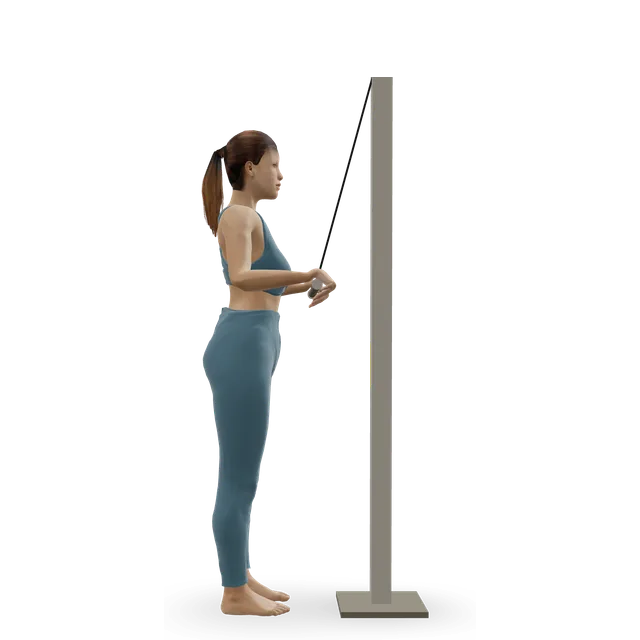
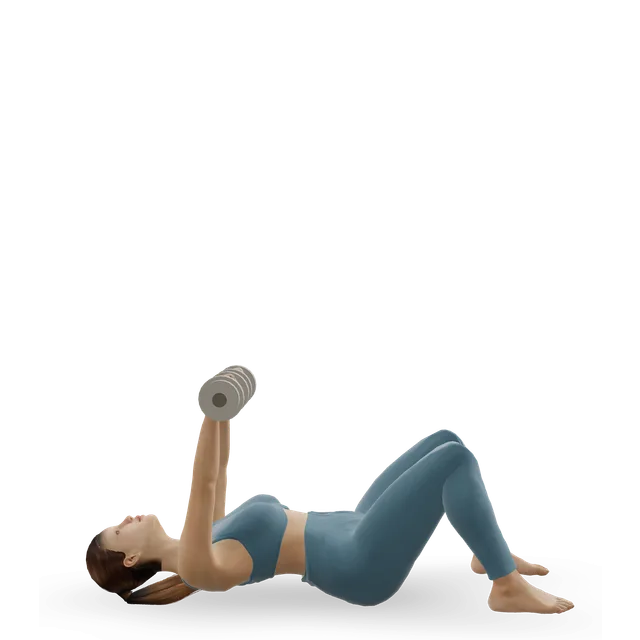
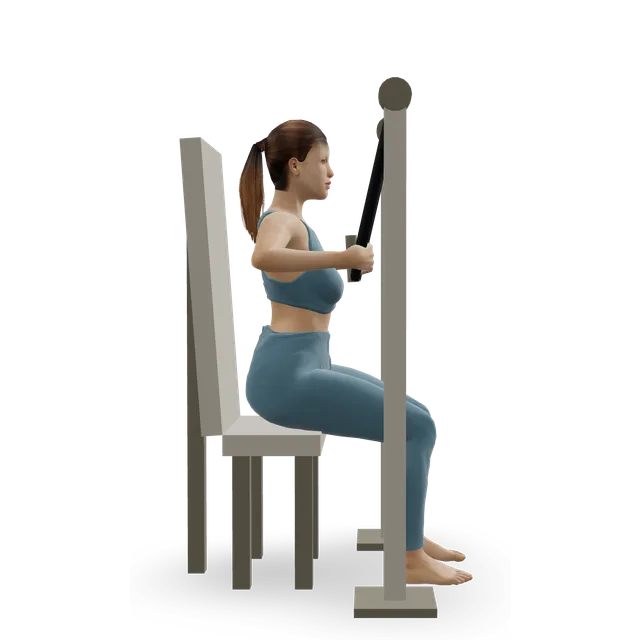
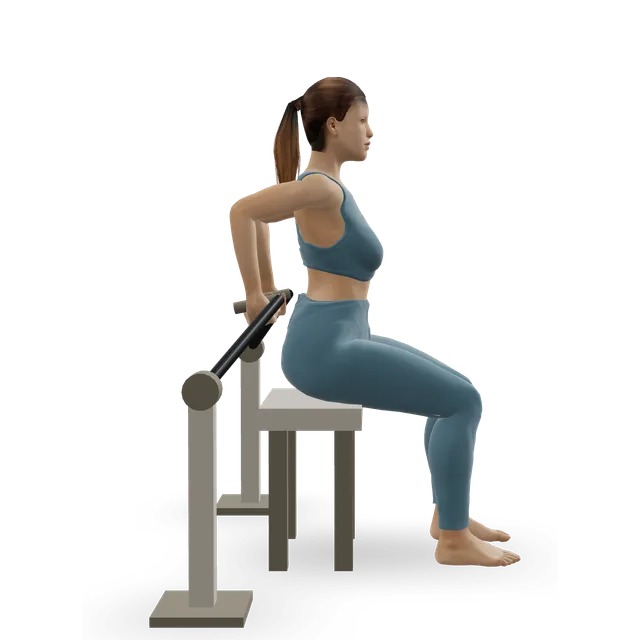
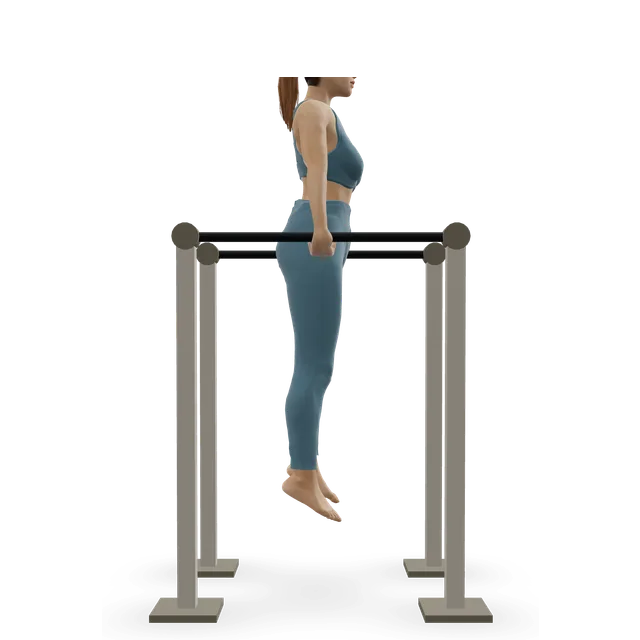
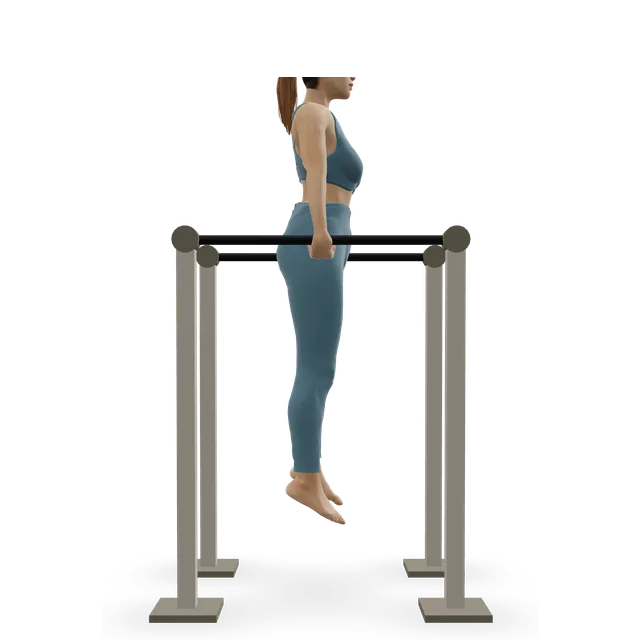
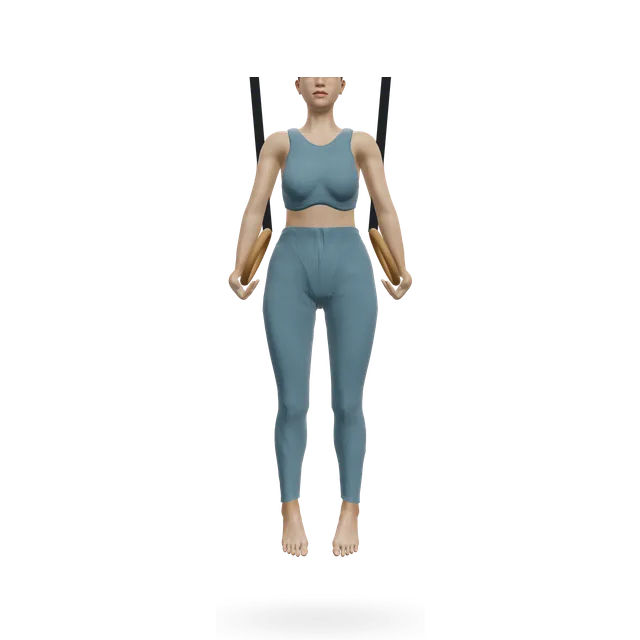
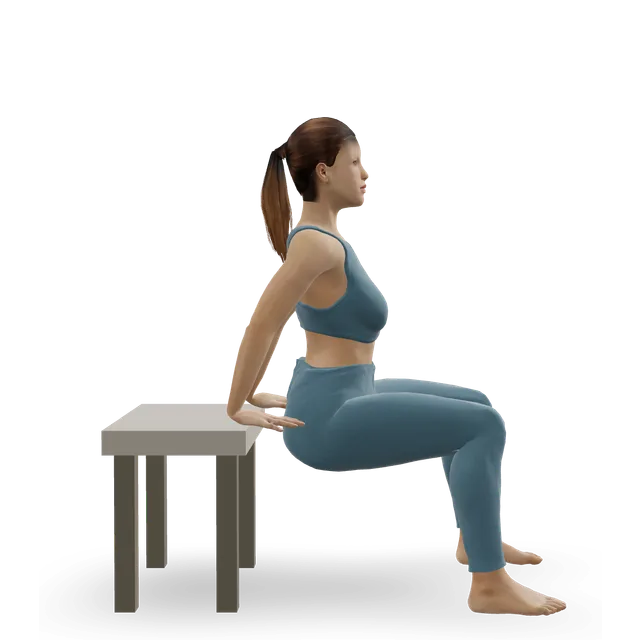
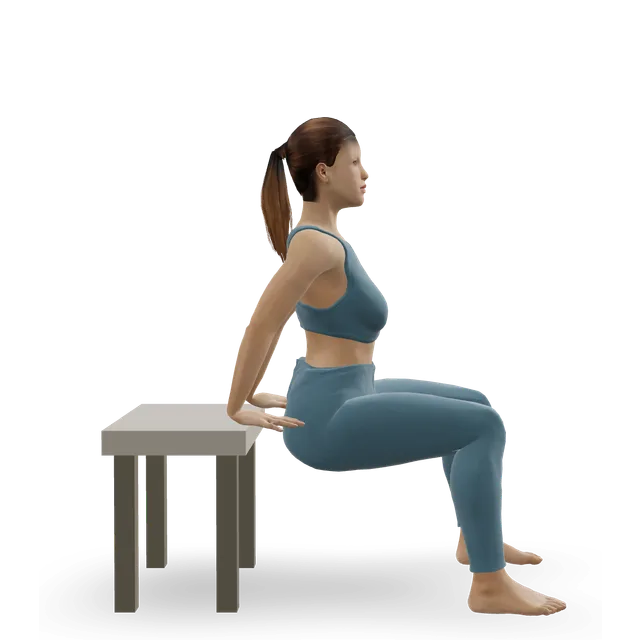
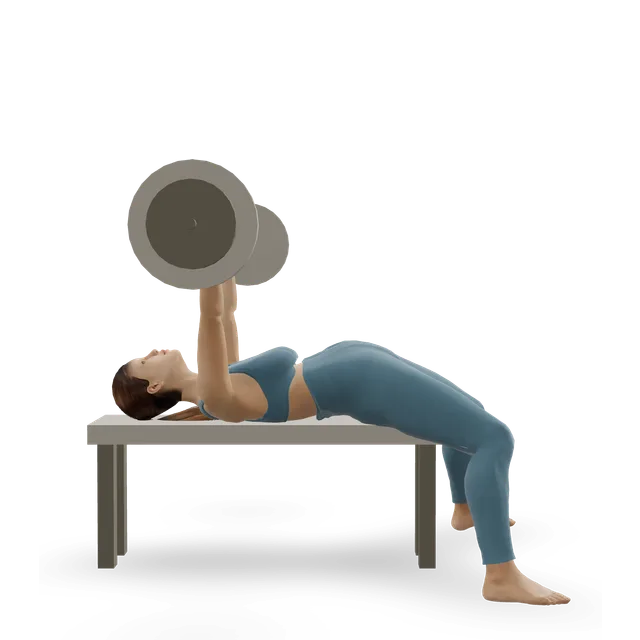
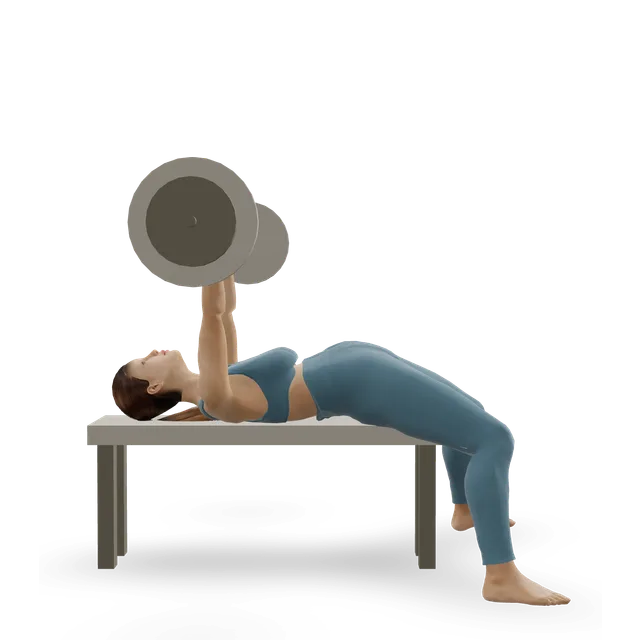
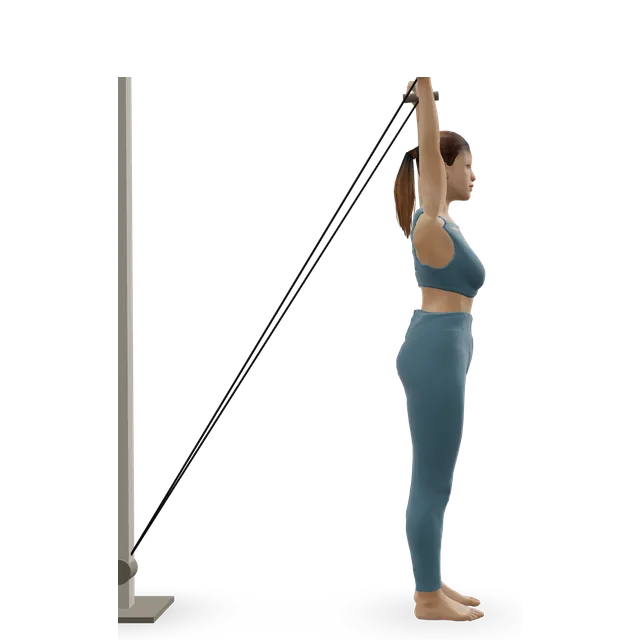
For dips (our suggestion, built on the same rule): judge each set by its last reps, and use the step of the ladder (pushdowns and floor presses, weight through the hands on a table, a wall and the floor, the dip machine, assisted bar dips, bar dips to a right angle, then weighted, ring or bench dips), the depth and the handles where your wrist stays at 5 out of 10 or less (3 on the little-finger side), settles within half an hour and is no worse the next morning. A burn in the triceps is fine; a sharp pinch at the back of the wrist at the bottom is a reason to go shallower or back a step. A click or clunk with pain, a wrist that gives way, swelling, tingling that stays, pain after a fall, or chest pain, breathlessness or faintness isn't a pain-rule question: see the warning signs.
Sources 27, 30